
REVIEW · COOKING CLASSES
Cape Town: Bo-Kapp Walking Tour and Malay Cooking Class
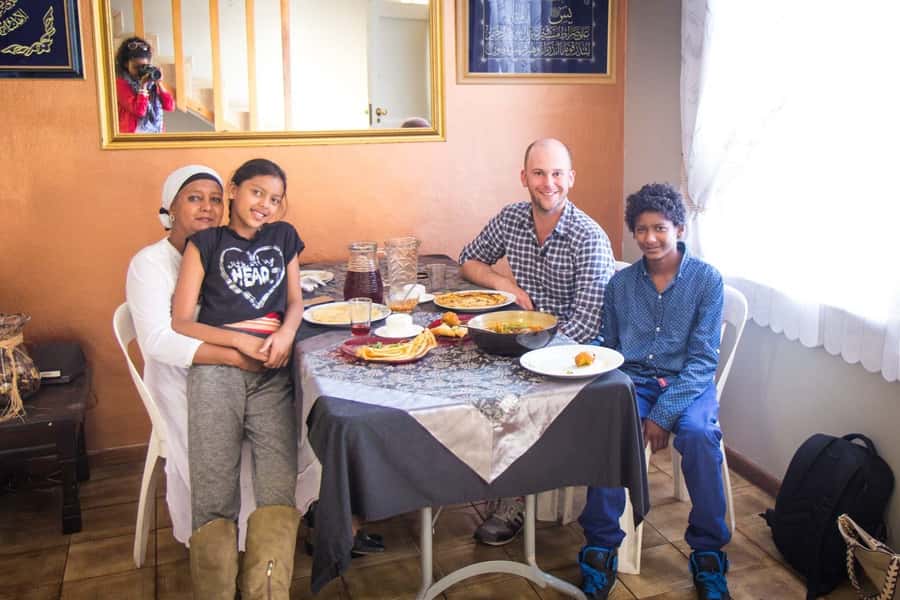
Colorful houses, real stories, and hot spices. I love how this Bo-Kaap walk brings you right into the Cape Malay community, with stops tied to landmarks like the old mosque story and a cultural museum. I also love the hands-on cooking in Faldela’s home setting, where you make curry and roti, then finish with koesisters and cardamom tea.
The only real catch is that the cooking space can be tight, so hands-on time may happen in turns rather than everyone doing everything at once.
In This Review
- Key Takeaways Before You Go
- Bo-Kaap Streets First, Then the Home Kitchen
- The Bo-Kaap Walk: Color Is the Hook, Context Is the Prize
- A quick reality check
- The Spice Shop Stop: Where the Cooking Story Gets Specific
- Cooking at a Local Home: Samosas, Chicken Curry, Roti, and More
- What you will likely cook
- Hands-on time can be shared
- You are eating what you make
- Finishing Touches: Koesisters and Recipes You Can Use Again
- Price and Value: What $68 Buys You in Real Terms
- Who Should Book This Tour (and Who Might Pass)
- Should You Book the Cape Town Bo-Kaap Walking Tour and Malay Cooking Class?
- FAQ
- How long is the Bo-Kaap walking tour and Malay cooking class?
- Where do I meet the host?
- What do you do during the walking tour portion?
- Do you stop at a spice shop?
- What dishes will I help prepare?
- Will I receive recipes after the class?
- What is included in the ticket price?
- Are food and drinks included, and is there alcohol?
- What should I bring, and can I cancel if plans change?
Key Takeaways Before You Go
- A guided Bo-Kaap walk that goes past photo stops, including museum time
- Spice shop lessons with practical uses, plus health benefit talk
- True hands-on Cape Malay cooking, from folding samosas to making salsa salad
- A full meal you cook yourself, with curry, roti, and koesisters
- Recipes shared after the class, so you can cook it again at home
- Small kitchen setup means shared prep time, not nonstop solo cooking
More kitchens that will hand you an apron
- Cape Town: Malay Cooking Class and Lunch in Bo-Kaap★ 4.8 · 515 reviews
- Authentic African Cuisine Cooking Experience★ 5.0 · 236 reviews
- Cape Town: Cape Malay Cooking Class in Bo-Kaap★ 4.8 · 120 reviews
- Cape Town: Bo-Kapp Walking Tour and Malay Cooking Class★ 4.7 · 105 reviews
Bo-Kaap Streets First, Then the Home Kitchen
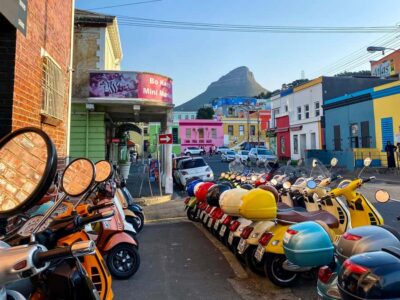
This experience starts the way I like city tours to start, on foot, in the neighborhood itself. Bo-Kaap, also spelled Bo-Kapp in some write-ups, is all about color, texture, and community life, and the walk is your warm-up. Expect cobblestone streets, close-up views of the houses, and a guide who explains what you are seeing in plain human terms.
One of the best parts is that you are not just marching from viewpoint to viewpoint. You hear the cultural backdrop while you are in the streets, including what the community is known for and why it is so tied to Islam in South Africa. You will also hear about the first and oldest mosque in the country, and you get museum time built in so the stories have somewhere to land.
If you are coming from central Cape Town, it can be tempting to treat Bo-Kaap like a quick Instagram detour. Don’t. The walking portion is the context you need to understand why the neighborhood looks the way it does and how daily life shaped the food and traditions you will cook later.
You will meet your host at a purple house with flower pots on top, so arrive a few minutes early and look for that front detail. The meeting point matters here because the start is personal. This is a home-based experience, not a big bus tour.
The Bo-Kaap Walk: Color Is the Hook, Context Is the Prize
I like the balance in how the tour is built. The neighborhood looks instantly memorable, but the guide focuses on meaning.
As you walk, you will likely get stops that make sense for first-time visitors:
- Landmark-style moments tied to local religious and cultural identity
- A cultural museum stop with entrance included
- Time in smaller local shops, including art and souvenir places, and sometimes even meeting the people behind the work
That last part is worth mentioning because it changes your pace. You are not only passing by. You are being welcomed into the neighborhood economy, the part that is still run by locals, not stand-in performers. One guide name that comes up often is Gadija, and in other instances you might tour with someone like Ilyas. The good news is the style is similar. You get explanations that feel like someone showing a friend around.
A quick reality check
Bo-Kaap is compact, so the walking part stays walkable and manageable. The main thing to plan for is comfort. Wear comfortable shoes because the street surface is not the soft kind.
The Spice Shop Stop: Where the Cooking Story Gets Specific
Half-day food tours sometimes wave at spices and move on. This one tries to do better.
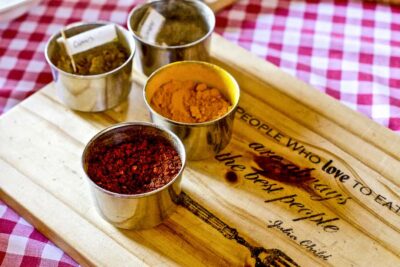
At the spice shop, your guide talks through different spices and why they matter. You are not just learning what goes into Cape Malay cooking. You are learning how spices show up in everyday thinking, including how they are used and talked about in health terms.
A tip that I think actually helps your memory: when your host starts breaking out the spices, hit record on your phone if you like to learn that way. It is the moment where the details pile up, and it is easier to rewatch later than to rely on brain-only notes.
You will leave the spice shop with a better sense of how curry gets its character. This matters because the class later is hands-on. If you understand what the spice is doing, your chicken curry and roti at home will taste closer to what you made in the kitchen.
More routes best done on foot


Cooking at a Local Home: Samosas, Chicken Curry, Roti, and More
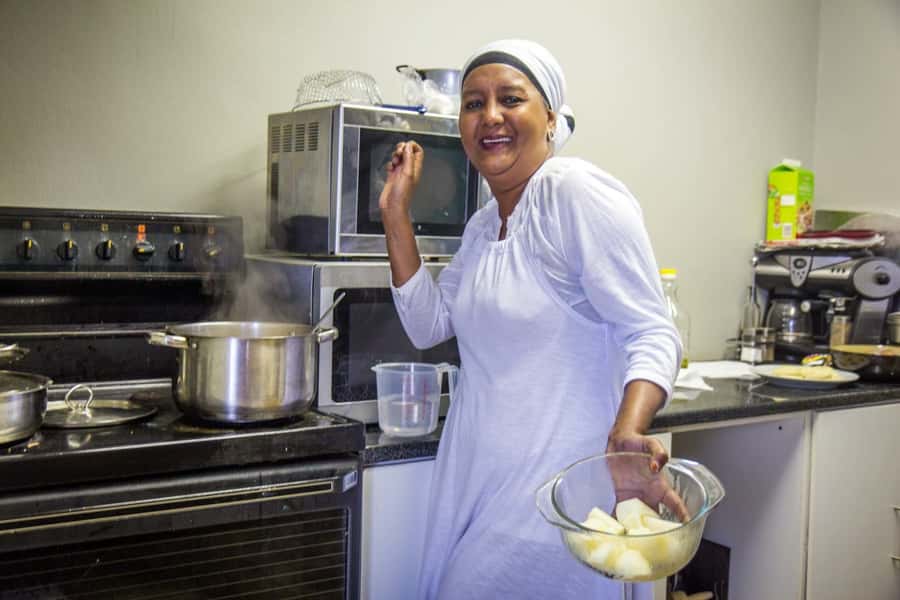
Then comes the main event, the cooking class in the host’s home. This is where the experience earns its reputation because you are not just eating. You are actively making a Cape Malay meal with instructions and technique, not mystery.
What you will likely cook
Based on how the class is described and the dishes people consistently mention, you can expect to help with:
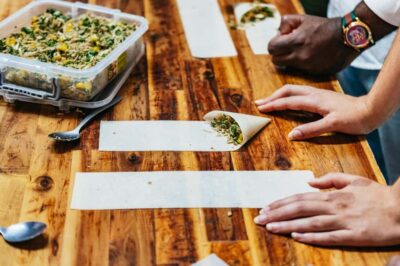
- Samosas (including folding, and getting a feel for how to shape them)
- Chicken curry as the centerpiece
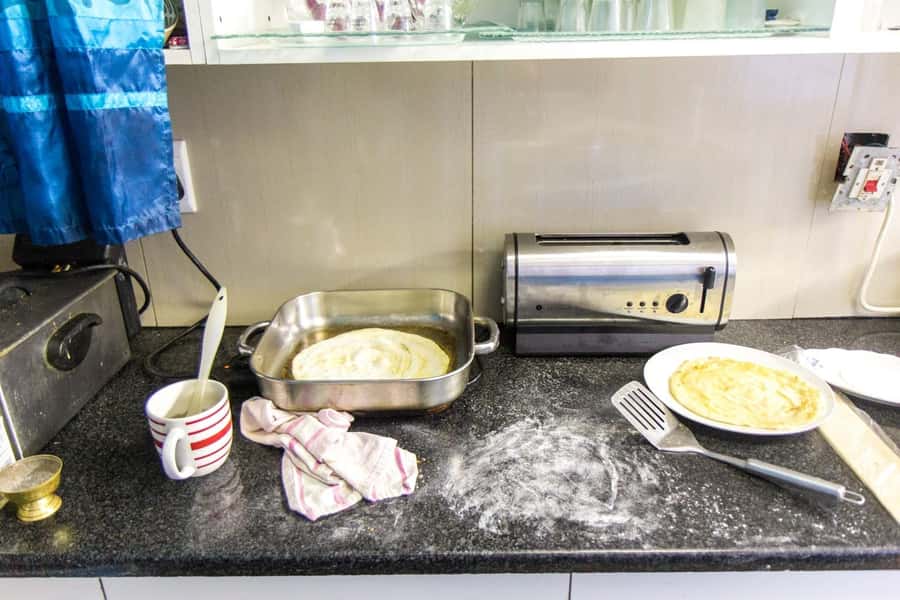
- Roti flatbread, made during the session rather than assembled off a shelf
- Salsa salad, called samabal in the class description
- Koesisters, spicy savory donuts served with cardamom tea
That menu gives you both savory and sweet at the end, and it is a nice flow. You start with small prep and shaping (samosas), move into the main flavors (curry and roti), balance with something cool and tangy (salsa salad), then end with the donut plus cardamom tea combo.
Hands-on time can be shared
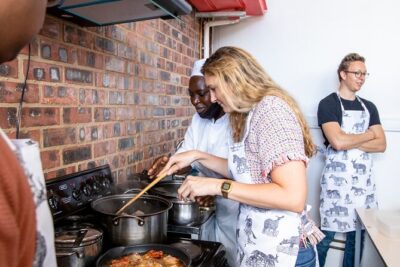
Here is the practical consideration I would not sugarcoat. The cooking area can be tiny, and some participants note that it really only allows one or two people at a time for certain steps. That does not mean you are watching the whole time. You should still get involved. It just means you might rotate through stations.
If you are the kind of person who wants to fully dominate every step, plan to switch gears from total control to cooperative cooking. The upside is that the guide can give closer attention when you do get your turn.
You are eating what you make
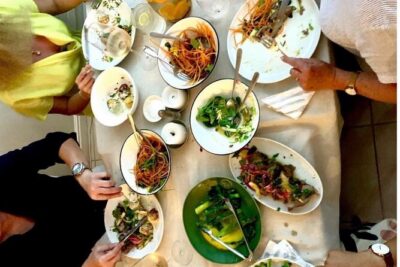
At the table, you sit down and enjoy the meal you prepared. This is part of why the experience feels more like sharing food than attending a show. You will leave full, and you will have a clearer sense of what you actually cooked and how it should taste.
Finishing Touches: Koesisters and Recipes You Can Use Again
The end of the session matters. Many cooking classes let you eat and then stop talking. This one aims to stick the landing with two things: a traditional dessert and take-home learning.
You finish with koesisters, those spicy savory donuts, and you drink them with cardamom tea. It is a very Cape Malay kind of close, the sweet finish that still feels savory and spiced rather than dessert-only.
Then there is the learning part. People frequently mention receiving the recipes by email after the class. That is huge value because it turns your memory into something you can actually cook again. If you have ever tried to recreate a meal from vague recollection, you will appreciate this.
Price and Value: What $68 Buys You in Real Terms
At $68 per person for about 4 hours, this is not a budget street snack situation. But it is also not overpriced when you break down what you are getting.
You are paying for:
- A guided walking tour that includes museum entrance
- A spice shop stop with explanations
- A hands-on cooking class inside a local home
- A meal you cook, plus traditional dessert and tea
- Water provided
What is not included is also clear: food and drinks are listed as not included, and alcohol is not part of the deal. That said, the class descriptions and the experience structure focus on cooking and eating what you make, so you should treat the meal as part of the experience. For drinks beyond water, assume you may need to plan ahead.
So where does the value come from? You are essentially paying for cultural context plus a practical cooking skill set. The real win is that you do not just taste Cape Malay food, you learn the steps and the spice logic behind it.
Who Should Book This Tour (and Who Might Pass)
I would point this toward people who like their travel to have a hands-on side.
You should book it if:
- You want an experience that feels local, not staged
- You like walking tours that explain what you see
- You want to learn Cape Malay cooking, especially roti and curry
- You enjoy meeting shop owners and seeing how the neighborhood runs day to day
You might consider skipping if:
- You hate small, shared cooking spaces where you rotate through tasks
- You want only major attractions and long museum time (this is more about community and food than big ticket sightseeing)
- You prefer tours that keep politics completely out of the conversation. Some visual messaging can appear on house fronts in the area, and you may notice it even if the focus is food and culture.
Should You Book the Cape Town Bo-Kaap Walking Tour and Malay Cooking Class?
If you want a Cape Town afternoon that connects neighborhood life to the food on your plate, yes, book it.
My decision rule is simple. If you would rather learn how to make a meal and understand why the neighborhood looks like it does, this tour fits. If you are only hunting for quick photos and a check-the-box itinerary, you can get less from this kind of home-based class.
Two final practical tips from the experience vibe:
- Wear shoes you can stand on for a few hours, because cobblestones are part of the charm.
- When the spice discussion starts, lean in. That is where your cooking will improve later at home.
FAQ
How long is the Bo-Kaap walking tour and Malay cooking class?
The experience runs for about 4 hours.
Where do I meet the host?
You meet your host at a purple house with flower pots on top.
What do you do during the walking tour portion?
You wander Bo-Kaap’s cobblestone streets, learn about the community and traditions, and visit a cultural museum while also hearing about the first and oldest mosque in South Africa.
Do you stop at a spice shop?
Yes. You go to a spice shop during the tour and learn about different spices.
What dishes will I help prepare?
You help prepare samosas, chicken curry and roti, and samabal (salsa salad). You also enjoy koesisters served with cardamom tea at the end.
Will I receive recipes after the class?
Yes, you get the recipes after the class, shared by email according to the experience reports.
What is included in the ticket price?
The price includes museum entrance fee and water.
Are food and drinks included, and is there alcohol?
Food and drinks are listed as not included, and there is no alcohol. Water is provided.
What should I bring, and can I cancel if plans change?
Bring comfortable shoes for walking on cobblestones. Cancellation is allowed up to 24 hours in advance for a full refund.
Walk It: More of Cape Town
Cooking Classes Around Cape Town
Keep going: the rest of our Cape Town write-ups
- Cape Town to Cape Point Helicopter Flight – 48Min
★ 4.2 · 3 reviews - Full Day Private Hiking Table Mountain & City
★ 5.0 · 3 reviews - Sandboarding with jeep – drive uphill
★ 5.0 · 3 reviews - Full Day Tour for Cape of Good Hope & Boat to Seals Island
★ 5.0 · 3 reviews - 10 Day South Africa Tour Joburg to Cape Town
★ 5.0 · 3 reviews - 5 Day Garden Route Small Group Tour Fr CapeTown – Departs Mondays
★ 5.0 · 3 reviews
Cooking Classes, compared.
 ★ 4.8Cape Town: Malay Cooking Class and Lunch in Bo-KaapFrom $49515 reviews
 ★ 5.0Authentic African Cuisine Cooking ExperienceFrom $57236 reviews
 ★ 4.8Cape Town: Cape Malay Cooking Class in Bo-KaapFrom $52120 reviews
 ★ 5.0Half-Day Small Group Cooking Experience in FranschhoekFrom $11674 reviews
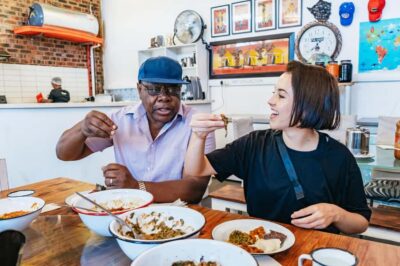 ★ 4.9Cape Town: Authentic African Cuisine Cooking ExperienceFrom $7131 reviews
 ★ 5.0Private Cape Malay Cooking Class in Cape Town with a Local FamilyFrom $10024 reviews
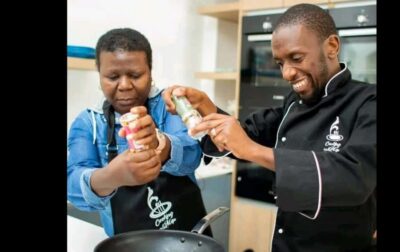 ★ 4.6GQ: City Walking Tour & African Cuisine Cooking ClassFrom $5611 reviews
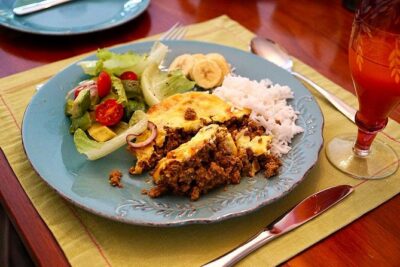 ★ 4.5South African Cooking in Cape Town with Local Chef RichardFrom $7610 reviews
Browse the lists this tour appears in