
REVIEW · BO-KAAP AND CAPE TOWN CITY WALKS
Cape Town: Malay Cooking Class and Lunch in Bo-Kaap
Cape Town smells like spices, but this class gives you the story behind them. Cooking with Cape Malay flavors in Bo-Kaap, taught in a local home, feels warm, hands-on, and real. Two things I really liked were cooking alongside locals in Faldela’s kitchen and getting that spice education that actually helps you cook later, not just today. One thing to consider: you are in a real home setting, so it is not a slick, impersonal demo, and you should be ready to move around a bit while you cook.
The best part is the combo deal. You tour the colorful Bo-Kaap streets for photo moments, then you make a meal you can taste immediately. The lunch is included, and the soft drinks are part of the sit-down payoff. The experience also leans strongly into ingredients and method, not just recipes.
Here’s the only real drawback I’d flag. The time is tight at about 150 minutes, so you will learn the core skills fast, but you won’t master everything like you would in a full multi-day course.
In This Review
- Quick Hits: What Makes This Bo-Kaap Class Worth Your Time
- Why Cape Malay Cooking Works So Well in Bo-Kaap
- Meeting at 109 Wale St: Start Point and First Impressions
- Bo-Kaap Photo Moments: Colorful Houses and Quick Street Context
- The Cooking Session in a Local Home: Techniques Over Just Recipes
- What You May Cook: Curries, Stews, Rotis, and More
- Lunch Included: The Best Part, Right After You Finish Cooking
- Price and Value: Is $49 a Good Deal?
- Who This Is For (and Who Might Prefer Something Else)
- Should You Book This Cape Malay Cooking Class in Bo-Kaap?
- FAQ
- Where is the meeting point for the class?
- How long is the cooking class?
- Is lunch included?
- Is alcohol included?
- What language is the class taught in?
- What kinds of dishes do you cook?
- What is included in the price besides the class?
- What should I bring or know about restrictions?
- Is it wheelchair accessible?
Quick Hits: What Makes This Bo-Kaap Class Worth Your Time
- Bo-Kaap streets first, with a chance to snap photos among the bright houses
- Chef-led, home-kitchen cooking with Faldela, plus her family often joins the teaching flow
- Spice focus you can use again, from turmeric to tamarind, star anise, ginger, and fennel
- Sauce-heavy Cape Malay comfort food, often with curries, stews, and roasted elements
- Lunch included, so you leave full, not just inspired
- Recipes shared afterward, so your kitchen at home gets an upgrade
More walks through the Bo-Kaap and the city bowl
- Cape Town: Malay Cooking Class and Lunch in Bo-Kaap★ 4.8 · 515 reviews
- Cape Town Walking Tour: Bo-Kaap & City Highlights★ 4.8 · 161 reviews
- Bo-Kaap: Walk with a local★ 5.0 · 131 reviews
- Cape Town: Cape Malay Cooking Class in Bo-Kaap★ 4.8 · 120 reviews
Why Cape Malay Cooking Works So Well in Bo-Kaap
Cape Town’s Malay cooking is one of those food traditions that makes sense the moment you smell it. It is comforting, fragrant, and built on layers. In this area, you feel the blend right away: local African flavors meeting Malaysian and Indonesian influences brought through Cape trade and slavery history, with Dutch-era cooking shaping the way dishes developed in the Cape.
What makes this class click is that you are not just hearing about this fusion. You’re cooking it. You learn how spices do different jobs, not just how they taste. Turmeric is a great example. It shows up as a backbone spice that gives dishes that unmistakable aromatic tone, the kind that makes your kitchen feel like it has been cooking all day.
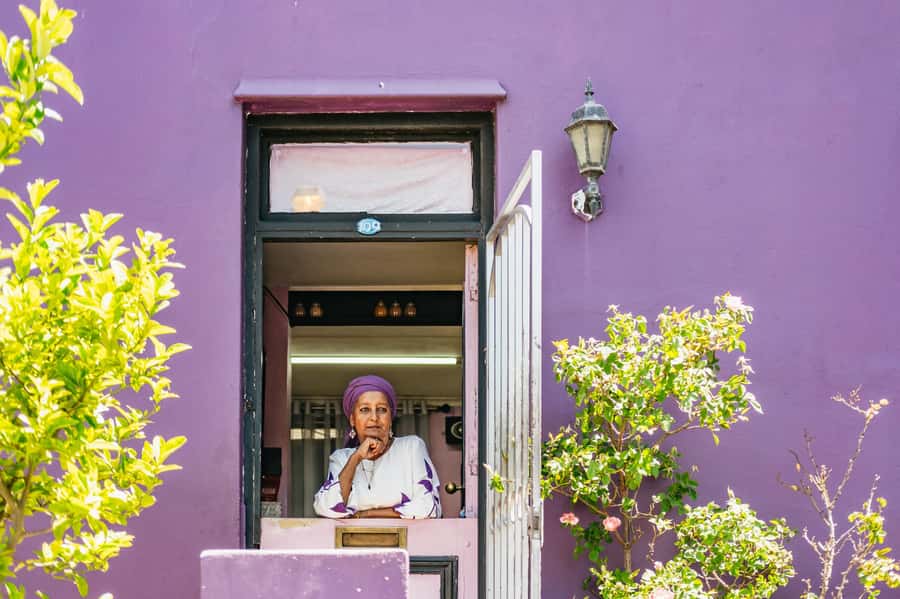
And because this is in Bo-Kaap, the neighborhood itself adds context. Those bright houses on the slopes of Signal Hill are not just postcards. They’re part of the community identity. You do a short neighborhood look so the food connects to place, not just to a menu.
Two other reasons I like this style of experience. First, Cape Malay cooking is very technique-based, especially with spice blooming, simmering, and balancing tangy elements like tamarind. Second, it is practical cooking. Even if you never recreate the exact same dish, you can copy the method.
Meeting at 109 Wale St: Start Point and First Impressions
You meet at 109 Wale St, Schotsche Kloof, Cape Town. That matters because Schotsche Kloof is close enough to Bo-Kaap to feel local, but not so far out that the day turns into constant transportation.
The class is about 150 minutes, so the schedule moves at a friendly pace. You start with an introduction, meet your chef instructor, and get oriented. Then you transition into the neighborhood part. It is short and easy, more like a guided “get your bearings” walk than a long hike.
One practical note for your day planning: transportation is not included. You’ll want to factor in how you are getting yourself there and back. Also, the class is English-language, which helps if you want to understand what you are doing while your hands are busy.
The good news is that the meeting point is straightforward. And once you’re inside the cooking flow, the time disappears fast. You’ll be prepping, tasting, adjusting, and then sitting down to eat what you made.
Bo-Kaap Photo Moments: Colorful Houses and Quick Street Context
This is not a long neighborhood tour, but you still get the important bits. You’ll explore the area with its famous hot pink and burnt-orange house colors climbing up the lower slopes near Signal Hill. It’s instantly recognizable, and the guide points your camera in the right direction.
What I like about this portion is that it gives you a sense of place without slowing the cooking down. You’re not stuck on your feet for hours before dinner. You get enough street time to connect the meal to the community.
If you care about photography, go early with your expectations. You’ll take photos, yes, but you also want to keep your eyes open for little details that match the food theme: the feeling of family life, the warmth of a home setting, and the fact that culinary tradition is part of daily rhythm here.
Also, the class rules include a no-smoking requirement and no pets. So if you are planning your outfits and gear, keep it simple and comfortable. You’ll likely be moving between the street area and the kitchen, so dress for walking and for being in a warm cooking space.
The Cooking Session in a Local Home: Techniques Over Just Recipes
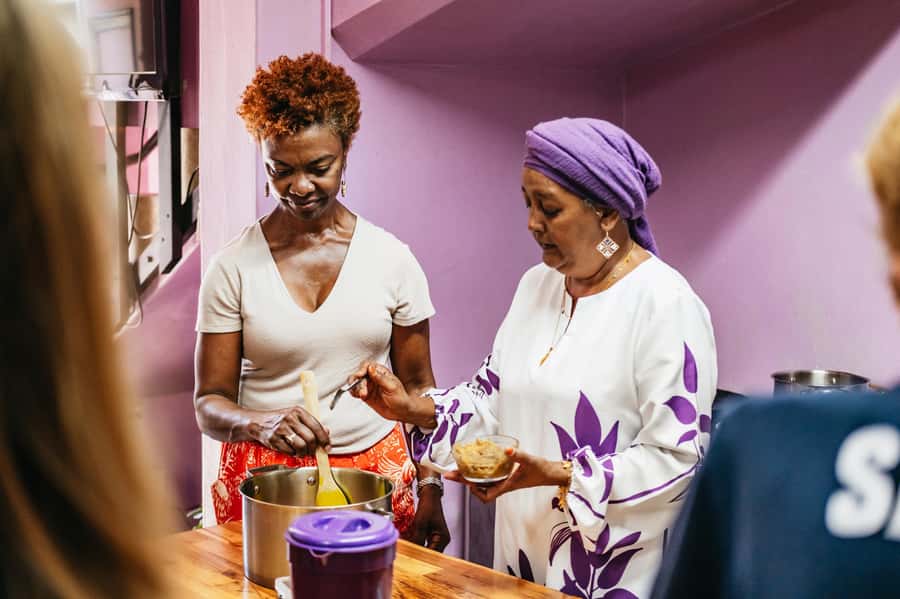
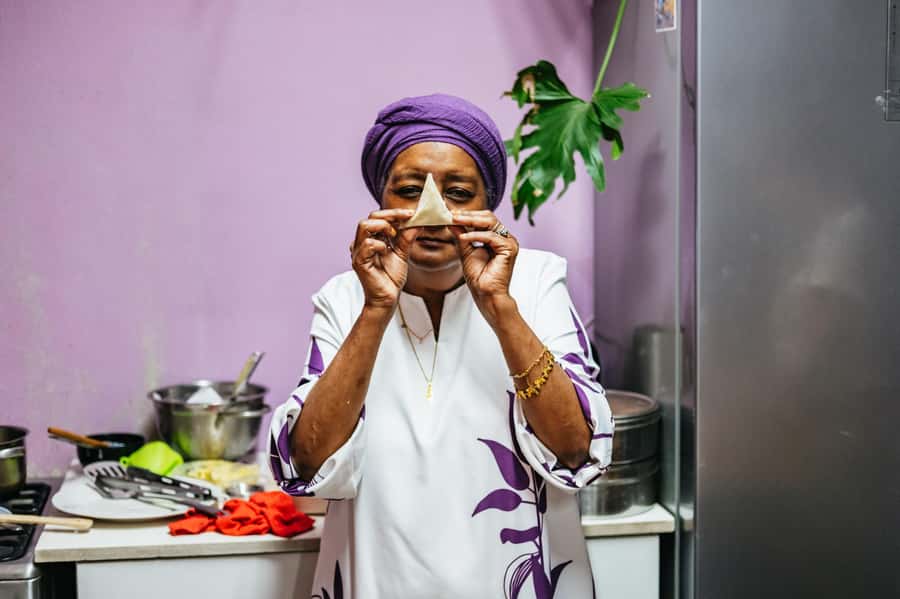
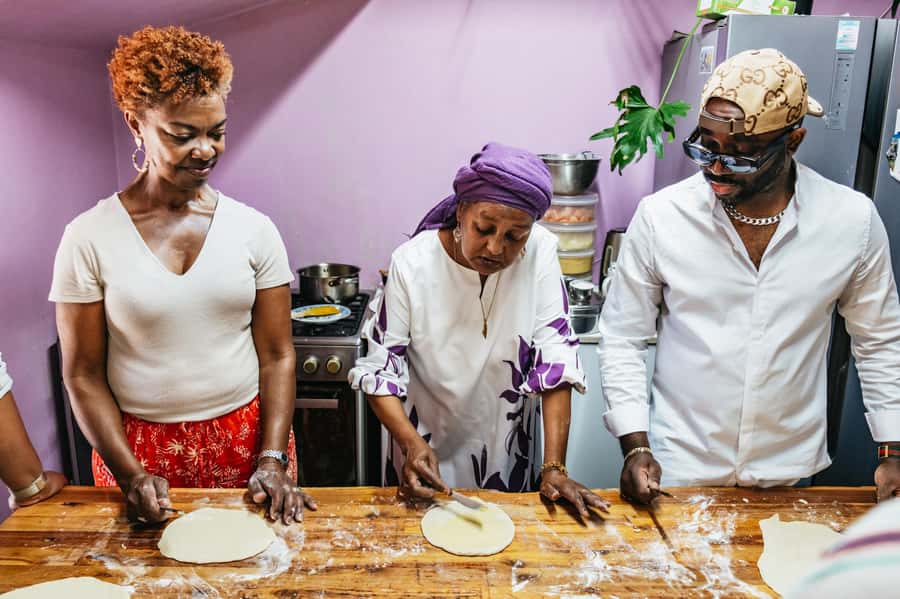
The heart of the experience is the cooking class inside the chef’s home. You learn Cape Malay meals using a mix of demonstration and hands-on instruction. Faldela teaches in a way that makes the steps feel logical, and from what I’ve seen from other participants’ experiences, the teaching style is interactive, funny, and very personal.
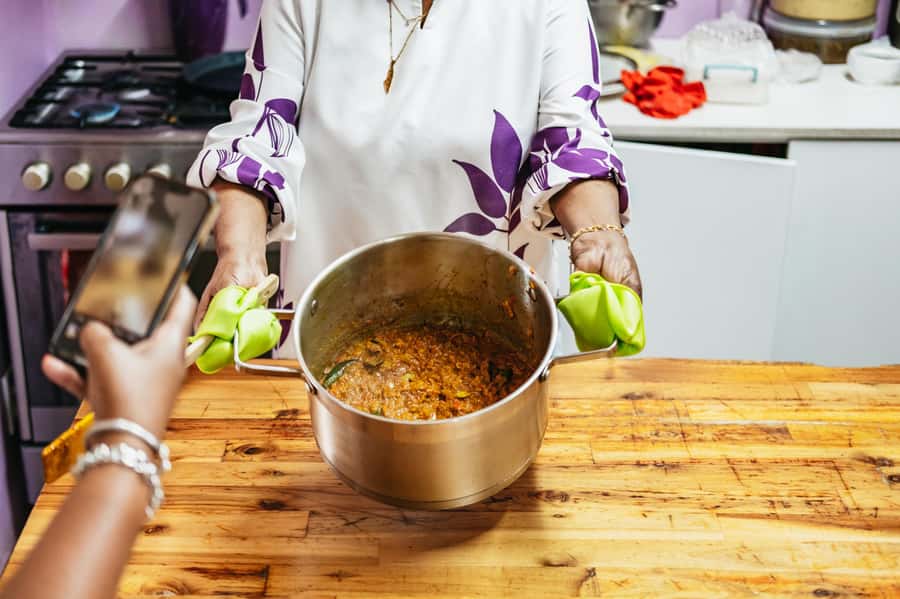
A lot of Cape Malay dishes you’ll hear about here rely on a sauce base. Think curries, stews, and roasts where you’re working with layered flavor, not just one seasoning. You can also expect curries and roasted or stewed elements depending on what your class session focuses on.
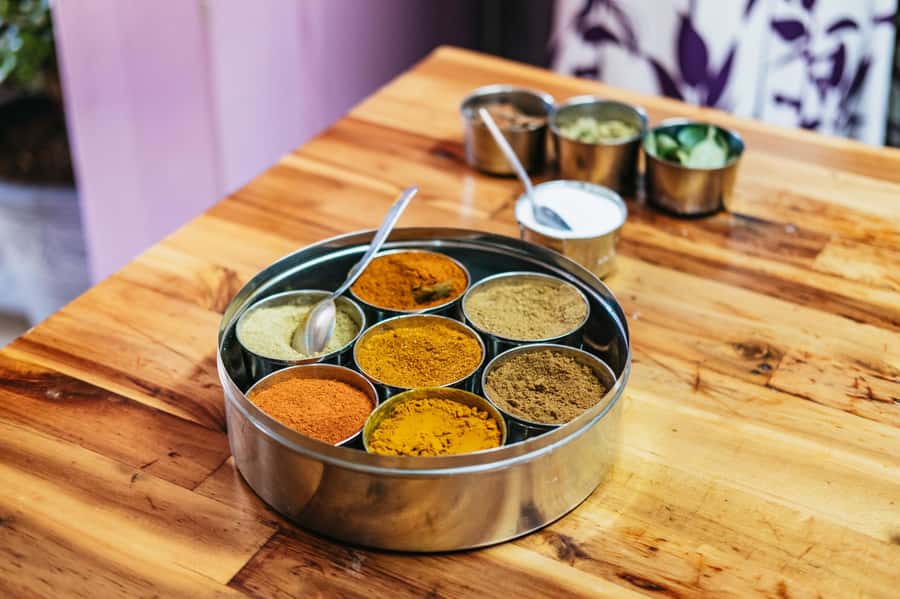
The spice lineup is the real star. You’ll work with ginger, fennel, star anise, tamarind, and most importantly turmeric. Here’s why that matters for you, beyond the romance of spices. Each one gives you a different kind of signal:
- Turmeric anchors aroma and color.
- Tamarind brings a tang that lifts heavier sauces.
- Star anise adds depth and a warm, slightly sweet edge.
- Ginger supports freshness and heat.
- Fennel adds a gentle, aromatic sweetness that rounds things out.
You’re also learning key methods, not just adding ingredients. For example, the class approach typically focuses on when to combine spices, how to build sauce flavor, and how to cook long enough for balance to land. That’s what makes it useful later. When you have the same spice bag at home, you’ll understand how to use it.
Diet is also a real factor. Some participants noted that dietary requirements were handled with ease. Still, the safest move is to tell the instructor ahead of time, especially if you avoid certain ingredients for health or religious reasons.
More kitchens that will hand you an apron
What You May Cook: Curries, Stews, Rotis, and More
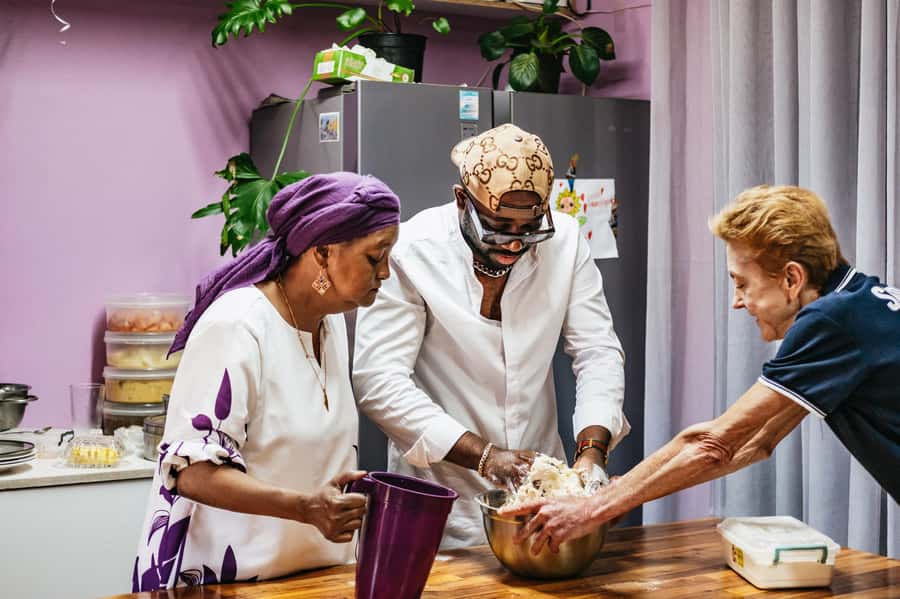
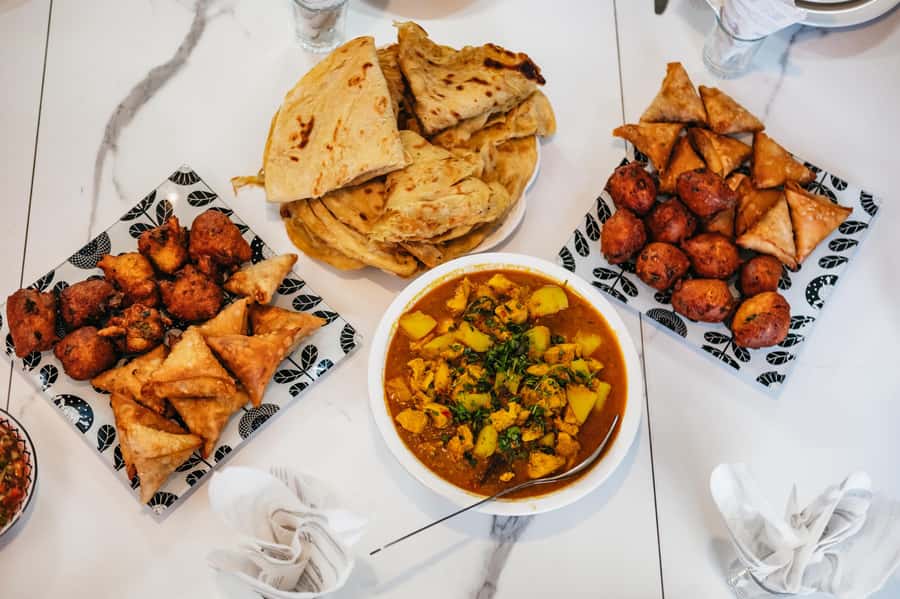
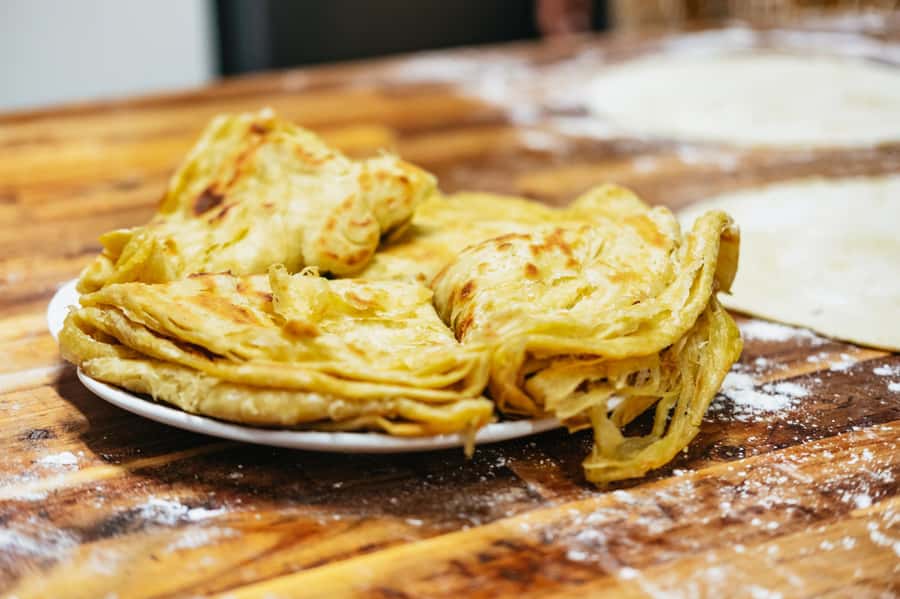
The class centers on typical Malay dishes, and the course structure suggests a menu that can include stew and roast elements, plus sauce-heavy curries. Many sessions also include items like rotis and samosas. In a home class, you’ll often see that mix of curry-style dishes with handheld or bread-based sides, which helps everyone eat together fast.
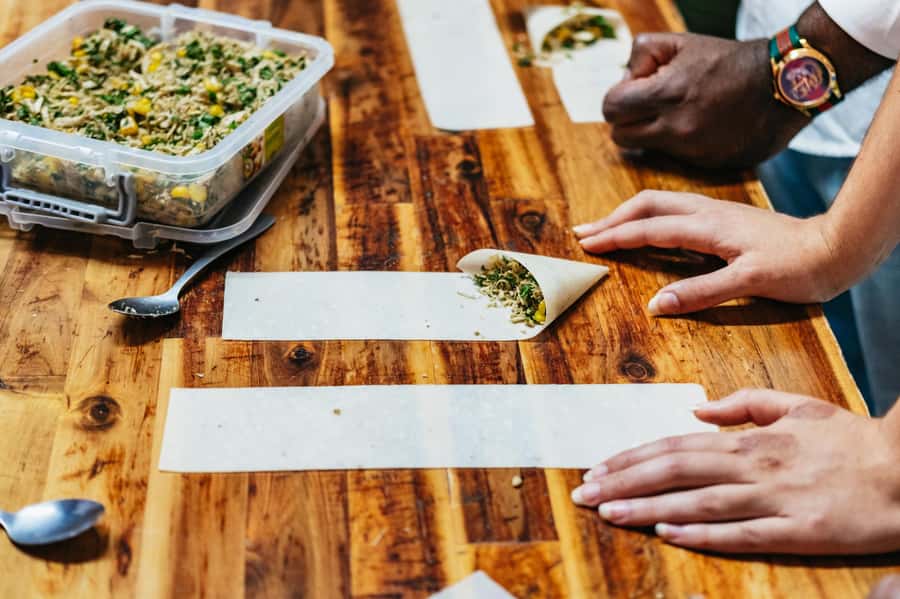
From the feedback, the cooking flow is often hands-on enough that you do meaningful parts of each dish. That might mean chopping, mixing spice blends, rolling or prepping components, or helping with assembly before the kitchen gets crowded.
One more detail that’s useful to know: the class tends to be more than curry only. You might also encounter a salad or juice component as part of the included meal structure, plus a dessert treat in some groups. Even if your exact menu varies, the core idea stays the same. You cook, then you eat what you made.
If you’re worried about skill level, good. A number of participants specifically praised how approachable the class was, even for people with little or no cooking experience. You aren’t expected to have knife skills. You’re expected to follow steps, taste as you go, and have curiosity.
Lunch Included: The Best Part, Right After You Finish Cooking
Lunch is included, and it’s the moment everything pays off. You sit down with the group and eat the results of your work, along with some soft drinks.
What you get here is more satisfying than a snack at the end of a class. The lunch is substantial and designed to be shared. And because you made it, you’ll notice the difference between simply tasting a curry and understanding why it tastes the way it does.
I also like that you get to talk while you eat. In this kind of home meal, conversation is part of the learning. Participants often mention the host’s humor and warmth, and that matters because it turns the class from instruction into a social event you actually want to remember.
Another practical angle: since the lunch is included, you can stop thinking about where to eat later. That makes this feel like a complete half-afternoon activity. Just plan not to schedule a heavy dinner right after. You’ll already be fed.
Price and Value: Is $49 a Good Deal?
At $49 per person for about 150 minutes, you should judge this as a bundle, not as “paying for cooking instructions.” You’re getting:
- A chef instructor in a home setting
- Ingredients and equipment
- A full lunch, plus soft drinks
- A guided cultural context for Cape Malay food
- Recipe sharing afterward, so you can repeat the dishes at home
A cooking class that includes lunch and ingredients is usually where the value hides. You are paying for time with a local, hands-on teaching, and the meal itself, not just a talk and a quick tasting.
So for my money, the best value is for two types of people:
- You want a meal you can recreate, with method and spice understanding.
- You want authentic Bo-Kaap life, not just a drive-by photo stop.
The only pricing caution is the obvious one. If you prefer structured restaurant experiences, this home class might feel less predictable. But if you like interaction and learning, the price looks fair fast.
Who This Is For (and Who Might Prefer Something Else)
This class is a strong fit if you want:
- A hands-on cultural food experience in Bo-Kaap
- Practical spice education, especially turmeric, tamarind, and star anise
- A friendly group setting where people talk and laugh while cooking
It can also work well for solo travelers. You’re not isolated. You cook with the group and eat together.
If you have very specific dietary needs, this might still work because dietary requirements were handled successfully in participants’ experiences. Just make sure you communicate it clearly beforehand.
If you dislike home-kitchen settings or you want high-end kitchen gadgets and a fully staged showroom vibe, you might feel out of place. This is about real life, not a set.
Finally, if you’re visiting Cape Town mainly for beaches, wine tastings, or big sightseeing days, this class is still worth squeezing in. It adds depth and gives you something different from the usual itinerary.
Should You Book This Cape Malay Cooking Class in Bo-Kaap?
Yes, if you want an afternoon you’ll remember for the flavor. This is not just entertainment. You leave with spice knowledge, a meal that hits immediately, and recipes you can use later.
Book it if you enjoy cooking or even if you just enjoy learning. The teaching style described by participants, including Faldela’s humor and warmth, seems built for first-timers. You won’t need fancy skills. You’ll need appetite, curiosity, and a willingness to get a little hands-on.
Skip it only if home-kitchen logistics bother you or if you need alcohol included. Alcoholic drinks are not included, and alcohol and drugs are not allowed. Also, because it is a short 150-minute window, it is best for learning the core ideas, not for deep mastery.
If your goal is authentic Cape Town that mixes food and community, this class is a very solid pick.
FAQ
Where is the meeting point for the class?
You meet at 109 Wale St, Schotsche Kloof, Cape Town.
How long is the cooking class?
The total duration is 150 minutes, about 2.5 hours.
Is lunch included?
Yes. Lunch is included, and soft drinks are provided.
Is alcohol included?
No. Alcoholic drinks are not included, and alcohol and drugs are not allowed.
What language is the class taught in?
The live tour guide is English.
What kinds of dishes do you cook?
You learn typical Cape Malay meals. The class may include stews, roasts, and sauce-heavy curries, using spices such as ginger, fennel, star anise, tamarind, and turmeric.
What is included in the price besides the class?
The price includes the cooking class, ingredients, equipment, the chef instructor, lunch, and soft drinks.
What should I bring or know about restrictions?
Pets are not allowed, smoking is not allowed, and alcohol and drugs are not allowed. Transportation is not included.
Is it wheelchair accessible?
Yes, the activity is wheelchair accessible.
Cooking Classes Around Cape Town
Walking Cape Town: More Routes
Keep going: the rest of our Cape Town write-ups
- Cape Town to Cape Point Helicopter Flight – 48Min
★ 4.2 · 3 reviews - Full Day Private Hiking Table Mountain & City
★ 5.0 · 3 reviews - Sandboarding with jeep – drive uphill
★ 5.0 · 3 reviews - Full Day Tour for Cape of Good Hope & Boat to Seals Island
★ 5.0 · 3 reviews - 10 Day South Africa Tour Joburg to Cape Town
★ 5.0 · 3 reviews - 5 Day Garden Route Small Group Tour Fr CapeTown – Departs Mondays
★ 5.0 · 3 reviews
Bo-Kaap and Cape Town City Walks, compared.
 ★ 4.8Cape Town Walking Tour: Bo-Kaap & City HighlightsFrom $40161 reviews
 ★ 5.0Bo-Kaap: Walk with a localFrom $25131 reviews
 ★ 4.8Cape Town: Cape Malay Cooking Class in Bo-KaapFrom $52120 reviews
 ★ 5.01 Hour Cape Town Bo Kaap Photoshoot ExperienceFrom $9761 reviews
 ★ 4.9Bo-kaap and City tourFrom $4659 reviews
 ★ 4.5Cape Town Township Tour Including Langa Township and Bo-KaapFrom $6138 reviews
 ★ 4.9Photoshoot Session: Cape Town Bo-Kaap!From $8037 reviews
 ★ 4.7Cape Town: Full-Day Kirstenbosch, Bo-Kaap, and Penguins TourFrom $13733 reviews
Browse the lists this tour appears in