
REVIEW · JOHANNESBURG CITY TOURS
10 Day South Africa Tour Joburg to Cape Town
Wild Africa, plus coastal views, all in one run. This 10-day Johannesburg to Cape Town trip stitches together classic safari days and active scenery, from Kruger National Park to the Garden Route and Cape Town’s shoreline. I especially like how the plan mixes guided wildlife watching with real-world human stops, like Mandela sites and Durban, so the trip feels less like a checklist and more like a route through South Africa.
Two things I really like: the game drives are built around expert spotting time, and you get a St Lucia hippo and crocodile boat cruise in Isimangaliso for a change of pace from land safaris. One drawback to consider is that lodging quality can vary. In the notes I saw, the Hermanus room was described as tiny with some missing basics, even though most other stays were praised.
In This Review
- Quick Key Points That Matter Before You Book
- Johannesburg, Soweto, and Mandela House: Starting With Meaning
- Kruger National Park Game Drives: Where the Big Cats Actually Show Up
- Isimangaliso Wetlands Park and St Lucia: Hippos From the Boat, Crocs From the Edge
- Durban City Tour: Beaches, a City Feel, and Guided Context
- Drakensberg Mountains Hiking: Big Views, Real Footing, and One Night to Reset
- Wild Coast and Mandela Sites: Villages, Mthatha, East London
- Garden Route: Addo Elephants, Robberg Trails, and Coastal Variety
- Bloukrans Bridge: Optional Sky Walking, Optional Bungy, and Real Adrenaline Math
- Cape Town Finale: Hermanus Whale Watching Season, Wine at Benguela Cove, Penguins at Betty’s Bay
- Hotels, Comfort, and the Real-Life Tradeoffs
- The Guides Make the Difference: Joseph, Innocent, and Timba
- Price and Value: What $2,687 Covers, and What Might Cost Extra
- Who This Tour Fits Best
- Should You Book This 10-Day Johannesburg to Cape Town Route?
- FAQ
- Is this tour in English, and is there a live guide?
- What are the main wildlife and nature activities included?
- Are there any optional activities, and do they cost extra?
- Does the itinerary include Mandela-related visits?
- Is whale watching included, and when does it happen?
- Is pickup included, and is the tour wheelchair accessible?
Quick Key Points That Matter Before You Book
- Kruger National Park game drive focus, with a professional safari guide to help you find the trickier animals
- Isimangaliso Wetlands + St Lucia Estuary boat cruise, hippo and crocodile viewing from the water
- Active nature days, including Drakensberg hiking and Robberg Nature Reserve walks
- Garden Route variety, from Addo elephants to coastal viewpoints in Knysna and Plettenberg Bay
- Cape finale with seasonal whale watching, plus wine tasting at Benguela Cove and African penguins at Betty’s Bay
More of Joburg, neighbourhood by neighbourhood
- 13 Day Safari – Cape Town to Johannesburg★ 5.0 · 11 reviews
Johannesburg, Soweto, and Mandela House: Starting With Meaning
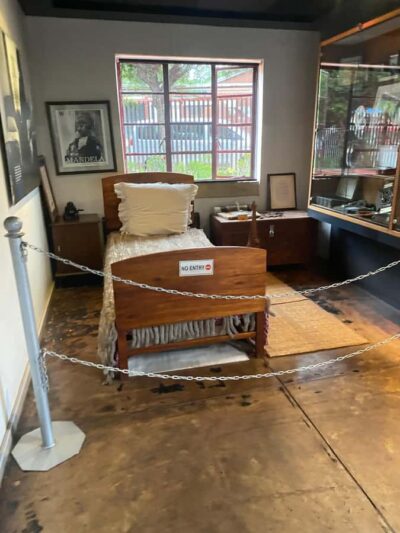
Most South Africa itineraries start with logistics. This one starts with context. You begin in Johannesburg and include a visit to Mandela House in Soweto, which is a strong way to set the tone early. If you want your trip to feel more grounded, this is a smart first anchor: you’re not just chasing landscapes, you’re also learning what shaped the country you’re touring.
Because the rest of the days swing from wildlife to beaches to hiking, that early human history stop helps the whole route feel connected. You can think of it like a story opening. After Soweto, the trip’s later stops about place, community, and identity make more sense, not less.
Kruger National Park Game Drives: Where the Big Cats Actually Show Up
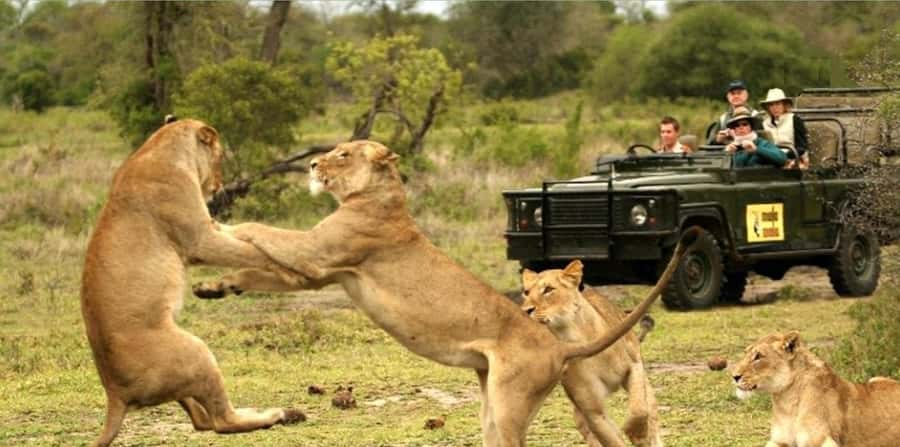
Kruger National Park is the centerpiece for many people, and this itinerary doesn’t treat it like a drive-by. You get two nights in Kruger, plus a game drive (and you’ll also spend time spotting wildlife around the lodge area as the day unfolds). Kruger is huge, and that matters because big parks give wildlife more room, which often means more chances to see what you came for.
What makes this feel extra worthwhile is the guide setup. One of the strongest pieces of feedback I saw was about the professional safari guide in Kruger, specifically for spotting the more difficult animals. That’s the difference between seeing “something out there” and actually getting the moment: tracking movements, reading the environment, and knowing where to look when the obvious stuff is quiet.
And yes, Kruger is famous for the Big Five. Even if you don’t get every species, the payoff is in the process. You’re learning how wildlife behaves in real habitat, not zoo cages.
Practical tip: bring binoculars if you have them, and dress for early mornings and warm afternoons. This tour is action heavy, so comfort beats fashion.
Isimangaliso Wetlands Park and St Lucia: Hippos From the Boat, Crocs From the Edge
After Kruger, the mood changes in a good way. You move into Isimangaliso Wetlands Park, a World Heritage Site in Northern KwaZulu-Natal. Here, the focus isn’t only on land wildlife. You get a hippo and crocodile boat cruise in the St Lucia Estuary, which is one of the best ways to spot animals while also feeling the scale of the wetlands.
A boat cruise does two helpful things for your trip. First, it adds variety so the itinerary doesn’t become all driving and waiting. Second, it puts you in the right viewing position. Hippos and crocs often look best when you’re close to the waterline, and that’s exactly what the cruise setting provides.
This part of the tour also includes another game drive after the cruise, plus one night in the Isimangaliso area at Elephant Lake Hotel or similar. You’re getting a two-part wildlife experience: water-based viewing first, then land-based spotting afterward.
If you like nature that feels alive, this is where the route wins on atmosphere. It’s not just animals, it’s the ecosystem around them.
Durban City Tour: Beaches, a City Feel, and Guided Context
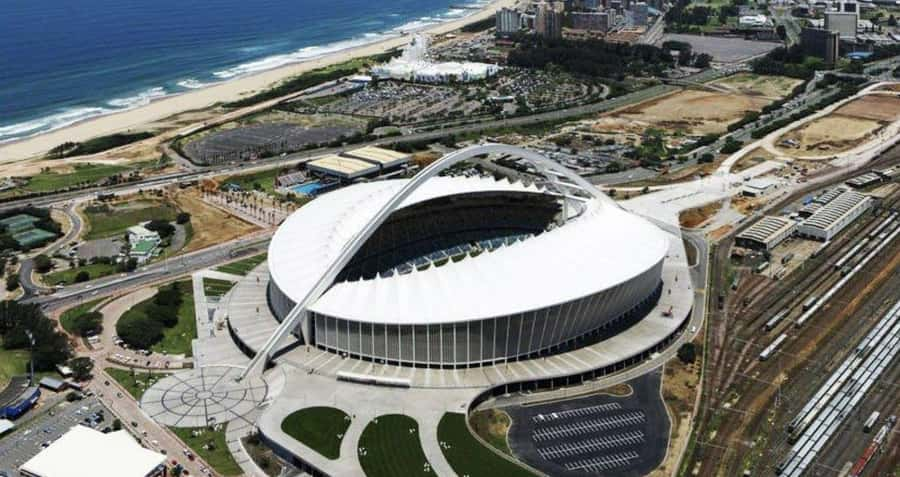
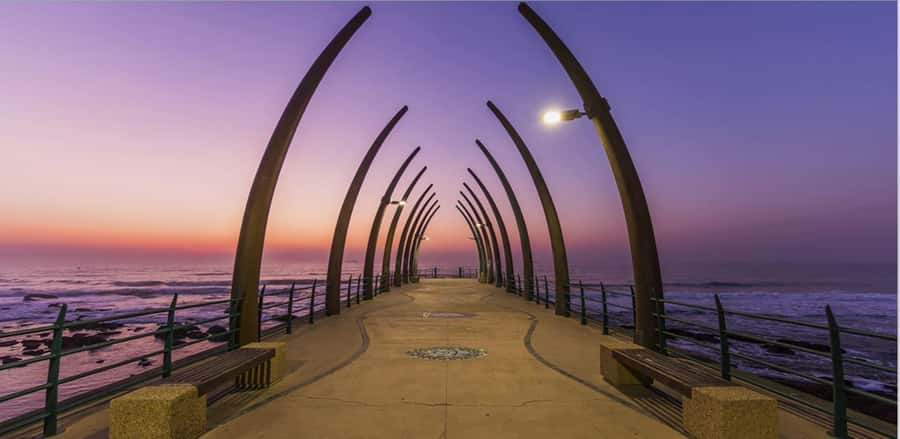
Next comes Durban, with a guided Durban city tour and time around the coast. Durban is often the “in-between” stop on safari itineraries, but on this plan it’s given real attention. You’re not only passing through. You get a guided look at the city’s character, and that helps you understand what you’re seeing when you’re near the beaches.
This matters because after Isimangaliso and Drakensberg hiking, you’ll probably crave a day that’s less intense on your legs but still gives you a sense of place. Durban fits that job. It’s also a useful reset point before you head toward the mountains.
Blue Waters Hotel is the type of property you’ll stay at in Durban (Blue Waters Hotel or similar for two nights). In practical terms, this is also where you can catch up on laundry, recharge, and plan what you want to do with the next active days.

Drakensberg Mountains Hiking: Big Views, Real Footing, and One Night to Reset
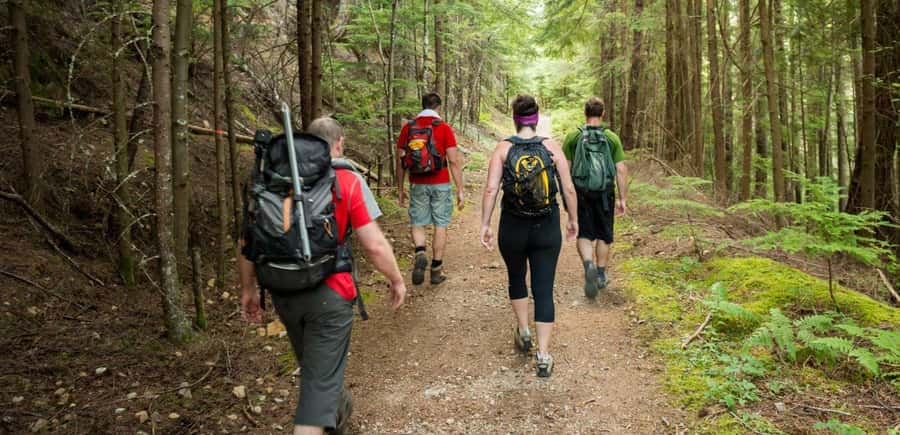
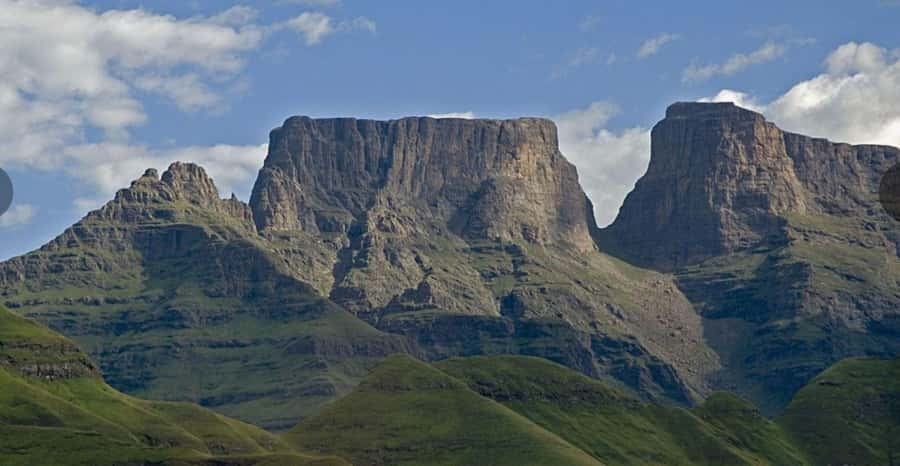
Then the itinerary turns more physical. You head to the Drakensberg Mountains for hiking, staying at Gooderson Monks Cowl Golf Resort or similar for one night (bed and breakfast).
Drakensberg hiking is a highlight because the scenery changes as you move. You’re not just walking to a single photo spot. The route typically gives you shifting viewpoints, cooler air at altitude compared with coastal regions, and that sense of being in a dramatic mountain setting.
The key practical thing: hiking days mean you should take shoe choice seriously. Wear broken-in footwear. Bring a daypack. You’ll get more enjoyment if you’re comfortable moving, not thinking about your feet the entire time.
Also, you’re transitioning again after this stop, so one overnight in the area keeps the schedule moving while still giving you a chance to actually be in the mountains, not just see them from the road.
Wild Coast and Mandela Sites: Villages, Mthatha, East London
From the mountains you head to the Wild Coast, where the tour includes time with local life and villages. You’ll also visit the Nelson Mandela Museum and Qunu, Mandela’s birthplace, along the way. That pairing feels purposeful. The tour isn’t only saying “here’s where he lived,” it’s connecting story to place.
You spend nights in Mthatha and East London at 3 or 4 star hotels or lodges (bed and breakfast). This is one of those itinerary segments where the travel days can feel longer than the safari and beach days, but that’s also what makes it interesting. You’re seeing more of South Africa’s geographic sweep, not only the postcard belt.
What I like about this portion is that it breaks up the rhythm. After big wildlife moments and hiking, you get a slower, more people-centered view. If you value cultural stops but don’t want museums to be the only learning, this segment delivers balance.
Garden Route: Addo Elephants, Robberg Trails, and Coastal Variety
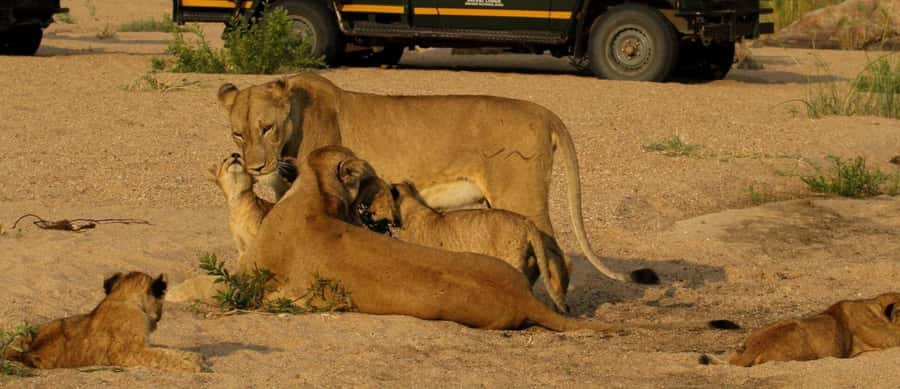
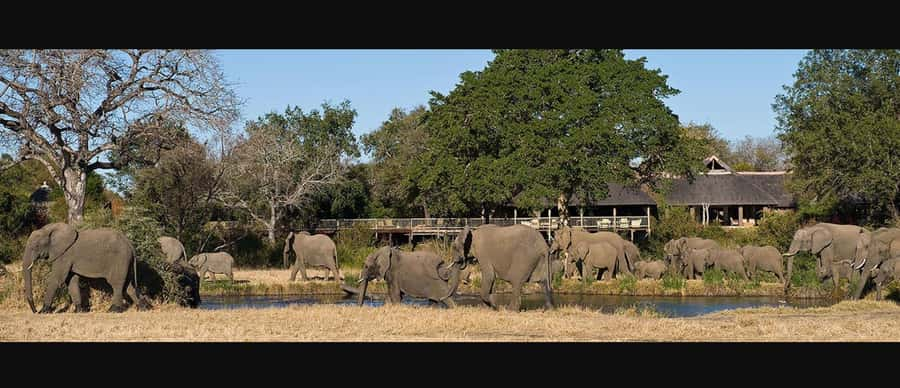
Once the route hits the Garden Route, it becomes a string of nature and coastal highlights with good energy. You start around Port Elizabeth (as part of the Garden Route leg) and include Addo Elephant National Park for a day in the bush. Addo is all about elephants, and getting a dedicated day there means you’re not lumping elephants into “maybe you’ll see them.” You plan for it, you go looking, and you get a proper wildlife day.
You also include Robberg Nature Reserve for hiking. Robberg is a great pairing with Addo because it shifts you from bush and animals to coastal trails and views. You’ll walk, pause, look around, and enjoy the ocean atmosphere.
Then it’s on to the beach town rhythm: Plettenberg Bay for white sand beaches, Knysna Heads and the Knysna Quays Waterfront, and a sunset boat cruise from Knysna Quays Waterfront. That sunset cruise is the kind of moment that makes the driving worthwhile. After weeks of “go go go,” the Garden Route gives you a slower highlight at the end of the day.
Bloukrans Bridge: Optional Sky Walking, Optional Bungy, and Real Adrenaline Math
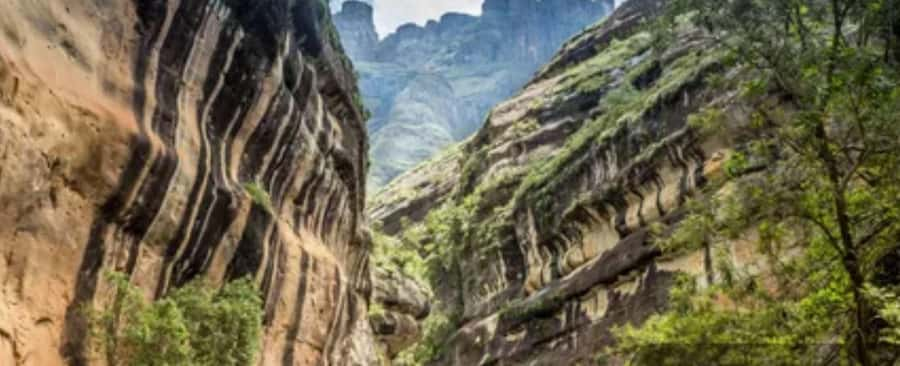
At Bloukrans Bridge, you have options. The tour includes sky walking in Bloukrans Bridge, but it’s listed as own expense, and bungy jumping at Bloukrans Bridge is also own expense. The important thing is you can skip both and still enjoy the rest of the scenery.
Why this stop is worth considering even if you don’t jump is that it adds a clear adventure block to the itinerary. You’ve got hiking. You’ve got safari. This gives you one more type of challenge, and it’s optional. If you are the kind of person who likes ticking one adrenaline box, this is your chance.
Practical note: if you’re sensitive to height or you want to conserve energy for hiking later, watch from a distance and save your legs for Robberg.
Cape Town Finale: Hermanus Whale Watching Season, Wine at Benguela Cove, Penguins at Betty’s Bay
Day 10 is your Cape Town arrival, but the route builds a memorable finale before you reach the city. You stop in Hermanus for whale watching in season. The seasonal note matters. If you travel outside whale season, you might not get that exact spectacle, but Hermanus still gives a strong coastal feel.
Then you visit Benguela Cove Wine Estate for a wine tasting of five wines, which is a nice contrast after wildlife days. Wine tasting here also adds a “pause moment,” not a constant run of activities.
Next is Betty’s Bay to see African penguins, the tour’s last major stop before arriving in Cape Town in the late afternoon.
This finale is well balanced. You get animals again, but in a different form. You get a mellow indoor-or-meadow experience with wine tasting, and you end with the coastal penguin viewing. It sets up Cape Town nicely without making the final day feel rushed.
Hotels, Comfort, and the Real-Life Tradeoffs
You’ll notice a theme: the itinerary stays in a mix of lodge-style and hotel-style properties. Some stays are highlighted by name, like Kruger Adventure Lodge or similar for two nights in Kruger and Elephant Lake Hotel or similar for the Isimangaliso night. Durban is Blue Waters Hotel or similar, Drakensberg is Gooderson Monks Cowl Golf Resort or similar, and Knysna is aha the Rex Hotel or similar for three nights.
Most of the feedback I saw was positive overall, with the strongest praise going to the guiding. But one specific note stood out: the Hermanus room was described as tiny, with no shampoo, and it was far from the coastline. That doesn’t mean the entire stay is bad, but it is a clear reminder that lodging can vary by room type and location.
My advice: if Hermanus coastline access matters to you, you can ask about room location when booking, because that kind of detail can shape your experience more than you’d think.
The Guides Make the Difference: Joseph, Innocent, and Timba
This itinerary puts a lot of trust in your guide and driver, and the reviews give that a lot of weight. I saw praise for Joseph as a guide, with people feeling safe due to his comfortable driving style and valuing his recommendations. Another standout name was Innocent, described as wonderful and as someone who adapted quickly when plans needed flexibility. A third highlight was Timba, specifically called out as outstanding.
That matters because in South Africa, wildlife schedules and day conditions can shift. A good guide doesn’t just follow a timetable. They help you keep momentum, keep safety front and center, and make smart calls when something takes longer or behaves differently than expected.
So while the itinerary looks great on paper, the human piece is what often turns it into a smooth trip you remember.
Price and Value: What $2,687 Covers, and What Might Cost Extra
At $2,687 per person for 10 days, you’re paying for more than transportation. You’re paying for organized stays in national park and route towns, plus guided activities like Mandela House, Kruger game drive, Isimangaliso game drive, the St Lucia boat cruise, Durban city tour, hiking in Drakensberg, Addo game drive, Robberg hiking, wine tasting, and penguin viewing. That’s a lot of planning done for you.
Two items are clearly flagged as not included in the main plan: sky walking and bungy jumping at Bloukrans Bridge are listed as own expense. If you plan to do both, budget extra.
Also, there is a single person levy of R8,000 noted. That matters if you’re traveling solo. If you’re price sensitive, compare the solo cost to what you’d pay for your own vehicle or independent bookings.
My takeaway on value: this tour can be a strong deal if you want structure and you value having someone else solve the route puzzle, line up the activities, and guide you through the wildlife stops. If you prefer total freedom and independent pacing, the value math flips.
Who This Tour Fits Best
This is a great fit if you want to see South Africa’s big hits without bouncing between dozens of independent bookings. It also fits well if you like a mix of experiences: safari, wetlands, mountains, coastal towns, and a few culture stops.
It’s especially good for:
- Couples and solo travelers who want a guided experience with pickup included
- People who like wildlife but also want active days like Drakensberg hiking and Robberg
- Travelers who want a route that ends in Cape Town with momentum, not exhaustion
It may be less ideal if:
- You’re very picky about lodging room size or location, especially in the Hermanus portion
- You prefer to choose every activity yourself rather than follow a set itinerary
- You dislike long travel days between regions (the plan covers a lot of geography)
Should You Book This 10-Day Johannesburg to Cape Town Route?
I’d book it if you want the classic South Africa highlights in a single trip, with expert-guided wildlife and a meaningful mix of nature and culture. The best part is how the itinerary switches modes often enough to keep you engaged: Kruger game drive, then wetlands by boat, then hiking, then elephant and coastal trails, then a Cape finale with wine and penguins.
But I would think twice if lodging consistency is your number one priority, since the Hermanus stay had a negative note around room size and convenience. If that’s a concern for you, ask about room location and confirm what type of room you’ll get.
If you’re comfortable with some variation and you want a guided “best of” path, this tour has the right ingredients.
FAQ
Is this tour in English, and is there a live guide?
Yes. The tour includes a live tour guide who speaks English.
What are the main wildlife and nature activities included?
The tour includes game drives in Kruger National Park and Isimangaliso, a hippo and crocodile boat cruise in St Lucia, hiking in Drakensberg, game drive in Addo National Park, and hiking in Robberg Nature Reserve.
Are there any optional activities, and do they cost extra?
Yes. Sky walking in Bloukrans Bridge and bungy jumping at Bloukrans Bridge are listed as own expense.
Does the itinerary include Mandela-related visits?
Yes. It includes Mandela House in Soweto, plus the Nelson Mandela Museum and Qunu.
Is whale watching included, and when does it happen?
Whale watching in Hermanus is included in season. The tour lists it as seasonal.
Is pickup included, and is the tour wheelchair accessible?
Yes. Pickup is included, and the tour is listed as wheelchair accessible.
Johannesburg, Block by Block
Keep going: the rest of our Cape Town write-ups
- Cape Town to Cape Point Helicopter Flight – 48Min
★ 4.2 · 3 reviews - Full Day Private Hiking Table Mountain & City
★ 5.0 · 3 reviews - Sandboarding with jeep – drive uphill
★ 5.0 · 3 reviews - Full Day Tour for Cape of Good Hope & Boat to Seals Island
★ 5.0 · 3 reviews - 10 Day South Africa Tour Joburg to Cape Town
★ 5.0 · 3 reviews - 5 Day Garden Route Small Group Tour Fr CapeTown – Departs Mondays
★ 5.0 · 3 reviews
Johannesburg City Tours, compared.
 ★ 4.5Johannesburg Hop-On Hop-Off City Tour with Soweto OptionFrom $16768 reviews
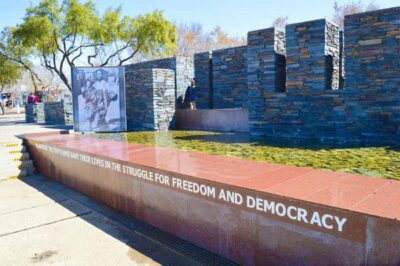
 ★ 4.8Johannesburg: Full-Day Tour with Soweto and Apartheid MuseumFrom $104478 reviews
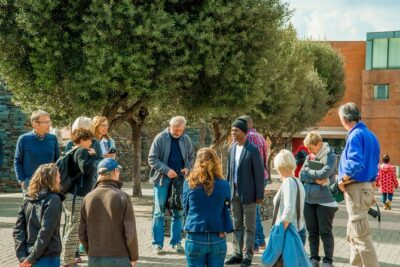
 ★ 4.8Johannesburg and Soweto: Half-Day TourFrom $71439 reviews
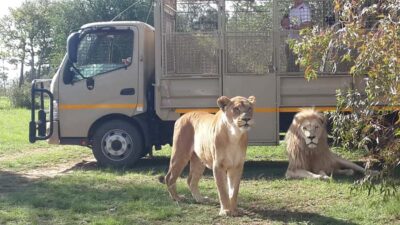 ★ 4.6From Johannesburg: Lion & Safari Park Half-Day TourFrom $167384 reviews
 ★ 5.0Ultimate Johannesburg Soweto Experience with Apartheid MuseumFrom $108313 reviews
 ★ 5.0Half Day Lion Park tour from Johannesburg or PretoriaFrom $100274 reviews
 ★ 4.9Johannesburg: Maboneng Street Art & Culture TourFrom $37257 reviews
 ★ 5.0Johannesburg and Soweto tourFrom $77231 reviews
Browse the lists this tour appears in