
REVIEW · JOHANNESBURG CITY TOURS
Ultimate Johannesburg Soweto Experience with Apartheid Museum
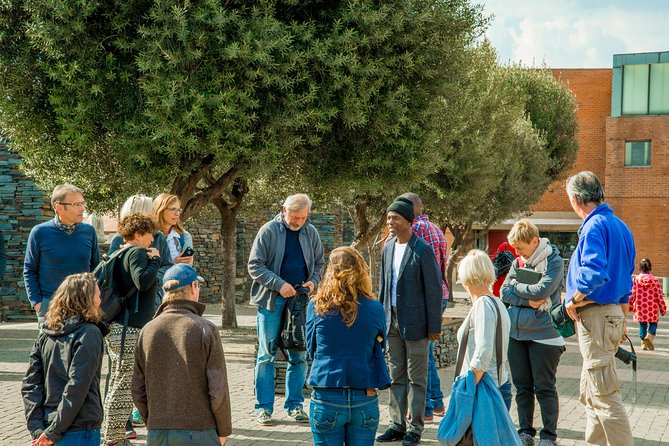
Soweto feels close up, not far away. This full-day guided trip strings together Johannesburg’s human-rights story and Soweto’s lived experience, with a guide who grew up there and knows how to connect the dots. You get major stops like Constitution Hill and the Apartheid Museum, then head into Orlando West and Vilakazi Street to see how history and daily life overlap.
Two things I especially like: first, the day gives real context, not just photos. You learn what happened in 1976 and why places like the Hector Pieterson Memorial matter, then you see the broader arc at Constitution Hill and inside the Apartheid Museum. Second, the guide adds local color on the ground in Soweto, including a walk-through of areas like Motsoaledi informal settlement and time along Vilakazi Street.
One drawback to plan around: the pace is tight, and some stops can feel emotionally heavy. Also, some descriptions may mention a Carlton Centre elevator stop, but the centre has been closed for some time, so don’t count on that viewpoint.
In This Review
- Key highlights to watch for
- From Johannesburg to Soweto in one long, meaningful day
- Constitution Hill Human Rights Precinct, Mandela Bridge, and the prison-to-democracy arc
- Newtown’s Mary Fitzgerald Square and the culture-walk break
- Apartheid Museum timing: intense, structured, and admission included
- Passing the World Cup sites and heading for Diepkloof and Soweto
- Motsoaledi informal settlement stop: short walk, real community contact
- Hector Pieterson Museum and Memorial: where 1976 turns personal
- Vilakazi Street and Mandela and Tutu connections up close
- Optional Mandela House, plus the city view elements
- End point at Chris Hani Baragwanath Hospital: big scale, practical finish
- Price, group size, and why the pacing matters
- Who should book this Soweto and Johannesburg day?
- Should you book the Ultimate Johannesburg Soweto Experience?
- FAQ
- How long is the tour?
- What time does the tour start?
- How much does it cost?
- Is hotel pickup included?
- Is WiFi included on the vehicle?
- What admissions are included?
- Is lunch included?
- Is Mandela House included?
- Where does the tour end?
- Can I cancel for a full refund?
Key highlights to watch for
- Local-guide perspective in Soweto, including time walking Motsoaledi informal settlement and moving through Orlando West
- Admission included at the Apartheid Museum and the Hector Pieterson Museum and Memorial
- Constitution Hill’s guided Human Rights Precinct plus a crossing over Mandela Bridge
- Vilakazi Street and Nobel Peace Prize homes, with a focus on what the landmarks mean
- Township-to-city contrast, from shanty areas and street vendors to Newtown and Carlton Centre area views (if available)
Other Soweto routes we have reviewed, each with a local guide
- Johannesburg: Hop-On Hop-Off Bus with Optional Soweto Tour★ 4.6 · 985 reviews
- Soweto /Johannesburg and Apartheid Museum Guided Full Day Tour★ 5.0 · 932 reviews
- Johannesburg Hop-On Hop-Off City Tour with Soweto Option★ 4.5 · 768 reviews
- Half-Day Tour of Soweto Tour★ 4.5 · 712 reviews
From Johannesburg to Soweto in one long, meaningful day
This is the kind of tour that helps you understand Johannesburg without bouncing around on your own. You start with hotel pickup, then ride in an air-conditioned minivan with free onboard uncapped WiFi. With a start time of 9:00 am and about nine hours total, it’s built as a full-day program rather than a quick taste.
The price is $108.70 per person, and for that you’re buying time and access. You get guided time at Constitution Hill, admission included at the Apartheid Museum and Hector Pieterson Museum and Memorial, transport, and hotel pickup and drop-off. Lunch is on your own, but most major entry costs on the itinerary are handled.
Your expectations should match the content. Constitution Hill and the Apartheid Museum are intense, and Hector Pieterson’s story is not light. If you want everything upbeat, this probably isn’t the day for you. If you want clarity and context, it delivers.
Constitution Hill Human Rights Precinct, Mandela Bridge, and the prison-to-democracy arc
The day starts in Braamfontein at Constitution Hill Human Rights Precinct for a guided tour. This is a living museum that connects the country’s turbulent past to today’s constitutional democracy, and it includes the key places tied to that story. Because it was previously a prison and military fort, it doesn’t feel like a lecture. It feels like walking through the physical evidence of power.
After that guided portion, you cross Mandela Bridge, named for Nelson Mandela. The bridge is long at 284 meters and links key business districts, which is a nice visual reminder of how Johannesburg has changed its map since the apartheid era. It’s also a good “breather” moment before you shift back to the emotional weight of township history.
One practical note: Constitution Hill is listed with admission ticket included and about two hours. That’s enough time to grasp the main story, but if you’re the type who reads every plaque slowly, you may wish the stop were longer. The upside is you don’t lose the rest of the day by getting stuck.
Newtown’s Mary Fitzgerald Square and the culture-walk break
On the way into Newtown, you stop at Mary Fitzgerald Square for a short break. This spot is named after Mary “Pickhandle” Fitzgerald, recognized as one of South Africa’s first female trade unionists. The stop is brief, about 15 minutes, and admission is free.
This moment matters because it shifts you away from only prisons and museums. You’re still in Johannesburg, but the focus moves toward labor, organizing, and civic life. If you’re traveling with a group, this is also a quick chance to stretch your legs and reset before heading into Soweto.
Newtown is also where you’re set up for a stroll tied to the Jazz Walk of Fame in Mary Fitzgerald Square. The day balances large-scale history with street-level culture, and that keeps the narrative from feeling one-note.
Apartheid Museum timing: intense, structured, and admission included
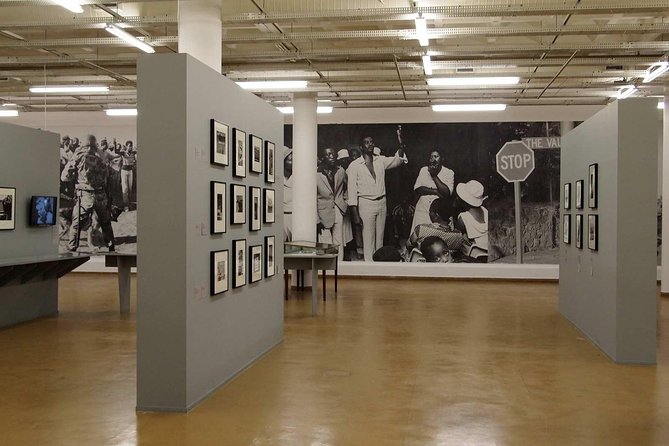
Then comes the big one: the Apartheid Museum. You’ll visit mid-day, with admission ticket included and about two hours on-site. It’s structured as a sequence of exhibitions that trace the rise and fall of apartheid, moving from struggle and inequality toward the climax of Nelson Mandela’s election.
I like that the museum format is guided and staged. You don’t just wander through rooms hoping the story clicks. The exhibition design is built to carry you through the arc, and you’re given a Truth Café option for snacks and drinks on your own.
The emotional drawback is real. Many people find the material hard to process, especially when the day later moves into Hector Pieterson’s memorial area. If you get overwhelmed, take small breaks inside the museum when you need them, and don’t force yourself to keep up with the group’s pace.
If you’re the planning type, treat this as your “work the story into your head” stop. After Apartheid Museum, you head toward Soweto, where the history becomes street-level and human-scale.
More sites and museums that record the apartheid years
Passing the World Cup sites and heading for Diepkloof and Soweto
Before Soweto, you pass recognizable landmarks tied to Johannesburg’s modern profile. The route includes a World Cup 2010 stadium area, plus stops and viewpoints around Johannesburg’s big infrastructure, like the FNB Soccer Stadium and the massive Soweto Towers.
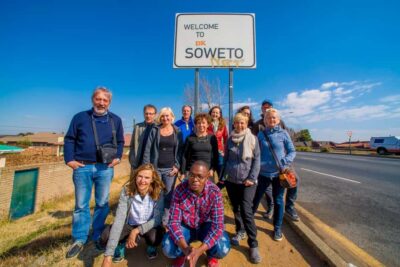
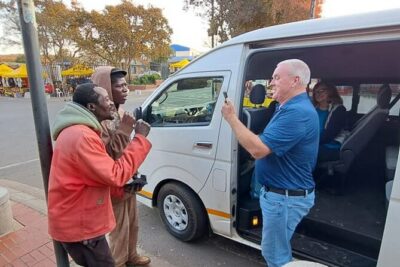
Once you leave the museum area and drive into Soweto, the scenery shifts quickly. You move into the Diepkloof area, where you’ll see street vendors and everyday commerce. You’re not just looking at buildings from a distance. You’re passing through neighborhoods where people sell, live, and keep going.
This is also where having a guide who grew up in Soweto is a big advantage. You’re more likely to hear explanations of place, names, and local meaning, not just generic history. That local perspective is one of the most praised parts of this tour.
Motsoaledi informal settlement stop: short walk, real community contact
One of the most grounding stops is at Motsoaledi informal settlement. The itinerary includes about 20 minutes, and you walk through streets near street cafés and craft markets with your guide. You visit a community centre supported by MoAfrika, then you meet local people and learn about everyday life.
This is the kind of stop where short time can still make a difference, if the guide manages expectations well. You don’t get to “solve” poverty in 20 minutes, and you shouldn’t expect that. What you should expect is a human introduction that replaces abstract ideas with faces and names.
If you’re sensitive to photography, this is also the kind of stop where you should be mindful. Ask before taking photos, and follow your guide’s lead.
Hector Pieterson Museum and Memorial: where 1976 turns personal

Next is Hector Pieterson Museum and Memorial in Orlando West. You get about 30 minutes, and admission is included. It’s located near where Hector Pieterson was shot and killed on 16 June 1976, and that proximity matters. The story isn’t floating in time. It’s anchored to a specific place.
This stop often hits hard. Even when you’ve read about the Soweto Uprising, seeing a memorial tied to a real young person forces it into focus. I’d plan your own emotional pacing here, especially if you’re also visiting the Apartheid Museum earlier that day.
A practical tip from other travelers: if you want to bring something small for kids in Soweto, some people suggest packing a few sweets. Only do it if you feel comfortable and respectful, and again, follow local guidance from your tour leader.
Vilakazi Street and Mandela and Tutu connections up close
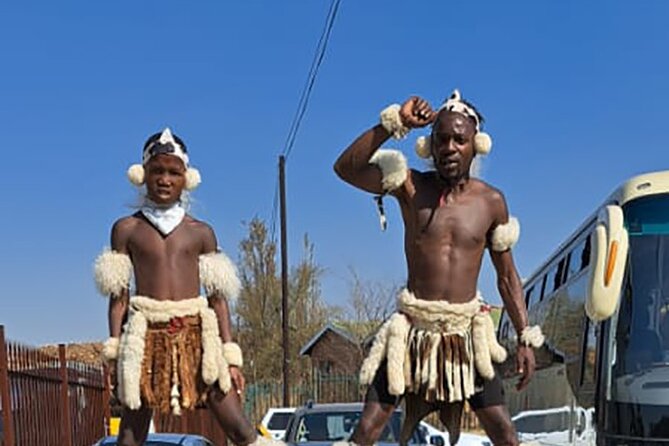
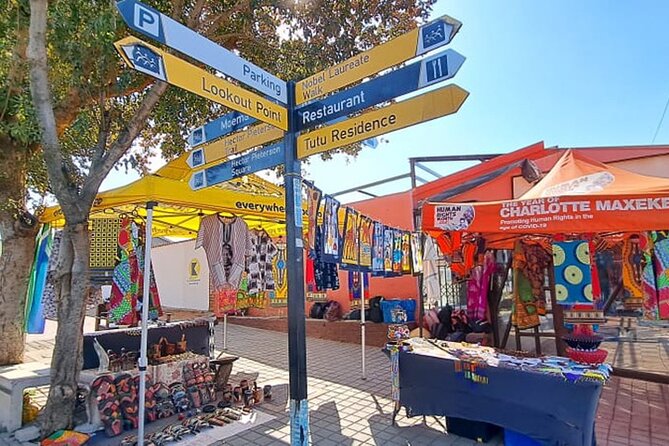
The tour then heads to Vilakazi Street, often described as the spine of Orlando West. You’ll spend about an hour here, mostly walking along the area and learning the meaning behind the monuments and houses connected to two Nobel Peace Prize winners: Nelson Mandela and Archbishop Desmond Tutu.
Vilakazi Street also helps you understand why Johannesburg history isn’t only “national.” It’s personal and local. The guide points out where homes were, why the street gained symbolic weight, and how the community experienced events that shaped the country.
This is one of the stops that tends to earn the highest marks because it combines story with physical location. The time can feel a bit quick if you like to linger, but the payoff is in the explanations that make the street name feel real rather than just famous.
Optional Mandela House, plus the city view elements
You may have an opportunity for an optional visit to Mandela House. It’s listed as not included, so you should expect it to cost extra if you choose it. Time is about one hour, and the stop ties directly back to the Soweto Uprising on 16 June 1976.
In parallel, your day still includes major Johannesburg landmarks outside Soweto. You’ll see Telkom Tower (269 meters, 882 feet), and you’ll also get the cross-town transitions that connect neighborhoods. That means you see Johannesburg as more than the township story, even while the day’s theme stays centered on human rights and apartheid-era change.
One more thing to watch carefully: some versions of this tour description may include a Carlton Centre visit with an elevator ride. But the Carlton Centre has been closed for some time now, and that can change what you do near the end of the tour. If you want skyline views as a must, keep flexibility in mind.
End point at Chris Hani Baragwanath Hospital: big scale, practical finish
After your lunch break and return to the guide, the tour continues with the Apartheid Museum and then drives toward Soweto again. You pass the Chris Hani Baragwanath Hospital, which is described as the world’s largest hospital, and the itinerary lists the tour end there after the stop sequence.
That ending location is practical and centralized for leaving the area, but it’s not a “home base” feeling like finishing back at your hotel. You may want to confirm your exact drop-off after booking details, especially if your evening plans require a specific return time.
The overall shape of the day is consistent: several guided or ticketed stops, a lunch gap where you buy your own food, then a structured return through Johannesburg.
Price, group size, and why the pacing matters
The tour runs about nine hours, starting at 9:00 am, and there’s a maximum of 100 travelers. It’s not a small private day, so you’ll need to accept a group schedule and short stop windows. That’s not necessarily bad. It’s how you fit Constitution Hill, the Apartheid Museum, Hector Pieterson, and multiple Soweto stops into one outing.
The reviews and practical feedback you’ll hear about this type of itinerary tend to focus on two pressure points: pickups and time at each site. Some people find pickup pooling can eat time, especially if your morning route includes multiple hotel stops. Others feel rushed inside the museums and memorials.
Here’s my balanced take for your planning. If you’re new to Johannesburg and want a guided orientation, the compressed schedule is a feature. If you already love the subject and want slow reading time, you might want to pair this with a second visit to the Apartheid Museum on a different day.
Also, the van can feel packed depending on group size. If you’re taller or prefer a bit more breathing room, choose your pickup location with that in mind. The tour’s comfort level depends on how full the minivan gets.
Who should book this Soweto and Johannesburg day?
I think this tour is a smart choice if you want a structured overview in one day. It’s ideal for first-timers who don’t want to figure out logistics between Constitution Hill, Newtown, and Soweto on their own. It’s also a good fit if you appreciate guided storytelling, especially around the 1976 Soweto Uprising and the broader apartheid-to-democracy narrative.
It’s less ideal if you hate emotional intensity or prefer casual, free-form wandering. The prison and memorial stops are part of the core experience, and the day keeps moving.
The guide can make a huge difference here. Some of the strongest experiences are tied to guides who explain context clearly and keep the group connected in Soweto, with examples like Cpho, Tapelo, Sello, Patience, Bobo, Mo, Nick, Sunny, and Marcy. If you care about getting the why behind the where, that guide quality is worth hunting for.
Should you book the Ultimate Johannesburg Soweto Experience?
Yes, with eyes open. If you want a single-day bridge between Johannesburg’s democracy story and Soweto’s lived reality, this tour gives you major stops with admission included at key museums, guided time where it counts, and hotel pickup to make the day painless.
Don’t book it if Carlton Centre views are the whole point for you, because the centre has been closed for some time and the plan may change. And if you’re emotionally sensitive, treat the museum and memorial parts as the main event, then plan your evening gently afterward.
If you want to get your bearings fast, learn the story in a guided way, and still walk parts of Soweto with a local guide, this is a solid choice.
FAQ
How long is the tour?
The tour lasts about 9 hours.
What time does the tour start?
The tour starts at 9:00 am.
How much does it cost?
The price is $108.70 per person.
Is hotel pickup included?
Yes, hotel pickup and drop-off are included.
Is WiFi included on the vehicle?
Yes, free onboard uncapped WiFi is included.
What admissions are included?
Admission ticket included stops include Constitution Hill Human Rights Precinct, the Apartheid Museum, and the Hector Pieterson Museum and Memorial. Mary Fitzgerald Square is listed as admission free, and some other listed stops do not require admission.
Is lunch included?
No, food and drinks are not included. Lunch is an own-expense break.
Is Mandela House included?
Mandela House is listed as optional, and it is not included.
Where does the tour end?
The tour ends at Chris Hani Baragwanath Hospital.
Can I cancel for a full refund?
Yes. Free cancellation is available, and you can cancel up to 24 hours in advance for a full refund.
Johannesburg, Block by Block
- From Johannesburg: Pilanesberg Nature Reserve Game Safari
- Johannesburg: Hop-On Hop-Off Bus with Optional Soweto Tour
- Soweto /Johannesburg and Apartheid Museum Guided Full Day Tour
- Johannesburg Hop-On Hop-Off City Tour with Soweto Option
- Full Day Ultimate Pilanesberg National Park Safari from Johannesburg or Pretoria
Apartheid History: Other Sites We Have Documented
Soweto: Other Guided Routes
Keep going: the rest of our Johannesburg write-ups
- Soweto Private half day tour
★ 4.5 · 3 reviews - Johannesburg’s Migration History with a local lunch
★ 5.0 · 3 reviews - Johannesburg: Soweto, Apartheid Museum, and Cradle tours
★ 4.7 · 3 reviews - Soweto Apartheid Museum and Lunch
★ 5.0 · 3 reviews - Bathongo Rhino & lion park nature reserve tour
★ 5.0 · 3 reviews - Johannesburg: Elephant and Monkey Sanctuary Half Day Tour
★ 5.0 · 3 reviews
Johannesburg City Tours, compared.
 ★ 4.5Johannesburg Hop-On Hop-Off City Tour with Soweto OptionFrom $16768 reviews
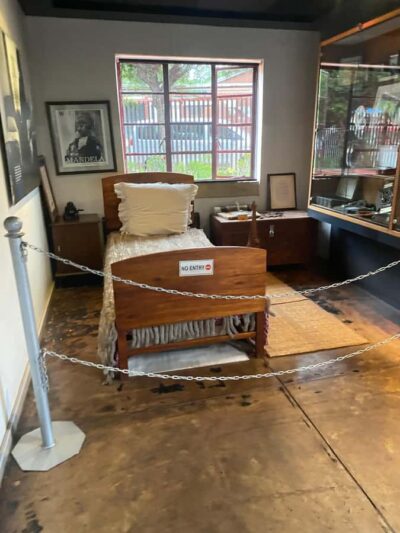 ★ 4.8Johannesburg: Full-Day Tour with Soweto and Apartheid MuseumFrom $104478 reviews
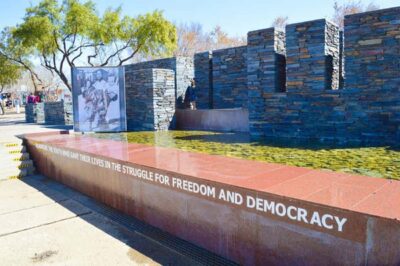 ★ 4.8Johannesburg and Soweto: Half-Day TourFrom $71439 reviews
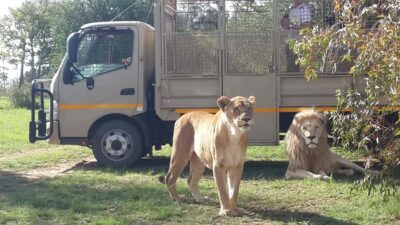 ★ 4.6From Johannesburg: Lion & Safari Park Half-Day TourFrom $167384 reviews
 ★ 5.0Half Day Lion Park tour from Johannesburg or PretoriaFrom $100274 reviews
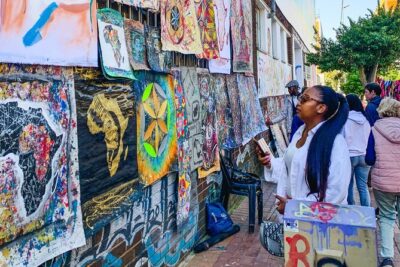 ★ 4.9Johannesburg: Maboneng Street Art & Culture TourFrom $37257 reviews
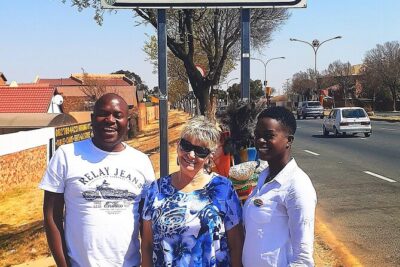 ★ 5.0Johannesburg and Soweto tourFrom $77231 reviews
 ★ 4.9Johannesburg and Soweto Apartheid Full Day Tour w/LunchFrom $93219 reviews
Browse the lists this tour appears in