
REVIEW · JOHANNESBURG CITY TOURS
Johannesburg: Soweto, Apartheid Museum, and Cradle tours
History hits hardest where it happened. On this Johannesburg tour, I like the tight pairing of Soweto history with the Cradle of Humankind, so your day moves from apartheid to ancient life.
I also love that the plan is truly private and guided, covering Soweto stops like the Mandela Museum in Vilikazi Street and other key sites with admission handled. Then the Cradle portion is explained with named discoveries and dates, which makes the whole “deep time” story feel less like a lecture and more like a real timeline you can follow.
The only wrinkle is that the day is museum heavy and timings can shift if sites are closed, since Apartheid and Hector Peterson are closed Mondays and the Apartheid Museum is closed Tuesdays. If you want extra township street time beyond the included stops, ask your guide what’s possible for your day.
In This Review
- Key highlights worth planning around
- How the day works: Soweto, Apartheid Museum, then Cradle
- Apartheid Museum: a 22-area story you can follow step by step
- Regina Mundi and the Hector Peterson Museum: faith and protest in the same neighborhood
- Mandela Museum on Vilikazi Street: the story gets personal
- Cradle of Humankind: Sterkfontein, Swartkrans, and the fire timeline
- Pricing, group size, and comfort in the real world
- When to book around closures and timing
- Who this tour is for, and who should adjust expectations
- Should you book this Johannesburg Soweto and Cradle tour?
- FAQ
- Is this tour private?
- What is the minimum number of guests?
- How much does the tour cost?
- What is included for admission fees?
- How do you handle transportation?
- Can the itinerary be customized?
- What languages are available?
- Which days are some museums closed?
- Is smoking allowed?
- Is there a way to book without paying everything up front, and can I cancel?
Key highlights worth planning around
- Apartheid Museum runs as a full emotional storyline, moving through 22 exhibition areas that cover the rise and fall of apartheid.
- Admissions are included for major stops like Regina Mundi Catholic Church and the Hector Peterson Museum.
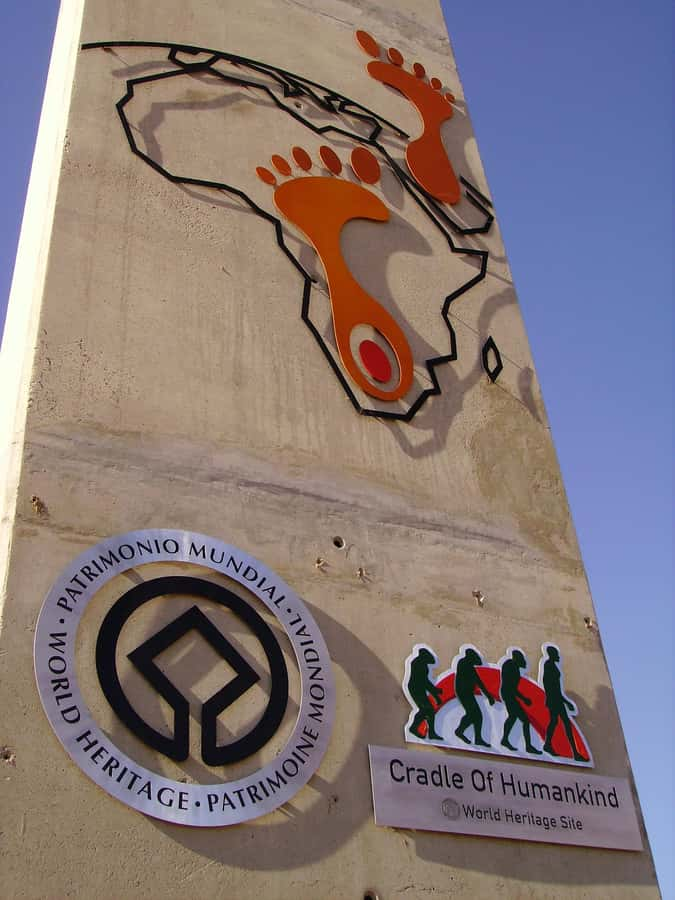
- You go beyond Soweto with the Cradle of Humankind, a UNESCO World Heritage Site tied to fossil discoveries and even evidence of fire use.
- Small-group private touring (minimum 2 guests, up to 8 in the vehicle) keeps it flexible and easier for questions.
- Hotel pickup and air-conditioned luxury transport reduce stress in Johannesburg traffic and heat.
Other Soweto routes we have reviewed, each with a local guide
- Johannesburg: Hop-On Hop-Off Bus with Optional Soweto Tour★ 4.6 · 985 reviews
- Soweto /Johannesburg and Apartheid Museum Guided Full Day Tour★ 5.0 · 932 reviews
- Johannesburg Hop-On Hop-Off City Tour with Soweto Option★ 4.5 · 768 reviews
- Half-Day Tour of Soweto Tour★ 4.5 · 712 reviews
How the day works: Soweto, Apartheid Museum, then Cradle
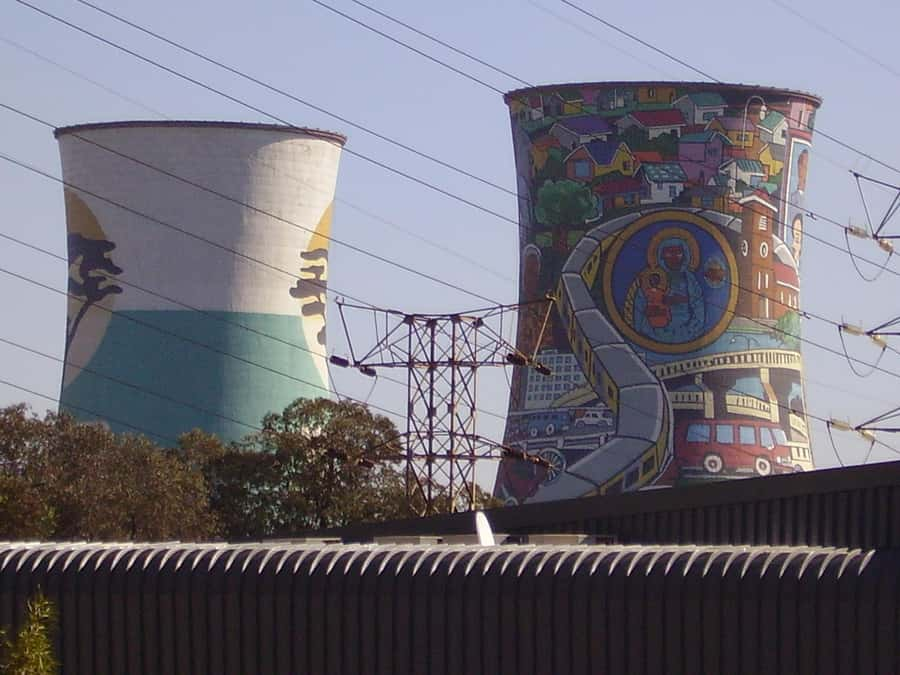
This is the kind of day that feels like two different worlds in one motion. You start with Johannesburg and Soweto, where apartheid history is shown through museums and specific places tied to that struggle. Then you head out toward the Cradle of Humankind, where the focus shifts to fossil discoveries and the deep timeline of human evolution.
Your tour can be half-day or full-day, and it can be tailored. That matters because you will get more value if you match the schedule to what you care about most. If museums are your thing, you are in luck, because the Apartheid Museum and the Hector Peterson Museum are central.
In a perfect world, you would get equal time for both Soweto and the Cradle. In reality, the day is structured around those key stops. If you also want extra time just wandering in the township atmosphere, plan to ask your guide early, because the “core” experience focuses on museum entry and interpretation rather than open-ended street time.
Apartheid Museum: a 22-area story you can follow step by step
The Apartheid Museum is described as the first of its kind in the world, and that reputation is not just marketing. What makes it worth your time is how it is built to take you through a sequence, not random facts. The exhibits are assembled and organized by a multi-disciplinary team that includes curators, film-makers, historians, and designers, and you can feel that craft in how the story is paced.
One of the smartest choices here is the museum’s emotional structure. The tour has you moving through 22 individual exhibition areas, which is a clear signal that the visit is meant to be a journey. You see provocative film footage, photographs, text panels, and artifacts that connect major events to the human stories behind them.
For many visitors, that is the point where the history stops being abstract. You will likely find yourself thinking about how apartheid functioned as a state-sanctioned system based on racial discrimination, and how people fought it and pushed it toward collapse.
A practical note: this museum is closed on Tuesdays, and the Soweto-area museums that include Hector Peterson are closed on Mondays. So if you are planning a multi-day stay, you should build your schedule so you do not hit a closed door.
Regina Mundi and the Hector Peterson Museum: faith and protest in the same neighborhood
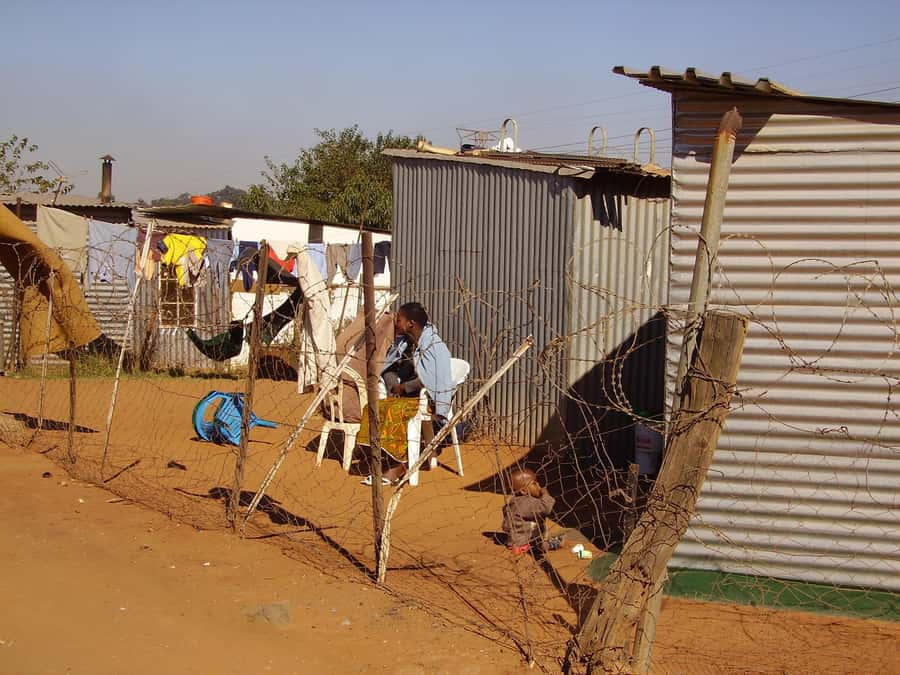
Soweto is not just a place you pass through. The tour includes stops that help you understand why the 1970s became so explosive and why certain symbols still matter.
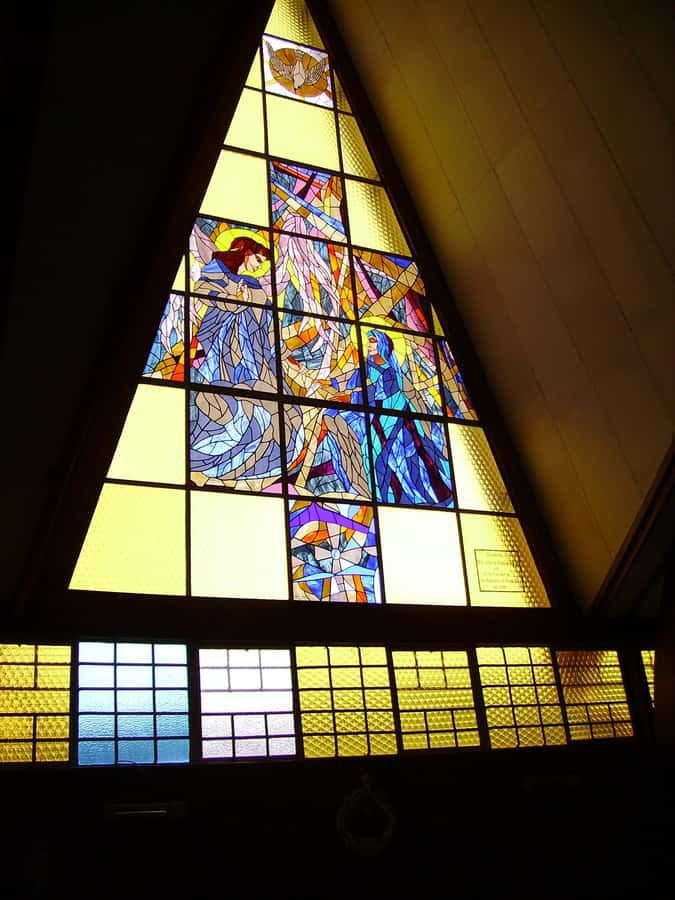
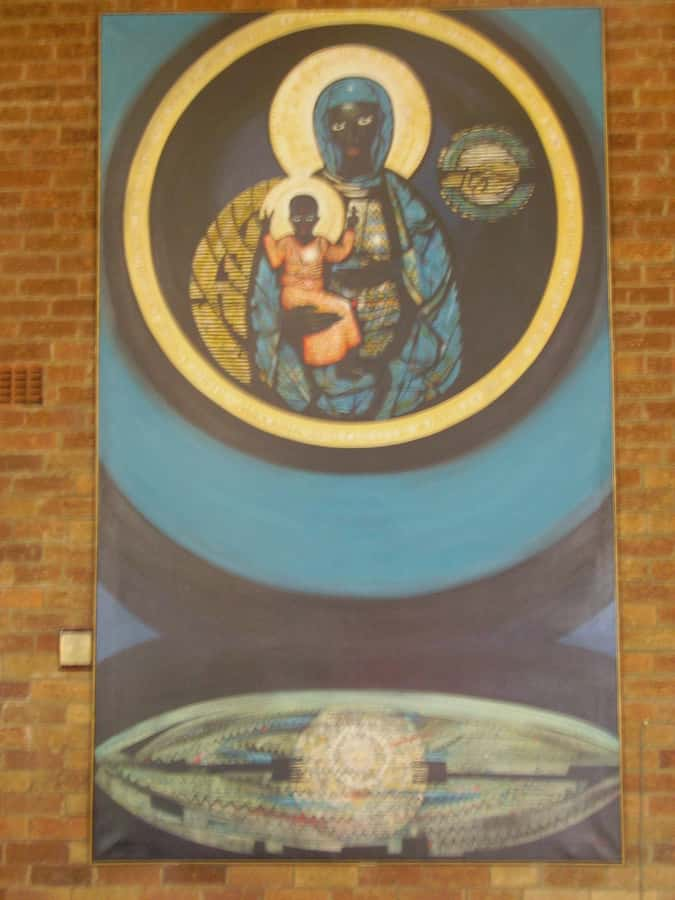
One included fee is for Regina Mundi Catholic Church, which is known for a famous Black Madonna depiction. Even if you are not visiting for religion, it is a powerful checkpoint for how communities kept identity and meaning during apartheid.
Then you shift to the Hector Peterson Museum, where the focus is on the reasons for the 1976 riots in Soweto. This is not vague “history for history’s sake.” The museum is meant to explain the triggers behind the uprising, and it helps you connect the emotional impact of the apartheid era to specific events.
If you want your day to land with more clarity, spend your energy asking your guide to explain the small details inside the exhibits. That is usually where the difference shows up between a quick walk-through and a visit that actually sticks.
One consideration: the tour is structured around included sites and admissions, so if you feel the need for more time in everyday Soweto life, it is worth asking your guide what extra local options are realistic for your schedule.
Mandela Museum on Vilikazi Street: the story gets personal
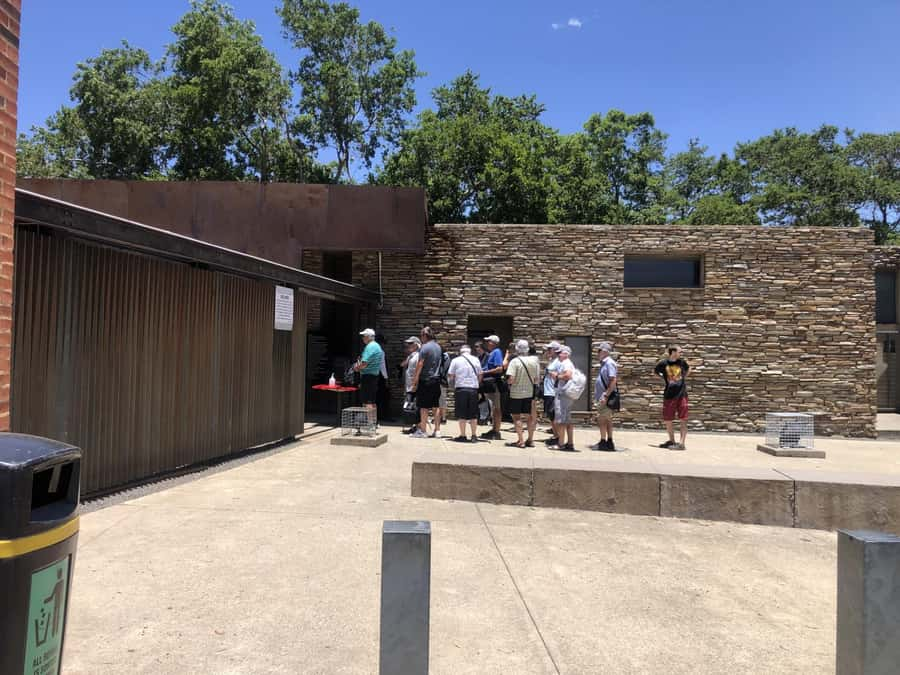
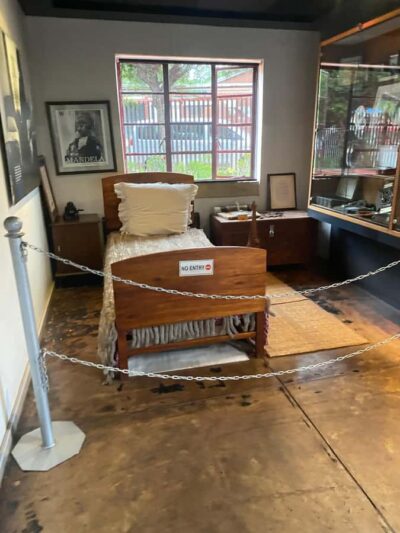
The tour includes the Mandela Museum in Vilikazi Street, and that location matters. Vilikazi Street is tied to important South African stories, and the museum setting gives you a more personal, people-first view of the era you are studying.
This is also the part of the day where things can feel less like an “attraction” and more like a living street. In at least one recent experience, the guide handled an unscheduled dance group right outside the Mandela Museum, keeping the mood respectful while still letting the moment breathe. That kind of scene is a reminder that history is not frozen in a building. It is around you.
You may also find it helpful to treat this stop as a transition. The earlier museums explain systems. Here, you are better positioned to connect those systems to the individuals and leadership that challenged them.
The practical win is that you are not juggling logistics. Transportation is handled, admissions are included, and a guide manages the flow so you can stay focused on the meaning.
More sites and museums that record the apartheid years
Cradle of Humankind: Sterkfontein, Swartkrans, and the fire timeline

The Cradle of Humankind portion is a full mindset shift. Instead of protests and museums, you are looking at what fossils and archaeology can tell us about how humans and human ancestors lived over time.
You are visiting the Cradle of Humankind, a UNESCO World Heritage Site, and the tour includes a guided look at how key discoveries were made. You get a timeline with named people and specific sites, which is exactly what you want when the dates stretch back more than a million years.
Here are the major discoveries your guide can connect for you:
- At Sterkfontein, Robert Broom found the first ape-man fossils in 1935 and began work there.
- In 1938, Gert Terrblanche brought Raymond Dart fragments of a skull from nearby Kromdraai, later identified as Paranthropus robustus.
- Also in 1938, a single ape-man tooth was found at the Cooper’s site between Kromdraai and Sterkfontein.
- In 1948, the Camp-Peabody Expedition from the United States worked at Bolts Farm and Gladysvale, but they did not find fossil hominids there.
- Later in 1948, Robert Broom identified the first hominid remains from Swartkrans cave.
- In 1954, C.K. Brain began work across Cradle sites, including Cooper’s Cave, and his three-decade work at Swartkrans recovered one of the largest samples of hominid remains from the Cradle.
- At Swartkrans, scientists found evidence for the oldest controlled use of fire by Homo erectus, dated to more than 1 million years ago.
- In 1966, Phillip Tobias began excavations of Sterkfontein, which are still continuing and are the longest continuously running fossil excavations in the world.
You also get later discoveries that show the science is not frozen in the past. In 1991, Lee Berger discovered early hominid specimens at Gladysvale, described as the first new early hominid site in South Africa in 48 years. In 1994, Andre Keyser found fossils at Drimolen. In 1997, Kevin Kuykendall and Colin Menter found two fossil hominid teeth at Gondolin. The same year brought the discovery of the near-complete Australopithecus skeleton nicknamed Little Foot by Ron Clarke, with dates reported around 3.3 million years, though more recent estimates suggest closer to 2.5 million.
That is a lot to take in. The value here is that a guide helps you keep the names, places, and dates in order, so it feels like a story with milestones instead of a list.
Pricing, group size, and comfort in the real world
The price is listed at $101 per person, with the important detail that prices vary based on the number of guests. This matters because the tour includes more than just guiding.
You also get transportation between sites with pickup and dropoff at your hotel, and you travel in air-conditioned luxury vehicles for groups up to 8, plus bottled water and experienced drivers. That is not “nice to have” in Johannesburg. Heat, traffic, and distance can chew up a day fast.
Group size is also part of the value equation. The minimum is 2 guests, and the tour is offered as a private guided experience. Smaller groups tend to make museum explanations more effective because you can ask questions and follow the pace that your guide is setting.
Discounts apply only to groups of 6 or more, so if you are a solo traveler, you should expect the price to be designed for couples and small parties rather than lone adventurers.
Also, the tour can be customized. If you are passionate about either apartheid history or human origins, you can usually tune the emphasis as long as it fits the closed days and the flow of the itinerary.
When to book around closures and timing
You have to be smart about days of the week. Soweto museums that are closed on Mondays include Apartheid and Hector Petersen. The Apartheid Museum is also closed on Tuesdays.
If your travel dates include a Monday or Tuesday, you might need a small adjustment, like swapping which day you do this tour versus another museum day. This is one of those details that can make or break a Johannesburg visit, because there is no sense planning a “must see” route if half the stops are shut.
The good news is that the tour is flexible in format. It can run as a half-day or full-day option, and it can be tailored. That flexibility gives you room to work around closures if you plan early.
Who this tour is for, and who should adjust expectations
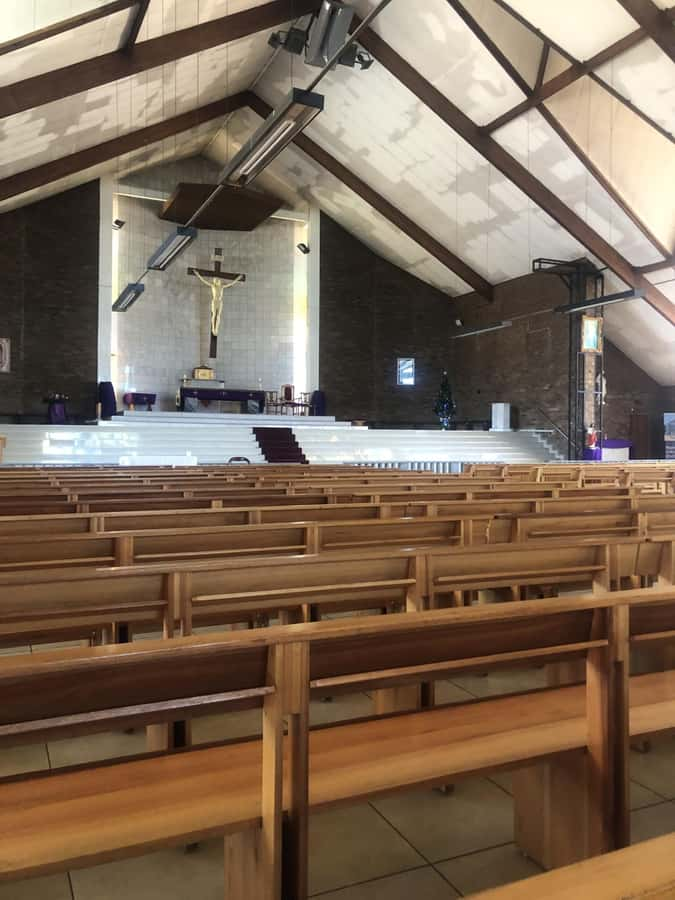
This tour is a strong fit if you want a guide to tie together two kinds of meaning in one day. If you care about how apartheid shaped a society and how humans evolved over millions of years, you will likely appreciate the contrast.
It is also a good fit if you want the structure of major museum visits with admissions handled. The included entries to Regina Mundi Catholic Church and the Hector Peterson Museum mean you can show up and focus instead of checking ticket desks.
One expectation to calibrate: while Soweto is central, the day is organized around included sites rather than open-ended wandering. In other words, you might not get extra township street time beyond the museum stops unless your guide can make it fit.
If you hate museums, this will feel like a long day. If you like museums but want a quiet pace and lots of stops, it helps to ask for a customization that matches how you travel.
Should you book this Johannesburg Soweto and Cradle tour?
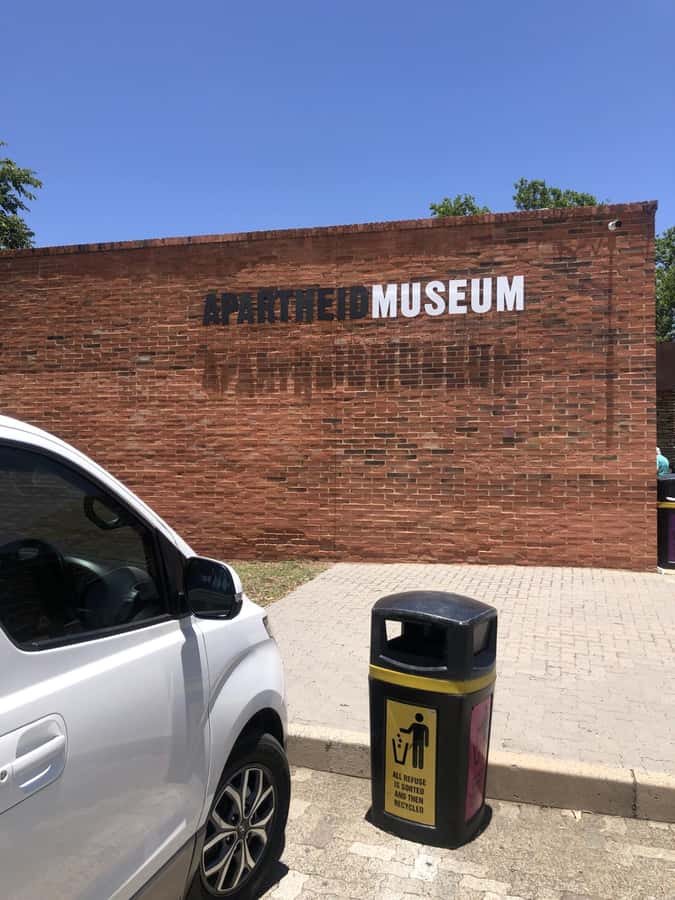
I would book it if you want a guided day that connects apartheid history to the Cradle of Humankind discoveries, with hotel pickup, air-conditioned transport, and admissions taken care of. The Apartheid Museum portion is built as a structured emotional journey through 22 exhibition areas, and the Cradle portion gives you a clear fossil timeline with specific researchers and landmark finds, including evidence linked to controlled fire.
I would hesitate only if your main goal is extra unstructured township time, because the plan is museum-led and can be constrained by closure days. If that matters to you, ask your guide early and match your visit to a day when the key sites are open.
FAQ
Is this tour private?
Yes. The tour includes private guided tours of Soweto, the Apartheid Museum, and the Mandela Museum in Vilikazi Street.
What is the minimum number of guests?
All tours have a minimum of 2 guests.
How much does the tour cost?
The price is listed as $101 per person, and prices vary depending on the number of guests.
What is included for admission fees?
Admission to all sites is included, including entrance fees at Regina Mundi Catholic Church and the Hector Peterson Museum.
How do you handle transportation?
The tour includes transportation between sites, with pick up and drop off at your hotel. You travel in air-conditioned luxury vehicles, and bottled water is provided.
Can the itinerary be customized?
Yes. The tour can be tailored to suit your needs.
What languages are available?
Languages offered are English, German, and French.
Which days are some museums closed?
Soweto museums that are closed on Mondays include Apartheid and Hector Petersen. The Apartheid Museum is also closed on Tuesdays.
Is smoking allowed?
No. Smoking is not allowed.
Is there a way to book without paying everything up front, and can I cancel?
Yes. The tour offers reserve & pay later, where you can book your spot and pay nothing today. Cancellation is allowed up to 24 hours in advance for a full refund.
Johannesburg, Block by Block
- From Johannesburg: Pilanesberg Nature Reserve Game Safari
- Johannesburg: Hop-On Hop-Off Bus with Optional Soweto Tour
- Soweto /Johannesburg and Apartheid Museum Guided Full Day Tour
- Johannesburg Hop-On Hop-Off City Tour with Soweto Option
- Full Day Ultimate Pilanesberg National Park Safari from Johannesburg or Pretoria
Apartheid History: Other Sites We Have Documented
Soweto: Other Guided Routes
Keep going: the rest of our Johannesburg write-ups
- Soweto Private half day tour
★ 4.5 · 3 reviews - Johannesburg’s Migration History with a local lunch
★ 5.0 · 3 reviews - Johannesburg: Soweto, Apartheid Museum, and Cradle tours
★ 4.7 · 3 reviews - Soweto Apartheid Museum and Lunch
★ 5.0 · 3 reviews - Bathongo Rhino & lion park nature reserve tour
★ 5.0 · 3 reviews - Johannesburg: Elephant and Monkey Sanctuary Half Day Tour
★ 5.0 · 3 reviews
Johannesburg City Tours, compared.
 ★ 4.5Johannesburg Hop-On Hop-Off City Tour with Soweto OptionFrom $16768 reviews
 ★ 4.8Johannesburg: Full-Day Tour with Soweto and Apartheid MuseumFrom $104478 reviews
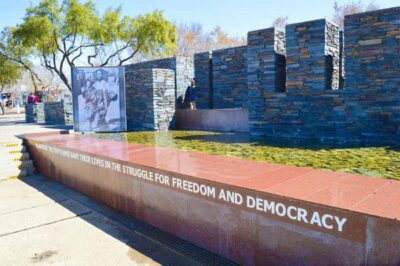 ★ 4.8Johannesburg and Soweto: Half-Day TourFrom $71439 reviews
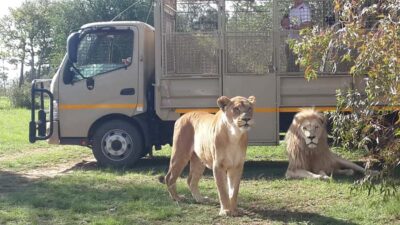 ★ 4.6From Johannesburg: Lion & Safari Park Half-Day TourFrom $167384 reviews
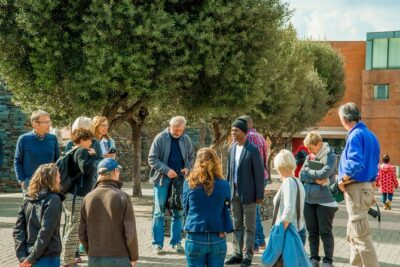 ★ 5.0Ultimate Johannesburg Soweto Experience with Apartheid MuseumFrom $108313 reviews
 ★ 5.0Half Day Lion Park tour from Johannesburg or PretoriaFrom $100274 reviews
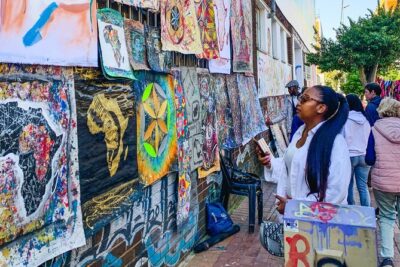 ★ 4.9Johannesburg: Maboneng Street Art & Culture TourFrom $37257 reviews
 ★ 5.0Johannesburg and Soweto tourFrom $77231 reviews
Browse the lists this tour appears in