
REVIEW · COOKING CLASSES
Authentic African Cuisine Cooking Experience
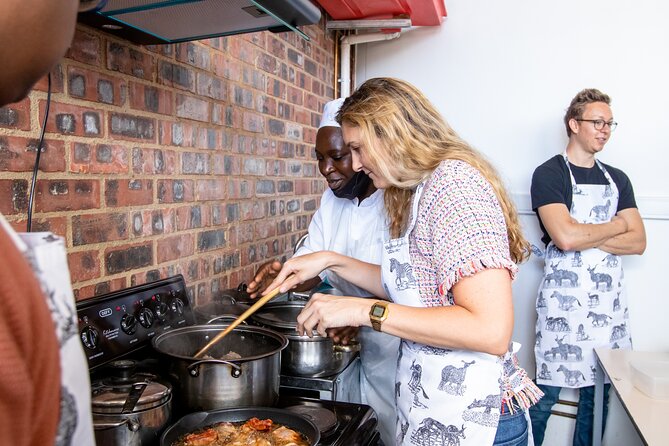
A meal that teaches you to cook, fast. In Cape Town, this hands-on African cuisine class takes you from ingredients to a full spread, with Caleb and Florence guiding you through dishes like sadza, chakalaka, and peanut butter greens. You’ll also hear the stories behind the food, then share the meal in a home-style, communal way.
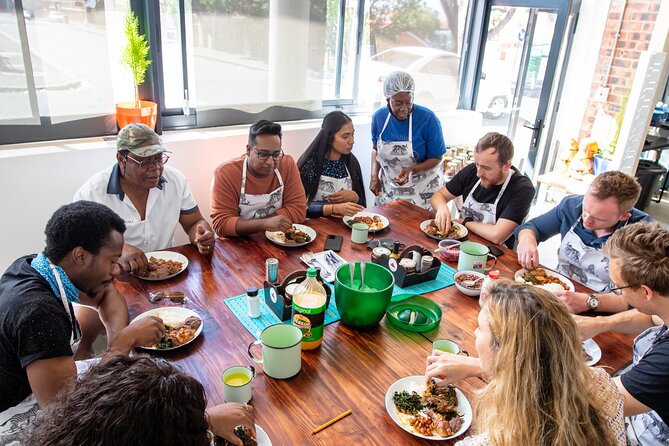
I love how step-by-step the teaching feels, even if you’re not a confident cook. I also like the small-group setup, with a maximum of 10 travelers, so questions don’t get lost in the noise. One thing to consider, though, is that the cooking style is very practical, meaning you should expect hands-on work and basic technique rather than chef-level tricks.
In This Review
- Key things to know before you go
- Why This Cape Town Cooking Class Feels Like Visiting a Home
- Where You’ll Meet: Pahari African Restaurant in Salt River
- What You’ll Cook: Sadza, Beef Bones, Chicken Stew, Chakalaka, and More
- How the Teaching Works: Stories, Ingredients, and Real Cooking Tasks
- The Meal Format: Lunch, Dinner, Snacks, and Tea or Coffee
- Group Size and Comfort Level: Small, Friendly, and Intimate
- Price and Value: What $57.51 Really Buys You
- Tips to Get the Most Out of the Class
- Who Should Book This Cooking Experience, and Who Might Skip
- Should You Book This Cape Town African Cuisine Cooking Class?
- FAQ
- Where is the meeting point for this cooking experience?
- How long does the cooking experience last?
- What dishes will I help cook?
- Is there a vegan or vegetarian option?
- What food and drinks are included?
- How many people will be in the group?
- Is private transportation included?
- Do I get a ticket on my phone?
- Is confirmation provided after booking?
- Can I cancel and get a refund?
Key things to know before you go
- Learn the full meal flow, from starters to the final pot, not just a quick demo
- Sadza (mealie pap) plus a full set of sides, including chakalaka and sugar beans
- Peanut butter gets a traditional spotlight, with you getting involved in how it’s made
- Small group energy, capped at 10, which keeps the pace friendly
- Vegan and vegetarian options are available, so you’re not stuck eating around the class
- You leave fed, with lunch and dinner plus snacks and tea or coffee
More kitchens that will hand you an apron
- Cape Town: Malay Cooking Class and Lunch in Bo-Kaap★ 4.8 · 515 reviews
- Authentic African Cuisine Cooking Experience★ 5.0 · 236 reviews
- Cape Town: Cape Malay Cooking Class in Bo-Kaap★ 4.8 · 120 reviews
- Cape Town: Bo-Kapp Walking Tour and Malay Cooking Class★ 4.7 · 105 reviews
Why This Cape Town Cooking Class Feels Like Visiting a Home
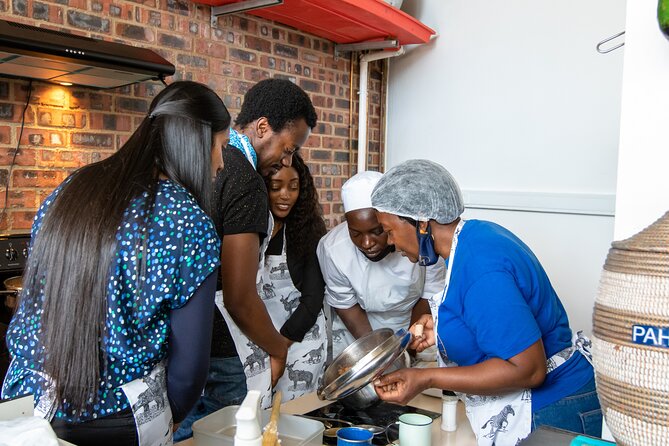
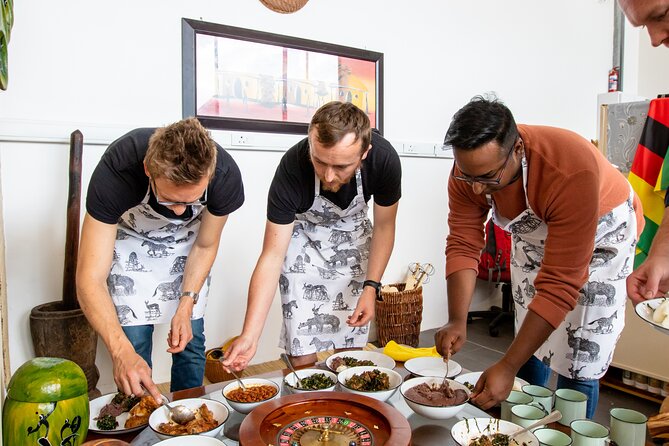
This isn’t the kind of class where you watch someone else cook while you take notes. The point is getting your hands into the food, mixing, chopping, stirring, and learning as you go. In a city that’s easy to over-plan, this is a simple way to slow down.
I like that the hosts talk through the history of African cuisine, how ingredients connect to everyday life, and how recipes have changed as generations passed them down. You’re not just memorizing steps, you’re understanding why the flavors make sense together.
One more plus: the meal ends the way many African home meals do, together. You’ll eat as a group, sharing the food and the table conversation. That’s where the class turns from cooking skills into cultural memory.
Where You’ll Meet: Pahari African Restaurant in Salt River
You start at Pahari African Restaurant, 121 Cecil Rd, Salt River, Cape Town (7925). The experience ends back at the same meeting point, so you’re not dealing with a second location or a long walk.
Logistically, this is a good call if you’re using public transport. It’s listed as near public transportation, and that matters in Cape Town, where time spent figuring out the next ride can easily drain your energy.
If you’re going by rideshare, here’s a practical tip: when you request Uber, send a note to the driver that you’re going to Pahari African Restaurant. It helps drivers find the right spot quickly, and you’ll save those “where exactly is it” minutes.
What You’ll Cook: Sadza, Beef Bones, Chicken Stew, Chakalaka, and More
This class is built around a set menu that makes sense as a real home meal. You’re not just learning one dish. You’re learning how multiple dishes work together on the same table.
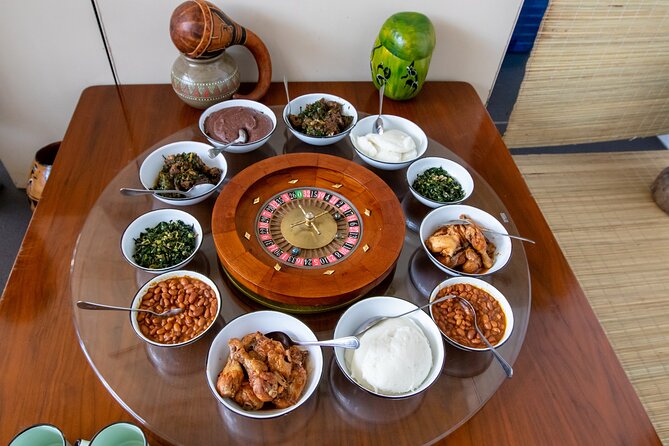
Here’s what’s on the day’s cooking list:
- Sadza (mealie pap)
- Meaty beef bones mixed with green vegetables
- Chicken stew
- Green vegetables with peanut butter
- Chakalaka
- Sugar beans
Even better for planning your meal expectations: the class is designed so everyone contributes. You’ll get hands-on tasks rather than standing around waiting.
Also, don’t worry if you’re vegetarian or vegan. The experience offers vegan and vegetarian options, so the menu can work around your needs. You might find that the dishes are adapted to keep the flavors and comfort-food feel, rather than treating plant-based food as an afterthought.
How the Teaching Works: Stories, Ingredients, and Real Cooking Tasks
The hosts start by welcoming you with African drinks choices and tasty starter snacks. That’s not a throwaway perk. It sets the tone. You’re already in food mode when the lesson begins.
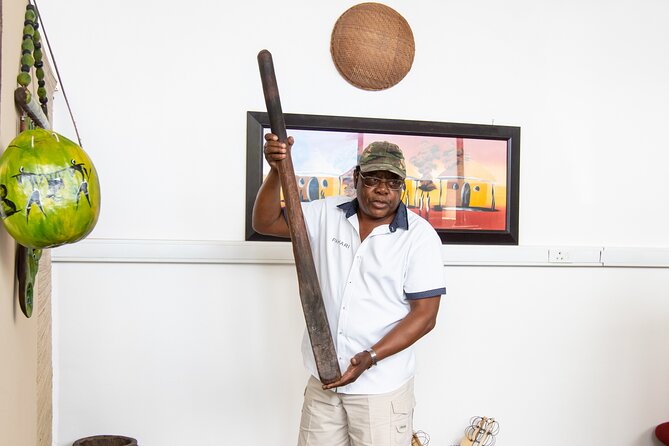
Then you’ll get the history and ingredient context for African cuisine, and how these recipes evolved through time. This is where the class gets more interesting than a standard cooking session. You learn what each ingredient is doing, and you hear how dishes connect to daily life and family tradition.
After that, the cooking moves step by step. The pace feels organized, and the hosts guide you through what to do next. In the end, multiple dishes come together, and you eat what you made.
One small but meaningful detail from the experience: learning isn’t only “hands on.” There’s also explanation. For example, peanut butter is highlighted, and you’ll learn how it’s made traditionally. That kind of specific skill sticks with you longer than generic cooking tips.

The Meal Format: Lunch, Dinner, Snacks, and Tea or Coffee
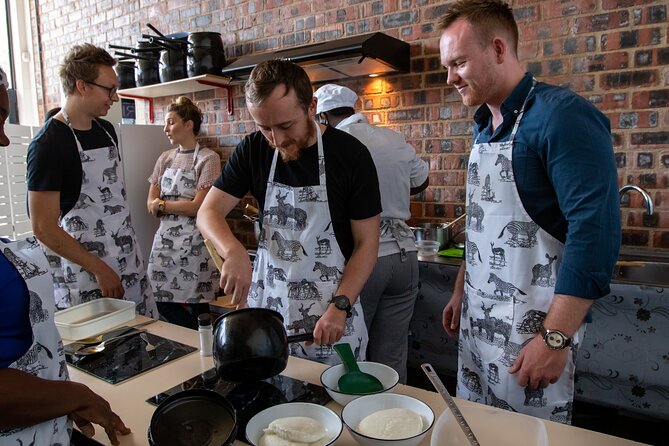
The experience includes a full food run: snacks, lunch, dinner, and coffee and/or tea, plus alcoholic beverages. That’s a big part of the value, because you’re paying for both cooking instruction and a real meal.
Plan to treat this as a main event in your day. If you try to schedule a big dinner right after, you’ll probably regret it. You’ll finish the class with an African hot beverage (tea or coffee), which is a nice, low-effort way to close out the evening without needing to find a cafe afterward.
The meal itself is communal. That means you’ll sit with the group and share the dishes in the style of an African home. If you’re curious about eating with your hands, this is part of the experience, and it’s a big part of why people remember the class.
Group Size and Comfort Level: Small, Friendly, and Intimate
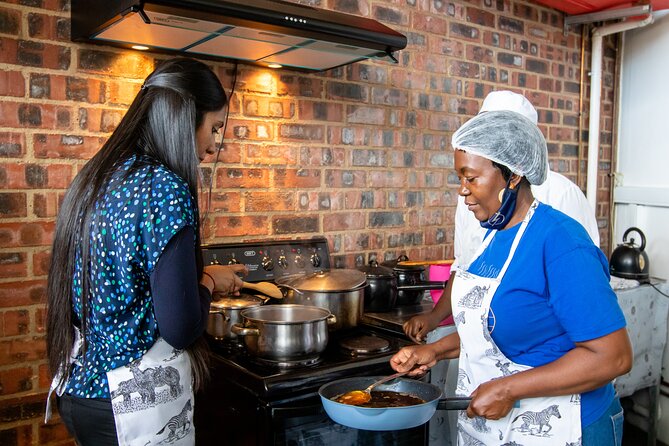
This has a maximum group size of 10 travelers, and it shows. With fewer people, it’s easier for hosts to notice when you’re stuck, when you want to ask questions, or when you want to step in and cook.
A lot of cooking classes feel like a performance. This one feels more like you’re joining a table. That also makes it easier to talk, since you’re not constantly battling a loud room.
It’s also the kind of class that works well if you want an experience that feels real without needing to book multiple tours. You’re learning food, listening to stories, and eating together, all in the same 2 hours 30 minutes (approx.) window.
Price and Value: What $57.51 Really Buys You
At $57.51 per person for about 2 hours 30 minutes, the price looks fair once you map what’s included.
You’re getting:
- coffee and/or tea
- alcoholic beverages
- snacks
- lunch
- dinner
- a guided cooking session that covers multiple dishes
In many cities, one “food experience” with instruction usually only includes one meal, maybe a small tasting. Here, you’re getting a full lunch and dinner, plus drinks, and you’re actively cooking. That’s why the class gets booked about 33 days in advance on average, too. It’s popular because it works as both a cultural experience and an actual meal solution.
So I’d judge this as good value if you’re hungry, want hands-on learning, and like getting out of the usual restaurant routine.
Tips to Get the Most Out of the Class
This is the part I’d treat like a checklist.
1) Wear clothes you won’t stress about. You’ll be cooking and getting your hands dirty.
2) Come ready to participate. The best part is contributing, so don’t hang back hoping you can just watch.
3) Ask questions early. The class begins with drinks and snacks, then moves into history and ingredients. If you’re curious about anything, ask while the hosts are in teaching mode.
4) Plan your schedule around eating. With lunch and dinner included, you’re done with the “meal problem” for the day.
5) Use the meeting point name when ordering a ride. It can help your driver find the place without extra back-and-forth.
Who Should Book This Cooking Experience, and Who Might Skip
Book it if you want:
- hands-on cooking instead of passive watching
- African dishes that feel like a true home meal, not a tourist plate
- a small-group evening where conversation stays easy
- vegan or vegetarian options that are part of the plan, not a last-minute change
You might think twice if:
- you only want advanced, technical cooking training
- you want a class where every step is very detailed for beginners who need high-level method breakdowns
- you’re expecting a more formal “how to cook like a chef” structure rather than practical participation
That said, even if you’re a beginner, the format is designed to keep you involved. Some people find the cooking tasks geared more toward basic learners than advanced cooks, but the result is still a satisfying, well-fed experience.
Should You Book This Cape Town African Cuisine Cooking Class?
I think you should book it if you want a real, practical food experience in Cape Town that goes beyond eating. This class is about learning why the dishes matter, cooking with your hands, and then sharing a communal meal with people who genuinely welcome you.
Skip it if you’re mainly looking for high-precision cooking technique or you hate being hands-on. Otherwise, for the price, the included lunch and dinner, and the small group size, it’s an easy “yes” for most visitors.
If you’re trying to balance authentic local culture with something fun that doesn’t require a big commitment, this is a strong choice. It’s one of those evenings that can turn into the best meal memory of your trip.
FAQ
Where is the meeting point for this cooking experience?
The experience starts at Pahari African Restaurant, 121 Cecil Rd, Salt River, Cape Town, 7925, South Africa, and it ends back at the same meeting point.
How long does the cooking experience last?
It lasts about 2 hours 30 minutes (approx.).
What dishes will I help cook?
You’ll learn to make Sadza (mealie pap), meaty beef bones with green vegetables, chicken stew, green vegetables with peanut butter, chakalaka, and sugar beans.
Is there a vegan or vegetarian option?
Yes. Vegan and vegetarian options are available.
What food and drinks are included?
Coffee and/or tea, alcoholic beverages, snacks, lunch, and dinner are included. The experience also concludes with an African hot beverage (tea or coffee).
How many people will be in the group?
The experience has a maximum of 10 travelers.
Is private transportation included?
No. Private transportation is not included.
Do I get a ticket on my phone?
Yes. The experience includes a mobile ticket.
Is confirmation provided after booking?
Yes. Confirmation will be received at the time of booking.
Can I cancel and get a refund?
Free cancellation is available. You can cancel up to 24 hours in advance of the experience for a full refund. If you cancel less than 24 hours before the start time, the amount paid is not refunded.
Cooking Classes Around Cape Town
Keep going: the rest of our Cape Town write-ups
- Cape Town to Cape Point Helicopter Flight – 48Min
★ 4.2 · 3 reviews - Full Day Private Hiking Table Mountain & City
★ 5.0 · 3 reviews - Sandboarding with jeep – drive uphill
★ 5.0 · 3 reviews - Full Day Tour for Cape of Good Hope & Boat to Seals Island
★ 5.0 · 3 reviews - 10 Day South Africa Tour Joburg to Cape Town
★ 5.0 · 3 reviews - 5 Day Garden Route Small Group Tour Fr CapeTown – Departs Mondays
★ 5.0 · 3 reviews
Cooking Classes, compared.
 ★ 4.8Cape Town: Malay Cooking Class and Lunch in Bo-KaapFrom $49515 reviews
 ★ 4.8Cape Town: Cape Malay Cooking Class in Bo-KaapFrom $52120 reviews
 ★ 4.7Cape Town: Bo-Kapp Walking Tour and Malay Cooking ClassFrom $68105 reviews
 ★ 5.0Half-Day Small Group Cooking Experience in FranschhoekFrom $11674 reviews
 ★ 4.9Cape Town: Authentic African Cuisine Cooking ExperienceFrom $7131 reviews
 ★ 5.0Private Cape Malay Cooking Class in Cape Town with a Local FamilyFrom $10024 reviews
 ★ 4.6GQ: City Walking Tour & African Cuisine Cooking ClassFrom $5611 reviews
 ★ 4.5South African Cooking in Cape Town with Local Chef RichardFrom $7610 reviews
Browse the lists this tour appears in