
REVIEW · BO-KAAP AND CAPE TOWN CITY WALKS
Cape Town: Cape Malay Cooking Class in Bo-Kaap
Spices, stories, and a kitchen table in Bo-Kaap. I love the hands-on cooking where you actually make the food, and I love the Cape Malay history lesson you get from your host as you work. It is a very real slice of Cape Town life, not a museum script.
The only real drawback is that you might deal with steep stairs and uneven, hilly streets around the neighborhood, and it can feel more like a group kitchen workflow than separate stations.
In This Review
- Key things I’d circle before you book
- Why Bo-Kaap cooking beats a restaurant detour
- Walking into a real Bo-Kaap home kitchen
- The 2-hour flow: from prep to plate
- Cape Malay spice logic, and why it tastes different
- Starter time: learning the moves for chilli bites and samosas
- Curry on the stove: building depth for chicken or beef
- Eating what you cooked, with real conversation
- Price and value: what you are really paying for
- Practical tips before you go to Bo-Kaap
- Who should book this Cape Malay cooking class?
- Should you book Cape Town’s Cape Malay cooking class in Bo-Kaap?
- FAQ
- How long is the Cape Malay cooking class in Bo-Kaap?
- What is included in the price?
- What does the class involve?
- Is transportation included?
- What languages are used during the class?
- Is alcohol allowed during the experience?
- What should I expect at the meal?
- Are there cancellations allowed?
- Is this suitable if I have trouble with walking or stairs?
Key things I’d circle before you book
- A 3-course Cape Malay meal you cook yourself, then you sit down and eat it
- Spice-focused lessons that explain how Cape Malay flavor differs from other South African cooking
- Host-led storytelling about Bo-Kaap community, family traditions, and daily life
- A home-kitchen setting, which means less performance and more everyday technique
- Active participation, with hosts encouraging everyone to chop, mix, fold, and taste
More walks through the Bo-Kaap and the city bowl
- Cape Town: Malay Cooking Class and Lunch in Bo-Kaap★ 4.8 · 515 reviews
- Cape Town Walking Tour: Bo-Kaap & City Highlights★ 4.8 · 161 reviews
- Bo-Kaap: Walk with a local★ 5.0 · 131 reviews
- Cape Town: Cape Malay Cooking Class in Bo-Kaap★ 4.8 · 120 reviews
Why Bo-Kaap cooking beats a restaurant detour
Cape Town has plenty of places to eat, but this type of class gives you the sauce behind the dish. Cape Malay food is not just about flavor, it is about how people adapted, traded, cooked, and passed down techniques over generations. When you cook it yourself, the choices make sense, even if you are not a big home-cook.
Bo-Kaap is also the kind of neighborhood where food is part of identity. Colorful streets and proud community stories set the mood before you even pick up a spoon. In this class, your host turns that context into something practical: what spices to use, when to add them, and how to build taste step by step.
I also like that the experience is built around conversation. You cook, you eat, then you talk. That is often where the best cultural details come out, including how families shop for ingredients and what recipes are kept for special occasions.
Walking into a real Bo-Kaap home kitchen
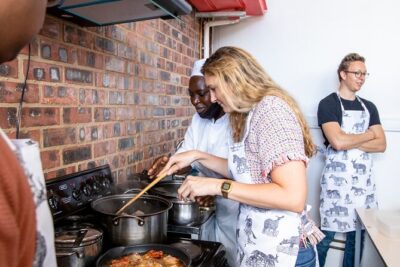
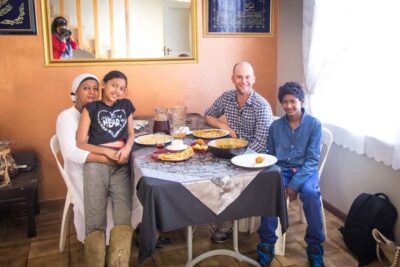
Instead of a cooking studio, you join a local resident in the Bo-Kaap neighborhood. That matters more than you might think. At home, you see the tools people actually use, the rhythm of the kitchen, and how hosts explain things in plain terms, not chef theater.
From the reviews, you can expect warm welcome and patient instruction. Names that showed up in past experiences include hosts like Shafeeqah, Fuad, and Jasmina, and the common thread is that they guide people who are new to Cape Malay cooking. One reviewer highlighted how the host went out of her way to accommodate people, and another noted the kitchen was spotlessly clean and well equipped.
What you likely feel in the room is that it is not about getting perfect results. It is about learning the method well enough to recreate it later, even if your first samosa fold is a little lopsided. (Good news: everyone is usually too busy learning and laughing to judge.)
The 2-hour flow: from prep to plate
This is a 2-hour interactive cooking class. You are preparing a popular Cape Malay 3-course meal from scratch using authentic spices and fresh ingredients. The exact menu can vary by session, but the structure stays consistent: starter work, main meal work, then the meal part where you eat together.
Here is the practical rhythm you should expect:
- You start with spice and ingredient guidance, plus how to use the ingredients you will cook with.
- You then get hands-on with the starter and main components. The class encourages participation, so you are not just watching.
- Finally, you sit down with your host and enjoy the meal with good conversation.
A note worth knowing: one reviewer mentioned that dessert may be prepared before the class starts. That does not mean you do nothing, but it can change how much hands-on dessert work you get compared with the starter and main.
Also, it is often set up as a shared kitchen experience. A reviewer pointed out it is not always like everyone gets their own station. Instead, the group supports the cooking as a team. If you like a very individualized class setup, just keep that in mind.
Cape Malay spice logic, and why it tastes different
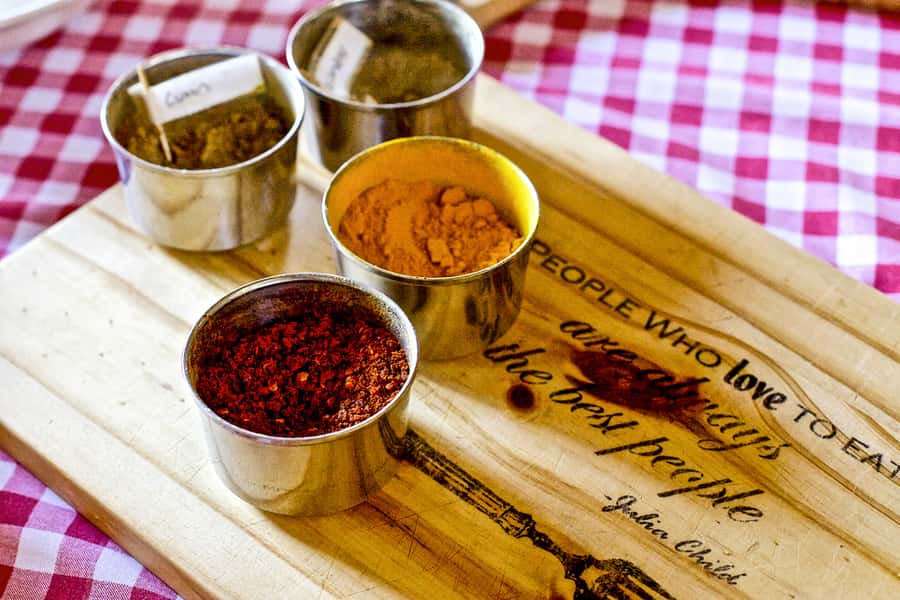
Cape Malay cuisine has a distinct flavor profile because of the spice mix and cooking style. Even without getting lost in food science, you can learn the key ideas fast: spices are not just sprinkled in at random, they are timed and layered.
In this class, you learn what makes Cape Malay cooking different from other traditional South African dishes. That usually comes down to:
- how spices are combined for aroma and warmth
- how curry and simmer flavors develop
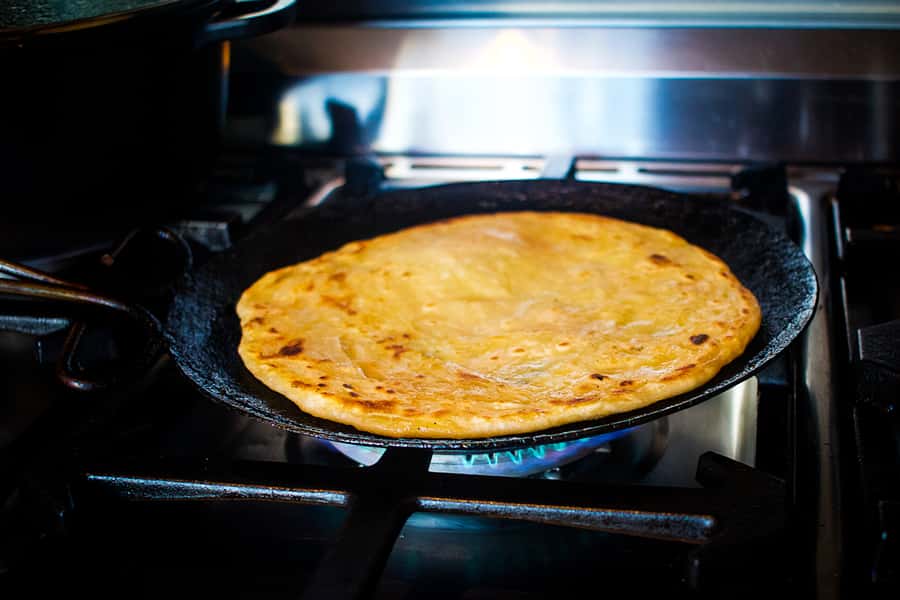
- how techniques shape texture, like folding pastry or making flatbread
One reviewer talked about the ah-ha moments that come from technique, specifically a tip for folding samosas so they hold their contents while cooking. That kind of practical instruction is exactly what turns a vague recipe into something you can actually repeat later.
If you are the type who likes to bring home a few reliable tactics, this class gives you that. You will leave knowing what you used, why you used it, and what to watch for in your own kitchen.
More kitchens that will hand you an apron
Starter time: learning the moves for chilli bites and samosas
The starter portion is where a lot of people feel the class click into place. You are usually not just tasting spices, you are working with them.
Based on previous menus, you might work with things like:
- chilli bites and other spicy starter items
- samosas and related pastry or flatbread components
- roti or flatbread-style cooking techniques
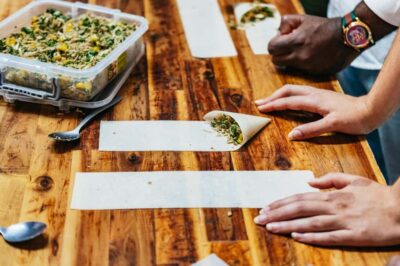
The big value is technique. Folding samosas is not hard once someone shows you the method, but it is easy to mess up when you are guessing. One reviewer specifically mentioned learning the folding approach so the filling stays put during cooking. That is the kind of detail you remember.
Also, chili-based starters are a great way to learn balance. Cape Malay cooking often walks the line between heat, warmth, and aroma. You taste as you go, so you can understand where the flavor starts, and where it deepens.
Curry on the stove: building depth for chicken or beef
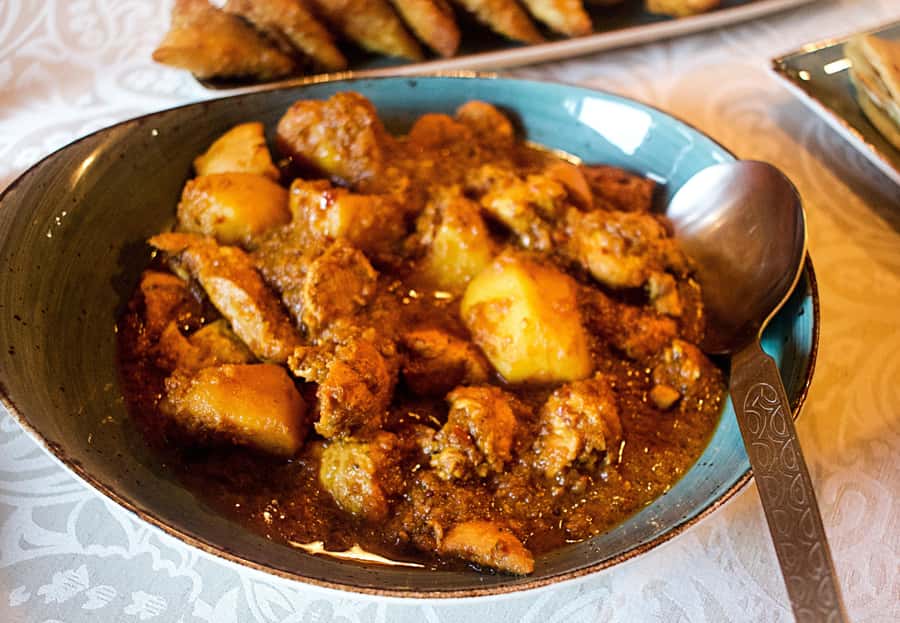
The main meal is usually the centerpiece, and curry is where you get the biggest flavor payoff. Some sessions have included chicken curry, and others have included beef curry, so you are likely to learn how curry flavor is built from spices, aromatics, and simmering.
What you gain here is not just a dish. You gain a system. You learn what to brown or soften first, when to add spices so they bloom instead of tasting harsh, and how simmering affects the final result.
One reviewer described how tips for the dishes led to that moment where everything makes sense. Another pointed out that you get inclusive, attainable steps for making items like curry as part of the group workflow. Translation: the class is designed so you can participate, even if your kitchen confidence is low.
And yes, the food tends to be truly tasty. Multiple reviews mention it as one of the best meals they had in Cape Town. You do not have to choose between learning and eating well. You get both.
Eating what you cooked, with real conversation
After the cooking comes the best part: you sit down and eat. This is where Cape Malay food stops being an activity and becomes a meal with a story.
Your host is the thread connecting everything. You talk about:
- family life
- local traditions and community
- the culture behind the food
This is also when you can ask practical questions. If you want spice equivalents, timing help, or what ingredients are easiest to swap, this is the time to ask. Since you cooked together, your host can tell you what you did that worked and what to tweak next time.
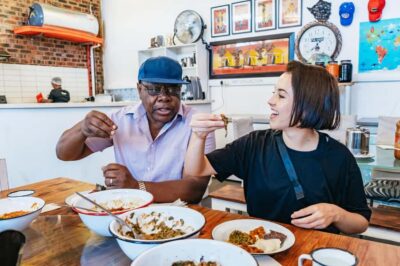
In a few past experiences, people described feeling welcomed like family for a couple hours. That is not forced hospitality. It tends to happen because everyone is sharing chopping tasks, mixing bowls, and the smell of spices rising in the kitchen.
Price and value: what you are really paying for
The price is $52 per person for a 2-hour class, and it includes lunch plus soft drinks. On paper, it is not the cheapest meal in Cape Town. In reality, it often feels like one of the better value options, because you are getting:
- a full meal you help cook, not just eat
- an in-home local guide, with cultural context
- hands-on instruction for multiple dishes (a starter, a main, and a three-course total)
- spices and fresh ingredients used during the session
If you were to recreate this at home, you would also spend on ingredients and time. The difference is that here you learn the technique and flavor logic, guided by someone who cooks this way as part of daily life.
Transportation is not included, so plan how you will get there. But once you factor in what is covered, the price feels fair for a small-group, host-led experience that culminates in a sit-down lunch.
Practical tips before you go to Bo-Kaap
A few real-world considerations can make your experience smoother.
1) Expect a hilly neighborhood and steep streets. One reviewer with a severe back injury said the walk down steep areas was difficult and they were not aware of it beforehand. If you have mobility limits, consider asking your host or operator what the route involves.
2) Dress for a home kitchen. You will likely be standing, chopping, and moving around. Wear comfortable shoes and layers. Even in a short class, kitchens can feel warm when the stove is on.
3) Alcohol is not allowed. The activity states alcohol and drugs are not allowed. Soft drinks are included, so you will still have something to sip while you cook.
4) Participation is encouraged. Many reviews mention that everyone gets to join in different parts. If you like learning by doing, you are in the right place.
Who should book this Cape Malay cooking class?
This class fits best if you want more than a meal. Book it if you:
- enjoy cooking or want to improve quickly with step-by-step guidance
- want Cape Malay flavors explained through technique and spice logic
- like cultural conversation tied to daily life, not just facts on a sign
- prefer a home setting over a crowded classroom
It may be less ideal if you require a fully accessible route, since the neighborhood streets can be steep. It can also be less ideal if you expect every step to be individually assigned like a strict cooking school with separate stations.
Should you book Cape Town’s Cape Malay cooking class in Bo-Kaap?
I think you should book it if you want a real connection between food and place. The strongest reasons to go are hands-on participation, the host-led history and community context, and the fact that you eat a satisfying 3-course Cape Malay meal right after cooking it.
If you are cautious about stairs or walking, check details before you go, because at least one experience described the steep route as challenging. And if you prefer total one-on-one station work, know that it can run as a team kitchen workflow.
Bottom line: for the price, you are not just buying lunch. You are buying a quick, practical skill set in Cape Malay cooking, plus stories from the Bo-Kaap community that make the meal last longer than the last bite.
FAQ
How long is the Cape Malay cooking class in Bo-Kaap?
The class runs for 2 hours.
What is included in the price?
The price includes the cooking class, lunch, and soft drinks.
What does the class involve?
You cook a popular Cape Malay 3-course meal from scratch using authentic spices and fresh ingredients.
Is transportation included?
No, transportation is not included.
What languages are used during the class?
The host or greeter speaks English and Afrikaans.
Is alcohol allowed during the experience?
No. Alcohol and drugs are not allowed.
What should I expect at the meal?
After cooking, you sit down with your host to enjoy the meal and have conversations about family, local traditions, and the community.
Are there cancellations allowed?
Yes, you can cancel up to 24 hours in advance for a full refund.
Is this suitable if I have trouble with walking or stairs?
Some parts of the neighborhood route can be steep. If you have mobility or back concerns, you should consider this before booking.
Cooking Classes Around Cape Town
Walking Cape Town: More Routes
Keep going: the rest of our Cape Town write-ups
- Cape Town to Cape Point Helicopter Flight – 48Min
★ 4.2 · 3 reviews - Full Day Private Hiking Table Mountain & City
★ 5.0 · 3 reviews - Sandboarding with jeep – drive uphill
★ 5.0 · 3 reviews - Full Day Tour for Cape of Good Hope & Boat to Seals Island
★ 5.0 · 3 reviews - 10 Day South Africa Tour Joburg to Cape Town
★ 5.0 · 3 reviews - 5 Day Garden Route Small Group Tour Fr CapeTown – Departs Mondays
★ 5.0 · 3 reviews
Bo-Kaap and Cape Town City Walks, compared.
 ★ 4.8Cape Town: Malay Cooking Class and Lunch in Bo-KaapFrom $49515 reviews
 ★ 4.8Cape Town Walking Tour: Bo-Kaap & City HighlightsFrom $40161 reviews
 ★ 5.0Bo-Kaap: Walk with a localFrom $25131 reviews
 ★ 5.01 Hour Cape Town Bo Kaap Photoshoot ExperienceFrom $9761 reviews
 ★ 4.9Bo-kaap and City tourFrom $4659 reviews
 ★ 4.5Cape Town Township Tour Including Langa Township and Bo-KaapFrom $6138 reviews
 ★ 4.9Photoshoot Session: Cape Town Bo-Kaap!From $8037 reviews
 ★ 4.7Cape Town: Full-Day Kirstenbosch, Bo-Kaap, and Penguins TourFrom $13733 reviews
Browse the lists this tour appears in