
REVIEW · COOKING CLASSES
Cape Town: Authentic African Cuisine Cooking Experience
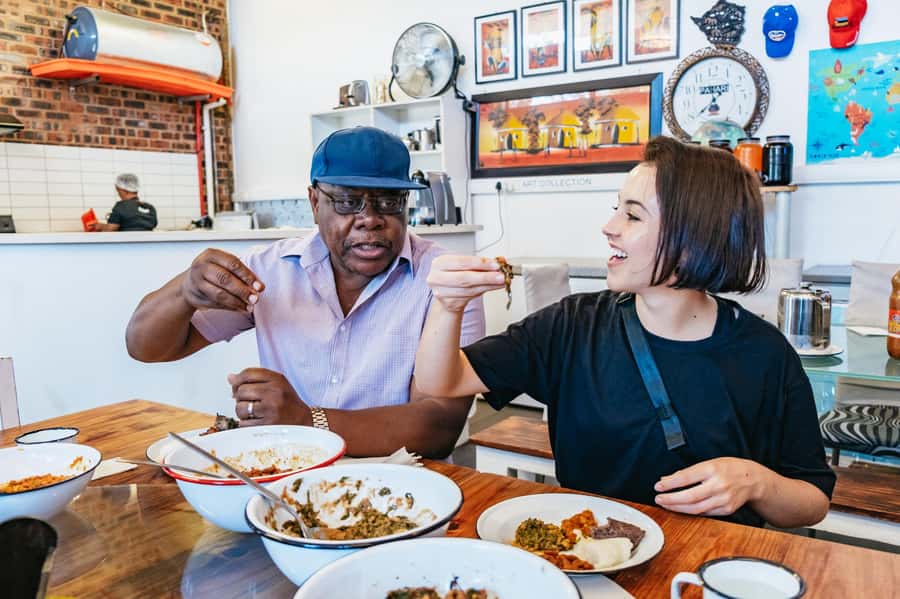
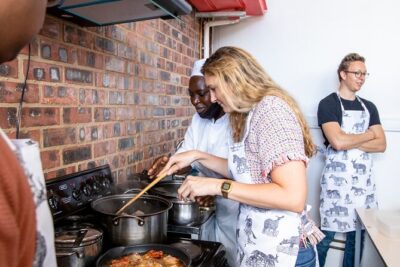
Cooking with real home-style rhythm is the point. This hands-on class at Pahari African Restaurant lets you make an African meal from start to finish while Florence (and her team) talk you through African cuisine and how these dishes evolved over generations.
I especially like two things: you get serious cooking time, not just watching, and you end by eating together in a peaceful, home-style way. One catch to plan for, though: there’s no hotel pickup, so you’ll need to get yourself to the restaurant meeting point and ask for Florence.
In This Review
- Key Highlights You Will Actually Use
- Pahari African Restaurant, Florence, and what happens when you arrive
- How a 150-minute small-group class keeps you involved
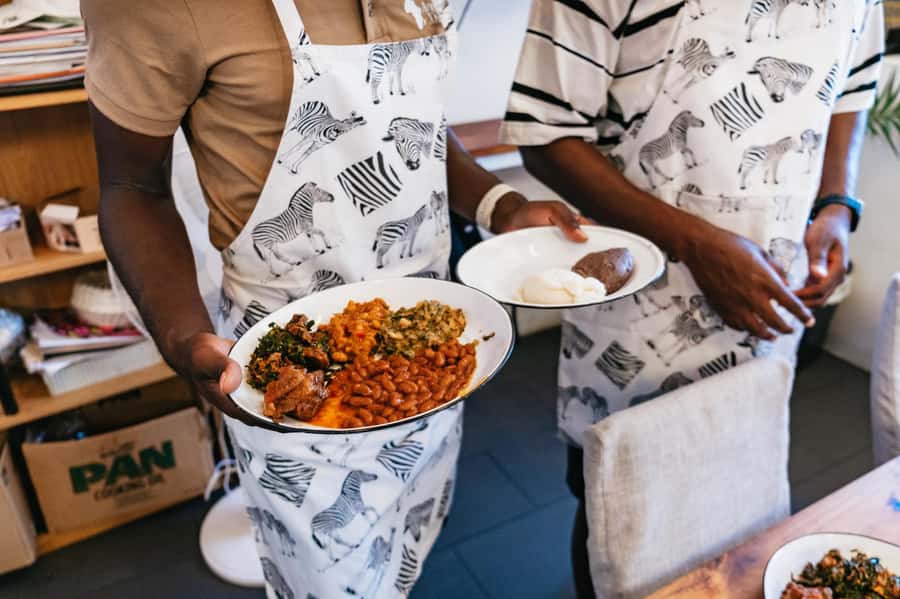
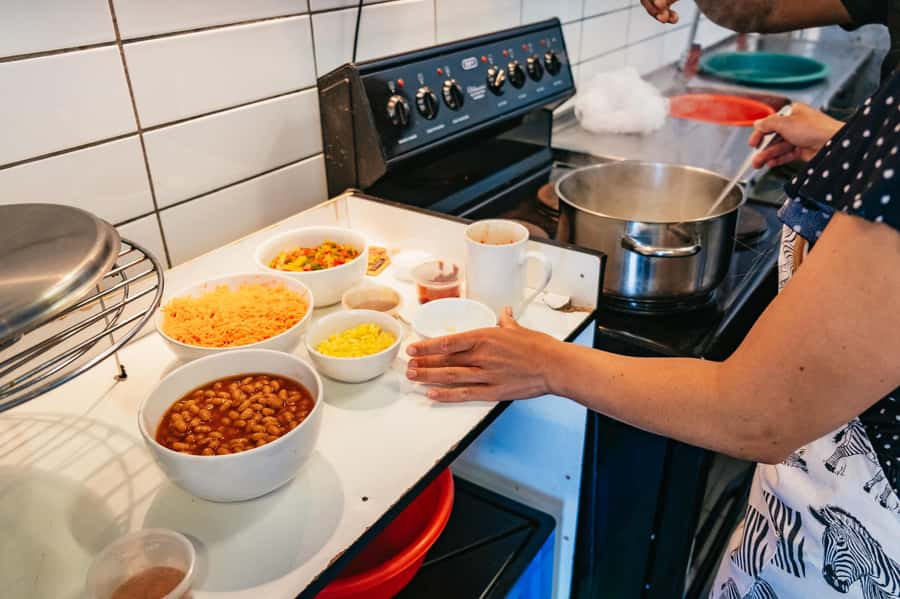
- The menu you will cook: Sadza, beef, chicken stew, chakalaka, and sugar beans
- Vegetarian option reality check
- Learning the history of African cuisine while your food simmers
- Starter snacks and drinks: tea, African juice, beer, and possibly something adventurous
- Cooking together, then eating together, the African home way
- Getting an easy recipe you can actually use later
- Price and value in Cape Town: what $71 buys you
- Who should book this cooking class, and who might not
- Final decision: should you book Florence’s African cuisine cooking experience?
- FAQ
- Where do I meet for the cooking experience?
- How long is the class?
- Is hotel pickup and drop-off included?
- What dishes are included?
- What drinks are included?
- How big is the group, and is there an English instructor?
Key Highlights You Will Actually Use
- Small group of up to 10, so you’ll get hands-on help instead of standing in the back
- Sadza and multiple sides on the menu, including chakalaka and sugar beans
- History of African cuisine taught alongside ingredients and recipe changes over time
- Drinks are part of the experience, including African juice, beer, and tea or coffee
- Communal eating with the meal you cook, bringing the class full circle
More kitchens that will hand you an apron
- Cape Town: Malay Cooking Class and Lunch in Bo-Kaap★ 4.8 · 515 reviews
- Authentic African Cuisine Cooking Experience★ 5.0 · 236 reviews
- Cape Town: Cape Malay Cooking Class in Bo-Kaap★ 4.8 · 120 reviews
- Cape Town: Bo-Kapp Walking Tour and Malay Cooking Class★ 4.7 · 105 reviews
Pahari African Restaurant, Florence, and what happens when you arrive
Your best move is to arrive at Pahari African Restaurant in Cape Town, then ask for Florence. The cooking happens in a separate room just next to the restaurant, so you can still feel like you’re at a real place, not in a temporary studio.
Once you’re in, you’ll get welcomed with African drinks and starter snacks. This matters because it sets the tone fast. You’re not just there to cook, you’re there to meet the rhythm of the cuisine, the ingredients, and the hospitality.
How a 150-minute small-group class keeps you involved
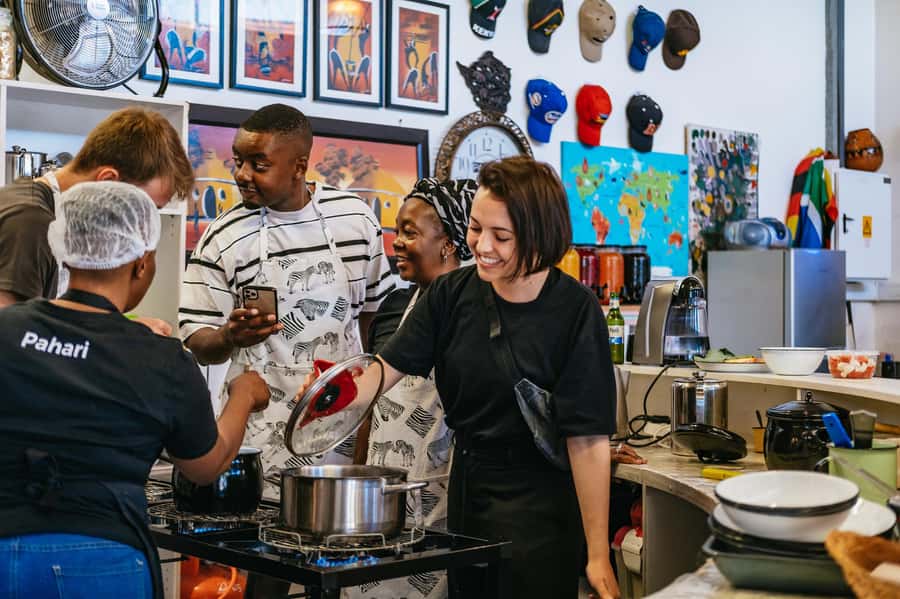
This is a 150-minute experience designed for small groups, limited to 10 participants. That size is the difference between a fun activity and something you truly learn. With a larger class, you can end up as a spectator. Here, the format gives each person a chance to contribute.
Expect step-by-step guidance while you work on dishes like Sadza and stews. If you’ve ever felt awkward cooking in front of people, relax. The whole thing is set up so you can jump in without needing special skills. And yes, you should be prepared to get your hands dirty.
Also note the class runs in English, which is helpful for following explanations about ingredients and technique. If you’re traveling solo, this kind of setup often feels easier than tours where you’re stuck waiting your turn for a bus.
The menu you will cook: Sadza, beef, chicken stew, chakalaka, and sugar beans
The core of the class is cooking a traditional meal from start to finish. On the day, the menu focuses on crowd favorites from Pahari African Restaurant, with both meat and bean-based dishes.
Here’s what you should expect to learn to make:
- Sadza (ground mealie meal), the foundation that shows up in many African meals
- Meaty beef bones mixed with green veggies
- Chicken stew
- Chakalaka, a spiced veggie side
- Sugar beans
You’ll also have vegan and vegetarian options. That’s not just a polite add-on. It means the class is built to let you participate without forcing you to skip the main experience.
One practical tip: if you’re the type who likes to understand what you’re eating, pay attention to how each component plays a role. Sadza isn’t just a carb, it’s the base that helps you portion, scoop, and balance. Chakalaka brings heat and tang, while the stews add depth and comfort.
Vegetarian option reality check
The exact way vegetarian components are handled isn’t spelled out in the tour description, so you’ll want to confirm what you’ll be cooking on your date. But you can feel confident that vegetarian or vegan options are available, and that the class is meant to stay inclusive.

Learning the history of African cuisine while your food simmers
What I like most here is that the class treats food history as part of the cooking, not a lecture you endure before dinner. The host explains the history of African cuisine, plus ingredients and how recipes changed over time and were passed down through families.
That background is useful because it helps you taste with context. When someone tells you why an ingredient is common, or how a dish reflects local choices, it changes how you interpret flavor and technique later. It also makes the experience feel more authentic than a checklist of dishes.
Names you may hear in the room include Florence and Caleb. Florence is the co-owner of Pahari African Restaurant, and Caleb is part of the team. If you like meeting the people behind the meal, this setup feels personal right away because the instruction comes from owners who learned cooking in the family.
Starter snacks and drinks: tea, African juice, beer, and possibly something adventurous
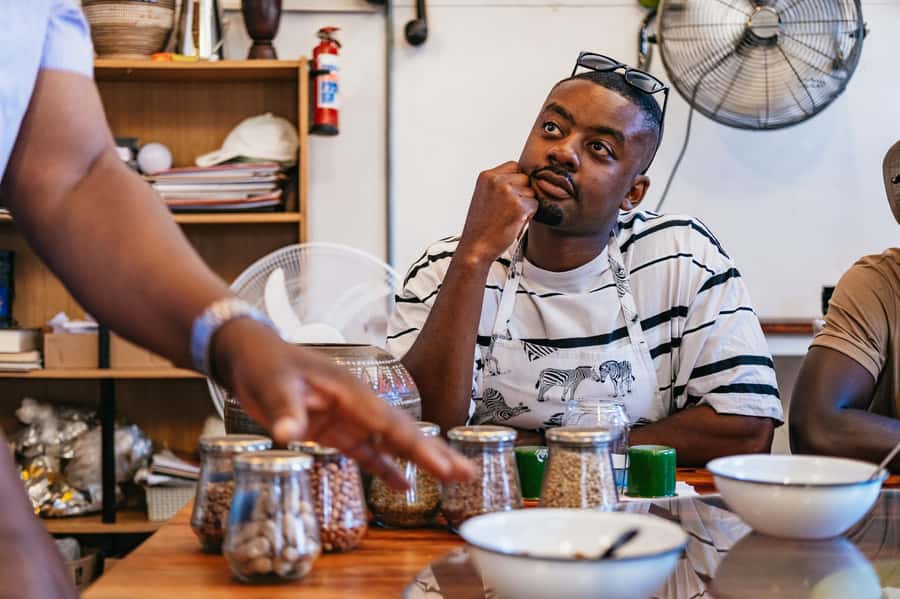
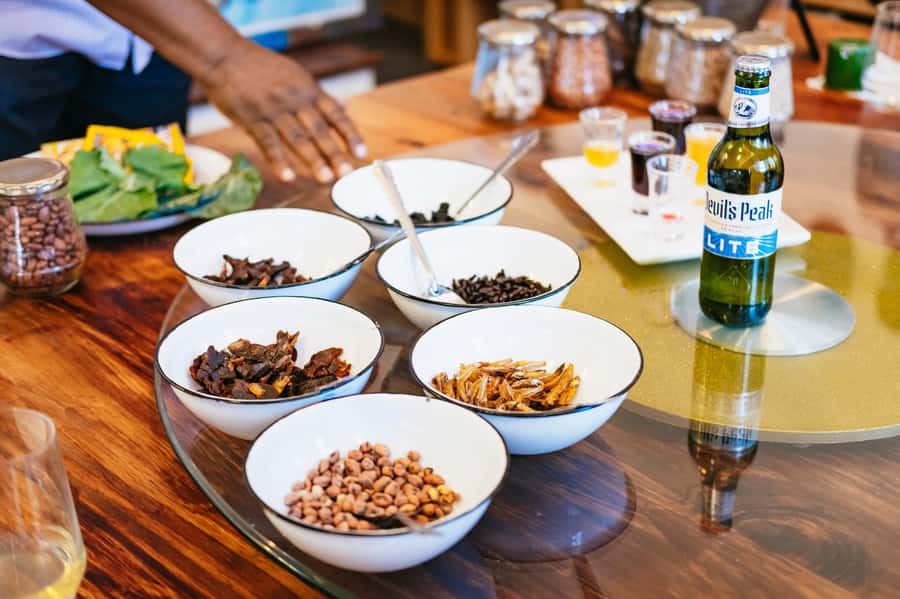
Before you start cooking, you’ll be welcomed with a variety of African drinks and tasty starter snacks. Included drinks are African juice, African beer, and African tea or coffee.
This is one of the smartest parts of the experience. Food culture is more than main dishes. Starters and drinks help you get comfortable with flavors, textures, and spice levels before you tackle cooking.
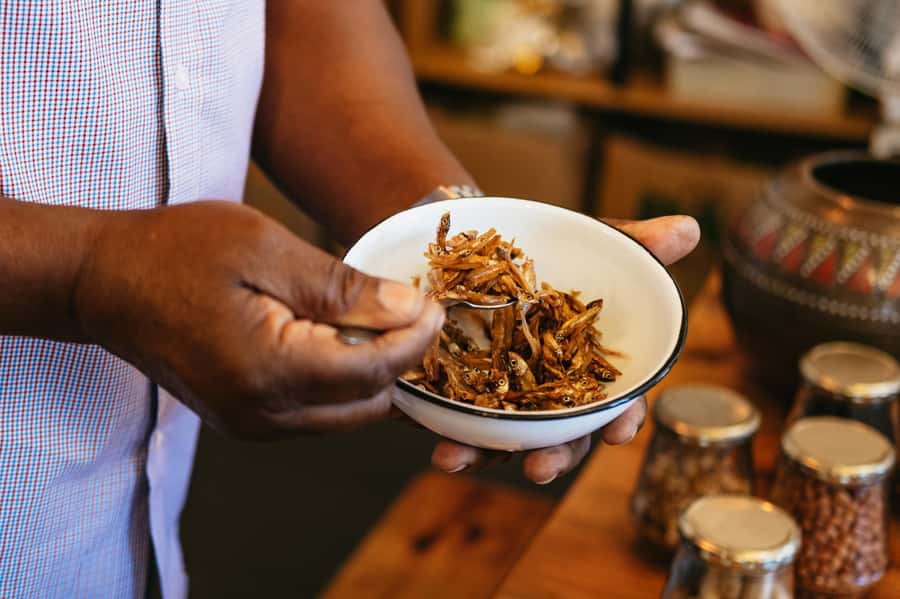
Also, there can be playful, adventurous starter items depending on the day. One account includes roasted caterpillars and termites as part of the starter selection. If that kind of thing makes you curious, ask what’s on offer when you arrive. If it makes you squeamish, you can steer your attention to the other snacks and save your courage for cooking Sadza.
Either way, the drinks keep things relaxed while you learn. And the class ends with an African hot beverage, tea or coffee, which feels like a friendly landing after a hands-on session.
Cooking together, then eating together, the African home way
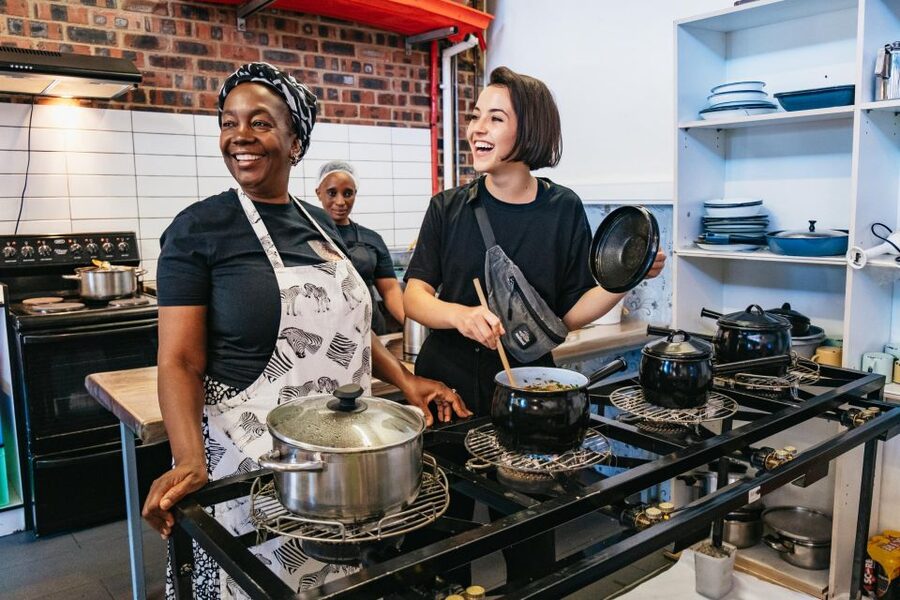
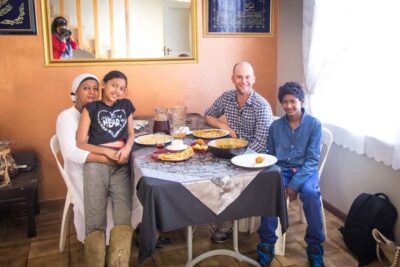
The meal you cook is shared communally, which is how the experience is described for typical African home dining. That means you’re not just taking your plate and rushing off. You sit down with the group and enjoy what you made.
One practical detail to be ready for: you may eat with your hands. There’s a strong tradition of hand-eating in many home settings, and at least one account specifically points out using your hands instead of cutlery. If you’re uneasy about that, treat it like a skill you can pick up fast. You’ll likely get guidance in the moment.
This is also where the class feels most valuable. Cooking is the learning, but communal eating is the transfer. You learn how each dish interacts on a plate, how much to take, and how to balance the base (Sadza) with sides like chakalaka and beans.
Getting an easy recipe you can actually use later
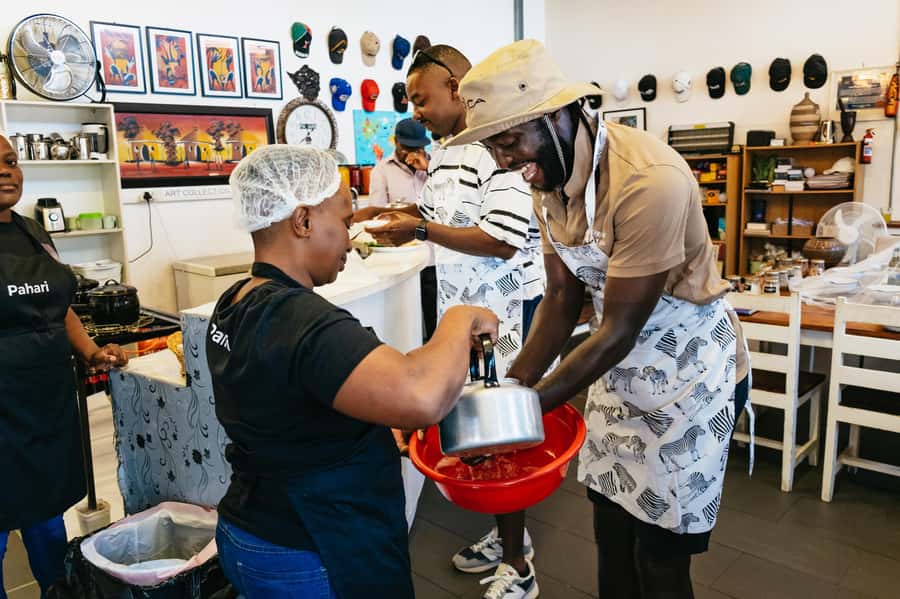
At the end of the experience, you can request an easy-to-follow recipe so you can recreate the cooking at home. That’s a big deal for value. Cooking classes can be fun, but you often forget the steps when you’re back in your kitchen.
Because this is a traditional menu with clear components, the recipes are more likely to be useful. Sadza and chakalaka are specific enough that you can reproduce the flavor even if you’re using different cooking tools.
If you’re traveling and thinking ahead, consider bringing a note app ready to capture what you learn during the class. You’ll get a recipe at the end, but the extra notes help you remember small details like consistency, spice, and timing.
Price and value in Cape Town: what $71 buys you
At $71 per person, you’re paying for more than a meal. You’re paying for a guided, step-by-step cooking session that covers a full traditional spread, plus drinks during the experience and tea or coffee afterward.
Let’s break down the value logic:
- You’re learning to cook multiple dishes, not just one
- You get included drinks and starter snacks
- The meal is communal and includes what you cook
- The group size is small enough that you’re likely to participate rather than watch
So the price feels fair if you want a hands-on cultural experience and you’re hungry in a productive way. If you’re only looking for a restaurant-style dinner, this may feel like more work than you planned. But if you want to leave with skills, context, and food you made yourself, it’s a solid use of your time in Cape Town.
Who should book this cooking class, and who might not
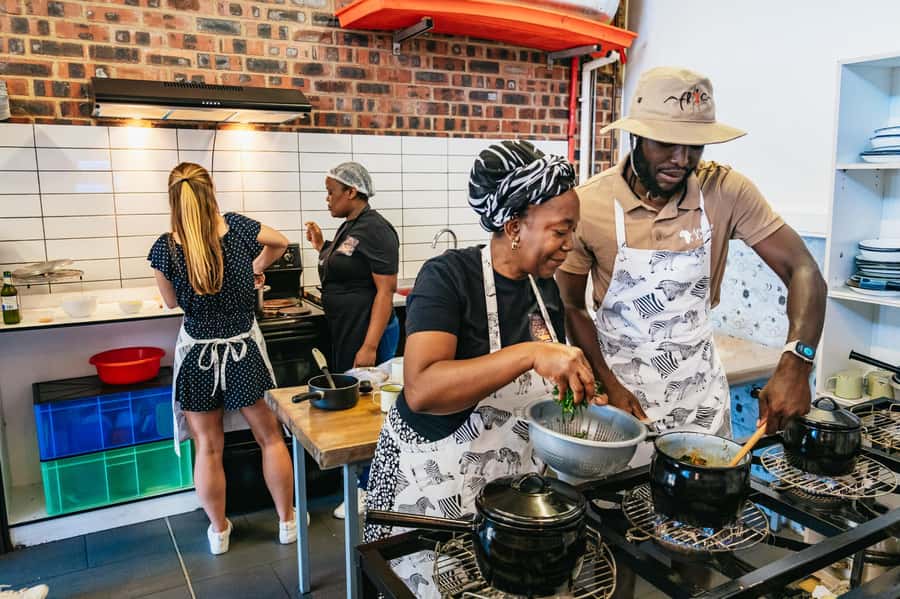
This is a great fit if you:
- Want authentic African home-style cooking rather than a quick tasting
- Like learning the story behind ingredients and dishes
- Prefer small group instruction
- Don’t mind getting a little messy in the kitchen
You might consider skipping or double-checking details if you:
- Strongly prefer not to eat communally or use your hands (since that style may be part of the meal)
- Need hotel pickup or door-to-door transport, because pickup is not included
Final decision: should you book Florence’s African cuisine cooking experience?
If your Cape Town plan includes good food and you want to understand it, I think you should book this class. It’s one of the few activities that blends cooking, food history, and hospitality in a single, 150-minute session, with enough group size control that you won’t feel lost.
Do it if you want more than a photo of a plate. You’ll come away with real cooking steps for Sadza, plus the flavors of chakalaka, stews, and beans that make up a traditional meal. And you’ll get to eat what you cooked, communally, with people in a relaxed setting.
FAQ
Where do I meet for the cooking experience?
You should arrive at Pahari African Restaurant and ask for Florence.
How long is the class?
The experience lasts 150 minutes.
Is hotel pickup and drop-off included?
No. Hotel pickup and drop-off are not included.
What dishes are included?
You will cook Sadza (ground mealie meal), meaty beef bones with green veggies, chicken stew, chakalaka, and sugar beans. Vegan and vegetarian options are also available.
What drinks are included?
The class includes African juice, African beer, and African tea or coffee.
How big is the group, and is there an English instructor?
The group is limited to 10 participants, and the instructor provides instruction in English.
Cooking Classes Around Cape Town
Keep going: the rest of our Cape Town write-ups
- Cape Town to Cape Point Helicopter Flight – 48Min
★ 4.2 · 3 reviews - Full Day Private Hiking Table Mountain & City
★ 5.0 · 3 reviews - Sandboarding with jeep – drive uphill
★ 5.0 · 3 reviews - Full Day Tour for Cape of Good Hope & Boat to Seals Island
★ 5.0 · 3 reviews - 10 Day South Africa Tour Joburg to Cape Town
★ 5.0 · 3 reviews - 5 Day Garden Route Small Group Tour Fr CapeTown – Departs Mondays
★ 5.0 · 3 reviews
Cooking Classes, compared.
 ★ 4.8Cape Town: Malay Cooking Class and Lunch in Bo-KaapFrom $49515 reviews
 ★ 5.0Authentic African Cuisine Cooking ExperienceFrom $57236 reviews
 ★ 4.8Cape Town: Cape Malay Cooking Class in Bo-KaapFrom $52120 reviews
 ★ 4.7Cape Town: Bo-Kapp Walking Tour and Malay Cooking ClassFrom $68105 reviews
 ★ 5.0Half-Day Small Group Cooking Experience in FranschhoekFrom $11674 reviews
 ★ 5.0Private Cape Malay Cooking Class in Cape Town with a Local FamilyFrom $10024 reviews
 ★ 4.6GQ: City Walking Tour & African Cuisine Cooking ClassFrom $5611 reviews
 ★ 4.5South African Cooking in Cape Town with Local Chef RichardFrom $7610 reviews
Browse the lists this tour appears in