
REVIEW · COOKING CLASSES
GQ: City Walking Tour & African Cuisine Cooking Class
A day that mixes city sights and a real cooking lesson feels different from the usual tour routine. You start with a guided walk through historic spots in Gqeberha, then move into a hands-on kitchen class where you cook and eat African comfort food.
What I like most is how personal it feels, especially with small group energy (max 10). I also like that you’re not just tasting, you’re learning the steps for dishes like sadza and hearty stews, with vegan and vegetarian options available. One thing to consider: if you book the combined option, it’s worth confirming that the schedule includes full cooking time in the kitchen, since one past experience report said the cooking portion did not match expectations.
In This Review
- Key Things to Know Before You Go
- A Two-Part Day: Walking Gqeberha, Then Cooking Together
- Meeting Up in Port Elizabeth or Addo, with a Small-Group Feel
- Walking Gqeberha: Campanile Memorial Views, Donkin Reserve, and Street-Level Stories
- Campanile Memorial, with Big-View Energy
- Donkin Reserve, for Color and Meaning
- Victorian Architecture and Ocean Breeze Days
- Markets and Craft Stops
- A Quick Note on the Schedule
- The Cooking Class Portion: How the Hands-On Lesson Actually Works
- The Menu You’ll Help Make: Sadza, Chakalaka, and Hearty Stews
- Food Meets Story: African Hospitality Beyond the Recipes
- Drinks, Tasting Stops, and the Social Pace
- Price and Value: Why Around $56 Makes Sense for a Two-Part Day
- Who This Suits Best, and Who Should Skip It
- Practical Tips So You Enjoy the Walk and the Kitchen
- Should You Book This GQ City Walking Tour and African Cuisine Cooking Class?
- FAQ
- What options are available for this experience?
- How long does the tour take?
- Where is pickup offered?
- What happens at the end of the experience?
- Is the tour conducted in English?
- What dishes are included in the cooking class?
- How big is the group?
- Is it suitable for pregnant women?
Key Things to Know Before You Go
- Small-group pacing: Limited to 10 participants, so you get time for questions and photos.
- Two possible formats: City tour only, or city tour plus a hands-on cooking class.
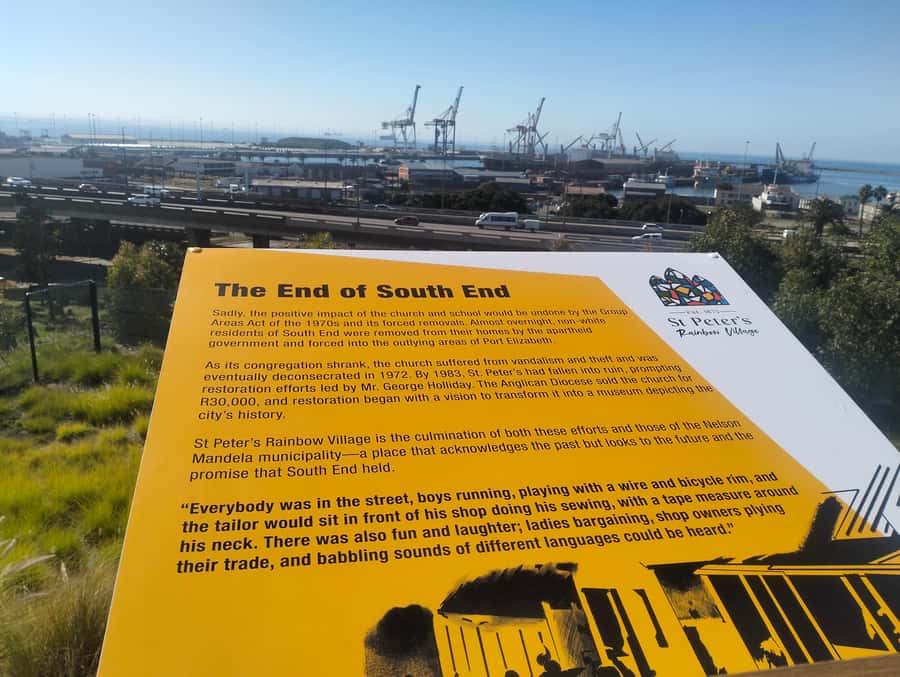
- Gqeberha walking highlights: Views from the Campanile Memorial, plus Donkin Reserve and photo-worthy architecture.
- You cook the meal: Step-by-step prep, then you eat what you make together.
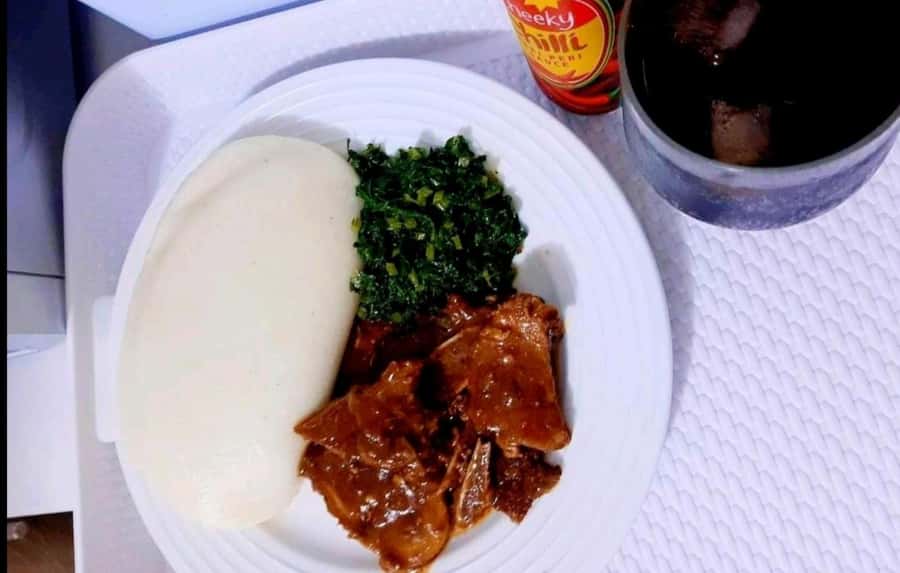
- A practical menu: Sadza, beef bones with greens, chicken stew, chakalaka, and sugar beans.
- English guide and local hospitality: Starter snacks, traditional drinks, and an African hot beverage at the end.
Still weighing it up? These Gqeberha trips are the ones our readers open next.
- Full-Day All Inclusive Safari with Traditional Braai Lunch★ 4.8 · 345 reviews
- Port Elizabeth: Schotia Game Reserve Safari with Port Pickup★ 4.5 · 263 reviews
- Port Elizabeth: Addo Elephant Park Shore Excursion with BBQ★ 4.7 · 141 reviews
- Port Elizabeth: River Cruise on the Sundays River★ 4.6 · 112 reviews
A Two-Part Day: Walking Gqeberha, Then Cooking Together
This experience is built like a classic two-course plan. First, you get your bearings in Gqeberha (formerly Port Elizabeth) with a guided walking tour. Then you switch gears and cook an authentic African meal from start to finish, using ingredients and techniques explained by your host.
That combination is where the value shows up. The walk helps you understand the city’s layout, landmarks, and stories, and the cooking class turns that cultural understanding into something you can take home: flavors, methods, and the confidence to repeat at least part of the meal later.
Meeting Up in Port Elizabeth or Addo, with a Small-Group Feel
You’re picked up from one of two pickup areas listed for the experience, Port Elizabeth or Addo. Pickup is included, and you’ll also be dropped off in the Port Elizabeth area after the tour.
The group size matters here. With a maximum of 10 people, you’re not stuck in a big herd. It’s easier to hear your guide, and it’s also easier to join conversations during both the walking portion and the cooking portion. One strong theme from past participants is how friendly and involved the guide and hosts were, including stopping for photos along the way.
A practical note: the tour runs about 2 to 3.5 hours depending on the option you choose. If you’re trying to fit it around other plans, decide early whether you want the cooking time or you’d rather keep the schedule shorter.
Walking Gqeberha: Campanile Memorial Views, Donkin Reserve, and Street-Level Stories

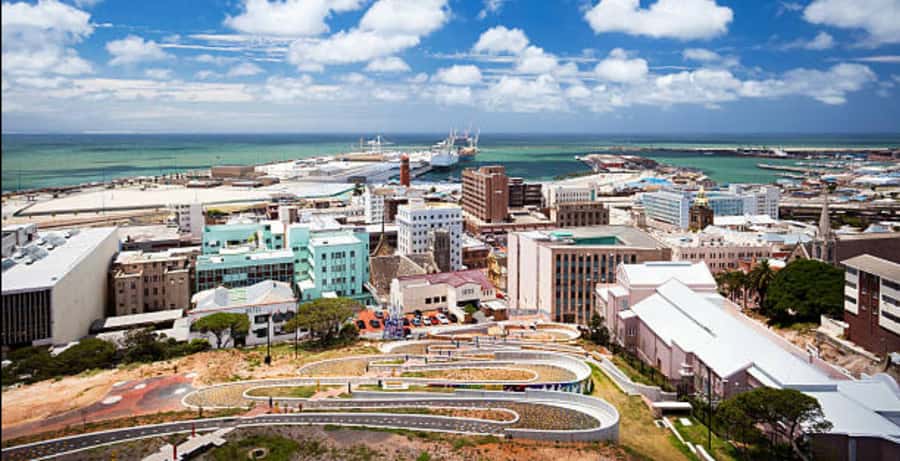
The walking tour portion is designed to show you both the famous stops and the human-scale details. You’ll cover historic streets, local markets, and areas known for street art, plus standout landmarks along the way.
Here are the specific highlights you can expect to build around:
Campanile Memorial, with Big-View Energy
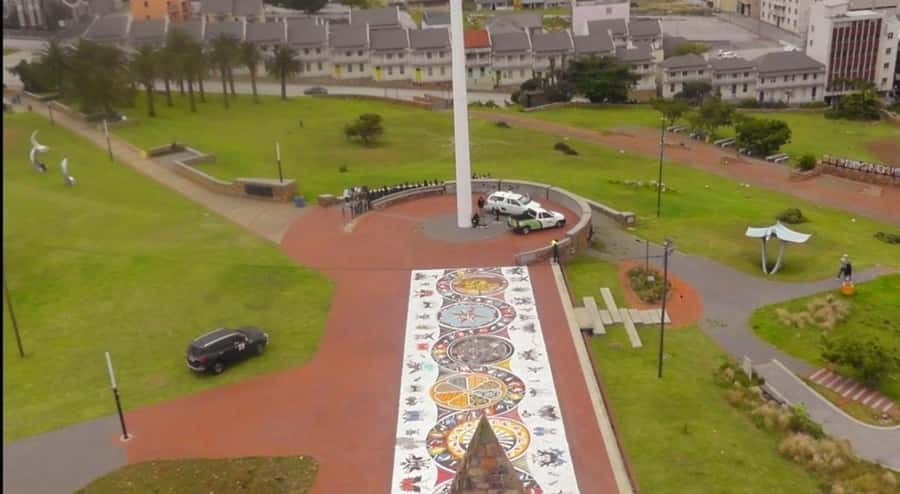
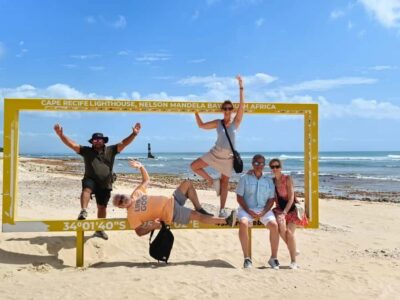
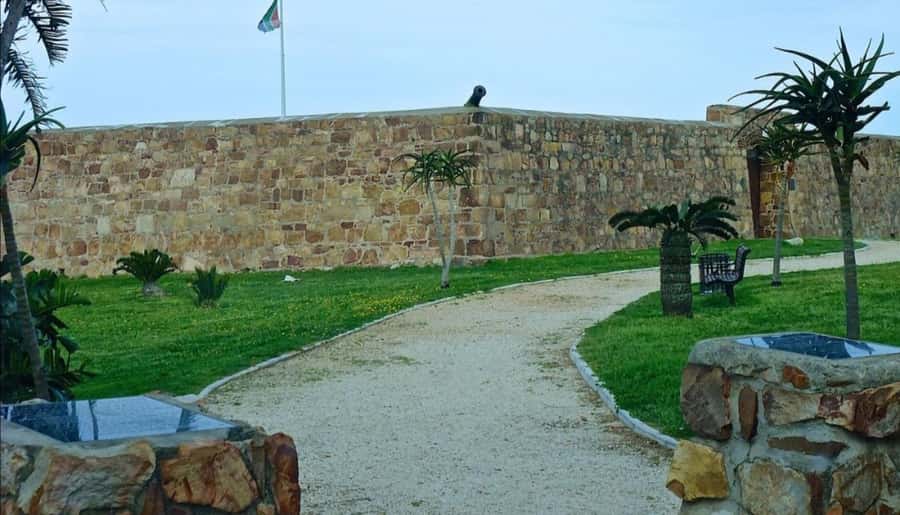
You’ll make a stop at the Campanile Memorial. It’s a “look around, take photos, and understand the geography” kind of point. You’ll also get sweeping views toward Algoa Bay, which helps the city click in your head. If you like landmarks for orientation, this one does the job.
Other city days, orientation to deep dive

Donkin Reserve, for Color and Meaning
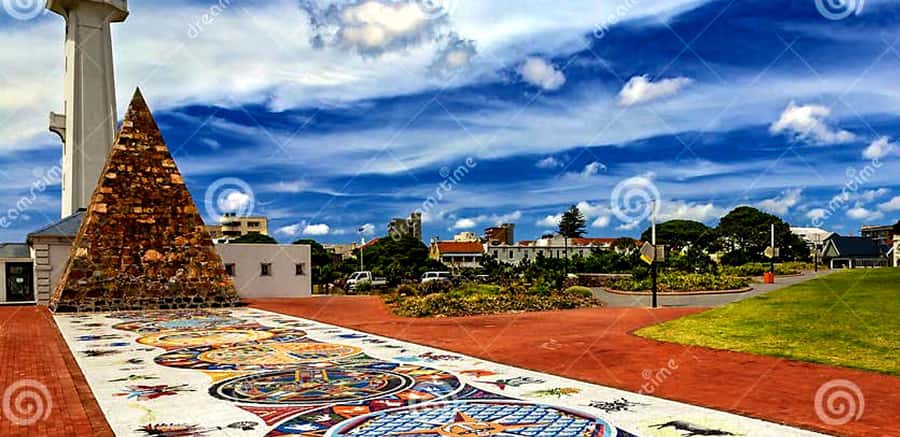
Donkin Reserve is another key stop. It’s known for colorful mosaics and layered local meaning. This is one of those places where the guide’s storytelling matters, because it’s not just a nice photo spot. You’ll hear how the city’s past is connected to what you see today.
Victorian Architecture and Ocean Breeze Days
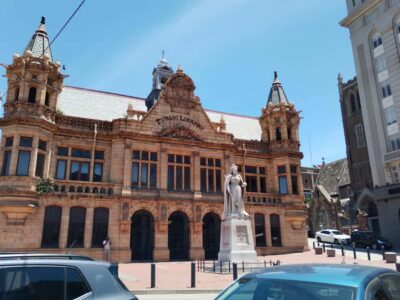
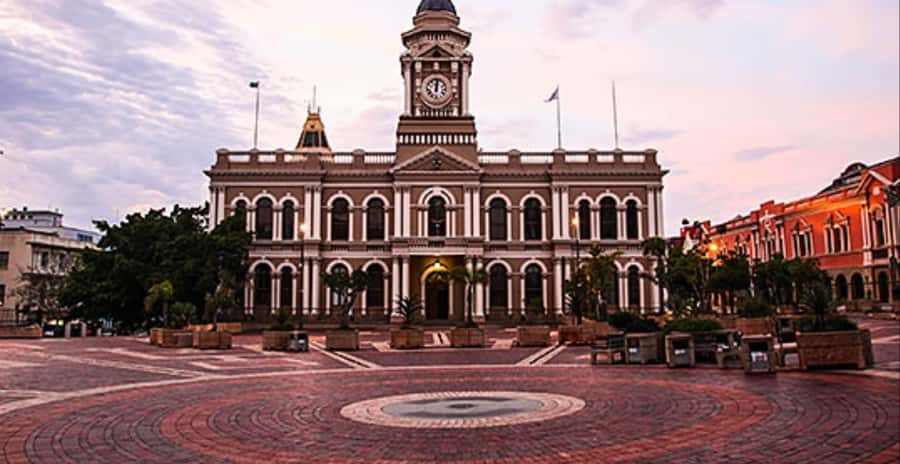
The walk includes stretches of historic streets with Victorian architecture. Pair that with the ocean breeze feel from the coast and you get a tour that’s more than “walk, point, move on.” It’s paced so you can notice details, including smaller alleyways and street scenes.
Markets and Craft Stops
You’ll spend time around local markets and craft-related areas where you can see how people live and shop day to day. If you like photos that feel real, this tends to be the section where you find them, especially when the guide helps you get in the right place at the right time.
A Quick Note on the Schedule
There’s also a brief tasting and market element built into the experience timeline, including beer and wine tasting plus a lunch segment and an arts and crafts market visit. In practice, this is likely short, so treat it as a flavor-and-snack moment rather than a full meal component. The main meal you’ll remember comes later, in the kitchen.
The Cooking Class Portion: How the Hands-On Lesson Actually Works
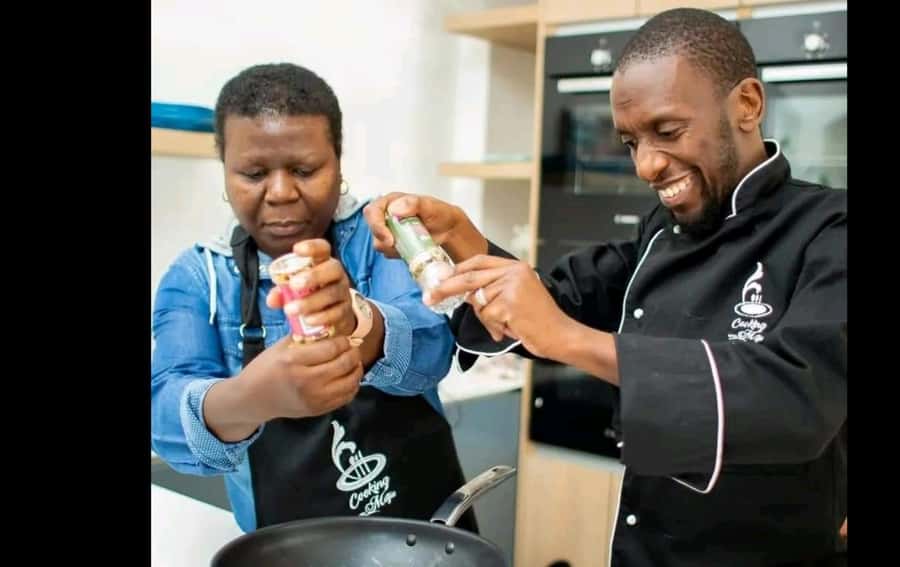
After the walk, you step into a home-style cooking experience. The host welcomes you with traditional drinks and starter snacks. Then the lesson begins with context, not just instructions.
You can expect three layers during the cooking class:
- Food history and ingredients: Your host explains the history of African food and talks through the ingredients used in the recipes.
- Step-by-step cooking: Everyone participates. You learn techniques as you go, not just watch from the sidelines.
- Eat together like a home meal: You gather around to enjoy what you cooked communally, the way it’s described as done in African households.
This is a big deal for value. Many “cooking experiences” are short demos with a small amount of participation. Here, the expectation is that you roll up your sleeves and do the work.
The Menu You’ll Help Make: Sadza, Chakalaka, and Hearty Stews
The cooking class includes a menu built around filling, comforting staples. Even if you’ve never cooked African food before, the setup is meant to be learnable.
What you’ll work on can include:
- Sadza: A ground maize staple. This is often the backbone of the meal, and it’s a great dish to learn because it teaches you about texture and portioning.
- Beef bones with greens: A hearty, flavorful option that leans into slow-cooked comfort food.
- Chicken stew: Another major comfort dish, usually packed with herbs and depth.
- Chakalaka: A saucy, spiced side that adds punch and balance to the meal.
- Sugar beans: A classic companion that rounds out the plate.
You’ll also have vegan and vegetarian options available, which matters if you have dietary preferences or if you just want the non-meat sides and mains. The key point is that the experience is not written as meat-only.
If you’re the type who loves learning “what makes it taste right,” pay attention during the ingredient explanations. That’s where you’ll get the practical knowledge that can help when you recreate the meal at home.
Food Meets Story: African Hospitality Beyond the Recipes

One of the strongest parts of this experience is the human tone. Multiple past participants highlight the friendliness of the guide and hosts, including greetings and the fact that they were happy to take photos during the walk.
That matters because it changes how you remember the day. You’re not only collecting sights and food. You’re also building a small set of interactions that make the city and the meal feel connected.
Also, don’t treat the hot beverage at the end as an afterthought. The experience closes with an African hot drink, which helps the whole thing land as a complete hospitality arc rather than a rushed handoff.
Drinks, Tasting Stops, and the Social Pace
The walking portion includes a tasting component and a brief market visit. The listed items include beer and wine tasting, plus lunch, and a short arts and crafts market stop.
This is worth planning around. Since the cooking class meal is the main event, the tastings and lunch piece should be seen as add-ons that keep the day lively. If you’re sensitive to alcohol, just know you’ll likely be offered tasting portions, so you can decide how much you want to try.
The good news: the cooking portion is still the central experience. Even if you don’t eat much during tastings, you’ll still end the day with the meal you cooked.
Price and Value: Why Around $56 Makes Sense for a Two-Part Day
At $56 per person, this is a “less expensive than it sounds” type of deal if you compare what you get.
You’re paying for:
- A guided city walk with local context and city landmarks
- A hands-on cooking class where you participate step-by-step
- The meal you cook and share
- Traditional drinks, starter snacks, and an African hot beverage
The real value is the combination. If you only booked a city walk, you’d still learn the city. If you only booked cooking, you’d still learn food. Here you get both in one timeline, so your understanding sticks better.
Two things can affect value for you personally:
- If you’re hoping for a lot of free time to browse markets on your own, this schedule may feel structured.
- If the cooking class is the main reason you booked, make sure you choose the combined option and plan for the full timing, since one experience report said the cooking portion did not appear as expected.
Who This Suits Best, and Who Should Skip It
This experience is a strong match if you want to:
- Learn the city through walking, not just through a bus window
- Participate in cooking rather than only watch
- Eat what you made, with a social, home-style format
- Get local storytelling tied to landmarks like the Campanile Memorial and Donkin Reserve
It’s also a good fit for solo travelers, couples, and small groups, partly because the group size stays small and the guide is able to interact with people individually.
It’s marked as not suitable for pregnant women. If that applies to you, look for another tour option in the area that’s designed with that in mind.
Practical Tips So You Enjoy the Walk and the Kitchen
A few smart moves can make the day smoother:
- Wear shoes made for walking. You’ll be on city streets and cobblestone-type surfaces during the walk.
- Bring a layer. Coastal weather can shift, and you may start with one feel and end with another.
- Arrive ready to cook. The class is hands-on. Expect participation and time at the cooking station.
- Tell the host about dietary needs. Vegan and vegetarian options are available, but you’ll get the best results by communicating preferences clearly.
- If cooking time is your priority, confirm the combined option. One past account reported missing cooking time, so it’s worth double-checking you’re booked for the city tour plus cooking class.
If you do those things, you’ll leave with both better photos and better skills, which is the rare win-win.
Should You Book This GQ City Walking Tour and African Cuisine Cooking Class?
Book it if you want a real taste of Gqeberha that goes beyond photos. The city walk gives you landmark orientation, like Campanile Memorial views and the Donkin Reserve mosaics. Then the cooking class turns learning into action, with step-by-step prep and the shared meal to finish the story.
Skip it or rethink it if you only want a quick sight tour and no kitchen time, because the combined experience is longer. Also, if you have limited mobility or if pregnancy applies, the experience is not suitable per the provided details.
If you’re deciding between options, here’s the rule of thumb: if food is a core part of your travel style, choose the combined format. If you want pure city context and a shorter outing, go with the city tour only.
FAQ
What options are available for this experience?
You can choose between a normal city walking tour (option 1) or a combined city tour plus an African cuisine cooking class (option 2).
How long does the tour take?
The total duration is listed as about 2 hours up to 210 minutes, depending on the option and starting time.
Where is pickup offered?
Pickup is included from where you are around Port Elizabeth. There are also two listed pickup location options: Port Elizabeth and Addo.
What happens at the end of the experience?
You’re dropped off within the Port Elizabeth area. If you choose the cooking class option, the experience ends with an African hot beverage.
Is the tour conducted in English?
Yes, the live tour guide speaks English.
What dishes are included in the cooking class?
The cooking class includes dishes such as sadza (ground maize staple), beef bones with greens, chicken stew, chakalaka, and sugar beans. Vegan and vegetarian options are available.
How big is the group?
This is a small group experience, limited to 10 participants.
Is it suitable for pregnant women?
No, it is listed as not suitable for pregnant women.
Walk It: More of Gqeberha
Another Day in Gqeberha, Planned Out
Keep going: the rest of our Gqeberha write-ups
- PORT ELIZABETH CITY TOUR
★ 5.0 · 3 reviews - Port Elizabeth:Kragga Kamma Private game reserve safari
★ 4.8 · 3 reviews - Port Elizabeth: 3-Day Addo Elephant National Park Safari
★ 5.0 · 3 reviews - Addo Elephant National Park and Coastal Tour Combo
★ 4.3 · 4 reviews - Port Elizabeth:2-Day Schotia Safaris & Addo Wildlife Reserve
★ 4.0 · 4 reviews - Port Elizabeth : Full-Day Addo Elephant Park Wildlife Tour
★ 4.8 · 4 reviews
Cooking Classes, compared.
 ★ 4.8Cape Town: Malay Cooking Class and Lunch in Bo-KaapFrom $49515 reviews
 ★ 5.0Authentic African Cuisine Cooking ExperienceFrom $57236 reviews
 ★ 4.8Cape Town: Cape Malay Cooking Class in Bo-KaapFrom $52120 reviews
 ★ 4.7Cape Town: Bo-Kapp Walking Tour and Malay Cooking ClassFrom $68105 reviews
 ★ 5.0Half-Day Small Group Cooking Experience in FranschhoekFrom $11674 reviews
 ★ 4.9Cape Town: Authentic African Cuisine Cooking ExperienceFrom $7131 reviews
 ★ 5.0Private Cape Malay Cooking Class in Cape Town with a Local FamilyFrom $10024 reviews
 ★ 4.5South African Cooking in Cape Town with Local Chef RichardFrom $7610 reviews
Browse the lists this tour appears in