
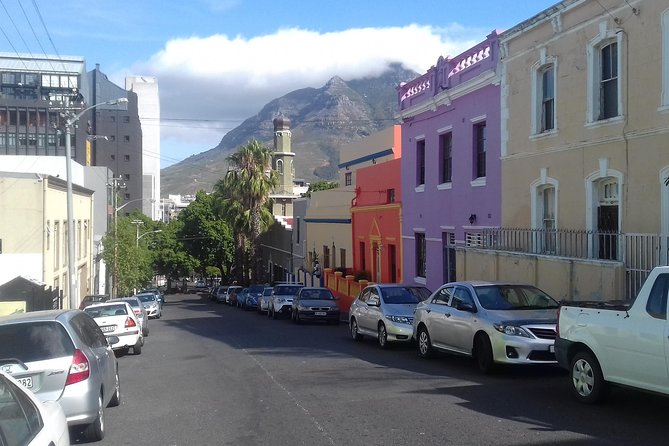
REVIEW · BO-KAAP AND CAPE TOWN CITY WALKS
Bo-Kaap: Walk with a local
Bo-Kaap is where color has a purpose.
This walk turns Cape Town’s postcard streets into real-life stories, led by locals with family ties to the neighborhood. I especially like the chance to visit Auwal Mosque and to hear personal community history that you simply will not get from a self-guided stroll.
Second, I love how the route mixes iconic sights with small, quieter pockets of the Malay Quarter, including stops at places tied to everyday Cape Malay life. You also get included rooibos tea or coffee and a snack, which makes the hour feel like more than just photos.
One thing to consider: it is a walking tour on uneven streets with some hills, so comfortable, grippy shoes matter. If the weather is poor, the tour can be rescheduled or refunded, so keep a flexible window if you can.
In This Review
- Key things I’d bet on
- Why Bo-Kaap’s colorful streets feel more serious than they look
- The 1-hour loop from 71 Wale Street: how to plan your day
- Stop-by-stop: Bo-Kaap, Wale Street, Atlas spices, and the Auwal Mosque
- Stop 1: Bo-Kaap streets at the foot of Signal Hill (about 20 minutes)
- Stop 2: Wale Street introduction (about 15 minutes)
- Stop 3: Atlas Trading Company spice shop (about 10 minutes)
- Mosque visit: Auwal Mosque, one of the oldest in South Africa
- Rooibos tea, snacks, and the small breaks that make the hour better
- What you gain from a descendant-local guide (names you might meet)
- Getting great photos without turning the walk into a photo spree
- Price and value: what $25.31 buys you in Cape Town
- Logistics that actually matter on a short walking tour
- Who this tour fits best, and who might skip it
- Should you book Bo-Kaap: Walk with a local?
- FAQ
- How long is the Bo-Kaap walking tour?
- Where does the tour start?
- What’s included during the walk?
- Which places do we visit?
- Is there a group size limit?
- Is the tour accessible by public transportation?
Key things I’d bet on
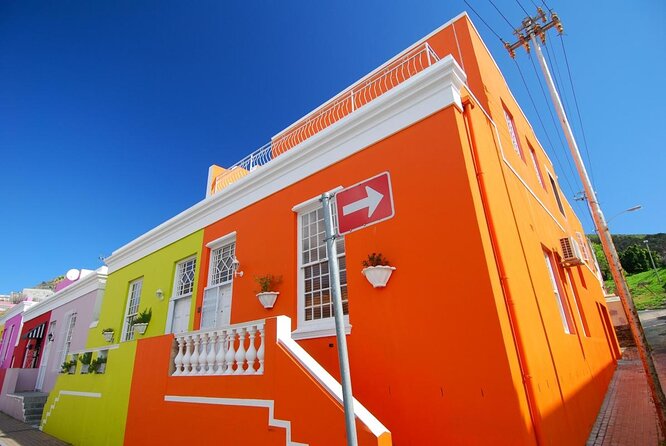
- Auwal Mosque visit in Bo-Kaap, not just a photo stop
- Local guide access, including street-level context and daily-life details
- Rooibos tea or coffee plus a snack to keep energy up
- Spice stop at Atlas, with aromas tied to Cape Malay cooking
- A small group capped at 20 people for a more personal pace
- Photo-friendly streets around Bo-Kaap and Wale Street
More walks through the Bo-Kaap and the city bowl
- Cape Town: Malay Cooking Class and Lunch in Bo-Kaap★ 4.8 · 515 reviews
- Cape Town Walking Tour: Bo-Kaap & City Highlights★ 4.8 · 161 reviews
- Bo-Kaap: Walk with a local★ 5.0 · 131 reviews
- Cape Town: Cape Malay Cooking Class in Bo-Kaap★ 4.8 · 120 reviews
Why Bo-Kaap’s colorful streets feel more serious than they look
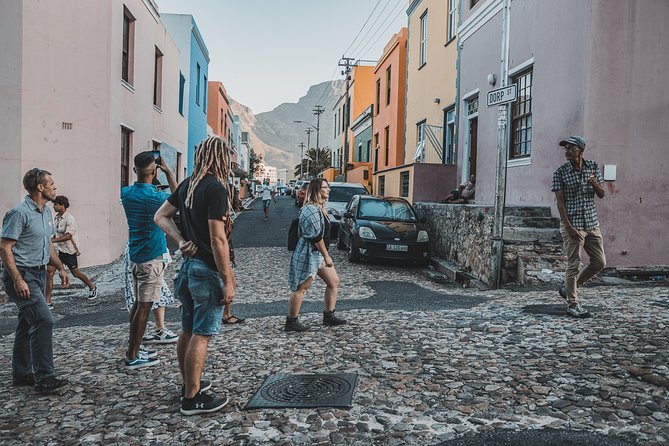
Bo-Kaap, Cape Town’s Malay Quarter, is famous for its multi-colored buildings and spice shops. But the reason the neighborhood matters goes deeper than scenery. The area’s story ties back to slavery in the Cape, and it is also known as the birthplace of Islam in the region.
That is what makes a walking tour with a local guide such a strong choice. You get the visual beauty, yes. But you also get the why behind it, including how communities shaped culture through food, faith, and daily routines after people were forced into the area.
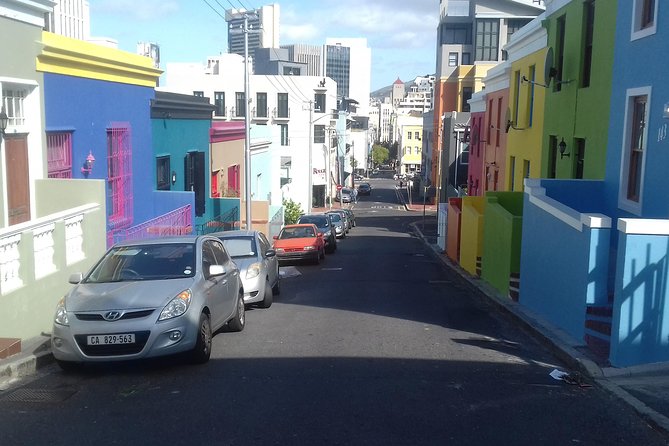
And because Bo-Kaap sits near Signal Hill in the City Bowl, you’ll feel the neighborhood’s shape as you walk. It is compact, but it climbs and turns, which is part of the charm and part of why shoes matter.
The 1-hour loop from 71 Wale Street: how to plan your day
You meet at 71 Wale Street, Schotsche Kloof, Cape Town 8001, and the tour ends back at the same point. It’s listed as about 1 hour, and the pace is designed for a light walk with several short stops, not a long hike.
Most people can join, and the group size is kept small, with a maximum of 20 travelers. That matters because you’ll likely have time to ask questions and keep the conversation moving, rather than feeling herded through.
Since it’s near public transportation, I’d plan to pair it with a broader Cape Town morning or afternoon. If you want the neighborhood at its best for photos, do it earlier rather than later, and give yourself time to wander afterward for a second look.
Stop-by-stop: Bo-Kaap, Wale Street, Atlas spices, and the Auwal Mosque
This tour is short, so each stop is doing a job. Here’s how it breaks down and what to watch for.
Stop 1: Bo-Kaap streets at the foot of Signal Hill (about 20 minutes)
You start in Bo-Kaap itself, a suburb known for colorful facades and steep little streets. The guide sets the scene right away, connecting the architecture and neighborhood layout to its history, including the movement of enslaved people, artisans, and political exiles from across Africa, India, Sri Lanka, Indonesia, and Malaysia.
This is also where you learn why Bo-Kaap is often linked to Islam in the Cape. Even if you only know Cape Town for beaches and museums, this stop reframes the city by showing how faith and culture took root on these streets.
Photo tip: the best shots usually come after you understand where the color sits and how the street slopes. Give yourself a moment for picture breaks, then listen first.
More routes best done on foot


Stop 2: Wale Street introduction (about 15 minutes)
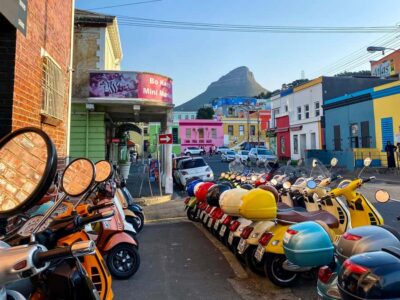
Next comes Wale Street, starting with an overview from the 71 Wale Street meeting area. This is where you get a fast orientation to Cape Town and Bo-Kaap, so you stop seeing it as random colorful housing and start seeing it as a lived-in community with layers.
Wale Street also shows up in the “most photographed” category for good reason, so you’ll get time to frame a few shots without feeling rushed. Just remember, this is a walk meant for learning too, so expect pauses where the guide talks.
Stop 3: Atlas Trading Company spice shop (about 10 minutes)
Then you head to Atlas Trading Company, one of the neighborhood’s famed spice spots. This stop is about smell and daily life: you’ll pick up the heady aromas tied to Cape Malay cooking.
What I like here is the connection the guide makes between spices used in everyday kitchens and the history behind how food became a way to preserve culture. Even if you’re not planning to buy anything, you’ll walk out with a better sense of what Cape Malay flavors mean.
Mosque visit: Auwal Mosque, one of the oldest in South Africa
The highlights list calls out a visit to Auwal Mosque, described as one of the oldest mosques in South Africa. This is often the emotional center of the walk because it brings the neighborhood’s faith story into a real, specific location.
In practical terms, treat it like a respectful visit. Move calmly, follow the guide’s cues, and use the time to ask questions about what the mosque represents to the community. For a lot of visitors, this is the stop that turns the tour from “pretty streets” into something lasting.
Rooibos tea, snacks, and the small breaks that make the hour better
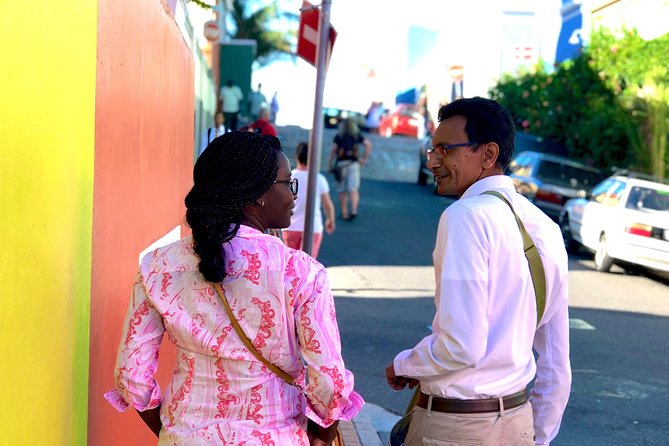
This tour includes rooibos tea or coffee plus a tasty snack. That’s not just a nice extra. It helps you keep your energy up during a short walk that still includes hills and uneven pavement.
One very common snack highlight in the guide stories is koe’sisters, served warm and freshly made. If that’s on the menu for your group, take it slowly and enjoy it. Food stops are where questions get easier and conversations get more personal.
You’ll also likely get short hydration moments during the walk, not a long restaurant break. That’s one reason the experience works well even if you’re on a tight schedule.
What you gain from a descendant-local guide (names you might meet)
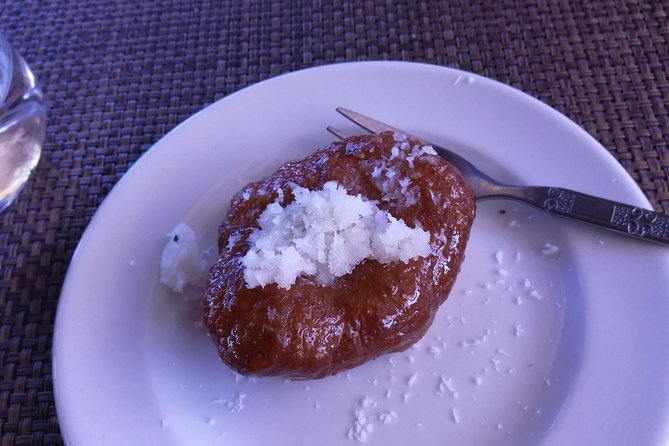
The tour is built around a guide with deep ties to Bo-Kaap and community context, including the neighborhood’s slave-history roots linked to early Dutch settlement. That local connection shows up in how the walk is narrated, and it can change the whole feel of the experience.
In the guides you may encounter, I’ve seen names like Ilyas, Rafiq, Sadiq, Eliyas, Sedick, and Siddiq. Across these different guides, the recurring pattern is the same: street-level stories, personal perspective, and a focus on community life, not just a timeline.
One of the highest-value parts is when the guide uses their relationships in the neighborhood to add context. Some walks include meeting or chatting with locals along the way, and in some cases a stop in a community home area where you can taste something homemade. That’s the sort of detail you cannot recreate on your own.
Getting great photos without turning the walk into a photo spree
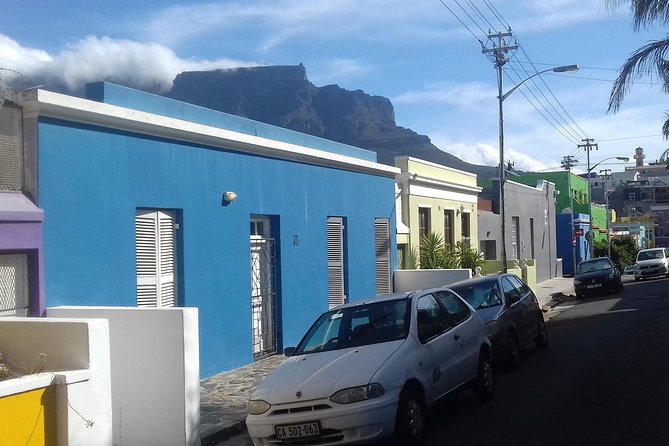
Bo-Kaap earns its reputation for photography. The buildings are colorful, and the streets give you dramatic angles that feel distinctly Cape Town.
But the best photos tend to come from understanding what the guide is pointing out. If you rush straight to selfies, you miss why certain streets matter or what specific features symbolize to residents.
Aim for a few planned photo stops rather than constant stopping. Your guide is coordinating the group and pacing the route. Also keep in mind that some streets have uneven cobblestones, so balance first, camera second.
If you want the cleanest lighting for photos, consider doing the tour earlier in the day. And if it’s cloudy or cool, a light layer helps you stay comfortable during the walk.
Price and value: what $25.31 buys you in Cape Town
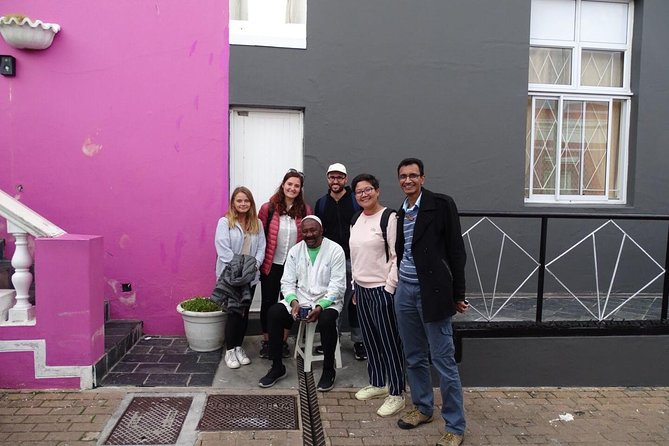
At $25.31 per person, this is not a budget bargain in Cape Town terms. But for an hour with a local guide, two to three structured stops, a visit to Auwal Mosque, and included rooibos tea or coffee plus a snack, it can feel like strong value.
The key is the mix: most “cheap” walks don’t include a meaningful faith stop and a spice shop experience. And most “photo tours” do not give you enough time to ask questions or learn how culture is carried through daily routines like cooking and community spaces.
Small group size helps too. With a cap of 20 travelers, you’re more likely to get a personal answer instead of hearing your guide talk to the whole crowd.
If your time in Cape Town is limited, this also gives you an efficient way to learn a neighborhood that many people only skim past on the way to other sights.
Logistics that actually matter on a short walking tour
Here’s what I’d plan for so the hour feels easy, not stressful.
- Wear comfy shoes with good grip. Hills and uneven ground come up during the walk.
- Bring a small water-friendly habit. You’ll get tea or coffee included, but having your own bottle can still help.
- If you’re sensitive to crowds, a 20-person maximum is a relief compared to larger groups.
- Weather matters. The experience is described as requiring good weather, so you may be offered a different date or a refund if conditions are poor.
Safety note, based on real-world concerns raised in guide stories: you might encounter panhandling. The safest approach is simple, walk as a group, keep your phone secure, and don’t wander off route. With a guide, you’re less likely to feel awkward or isolated.
Who this tour fits best, and who might skip it
This is a great match if you want more than colorful streets. You’ll enjoy it if you like cultural context, faith and community history, and practical local details like spices and food.
It also works well for photographers who want actual meaning behind the “most photographed street” kind of views. And it’s a strong choice if you prefer a short morning activity that doesn’t eat up your whole day.
You might want to reconsider if:
- You do not like walking on uneven pavement or with hills.
- You need an exact museum-style schedule with lots of sitting time.
- You’re only in Cape Town for very quick photo stops and want zero conversation.
Should you book Bo-Kaap: Walk with a local?
If you care about the story behind the color, book it. This is one hour that helps you understand Bo-Kaap as a living community, including its significance as the birthplace of Islam in the Cape and its connection to slavery-era roots.
Choose it if you want:
- Auwal Mosque plus street-level context
- Spice shopping at Atlas Trading Company
- A small-group pace, guided by locals with names like Ilyas or Rafiq
- Tea or coffee and a snack that keeps the walk enjoyable
Skip it only if hills and uneven streets would spoil your day, or if you are in Cape Town on a day when weather is very uncertain. Otherwise, this is the kind of tour that turns a neighborhood from a backdrop into something you actually remember.
FAQ
How long is the Bo-Kaap walking tour?
It is listed as about 1 hour.
Where does the tour start?
You meet at 71 Wale Street, Schotsche Kloof, Cape Town 8001, South Africa.
What’s included during the walk?
You’ll get rooibos tea or coffee and a tasty snack included.
Which places do we visit?
The tour includes time in Bo-Kaap, an introduction at Wale Street, a stop at Atlas Trading Company, and a visit to Auwal Mosque.
Is there a group size limit?
Yes, the maximum group size is 20 travelers.
Is the tour accessible by public transportation?
It’s described as being near public transportation.
Walk It: More of Cape Town
Walking Cape Town: More Routes
Keep going: the rest of our Cape Town write-ups
- Cape Town to Cape Point Helicopter Flight – 48Min
★ 4.2 · 3 reviews - Full Day Private Hiking Table Mountain & City
★ 5.0 · 3 reviews - Sandboarding with jeep – drive uphill
★ 5.0 · 3 reviews - Full Day Tour for Cape of Good Hope & Boat to Seals Island
★ 5.0 · 3 reviews - 10 Day South Africa Tour Joburg to Cape Town
★ 5.0 · 3 reviews - 5 Day Garden Route Small Group Tour Fr CapeTown – Departs Mondays
★ 5.0 · 3 reviews
Bo-Kaap and Cape Town City Walks, compared.
 ★ 4.8Cape Town: Malay Cooking Class and Lunch in Bo-KaapFrom $49515 reviews
 ★ 4.8Cape Town Walking Tour: Bo-Kaap & City HighlightsFrom $40161 reviews
 ★ 4.8Cape Town: Cape Malay Cooking Class in Bo-KaapFrom $52120 reviews
 ★ 5.01 Hour Cape Town Bo Kaap Photoshoot ExperienceFrom $9761 reviews
 ★ 4.9Bo-kaap and City tourFrom $4659 reviews
 ★ 4.5Cape Town Township Tour Including Langa Township and Bo-KaapFrom $6138 reviews
 ★ 4.9Photoshoot Session: Cape Town Bo-Kaap!From $8037 reviews
 ★ 4.7Cape Town: Full-Day Kirstenbosch, Bo-Kaap, and Penguins TourFrom $13733 reviews
Browse the lists this tour appears in