

REVIEW · TOWNSHIP TOURS
Cape Town: Nathi Langa Township Walking Tour
Township streets teach you faster than any museum. I like this tour because Nathi connects the past to daily life as you walk through Langa, not as a show, but as a real neighborhood. The timing is practical too, at about 150 minutes on foot.
You’ll also get a key stop at Guga S’thebe, a cultural center and marketplace that helps you understand what people are building today. One possible drawback: this is a serious look at inequality, so keep your expectations realistic and your attitude respectful.
In This Review
- Key things you’ll notice on this tour
- Starting at Guga S’thebe, the tour’s doorway to real Langa
- Nathi and the community-guided style that makes this feel human
- Walking Langa: neighborhoods, landmarks, and how history shows up on the street
- Guga S’thebe and community projects: crafts, skills, and hands-on learning
- Food chances and respectful ways to spend your money
- Safety and comfort: why the guide’s connections matter
- How long it lasts, and how to prepare for the walking pace
- Value for $31: what you’re paying for and why it matters
- Who should book this tour, and who might skip it
- Should you book Nathi Langa Township Walking Tour?
- FAQ
- Where is the meeting point for the Nathi Langa Township Walking Tour?
- How long is the tour?
- Is pick-up available from Cape Town hotels?
- What languages is the tour offered in?
- Is the tour wheelchair accessible?
- What if I want to support local projects during the visit?
Key things you’ll notice on this tour
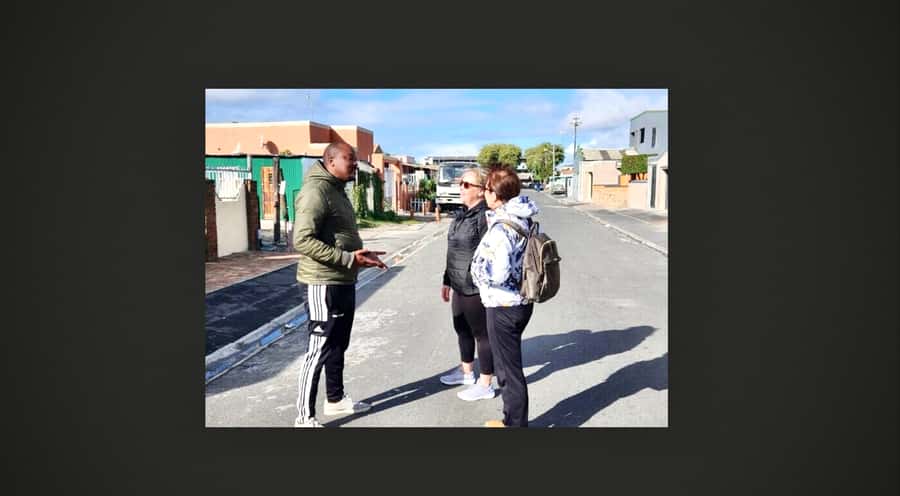
- Nathi’s insider storytelling: history tied to how life works now, with a guide who genuinely knows people
- Guga S’thebe cultural center and marketplace: crafts, community projects, and a sense of purpose
- Street-level conversations: you’re encouraged to meet residents in the flow of the day, not behind glass
- Hands-on moments: you might see drumming, skills training, or other learning activities tied to local programs
- A safety-feel that comes from relationships: many visitors say they felt comfortable because the guide has real ties in Langa
Other township walks led by residents of the neighbourhood
- Half-Day Tour Through Cape Town’s Townships★ 4.8 · 979 reviews
- Cape Town: Guided Township Tour with Hotel Pickup★ 4.4 · 536 reviews
- Cape Town: Nathi Langa Township Walking Tour★ 4.9 · 493 reviews
- Cape Town: Robben Island Ferry Ticket and Townships Tour★ 4.5 · 400 reviews
Starting at Guga S’thebe, the tour’s doorway to real Langa

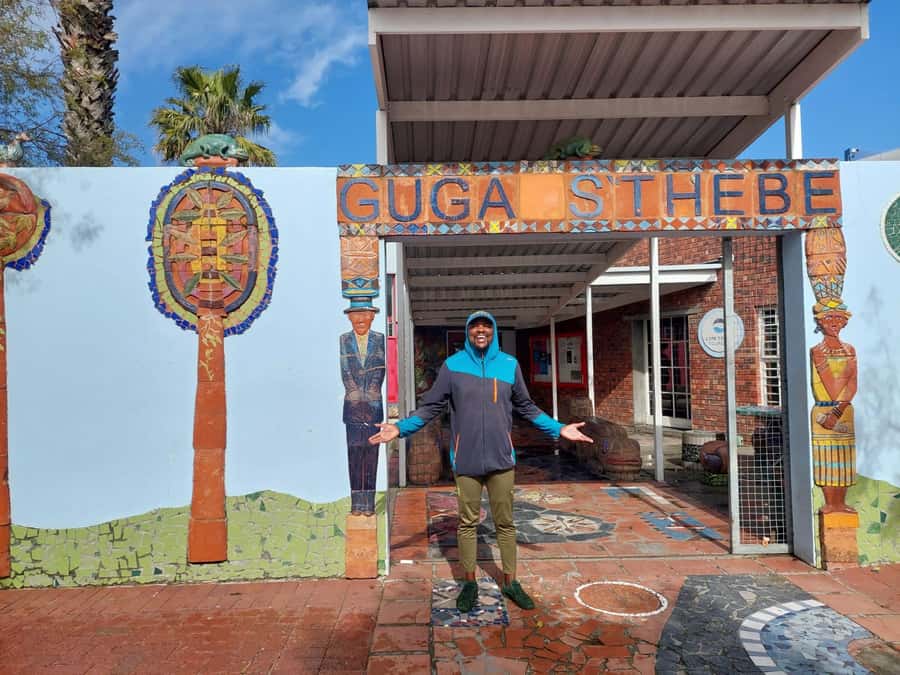
Most township tours start on the edge and then hope you connect the dots. This one starts with context. You meet at Guga S’thebe (36 Washington St, Langa), at the main entrance, about 15 minutes before departure.
Guga S’thebe isn’t just a convenient landmark. It’s a cultural center and marketplace where you can see how community projects connect to everyday life, including artisan work and skills that support income and confidence. The tour also uses a separate entrance, so you don’t stand in a regular line just to begin.
The vibe at the start matters because you’re about to walk into lived reality. That first 10 to 20 minutes sets the tone: you’re not here to collect photos. You’re here to learn how Langa works, what residents want visitors to understand, and where the community is finding momentum.
Nathi and the community-guided style that makes this feel human
The biggest reason this tour gets such high marks is the guiding. Nathi is described as funny, warm, and deeply connected to the community. People repeatedly highlight how he breaks stereotypes, not with lectures, but with stories that explain why things are the way they are.
A real plus is how questions are handled. You’re not left guessing. The guide can answer practical things visitors actually wonder about, from how neighborhoods function to what life costs and how people cope. In some departures, a co-guide may join in, and you might meet someone like Zuzie or Suze, depending on the day.
Also, the tour is explicitly not framed like a museum visit. You’re walking through areas that are home, not set dressing. That changes everything. It pushes you toward respect, patience, and basic manners like listening before you ask.
A practical takeaway for you: go in ready to talk. Even simple questions, asked kindly, help turn the tour from sightseeing into understanding. And since the guide is known locally, that social comfort tends to carry through the walk.
Walking Langa: neighborhoods, landmarks, and how history shows up on the street

Once you start walking, you’re seeing Langa at the pace of a real day. The tour route is designed around lively streets, local markets, and cultural landmarks. You’ll get explanations as you go, so you don’t just pass by buildings and street scenes like a drive-by.
What makes this work is that the guide keeps history close to the present. You’ll hear about how apartheid-era policies shaped where people lived and what options they were given. Then you’ll see how that legacy still affects housing, work, and opportunities today.
A few specific experiences described by visitors help you picture the walk style. Some tours include stops where you can view notable historical buildings. Others include time in different pockets of Langa, where housing and community energy can feel different from one block to the next. There are also stories of moments with kids, like quick games of football, which says a lot about how community life unfolds.
One important note for your mindset: you will likely see contrasts. That includes signs of hardship and inequality, alongside strength, humor, and neighbor-to-neighbor support. If you want postcard Cape Town only, this will feel like the wrong ticket. If you want the full story, this is exactly the point.
Guga S’thebe and community projects: crafts, skills, and hands-on learning

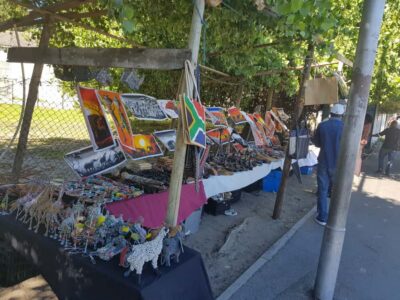
Guga S’thebe isn’t just a one-photo stop. It’s where the tour connects learning to livelihoods. Many people mention the creative and market side, including handcrafted goods and cultural projects supported through the center.
You might hear how these programs help people build skills, especially for those who are unemployed or still finding their footing after school. That matters because it shifts the conversation from only problems to also solutions people are actively working on.
Depending on the day, you may also encounter hands-on activities. Visitors describe drumming moments, including a Djembe workshop. Others mention time around projects that support arts and small business ideas, including craft buying opportunities like pottery or similar items, usually offered with no pressure.
This is one of those stops where you can help in a very direct way, by purchasing artisan work or participating respectfully when there is an activity. Think of it as paying for access to understanding, while also supporting the center’s work.
For you, the practical move is simple: bring a small amount of cash. Some guides and visitors suggest having money available for donations or small purchases at the cultural center and related programs.
More routes best done on foot


Food chances and respectful ways to spend your money
Food is part of how you read a place. The tour is built around walking through areas where street vendors and local eateries are part of normal life. You may get chances to sample foods along the way, which is often where questions start to flow naturally.
A couple of specific examples show up in visitor stories, like chicken feet shared in a community setting, or local cooking stops connected to residents’ recommendations. I’d treat those as flexible possibilities, not guaranteed menu items. What is consistent is that the tour gives space for you to experience how people eat and socialize, not just where you can point and photograph.
Spending is also part of the ethic of the tour. People repeatedly mention crafts, shops, and small purchases as a way tourism can bring income into the township while giving residents a chance to share their culture on their terms.
How to do this well:
- Ask before you photograph anyone at close range.
- Don’t assume someone wants a sale.
- If you want to support, do it calmly and directly, through the cultural center and the artisan stalls.
The goal is to leave with memories and context, not with a sense of entitlement.
Safety and comfort: why the guide’s connections matter
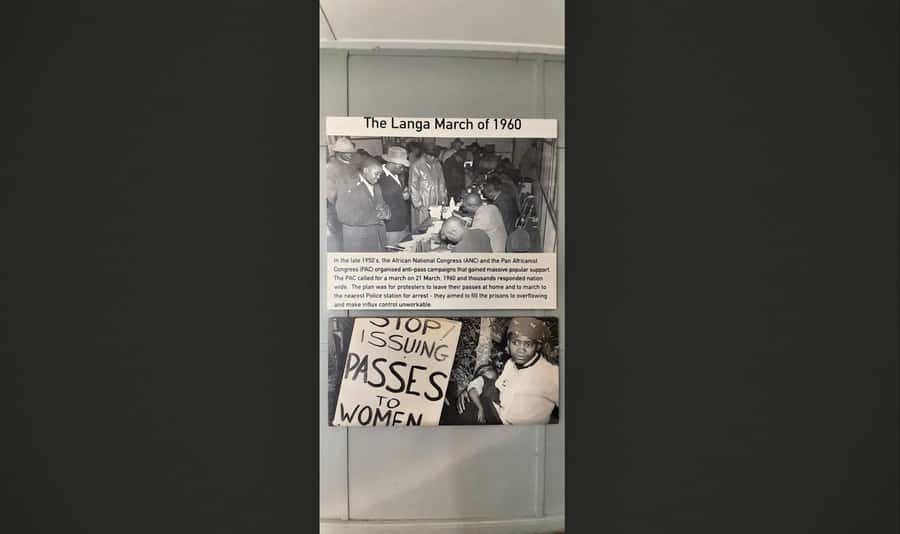
Safety is always the first question for visitors, and it deserves a straightforward answer. The tour is run with respect and safety in mind. And, in multiple experiences, visitors say they felt safe walking the streets because the guide was known and welcomed by locals.
That doesn’t mean you ignore common sense. Even on a guided walk, you should stay close, follow the group, and watch where you put your attention. Keep your phone use down when people are speaking. If something feels off, speak up immediately through the guide.
The other part of safety is emotional, not just physical. This tour can be moving. You may see realities that contrast sharply with the polished image many people associate with Cape Town. One of the most consistent themes in how visitors describe the tour is a shift in perspective, because you see people living their lives rather than reading about them.
If you treat the walk like you’re visiting someone’s neighborhood, not touring a production, your comfort level tends to rise quickly. That’s also why guides who are real locals matter so much here.
How long it lasts, and how to prepare for the walking pace
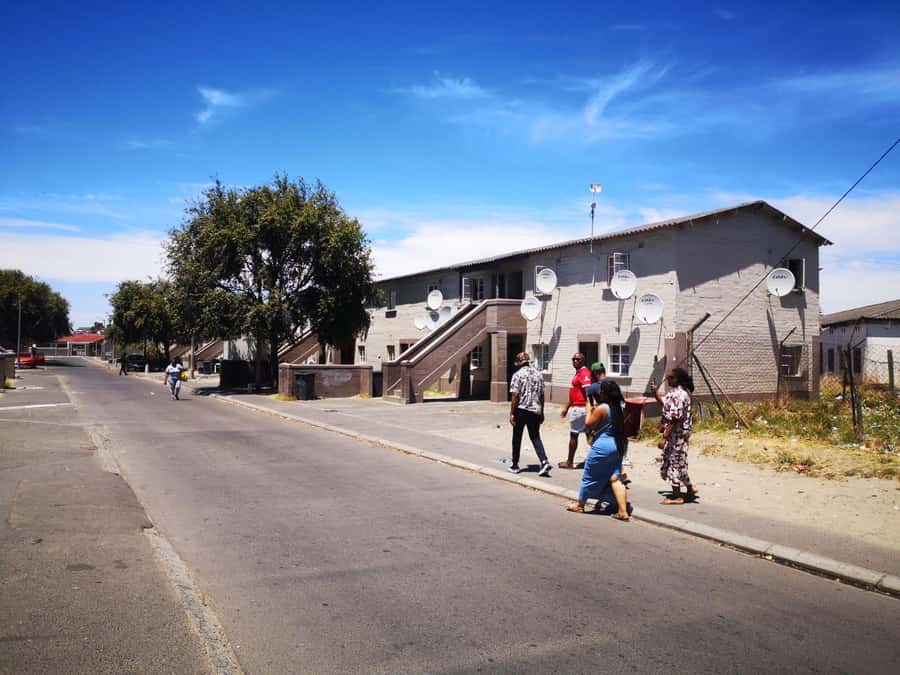
With a duration of about 150 minutes, this is a half-day effort, but it’s not a marathon. You’re on foot for a good chunk of the time, and the schedule is built around multiple stops, including the cultural center and marketplace.
So you’ll be happiest if you:
- Wear comfortable walking shoes.
- Plan for time outdoors.
- Bring water, especially on warm days.
If you have mobility needs, the tour is listed as wheelchair accessible. Still, you’ll want to think realistically about uneven sidewalks and how quickly you can move between stops, even when the route is designed to be accessible.
For your questions, come early. This kind of tour runs best when you let the guide know what you want to understand, not just what you want to photograph.
Value for $31: what you’re paying for and why it matters
At $31 per person for a 150-minute walking tour, the price is about what you’d expect for a serious guided cultural experience in Cape Town. The better question is what makes it feel worth it.
You’re paying for a guide who lives the context, plus access to community spaces like Guga S’thebe. You’re not just walking from attraction to attraction. You’re getting explanations built around apartheid history, how it shaped Langa, and what life looks like today. That context is hard to find on your own, and it changes how you see the rest of the city.
You’re also paying for relationship-based guidance. Multiple visitors mention that Nathi seems known by locals, which affects everything from how residents respond to how comfortable you feel moving through the neighborhood.
And if you choose to buy crafts or support the center’s programs, that adds another layer of value. Your money can become part of the community economy rather than only a ticket price that disappears into a generic tour product.
Who should book this tour, and who might skip it

This tour is a great fit if you want:
- A grounded look at Cape Town beyond the Waterfront glow
- History tied to real life, with explanations you can ask about directly
- A guided experience where the guide’s local connections help you interact respectfully
It’s also a solid choice if you travel with kids, since visitor experiences include families with children who were welcomed and included in moments like drumming, visiting learning spaces, and meeting community members.
You might consider skipping it if you’re looking for an all-cheer itinerary with minimal discomfort. This walk can be sobering because it shows inequality. If you want only scenic highlights and low-emotion sightseeing, this may not match your mood.
Should you book Nathi Langa Township Walking Tour?
If you want the real Cape Town story, with a guide who can explain both the past and what people are working toward now, I think you’ll be glad you booked. The strongest reason to go is the human factor, Nathi’s ability to connect history to everyday life and the way the tour centers community spaces like Guga S’thebe.
My advice is simple: plan your day so you’re not rushed afterward, bring comfortable shoes and a small amount of cash, and go in ready to listen. If you do that, the tour can change how you understand South Africa, and it’s one of the most meaningful ways to spend a couple of hours in Cape Town.
FAQ
Where is the meeting point for the Nathi Langa Township Walking Tour?
The tour meets at Guga S’thebe, 36 Washington St, Langa, by the main entrance. Plan to arrive about 15 minutes before the start.
How long is the tour?
The walking tour lasts about 150 minutes, which is roughly 2 to 2.5 hours.
Is pick-up available from Cape Town hotels?
Yes. Pick-up is available from hotels in Cape Town city center waterfront and areas on the Atlantic seaboard, including Camps Bay. You need to contact the provider for details.
What languages is the tour offered in?
The live tour guide speaks English and Xhosa.
Is the tour wheelchair accessible?
Yes, the tour is listed as wheelchair accessible.
What if I want to support local projects during the visit?
You might want to bring some cash for donations and small purchases related to the cultural center and local preschool or culture center activities, since this is mentioned in visitor guidance.
Walk It: More of Cape Town
Township Tours Led by the People Who Live There
Keep going: the rest of our Cape Town write-ups
- Cape Town to Cape Point Helicopter Flight – 48Min
★ 4.2 · 3 reviews - Full Day Private Hiking Table Mountain & City
★ 5.0 · 3 reviews - Sandboarding with jeep – drive uphill
★ 5.0 · 3 reviews - Full Day Tour for Cape of Good Hope & Boat to Seals Island
★ 5.0 · 3 reviews - 10 Day South Africa Tour Joburg to Cape Town
★ 5.0 · 3 reviews - 5 Day Garden Route Small Group Tour Fr CapeTown – Departs Mondays
★ 5.0 · 3 reviews
Township Tours, compared.
 ★ 4.8Half-Day Tour Through Cape Town’s TownshipsFrom $58979 reviews
 ★ 4.4Cape Town: Guided Township Tour with Hotel PickupFrom $54536 reviews
 ★ 4.5Cape Town: Robben Island Ferry Ticket and Townships TourFrom $89400 reviews
 ★ 4.8Cape Town: Langa Township Walking TourFrom $37272 reviews
 ★ 4.6Cape Town: Half-Day Guided Township TourFrom $75237 reviews
 ★ 5.0Cape Town Township Private TourFrom $100158 reviews
 ★ 4.7Cape Town: Authentic 3–4 Hour Cultural Township ExperienceFrom $261151 reviews
 ★ 4.5Cape Town Townships and Langa Gospel TourFrom $58137 reviews
Browse the lists this tour appears in