

REVIEW · WALKING TOURS
Cape Town: Street Art Walking Tour in Woodstock
Murals explain Cape Town better than brochures. I love how the walk turns street art into real-world stories about community and politics, and I love that guides like Mandy and Diego link each piece to Woodstock as a working neighborhood. One thing to consider: it is a rain-or-shine walk, so you’ll need comfortable shoes and weather-ready clothing.
You’ll meet at Salt Circle Arcade, then spend about two hours moving through Woodstock and Salt River on foot with a live English guide. Expect photo stops, short breaks for tea or coffee, and a lot of talking about what you’re seeing and why it matters.
In This Review
- Key Things You Will Notice on This Woodstock Street Art Walk
- Why Woodstock Street Art Hits Different in Cape Town
- Price and Value: What $37 Buys You (and What It Doesn’t)
- Start at Salt Circle Arcade, Then Let the Neighborhood Lead
- Woodstock Exchange: Where the Walk Gets Its Stories
- Woodstock Brewery and the Creative Economy Angle
- Salt Orchard Unit B10: Coffee, Craft, and Local Rhythm
- The Old Biscuit Mill Stop: Art Next to Real Institutions
- Salt River Nature Park: A Breather Before the Final Wall Moments
- Back Into the Woodstock and Salt River Streets, Then Home Again
- What the Guides Really Add (Mandy, Diego, Chandy, Sipho, Terence)
- Practical Tips Before You Go (So You Enjoy the Whole 2 Hours)
- Should You Book This Woodstock Street Art Tour?
- FAQ
- Where do I meet the guide for the Woodstock street art walking tour?
- How long is the tour in total?
- Is hotel pickup or drop-off included?
- Will the tour run in bad weather?
- What language is the tour guide?
- What should I bring with me?
- Is the tour wheelchair accessible?
Key Things You Will Notice on This Woodstock Street Art Walk
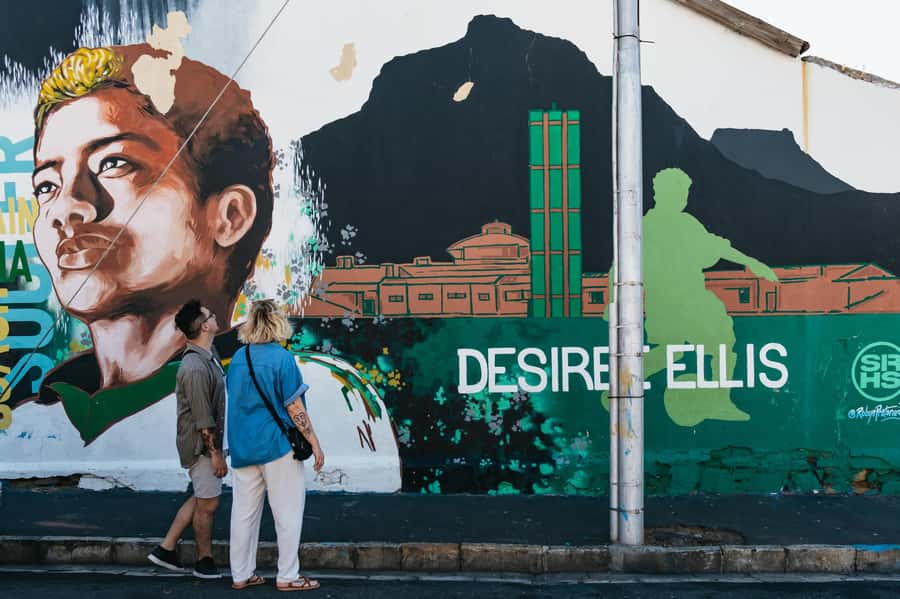
- Salt Circle Arcade sets the tone fast, with a guided start and a quick tea ceremony moment
- You get international street artists and local voices in the same route, so the scene feels connected, not random
- The guide explains the stories behind murals, including cultural and political messages
- Stops are paced with photo opportunities plus short breaks, so it stays fun, not tiring
- You end back where you started, making it easy to grab something to eat nearby after
More routes best done on foot
- Cape Town: Nathi Langa Township Walking Tour★ 4.9 · 493 reviews
- Cape Town: Art, Culture & History Walking Tour★ 4.9 · 392 reviews
- Cape Town: Street Art Walking Tour in Woodstock★ 4.8 · 293 reviews
- Cape Town: Langa Township Walking Tour★ 4.8 · 272 reviews
Why Woodstock Street Art Hits Different in Cape Town
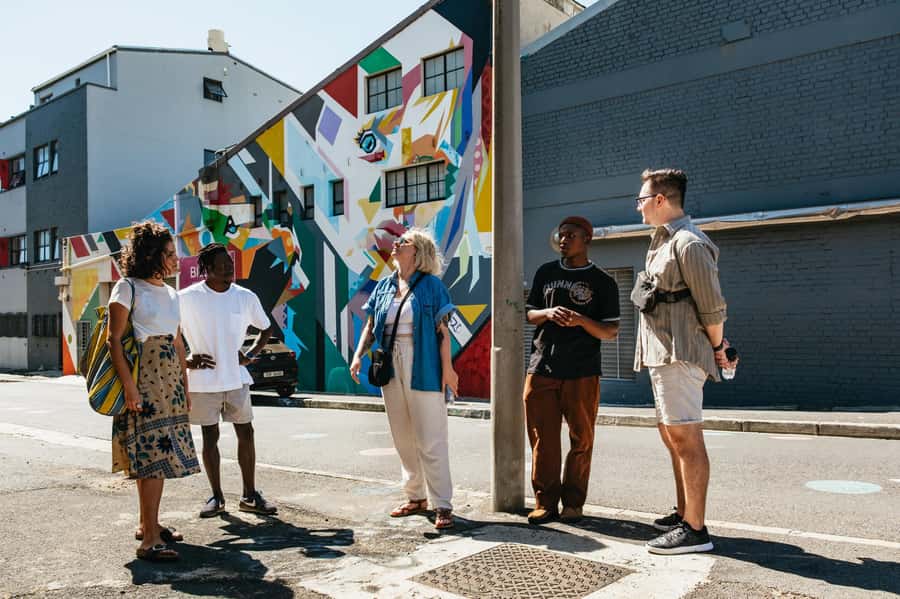
Woodstock is one of those Cape Town neighborhoods where creativity is not just decoration, it is part of the daily conversation. On this walking tour, you’re not only looking at walls, you’re learning how street art functions as a public language. That means you’ll hear about inspiration, symbolism, and why a mural can become a community marker.
I like tours like this because they do two things at once. First, they help you see the details you’d miss if you just wandered around with a camera. Second, they give context for the messages, including the cultural and political angles that show up in newer local works.
Price and Value: What $37 Buys You (and What It Doesn’t)
At $37 per person for a two-hour experience, you are paying mostly for guided time and local interpretation. That matters here, because the murals only become memorable when someone connects them to Cape Town’s history and the neighborhood’s changing identity.
Here’s what is included: the walking tour and a local guide. There is no hotel pickup or drop-off, so you’ll need to get yourself to the meeting point on your own. If you like museum-style explanations, this tour is closer to that format, just with the walls doing the exhibiting.
It is also rain or shine. That sounds basic, but it changes how you should plan. Wear shoes you trust, bring sunscreen, and expect the experience to stay active even if the sky does its best drama.
Start at Salt Circle Arcade, Then Let the Neighborhood Lead
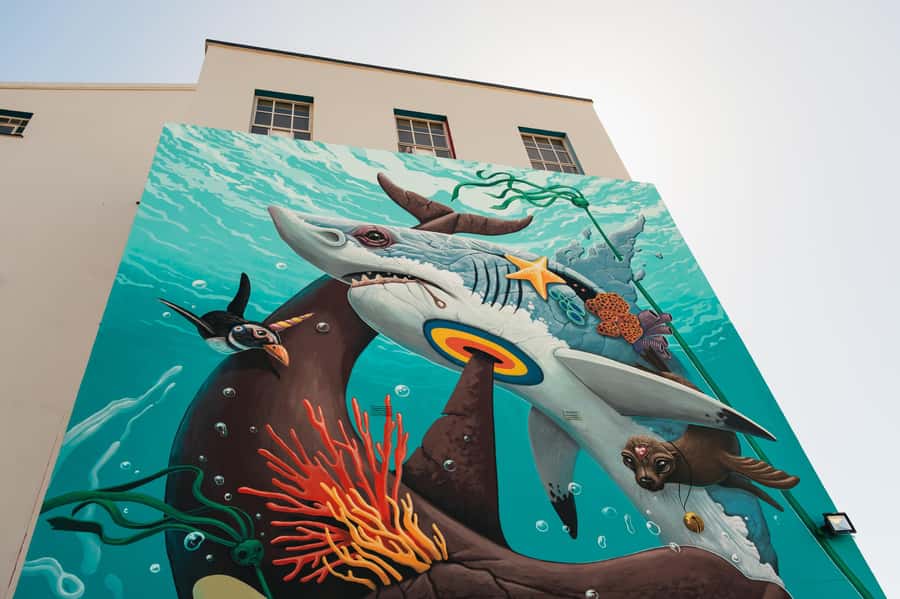
Your tour begins inside Salt Circle Arcade, meeting your guide at Shop 5. This is a smart setup because it keeps the start easy to find and it gets you oriented before you head into the mural streets.
You start with a short sequence that includes a photo stop, time to visit, and guided walking right away. There’s also a tea ceremony included, plus a workshop stop for about 10 minutes. Even if you just treat the tea as a quick reset, it helps you shift from tourist mode into local observer mode.
And yes, there are shopping and sightseeing components in the early stretch. That’s useful if you want to pick up something small that supports local creativity, not just souvenirs.
Woodstock Exchange: Where the Walk Gets Its Stories
After Salt Circle Arcade, you move toward the Woodstock Exchange area for a longer photo stop and guided explanation. This is one of those sections where the walls often feel like they have multiple layers. From a distance, it looks like street art everywhere. Up close, the guide helps you understand what you’re seeing, not just that it’s colorful.
Why this stop matters: it trains your eye. The guide’s job is to show you how themes repeat across the neighborhood, and how different artists speak to different audiences. Once you understand that pattern, the next murals land harder.
One practical note: bring your camera, but also look up. A lot of street art rewards eye-level attention, and if you keep your phone in camera mode the whole time, you’ll miss some of the details the guide is pointing out.


Woodstock Brewery and the Creative Economy Angle
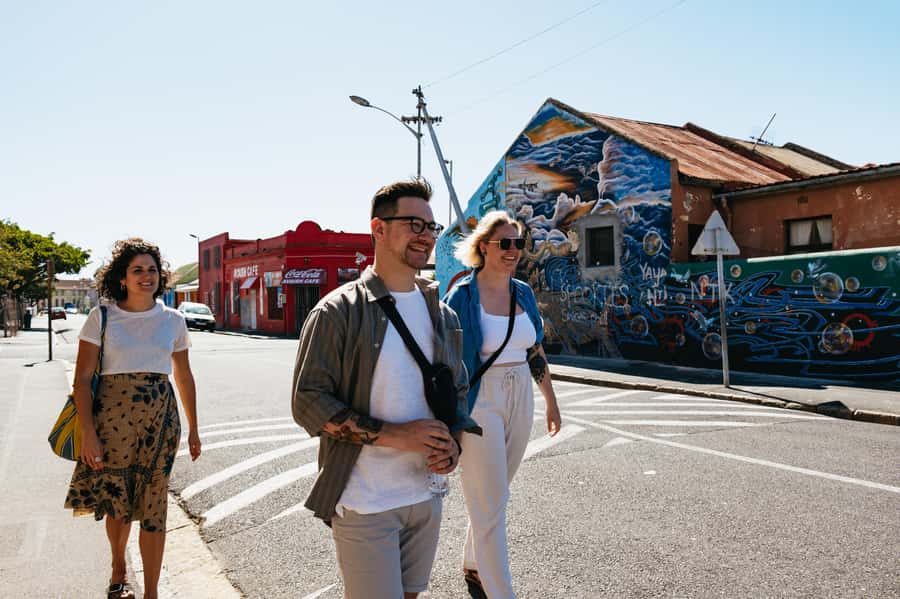
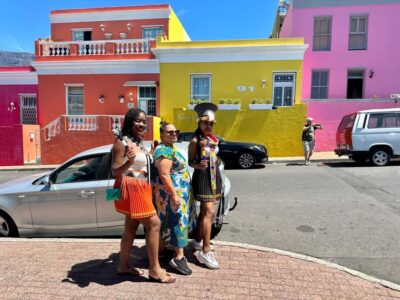
You’ll pause at the Woodstock Brewery area next. This stop is shorter, around 10 minutes, with guided sightseeing and walking. What I like about including a brewery stop is that it reminds you street art is not happening in isolation. It’s part of a wider shift, where creative culture and local businesses share the same streets.
Even though the mural details are the star, the surrounding environment gives the context. You’ll start to see how the neighborhood supports art in practical ways, from foot traffic to community visibility.
If you’re the type who wonders how art survives beyond funding cycles, this part helps. It’s not just about murals, it’s about people paying attention.
Salt Orchard Unit B10: Coffee, Craft, and Local Rhythm

Next up is Unit B10, Salt Orchard, with a photo stop and a guided walk plus coffee for about 20 minutes. Coffee sounds simple, but on a street art tour it does something important: it slows you down enough to actually absorb what you just learned.
This is a good moment to ask questions too. When you take a break, you usually start noticing smaller storytelling elements in the murals you saw earlier, like recurring symbols or text choices. A guide can connect those dots quickly if you give them your attention instead of rushing to the next wall.
Also, this is where you’ll likely feel the tour shift from sightseeing to interpretation. The guide keeps connecting what you see to Cape Town’s neighborhood history and the culture of street art in the city.
The Old Biscuit Mill Stop: Art Next to Real Institutions
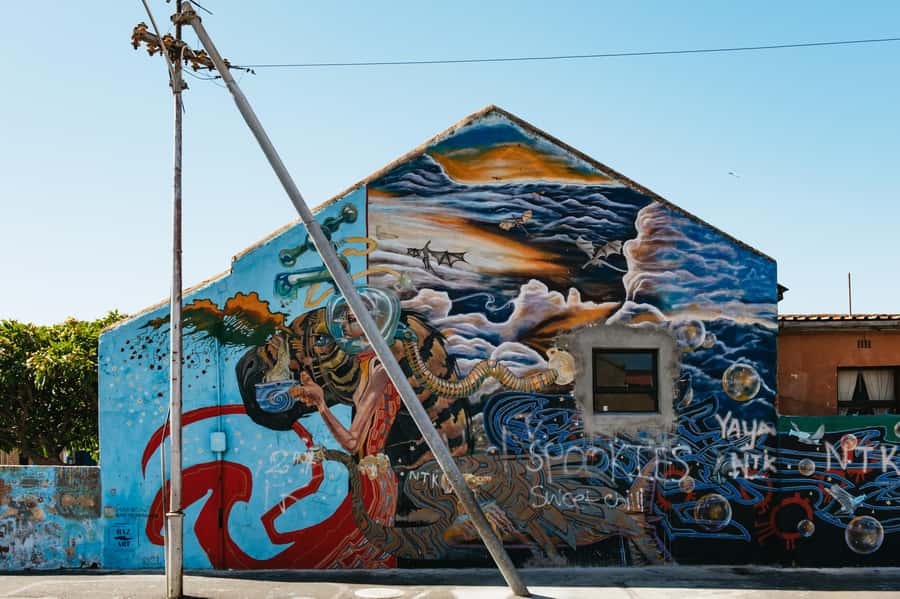
The route then brings you to The Old Biscuit Mill for another guided pause and photo moment, about 15 minutes. I like this stop because it bridges two worlds: street-level creativity and established spaces that attract visitors.
Even if you’re just passing through for photos, it helps you understand the street art scene’s mainstream visibility. The murals aren’t hidden. They show up beside institutions that people already travel to, which changes how the art is seen and discussed.
This stop can be a good checkpoint. If you feel like the earlier murals were interesting but you weren’t sure what they meant, listen closely here. The guide often uses this kind of landmark to tie the neighborhood’s transformation to the art that marks it.
Salt River Nature Park: A Breather Before the Final Wall Moments

Then you head toward Salt River Nature Park for about 20 minutes. It’s a photo stop plus guided tour and a walk segment through the park area. This is one of the best pacing decisions on the route. Even a short green space break makes the last stretches feel less like you’re sprinting between walls.
Why it works: murals can feel overwhelming if everything is packed together with no transition. In the park, you get a change of visual rhythm. When you return to street-level murals, they feel more distinct, and you can better notice what the guide is asking you to look for.
You’ll probably also notice how the neighborhood shifts around the park edge, and how street art changes its tone near different kinds of spaces.
Back Into the Woodstock and Salt River Streets, Then Home Again
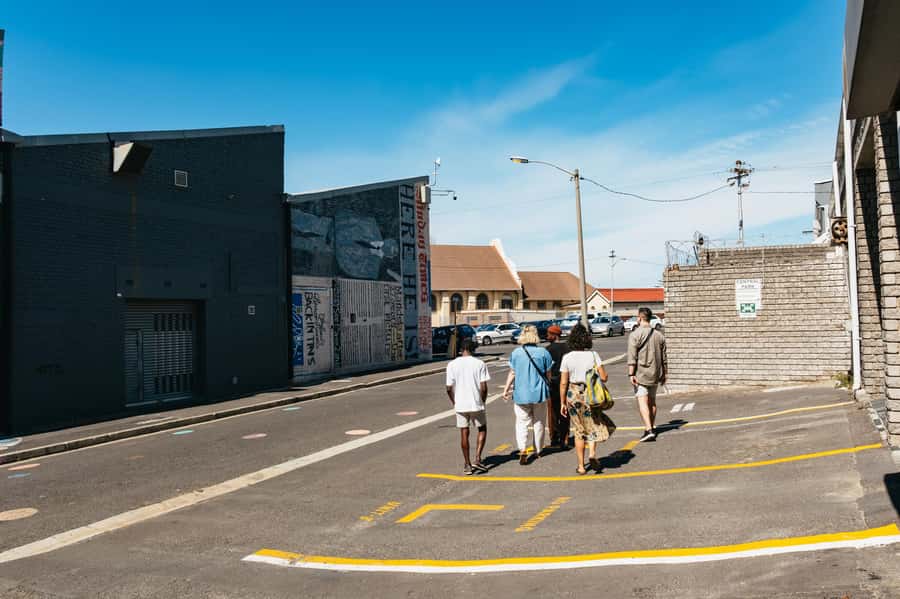
The final part of the walk includes photo stops in Woodstock and Salt River for about 5 minutes each, before you arrive back at Salt Circle Arcade. Those last quick stops matter because they let you confirm the themes you learned earlier. By then, you’re not seeing street art as isolated images. You’re seeing it as part of a conversation across the neighborhood.
This is also when the tour’s main value becomes obvious: you leave with a clearer understanding of how street art influences and inspires local communities. And you can explain what you saw to someone else without sounding like you just took a bunch of photos.
Also, since you return to the start point, you can plan your next move easily. Want food? You’re in the same area you began. Want to keep exploring on your own? The route has already given you bearings.
What the Guides Really Add (Mandy, Diego, Chandy, Sipho, Terence)
The biggest reason this kind of tour works is the guide. You’ll encounter guides such as Mandy, Diego, and Chandy, and there are also mentions of guides like Sipho, Terence, Xolani, and Shandy. Across these different names, the pattern is consistent: they explain the history and the meanings behind the murals, not just the artist’s signature.
That focus comes through in several ways:
- The guide connects the art to the neighborhood’s culture and history
- You hear about both international street artists and newer local works
- The guide often points out how murals carry political or cultural messages, depending on the piece
- You get a sense of how street art can reflect struggles and social change
There’s one more thing worth knowing. On some outings, a guide may add small extras beyond the standard route. For example, Diego has been noted for organizing an unusual add-on like a short shared taxi ride and a visit to an artist studio. That kind of flexibility can be a plus if your schedule allows.
Practical Tips Before You Go (So You Enjoy the Whole 2 Hours)
This tour is straightforward, but a few choices make it much more enjoyable.
Wear comfortable shoes. You’ll be walking the entire time, and “two hours” can feel longer if your feet start complaining early. Bring your camera, but also leave room for looking without always aiming your lens.
Pack sunscreen. Even in cloudy weather, you’ll still be outdoors. Bring cash too, since the route includes places with tea and coffee and there may be shopping opportunities during stops.
Finally, plan your energy for a rain-or-shine format. If it rains, your tour is still a walking tour. A small umbrella or rain layer can be the difference between enjoying the day and just surviving it.
Should You Book This Woodstock Street Art Tour?
Book this tour if you want street art to come with context. You’ll get more than pretty walls. You’ll learn how the murals connect to Woodstock and Salt River as lived-in neighborhoods, and you’ll see international and local work side by side.
Skip it, or at least adjust your expectations, if you strongly dislike political themes in public art. Some mural messages can be intense, especially around Israel-Palestine content, so it’s smart to know that street art here can be opinionated. Also, if you’re going on a day when things feel quiet, the overall neighborhood energy may be lower than on busier days.
If you’re flexible and you like walking plus explanations, this is a high-value use of a couple of hours in Cape Town. You’ll leave with a better read on the city, and your photos will actually match the stories.
FAQ
Where do I meet the guide for the Woodstock street art walking tour?
Meet your guide at Shop 5 inside Salt Circle Arcade.
How long is the tour in total?
The tour lasts about 2 hours.
Is hotel pickup or drop-off included?
No, hotel pickup and drop-off are not included.
Will the tour run in bad weather?
Yes, the tour takes place rain or shine.
What language is the tour guide?
The tour guide speaks English.
What should I bring with me?
Bring comfortable shoes, a camera, sunscreen, and cash.
Is the tour wheelchair accessible?
Yes, the tour is wheelchair accessible.
Walk It: More of Cape Town
Keep going: the rest of our Cape Town write-ups
- Cape Town to Cape Point Helicopter Flight – 48Min
★ 4.2 · 3 reviews - Full Day Private Hiking Table Mountain & City
★ 5.0 · 3 reviews - Sandboarding with jeep – drive uphill
★ 5.0 · 3 reviews - Full Day Tour for Cape of Good Hope & Boat to Seals Island
★ 5.0 · 3 reviews - 10 Day South Africa Tour Joburg to Cape Town
★ 5.0 · 3 reviews - 5 Day Garden Route Small Group Tour Fr CapeTown – Departs Mondays
★ 5.0 · 3 reviews
Walking Tours, compared.
 ★ 4.9Soweto: Walking Tour with a Local Guide and LunchFrom $43648 reviews
 ★ 5.0Plettenberg Bay: Bungee Jumping with Zipline and Sky WalkFrom $97506 reviews
 ★ 4.9Cape Town: Nathi Langa Township Walking TourFrom $31493 reviews
 ★ 4.9Cape Town: Art, Culture & History Walking TourFrom $37392 reviews
 ★ 5.0Soweto Walking Tour with LunchFrom $40288 reviews
 ★ 4.7Stellenbosch: Guided Historical Walking TourFrom $18283 reviews
 ★ 4.8Cape Town: Langa Township Walking TourFrom $37272 reviews
 ★ 4.6Cape Town: Private Walking Tour with a LocalFrom $35243 reviews
Browse the lists this tour appears in