
REVIEW · STELLENBOSCH WINE TOURS
Stellenbosch: Guided Historical Walking Tour
Stellenbosch feels like a living lesson. This 90-minute walking tour turns the town’s 17th-century streets into an easy timeline, with shaded paths like the Village of the Oaks along the Mill Stream. I especially like the way the guide links Cape Dutch architecture to real people and real events, including the fires that nearly wiped the town out in the 18th century. The main drawback to plan for is that it is still a walking tour, so wear comfortable shoes and expect steady time on your feet.
You meet at 47 Church St in Stellenbosch Central, and you will follow a route that mixes scenic streets with story stops like The Braak (the village green), Dorp Street, and the area around Moederkerk. It runs in English with a professional local guide, and the pace is meant to be relaxed enough that you can ask questions as you go.
In This Review
- Key things to know before you go
- Why Stellenbosch’s streets make history easier to grasp
- The $18 value: what you get in 90 minutes
- Getting there and starting at 47 Church St
- Village of the Oaks: shade, water furrows, and town planning you can feel
- Cape Dutch architecture around the historic core
- Simon van der Stel, the Eerste River, and how the river got its name
- The Braak village green: where the town’s layout tells a story
- Dorp Street: the oldest residential street in South Africa
- Angel Factory and Moederkerk: when the town gets playful and spooky
- Stellenbosch University and famous alumni you might recognize
- The guide makes or breaks it, and the guides here often win
- What to wear, what rules to follow, and how to plan your day
- Who should book this guided walk
- A balanced view: the one thing to watch
- Should you book this Stellenbosch historical walking tour?
- FAQ
- How long is the Stellenbosch guided historical walking tour?
- Where do I meet the guide?
- What is the price?
- Is the tour available in English, and is there a live guide?
- Is the tour wheelchair accessible?
- What should I bring?
- What is included, and what is not included?
Key things to know before you go
- Oak avenues and the Mill Stream: stroll under shade where water furrows shape the feel of the town
- Cape Dutch buildings up close: see architecture as part of everyday life, not just a photo backdrop
- Simon van der Stel origin stories: learn how the Eerste River ties into the town’s founding
- Angel Factory and Moederkerk: playful names plus darker tales from the graveyard
- The Braak village green and Dorp Street: two key anchors for understanding old Stellenbosch
- Guides who answer your questions: locals like Johan Nepgen, Marlene, Juliana, Maureen, and Julietta frequently get praise for clarity and humor
More Stellenbosch cellars, tasted and written up
- Stellenbosch: Guided Historical Walking Tour★ 4.7 · 283 reviews
- Stellenbosch: Historical Bike Tour & Wine Tasting★ 4.9 · 248 reviews
- Full Day Afrivista Wine Tours from Stellenbosch★ 5.0 · 238 reviews
- From Stellenbosch: Hop-On Hop-Off Wine Tour Southern Route★ 4.7 · 105 reviews
Why Stellenbosch’s streets make history easier to grasp
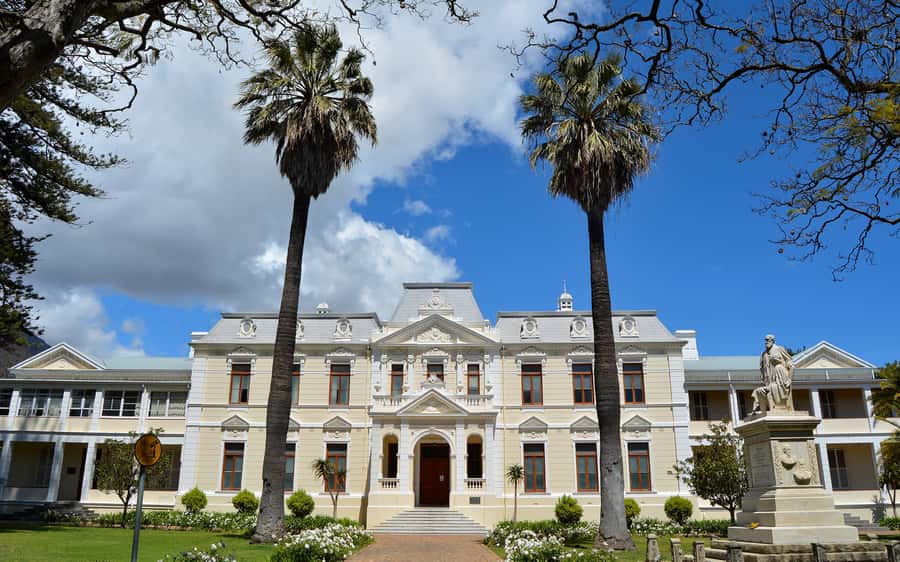
Stellenbosch has a way of compressing centuries into a walk you can actually do in one afternoon. This tour keeps you moving through the central town instead of sitting inside a lecture space, so the story feels connected to what you are seeing.
I like that it does two things at once. First, it paints a clear picture of early settlement patterns, including how Simon van der Stel and the Eerste River influenced the founding. Second, it explains why the town looks the way it does today, from Cape Dutch harmony to the layout around the village green.
The $18 value: what you get in 90 minutes
At about $18 per person, this is one of those “why not” add-ons that can meaningfully change how you experience the town. You are paying for a professional guide who can connect names, buildings, and myths into one storyline.
Also, 90 minutes is the sweet spot. Long enough to cover multiple landmarks like The Braak and Dorp Street, but short enough that you still have time after the walk to explore wineries, restaurants, or the student-town energy on your own.
Getting there and starting at 47 Church St
The meeting point is 47 Church St, Stellenbosch Central. Arrive 15 minutes early so you can check in without stress and start on time.
One practical note: the tour is wheelchair accessible, but it still involves walking. If you use a chair or mobility aid, go early so you can confirm the route will work for you, then settle in for an easy, guided pace.
Village of the Oaks: shade, water furrows, and town planning you can feel
The walk opens around the “village of the oaks,” a phrase that makes sense the moment you are under those trees. The oaks are more than pretty scenery. They set the tone for why older Stellenbosch feels so walkable and ordered.
You will also notice the water furrows connected to the Mill Stream. That detail matters because it shows how daily life depended on water management, not just vineyards and glamour. As the guide explains the area, the town’s layout starts to feel logical instead of random.
This is one of the most praised parts of the tour for a reason. People repeatedly say the guide helps the town “come alive,” and these early streets are where the atmosphere kicks in.
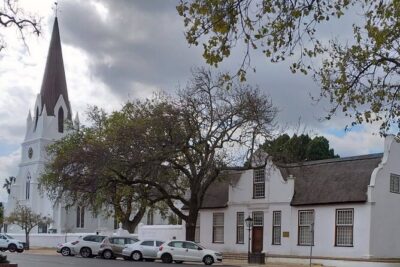
Cape Dutch architecture around the historic core
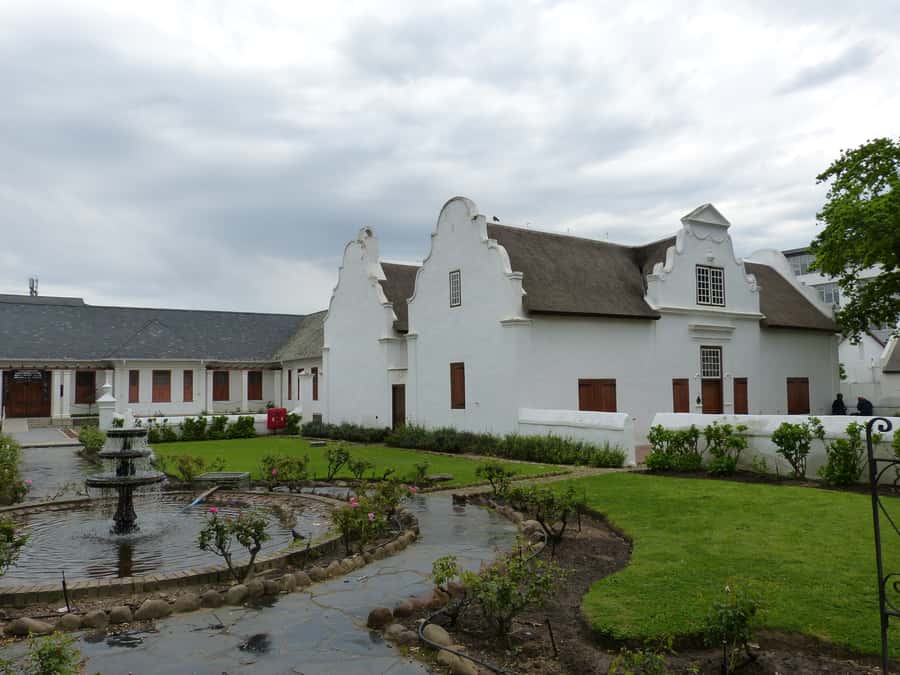
Stellenbosch is famous for Cape Dutch style, and this tour treats it like more than postcard scenery. You look at historic buildings in context, so you understand how architecture reflects the period’s priorities.
As you walk, you will learn tales about the town across four centuries. That is the key value here: the guide connects buildings to the people who lived in them and the events that shaped them, including the devastating fires that nearly wiped out much of the early settlement in the 18th century.
If you like history that is tied to what you can see with your own eyes, this section will click fast.
Simon van der Stel, the Eerste River, and how the river got its name
One of the central storylines follows Simon van der Stel, the colonial founder. The guide explains where he set up camp near the Eerste River, and you also hear how the river got its name.
Even if you have heard bits and pieces before, this kind of guided connection makes a difference. Instead of memorizing dates, you get the “why” behind the place names and the geography. You start noticing how the town’s identity and water routes overlap.
The Braak village green: where the town’s layout tells a story
Next, you get to The Braak, the village green. It is surrounded by historical buildings on three sides, which means you can actually see how the town was organized around public space.
This is a useful stop because it gives you a mental map of old Stellenbosch. When you understand where community life centered, the rest of the walk makes more sense. You stop seeing buildings as isolated landmarks and start seeing them as part of one plan.
Expect the guide to point out features that a self-guided stroll might miss, like how the buildings face the green and how the streets branch from there.
Dorp Street: the oldest residential street in South Africa
Then you hit Dorp Street, described as the oldest residential street in South Africa. It is one of those statements that could sound like trivia, but the tour approach makes it practical.
The guide helps you read the street as a timeline: where settlement began, how homes evolved, and why older street patterns still influence what you see today. You do not need to be a history buff to appreciate it. You just need good walking shoes and the willingness to look slowly.
If you enjoy architecture details, this is also where you will likely find yourself slowing down for questions, since the guides tend to connect the built environment to stories about people.
Angel Factory and Moederkerk: when the town gets playful and spooky
Stellenbosch has a lighter side built into its naming. You might even stop at a place called the Angel Factory. The tour frames it with local folklore vibes, the kind of whimsical detail that makes walking stories memorable.
On the more serious side, you also hear about the Moederkerk and its graveyard. A guide brings the atmosphere without turning it into a gimmick, and you get a sense of how belief and memory shaped parts of the town.
I like this contrast because it stops the tour from feeling like a straight line of dates. One moment you are laughing at the strange name, the next you are thinking about how hard life has been here.
Stellenbosch University and famous alumni you might recognize
As the walk progresses, the guide shifts beyond early settlement into how Stellenbosch shaped leaders later. You will hear about Stellenbosch University and its famous graduates, including prime ministers and sports figures.
This is valuable because it widens the frame. You come to the walk thinking you will learn about buildings, and you leave with a sense of how the town contributed to broader South African life.
It also helps you connect the dots when you continue your day in Stellenbosch and notice the student influence in everyday streets.
The guide makes or breaks it, and the guides here often win
This tour has a consistent strength: the guides explain clearly and keep the walk engaging. Names that show up in the strongest feedback include Johan Nepgen, Marlene, Juliana, Julietta, and Maureen.
People especially praise the way guides answer questions instead of brushing them off with short replies. They also mention humor and pacing, which matters on a 90-minute walk. If you want a tour where you can ask something and get a real explanation, this is the type of guide-led experience that usually delivers.
One review even mentions an anecdote about the local morgue, handled in a way that kept things lively. That kind of detail is not just shock value. It gives you a fuller sense of how the town worked as a community.
What to wear, what rules to follow, and how to plan your day
Bring comfortable shoes. The tour is short, but you still need to feel good enough to look around and ask questions without cutting it short.
A few rules are listed for the experience:
- Pets are not allowed
- Alcohol and drugs are not allowed
Plan your schedule so you are not rushing right after. The best part of a history walk is the “afterglow,” when you start noticing details on your own.
Who should book this guided walk
This tour fits best if you want:
- a short, high-value orientation to Stellenbosch’s old center
- a guide who can connect architecture, geography, and major events into one flow
- an easy walking format, around 90 minutes, with time for questions
It is also a smart choice if you visit more than once. Even repeat visitors often find guided context changes how they see familiar streets.
If you are traveling with limited time and want a focused experience before wine tastings or dinner, this gives you a strong base.
A balanced view: the one thing to watch
The only real consideration is the obvious one: it is a walking tour. If you have mobility limits beyond what is manageable in a wheelchair-friendly route, you may want to confirm the practical route details with the provider before you go.
Other than that, this tour is built around accessible pacing and central highlights that are easy to understand without needing a textbook.
Should you book this Stellenbosch historical walking tour?
I would book it if you want to understand Stellenbosch instead of just pass through it. For $18, you get 90 minutes with a professional local guide who turns streets like Dorp Street and The Braak into something you can remember.
If you are the type who likes asking questions and you want a guided narrative with humor, guides such as Johan Nepgen, Marlene, Juliana, and Maureen are a big part of the appeal. And if you like mixing architecture with place names and folklore, stops like Angel Factory and Moederkerk fit the bill.
If your schedule is tight but you still want substance, this is a great first look at town. If you do not like walking, though, skip it and do a more relaxed self-guided plan.
FAQ
How long is the Stellenbosch guided historical walking tour?
The tour lasts about 90 minutes.
Where do I meet the guide?
You meet at 47 Church St, Stellenbosch Central, Stellenbosch, 7599. Arrive 15 minutes before the activity starts.
What is the price?
The price is $18 per person.
Is the tour available in English, and is there a live guide?
Yes. The tour has a live guide in English.
Is the tour wheelchair accessible?
Yes, the tour is wheelchair accessible.
What should I bring?
Bring comfortable shoes.
What is included, and what is not included?
Included: professional guide and the walking tour. Not included: transportation to or from the starting location and personal expenses.
Walk It: More of Stellenbosch
The Past, On Foot in Stellenbosch
Stellenbosch, Cellar by Cellar
Keep going: the rest of our Stellenbosch write-ups
- Stellenbosch: Half-Day Guided Nature Hike and Wine Tasting
★ 5.0 · 3 reviews - The most fun you can have on an E-Bike. Wine tastings, corporate events.
★ 4.5 · 3 reviews - Quad Bike Fun Ride in Paarl Battle Bunker
★ 4.0 · 3 reviews - Fly Fishing in Cape Town for Five Hours
★ 4.5 · 3 reviews - 30 Minute Jet Ski Rental
★ 5.0 · 3 reviews - Jonkershoek Nature Reserve: Guided Panorama Trail Hike
★ 5.0 · 3 reviews
Stellenbosch Wine Tours, compared.
 ★ 5.0Wine Tour: Paarl, Franschhoek & Stellenbosch incl 3 wineriesFrom $433,940 reviews
 ★ 5.0Wine Tour to Stellenbosch & Franschhoek with Tastings & LunchFrom $101828 reviews
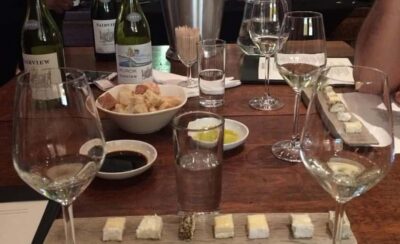 ★ 4.7Stellenbosch: Half-Day Wine TourFrom $55601 reviews
 ★ 5.0Private Full Day Stellenbosch Wine Tour with Pick Up and Drop OffFrom $166425 reviews
 ★ 4.5Stellenbosch & Franschhoek 20 Wine Tasting + Lunch Shared TourFrom $88290 reviews
 ★ 4.5From Cape Town: Stellenbosch & Franschhoek Wine Tasting TourFrom $277287 reviews
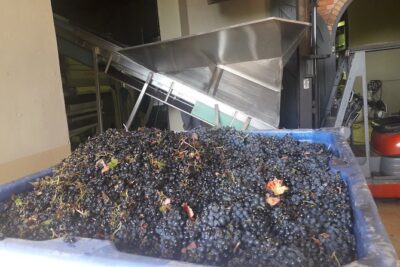 ★ 4.5From CapeTown: Stellenbosch Half Day Wine TourFrom $53287 reviews
 ★ 4.8From Cape Town: Stellenbosch Four Estate Full-Day Wine TourFrom $147266 reviews
Browse the lists this tour appears in