
REVIEW · STELLENBOSCH WINE TOURS
From Stellenbosch: Stellenbosch Guided Vineyard Walk
Stellenbosch vines can teach you a lot fast. This 5-hour guided walk in the Cape Winelands focuses on how grapes grow, how Cabernet Sauvignon and Pinot Noir differ, and what it takes to turn harvest work into award-winning wine. You also get access to private vineyard areas, not just the usual public viewpoints.
What I like most is the wine guide orientation that turns the scenery into real understanding. You’ll learn the logic behind vine cultivation and grape choices, then put that knowledge to use during tastings/sips at two wineries. Another big plus is the relaxed walking pace plus a cellar tour, so you’re not stuck in a bus all morning.
One consideration: the tour is weather permitted, so if the day turns rainy or harsh, your plans can shift. Also, it’s not suitable for people with mobility impairments.
In This Review
- Key highlights worth planning for
- A 5-hour vineyard walk that makes wine feel practical
- Where the tour starts at Zorgvliet Lodge and Wine Estate
- How the walk teaches Cabernet Sauvignon vs Pinot Noir
- Entering private vineyards, not just public rows
- The cellar tour: where wine education becomes hands-on
- Two winery visits and what tasting really means here
- Lunch, water, and keeping the day comfortable
- Price and value: is $96 per person worth it?
- Who should book this Stellenbosch guided vineyard walk
- Practical tips so you get the most out of the day
- Should you book this vineyard walk in Stellenbosch?
- FAQ
- How long is the Stellenbosch guided vineyard walk?
- How much does it cost?
- Where is the meeting point?
- Is hotel pickup and drop-off included?
- Are wine tastings included?
- Is the tour private?
- Does the tour run in bad weather?
- What should I bring?
- Is the tour suitable for people with mobility impairments?
Key highlights worth planning for
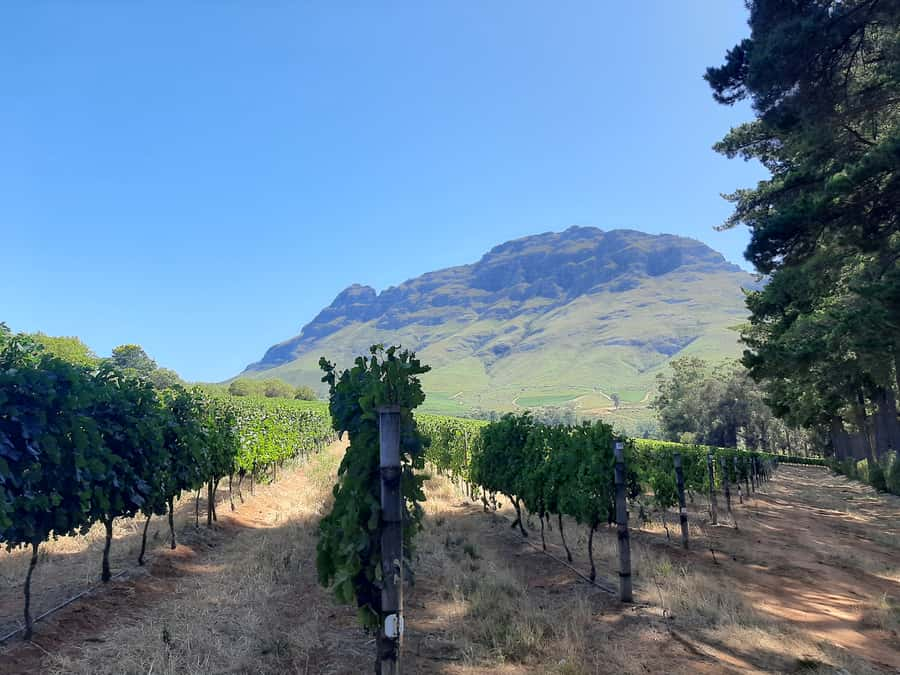
- Private vineyards in the Winelands, with a closer look than most public tastings
- Cabernet Sauvignon vs Pinot Noir, taught with on-site cues and interpretive signs
- Cellar tour and orientation at a vineyard property, not just a quick stop
- Two winery visits to build a bigger picture of how wine makers work
- Light lunch and bottled water, helping you stay comfortable during the walk
- A friendly, English-language guide for a personal feel in a private group
More Stellenbosch cellars, tasted and written up
- Stellenbosch: Guided Historical Walking Tour★ 4.7 · 283 reviews
- Stellenbosch: Historical Bike Tour & Wine Tasting★ 4.9 · 248 reviews
- Full Day Afrivista Wine Tours from Stellenbosch★ 5.0 · 238 reviews
- From Stellenbosch: Hop-On Hop-Off Wine Tour Southern Route★ 4.7 · 105 reviews
A 5-hour vineyard walk that makes wine feel practical
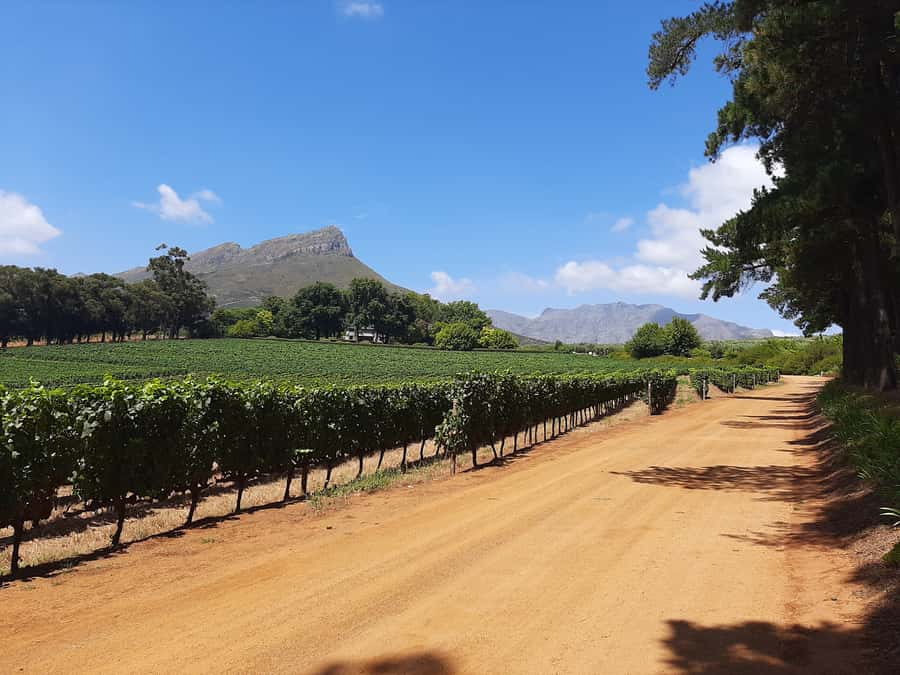
If wine tours can sometimes feel like tasting notes and fine print, this one is different. The core idea is simple: walk the vines, see what the plants are doing, then connect that to flavor and winemaking choices. In a place like Stellenbosch, that approach matters, because the vineyards are not just pretty rows. They’re living systems shaped by soil, climate, and careful vine management.
The timing helps too. At five hours, you get enough time to learn and taste without turning the day into a marathon. You’re also not rushing through ten stops. Instead, you get a structured walk with a registered wine guide, vineyard orientation, and a cellar visit that explains what happens after the grapes leave the vines.
Value-wise, you’re paying for guided education plus access. The tour includes visits to two wineries and a cellar tour experience, plus bottled water and a light lunch. The learning portion is what you’re really buying, and it’s the part that tends to stick.
Where the tour starts at Zorgvliet Lodge and Wine Estate
Your day begins at the main parking area at the entrance of Zorgvliet Lodge & Wine Estate. That matters for two reasons.
First, you can plan your morning without hotel pickup. If you’re staying in Stellenbosch or driving in from nearby areas, this is straightforward. Second, having a clear meeting point usually means the group starts on time and the guide can focus on the walk rather than waiting on complicated transfers.
Wear your plan-proof outfit from the start. The route is a walk through vineyard areas and between properties. The essentials you should bring are comfortable shoes, sunglasses, a sun hat, sunscreen, and a camera. Even if you love wine, you’ll likely spend just as much time photographing details like vine structure, grape clusters, and the interpretive signage that helps you spot differences between cultivars.
How the walk teaches Cabernet Sauvignon vs Pinot Noir
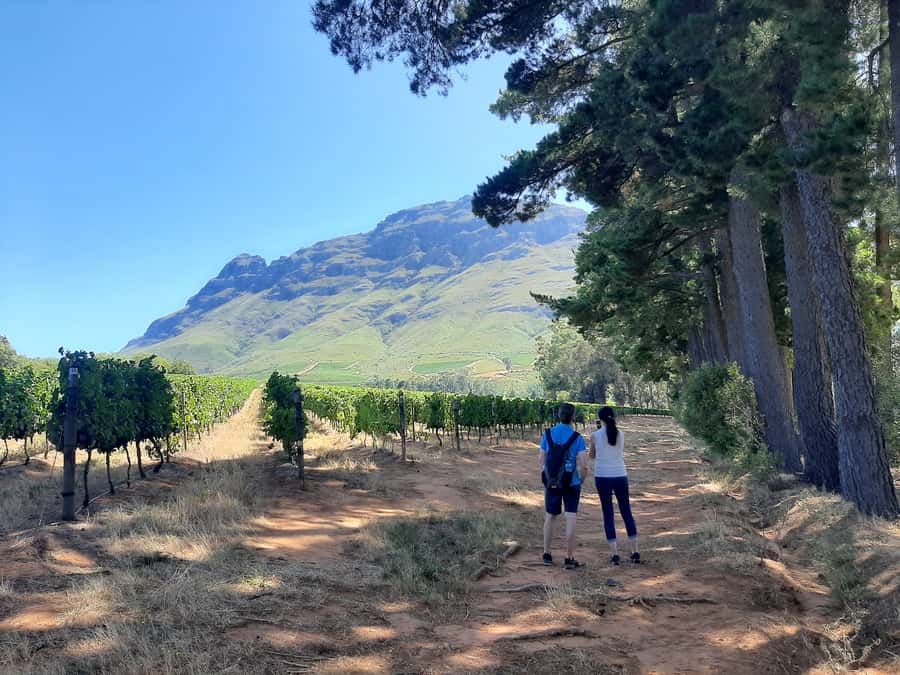
This tour uses a smart method: it teaches grape differences while you’re physically near the vines. Instead of learning Cabernet Sauvignon and Pinot Noir as abstract terms, you’ll get a vineyard orientation and then see how the plants look and grow.
Here’s what you should expect from that education style:
- Your guide explains the basics of vine cultivation and the steps that influence grape quality.
- You learn how to differentiate Cab Sauv and Pinot Noir through on-site observations, including interpretive signs placed around the vineyard areas.
- You start building mental links between vine behavior and the final wine style.
This is also where the tour can feel more rewarding than a standard tasting-only event. When you understand what the vines are doing, tasting becomes less about guessing and more about noticing. You may still find it hard to describe flavors at first, but you’ll feel more confident connecting a wine to the plant and the growing decisions that produced it.
And because the experience includes access to private properties, you’re not only seeing vines from a distance. You’re walking through the working side of the vineyard, which is exactly what makes the learning more real.
Entering private vineyards, not just public rows
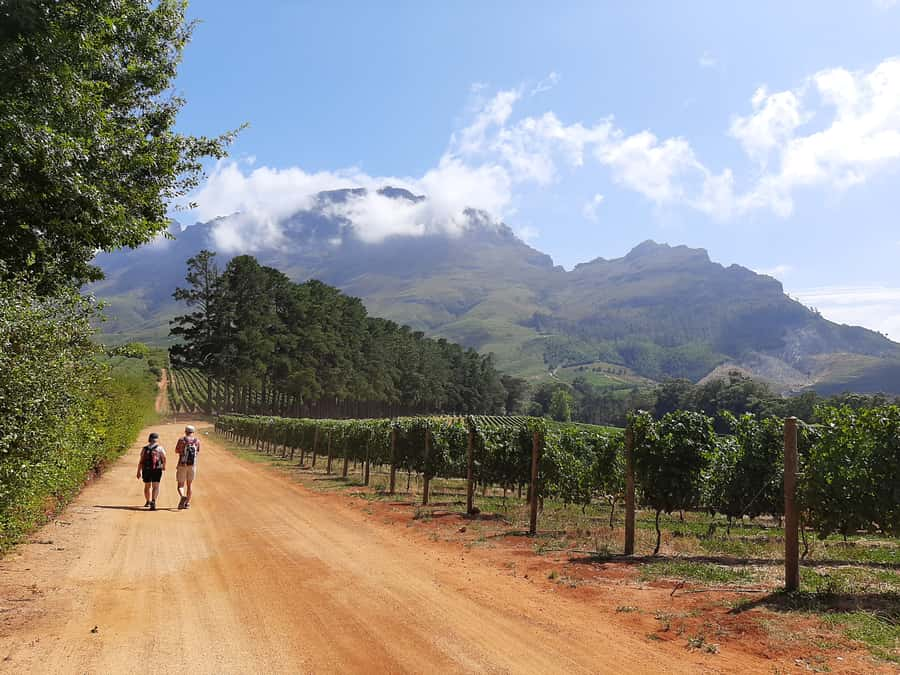
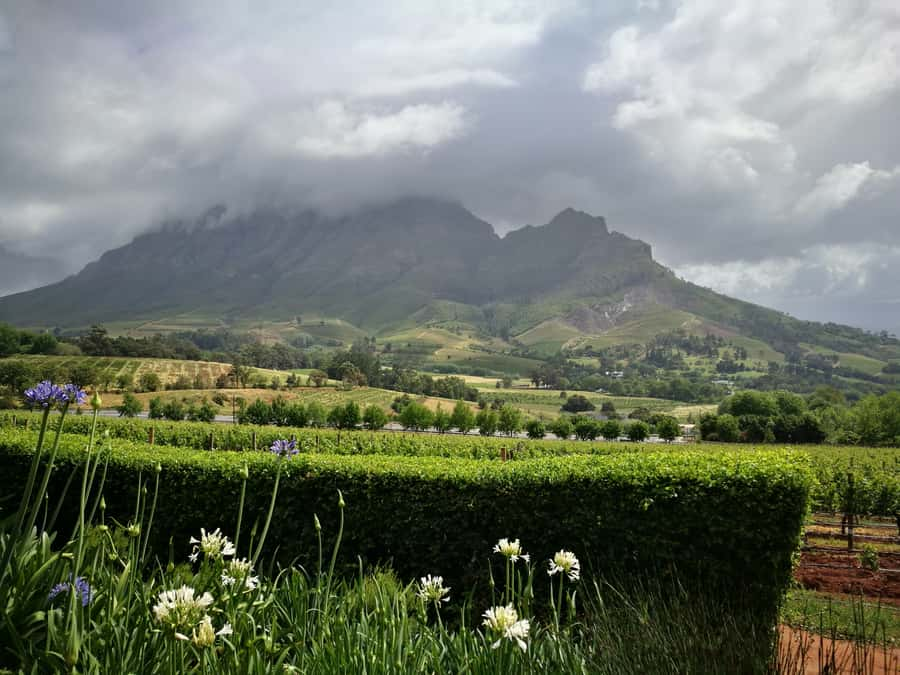
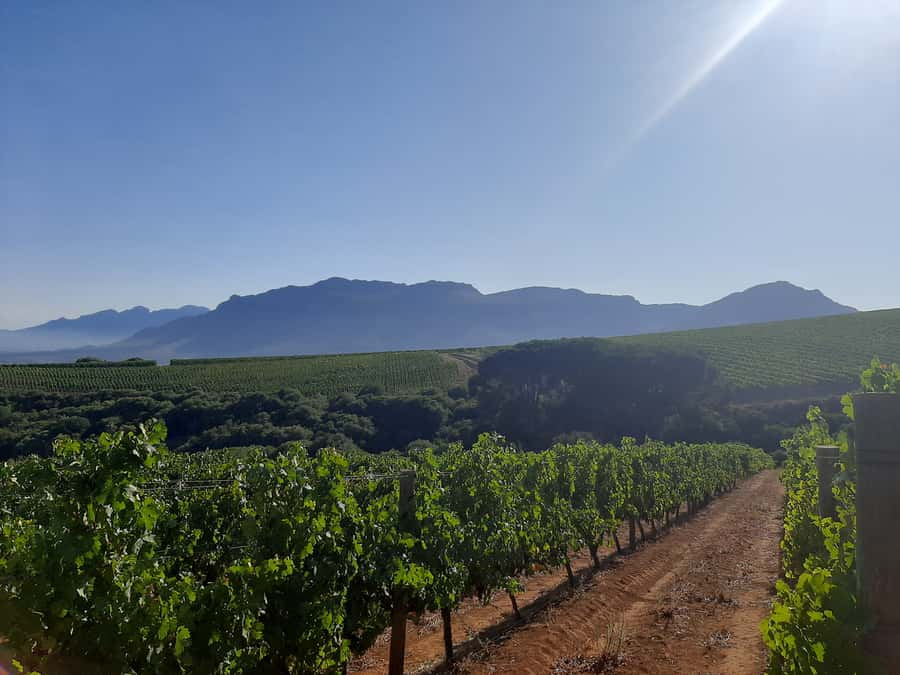
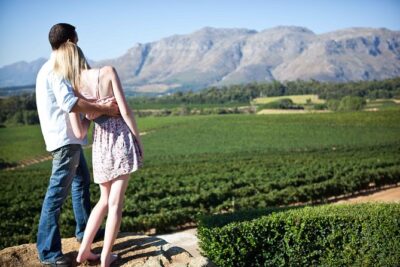
One of the most practical highlights is access. You’re walking through private vineyard spaces across the Western Cape Winelands, which usually means the viewpoint quality is higher and the educational context is tighter. Instead of stopping at a fence line and moving on, you get guided explanation in the place where grape growth is happening.
I also like that the tour is designed as a gentle walk, not a strenuous hike. The goal is to keep the focus on observation and conversation. That’s a big deal for your enjoyment, because when you’re not fighting your legs the entire time, you can actually pay attention to the guide’s cues.
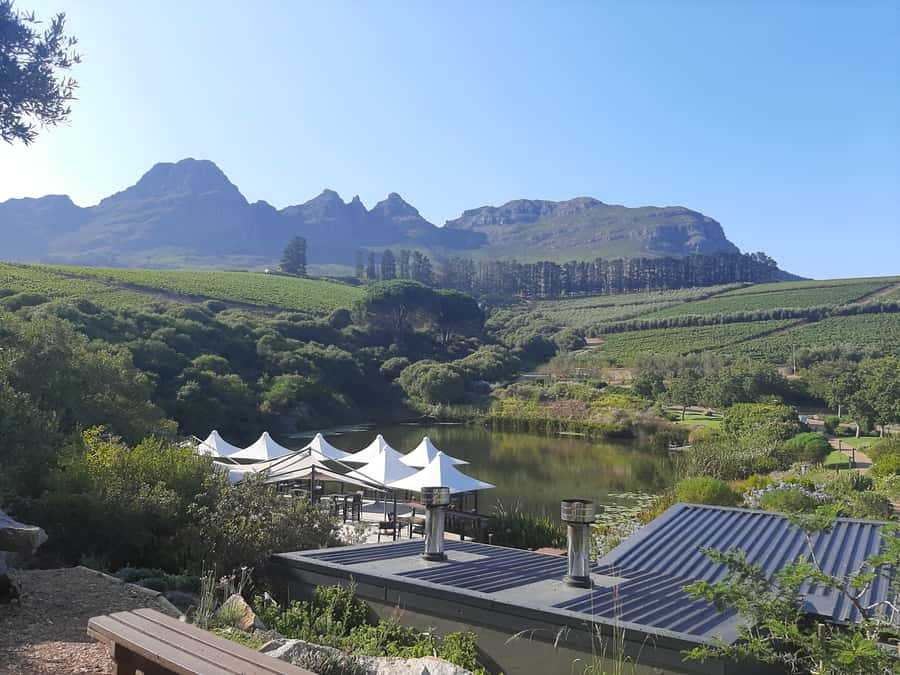
In the reviews tied to this kind of morning experience, the setting often shows up as bright and friendly, with vineyards hanging heavy with grapes. You may also see seasonal greenery and plantings like proteas and olive trees while you move between farms. That kind of detail matters because it reminds you the vineyard ecosystem is not one thing. It’s a working landscape that includes plants, shade, and views toward mountains and valleys.
More routes best done on foot
The cellar tour: where wine education becomes hands-on
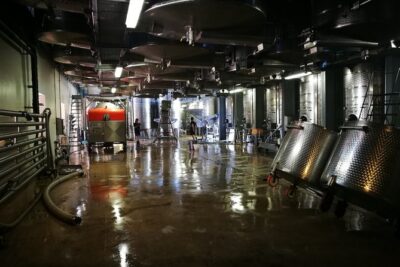
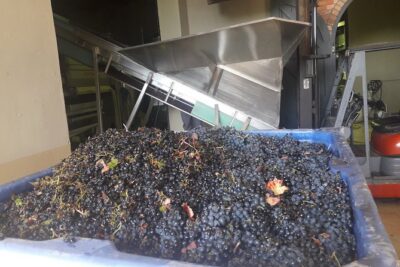
After you’ve walked the vineyards and learned the basics of grape cultivation, the day shifts gears with a cellar tour and vineyard orientation. This is the part that helps the vineyard lessons connect to what’s happening off the property and inside winemaking spaces.
What you can expect:
- The guide gives a cellar orientation, explaining how the process moves from grapes to finished wine.
- You’ll likely see how storage and preparation work, and you’ll get context for why different grapes can lead to different outcomes.
- You sip a glass of wine as part of the experience.
Even if you’re not a wine expert, this is where the tour often feels most satisfying. It’s one thing to hear about cultivation, but it’s more memorable when you see the facilities and understand the next step. If you enjoy learning how things work behind the scenes, you’ll appreciate this stop.
A practical note: because this section is part of a guided program at specific properties, plan to follow your guide’s pacing and timing. Cellars and tasting areas tend to have their own flow, and you’ll get the most from the experience by staying with the group rather than trying to wander for extra photos.
Two winery visits and what tasting really means here
The tour includes a visit to two wineries. That gives you variety, which is important. Two different properties can show you two different approaches to winemaking, even when you’re dealing with similar grapes.
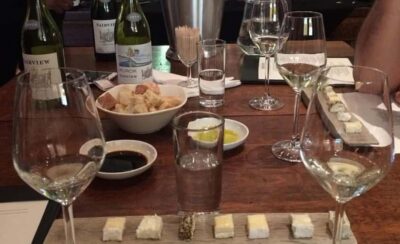
Now, about tasting: the tour information lists wine tastings as not included. Yet the experience description and typical on-tour flow point to you tasting some wines during the visits. Here’s how to think about it so you’re not surprised:
- You should expect some wine sips or tasting moments as part of the guided experience.
- If you want a full tasting flight with extra pours, that might be an additional purchase since wine tastings are listed as not included.
If you’re the type who cares about quantity, ask the guide or confirm with the provider before you go. If you’re more about education and pairing your learning with a small taste, you’re probably in the sweet spot for what’s included.
Either way, the best use of the tasting moments is to connect them to what you saw earlier. When your guide points out how Cabernet Sauvignon and Pinot Noir express themselves, you’ll have a visual memory of the vines behind it. That makes the tasting less random and more informative.
Lunch, water, and keeping the day comfortable
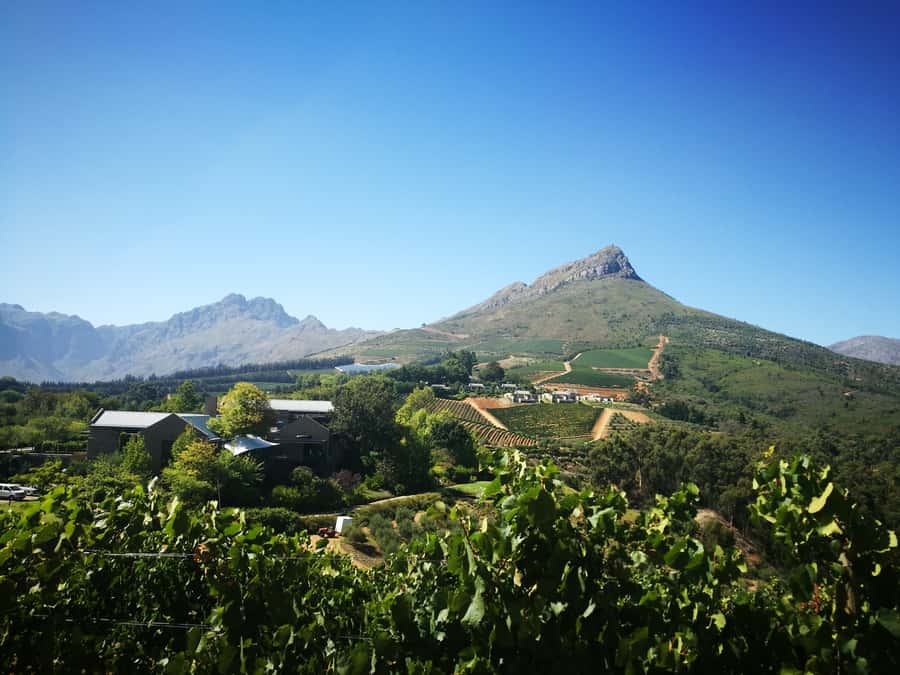
A light lunch is included, and bottled water is provided. That’s a simple comfort upgrade that makes a real difference on a walking-based tour.
The walk is described as not strenuous and more relaxing than demanding. Still, vineyards can involve sun exposure, uneven ground, and time outdoors. Bringing sunscreen and a hat is not just a nice-to-have. It protects your ability to enjoy the full five hours without feeling drained.
When lunch arrives, think of it as your reset. It’s part of why a half-day wine experience works so well. You can enjoy the social side of wine and scenery without ending the day in a food crash or getting too tired to appreciate the cellar and winery visits.
Price and value: is $96 per person worth it?
At about $96 per person for a five-hour guided experience, the value comes down to what’s included and how you want to spend your time.
Here’s what you get that supports the price:
- A registered wine guide (this is the big one)
- Vineyard orientation plus a cellar tour
- Visits to two wineries
- Bottled water and a light lunch
- Access to private vineyard properties
- A walk-based format that includes education, not just a drive-through
The main reason this can feel like good value is that you’re paying for expertise in the field. In many wine areas, people end up paying mostly for drinks and a pretty photo. Here, the program is built around cultivation knowledge and grape differentiation. If you’re excited by learning, that’s exactly where your money is going.
If, on the other hand, you mainly want a long, heavily guided tasting session with lots of pours, the structure might not match your expectations since wine tastings are listed as not included. In that case, you could still enjoy the education, but you might consider pairing it with a separate paid tasting later.
Who should book this Stellenbosch guided vineyard walk
This tour fits best if you like one or more of the following:
- You want to understand wine in a practical way, especially how grape varieties grow and differ.
- You enjoy guided walks where you can stop, listen, and look closely.
- You want a private group experience with an English-language guide.
- You’re visiting the Cape Winelands and want an authentic feel that includes private vineyard access.
It may not be your best match if you have mobility impairments, since the tour is not suitable for that need. The walking component and vineyard terrain are central to how the education works.
Weather is another deciding factor. Because it’s weather permitted, you should plan around changes in the forecast and be ready for cancellations or reroutes if conditions are poor.
Practical tips so you get the most out of the day
To make the most of this experience, focus on small choices that improve comfort and learning:
- Wear comfortable shoes with grip. Vineyard ground can be uneven.
- Bring a sun hat, sunglasses, and sunscreen. Shade may be limited during parts of the walk.
- Keep your camera ready, especially for grape clusters and vine details, and for the interpretive signage about Cabernet Sauvignon and Pinot Noir.
- Pace yourself. Even if it feels easy, treat the day like an outdoor walking session.
- During tastings or sips, pay attention to what your guide links to cultivation. That’s where the education becomes enjoyable instead of just academic.
If you want to get extra value, go in with one simple goal: learn how to tell the vine story behind at least two wines. With the way this tour is set up, that’s a very realistic outcome for your half-day.
Should you book this vineyard walk in Stellenbosch?
Book it if you want a structured, education-forward wine day with private vineyard access, a relaxed walk, and a cellar tour that connects the grapes to the finished wine. At $96 for five hours, it’s a strong option when you value guidance and learning, not just drinks.
Skip or consider alternatives if you’re mainly chasing a heavy tasting menu with lots of pours, since full wine tastings are listed as not included. Also, if mobility limitations make walking difficult, this is not a good fit.
If you’re on the fence, here’s the simplest way to decide: if you enjoy being outdoors, watching how vines grow, and asking questions about Cabernet Sauvignon and Pinot Noir, this tour is likely to click.
FAQ
How long is the Stellenbosch guided vineyard walk?
The tour runs for 5 hours.
How much does it cost?
The price is $96 per person.
Where is the meeting point?
Meet at the main parking area at the entrance of Zorgvliet Lodge & Wine Estate.
Is hotel pickup and drop-off included?
No. Hotel pickup and drop-off are not included.
Are wine tastings included?
Wine tastings are listed as not included. The experience includes tasting moments with your guide, but additional tastings may not be covered.
Is the tour private?
Yes, it’s a private group experience.
Does the tour run in bad weather?
It is weather permitted, so conditions can affect whether the tour proceeds.
What should I bring?
Bring comfortable shoes, sunglasses, sun hat, camera, and sunscreen, plus comfortable clothes.
Is the tour suitable for people with mobility impairments?
No, it is not suitable for people with mobility impairments.
Walk It: More of Stellenbosch
Stellenbosch, Cellar by Cellar
Keep going: the rest of our Stellenbosch write-ups
- Stellenbosch: Half-Day Guided Nature Hike and Wine Tasting
★ 5.0 · 3 reviews - The most fun you can have on an E-Bike. Wine tastings, corporate events.
★ 4.5 · 3 reviews - Quad Bike Fun Ride in Paarl Battle Bunker
★ 4.0 · 3 reviews - Fly Fishing in Cape Town for Five Hours
★ 4.5 · 3 reviews - 30 Minute Jet Ski Rental
★ 5.0 · 3 reviews - Jonkershoek Nature Reserve: Guided Panorama Trail Hike
★ 5.0 · 3 reviews
Stellenbosch Wine Tours, compared.
 ★ 5.0Wine Tour: Paarl, Franschhoek & Stellenbosch incl 3 wineriesFrom $433,940 reviews
 ★ 5.0Wine Tour to Stellenbosch & Franschhoek with Tastings & LunchFrom $101828 reviews
 ★ 4.7Stellenbosch: Half-Day Wine TourFrom $55601 reviews
 ★ 5.0Private Full Day Stellenbosch Wine Tour with Pick Up and Drop OffFrom $166425 reviews
 ★ 4.5Stellenbosch & Franschhoek 20 Wine Tasting + Lunch Shared TourFrom $88290 reviews
 ★ 4.5From CapeTown: Stellenbosch Half Day Wine TourFrom $53287 reviews
 ★ 4.5From Cape Town: Stellenbosch & Franschhoek Wine Tasting TourFrom $277287 reviews
 ★ 4.7Stellenbosch: Guided Historical Walking TourFrom $18283 reviews
Browse the lists this tour appears in