
REVIEW · TOWNSHIP TOURS
Cape Town: Authentic 3–4 Hour Cultural Township Experience
Township streets tell the truth fast. This 3-hour private cultural tour connects District Six, Langa, Bonteheuwel, Gugulethu, and Khayelitsha to the real story of apartheid policies, forced removals, and community life. You also get hands-on culture stops, from a shebeen with homemade beer to seeing a traditional healer at work.
I especially love the way the tour blends history with everyday details, so apartheid does not stay trapped in textbooks. Two things I like a lot are the walking time in Langa and the chance to meet local people through community-facing stops like the Philani Center.
One thing to consider: this is a serious, sometimes heavy route. You will learn about segregation, violence, and displacement, so it helps to be mentally ready for tough topics, not just sightseeing.
In This Review
- Key things I’d plan around before you go
- The route in plain English, and why the order matters
- District Six, where a neighborhood was erased
- Langa and the Old Pass Office, plus Robert Sobukwe in context
- Shebeens, homemade beer, and a healer you can actually see
- Bonteheuwel and the apartheid map of who belonged where
- Gugulethu 7 and the Amy Biehl memorial, names you should remember
- Khayelitsha and the Philani Center, where support is practical
- Private group, hotel pickup, and what you’re really paying for
- Guides make the difference, and the names I’d watch for
- What to ask your guide during the drive
- Practical tips: shoes, respect, and what you cannot bring
- Who should book this cultural township experience
- Should you book it? My take on the decision
- FAQ
- How long is the Cape Town cultural township experience?
- What’s included in the price?
- Are meals or drinks included?
- Which areas and stops does the tour cover?
- Is the tour wheelchair accessible?
- What should I bring and what is not allowed?
- What are the cancellation terms?
Key things I’d plan around before you go
- District Six context: you’ll hear how 60,000 residents were forcibly removed in the 1970s
- Langa stops that connect to pass laws: including a site tied to the pass system, plus a walk past different housing styles
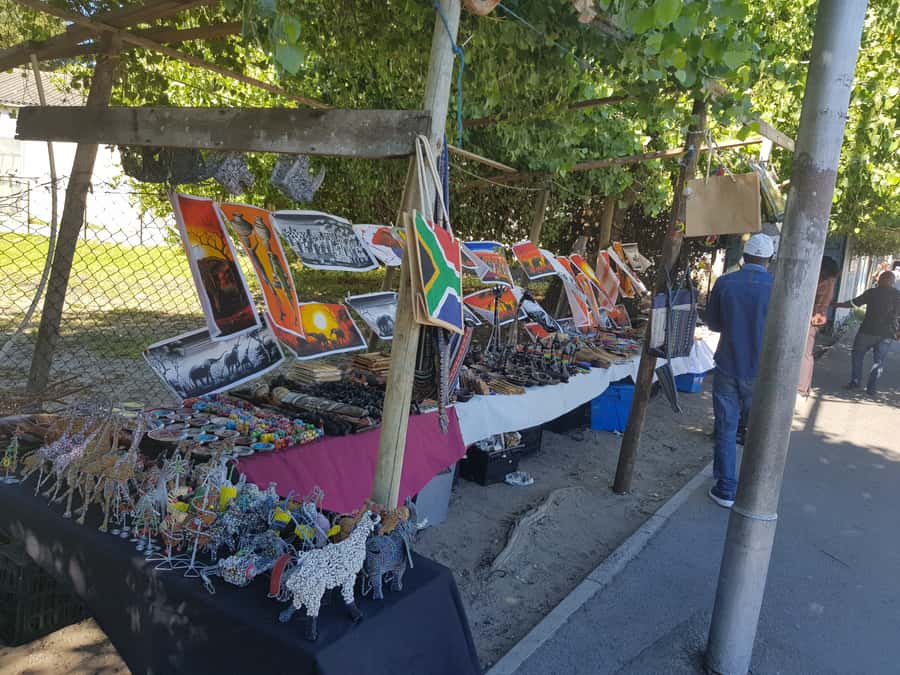
- A shebeen with homemade beer: a cultural taste where you can ask questions and keep it respectful
- Traditional healing, not museum-only: you’ll see a healer in action during the tour
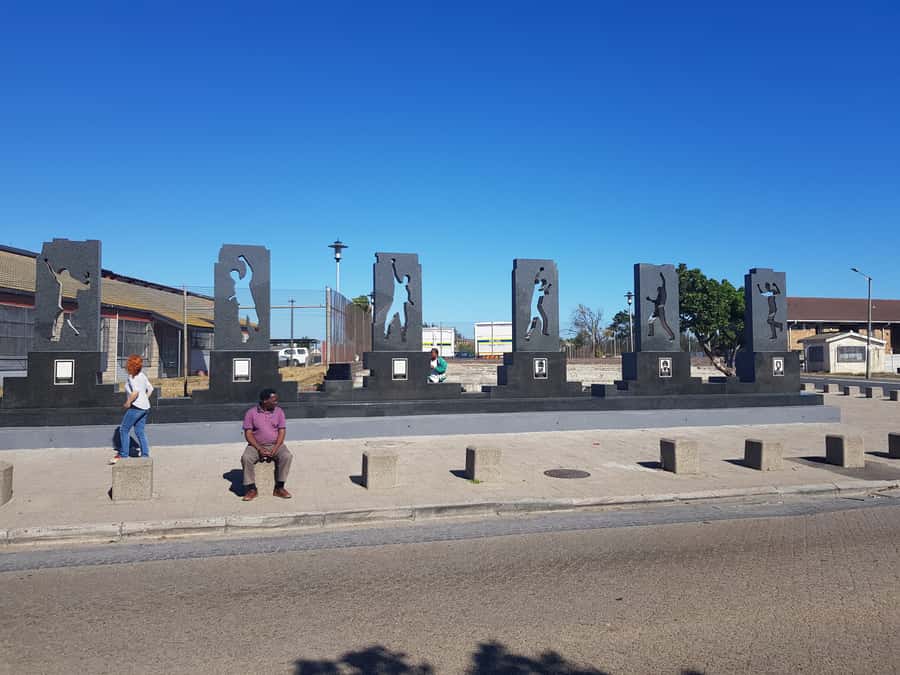
- Memorials with names and dates: Gugulethu 7 and Amy Biehl are both part of the route
- Khayelitsha and real community work: the Philani Center supports mothers and children
Other township walks led by residents of the neighbourhood
- Half-Day Tour Through Cape Town’s Townships★ 4.8 · 979 reviews
- Cape Town: Guided Township Tour with Hotel Pickup★ 4.4 · 536 reviews
- Cape Town: Nathi Langa Township Walking Tour★ 4.9 · 493 reviews
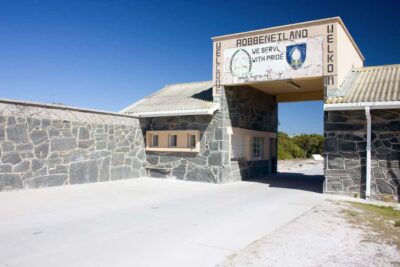
- Cape Town: Robben Island Ferry Ticket and Townships Tour★ 4.5 · 400 reviews
The route in plain English, and why the order matters
This is a tight 3-hour loop, done in an air-conditioned minivan with hotel pickup and drop-off included. You get a live English speaking guide, and it’s set up as a private group, priced for up to three people. That private format matters, because you can ask direct questions without feeling rushed, and you can pause when something lands.
The itinerary is not random. It moves from areas shaped by forced removals and state control toward places remembered through memorials and, finally, toward present-day support in Khayelitsha. That sequencing helps you see apartheid as a system, not a single event.
The tour also includes walking. You’ll want comfortable shoes, because you are going to get out of the vehicle to see housing and sites on foot.
District Six, where a neighborhood was erased
District Six is the kind of place that makes you lower your voice without anyone telling you to. You’ll visit the area and hear how the apartheid regime forcibly removed around 60,000 inhabitants during the 1970s. The point is not to shock you for shock’s sake. It’s to show how policy can turn into real loss, real disruption, and real long-term scars on a community.
What I find useful here is the way District Six sets the tone. After that stop, the rest of the day stops feeling like separate “topics.” You start connecting the dots: segregation, classification, and control of where people could live and move.
If you want to get more from this part, I’d go in with one question ready: how do you explain what was lost when people are uprooted by law? A good guide will translate the history into human terms.
Langa and the Old Pass Office, plus Robert Sobukwe in context
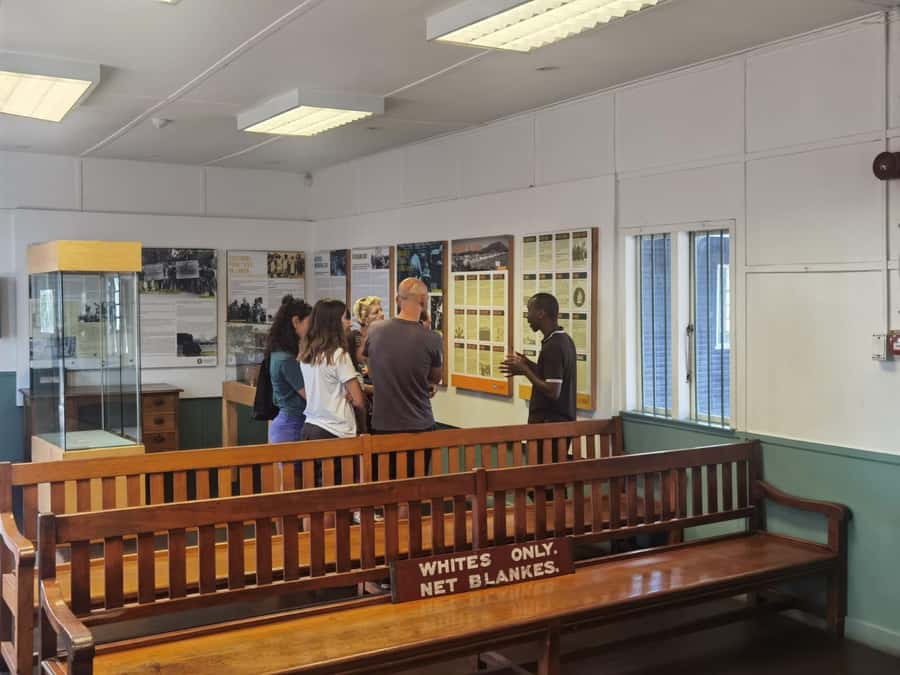
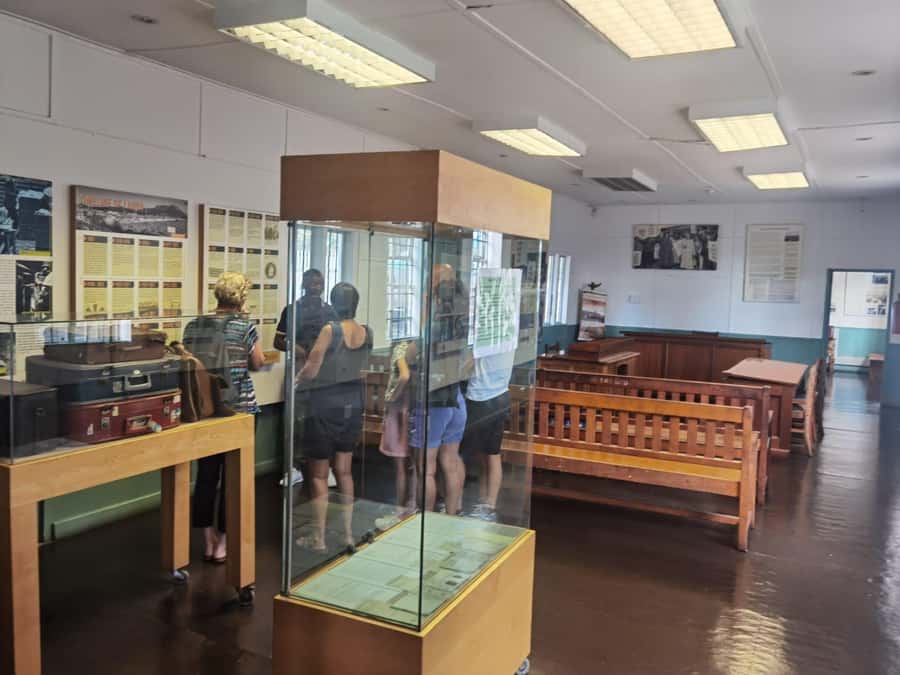
Langa is where the tour turns from removal to the machinery behind it. You drive to key sites including the Old Pass Office and the monument to Robert Sobukwe. Those stops matter because they point to how the apartheid state managed people through documents, restrictions, and rules that followed you.
In one detailed account, the Langa portion included a small museum that described townships and the Dumb Card, a document Black residents were required to carry. Even if you do not learn that exact detail on your day, the broader idea is consistent: pass laws were meant to control movement and reinforce inequality.
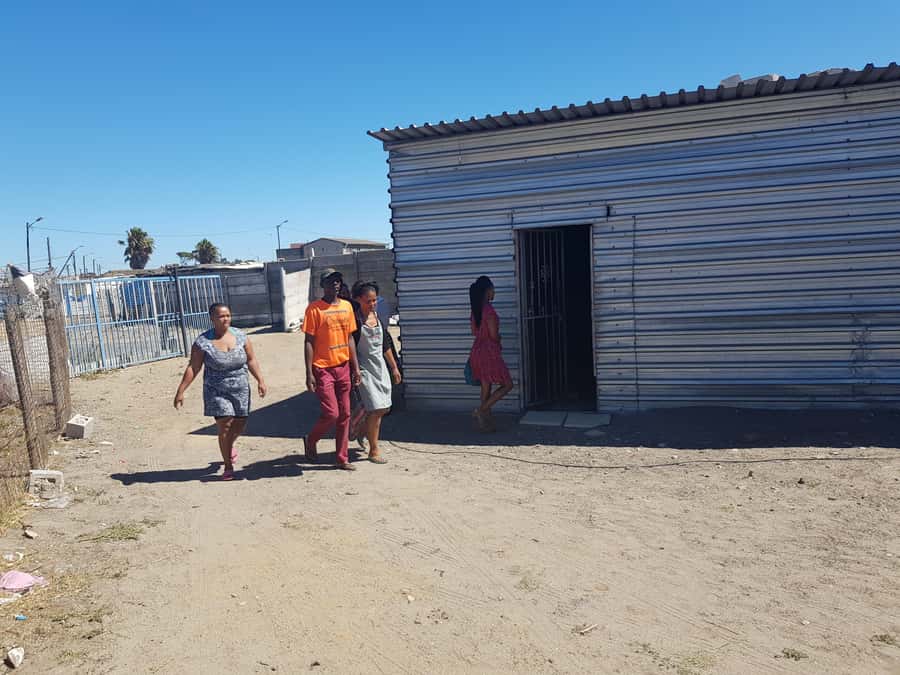
After the vehicle stops, you’ll do a walking tour focused on hostels and shacks. That walk is where you see the difference between official plans and what people built and lived with. You are not meant to treat it like a photo safari. It’s a chance to understand how housing conditions connect to law, economics, and daily survival.
Shebeens, homemade beer, and a healer you can actually see
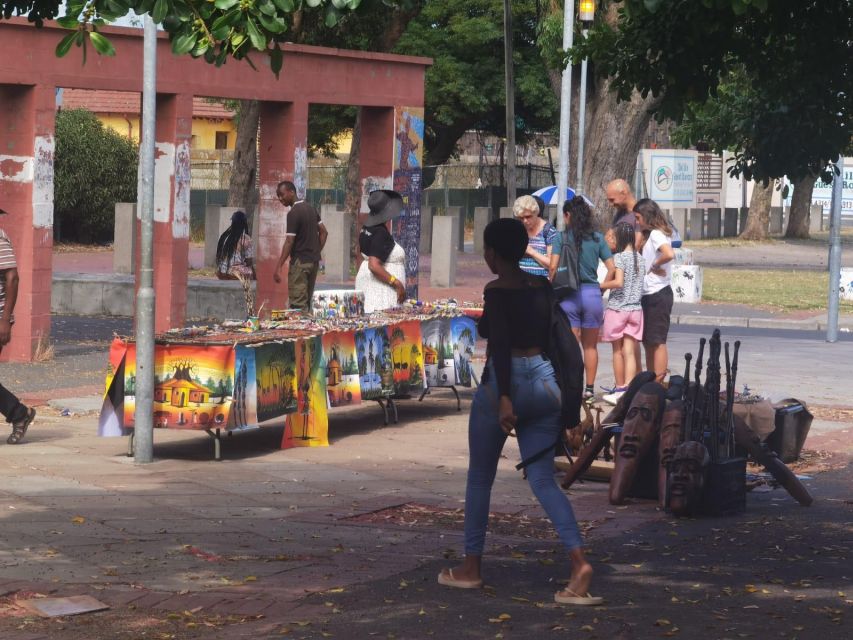
This tour does not keep culture locked behind a fence. One of the most memorable stops is the shebeen, a local pub, where you can try homemade beer. The value here is simple: you experience a social space created by communities for communities. And yes, you can ask questions about ingredients, brewing traditions, and what makes the place tick.
Then comes a very different kind of cultural stop, the visit to a traditional African healer. You’ll see the healer in action. For me, the takeaway is that healing and health knowledge were never just “beliefs” from the outside. They are practical systems shaped by local life and passed through experience.
Keep your expectations grounded. This is not a theatrical performance. It’s a real part of community life, so show up calm, respectful, and ready to listen.


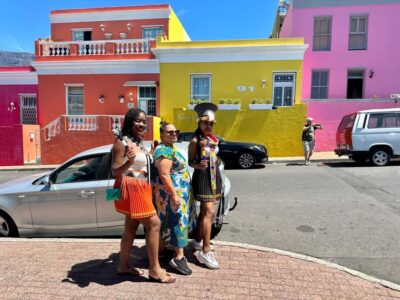
Bonteheuwel and the apartheid map of who belonged where
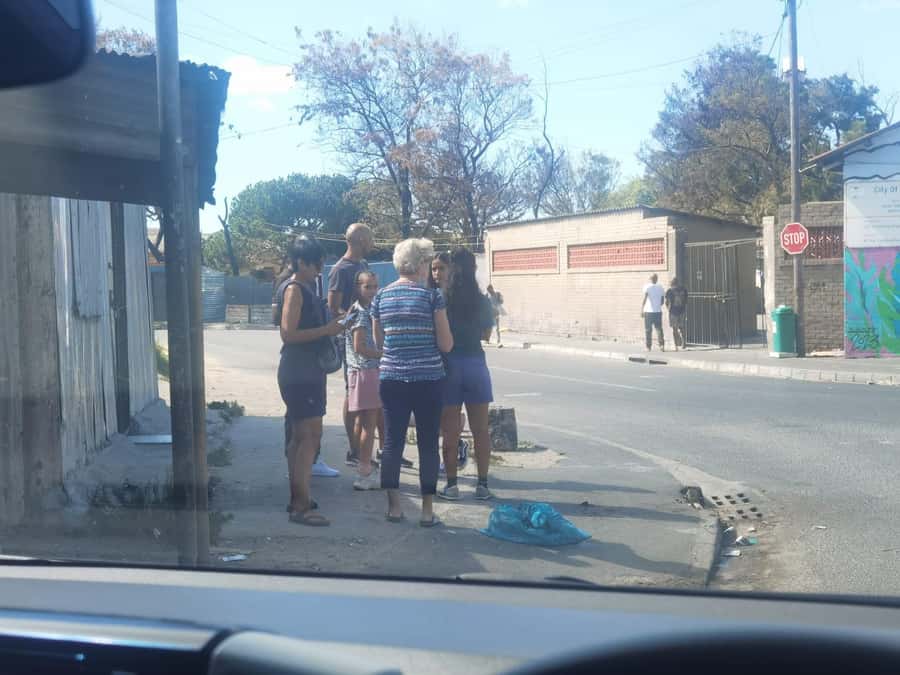
Next you drive through Bonteheuwel, a township that was reserved for the “colored” community under apartheid. Hearing that label in a historical context hits harder once you understand how the state organized society by race categories. People were not only separated. They were sorted, assigned, and constrained.
As you hear about the division of people and its impact, try to think beyond the past tense. Segregation has consequences that echo forward into access, education, safety, and opportunity. Even if the physical locations have changed over time, the patterns behind them can still be visible.
This is a good moment to ask how these labels were enforced. A strong guide will connect policy language to what it meant on the ground.
Gugulethu 7 and the Amy Biehl memorial, names you should remember
The memorial stops are where the tour turns from apartheid as administration to apartheid as violence. You’ll see the Gugulethu 7 Memorial, dedicated to anti-apartheid group members killed by the South African Police in 1986. Then you’ll also visit a memorial to Amy Biehl, an American student murdered by PAC supporters in 1993.
These are not “background” stops. They are the kind of places where the details matter. Seeing dates and names in one route helps you understand that the conflict had many fronts, local and international, and that activism often came with a real price.
If you’re prone to rushing through memorials, slow down here. Give yourself time to absorb. You can also ask your guide what the memorials are designed to teach and how locals talk about them today.
Khayelitsha and the Philani Center, where support is practical
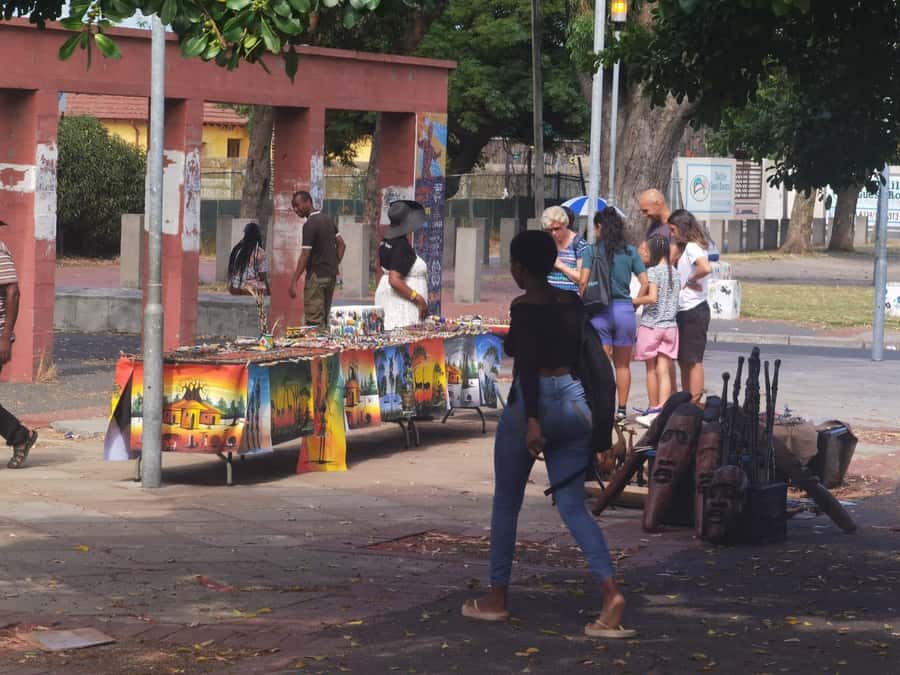
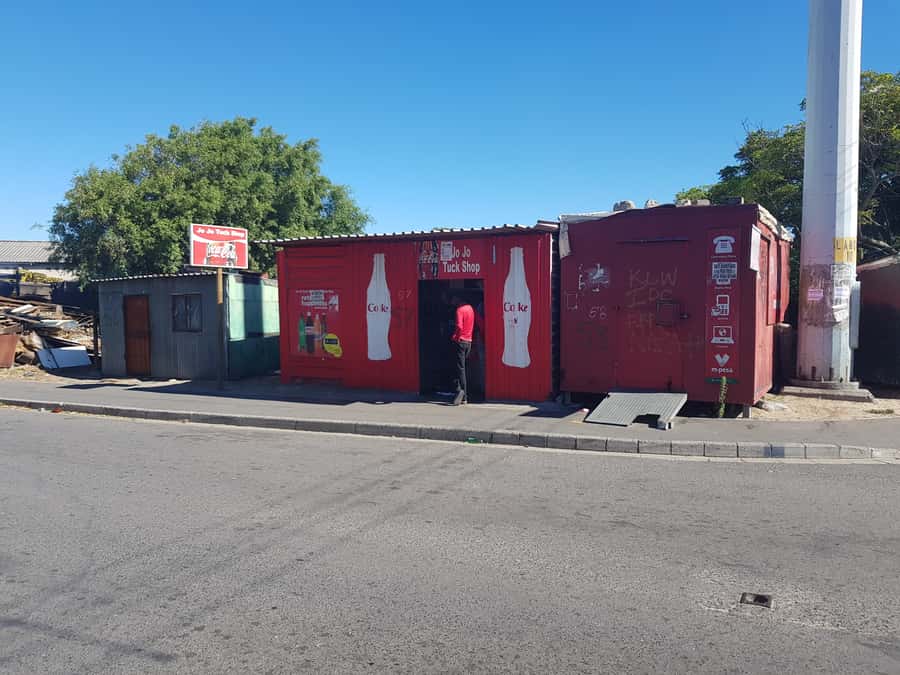
The tour ends in Khayelitsha, a township known for both hardship and energy. You’ll hear about the work the Philani Center does for local mothers and children.
This ending matters because it shifts the emotional tone. You are not leaving with only grief. You’re leaving with a sense of how people respond to need through institutions, programs, and ongoing care.
I like how this balances the route. You learn about apartheid’s systems and violence, then you see how community support continues. Even if you only spend a short time in the area as part of the tour, that final stop helps you avoid the trap of seeing only damage.
Private group, hotel pickup, and what you’re really paying for
At $261 per group up to 3, this tour is not a budget activity. The real value is that it’s private, timed tightly, and guided in a way that should reduce stress. You get:
- Hotel pickup and drop-off
- Transport in an air-conditioned minivan
- A live English speaking tour guide
- A township tour that includes multiple major sites and culture stops
Food and drinks are not included unless specified, so you should plan on covering snacks or refreshments separately if you need them. That also means the price is more about access and interpretation than about meals and extra entertainment.
If you are traveling solo, the price may feel steep compared to shared tours. If you’re in a pair, or a trio of friends, it can start to feel fair because you’re splitting a private guided experience and not competing with a bigger group for attention.
Guides make the difference, and the names I’d watch for
In the reviews, Sam shows up as a strong presence behind the scenes through Sam’s Cultural Tours. One account specifically credited Sam as an owner and guide. Another guide named Loyola handled pickup and the Langa portion, and he got praised for clear explanations and for being charming, with answers to any question.
There’s also mention of a local Langa guide who contributed knowledge and conversation. That combo is what you want: a guide who can handle history and geography, plus a local voice who can explain how people live, what matters, and what to notice.
Pacing matters too. One reviewer noted the guides answered questions patiently and even used humor. That’s a good sign. You want the atmosphere to stay human, not like a lecture hall.
What to ask your guide during the drive
This is a short tour, so you’ll get the best experience by planning a couple questions in advance. Here are three that fit the stops:
- How do you connect the forced removals in District Six to later restrictions in other townships?
- How did pass laws and documents affect everyday movement, work, and family life?
- What does the Philani Center focus on day to day, and how does it support mothers and children?
Also, ask what’s appropriate to photograph, and what is sensitive. The tour includes memorials and community areas, so you’ll want to follow your guide’s lead.
Practical tips: shoes, respect, and what you cannot bring
This tour is simple to prepare for. Bring comfortable shoes, because you will do walking during the Langa portion. Beyond that, follow the basic rules:
- No pets
- No oversize luggage
- No smoking
You’ll also be dealing with community spaces and sensitive historical locations. I’d treat the day like a site visit, not a casual stroll. Listen first, ask second, and keep your tone respectful.
The tour is listed as wheelchair accessible, which is a big plus. Still, because parts of the itinerary include walking, confirm with the operator about how they handle mobility needs on your specific day.
Who should book this cultural township experience
This tour is for you if you want:
- A compact, 3-hour structure with multiple key stops
- Real context on apartheid policies, including forced removals and segregation
- Cultural experiences like a shebeen visit and a traditional healer encounter
- A guided route that ends with modern community support in Khayelitsha
It may not be for you if you want a light, carefree outing. This is education with emotional weight. But if you are ready to learn in a direct way, it’s one of the more focused cultural choices in Cape Town.
Should you book it? My take on the decision
Book it if you like guided learning that is not abstract. The mix of District Six, Langa’s pass-law context, Bonteheuwel’s segregation history, and memorials like Gugulethu 7 and Amy Biehl makes the apartheid story coherent. Then the shebeen, the healer visit, and the Philani Center ending add a human layer.
Skip it or consider another option if you cannot handle uncomfortable history or if walking is difficult for you. Also, remember food is not included, so plan accordingly.
If you do book, I’d pick this private format for the simple reason that it gives you room to ask real questions and get answers in English, without crowd noise.
FAQ
How long is the Cape Town cultural township experience?
It lasts 3 hours.
What’s included in the price?
The included items are hotel pickup and drop-off, transportation by air-conditioned minivan, and a township tour with a live English speaking guide.
Are meals or drinks included?
Food and drinks are not included unless specified during the tour. Tips are also not included.
Which areas and stops does the tour cover?
You visit District Six, then drive to Langa with stops such as the Old Pass Office and the monument to Robert Sobukwe. You also visit areas including Bonteheuwel, Gugulethu, and Khayelitsha, with memorials such as the Gugulethu 7 Memorial and the Amy Biehl memorial. The tour also includes a shebeen (pub) with homemade beer and a visit to a traditional healer.
Is the tour wheelchair accessible?
Yes, it is listed as wheelchair accessible.
What should I bring and what is not allowed?
Bring comfortable shoes. Pets are not allowed, oversize luggage is not allowed, and smoking is not allowed.
What are the cancellation terms?
There is free cancellation, and you can cancel up to 24 hours in advance for a full refund. You can also reserve and pay later, keeping your travel plans flexible.
Township Tours Led by the People Who Live There
Keep going: the rest of our Cape Town write-ups
- Cape Town to Cape Point Helicopter Flight – 48Min
★ 4.2 · 3 reviews - Full Day Private Hiking Table Mountain & City
★ 5.0 · 3 reviews - Sandboarding with jeep – drive uphill
★ 5.0 · 3 reviews - Full Day Tour for Cape of Good Hope & Boat to Seals Island
★ 5.0 · 3 reviews - 10 Day South Africa Tour Joburg to Cape Town
★ 5.0 · 3 reviews - 5 Day Garden Route Small Group Tour Fr CapeTown – Departs Mondays
★ 5.0 · 3 reviews
Township Tours, compared.
 ★ 4.8Half-Day Tour Through Cape Town’s TownshipsFrom $58979 reviews
 ★ 4.4Cape Town: Guided Township Tour with Hotel PickupFrom $54536 reviews
 ★ 4.9Cape Town: Nathi Langa Township Walking TourFrom $31493 reviews
 ★ 4.5Cape Town: Robben Island Ferry Ticket and Townships TourFrom $89400 reviews
 ★ 4.8Cape Town: Langa Township Walking TourFrom $37272 reviews
 ★ 4.6Cape Town: Half-Day Guided Township TourFrom $75237 reviews
 ★ 5.0Cape Town Township Private TourFrom $100158 reviews
 ★ 4.5Cape Town Townships and Langa Gospel TourFrom $58137 reviews
Browse the lists this tour appears in