
REVIEW · APARTHEID HISTORY TOURS
Township – Langa – Apartheid Museum Plus Arts and Culture Tour
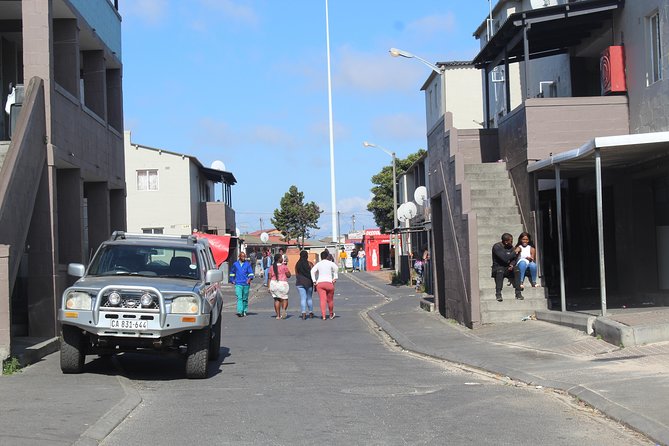
Townships tell the real Cape Town story. This half-day Langa visit blends art and culture with short drum lessons at Gugu S’thebe, so you get meaning, not just photos. You’ll also see how everyday life is shaped by the past, right up close.
I like how the tour keeps moving at a human pace, with a small group and hotel pickup included. The main thing to consider is that the apartheid content can feel heavy, and there’s no lunch, so come ready for a short day and a lot of feelings.
In This Review
- Key things I’d circle before you go
- Langa in a half-day: what makes the timing work
- Price and logistics: what you’re paying for
- Getting started at the Silo Hotel pickup
- Stop 1 at Gugu S’thebe: District 6 context, drums, and community arts
- Stop 2 at the Apartheid Hostel: how policy became everyday life
- Walking through the Art and Craft Market: buy local with confidence
- The Langa Taxi Rank: understanding movement in the township
- What to actually expect from the group experience
- Who this tour suits best
- Is the $86.58 value fair?
- Should you book the Township – Langa – Apartheid Museum Plus Arts and Culture Tour?
- FAQ
- How long is the Langa township tour?
- Where does the tour start, and when?
- Is pickup included?
- What does the tour include at Gugu S’thebe?
- Do I get time to shop for crafts?
- Is lunch included?
- How big is the group?
- What happens if the weather is bad?
- Is the ticket mobile-friendly?
Key things I’d circle before you go

- Gugu S’thebe Cultural Centre (District 6 connection) plus a quick djembe lesson
- Apartheid Hostel stop focused on forced removals and how rules shaped daily life
- Art and Craft Market walk with real chances to buy locally made handicrafts
- Langa Taxi Rank stop to understand how transport works in the township
- Max 13 people, plus round-trip transfers in an air-conditioned vehicle
Other township walks led by residents of the neighbourhood
- Half-Day Tour Through Cape Town’s Townships★ 4.8 · 979 reviews
- Cape Town: Guided Township Tour with Hotel Pickup★ 4.4 · 536 reviews
- Cape Town: Nathi Langa Township Walking Tour★ 4.9 · 493 reviews
- Cape Town: Robben Island Ferry Ticket and Townships Tour★ 4.5 · 400 reviews
Langa in a half-day: what makes the timing work

This tour is about four hours total, so it’s built for travelers who want depth without losing an entire day. The best part of a short format is focus. You hit a few high-impact places, then you’re back at the Waterfront area while the rest of your Cape Town day is still intact.
You do need to set expectations. This is not a slow museum marathon. It’s a guided circuit designed to connect key themes quickly: forced removals, community arts, local creativity, and how people move around the township.
If you like your sightseeing with context and a little interaction, this time window makes sense. If you want long, quiet reflection or extensive Q and A, you might feel slightly rushed, especially during the market stop.
Price and logistics: what you’re paying for
At $86.58 per person, you’re paying for more than transport. You’re getting round-trip transfers in an air-conditioned vehicle, bottled water, entry to the Gugu S’thebe Arts and Craft and Community Centre, and a guided activity that includes learning to play the African drum (djembe).
That bundle matters because it reduces decision fatigue. You’re not trying to guess where to buy tickets, where to start, or how long each stop should take. The schedule is already built for a half-day flow.
The tour starts at 8:30 am at the Silo Hotel (Silo Square, Victoria and Alfred Waterfront). Because it ends back at the meeting point, you don’t have to plan your return. That convenience is real value in Cape Town, where timing can be tricky once you’re out of the central areas.
Getting started at the Silo Hotel pickup
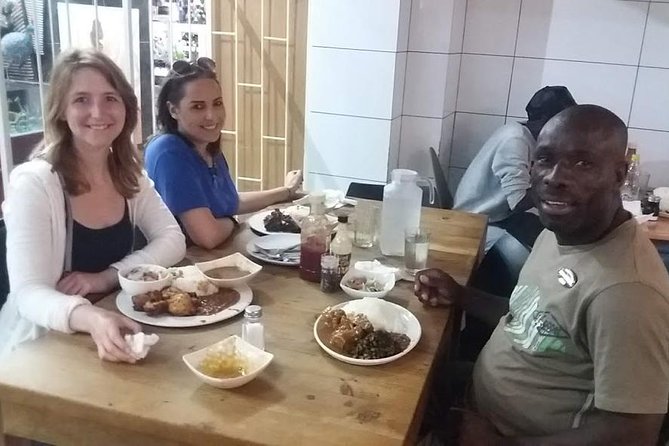
The meeting point is the Silo Hotel at Silo Square, in the Victoria and Alfred Waterfront area. That’s a practical choice because you can often walk in from nearby hotels, and it’s an easy place to locate.
Pickup is included, and the group max is 13 travelers, which I love for this kind of visit. Smaller groups usually mean you can hear the guide better and ask follow-up questions without feeling squeezed by a big crowd. It’s also easier to manage the movement in a busy township environment.
You’ll ride in an air-conditioned vehicle and get bottled water. Those details sound small, but in warm conditions they make the day feel calmer, especially if you’re someone who gets tired when you’re walking on uneven surfaces.
Stop 1 at Gugu S’thebe: District 6 context, drums, and community arts

This is where the tour often earns its reputation for being eye opening. You begin at Guga S’thebe, described as a District 6 Museum experience, with information about forced removals in 1968. The point isn’t just dates and labels. It’s how those removals changed people’s lives, and how enforced racial groupings determined where the poorest could live.
After the background, you move from learning to seeing and doing. At Guga’s Thebe Art and Cultural Centre, the focus shifts to local community life, including performing arts and discussion around local community issues.
Then comes the most fun part: a 10-minute African drum lesson. It’s short, but that’s exactly why it works in a half-day tour. You get enough instruction to feel involved, not just watch. Even if you’ve never played before, you’ll likely walk away with a sense of rhythm and a better understanding of why music matters in community spaces.
Inside, you may also see pottery work happening, including an artist teaching local kids pottery. If you’re the kind of traveler who likes to support artisans directly, this is a good moment to buy. The tour specifically mentions the chance to purchase items like an African Big Five pottery cup, along with other locally made pieces.
The main drawback here: the educational part can be emotionally intense. If you’re easily overwhelmed by topics like forced removals, go into this stop with extra patience for yourself. Also, because the drum lesson is only about ten minutes, don’t expect a full music class. Think of it as an introduction and a memorable interaction.
More sites and museums that record the apartheid years


Stop 2 at the Apartheid Hostel: how policy became everyday life
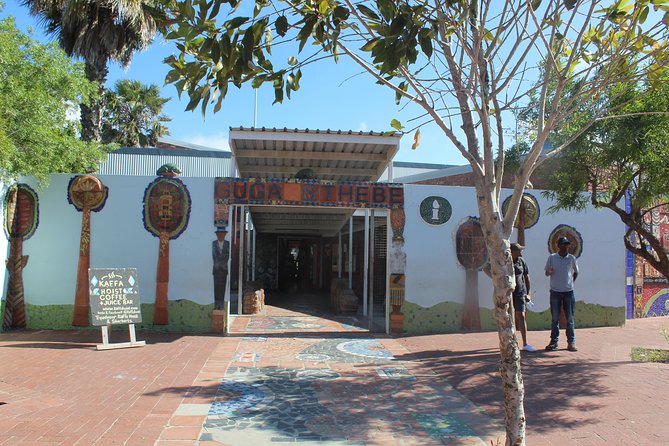
Next you head to the Apartheid Hostel area, where the tour explains the impact of apartheid. Based on the way this stop is framed, it’s not just about apartheid as an idea or a political label. It’s about how systems shaped housing, movement, and how people were treated.
This stop is valuable because hostels and housing were not neutral. They were part of how apartheid controlled where people could live and what options they had. When a tour makes housing and treatment a central theme, you get a sharper picture of what apartheid did beyond the headlines.
You’ll likely connect this part of the day to what you hear at the earlier museum-like context around District 6. Together, they show a pattern: people were removed, rules were enforced, and daily life was reorganized around racial segregation.
Consideration for your comfort: this kind of storytelling can land hard. I’d plan for it. Bring a notebook if that helps you process. If you prefer lighter pacing, you may find the emotional weight of the Hostel stop tougher than the drum-and-market parts.
Walking through the Art and Craft Market: buy local with confidence

After the museum and hostel context, the tour shifts gears to creativity. You’ll walk through the Art and Craft Market with time to purchase locally made handicrafts.
This is where the day becomes more “you can take it home.” If you like souvenirs that feel connected to people, not mass-produced, this is one of the better chances in a half-day itinerary. The tour’s focus at Gugu S’thebe already points you toward handcrafted items like pottery, so you’ll see similar craft energy again at the market.
When you shop here, I suggest going slow and asking yourself two questions. First, does this item look handmade in a way you can appreciate up close? Second, would you still want it if you weren’t buying it as a “meaning” purchase?
Also, don’t be shy about browsing. You have time built in for the market walk, and you’ll likely find pieces that match different budgets. If pottery is your thing, the earlier mention of buying a pottery cup makes it clear that ceramics are part of what’s offered during the cultural stops.
A practical note: there’s no lunch included. If the market walk makes you hungry, water is on you and bottled water is included from the tour. Still, consider bringing a snack with you before you go, just so you don’t feel drained mid-day.
The Langa Taxi Rank: understanding movement in the township
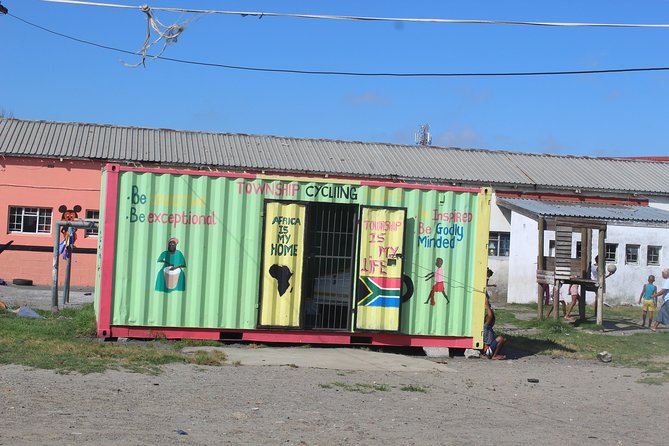
The final stop is the Langa Taxi Rank. This is where you learn how transportation works in the township. It’s a different kind of “cultural” experience, because transport systems reveal daily life in a very direct way.
Why this matters: transportation is one of the first practical realities people deal with. When you understand the taxi rank as a system, you get a window into how people commute, how errands get done, and how communities connect.
This stop also balances the day. After heavier history and a craft-focused market, seeing the taxi rank adds a grounded, present-day snapshot. It reminds you that even when a tour covers apartheid’s impact, people are still living, working, and moving forward.
What to watch for: listen closely to the guide’s explanation. Don’t treat this like a quick photo stop. The goal is to understand the function, not just capture an image.
What to actually expect from the group experience
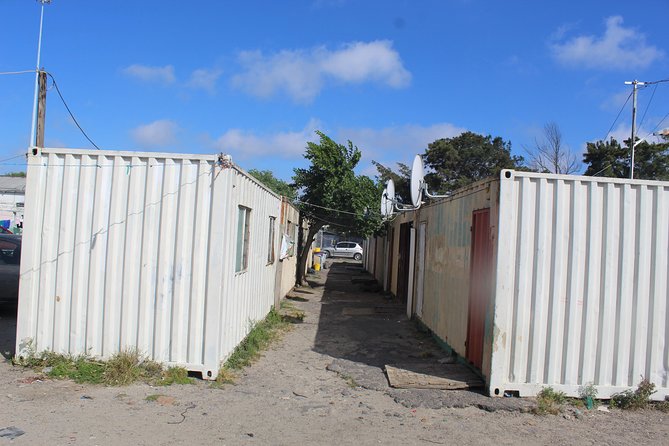
Small group size is maximum 13 travelers, and that changes the feel of the whole tour. You’re less likely to lose context when you stop and start. It’s also easier for the guide to manage questions, especially when one stop has emotional material and another has hands-on learning like drum play.
The tour includes entry to the Gugu S’thebe Arts and Craft Centre plus community elements. That means you’re not only passing by. You’re going into the spaces where community members show skills and share culture.
Also, bottled water and an air-conditioned vehicle reduce friction. This is a tour built for comfort as much as content, which is a big deal when you’re spending four hours in an active environment.
Finally, the tour runs in good weather. If conditions are poor, the experience may be canceled and you’ll get offered a different date or a full refund. That’s worth taking seriously because outdoor walking and market time depend on it.
Who this tour suits best
This is a strong fit for travelers who want a meaningful cultural visit, not a checklist. If you’re the kind of person who wants to understand apartheid’s impact in practical terms, and you also appreciate art, music, and local craft, this matches your interests.
It’s also a good choice for people who prefer small groups. A max of 13 travelers keeps it manageable, especially for listening and questions.
If you’re traveling with kids, the pottery teaching and the drum lesson may be a highlight. The day is designed so you can participate, not just observe.
On the other hand, if you’re sensitive to heavy history and you need a lighter day, the Apartheid Hostel and the forced removals content may be challenging. If that’s you, balance it by planning something more relaxed after you return to the Waterfront.
Also remember: lunch is not included. If you tend to get hungry quickly, plan a snack before pickup or eat soon after you return.
Is the $86.58 value fair?
In plain terms, this price is about half-day immersion with included entry and a hands-on cultural activity. You’re paying for:
- round-trip transfers in an air-conditioned vehicle
- bottled water
- entry to Gugu S’thebe’s centre
- a short djembe lesson
- time in places like the Apartheid Hostel area, art market, and taxi rank
For many tours, you pay extra for entry tickets and guided activities. Here, the key inclusion is that the Gugu S’thebe cultural experience is part of the package, and the drum learning is specifically listed as included.
You’re also paying for the “guide explained it to me” element. That’s hard to quantify, but it’s usually what turns a drive-by into understanding. The tour’s very strong reputation, including a rating of 4.9 and 100% recommended, suggests the balance of education plus cultural interaction lands well.
The main value limitation is time. At four hours, you won’t get everything. If you want deeper study, you’ll need another type of tour or a longer visit. But for a half-day, the inclusions make the price feel reasonable rather than inflated.
Should you book the Township – Langa – Apartheid Museum Plus Arts and Culture Tour?
I’d book it if you want a focused, small-group half-day that connects apartheid’s real-world impact to today’s community arts and daily life. The combination of a District 6 themed museum-style start, a djembe lesson at Gugu S’thebe, a craft market with buying time, and a taxi rank stop gives you a rounded view without dragging on for a full day.
Skip it or choose another option if:
- you know you struggle with heavy history topics and want a lighter itinerary
- you need a full day with lunch built in and more time at each stop
- you dislike walking and you want only minimal movement
If you’re deciding, this is the kind of tour that tends to stay with you. The strongest praise linked to this experience centers on how informative and eye opening it feels, and how it can make you think about segregation and housing realities long after the tour ends.
FAQ
How long is the Langa township tour?
It runs for about 4 hours.
Where does the tour start, and when?
It starts at the Silo Hotel at Silo Square, Victoria and Alfred Waterfront. The start time is 8:30 am.
Is pickup included?
Yes. Round-trip transfers in an air-conditioned vehicle are included.
What does the tour include at Gugu S’thebe?
You get entry to Gugu S’thebe Arts and Craft and Community Centre, plus an opportunity to learn to play the African drum (djembe).
Do I get time to shop for crafts?
Yes. There is a walk through the Art and Craft Market with the opportunity to purchase locally made handicrafts.
Is lunch included?
No, lunch is not included.
How big is the group?
The tour has a maximum of 13 travelers.
What happens if the weather is bad?
The experience requires good weather. If it is canceled due to poor weather, you will be offered a different date or a full refund.
Is the ticket mobile-friendly?
Yes. The tour offers a mobile ticket.
Under Glass and Behind Ropes in Cape Town
Apartheid History: Other Sites We Have Documented
- Robben Island Nelson Mandela’s Prison Museum and Table Mountain Plus All Tickets
- Robben Island, Bokaap, Mandela Glasses. tickets conf 8am next day
- Robben Island Nelson Mandela’s Prison Museum + Township Tour incl Ferry Tickets
- Nelson Mandela’s Robben Island Prison Museum Cape Town City Tour + Ferry Tickets
- Skip the Line: District Six Museum Admission Ticket
Township Tours Led by the People Who Live There
Keep going: the rest of our Cape Town write-ups
- Cape Town to Cape Point Helicopter Flight – 48Min
★ 4.2 · 3 reviews - Full Day Private Hiking Table Mountain & City
★ 5.0 · 3 reviews - Sandboarding with jeep – drive uphill
★ 5.0 · 3 reviews - Full Day Tour for Cape of Good Hope & Boat to Seals Island
★ 5.0 · 3 reviews - 10 Day South Africa Tour Joburg to Cape Town
★ 5.0 · 3 reviews - 5 Day Garden Route Small Group Tour Fr CapeTown – Departs Mondays
★ 5.0 · 3 reviews
Apartheid History Tours, compared.
 ★ 4.8Jo’berg in 1 Day: Soweto, Apartheid Museum & City TourFrom $142524 reviews
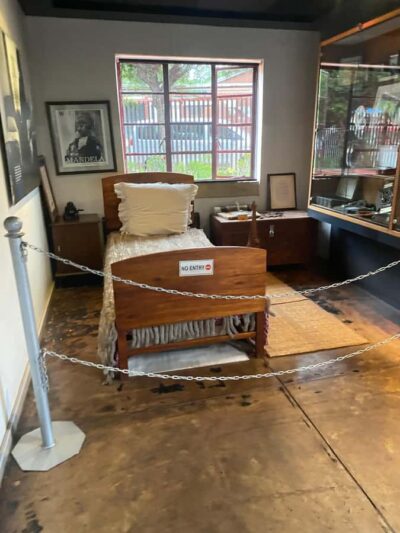 ★ 4.8Johannesburg: Full-Day Tour with Soweto and Apartheid MuseumFrom $104478 reviews
 ★ 5.0Full-Day Soweto, Apartheid Museum and Lunch TourFrom $108410 reviews
 ★ 5.0Half Guided Day Tour of Soweto And Apartheid MuseumFrom $69356 reviews
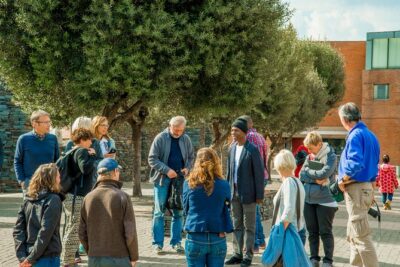 ★ 5.0Ultimate Johannesburg Soweto Experience with Apartheid MuseumFrom $108313 reviews
 ★ 4.5Soweto: Hop-On Hop-Off Bus, City Tour and Apartheid MuseumFrom $50250 reviews
 ★ 4.9Johannesburg and Soweto Apartheid Full Day Tour w/LunchFrom $93219 reviews
 ★ 4.9Johannesburg: Soweto & Apartheid Museum Half-Day TourFrom $8499 reviews
Browse the lists this tour appears in