
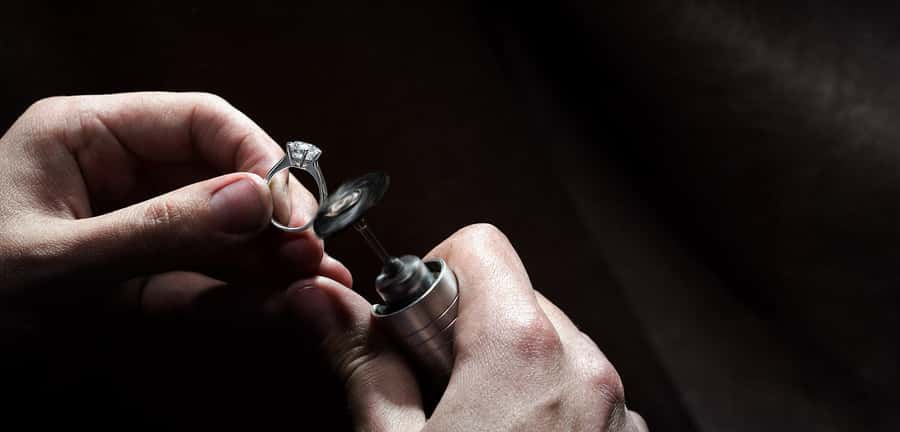
REVIEW · MUSEUMS
Cape Town: Private Guided Tour of Cape Town Diamond Museum
Diamonds get way more interesting with a guide. This private Cape Town Diamond Museum visit at the V&A Waterfront turns you from observer into participant, with free drinks and a chance to design your own diamond. I also like how the tour time is structured around a focused 45-minute guided walkthrough, so you do not wander in circles.
One thing to weigh: it is a museum inside a real diamond showroom, and you will be given shopping time plus a chance to buy. If you want a totally no-pressure museum-only experience, go in knowing purchases are part of the deal, and bring cash if you plan to consider a diamond.
In This Review
- Key highlights worth your time
- Where the tour starts, and why the V&A Waterfront location helps
- The 45-minute guided tour: what you should expect to learn
- Drinks, pacing, and why the tour feels friendly (not stiff)
- Inside the cutting factory and workshop, and why 3,000 pieces matters
- Shimansky selection and ethical sourcing: how to interpret it on the ground
- Designing your own diamond: fun, creative, and worth planning for
- Shopping time at the end: how to stay in control
- Price and value: is $24 per person actually a deal?
- Who should book this tour (and who might skip)
- Practical tips so your visit goes smoothly
- Final verdict: should you book the Cape Town Diamond Museum private tour?
- FAQ
- How long is the Cape Town Diamond Museum private guided tour?
- Where do I meet the guide?
- What is included in the tour price?
- Is food included?
- Can I design my own diamond during the tour?
- What drinks are provided?
- What language will the live guide speak?
- What should I bring, and what is not allowed?
Key highlights worth your time
- A private guide for 45 minutes, with room for questions (English or Afrikaans)
- Free drinks at the start and throughout, including South African wine
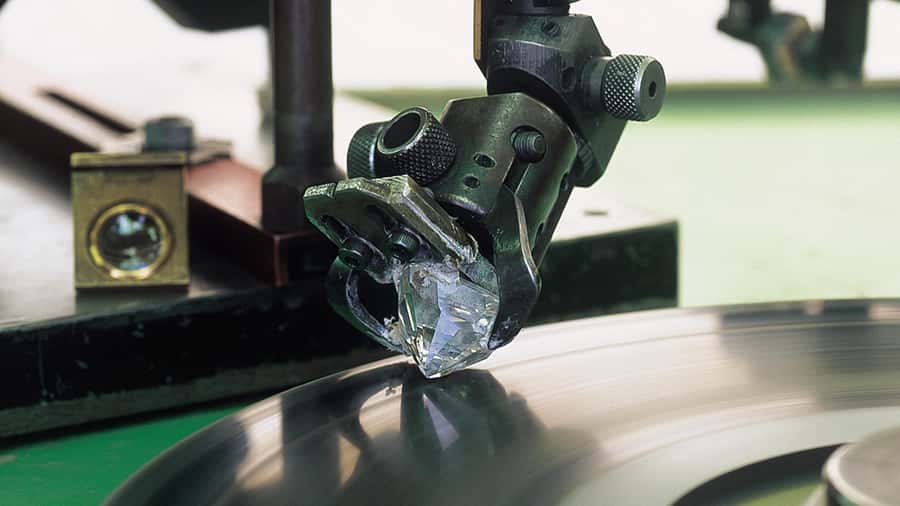
- See 3,000-plus pieces in the diamond cutting factory and jewelry workshop
- Learn the 3-billion-year diamond story and how diamonds move from rough to polished
- Design-your-own diamond on site, with a GIA certificate involved
- Museum plus workshop atmosphere, not just glass cases and labels
Other cabinets and collections worth an afternoon
- Museum of Contemporary African Art: Fast-Track Zeitz MOCAA★ 4.4 · 204 reviews
- Township Tour District 6 Museum Robben Island drop off at hotel★ 5.0 · 32 reviews
- Cape Town: Heart of Cape Town Medical Museum Entrance Ticket★ 4.7 · 31 reviews
- Cape Town: Robben Island Boat Trip & Museum Tour Ticket★ 3.9 · 28 reviews
Where the tour starts, and why the V&A Waterfront location helps
This experience is based at the Cape Town Diamond Museum in the V&A Waterfront area, with your tour day starting at Gavin Collins Gallery reception. That matters, because the Waterfront is easy to orient around and it keeps the day from turning into a logistics puzzle.
Plan on a smooth flow from meeting to museum, then back to the gallery at the end. It is a private group setup, so you are not squeezed into a crowd or forced to follow a rigid herd pace. The tour is also described as “skip the ticket line,” which is helpful when you want to spend time looking, not queueing.
If you are the kind of traveler who likes to connect places to context, you will appreciate the museum’s approach. It is not just about diamonds as objects. It is about where they come from, how they are selected, and what craftsmanship looks like when it is happening nearby.
The 45-minute guided tour: what you should expect to learn
The guided portion is built to be short, clear, and interactive: 45 minutes with your expert guide. You arrive, get a warm welcome with drinks, and then your guide takes you through the core story of South Africa’s diamond world.
Here is what the guide focuses on, in practical terms:
- the 3-billion year diamond history, so the stones feel less like jewelry and more like geology
- how diamonds are ethically sourced and hand-selected by Shimansky
- how cutting and polishing affect the final look, not just the final price tag
This is the part that tends to win people over. The museum layout helps, but the real value is that your guide can answer your questions on the spot. You can ask about things like how the cutting choices relate to sparkle, or what the whole “diamond process” actually means in real life.
Language is another detail worth noting. The tour runs in English and Afrikaans, so if you are relying on English, you are in the right place. There are also comments that the museum format is not ideal for kids who do not speak English, so think of this as an adult-friendly, question-friendly experience.
Drinks, pacing, and why the tour feels friendly (not stiff)
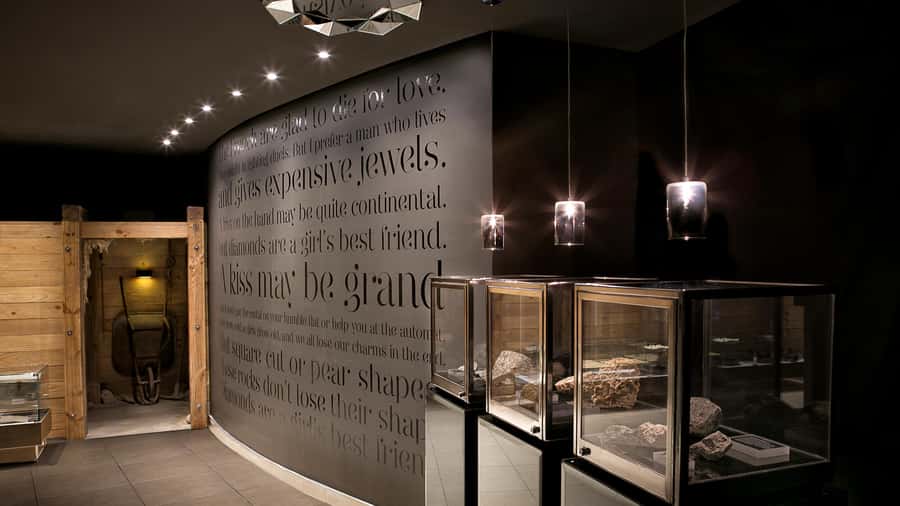
The tour includes soft drinks and South African wine, served on arrival and available throughout the experience. That sounds like a small perk, but it changes the vibe. Instead of rushing into a formal “stand here, read that” museum moment, you settle in and get comfortable asking questions.
There is also mention of tea during the experience, which fits the general rhythm of a guided tour that pauses enough for conversation. If you like learning without feeling like you are speed-reading labels, this pacing is a plus.
And yes, it is still a shop as well as a museum. What you want to look for is whether the guide pushes hard. The tone described is that it is not a hard sell, even though buying is possible at the end. So you can treat this as an education first stop, with shopping as an optional layer.
Inside the cutting factory and workshop, and why 3,000 pieces matters
One of the most specific highlights is that you get to see over 3,000 pieces in the diamond cutting factory and jewelry workshop. That number is not just marketing math. It signals that you are not looking at a handful of display stones. You are seeing a working inventory scale and craftsmanship workflow context.
As you move through the spaces, pay attention to how stones transition from rough material into shaped diamonds. The point is not to memorize every step, but to understand what changes and why. Cutting affects how light returns. Polishing affects surface quality. Those are the practical mechanics behind the look you associate with diamonds.
This is also where your guide’s explanations become useful. A museum can show you objects. A good guide can help you connect what you see to what you actually care about, like cut quality and how it shows up visually.
If you want to take photos, there are opportunities noted for “memories” pictures. Just keep in mind this is a working showroom space, so be respectful, and follow any guidance from staff on where cameras are welcome.


Shimansky selection and ethical sourcing: how to interpret it on the ground
The tour is explicit about the Shimansky role in hand selecting and ethically sourcing diamonds. What does that mean for you in real-world terms? It means your guide is supposed to translate brand claims into a coherent process you can actually picture.
Instead of vague “ethical” talk, the tour is structured around the idea that selection and sourcing are part of the journey before the stone ever reaches the cutting phase. That matters because the ethics conversation is easiest to trust when you can see where selection happens and what the museum is trying to demonstrate.
You will also get context for why South Africa sits at the center of the diamond story. The museum frames the industry through time, from deep geological history to the modern refinement process. If you like learning that feels grounded in tangible steps, you will probably enjoy how the explanation connects people, materials, and craftsmanship.
Designing your own diamond: fun, creative, and worth planning for
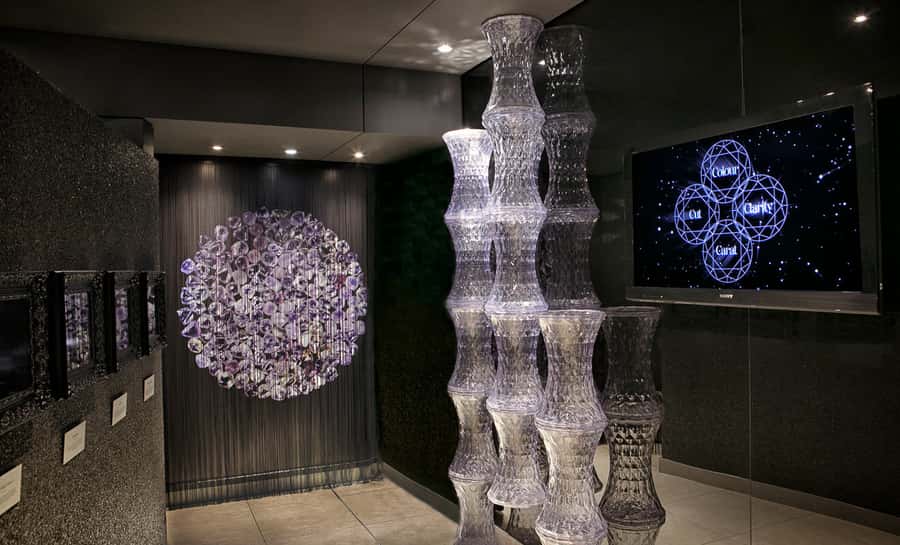
The standout “do something, not just watch” part is the chance to design and (if you choose) buy your own diamond with an on-site personal designer and a GIA certificate. Even if you are not shopping for a ring today, this is a valuable experience because it turns the abstract concept of the 4Cs into something tangible.
The 4Cs are repeatedly associated with this museum experience: cut, carat, color, and clarity. The guide’s role is to connect those terms to what you see. If you end up with a more explanation-forward guide, you may also hear the idea expanded in a way that ties confidence and personal meaning into the decision. That is not just motivational talk. It is a reminder that the “right diamond” is partly about your taste.
Practical advice if you want to do this: bring cash if you think you might buy. The tour details specifically say to bring passport or ID card and cash, so plan accordingly. Also, keep in mind that your final purchase decision is separate from the guided portion. The tour includes the opportunity, not necessarily the cost of the finished diamond.
Shopping time at the end: how to stay in control
After the guided component, the experience includes shopping and workshop time. That means you might feel a bit of pressure, even when the tone is friendly. The key is to treat shopping time like a decision window, not a test you must pass.
Here is how to keep it comfortable:
- Decide what your goal is before you start. Education only, or education plus a design conversation?
- If you are interested in buying, come ready with the mindset that you will compare options and ask questions.
- If you are not buying, still ask about what you see. The tour is designed to answer questions and explain the process, not just hand you a brochure.
The best guides can make shopping time feel like a workshop conversation instead of a sales script. Guides named in feedback like Aloma and Shani are described as passionate and engaging, with lots of answering. If you can request a guide ahead of time, it is worth trying.
Price and value: is $24 per person actually a deal?
At about $24 per person, the value comes from three things that stack together:
- A private 45-minute guided experience
- Free drinks (soft drinks plus South African wine)
- Access to the diamond cutting factory and workshop viewing, plus the design opportunity
If you were to buy drinks and pay for a standard guided museum visit elsewhere, the value would not look as simple. Here, the tour’s structure is tight: you are paying for a guide to explain diamonds plus time in the spaces where diamonds are actually being made and worked.
Is $24 “cheap”? Depends on your budget. But in terms of what you get for the money, it is a practical way to turn a Waterfront stop into a real learning session. If you are even mildly curious about what you see when you look at diamonds, this is the sort of experience where one good guide can change your whole understanding.
Who should book this tour (and who might skip)
This experience fits best if you:
- want a guided museum that actually explains the process, not just displays objects
- like private, question-friendly tours
- are interested in diamonds for learning, gifting, or potential purchase
It may not be the right choice if you are traveling with very young kids who do not speak English, since the tour language options listed are English and Afrikaans. Also, if you are expecting a full-day adventure, note that the guided tour itself is 45 minutes, with the overall museum visit described as around an hour including shopping and workshop time.
If you are someone who likes craftsmanship and wants to see the “how” behind a beautiful final product, this should land well.
Practical tips so your visit goes smoothly
A few details make life easier:
- Bring your passport or ID card and cash for any purchase decisions.
- The tour does not include food, so eat before you arrive if you want a proper meal.
- Parking is not included, so plan for how you will get to the Waterfront.
- Avoid bringing luggage or large bags, and do not bring weapons or sharp objects.
Comfort matters too. You will be moving through indoor spaces designed for viewing and explanation. Wear shoes that are easy for short walking and standing.
Finally, if you want extra visual interest, there is a specific tip from the experience context: if you book during workdays between 9:00 and 13:00, you might get a chance to see actual jewelry and diamond carving. That can add a little extra “this is a working place” energy.
Final verdict: should you book the Cape Town Diamond Museum private tour?
Book it if you want a private guide, free drinks, and a diamond experience that explains the real process from rough to polished. The $24 price point works best when you lean into the learning part, not just the shopping window.
Skip it if you are hoping for a totally museum-only, no-shopping vibe, or if you need food included and longer time in the venue. But if diamonds interest you at all, this is one of the more focused and efficient ways to spend time at the V&A Waterfront that still feels like more than window shopping.
FAQ
How long is the Cape Town Diamond Museum private guided tour?
The private guided portion is 45 minutes, and the museum visit includes shopping and workshop time for about an hour overall.
Where do I meet the guide?
Meet your guide at reception at Gavin Collins Gallery.
What is included in the tour price?
Included are the 45-minute private guided tour, soft drinks, South African wine, and the opportunity to design and buy a diamond.
Is food included?
No, food is not included.
Can I design my own diamond during the tour?
Yes. You have the opportunity to design and buy a diamond with a personal designer on site, with a GIA certificate involved.
What drinks are provided?
Soft drinks are provided, and South African wine is also available, served on arrival and throughout the tour.
What language will the live guide speak?
The live tour guide speaks English and Afrikaans.
What should I bring, and what is not allowed?
Bring your passport or ID card and cash. Weapons or sharp objects are not allowed, and you should not bring luggage or large bags.
Under Glass and Behind Ropes in Cape Town
Keep going: the rest of our Cape Town write-ups
- Cape Town to Cape Point Helicopter Flight – 48Min
★ 4.2 · 3 reviews - Full Day Private Hiking Table Mountain & City
★ 5.0 · 3 reviews - Sandboarding with jeep – drive uphill
★ 5.0 · 3 reviews - Full Day Tour for Cape of Good Hope & Boat to Seals Island
★ 5.0 · 3 reviews - 10 Day South Africa Tour Joburg to Cape Town
★ 5.0 · 3 reviews - 5 Day Garden Route Small Group Tour Fr CapeTown – Departs Mondays
★ 5.0 · 3 reviews
Museums, compared.
 ★ 4.8Jo’berg in 1 Day: Soweto, Apartheid Museum & City TourFrom $142524 reviews
 ★ 4.8Johannesburg: Full-Day Tour with Soweto and Apartheid MuseumFrom $104478 reviews
 ★ 5.0Full-Day Soweto, Apartheid Museum and Lunch TourFrom $108410 reviews
 ★ 5.0Half Guided Day Tour of Soweto And Apartheid MuseumFrom $69356 reviews
 ★ 5.0Ultimate Johannesburg Soweto Experience with Apartheid MuseumFrom $108313 reviews
 ★ 4.5Soweto: Hop-On Hop-Off Bus, City Tour and Apartheid MuseumFrom $50250 reviews
 ★ 4.4Museum of Contemporary African Art: Fast-Track Zeitz MOCAAFrom $16204 reviews
 ★ 4.5Maropeng Cradle of Humankind Museum &Sterkfontein Cave ExperienceFrom $103155 reviews
Browse the lists this tour appears in