
REVIEW · MUSEUMS
Cape Town: Heart of Cape Town Medical Museum Entrance Ticket
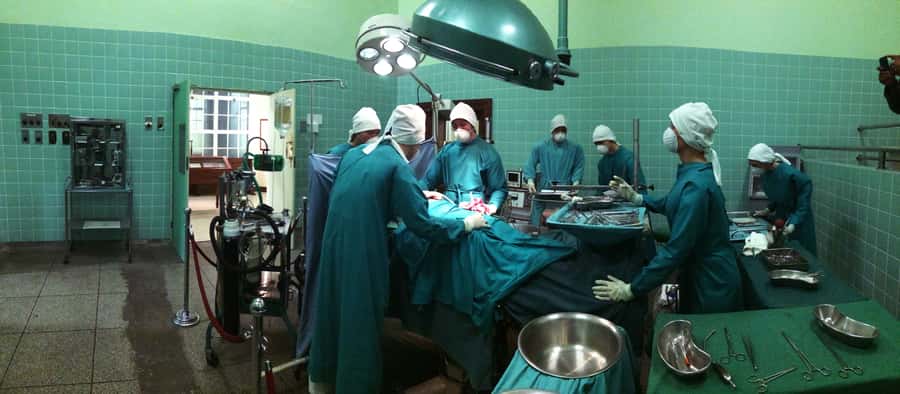
History gets personal at Groote Schuur. This ticket gets you into the Heart of Cape Town Medical Museum, where the story of the world’s first successful heart transplant is told inside the restored original operating rooms. A trained guide walks you through what happened and why it mattered, and the whole experience feels human, not textbook.
I love two things right away: the museum’s focus on the real places where the work happened, and the way the tour is led with care by a trained, certified guide. You get to see the setting of the operation, including the drama of the moment as it unfolded in the Charles Saint Theatre at Groote Schuur Hospital.
One thing to consider: it is not suitable for children under 10. If you are coming as a family and want something light and playful, this may feel heavy instead of fun.
In This Review
- Key highlights you will remember
- Entering Groote Schuur Hospital, Cape Town’s medical landmark
- The 1.5-hour guided tour inside the restored operating rooms
- Professor Barnard and the Charles Saint Theatre, 3 December 1967
- What you actually see, and why it helps you understand the leap in medicine
- Small group tour size, English guide, and how the pace feels
- Price and value: what $22 buys you at Groote Schuur
- Practical tips so the visit feels smooth
- Who should book this, and who might not
- Should you book the Heart of Cape Town Medical Museum ticket?
- FAQ
- How long is the guided tour?
- Where do I meet for the Heart of Cape Town Medical Museum ticket?
- What is included in the ticket price?
- What language is the tour guide?
- Is the museum accessible for wheelchair users?
- Is this tour suitable for children?
Key highlights you will remember
- World’s first successful heart transplant focus at Groote Schuur Hospital, Cape Town
- Original operating rooms shown in the layout used on the operation day
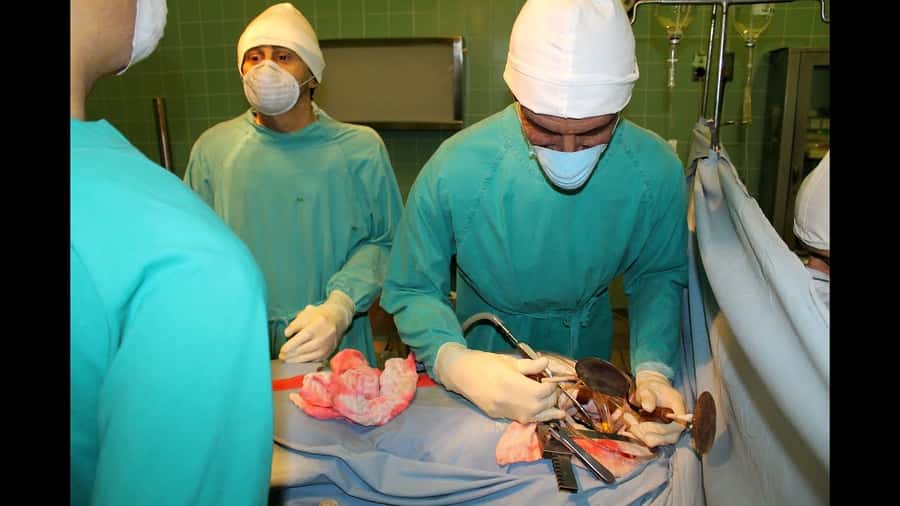
- Charles Saint Theatre setting where the 3 December 1967 operation story is recreated
- Guided tour with a trained and certified English guide, small group up to 10
- Emotional, close-up medical drama that feels close to the decisive actions
Other cabinets and collections worth an afternoon
- Museum of Contemporary African Art: Fast-Track Zeitz MOCAA★ 4.4 · 204 reviews
- Township Tour District 6 Museum Robben Island drop off at hotel★ 5.0 · 32 reviews
- Cape Town: Heart of Cape Town Medical Museum Entrance Ticket★ 4.7 · 31 reviews
- Cape Town: Robben Island Boat Trip & Museum Tour Ticket★ 3.9 · 28 reviews
Entering Groote Schuur Hospital, Cape Town’s medical landmark
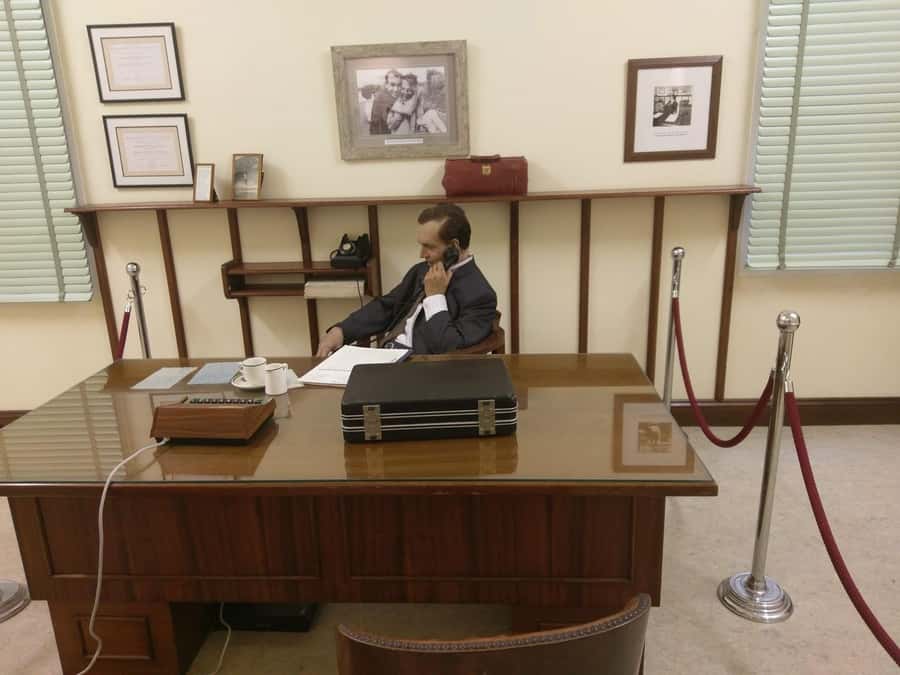
Your start point is Groote Schuur Hospital, Main Rd, Observatory, Cape Town. This matters because the museum is not “medical history somewhere else.” It’s tied to the hospital itself, so your brain keeps connecting the exhibits to a real, physical place.
When you arrive, you are basically stepping into a living setting, even though the museum portion is about a specific historical moment. The guide keeps the experience moving, so you are not stuck wandering and trying to piece things together on your own. If you like museums that have a clear story arc, this one has that.
Groote Schuur is also an easy place to ground your visit. Observatory is a known area of Cape Town, and you can treat this as a solid anchor stop among other nearby sights. Plan it as part of a “Cape Town in-the-know” day, not as a last-minute add-on.
The 1.5-hour guided tour inside the restored operating rooms
The main event is a guided tour on-site that runs about 1.5 hours. That timing is a sweet spot. Long enough to feel the story and see the rooms, short enough that you still have time to keep exploring Cape Town after.
What makes this tour special is the emphasis on the operating rooms and their original layout. You are not just looking at artifacts behind glass. You are seeing the space and the way it was arranged on the day of the operation, which helps your imagination do its work. For me, that’s where a lot of the emotional impact comes from. Your mind can map the steps of a high-stakes operation to a real room instead of a diagram.
The guide also helps connect the dots. Even if you have a general idea of what a heart transplant is, the tour explains how the moment unfolded and what made it so groundbreaking at the time. The museum doesn’t treat the event like a distant legend. It frames it as a series of decisions in a particular place, with real people behind those decisions.
Professor Barnard and the Charles Saint Theatre, 3 December 1967
The tour centers on a single dramatic date: 3 December 1967. That date is not tossed in as trivia. It becomes the spine of the visit as you follow how the operation moment played out.
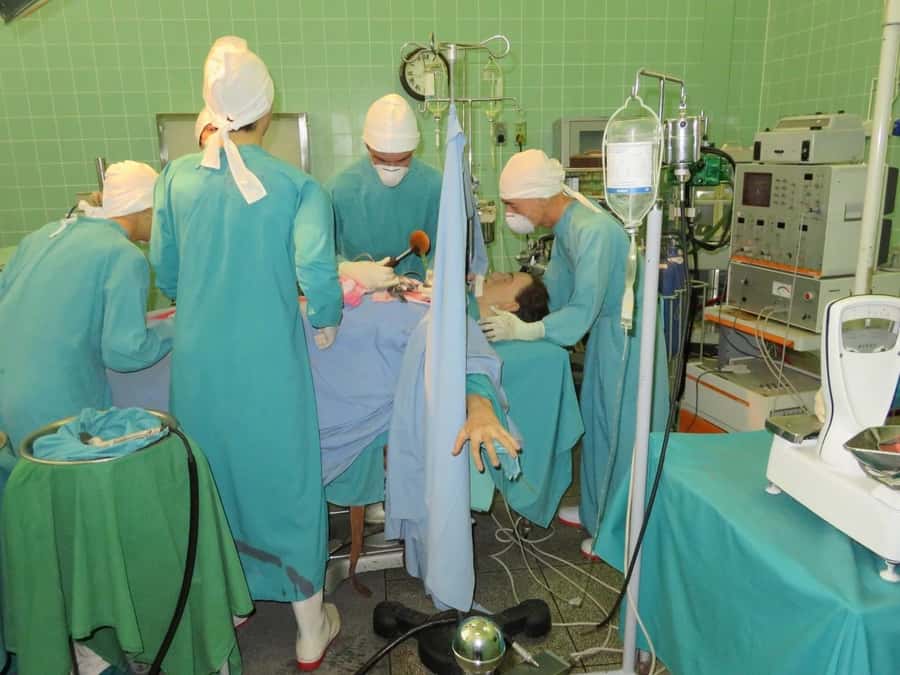
You will hear about Professor Christiaan Neethling Barnard and the way the operation is presented within the context of the Charles Saint Theatre at Groote Schuur Hospital. That theatre connection is a big part of why this doesn’t feel like a generic medical museum. It ties the story to the specific environment where events unfolded, which makes the experience more focused.
One of the most praised elements in visitor feedback is how lifelike and close-up the key operation scenes feel, especially the operating areas connected to organ removal and transplantation. I like this approach because it avoids turning the event into a cold summary. You get a sense of what was happening and why the outcome mattered so much for the next era of science and medicine.
Important note: you are looking at medical history. So yes, some parts are emotionally intense. But you are also getting context. The guide’s job is to keep the experience understandable, not just graphic or dramatic.
What you actually see, and why it helps you understand the leap in medicine
It’s easy to visit a museum like this and treat it as a “famous day” collection. This one works differently because it focuses on how the operating rooms were arranged and how the operation scene is presented in that setting.
When you see the rooms and the operation areas laid out in the original way, your brain naturally asks better questions:
- How would a team move and work in that space?
- How does equipment placement change what is possible?
- Why did this step push medicine forward in a way that people could not ignore?
That’s the educational value here. You are not only learning that the first successful heart transplant happened. You are seeing why it was a turning point.
I also appreciate the museum’s broader honoring of the people involved. The way the event is presented is not just “one brilliant doctor.” It recognizes that moments like this rely on teams, preparation, and skill across many roles. Even if you already know Barnard’s name, the tour gives you enough human context to feel the collective nature of what was achieved.



Small group tour size, English guide, and how the pace feels
This is a small group experience, limited to 10 participants. That detail is not fluff. A smaller group usually means less waiting, fewer people blocking sightlines, and more chances to ask the guide questions if something isn’t clicking.
The tour is in English, with a live guide. If you prefer tours where you can keep up without reading a wall of text, this is a good fit. The guide-led format also helps when you are trying to understand medical concepts without turning the visit into a science lecture.
Pacing is also reasonable. With a 1.5-hour tour, you can absorb what you see without getting fried. You can also step out and reset afterward, which matters in a museum that deals with high-stakes medical history.
If you are the kind of visitor who likes structured tours, you will enjoy this. If you prefer to wander slowly at your own tempo, you might feel slightly constrained. But the tour is the point here, and it keeps the experience sharp.
Price and value: what $22 buys you at Groote Schuur
The price is $22 per person, and it includes entrance fees and a guided tour. That matters, because you are paying for two things at once: admission to the museum content and the human guidance that turns rooms and displays into a story you can actually follow.
For a historical site, $22 can be either a bargain or a ripoff depending on the format. Here, the inclusion of a guided tour is the value lever. You are not paying for a ticket plus a self-guided experience. You are paying for time with an English-speaking guide who leads you through the operation spaces and the 1967 narrative.
You also get a specific benefit that you can’t easily reproduce on your own: the guided explanation of the operation moment and what you are seeing in the restored rooms. If you enjoy medical history, that added interpretation is what makes the ticket feel worthwhile.
One small practical tradeoff: food and drinks are not included. So if you are pairing this with other stops, plan a snack break around the visit. Even a quick buy before or after makes a difference when you are inside a museum for about an hour and a half.
Practical tips so the visit feels smooth
Bring comfortable shoes. You are at a hospital-adjacent setting and you will likely move between areas as the guide tells the story. I also suggest dressing in layers. Museums and indoor buildings can swing in temperature, and you will be on your feet long enough to notice.
Arrive with a clear expectation: this is medical history with intensity. You do not need to be squeamish to appreciate it, but you should not expect a casual, light-hearted outing. If you like stories where science changes the world, you are in the right place.
Here’s how I’d plan it as a day on your Cape Town itinerary:
- Go to Groote Schuur for your guided tour.
- Then give yourself some breathing room afterward. You may want a short walk or a café stop to decompress.
- Pair it with other nearby interests rather than cramming too many far-apart stops. The location is your advantage, use it.
Also, check the starting time availability because the activity is valid for 1 day with scheduled times. If you are juggling a busy Cape Town schedule, knowing your exact slot helps you avoid stress.
Who should book this, and who might not
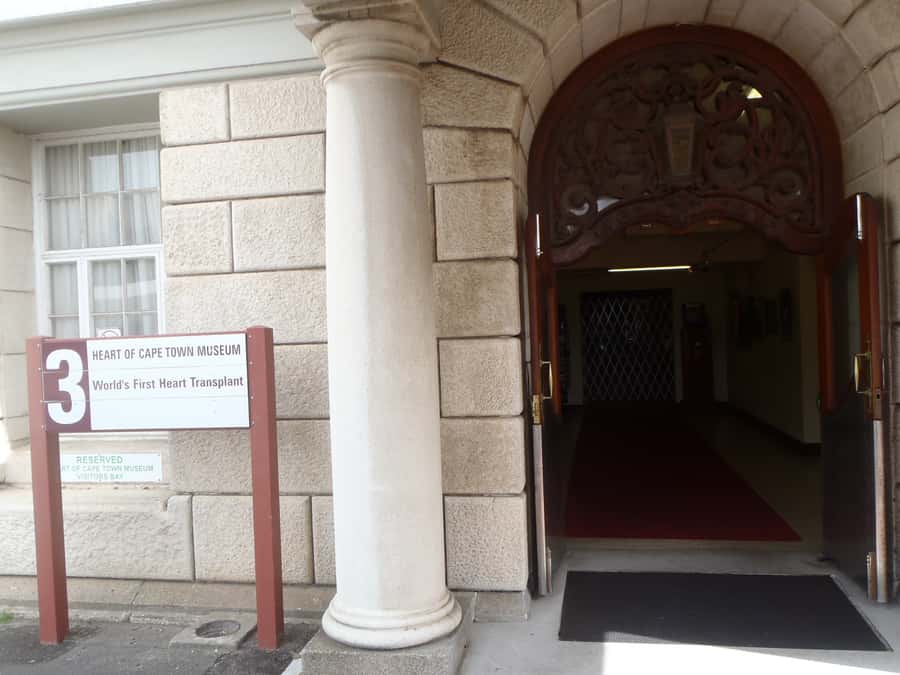
Book it if you want one of Cape Town’s most focused, story-driven museum experiences. It suits you if you care about:
- major medical milestones
- real historic sites tied to a single event
- guided storytelling over self-guided wandering
It also works well if you like small groups. With up to 10 participants, the visit feels more personal than a big bus-tour format.
Skip it if you are traveling with children under 10. The museum is not suitable for that age group, so it’s better to choose something else for family days.
Should you book the Heart of Cape Town Medical Museum ticket?
If you have any interest in the history of heart surgery, I think this is an easy yes. The reason is simple: you are paying for a guided visit centered on the restored operating rooms and the specific 1967 operation moment, including the Charles Saint Theatre context and Professor Christiaan Neethling Barnard’s role. That mix of place, story, and explanation is what most people end up loving.
It may not be your pick if you want a relaxing, family-friendly museum day. But for adults and older kids who like meaningful history, this is one of the more memorable, honest-value stops in Cape Town. Grab the ticket, plan a snack, and give yourself time to sit with what you just learned.
FAQ
How long is the guided tour?
The guided tour runs for about 1.5 hours.
Where do I meet for the Heart of Cape Town Medical Museum ticket?
You meet at Groote Schuur Hospital, Main Rd, Observatory, Cape Town, 7925, South Africa.
What is included in the ticket price?
The ticket includes entrance fees and a guided tour.
What language is the tour guide?
The live tour guide speaks English.
Is the museum accessible for wheelchair users?
Yes, the experience is wheelchair accessible.
Is this tour suitable for children?
It is not suitable for children under 10 years old.
Under Glass and Behind Ropes in Cape Town
Keep going: the rest of our Cape Town write-ups
- Cape Town to Cape Point Helicopter Flight – 48Min
★ 4.2 · 3 reviews - Full Day Private Hiking Table Mountain & City
★ 5.0 · 3 reviews - Sandboarding with jeep – drive uphill
★ 5.0 · 3 reviews - Full Day Tour for Cape of Good Hope & Boat to Seals Island
★ 5.0 · 3 reviews - 10 Day South Africa Tour Joburg to Cape Town
★ 5.0 · 3 reviews - 5 Day Garden Route Small Group Tour Fr CapeTown – Departs Mondays
★ 5.0 · 3 reviews
Museums, compared.
 ★ 4.8Jo’berg in 1 Day: Soweto, Apartheid Museum & City TourFrom $142524 reviews
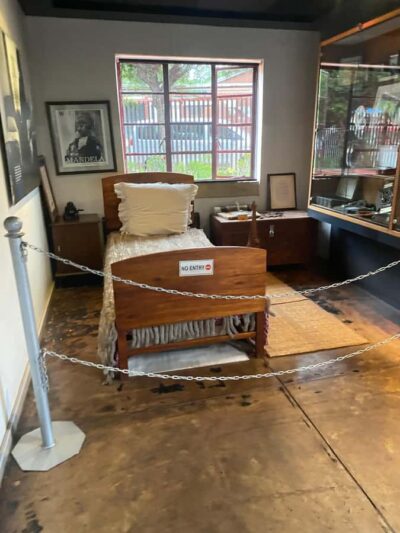 ★ 4.8Johannesburg: Full-Day Tour with Soweto and Apartheid MuseumFrom $104478 reviews
 ★ 5.0Full-Day Soweto, Apartheid Museum and Lunch TourFrom $108410 reviews
 ★ 5.0Half Guided Day Tour of Soweto And Apartheid MuseumFrom $69356 reviews
 ★ 5.0Ultimate Johannesburg Soweto Experience with Apartheid MuseumFrom $108313 reviews
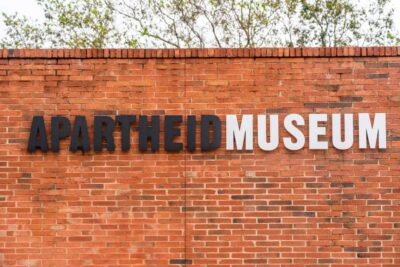 ★ 4.5Soweto: Hop-On Hop-Off Bus, City Tour and Apartheid MuseumFrom $50250 reviews
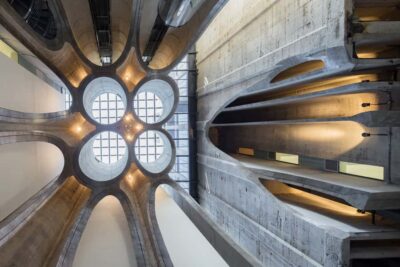 ★ 4.4Museum of Contemporary African Art: Fast-Track Zeitz MOCAAFrom $16204 reviews
 ★ 4.7Cape Town: Private Guided Tour of Cape Town Diamond MuseumFrom $24156 reviews
Browse the lists this tour appears in