
REVIEW · COOKING CLASSES
Zulu Food Cooking & Dining Experience with a local Chef
Your Joburg day starts in a home kitchen. This Maboneng walk plus a chef-led hands-on cooking session is the kind of experience that turns South African food into something you actually understand and can repeat later. You also get real talk about Zulu culture from your host, not just a list of facts.
What I like most is that you start by walking the neighborhood and meeting local food vendors, then you return to a cozy kitchen to cook using traditional techniques. One thing to keep in mind: in one case, food timing and kitchen setup were not as smooth as you’d hope, so it’s smart to arrive with relaxed expectations and eat promptly when dishes land.
In This Review
- Key things you’ll notice right away
- Entering Maboneng from a real home, not a bus
- The Maboneng stroll: vendors, neighborhood rhythm, and food context
- The hands-on cooking lesson in a cozy kitchen
- What you’ll cook: Zulu-inspired techniques, grilling highlights, and practical methods
- The lunch you make: tasting traditions and eating like you mean it
- Cultural stories you actually remember, delivered in English and Zulu
- Price and value: what $85 buys in a home-led experience
- Practical advice before you book (so the day runs smoothly)
- Who this fits best, and who might want a different style
- Should you book Zulu Food Cooking & Dining with a local Chef?
- FAQ
- Where is the meeting point for this Zulu cooking experience?
- What languages are used during the experience?
- How long is the hands-on cooking session?
- Is the lunch included?
- Are alcoholic drinks included?
- What does the price include?
- Does the activity end back at the meeting point?
- Do I have to pay immediately to reserve?
- Can I cancel and get a full refund?
Key things you’ll notice right away
- Maboneng food walk with vendor interaction that connects what you see to what you’ll cook
- A two-hour hands-on cooking block led by a local Chef
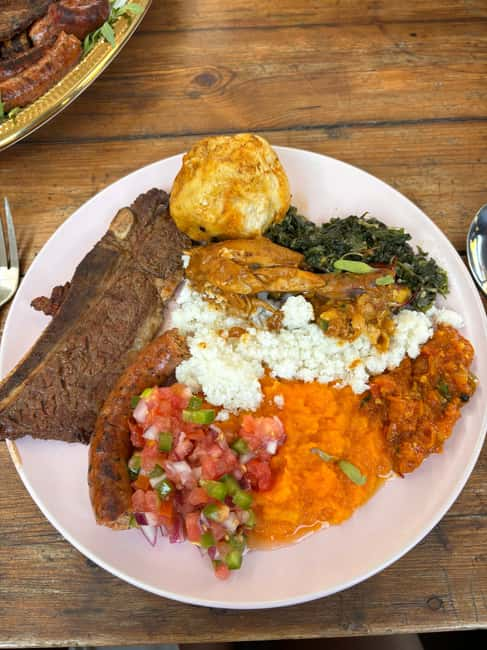
- Zulu-inspired lunch made from the ingredients you help prepare
- English and Zulu cultural stories from your host during the day
- Warm home hospitality including a welcome drink, plus a homey vibe (cats and plants are part of the charm)
Still weighing it up? These Johannesburg trips are the ones our readers open next.
- From Johannesburg: Pilanesberg Nature Reserve Game Safari★ 4.8 · 1,327 reviews
- Johannesburg: Hop-On Hop-Off Bus with Optional Soweto Tour★ 4.6 · 985 reviews
- Soweto /Johannesburg and Apartheid Museum Guided Full Day Tour★ 5.0 · 932 reviews
- Johannesburg Hop-On Hop-Off City Tour with Soweto Option★ 4.5 · 768 reviews
Entering Maboneng from a real home, not a bus
This experience starts at a private home in the heart of Maboneng, Johannesburg. You meet your host there, get a warm welcome drink, and get your bearings before you head out. It’s a good setup because it feels like you’re being invited into someone’s day, not lined up at a scheduled stop.
Maboneng itself is the kind of neighborhood where food is part of daily life, and that matters here. You’re not just taking photos. You’re walking with purpose, with a reason that connects the streets to the lunch you’ll cook later. And you’ll appreciate that you start close by, since the day ends back at the same meeting point.
If you like experiences that teach you through doing, this is a strong fit. If you want a fully formal, hotel-style tour with zero variability, you may find the home setting more personal than polished.
The Maboneng stroll: vendors, neighborhood rhythm, and food context
After your welcome, you head out for a leisurely stroll through Maboneng. Part of the plan is going to a local supermarket, but the goal is bigger than shopping. It’s where you meet food vendors and pick up context about the ingredients and culture that shape Zulu-inspired cooking.
What makes this walk valuable is the way it frames food as community. Your host and chef talk about what people are doing locally and why certain food choices matter. You’ll also get a sense of Johannesburg beyond the usual postcard view, with real everyday sights and conversations.
Practical tip: wear comfy shoes. You’ll be walking, and you’ll want to stay present for the vendor chats. This is also a good moment to ask simple questions like how dishes are traditionally served or what flavors to watch for, because those answers will make the cooking stage feel more meaningful.
The hands-on cooking lesson in a cozy kitchen
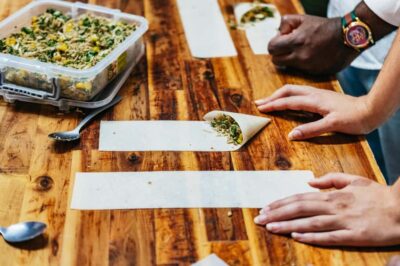
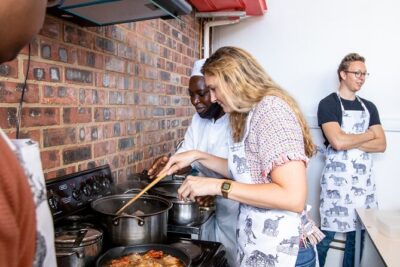
Back at the home kitchen, the experience shifts gears. You get a hands-on cooking session lasting over two hours, led by a local Chef and guided by your host. This is where the day stops being a story and becomes skills you can bring home.
The kitchen setting is cozy, friendly, and designed for learning. You’re not watching from across the room. You’re cooking, asking questions, and trading jokes as you go. In past sessions, guests have been taught pronunciation of key food names, and that small detail helps you remember what you made, not just that it tasted good.
You’ll use the kitchen facilities provided, and ingredients for the cooking session are included. The host also shares cultural insights and stories while you work. That pairing matters. It’s one thing to learn a recipe. It’s another to learn why a technique is used and how the flavors fit into Zulu culture.
Possible consideration: timing and prep can affect how warm dishes end up when everything lands on the table. If you’re the type who needs everything served hot and perfectly synchronized, ask the host how the workflow will be handled when dishes are finishing. Your best move is to stay relaxed, since the focus is learning and cooking together.
What you’ll cook: Zulu-inspired techniques, grilling highlights, and practical methods
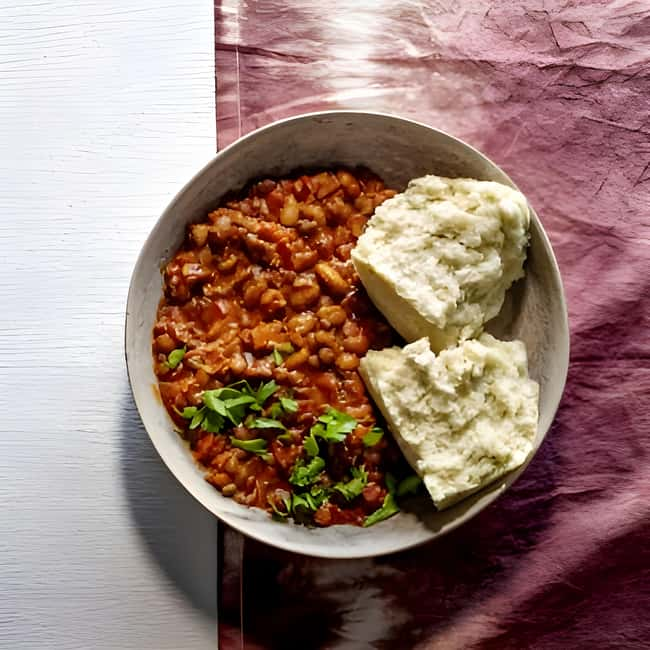
The experience is centered on Zulu-inspired cuisine and traditional techniques. You can expect a real cooking session with multiple steps, not just one quick dish. The ingredients for the cooking session are included, and you’ll work with your Chef and host as the day’s meal comes together.
One of the standout cooking moments mentioned is grilling. Guests have praised grilled chicken and grilled sausage as being phenomenal. That’s a useful clue about the flavor style you’ll likely experience: smoky, savory, and built for serving as part of a larger lunch plate.
Even if the exact dishes vary slightly session to session, here’s what you can take seriously as the “how” you’re learning:
- Technique first, then taste. You’ll learn how the food is handled and cooked, not just what ingredients go into it.
- Flavor building. Zulu-inspired meals tend to balance savory grilled elements with sides that absorb and complement those flavors.
- Cooking as a conversation. You’ll talk about food and life as you cook, which makes the learning stick.
Practical tip: take a moment during the session to write down the steps you’re shown. If recipes are provided in print, great, but notes from what you personally did can be the difference between repeating the dish correctly and making something that only resembles it.
Other plates worth planning a day around
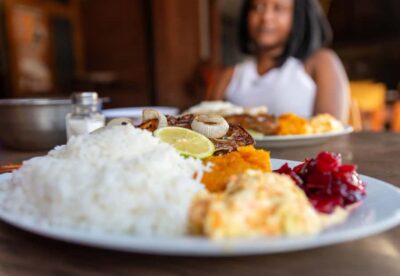
The lunch you make: tasting traditions and eating like you mean it
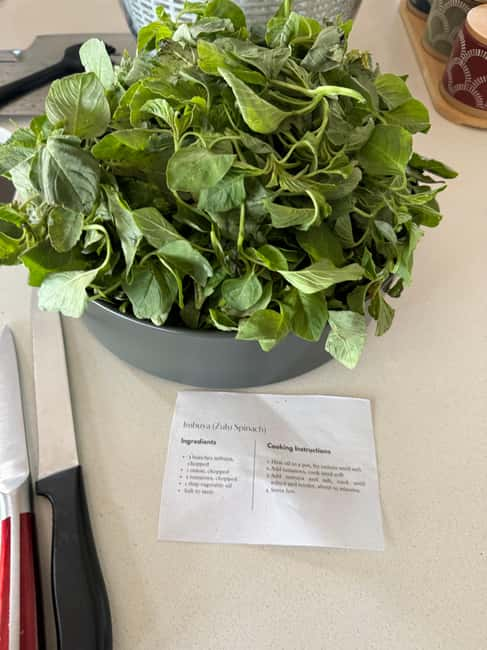
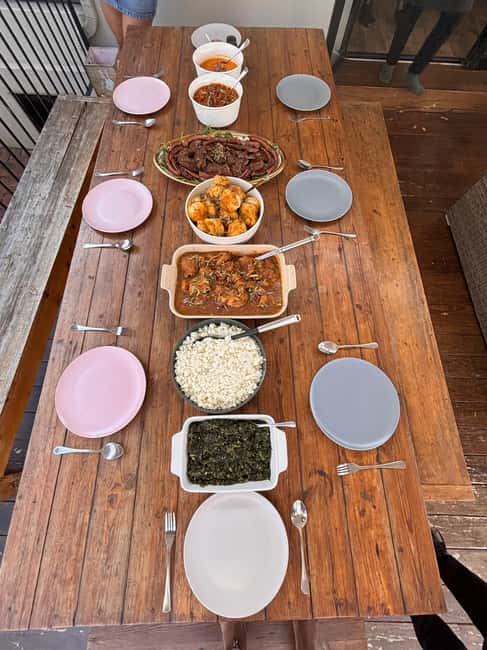
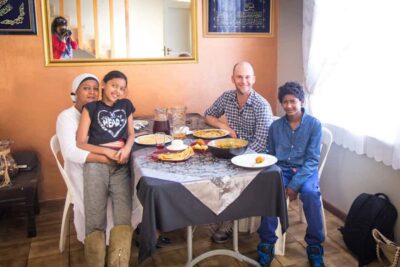
After the cooking session, you sit down to enjoy a curated Zulu lunch that celebrates culture, tradition, and the connections built during shared cooking. This isn’t a tiny tasting portion. Guests have noted that the meal is more than expected and that they ate a lot.
That matters for value. At $85 per person, you’re not just paying for “a bit of food and a lesson.” You’re paying for ingredients, instruction, and a full meal that you helped create. And because the lunch happens after you cook, you’re tasting with context, which makes the flavors feel clearer and more memorable.
If warm dishes are important to you, plan to eat as soon as lunch is served. Based on prior feedback, timing can impact temperature when multiple dishes finish close together. Staying ready to eat helps you get the best experience possible.
Cultural stories you actually remember, delivered in English and Zulu
This experience includes cultural insights and stories from your host. You’ll hear explanations in English and Zulu, and that bilingual element can add a satisfying layer to the day, especially when food names and techniques come with meaning.
What I like about this approach is that it connects culture to everyday life. Instead of treating Zulu culture as a set of facts, you experience it through cooking methods, ingredient choices, and conversation. It’s also supported by the neighborhood walk, where you’ll hear about how community is built locally in places like Maboneng.
A small, practical suggestion: listen for terms you can repeat. If you remember one or two key pronunciations, you’ll feel more confident when you look up dishes later or try cooking again.
Price and value: what $85 buys in a home-led experience
At $85 per person, this is a midrange food experience, but the value is in what’s included. You get:
- guided stroll through Maboneng Precinct
- interaction with local food vendors
- ingredients for the cooking session
- a local Chef and hands-on cooking instruction
- Zulu-inspired lunch
- cultural insights and stories
- kitchen facilities
- warm hospitality in the host’s home
- welcome drink
Not included: alcoholic drinks.
When you compare that to typical “food tour” prices, the home-led instruction pushes it into a different category. You’re paying for labor, teaching, and a complete meal. You’re also getting the neighborhood walk and vendor interaction, which can be hard to replicate on your own without guidance.
So, if your travel goal is learning and doing, this price makes more sense. If you only want to eat and skip the cooking, you might want to pick a simpler tasting-only option instead.
Practical advice before you book (so the day runs smoothly)
This is a relaxed, host-centered experience. Here’s how to get the best from it:
- Come hungry. You’ll cook and you’ll eat a full lunch, with portions that guests have described as generous.
- Wear comfortable shoes for the Maboneng stroll.
- Be ready to participate. This works best when you’re willing to handle ingredients and ask questions.
- Skip alcohol planning. Alcoholic drinks aren’t included, so if you want one, plan to pay separately.
- Expect a home setting. The vibe includes warmth and small comforts like cats and plants in the home environment.
If you’re sensitive to kitchen workflow and food temperature, it’s worth gently asking how they handle timing when multiple items are cooking. That one detail can improve how you experience the end-of-day meal.
Who this fits best, and who might want a different style
You’ll probably love this if:
- you want to learn cooking skills, not just watch
- you’re interested in Zulu culture through food and conversation
- you like neighborhood walks where the “why” is explained
- you want a meal that feels connected to the work you did
You might hesitate if:
- you expect a high-polish, hotel-run production with guaranteed dish timing
- you only care about eating quickly and moving on
- you don’t want the home setting or a more personal pace
In plain terms, this is best for travelers who enjoy people, food, and the learning part of a culinary day.
Should you book Zulu Food Cooking & Dining with a local Chef?
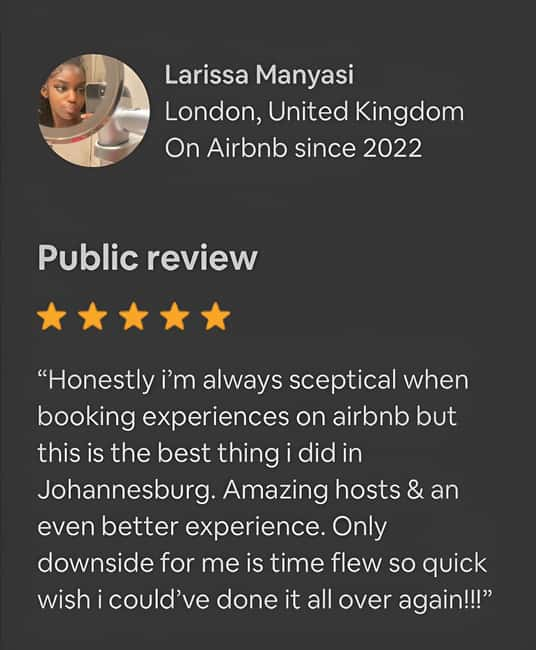
If your idea of a great Johannesburg experience includes learning from real locals in a real home, I’d book it. The combination of Maboneng walking, vendor interaction, and a hands-on cooking session makes the day feel like more than a meal. And the strong feedback on the host and chef, plus grilled highlights like chicken and sausage, suggests you’ll leave with both food satisfaction and something practical to recreate later.
The only real caution is about smoothness in the kitchen workflow. If you’re the type who needs everything perfectly timed and served hot, ask a quick question before you arrive and keep expectations flexible. For most people, that tradeoff is worth it for the cultural conversation and the skills you take home.
FAQ
Where is the meeting point for this Zulu cooking experience?
The meeting point is at the host’s home in the heart of Maboneng, Johannesburg. Detailed directions are shared after booking for easy arrival.
What languages are used during the experience?
The experience is guided in English and Zulu.
How long is the hands-on cooking session?
The cooking session lasts over two hours.
Is the lunch included?
Yes. A Zulu-inspired lunch is included, and it’s served after the cooking session.
Are alcoholic drinks included?
No. Alcoholic drinks are not included.
What does the price include?
The price includes the guided Maboneng stroll, interaction with local food vendors, ingredients for the cooking session, a local Chef, cooking instruction, the Zulu-inspired lunch, cultural insights from the host, use of kitchen facilities, warm hospitality, and a welcome drink.
Does the activity end back at the meeting point?
Yes. The experience ends back at the meeting point.
Do I have to pay immediately to reserve?
No. You can reserve & pay later, meaning you pay nothing today.
Can I cancel and get a full refund?
Yes. You can cancel up to 24 hours in advance for a full refund.
If you’d like, tell me your travel month and whether you prefer more cooking or more walking, and I’ll suggest the best time of day to fit this into your Johannesburg plan.
Cooking Classes Around Johannesburg
Where Johannesburg Sits Down to Eat
Keep going: the rest of our Johannesburg write-ups
- Soweto Private half day tour
★ 4.5 · 3 reviews - Johannesburg’s Migration History with a local lunch
★ 5.0 · 3 reviews - Johannesburg: Soweto, Apartheid Museum, and Cradle tours
★ 4.7 · 3 reviews - Soweto Apartheid Museum and Lunch
★ 5.0 · 3 reviews - Bathongo Rhino & lion park nature reserve tour
★ 5.0 · 3 reviews - Johannesburg: Elephant and Monkey Sanctuary Half Day Tour
★ 5.0 · 3 reviews
Cooking Classes, compared.
 ★ 4.8Cape Town: Malay Cooking Class and Lunch in Bo-KaapFrom $49515 reviews
 ★ 5.0Authentic African Cuisine Cooking ExperienceFrom $57236 reviews
 ★ 4.8Cape Town: Cape Malay Cooking Class in Bo-KaapFrom $52120 reviews
 ★ 4.7Cape Town: Bo-Kapp Walking Tour and Malay Cooking ClassFrom $68105 reviews
 ★ 5.0Half-Day Small Group Cooking Experience in FranschhoekFrom $11674 reviews
 ★ 4.9Cape Town: Authentic African Cuisine Cooking ExperienceFrom $7131 reviews
 ★ 5.0Private Cape Malay Cooking Class in Cape Town with a Local FamilyFrom $10024 reviews
 ★ 4.6GQ: City Walking Tour & African Cuisine Cooking ClassFrom $5611 reviews
Browse the lists this tour appears in