
REVIEW · COOKING CLASSES
Authentic Private South African Cooking Class with Jolandi
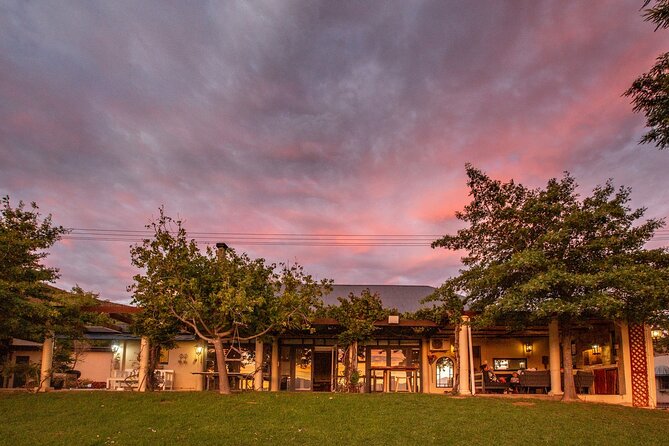
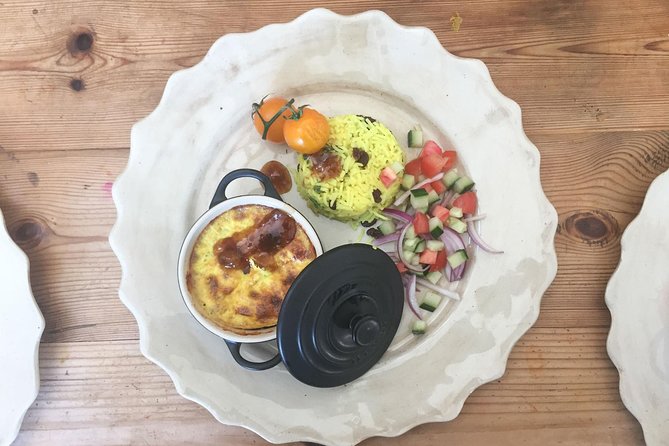
South African cooking, in a real home. In Jolandi’s countryside space in the Western Cape, you cook familiar South African flavors from scratch, then settle in for local wine pairings and good conversation in a real domestic setting. It is the kind of experience that feels personal from the first minute, because it is built around a host, a home kitchen, and the food her family actually makes.
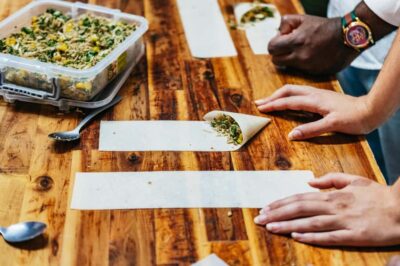
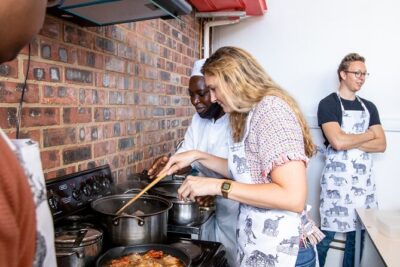
I like two things most: the class is hands-on cooking (not a passive demo), with about 1.5 hours where you’re doing the chopping and stirring yourself. I also love that you get the stories behind what’s on the table, including how dishes like Bunny Chow trace back to the Apartheid era. You end your meal with more than just recipes, you also get a personalized recipe and information booklet.
One consideration: there is no hotel pickup, and the activity starts and ends at Die StalDie Teras in De Wet, Worcester. So you will want to plan transport so you can arrive on time and get home easily.
In This Review
- Key Points You’ll Care About
- Where Jolandi’s Kitchen Fits In: Worcester, False Bay, and the Western Cape
- Your 3-Hour Flow: From Chopping Board to Course-By-Course Eating
- What You’ll Really Learn in a Home Kitchen (Not a Demo)
- Cape Malay + Traditional South African Dishes: Expect Flavor With Texture
- Wine Pairings That Actually Match the Meal
- The Conversation Part: Food Stories You Can Repeat at Dinner
- Price and Value: Why $74 Can Feel Like More Than Dinner
- Who This Class Suits Best (And Who Might Want Something Else)
- Practical Tips Before You Go (So You Enjoy It More)
- Should You Book This Private South African Cooking Class?
- FAQ
- How long is the cooking class?
- Is this a private experience?
- Where do we meet, and where does it end?
- Is hotel pickup and drop-off included?
- Does the price include wine pairings?
- Can I choose between lunch or dinner?
- Is there a vegetarian option?
- What if someone in my party has allergies or dietary restrictions?
- Does the menu stay the same?
- What is the cancellation policy?
Key Points You’ll Care About
- Private cooking class in Jolandi’s countryside home, not a commercial kitchen
- About 1.5 hours hands-on work, chopping, sizzle, and stirring
- Local wine pairings included, matched to courses as you eat
- Dish origins explained while you cook, including Apartheid-era context
- Vegetarian option available, plus a menu that can change by season
Still weighing it up? These Western Cape trips are the ones our readers open next.
- Bloukrans Bungy, the worlds best bungy jump!★ 5.0 · 504 reviews
- Skip the Line: Highgate Ostrich Farm Tour Ticket★ 4.5 · 110 reviews
- Touw River Boat Cruise – Wilderness National Park★ 4.5 · 72 reviews
- Marine Big 5 Safari: Self-Drive★ 4.5 · 68 reviews
Where Jolandi’s Kitchen Fits In: Worcester, False Bay, and the Western Cape
This is a Western Cape experience, but it’s not the kind where you only see the region from a bus window. You meet at Die StalDie Teras, De Wet Rd, De Wet, Worcester, then you head into the countryside for Jolandi’s home kitchen experience. The setting matters because you’re learning food the way South Africans learn it, through everyday ingredients and family routines, not just through a recipe sheet.
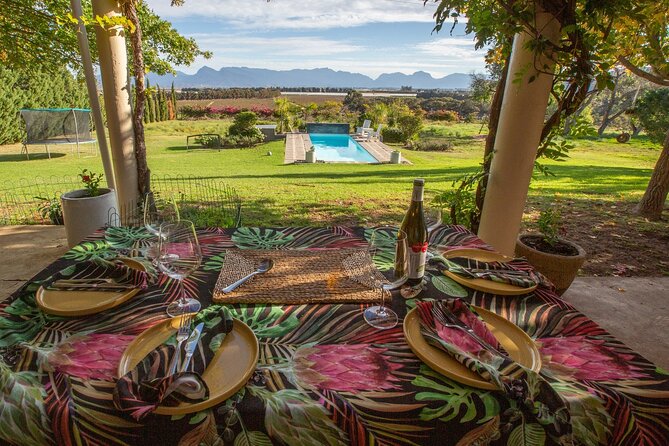
The area around False Bay is known for a mix of mountain views, vineyards, and wineries. Even when you’re focused on your pan, you can feel you’re in a wine country pocket of South Africa. That pays off later too, because wine pairing stops being a random add-on and becomes part of the same story as the cooking.
Since the class is private, it stays focused on your group. You are not competing with a big crowd for the host’s attention, and you can ask practical questions as you go. That is a big deal in a cooking lesson where one small technique can change everything in the final texture and flavor.
Your 3-Hour Flow: From Chopping Board to Course-By-Course Eating
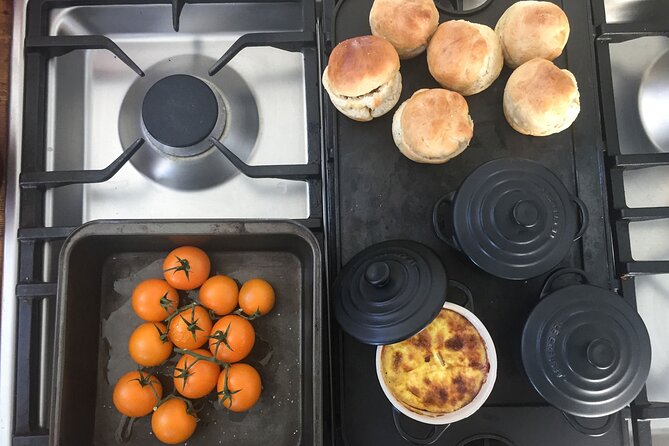
The experience runs about 3 hours total, and you can expect a pace that feels like a real afternoon or evening meal. The hands-on portion is about 1.5 hours, so you’re not stuck cooking for the entire time. That makes it easier to enjoy it, especially if you’re on a trip that includes a lot of sightseeing.
Here is the flow you can plan around:
- You arrive at the start point, then settle in with Jolandi and her family.
- You cook through traditional dishes together, with guidance as you prep and cook.
- As the meal comes together, the conversation shifts from technique to context, including the origins of the dishes.
- You sit down to eat with wine pairings, where each course is matched to local South African wines.
- Then the experience ends back at the meeting point, so you are not left coordinating the rest of your day.
The timing is one reason this feels good value. Many food experiences either rush you through the meal, or spend most of the time touring and not enough time cooking. Here, you get a good slice of both, and the food is the center.
What You’ll Really Learn in a Home Kitchen (Not a Demo)
This is not a commercial cooking class. It’s a visit into a local home, with Jolandi as the expert cook, and your group taking part in the work. That difference matters because you learn habits and decision-making, not just what to do step-by-step.
In a typical home-style lesson, you pick up a few skills fast:
- how to prep ingredients efficiently (since you’re doing it, not watching it)
- how to judge doneness and texture as you cook
- how seasoning gets layered, not dumped at the end
- how to make traditional dishes work with what is fresh and seasonal
You also get food history during the process. Jolandi explains what you’re eating and where it comes from, including the origins of dishes tied to major moments in South African history, like Bunny Chow during Apartheid. That might sound like trivia, but it changes how you taste. When you know a dish developed under specific social conditions, your attention shifts to comfort, practicality, and the way flavors were designed to travel.
From the reviews, one thing that gets repeated is the extra thought in the materials you leave with. You do not just get a final plate. You leave with a personalized recipe and information booklet, which means you can recreate the flavors later instead of remembering only the highlights.
Cape Malay + Traditional South African Dishes: Expect Flavor With Texture
Jolandi focuses on Cape Malay cuisine and classic South African food. That pairing is exactly what you want if you’re trying to understand the country through its food rather than through a checklist.
Cape Malay cuisine is often about spices, warmth, and a balance of aromatic flavor with satisfying texture. Traditional South African cooking also tends to emphasize the feeling of a full meal, where sides and sauces matter as much as the main dish. Since you’re cooking from scratch, you’re practicing the mechanics behind those textures: how aromatics build flavor, how stews and braises reduce, how balance shows up on the plate.
Also, the menu may vary depending on the season. That’s not a flaw. It’s part of the logic of cooking with fresh ingredients that suit the time of year. If you’re visiting outside peak season, you’ll still get something that makes sense for that moment, rather than a fixed script.
One practical tip for picky eaters or food nerds: go in ready to taste and ask. If you don’t know the spice notes or you want to understand the cooking logic, this is the right format. A home cook can explain things in everyday language, not just in culinary jargon.



Wine Pairings That Actually Match the Meal
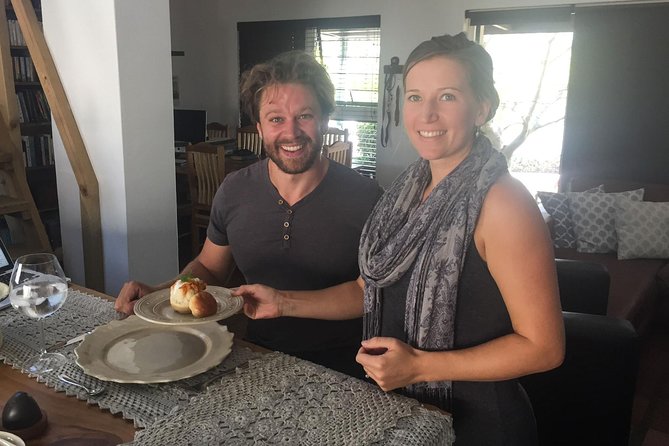
The meal includes wine pairings with local South African wines, and the pairing is designed around what you cook and what you eat. This is a major reason the experience works as more than just cooking.
A good pairing does two jobs:
- It helps you notice flavor details you might miss if you’re only focused on the food.
- It gives the meal a sense of place, because local wines tend to reflect the same regional growing conditions and culinary preferences.
From the way the meal is presented, the wine isn’t added as a random extra glass at the start. It is paired to the courses, so you drink with intention while you’re eating. That makes it easier to remember what you liked and why.
If you’re not a serious wine drinker, you don’t need to pretend to be one. You can still treat the experience like a guided tasting. Ask which bottle matches which flavor moment, and you’ll learn the basics of pairing through real context.
The Conversation Part: Food Stories You Can Repeat at Dinner
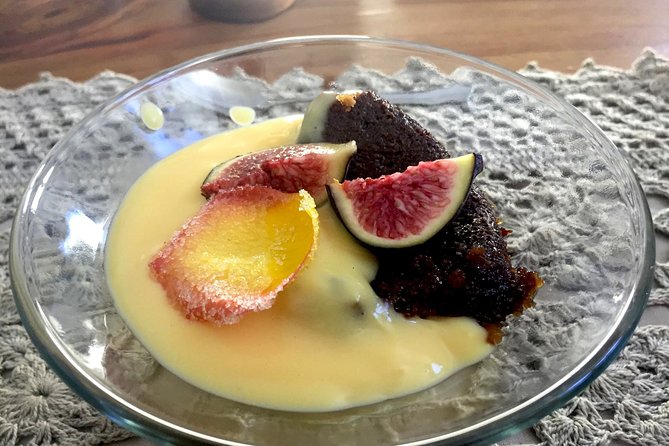
Cooking classes can feel like silent labor with a soundtrack. This one has a real social core because Jolandi provides history and context while you work and eat.
The strongest example in what you’re told is the origin of dishes like Bunny Chow and how that connects to Apartheid-era South Africa. That kind of explanation changes the meal from just food into something with meaning. You start asking better questions too: why a dish became popular, how people made it work with available ingredients, and how tradition survives even when history is complicated.
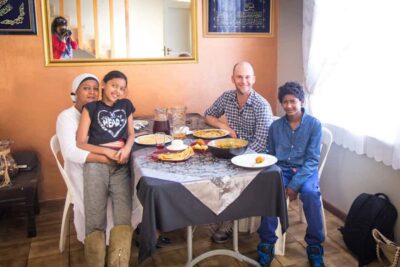
And then there is the human side. You’re eating with Jolandi and her family, which changes the vibe from classroom to conversation. The best part of this kind of home meal is the back-and-forth: you can ask about ingredients, customs, and what a dish means to them. You get stories that you will not find on a restaurant menu.
If you like your travel experiences to have a pulse, not just a schedule, this is a good fit. You’re not hunting for attractions. You’re learning through a person.
Price and Value: Why $74 Can Feel Like More Than Dinner
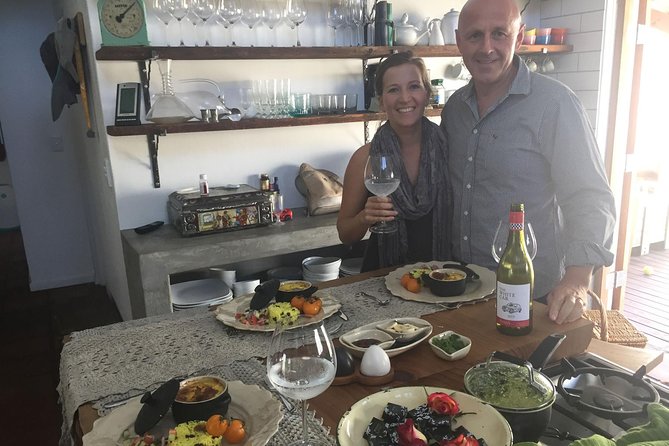
At $74 per person, this isn’t a budget street-food crawl. But it also is not just a restaurant meal with a side of entertainment. You are paying for a set of things that are hard to replicate on your own:
- a private cooking class with a home cook (so your group gets focus)
- a full meal that you help prepare from scratch
- wine pairings included
- dish history and conversation that make the meal more than food on a plate
- and a leave-behind personalized recipe and information booklet
Value in travel is rarely about the lowest price. It’s about what you get that you cannot easily replace. A restaurant meal is easy. A home-cooked meal with structured instruction plus local wine pairing and cultural context is not.
Also, if you have a group traveling together, group discounts can make this even better. If you are traveling with friends or family, split the ride planning and you’ll feel like you got a real experience, not a scripted activity.
Who This Class Suits Best (And Who Might Want Something Else)
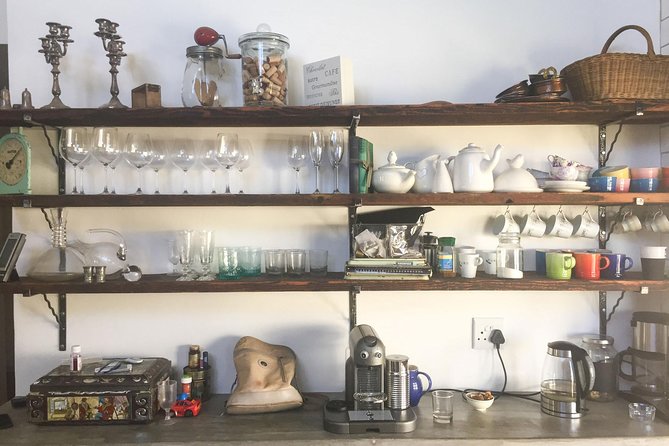
This experience is a great match if you:
- want a real South African meal experience, not a tasting menu
- enjoy cooking and want to learn techniques you can use later
- care about why food matters, especially when it connects to South African history
- like wine pairing as part of the meal, not an afterthought
- prefer private, personalized attention
It might be less ideal if you:
- expect hotel pickup and drop-off convenience (there is none here)
- want a highly structured, standardized class the same way every time (the menu can vary by season and the format is home-based)
If you are the kind of traveler who likes stepping into someone’s kitchen and learning their approach, this fits your style. If you just want a quick meal with minimal time commitment, look at shorter, less instructional options.
Practical Tips Before You Go (So You Enjoy It More)
Because it is a home kitchen, your mindset matters. Treat it like a dinner invitation where you actively participate.
A few smart prep choices:
- If you have dietary needs, mention them at booking. Vegetarian option is available, and allergies or restrictions should be shared when you book.
- Plan your arrival time around the start point at Die StalDie Teras. Since there is no pickup, your schedule depends on you.
- Expect the menu to change with the season, so keep an open mind rather than hunting for a specific dish.
- Wear comfortable clothes you can move in. Cooking involves hands-on prep.
On the confirmation side, you’ll get confirmation within 48 hours of booking, subject to availability. If you’re traveling during a busy period, book early so you get your preferred date.
Should You Book This Private South African Cooking Class?
If you want an experience that feels personal and teaches you something, I’d say yes. This is built around Jolandi, her family, and their home kitchen. You cook for real, learn techniques as you go, and then you eat with local wine pairings while you get the stories behind the dishes.
Book it if Cape Malay and traditional South African cuisine are on your travel radar, and you want a meal you can recreate later with the recipe and information booklet in hand. Skip it only if you need hotel pickup convenience or you dislike hands-on cooking.
If you’re in the Western Cape area and you want one high-impact afternoon or evening that goes past sightseeing, this is one of the most satisfying ways to spend your time.
FAQ
How long is the cooking class?
It runs for about 3 hours in total, including the hands-on cooking time of about 1.5 hours.
Is this a private experience?
Yes. It is private, and only your group participates.
Where do we meet, and where does it end?
You start at Die StalDie Teras, De Wet Rd, De Wet, Worcester, 6853, South Africa, and the activity ends back at the same meeting point.
Is hotel pickup and drop-off included?
No. Hotel pickup and drop-off are not included.
Does the price include wine pairings?
Yes. The class and meal with Jolandi include wine pairings.
Can I choose between lunch or dinner?
Yes. There is a choice of a lunch or dinner cookery class.
Is there a vegetarian option?
Yes, a vegetarian option is available. Let the provider know at the time of booking.
What if someone in my party has allergies or dietary restrictions?
If you have allergies, dietary restrictions, or specific cooking preferences, you should advise the provider at booking so the menu can be adjusted.
Does the menu stay the same?
The menu may vary depending on the season.
What is the cancellation policy?
You can cancel up to 2 days in advance for a partial refund. If you cancel less than 2 full days before the experience start time, you will not receive a refund.
Keep going: the rest of our Western Cape write-ups
- Authentic Private South African Cooking Class with Jolandi
★ 5.0 · 3 reviews - Motorbike adventures on a dual purpose motorbike in the Garden Route and Karoo.
★ 5.0 · 3 reviews - Swartberg Pass Tour including Traditional Karoo Lunch
★ 4.5 · 4 reviews - 3-Day Private Hiking Trail in The Overberg
★ 5.0 · 4 reviews - Private Tour: Cape Point, Penguins, Chapmans Peak & more…
★ 5.0 · 4 reviews - Langebaan Lagoon Island Kayak Experience
★ 4.5 · 6 reviews
Cooking Classes, compared.
 ★ 4.8Cape Town: Malay Cooking Class and Lunch in Bo-KaapFrom $49515 reviews
 ★ 5.0Authentic African Cuisine Cooking ExperienceFrom $57236 reviews
 ★ 4.8Cape Town: Cape Malay Cooking Class in Bo-KaapFrom $52120 reviews
 ★ 4.7Cape Town: Bo-Kapp Walking Tour and Malay Cooking ClassFrom $68105 reviews
 ★ 5.0Half-Day Small Group Cooking Experience in FranschhoekFrom $11674 reviews
 ★ 4.9Cape Town: Authentic African Cuisine Cooking ExperienceFrom $7131 reviews
 ★ 5.0Private Cape Malay Cooking Class in Cape Town with a Local FamilyFrom $10024 reviews
 ★ 4.6GQ: City Walking Tour & African Cuisine Cooking ClassFrom $5611 reviews
Browse the lists this tour appears in