
REVIEW · BO-KAAP AND CAPE TOWN CITY WALKS
Cape Town: City Bowl, Bo-Kaap, and Langa Township Tour
Township stories hit you fast. This 150-minute walk gives you real context for Cape Town, from Bo-Kaap’s colorful houses to Langa’s lived experience, all while your guide connects what you see to the city’s shifting eras. I especially like the way the tour points out architecture styles you might spot in the City Bowl, including Cape Dutch and Rococo, and then brings those visual clues back to people and culture. I also love the fact that you do more than look, you taste, listen, and meet locals through music, dance, and daily-life conversations. One consideration: it is still a moderate walking tour, so comfortable shoes matter.
The start point is Guga S’thebe, and you’ll keep moving at a steady pace through neighborhood streets and photo stops, with time built in for a guided look and cultural moments. I’m a fan of the balance here, architecture and history on one side, township food and performance on the other, without turning it into a show-and-go checklist. If you want a trip that feels local and understandable, this format fits. Just plan for the walk, bring water, and use sunscreen before you step outside.
In This Review
- Key highlights worth your attention
- Getting oriented at Guga S’thebe, then heading into the neighborhoods
- City Bowl streets and the architectural styles you’ll actually notice
- Bo-Kaap: colorful houses, and why the guide’s explanation matters
- Langa township walk: history, daily life, art markets, and community projects
- Food tastings, music and dance, and township hospitality
- Cultural performance and photos, how to get the best experience
- Price and value: why $28 for 150 minutes can make sense
- Who this tour suits best, and who should choose something else
- What to pack, and how to prepare so you enjoy every stop
- Should you book this Cape Town City Bowl, Bo-Kaap, and Langa tour?
- FAQ
- How long is the Cape Town City Bowl, Bo-Kaap, and Langa Township Tour?
- Where does the tour start?
- Is the tour walking-heavy?
- What language is the guide?
- Is food included?
- Are there places to buy souvenirs?
- Is there music or a cultural performance?
- Are there photography opportunities?
- Is hotel pickup included?
- Is it wheelchair accessible?
- What should I bring?
Key highlights worth your attention
- Bo-Kaap color you can see up close, not just from a distance, with a guided explanation of what it represents
- City Bowl architecture mix, including Cape Dutch and Rococo, plus other styles you can spot along the way
- A real township walking experience in Langa, with guided stops focused on history, culture, and daily life
- Food tasting and a music-and-dance session, so you learn through senses, not only facts
- Local art and craft markets, plus a chance to buy handmade souvenirs directly from artisans
- Community project visits, giving context for what people are building for the future
More walks through the Bo-Kaap and the city bowl
- Cape Town: Malay Cooking Class and Lunch in Bo-Kaap★ 4.8 · 515 reviews
- Cape Town Walking Tour: Bo-Kaap & City Highlights★ 4.8 · 161 reviews
- Bo-Kaap: Walk with a local★ 5.0 · 131 reviews
- Cape Town: Cape Malay Cooking Class in Bo-Kaap★ 4.8 · 120 reviews
Getting oriented at Guga S’thebe, then heading into the neighborhoods
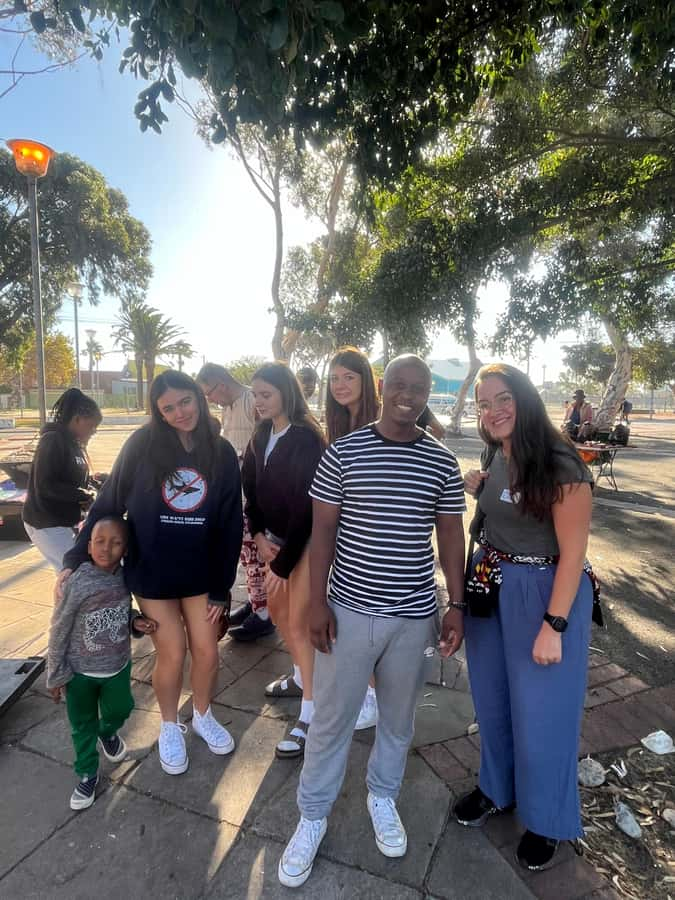
You’ll meet at Guga S’thebe, then get going on foot. That matters more than it sounds. Walking keeps you at street level, where Cape Town’s look makes sense, and where the guide can point out details you would miss if you were just passing by in a car.
Because this is a 150-minute tour, it moves at a friendly but focused pace. You’re not doing a long trek across the city. You’re doing short, meaningful blocks: look, learn, pause for photos, and then shift to the next neighborhood mood. The route also includes photo stops, which is handy because the best shots are usually the ones you take after someone explains what you’re actually looking at.
I like that the tour is built around a local guide who speaks English and gives in-depth context. The names Banele and Subusiso show up in past participant feedback as guides who are both kind and thorough with explanations. That combination matters. Cape Town’s neighborhoods can feel complex quickly, so having someone who can translate the why behind the scenes helps you keep your bearings fast.
City Bowl streets and the architectural styles you’ll actually notice

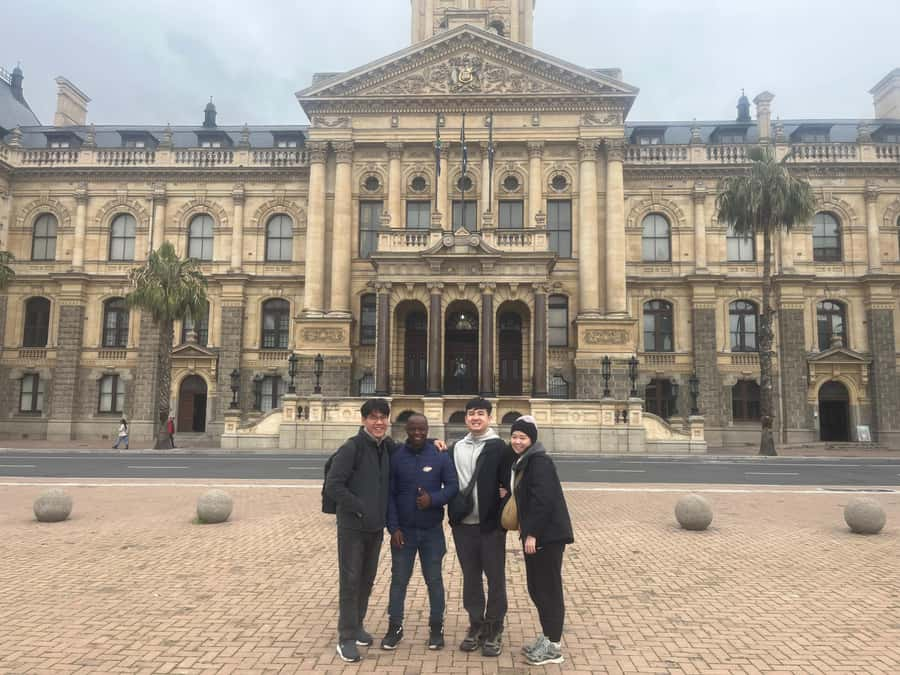
Even if you are not an architecture person, you’ll get something out of this part. The tour is set up to help you see how the city’s built environment reflects different periods and influences. You’ll encounter styles including Cape Dutch, Rococo, Art Deco, and British looks.
Here’s how this becomes useful for you. Instead of thinking of Cape Town as one place with one style, you start noticing layers. You can treat those buildings like a time map. The guide’s job is to connect those layers to the broader story of the city, so you’re not just staring at facades. You’ll be learning what shaped neighborhoods and how architecture became part of local identity.
A big plus: this segment pairs visual learning with the rest of the tour. When you later reach Bo-Kaap and Langa, you’ll have a clearer sense of how Cape Town’s history shows up in everyday space. The whole flow stays coherent, City Bowl as context, Bo-Kaap as visible neighborhood character, and Langa as lived experience and ongoing change.
Bo-Kaap: colorful houses, and why the guide’s explanation matters
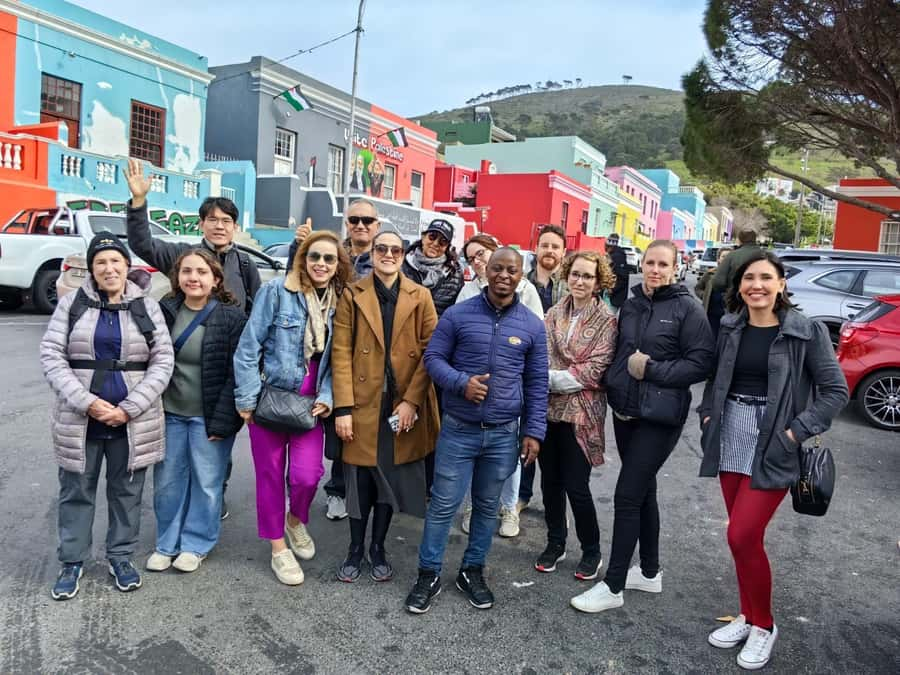
Bo-Kaap is the kind of place where your first reaction is usually, wow, those colors. And yes, you’ll see that. The tour includes a guided visit to the area and focuses on those colorful houses.
But the value is not only photos and postcard views. The guide frames Bo-Kaap as part of Cape Town’s wider cultural story, so the neighborhood feels like more than scenery. You’re learning what makes it distinctive and how culture and history show up in the street scene.
If you like walking tours where the stop has a clear purpose, Bo-Kaap fits that. It’s visual, but it also gives you a foundation for understanding the rest of the day. Even the way the tour moves from the City Bowl into Bo-Kaap helps: you start seeing Cape Town not as a single tourist corridor, but as connected areas with their own identity.
A practical note: this is an active neighborhood experience. Wear shoes that can handle uneven pavement, and bring your camera. There will be photo opportunities, and you’ll want to take advantage while the guide is still talking, since that’s when it makes the most sense.
Langa township walk: history, daily life, art markets, and community projects
Langa is the heart of the tour experience. This is where the day shifts from sightseeing to understanding how people live, celebrate, and keep building their community. You’ll do a guided walking tour through the historic area, with time for both photo stops and conversation.
The focus includes history and culture, including Langa’s legacy during apartheid and in the post-apartheid era. That phrasing is important. It signals that you should expect context about how things changed, but also what remains central to community life. You’re not just hearing a timeline. You’re getting a way to interpret what you see around you.
The tour also includes cultural stops that go beyond explanations:
- Local art and craft markets, where you might have a chance to purchase handmade souvenirs from artisans
- Township food culture, with a tasting of traditional dishes
- Opportunities to meet local residents and learn about daily lives
- Visits to community projects or initiatives that are making an impact
- A chance to see and hear local music and dance traditions
This is where the tour earns trust. When a tour includes meetings with residents, markets, food tastings, and community projects, it usually means the guide is working with people who know the area. The tour also includes a cultural performance or music session with local artists, which can be a strong way to experience Langa’s energy without turning it into a performance for outsiders.
Now, the one real consideration: you are walking. The streets can be challenging, and the tour is set up as a moderate walking experience. If you know you get tired easily, treat this like a proper half-day outing. Bring water, and keep your hat and sunscreen handy.
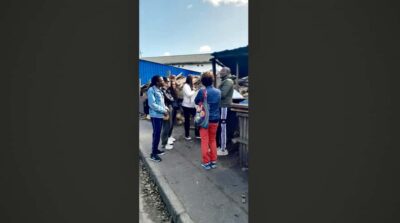
Other township walks led by residents of the neighbourhood

Food tastings, music and dance, and township hospitality
One of the best parts of this kind of tour is when the culture reaches you through more than your eyes. Here, you get a tasting of traditional dishes, plus an introduction to local music and dance traditions. There’s also a cultural performance or music session with local artists.
For you, that means you’ll leave with more than facts you can repeat. You’ll have sensory memories, the kind that help you remember the story behind a place. Food is especially useful because it gives a different angle on daily life. Instead of talking only about history, you’re also experiencing something people actually share and enjoy.
There is also a brief stop at local cafes or shops to experience township hospitality. You might not expect much from a quick cafe pause, but it helps you transition from street-level learning into a more relaxed, human moment. It also gives you a chance to check in with your guide if anything you saw earlier is still unclear.
If you want to take home something real, you may also have the chance to buy handmade souvenirs directly from local artisans. That’s often a better use of your souvenir budget because it supports makers directly, not only souvenir resellers.
Cultural performance and photos, how to get the best experience
You’ll have photography opportunities at key spots in the township. You’ll also attend a cultural performance or music session. Those two elements can be awesome, but they work best if you plan your expectations.
For photos, wait for the guide’s explanation if one is given. When you understand what you’re looking at, your pictures tend to feel more meaningful and less random. The same goes for cultural performances. If the guide introduces the music and dance traditions, you’ll get more out of the show instead of treating it like background noise.
Also, be respectful with your camera. In places where people are sharing daily life and culture, your best photos are usually the ones where you ask yourself whether you are capturing a moment or disrupting it. The tour is designed to help you meet residents and learn, so treat the whole experience like a conversation, not a shoot.
A final small but important tip: pack light. You’ll be on foot, and you want your hands free for photos, tasting, and the little stops along the way. A hat and sunscreen are non-negotiable under bright sun, and comfortable shoes are your best friend.
Price and value: why $28 for 150 minutes can make sense
At $28 per person, this is the sort of activity that can feel like good value, as long as you match it to what you want from Cape Town. This is not just a walking loop through scenery. The tour includes a local guide with in-depth knowledge, a walking tour in Langa, cultural landmarks, local art and craft markets, a food tasting, opportunities to meet residents, and music and dance components. It also includes chances to photograph key spots and buy handmade souvenirs.
So where does the value come from?
- You’re paying for context, not only movement through neighborhoods
- You get multiple types of cultural learning in one timeframe: history, food, markets, music, and community projects
- You avoid having to research and stitch together separate experiences on your own
The main trade-off is that it is only 150 minutes. You need to be okay with a guided overview that leaves you wanting more. If you have one day and you want the biggest understanding per hour, this format works.
Who this tour suits best, and who should choose something else
This tour fits best if you want a guided experience that connects architecture, history, and everyday culture in a short time. It is ideal for first-time visitors who want to get more than a surface view of Cape Town. It’s also a strong pick if you enjoy walking tours, conversation, markets, and cultural performances.
You should reconsider if:
- You dislike moderate walking
- You have altitude-related health concerns, since it is listed as not suitable for people with altitude sickness
- You are over 95 years old, since it is not suitable for that age group
If you’re traveling with limited mobility, the accessibility info is a bit conflicting. The activity description lists wheelchair accessibility, but it also includes a note saying it is not wheelchair accessible. My practical advice: ask the provider directly before you book, and do not assume you will be able to keep up.
What to pack, and how to prepare so you enjoy every stop
For a smooth outing, follow the practical gear list: comfortable shoes, a hat, sunscreen, water, and a camera. This tour is short, but it still includes walking and outdoor time, and the township experience is photo and conversation friendly.
Before you go, set your mindset. Go in ready to listen, ask questions, and accept that this is about context. If you arrive thinking it will be mostly viewpoints, you may feel rushed. If you arrive knowing it mixes culture, food, and history, you’ll likely feel like the time flew by in the best way.
When you meet the guide, take advantage of their English explanations early. If anything feels confusing, ask. Guides like Banele and Subusiso are specifically noted for being very friendly and for answering questions thoroughly, which is exactly what you want on a day that covers multiple neighborhoods.
Should you book this Cape Town City Bowl, Bo-Kaap, and Langa tour?
I’d book it if you want a focused, guided way to understand Cape Town beyond the usual highlights. The combination of City Bowl architecture styles (Cape Dutch, Rococo, Art Deco, British), Bo-Kaap’s colorful street character, and Langa’s walking-based cultural learning, including food tasting and a music-and-dance session, makes the 150 minutes feel packed with meaning.
Skip it if you need a low-walking option, or if your comfort level with outdoor movement is limited. Also, double-check accessibility with Sbzy tours and adv because the provided info conflicts.
If you are planning a first visit, this kind of tour is a solid early anchor. It helps you see Cape Town as connected neighborhoods with real stories, not just places to tick off. For a single half-day that blends history, culture, and people, this one is worth your money and your attention.
FAQ
How long is the Cape Town City Bowl, Bo-Kaap, and Langa Township Tour?
It lasts 150 minutes.
Where does the tour start?
The starting location is Guga S’thebe.
Is the tour walking-heavy?
Yes. It includes moderate walking and a walking tour through the historic Langa township.
What language is the guide?
The live tour guide is available in English.
Is food included?
The tour includes a tasting of traditional dishes. Meals and drinks are not included unless specified.
Are there places to buy souvenirs?
Yes. The tour includes an opportunity to purchase handmade souvenirs directly from local artisans.
Is there music or a cultural performance?
Yes. The tour includes an introduction to local music and dance traditions, plus a cultural performance or music session with local artists.
Are there photography opportunities?
Yes. There are photography opportunities at key spots in the township.
Is hotel pickup included?
No. Hotel pickup and drop-off are not included.
Is it wheelchair accessible?
The information is mixed: it lists wheelchair accessible, but it also notes that it is not wheelchair accessible. You should confirm with the provider before booking.
What should I bring?
Bring comfortable shoes, a hat, a camera, sunscreen, and water.
Another Day in Cape Town, Planned Out
Township Tours Led by the People Who Live There
Walking Cape Town: More Routes
Keep going: the rest of our Cape Town write-ups
- Cape Town to Cape Point Helicopter Flight – 48Min
★ 4.2 · 3 reviews - Full Day Private Hiking Table Mountain & City
★ 5.0 · 3 reviews - Sandboarding with jeep – drive uphill
★ 5.0 · 3 reviews - Full Day Tour for Cape of Good Hope & Boat to Seals Island
★ 5.0 · 3 reviews - 10 Day South Africa Tour Joburg to Cape Town
★ 5.0 · 3 reviews - 5 Day Garden Route Small Group Tour Fr CapeTown – Departs Mondays
★ 5.0 · 3 reviews
Bo-Kaap and Cape Town City Walks, compared.
 ★ 4.8Cape Town: Malay Cooking Class and Lunch in Bo-KaapFrom $49515 reviews
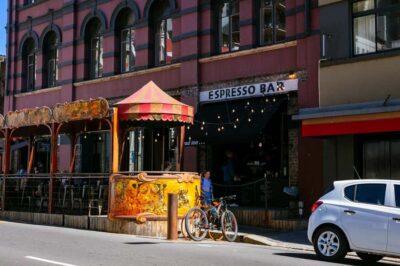 ★ 4.8Cape Town Walking Tour: Bo-Kaap & City HighlightsFrom $40161 reviews
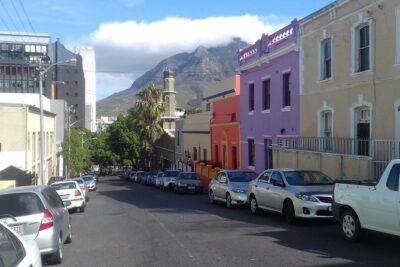 ★ 5.0Bo-Kaap: Walk with a localFrom $25131 reviews
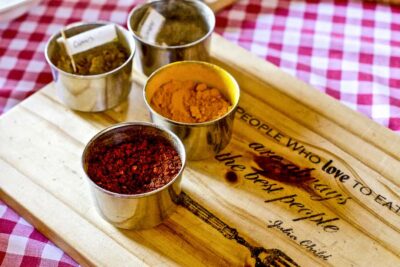 ★ 4.8Cape Town: Cape Malay Cooking Class in Bo-KaapFrom $52120 reviews
 ★ 5.01 Hour Cape Town Bo Kaap Photoshoot ExperienceFrom $9761 reviews
 ★ 4.9Bo-kaap and City tourFrom $4659 reviews
 ★ 4.5Cape Town Township Tour Including Langa Township and Bo-KaapFrom $6138 reviews
 ★ 4.9Photoshoot Session: Cape Town Bo-Kaap!From $8037 reviews
Browse the lists this tour appears in