
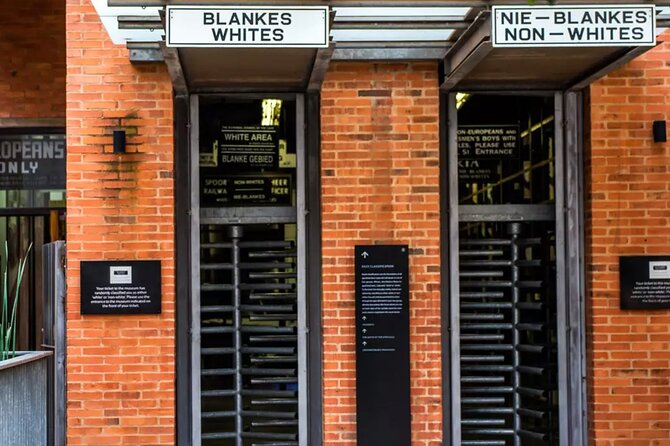
REVIEW · APARTHEID HISTORY TOURS
Apartheid History of South Africa (Full day Experience with lunch
Gold, prisons, and revolutions in one day. This full-day Apartheid history experience links the origins of Johannesburg to the everyday reality of segregation in Soweto, with stops that help you see past, present, and what still echoes today. I love that it starts with the gold discovery story and the mining headquarters where the system took shape, then moves forward to how power was enforced. I also like the mix of places you can walk through and read, including Constitution Hill and the major museums that put names and dates to events.
One possible drawback: the day runs about 4 to 8 hours, and the schedule includes a bit of walking plus museum time that can shift depending on the day. Also, while the overall ratings are strong (4.6 out of 5, with 92% recommending), there are a few reports about communication and refund delays, so I recommend confirming pickup details and keeping your booking info handy.
In This Review
- Key things I’d circle on your planning list
- A Johannesburg and Soweto day built around how apartheid worked
- Johannesburg’s gold discovery stops, and why that matters
- Maboneng and Marshalltown, street art with a purpose
- Constitution Hill Human Rights Precinct and Hallmark House city views
- Soweto essentials: Mandela House, June 16, and Hector Pieterson
- Apartheid Museum time, and how to get the most from one hour
- Price, value, and what you’ll actually spend extra
- Who this tour suits best, and who might want a different pace
- Should you book this Apartheid History tour?
Key things I’d circle on your planning list

- Gold rush origins in Johannesburg to explain why the city grew the way it did
- Street art and design stops at Maboneng and Arts on Main for a modern counterpoint
- Constitution Hill Human Rights Precinct for the prison-to-museum perspective
- Soweto highlights focused on Mandela House and June 16 history
- Apartheid Museum time set aside to connect the story in one place
- Lunch plus transport (air-conditioned vehicle) to keep the day realistic
More sites and museums that record the apartheid years
- Soweto and Apartheid Museum Guided Tour★ 5.0 · 38 reviews
- Apartheid History of South Africa (Full day Experience with lunch★ 4.5 · 24 reviews
- Soweto & Apartheid Museum Tour★ 5.0 · 20 reviews
- Soweto & Apartheid Museum Guided Tour★ 5.0 · 18 reviews
A Johannesburg and Soweto day built around how apartheid worked
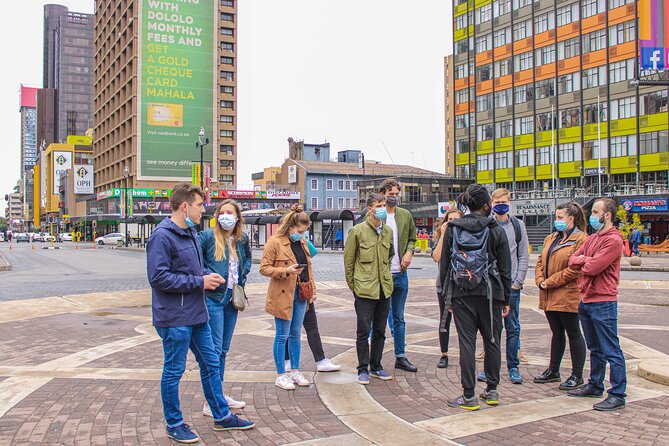
This is a “how it was designed” kind of tour, not just a “stand here and look” kind of day. You’ll move between Johannesburg and Soweto in two clear parts, with the aim of showing the machinery behind apartheid: economic forces, laws, and the spaces that made oppression easier to enforce. The guide helps connect the dots, so the history doesn’t feel like separate chapters.
I like that the day is built to make cause and effect easier to understand. Johannesburg starts with the money story, then the route shifts toward the political and human rights story. In Soweto, the focus becomes the lived experience, and it ends with museums that help you place the events into a wider timeline.
You’ll also get breaks that make sense for a long day, including lunch at a downtown spot. And since there’s pickup offered and an air-conditioned vehicle, you are not spending the whole day fighting for directions.
Johannesburg’s gold discovery stops, and why that matters
The Johannesburg section opens with the moment that turned the city into a magnet for labor and control: gold. You spend about 2 hours here, and the admission listed for this first stop is free, which helps keep the day value strong. The key idea is simple but important. When gold shaped wealth, it also shaped who had access to jobs, who had to move, and who had the power.
You’ll visit the mining headquarters area tied to how Johannesburg really began. For me, this is where the tour starts feeling more than educational. It gives you a framework for understanding why laws and systems followed. If you only focus on later politics, apartheid can seem like something that arrived out of nowhere. Start with the economic engine, and the later enforcement starts to make more sense.
Practical tip: bring your best “listening face” for this part. The gold discovery context tends to work best when you keep up with the why, not just the where. If you ask small questions along the way, the guide can usually translate the big ideas into plain language.
Maboneng and Marshalltown, street art with a purpose
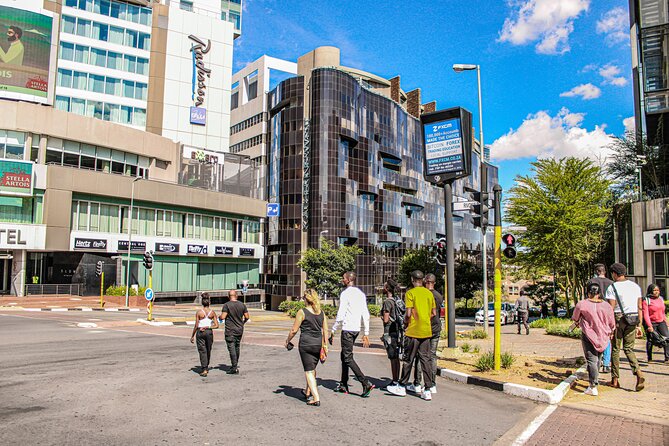
After the heavy foundation, the tour pivots to modern Johannesburg with a stop in Maboneng Precinct and Marshalltown. This is about showing how neighborhoods change, and how culture can grow even in places that have been shaped by harsh policy. You’ll spend time around the area’s creative scene and then take a walking tour through Marshalltown.
What makes this stop interesting is that it’s not random street art hopping. You’ll get pointed context on initiatives that helped make the area well known. The notes mention the Museum of African Design and Arts on Main, which was once a cluster of dilapidated buildings and now functions as a complex with galleries, restaurants, and boutiques.
There’s also a fun pop of global attention attached to Maboneng, with claims that David Beckham was seen here and that Forbes once rated it among the coolest neighborhoods. Even if you treat that like trivia, it underlines a real point: Johannesburg is not only about apartheid’s pain, it’s also about reinvention.
Then you get a lunch break in the downtown area. The schedule gives you 30 minutes for the lunch spot, and lunch itself is included. This is one of the best times to recharge before the next historical sites, because Constitution Hill and Soweto both ask more of your attention.
A small planning note: this portion involves walking and exploring. Wear comfortable shoes you can trust, especially if your pace is slower in museums later.
Constitution Hill Human Rights Precinct and Hallmark House city views

Next you head to Constitution Hill Human Rights Precinct, a political prison turned museum. You’ll have about 30 minutes here. The concept matters: you’re walking through a place built to hold soldiers and later repurposed to explain rights and human struggle. It’s a short visit on the schedule, so the guide’s job is to focus you on what to notice.
If you only have a short time in a museum-like prison setting, don’t try to read everything. Instead, look for the “big signals” the place gives you, like how space and architecture communicate power. Even with limited time, you can usually understand the purpose of confinement by focusing on layout and the way the exhibits are organized around key stories.
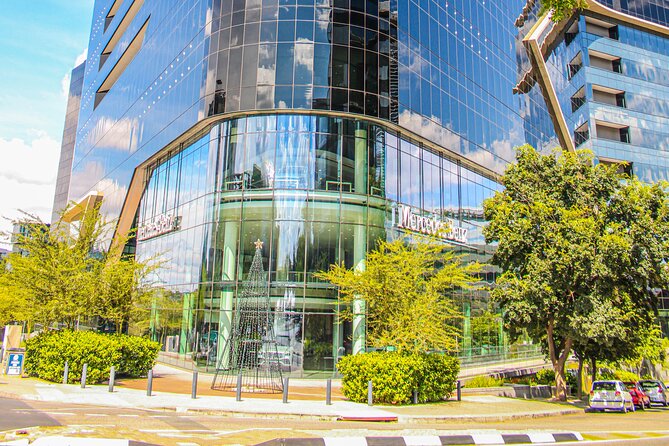
After that comes Hallmark House, with time to enjoy the views and a drink experience (alcoholic beverages are not included). You’ll have around 30 minutes here, and it’s described as part of the Deuce Bar vibe. The building is known for Sunday Sessions and live DJs, and it was refurbished with new owners, plus a fine dining option in the basement called The Marabi Club associated with Chef Katlego.
This stop is a clever contrast. After prisons and museums, you get a break from heavy information. The goal is to let you reset mentally and then continue to Soweto with clearer eyes. If you want the full effect, use the viewing time to pause and look, not to multitask.
More history you can walk through
Soweto essentials: Mandela House, June 16, and Hector Pieterson
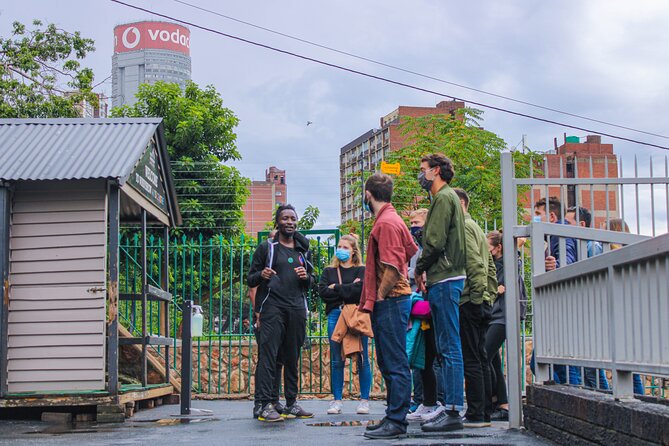
Soweto is the symbolic center of the day. You’ll have about 2 hours here, and the admission listed for the Soweto segment is free. This part of the tour is built to show how apartheid shaped daily life through space, family experience, and resistance.
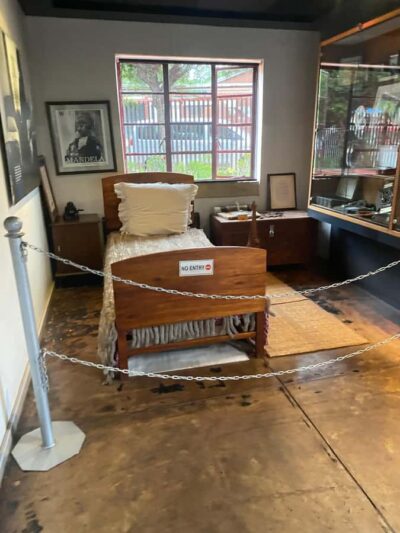
You’ll then stop at Mandela House for about 30 minutes, included. The aim here is to give context to Nelson Mandela’s life. Even if you already know his story, visiting the house setting is one of the quickest ways to make the timeline feel human. It’s also a useful bridge between the political machinery you learned earlier and the people who lived through it.
Next is Hector Pieterson Museum and Memorial, also about 30 minutes and included. The key date connected to this site is June 16, when young people fought for their lives. This is the moment in the day where youth resistance stops being an abstract concept and starts feeling immediate.
Practical advice for this sequence: pace yourself. Soweto sites are emotionally intense, and the best experience comes when you give yourself time to reflect between stops. If you feel yourself rushing, pause for a minute and let the guide’s framing sink in before you move on.
Apartheid Museum time, and how to get the most from one hour

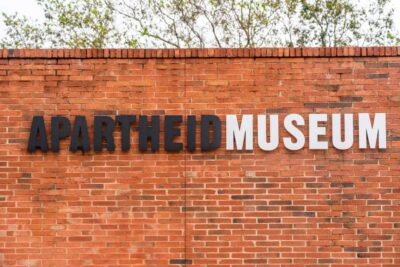
The day ends with the Apartheid Museum, scheduled for about 1 hour and included. The itinerary notes that the museum visit can be dependent on the day, but it’s still marked as a must-see. One hour is not enough to absorb every exhibit, so you need a strategy.
Here’s what works well in this kind of museum: choose a few themes before you walk in. Focus on the system itself, then one or two major consequences for everyday life, then how people resisted. If you keep that order in your head, the museum tends to feel less like overload.
Because this stop comes after Soweto, it usually lands with extra weight. You’ve already visited Mandela House and learned about June 16 history. That means the museum’s broader sweep can connect more easily to what you just saw and heard in Soweto.
If you want better value from the hour, arrive ready to ask questions. A good guide can point out which sections do the best job of explaining how apartheid was structured.
Price, value, and what you’ll actually spend extra
The price is $106.78 per person for a day that typically runs 4 to 8 hours. That price can feel fair because a lot of the “hidden extras” are already handled. You get an air-conditioned vehicle, a guide, coffee and/or tea, lunch, and all fees and taxes listed as included. Museum access is also listed as part of the package.
One caution to keep your expectations tidy: the stop details show Constitution Hill with admission marked as not included in that specific slot, even though the overall inclusions say museum entrance is included. Before you go, double-check what entrance costs apply on your exact day. It’s not meant to scare you off, just a smart move so you do not get surprised at the gate.
Alcoholic beverages are not included. That matters because the Hallmark House stop includes time for drinks, but you should assume it’s non-alcoholic or limited to what’s covered in the package.
Also, your group size can be up to 50. That’s not a small group, so you’ll get the most from the tour if you are comfortable listening in a group setting and watching the guide for the next meeting point.
Who this tour suits best, and who might want a different pace

This tour is a strong fit if you like history that explains systems, not just stories. If you want to understand how apartheid was designed and how that structure still affects South Africa today, the Johannesburg-to-Soweto flow does a good job of building the logic step by step.
You’ll also likely enjoy it if you like a mix of serious sites and modern city contrast. Maboneng brings street art, design spaces, and a sense of neighborhood change, which prevents the day from becoming only heavy museum time.
If you are the kind of traveler who needs lots of free time at each site to wander and read every label, this schedule may feel tight. With museum time carved into shorter blocks, you will want to rely on the guide and focus on the key messages rather than doing a slow solo study.
Should you book this Apartheid History tour?
I think you should book if you want a guided, structured explanation of apartheid that connects gold, law, confinement, and youth resistance across Johannesburg and Soweto. The value is helped by lunch and transport, and the route hits the big memorial and museum stops in a single day.
I’d hesitate if you cannot handle a long day or if you are sensitive to schedule changes around museum timing. And because a few people have reported communication and refund frustrations with this provider, I’d treat this as a “confirm everything before you go” tour. Double-check pickup details, keep your booking confirmation, and plan to arrive ready to move.
If you go in with a curious mindset, this is the kind of day that gives you a clearer mental map of how apartheid worked, not just a list of places you visited.
The Past, On Foot in Pretoria
Apartheid History: Other Sites We Have Documented
Keep going: the rest of our Pretoria write-ups
- Pretoria City Tour and Cullinan Mine Tour from Johannesburg
★ 5.0 · 3 reviews - Full Day Soweto, Johannesburg and Apartheid Museum Guided Tour
★ 5.0 · 3 reviews - Cradle of Humankind Full Day Tour from Pretoria and Johannesburg
★ 4.5 · 3 reviews - 3-Day Private Tour Johannesburg – See everything
★ 5.0 · 3 reviews - From Johannesburg: Pretoria Guided City Tour
★ 4.5 · 3 reviews - Pretoria Tour-Voortrekker Monument, Town, Union Buildings
★ 5.0 · 3 reviews
Apartheid History Tours, compared.
 ★ 4.8Jo’berg in 1 Day: Soweto, Apartheid Museum & City TourFrom $142524 reviews
 ★ 4.8Johannesburg: Full-Day Tour with Soweto and Apartheid MuseumFrom $104478 reviews
 ★ 5.0Full-Day Soweto, Apartheid Museum and Lunch TourFrom $108410 reviews
 ★ 5.0Half Guided Day Tour of Soweto And Apartheid MuseumFrom $69356 reviews
 ★ 5.0Ultimate Johannesburg Soweto Experience with Apartheid MuseumFrom $108313 reviews
 ★ 4.5Soweto: Hop-On Hop-Off Bus, City Tour and Apartheid MuseumFrom $50250 reviews
 ★ 4.9Johannesburg and Soweto Apartheid Full Day Tour w/LunchFrom $93219 reviews
 ★ 4.9Johannesburg: Soweto & Apartheid Museum Half-Day TourFrom $8499 reviews
Browse the lists this tour appears in