
REVIEW · SOWETO TOURS
Soweto & Apartheid Museum Tour
Apartheid history hits hard, but it matters. This half-day Soweto and museum route turns big, painful events into clear, human stories you can actually follow. I like that it is guided from start to finish, so you are not trying to connect the dots on your own in a place where context changes everything.
Two things I like a lot: you get entry included at major stops like the Hector Pieterson Memorial, the Apartheid Museum, and Mandela House, and you travel in an air-conditioned vehicle with a group capped at 12. One thing to consider, though, is that this is a sobering day. Even when the tour includes hopeful moments, some of the content is emotionally heavy, so it is worth mentally preparing yourself.
You will also get small, practical moments that make the history feel real, from the student protest story at Orlando West to the Nobel Peace Prize connection on Vilakazi Street. And if your guide is someone like Khutso, you are likely to get patient answers and extra context that make the sites click instead of blur.
In This Review
- Key points to know before you go
- Why a Soweto half-day from Johannesburg makes sense
- Hector Pieterson Memorial: the student protest story in Orlando West
- The Apartheid Museum: how the exhibits explain the rise and fall
- Mandela House and the Nobel link on Vilakazi Street
- Orlando Power Station area and Chris Hani Baragwanath Hospital sights
- Price and logistics: what you are actually paying for
- How the guide makes the difference, and what to expect
- Who should book this Soweto and Apartheid Museum tour
- Should you book it?
- FAQ
- How long is the Soweto and Apartheid Museum tour?
- What is the price per person?
- Is pickup from Johannesburg included?
- What admissions are included?
- Is food included in the tour price?
- How large is the group?
- Do I get a mobile ticket?
- Can I cancel for a full refund?
- Are service animals allowed?
- How does the child rate work?
Key points to know before you go
- Small group size (max 12) keeps it personal, with time for questions instead of a rushed herd-in, herd-out pace
- Admission is included for the Hector Pieterson Memorial, Apartheid Museum, and Mandela House, which saves time and extra ticket stress
- A guided Soweto route helps you understand why key places matter, instead of just seeing landmarks
- Vilakazi Street adds meaning because it is linked to two Nobel Peace Prize laureates living there
- Orlando Towers and the Orlando Power Station area give you a sense of modern Soweto landmarks alongside the history
- No food is included, so plan a meal before or after, and keep a little water handy
Other Soweto routes we have reviewed, each with a local guide
- Johannesburg and Soweto tour★ 5.0 · 231 reviews
- Soweto Half Day Tour★ 5.0 · 231 reviews
- Soweto walking tour with a taxi ride★ 4.5 · 42 reviews
- Soweto, Kliptown, Eldorado Park Tour★ 5.0 · 41 reviews
Why a Soweto half-day from Johannesburg makes sense
Soweto is big, and apartheid-era history is not the kind you absorb in a quick self-guided wander. This tour keeps the focus tight, with about 5 hours total, so you can cover multiple key stops without feeling like you need to “learn everything” in one day.
The smartest part for most visitors is the pacing. You have timed museum and house visits that do not sprawl. That matters because the content is intense, and you do not want to burn out before you even reach the most important rooms.
Also, going with a group and pickup helps you arrive ready. You do not have to figure out routes, parking, or how to move from one emotionally significant site to the next. In a place with complex history, a clear plan feels like a gift.
Hector Pieterson Memorial: the student protest story in Orlando West
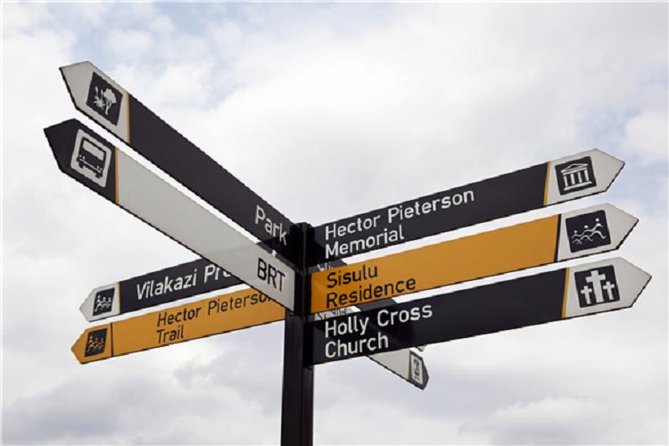
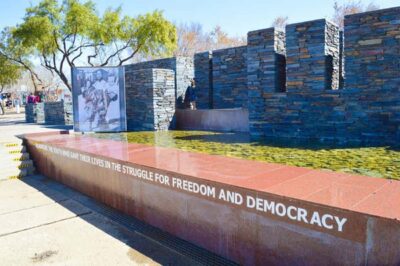
The tour starts at the Hector Pieterson Memorial and Museum in Orlando West, Soweto, with about 30 minutes there and admission included. This stop centers on the role of students during the apartheid struggle, especially the Soweto protests of 1976.
What makes this memorial powerful is the way it connects the protests to a very specific issue: sub-standard education in black schools. The story is not abstract. It is about classrooms, schooling quality, and the violence that followed when students protested.
Here is my practical advice: give yourself the full time available, even if you feel like reading everything quickly. With memorial museums, the goal is not speed. It is understanding how the event unfolded and why it became a turning point.
A possible consideration is emotional readiness. Even if you plan for it, you may still feel shaken by the fact that many school children were shot during the protests. If you are sensitive to harsh material, take breaks, and remember that it is okay to slow down your reading.
The Apartheid Museum: how the exhibits explain the rise and fall
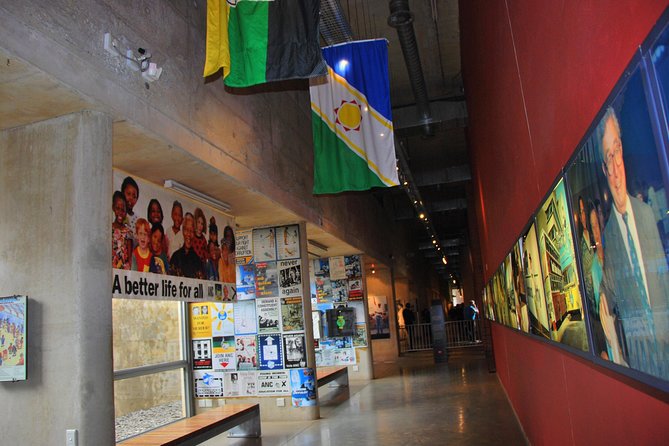
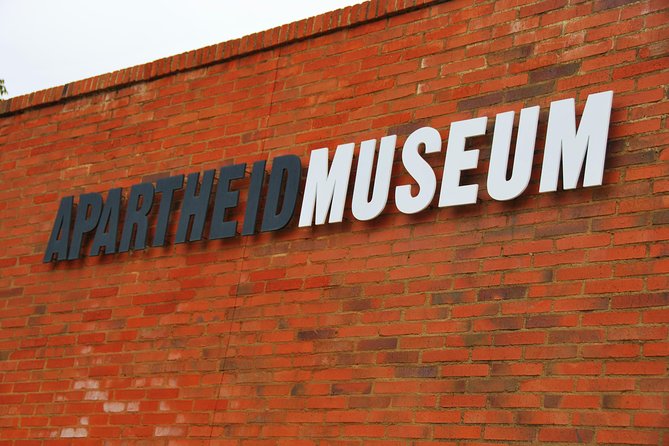
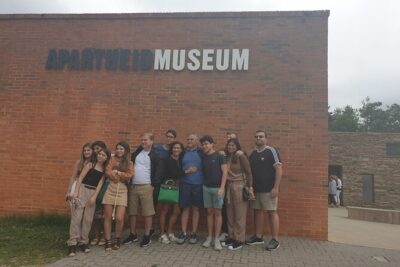
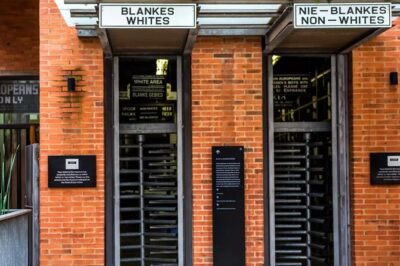
Next comes the Apartheid Museum, roughly 1 hour, again with admission included. This is described as the first of its kind, and it is built with intention, designed as part of a seven-hectare stand by an architectural consortium of multiple leading firms.
You are not only entering a museum with artifacts. You are entering a designed space that uses layout and surroundings to shape how you move through the story. That matters because apartheid is a system, not a single incident, and the museum is set up to show the broader arc.
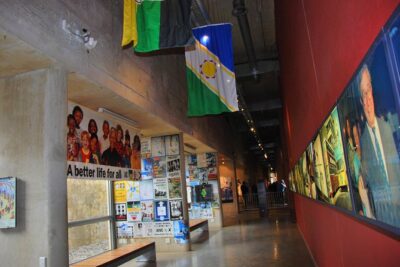
Inside, the exhibits use a mix of film footage, photographs, text panels, and artifacts. That format helps different learning styles. If you do not retain facts from text alone, video and images can do the heavy lifting. If you prefer reading, the panels give you enough detail to connect scenes to dates and policies.
What I appreciate about a stop like this is that it acts like a foundation. Once you understand how apartheid worked, other sites in Soweto make more sense, especially later connections to Mandela House and Vilakazi Street.
Just know that the museum is likely to feel heavy. The exhibits are described as provocative, and that word is not marketing fluff. Plan on some quiet time in the galleries, and do not rush to “finish.”
Mandela House and the Nobel link on Vilakazi Street
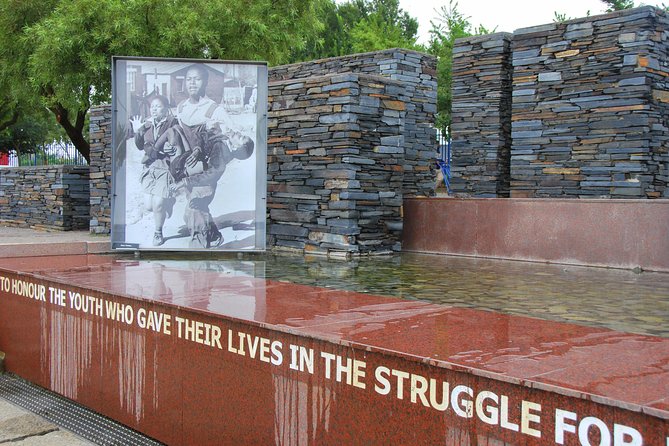
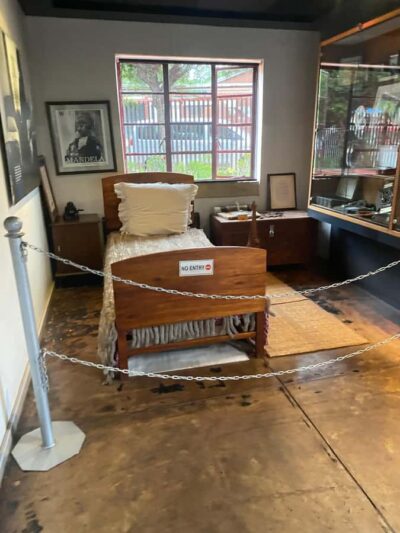
After the museum, you move to Mandela House, with about 45 minutes and admission included. The focus here is the history, heritage, and legacy of the Mandela family. The site is also positioned as a leading center for preserving and presenting that story.
This is a good contrast to the memorial and museum. You still deal with apartheid, but the tone shifts toward legacy, preservation, and what history leaves behind. It helps you see that the struggle produced people, families, institutions, and long-term change, not only tragedy.
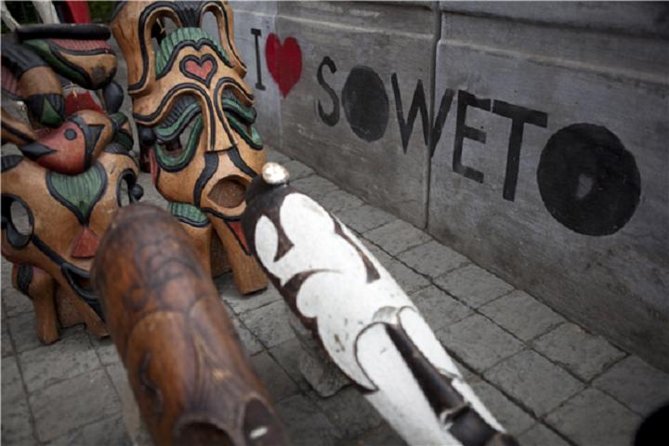
Then comes Vilakazi Street, the Soweto street of the greats. This is where the tour adds a bright thread of significance: the street is named after Dr Benedict Wallet Vilakazi, a writer and educator who published the first poetry book in Zulu. And more importantly for many visitors, it is the only street in the world described as having two Nobel Peace Prize laureates as residents, with Nelson Mandela and Archbishop Emeritus Desmond Tutu.
The stop itself is brief, about 10 minutes, and it is free entry. Think of it as a chance to orient yourself in place and context, not a long museum visit. Even in a short time, the Nobel link gives you a way to anchor the history to globally recognized names and what their influence represents.
Practical tip: if you want photos, do them respectfully and efficiently. This street is a living neighborhood, and the point is to connect the story to the real setting.
More sites and museums that record the apartheid years
Orlando Power Station area and Chris Hani Baragwanath Hospital sights
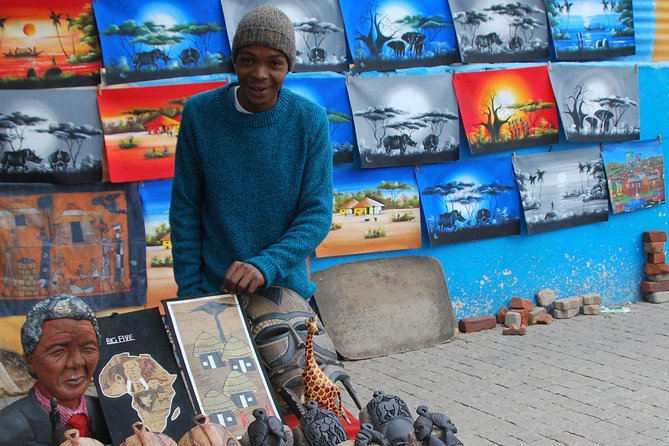
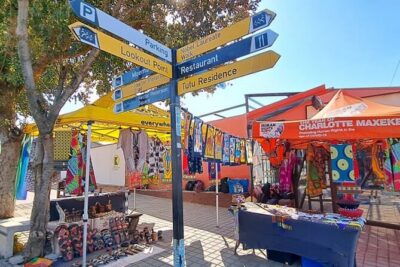
The tour also includes time for views and landmarks that help modern Soweto feel present, not frozen in 1970s footage.
Orlando Power Station and the Orlando Towers are two of the most distinctive landmarks mentioned. When the power station was active, it was considered one of the most advanced in the Southern hemisphere. Today, the towers are linked to a major claim to fame, the world’s first bungee jump between two cooling towers. Even if you are not doing the jump, seeing the scale of the towers can give you a sense of how industrial infrastructure shaped the area.
Then there is a stop connected to Chris Hani Baragwanath Hospital. The details given are impressive: it is described as the third largest hospital in the world after West China Hospital of West China Medical Center of Sichuan University and Chang Gung Memorial Hospital at Linkou. It occupies 70 hectares, with 3,400 beds and 6,760 staff members.
The takeaway here is not to memorize the numbers. It is to understand how large-scale institutions operate in real life in Soweto, beyond the political narrative. Health care, jobs, and day-to-day systems are part of the current story too.
One possible consideration: you might spend less time at these sights than you would at museums. That is normal for a half-day format. If you want deep focus on only museums, you may prefer a longer day tour later. If you want a balanced overview, these quick landmark peeks can help.
Price and logistics: what you are actually paying for
At $144.58 per person for about 5 hours, the value depends on what you want to avoid.
This tour includes all fees and taxes, plus round-trip transportation from Johannesburg, an air-conditioned vehicle, and admission tickets to the Hector Peterson Memorial, the Apartheid Museum, and Mandela House. Food and drinks are not included.
For most visitors, that combination is the real value. You pay for the guide, the transportation, and the tickets in one package. That reduces decision fatigue, and it usually helps the schedule stay on track when you are moving between multiple sites.
The only cost you will likely add is what you choose for food. Since the tour is half-day, plan a meal before you head out or afterwards, so you do not feel stuck searching for something close by while your focus should stay on the story.
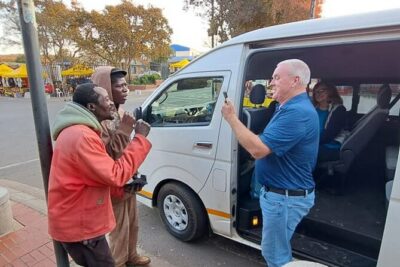
Also, look at the group size. With a maximum of 12 travelers, you get a more human pacing than large buses. That typically makes it easier to hear your guide and ask questions.
How the guide makes the difference, and what to expect
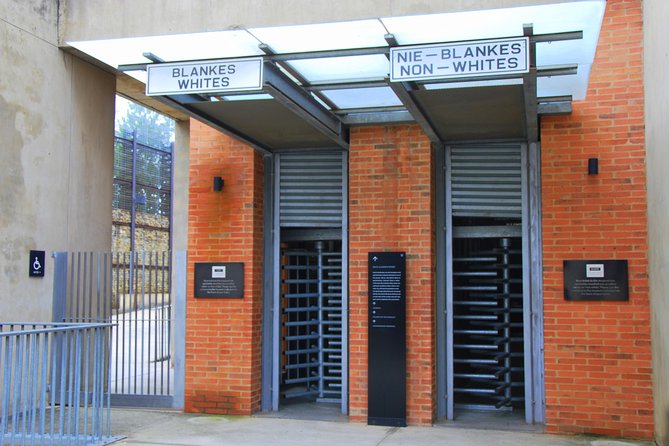
A guided tour matters here for a simple reason: apartheid history is layered. Without interpretation, you can end up with dates and names that do not connect emotionally or logically.
The reviews provided highlight that guides are friendly, informative, and willing to answer questions. One guide named Khutso is specifically mentioned as a great match for this kind of tour. That is a strong sign that you can expect clear explanations, not just facts.
In a practical sense, a good guide does three things well on this route:
- They help you understand why each site is placed where it is.
- They point out key details so you notice what matters.
- They keep the timing realistic, so you have time to read and process, not only pass through.
You also want a guide who can handle the tone. Some parts are sobering, while other moments feel inspiring. The best tours manage that shift without turning it into a mood swing.
Who should book this Soweto and Apartheid Museum tour
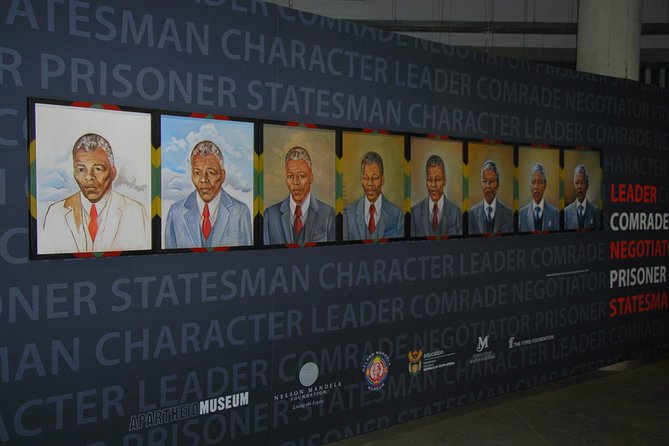
This is a strong choice if you want an organized half-day that covers the major emotional and educational stops in Soweto without trying to drive yourself.
It also fits well if you value small group energy. With a cap of 12 travelers, you are more likely to get a conversation than a monologue. If walking is a concern, one review specifically mentions enjoying the tour even when walking can be challenging for older folks. That does not mean it is effortless, but it suggests the overall pace is manageable compared to long, all-day walking tours.
You might want to adjust expectations if:
- You need a fully food-inclusive outing, because food and drinks are not included.
- You want a deep, slow read of every single exhibit panel. This is a half-day plan, so you will prioritize highlights rather than exhaustive detail.
Should you book it?
I think this tour is worth booking if you want guided context at three of the most important stops linked to Soweto and apartheid history, plus time to see modern landmarks that frame the neighborhood today.
Choose it if you care about guided explanations, included admissions, and a schedule that stays focused. The price is not low, but it is not random either, because you are paying for transportation and tickets that add up quickly if you try to plan everything alone.
Skip it only if you know you want a longer, self-paced day where you control how long you linger in each gallery. Otherwise, this half-day structure is a practical way to get your bearings fast and leave with a clearer understanding of why these places matter.
FAQ
How long is the Soweto and Apartheid Museum tour?
It is approximately 5 hours.
What is the price per person?
The price is $144.58 per person.
Is pickup from Johannesburg included?
Yes, round-trip transportation from Johannesburg is included, and pickup is offered.
What admissions are included?
Admission tickets are included for the Hector Peterson Memorial, the Apartheid Museum, and Mandela House.
Is food included in the tour price?
No, food and drinks are not included.
How large is the group?
This tour/activity has a maximum of 12 travelers.
Do I get a mobile ticket?
Yes, mobile ticket is listed as a feature.
Can I cancel for a full refund?
Yes, you can cancel up to 24 hours in advance for a full refund.
Are service animals allowed?
Yes, service animals are allowed.
How does the child rate work?
The child rate applies only when sharing with 2 paying adults.
Under Glass and Behind Ropes in Pretoria
Apartheid History: Other Sites We Have Documented
Soweto: Other Guided Routes
Keep going: the rest of our Pretoria write-ups
- Pretoria City Tour and Cullinan Mine Tour from Johannesburg
★ 5.0 · 3 reviews - Full Day Soweto, Johannesburg and Apartheid Museum Guided Tour
★ 5.0 · 3 reviews - Cradle of Humankind Full Day Tour from Pretoria and Johannesburg
★ 4.5 · 3 reviews - 3-Day Private Tour Johannesburg – See everything
★ 5.0 · 3 reviews - From Johannesburg: Pretoria Guided City Tour
★ 4.5 · 3 reviews - Pretoria Tour-Voortrekker Monument, Town, Union Buildings
★ 5.0 · 3 reviews
Soweto Tours, compared.
 ★ 4.5Johannesburg Hop-On Hop-Off City Tour with Soweto OptionFrom $16768 reviews
 ★ 4.5Half-Day Tour of Soweto TourFrom $63712 reviews
 ★ 4.9Soweto: Walking Tour with a Local Guide and LunchFrom $43648 reviews
 ★ 4.8Jo’berg in 1 Day: Soweto, Apartheid Museum & City TourFrom $142524 reviews
 ★ 4.8Johannesburg: Full-Day Tour with Soweto and Apartheid MuseumFrom $104478 reviews
 ★ 4.8Johannesburg and Soweto: Half-Day TourFrom $71439 reviews
 ★ 5.0Full-Day Soweto, Apartheid Museum and Lunch TourFrom $108410 reviews
 ★ 5.0Half Guided Day Tour of Soweto And Apartheid MuseumFrom $69356 reviews
Browse the lists this tour appears in