
REVIEW · SOWETO TOURS
History Bicycle Tour of Soweto
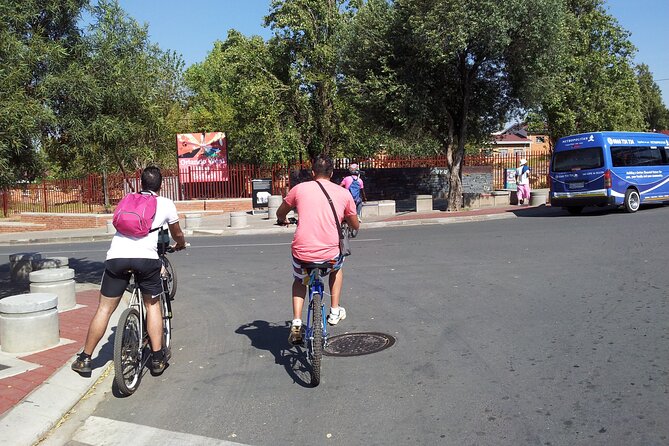
A bike ride through Soweto hits hard. This 4-hour Soweto cycling tour takes you past key apartheid-era landmarks, with stops tied to everyday life, struggle, and the people who shaped South Africa’s story, including the area linked to the Nelson Mandela years.
I like that it is not just pretty scenery. You get a guided, human-scale view of how the township formed and how resistance unfolded, plus you see major sites like the Regina Mundi church and the places connected to student protest.
The main thing to plan for is physical strain and heat. Expect uphill sections and hot sun, and one review noted the bikes can be basic, with limited shifting, so bring a full hat and be ready to work.
In This Review
- Key things you should know before you pedal
- Why this Soweto bike tour feels more real than a museum-only day
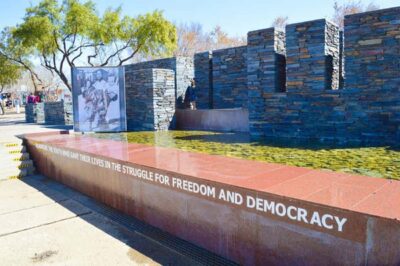
- Starting at the Hector Pieterson Memorial in Orlando West
- Riding through Soweto’s key places, from 1904 beginnings to churches and Mandela sites
- Orlando West High School and the 1976 student uprising stop
- Heat, hills, and bike quality: what to prepare for on the road
- Finishing at Coffee and Cream, then visiting the Hector Pieterson Museum
- Price and value: what $40.91 gets you, and why book ahead
- Who this Soweto bike tour is best for, and who should skip it
- Should you book History Bicycle Tour of Soweto?
- FAQ
- How long is the History Bicycle Tour of Soweto?
- Where does the tour start?
- Where does the tour end?
- What is included in the price?
- Is hotel pickup or drop-off included?
- How many people are on the tour?
- What should I do after the bike tour?
- Is cancellation free?
- Is there an age or child rate?
Key things you should know before you pedal
- Start at the Hector Pieterson Memorial and build context as you roll through Orlando West and into Soweto.
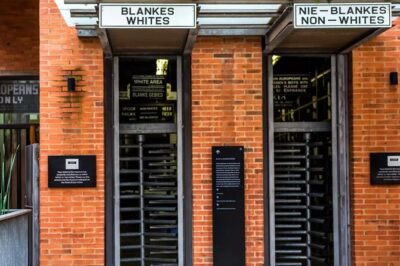
- Orlando West High School stop focuses on the 1976 student uprising and why Hector Pieterson became a symbol.
- Mandela-linked and Tutu-linked homes are part of the route, alongside churches and other community sites.
- The Regina Mundi church and other religious landmarks help connect the story to real neighborhood life.
- Expect heat and uphill riding on basic bikes, so pack sun protection and keep your pace steady.
- Small groups (max 10) and included helmet use make this feel more personal than a big bus tour.
Other Soweto routes we have reviewed, each with a local guide
- Johannesburg and Soweto tour★ 5.0 · 231 reviews
- Soweto Half Day Tour★ 5.0 · 231 reviews
- Soweto walking tour with a taxi ride★ 4.5 · 42 reviews
- Soweto, Kliptown, Eldorado Park Tour★ 5.0 · 41 reviews
Why this Soweto bike tour feels more real than a museum-only day
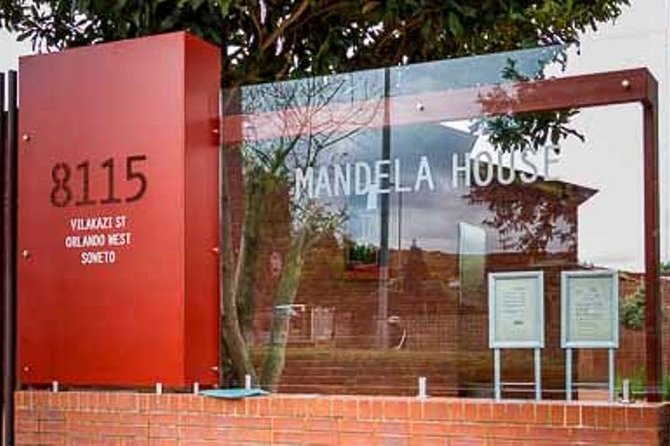
A bike tour works differently here. You are not just looking at history behind glass. You are moving through the same kind of streets where daily life keeps happening, even when the past is heavy. That is the point, and it is why this is a strong choice for active visitors who want meaning, not just facts.
I also like the balance in the approach. You will hear about the good, the bad, the ugly, and the sad sides as you pass key places tied to apartheid, forced hardship, and resistance. The route includes major symbols, but it also covers practical, lived-in details like a mineworkers’ hostel and an orphanage, so the story stays grounded in people.
One more reason it is worth your time: it is a short, 4-hour format. You get guided history, then you still have time afterward to visit the Hector Pieterson Museum on your own. That mix works well if you want both interpretation and space to linger.
Starting at the Hector Pieterson Memorial in Orlando West
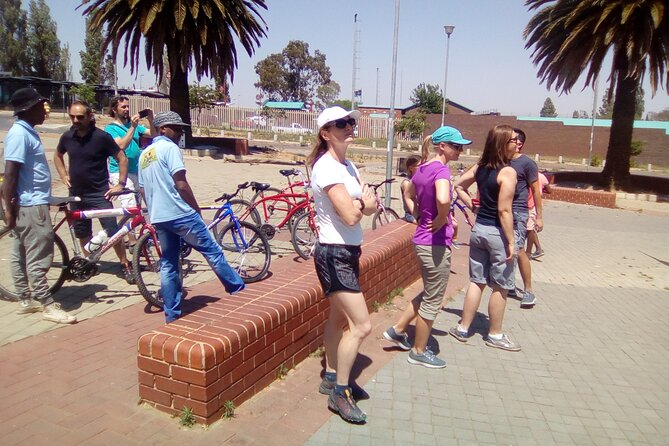
You begin at the Hector Pieterson Memorial on Khumalo Road in Orlando West (8287 Khumalo Rd, Orlando West, Johannesburg, 1804). This matters because the day’s theme is set right away. From the start, the tour points you toward the events and people tied to apartheid resistance, instead of treating Soweto like a general sightseeing stop.
The ride begins by building a timeline. You will learn about where the township was first established in 1904, and then you connect that early development to what came later. That simple sequence helps you understand why certain places are so charged with memory today.
You are also cycling as the guide narrates daily life and social change. That rhythm can make history feel less like a lecture and more like a guided walk through a neighborhood you can actually picture.
Plan to arrive ready to ride. There is no hotel pickup, so you will need to get to the meeting point yourself. And because it runs around 4 hours total, you will want to be fueled and sun-protected before you start.
Riding through Soweto’s key places, from 1904 beginnings to churches and Mandela sites
After you set off, the tour becomes a moving checklist of Soweto’s important landmarks, with the guide explaining what they mean. One of the biggest strengths here is that the route covers both community structures and symbolic sites, so you get a fuller picture than a single-spot visit.
Here is what you can expect to see during the ride:
- A sense of the township’s early formation tied to 1904
- A mineworkers’ hostel
- An orphanage
- Several churches, including the Regina Mundi church
- A squatter camp
- Homes once lived in by Nelson Mandela and Archbishop Desmond Tutu
The Regina Mundi church stop is especially important because churches in many communities are more than worship buildings. They often serve as meeting points during difficult times, and they can become part of the social and political story. Seeing it in context, while you are actually riding through the neighborhood, helps the significance land.
The Mandela-linked and Tutu-linked homes add another layer. These are not “statue of a hero” moments. They give you a physical sense of where leaders lived and worked, which makes the apartheid era feel closer to the ground.
A squatter camp and other difficult sites are included for a reason too. This is not a tour designed to sanitize reality. If that kind of truth makes you uncomfortable, you may want to pair this with time at the museum afterward, so you can process with deeper interpretation in a calmer setting.
Orlando West High School and the 1976 student uprising stop

One of the strongest parts of this tour is the stop at Orlando West High School. This is where the guide brings you to the story of the 1976 student uprising. It is tied directly to the death of Hector Pieterson, which is why the memorial and museum matter so much.
What makes this portion valuable is focus. You are not just hearing that protests happened. You are seeing a specific place connected to those events, which helps you understand why Hector Pieterson became a lasting symbol of resistance.
This is also a good moment to slow down mentally. As you ride, you might think of Soweto as a neighborhood you are passing through. At the school stop, the narrative centers on a turning point, and you feel how one moment can change public memory for decades.
If you prefer your history clear and chronological, this is likely to satisfy. If you prefer a lighter tone, this may feel intense. The tour does not hide that the past was painful.
More history you can walk through
Heat, hills, and bike quality: what to prepare for on the road
Let’s talk about the real-world side, because this ride has physical demands. One review warned about intense heat and recommended a full hat, not just a cap. Another review pointed out surprising uphill biking, which is exactly the kind of thing that catches people off guard when they assume it will be flat.
Bikes are included, and helmets are included too. But one review noted the bikes were very basic, with issues like wheel alignment and lack of brakes or shifting ability. That does not mean every bike will be in bad shape, but it does mean you should treat this as a practical ride, not a luxury cycling experience.
Here is how you can protect your comfort and safety:
- Wear real sun coverage, a full hat if you can, and heavy sunscreen.
- Keep a steady pace on uphill stretches and avoid sprinting.
- If you are sensitive to bike fit, ask staff to help you get positioned before you start moving.
- If you are bringing a child, pay extra attention to seating and stability, since one review flagged concerns with how seats fit on the bikes offered.
The route is limited to a maximum of 10 people, and the guide and escort help keep things moving and explain what you are seeing. Still, this is outdoors and in sun. If you are traveling during a hot season, plan your mindset like you would for a hike.
Finishing at Coffee and Cream, then visiting the Hector Pieterson Museum
When the ride ends, the tour concludes back at the meeting point area, with a stop at Coffee and Cream cafe. That is a practical benefit. You get a place to cool off, grab a drink or snack, and compare notes with your group before you head to the museum.
Then you visit the Hector Pieterson Museum on your own. This is a smart design. The guided part gives you names and connections. The museum visit lets you go at your pace, pause on what matters most, and spend extra time on the parts that stuck with you.
If you have limited energy after the ride, prioritize. Focus on sections tied to the 1976 uprising and the Hector Pieterson story first, since those are the anchor points of the tour. If you still have time, branch out into broader apartheid context.
This split is also helpful for families and independent travelers who want control over how much time they spend inside. You are not forced into a strict, guided museum schedule.
Price and value: what $40.91 gets you, and why book ahead
At $40.91 per person for about 4 hours, this tour is not trying to be a budget “quick ride.” You are paying for guided interpretation of some of the most painful apartheid-era events in South Africa, plus the practical logistics of bicycle and helmet use.
For value, the included items matter:
- Local guide
- Use of bicycle
- Use of helmet
You also get a small group size, max 10, which usually means more chance to ask questions and less time standing around. And based on the booking pattern, this tour gets snapped up, often booked around 126 days in advance on average. If you have fixed travel dates, you will want to secure a spot early.
The ride does require you to handle your own getting to the start point, because there is no hotel pickup or drop-off. That is the main tradeoff versus tours that meet you by bus or van. On the bright side, it is noted as near public transportation, so you should be able to plan a low-stress route to the Hector Pieterson Memorial area.
If you are comparing costs, remember you are not just buying a bike rental. You are buying a guided, place-based understanding, plus the chance to see multiple sites in a tight timeframe.
Who this Soweto bike tour is best for, and who should skip it
This is a great match if you:
- Want a short, active way to see Soweto beyond a single attraction
- Care about learning apartheid history in a grounded, neighborhood context
- Like getting guided context, then going deeper on your own time at the museum
- Are comfortable riding in the sun and handling some uphill effort
It might be a tough fit if you:
- Struggle with heat, hills, or long periods outdoors
- Expect high-end cycling equipment, smooth shifting, and high-end brakes
- Need highly specialized accessibility accommodations, since “most people can participate” still leaves room for physical limitations
- Are traveling with a child who may need better seat fit or stability than what the bikes offer
Think of this tour like an outdoor history class with pedals. If you go in with the right expectations, you will likely come away with a deeper grasp of Soweto’s role in South Africa’s struggle and change.
Should you book History Bicycle Tour of Soweto?
If you want an honest, place-based experience that connects Soweto’s apartheid story to specific sites like Orlando West High School and the Hector Pieterson memorial and museum, I would book it. The small group size, the included guide, and the way the ride sets up your museum visit are strong value.
If you are heat sensitive or have low tolerance for basic bikes and uphill riding, you can still consider it, but you must prepare. Bring a full hat, plan for sunscreen, and be realistic about the effort level. And if you have a child, check bike seat fit carefully before you go.
When it works, it really works. You finish the ride understanding why these places matter, not just that they exist.
FAQ
How long is the History Bicycle Tour of Soweto?
The tour is about 4 hours.
Where does the tour start?
It starts at the Hector Pieterson Memorial, 8287 Khumalo Rd, Orlando West, Johannesburg, 1804, South Africa.
Where does the tour end?
The activity ends back at the meeting point area, with the tour concluding at Coffee and Cream cafe.
What is included in the price?
The tour includes a local guide, use of a bicycle, and use of a helmet.
Is hotel pickup or drop-off included?
No. Hotel pickup and drop-off are not included.
How many people are on the tour?
There is a maximum of 10 travelers.
What should I do after the bike tour?
You can visit the Hector Pieterson Museum on your own after the tour.
Is cancellation free?
Yes, you can cancel for a full refund if you cancel at least 24 hours before the experience starts.
Is there an age or child rate?
A child rate applies only when sharing with 2 paying adults.
The Past, On Foot in Pretoria
Soweto: Other Guided Routes
Keep going: the rest of our Pretoria write-ups
- Pretoria City Tour and Cullinan Mine Tour from Johannesburg
★ 5.0 · 3 reviews - Full Day Soweto, Johannesburg and Apartheid Museum Guided Tour
★ 5.0 · 3 reviews - Cradle of Humankind Full Day Tour from Pretoria and Johannesburg
★ 4.5 · 3 reviews - 3-Day Private Tour Johannesburg – See everything
★ 5.0 · 3 reviews - From Johannesburg: Pretoria Guided City Tour
★ 4.5 · 3 reviews - Pretoria Tour-Voortrekker Monument, Town, Union Buildings
★ 5.0 · 3 reviews
Soweto Tours, compared.
 ★ 4.5Johannesburg Hop-On Hop-Off City Tour with Soweto OptionFrom $16768 reviews
 ★ 4.5Half-Day Tour of Soweto TourFrom $63712 reviews
 ★ 4.9Soweto: Walking Tour with a Local Guide and LunchFrom $43648 reviews
 ★ 4.8Jo’berg in 1 Day: Soweto, Apartheid Museum & City TourFrom $142524 reviews
 ★ 4.8Johannesburg: Full-Day Tour with Soweto and Apartheid MuseumFrom $104478 reviews
 ★ 4.8Johannesburg and Soweto: Half-Day TourFrom $71439 reviews
 ★ 5.0Full-Day Soweto, Apartheid Museum and Lunch TourFrom $108410 reviews
 ★ 5.0Half Guided Day Tour of Soweto And Apartheid MuseumFrom $69356 reviews
Browse the lists this tour appears in