
REVIEW · MUSEUMS
The Heart of Cape Town Museum Admission Ticket
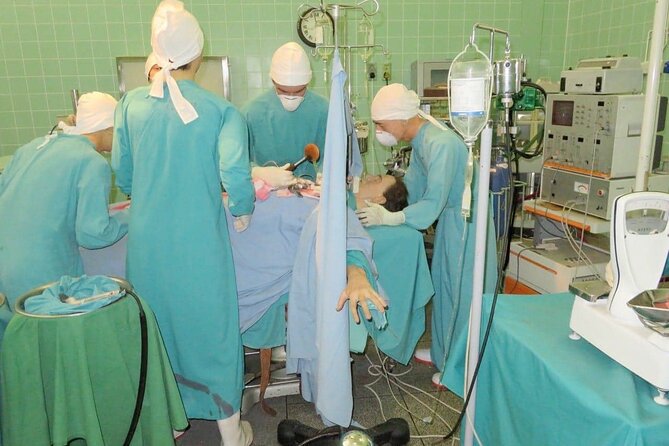
One story makes medicine human. The Heart of Cape Town Museum brings the world’s first successful heart transplant to life in Cape Town, using the restored spaces where the operation happened. It is education with a pulse, not a sleepy history stop.
I especially love the fully restored original operating rooms, laid out like the day itself. I also like that your ticket includes a certified guided tour, so you are not just reading labels while the big questions hang in the air. You finish with time to keep exploring on your own.
The main thing to consider is fit. This is not a typical sightseeing museum, and it may not suit pre-school age kids and very young children, even though kids can attend with an adult.
In This Review
- Key highlights before you go
- The Heart of Cape Town Museum: What you walk into
- The guided tour that turns facts into a storyline
- The operating rooms and what they help you understand
- Denise Darvall and Christiaan Barnard: the human side
- What the itinerary feels like hour by hour
- Scheduling and small-group timing in Cape Town
- Price and value: does it feel worth $17.34?
- Who this museum is best for
- Practical tips to get the most out of your visit
- Should you book? My honest call
- FAQ
- How long does the Heart of Cape Town Museum experience take?
- Is the guided tour included with the admission ticket?
- Do I need to prebook, or can I buy a ticket on arrival?
- What time does the museum tour run?
- Is the ticket a mobile ticket?
- Are children allowed?
- Are service animals allowed?
- What is the cancellation policy?
Key highlights before you go
- Restored original operating rooms that make the story feel immediate and real
- Guided tour included, led by a trained, certified guide
- Interactive presentation elements like silicone models and staged reenactments
- Small group size with a maximum of 15 people
- Focus on key figures including donor Denise Darvall and surgeon Christiaan Barnard
Other cabinets and collections worth an afternoon
- Museum of Contemporary African Art: Fast-Track Zeitz MOCAA★ 4.4 · 204 reviews
- Township Tour District 6 Museum Robben Island drop off at hotel★ 5.0 · 32 reviews
- Cape Town: Heart of Cape Town Medical Museum Entrance Ticket★ 4.7 · 31 reviews
- Cape Town: Robben Island Boat Trip & Museum Tour Ticket★ 3.9 · 28 reviews
The Heart of Cape Town Museum: What you walk into
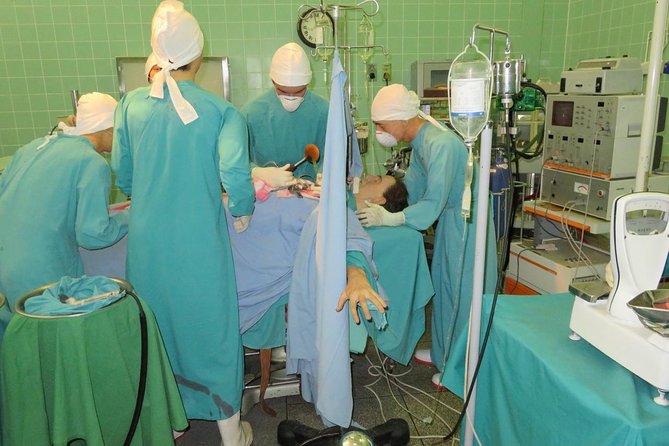
The Heart of Cape Town Museum is built around one medical milestone, the world’s first successful heart transplant. In Cape Town, that single event turned into a turning point for modern surgery, and the museum is designed to show you how that moment happened, not just that it happened.
Right away, what makes the place different is the setting. You are taken into restored original operating rooms, arranged as they were on the day of the operation. It is a strange feeling at first. Museums usually show you artifacts behind glass. Here, the room itself helps explain the stakes, the tools, and the workflow that made a procedure possible.
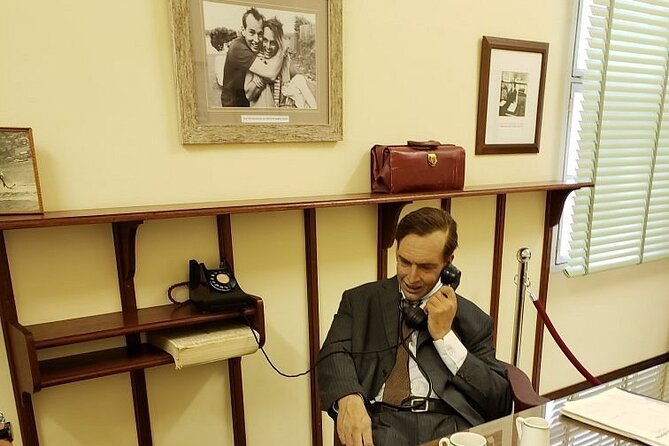
What you also get is a story path. You will see a timeline of the events that led up to the operation, plus exhibitions centered on the donor, Denise Darvall, and surgeon Christiaan Barnard. It gives you both sides of the moment: the people and the medical process.
If you like your travel education practical, this one tends to land well. It is not trying to be trendy. It is trying to teach, with the emotional weight of the subject kept front and center.
The guided tour that turns facts into a storyline
Your ticket includes a guided tour, and that matters more here than in many museums. A transplant is complex. Without guidance, it is easy to get lost in dates, names, and equipment.
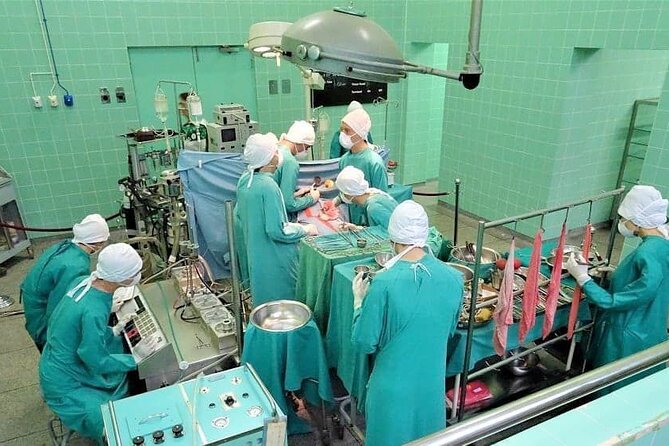
With the guide, the museum presentation becomes a guided narrative. You are shown what happened before, during, and after, and you get help understanding why each step mattered. The guide uses silicone models and reenactments to explain key scenes, which is a smart choice for visitors who do not have a medical background.
You may hear different presentation styles depending on the session, but at least one guide named Gide has been specifically praised for clear communication and making the experience memorable. If you get a guide with that level of energy and care, the visit can feel like a story you actually followed from start to finish, not a list you skimmed.
Group size is also part of the value. The museum caps the experience at a maximum of 15 travelers, which usually means you are not shouting across a crowded room to hear the explanations.
The operating rooms and what they help you understand
The restored operating rooms are the museum’s anchor. They do more than look “authentic.” They help you grasp the workflow of an operating theater at the time and why the operation required precision and coordination.
When you see a room reconstructed to match its original layout, your brain stops treating the transplant like a distant headline. It becomes physical. You can picture the environment where decisions were made under pressure.
Another reason this works is that the presentation is not only visual. The guide ties the room back to the timeline and to the people involved. That pairing, rooms plus story, is what makes the museum feel like an educational experience with a difference.
One more subtle point: after the guided portion, you have time to revisit areas at your own pace. That matters because medical history can be heavy. A second pass lets you take in details you might have missed the first time through, when you were still tracking the main storyline.
Denise Darvall and Christiaan Barnard: the human side
Most medical museums focus on the science. This one also focuses on the people, including donor Denise Darvall and surgeon Christiaan Barnard. You will learn about the events surrounding the operation, and you will also get context about how the work and reputation built around Christiaan Barnard became part of the story after 1967.
For me, the best part of this approach is that it avoids turning the event into either pure trivia or pure celebrity. You get both the medical turning point and the human reality behind it.
You will also hear elements of the lead-up, since the timeline is part of the experience. That helps you understand that breakthroughs do not appear out of nowhere. They are often the result of a chain of previous developments and decisions.
Some visitors report an emotional connection to the material, even if they did not come in as medical history fans. That makes sense. When you learn how real people shaped a real procedure, the story stops being abstract.



What the itinerary feels like hour by hour
Your visit is about 1.5 hours to roughly two hours, with a guided tour as the main component. The museum is built around tour sessions rather than open-ended wandering.
You can expect the experience to flow like this:
- You start with the guided introduction to what the transplant represented and how Cape Town’s moment fits into medical history.
- Then you move into the restored operating rooms, where the guide uses the setup of the space to explain the procedure context.
- The guide then covers the timeline leading to the operation and the key people, including Denise Darvall and Christiaan Barnard.
- Interactive elements, like silicone models and reenactments, are used to make difficult ideas easier to follow.
- After the guided portion, you can spend more time exploring exhibits independently.
A practical tip: plan for a calm pace. This is one of those experiences where you will get more out of it if you let yourself absorb rather than rush to hit the next stop.
Scheduling and small-group timing in Cape Town
This ticket is best thought of as a session with a start time. The museum runs tours at 9am, 11am, 1pm, and 3pm. Even if you can visit during opening hours, your experience is tied to those scheduled times.
Also, I would not treat this as something to book late. On average, it is booked about 7 days in advance, which is a sign that sessions fill up. If you are in Cape Town for a short visit, securing a slot ahead of time is the easiest way to avoid disappointment.
Group size is capped at 15 travelers, so the experience feels controlled and focused rather than chaotic. That is a good match for a subject that needs attention.
One more logistical reality to keep in mind: if you are booking through a third party, double-check the exact date and tour slot you are booked into. There have been cases where people arrived expecting a tour that did not match the date they believed they booked. You can protect yourself by confirming the slot time before you go.
Price and value: does it feel worth $17.34?
At $17.34 per person, the price can feel high compared with generic museum entries. But here is the value math I see: you are not paying only for a building and artifacts. You are paying for a guided, scheduled experience with a restored operating theater setting and interactive teaching elements.
Also, the guided tour is included, not added on later. That reduces the risk of feeling nickel-and-dimed after you arrive.
There is another value factor too. If you are the type of visitor who likes context and guided interpretation, the museum becomes more than a quick stop. It can function like a concentrated lesson in one of the most important medical stories in modern history.
That said, one review noted the price can be higher for overseas visitors, with a recent reference to 350 Rand. Rates can change, so what you pay may not match the headline on any given day. Still, the best way to judge value is to compare what you get: guided time, restored rooms, and a focused story, not a general walk-through.
Who this museum is best for
This is a strong fit if you enjoy:
- Medical history or science education
- Museum visits with real context, not just scenic vibes
- Small-group experiences where you can actually hear explanations
It is also a good choice for a first Cape Town discovery, especially if you want something different from the usual waterfront and viewpoints. The museum is not trying to be a typical tourist production. It is more of a “pause and learn” stop.
Family fit is trickier. The museum is set up to be meaningful for children, but the guidance is clear that pre-school age children and youngsters are not recommended. The good news is that older kids who can handle serious topics and a structured guided tour often do well, and children must be accompanied by an adult.
If you are traveling with a service animal, the museum allows service animals.
Practical tips to get the most out of your visit
You will get more out of the museum if you treat it like an event with a rhythm, not a casual stroll. Here are the practical moves I recommend:
- Book ahead so you can choose among the available session times, 9am, 11am, 1pm, and 3pm.
- Plan for around 90 minutes to 2 hours, so you do not stack back-to-back activities right after.
- If your group includes children, think about maturity and attention span. This museum is structured and focused.
- Arrive with enough time to settle in before the guide starts. Since the tour is tied to session times, late arrivals can throw off the experience.
Also, since tickets are issued as a mobile ticket, have it ready on your phone. Confirmation is sent at the time of booking, so you should be able to show what you need quickly when you arrive.
Should you book? My honest call
Book the Heart of Cape Town Museum if you want a Cape Town experience that teaches something real and memorable. For the price, the restored operating rooms and the fact that a guided tour is included make this feel like more than a ticket to look around. The small group size also helps the whole thing stay focused.
Skip it, or reconsider if you are traveling with very young kids who may not do well with a structured, serious topic. Also, if you prefer purely light, casual sightseeing, this museum may feel heavy. It is educational, but it is not fluffy.
If you time it right, and you go in with curiosity, this is one of the most distinctive medical-history visits you can do in Cape Town.
FAQ
How long does the Heart of Cape Town Museum experience take?
The duration is about 1 hour 30 minutes approximately, and the tour is described as lasting roughly two hours.
Is the guided tour included with the admission ticket?
Yes, the ticket includes a guided tour.
Do I need to prebook, or can I buy a ticket on arrival?
Bookings are essential, and prebooking is recommended to skip the ticket line and guarantee entry.
What time does the museum tour run?
Tours are scheduled for 9am, 11am, 1pm, and 3pm.
Is the ticket a mobile ticket?
Yes, the ticket is provided as a mobile ticket.
Are children allowed?
Children must be accompanied by an adult. Pre-school age children and youngsters are not recommended as guests.
Are service animals allowed?
Yes, service animals are allowed.
What is the cancellation policy?
You can cancel for free up to 24 hours in advance for a full refund.
Under Glass and Behind Ropes in Cape Town
Keep going: the rest of our Cape Town write-ups
- Cape Town to Cape Point Helicopter Flight – 48Min
★ 4.2 · 3 reviews - Full Day Private Hiking Table Mountain & City
★ 5.0 · 3 reviews - Sandboarding with jeep – drive uphill
★ 5.0 · 3 reviews - Full Day Tour for Cape of Good Hope & Boat to Seals Island
★ 5.0 · 3 reviews - 10 Day South Africa Tour Joburg to Cape Town
★ 5.0 · 3 reviews - 5 Day Garden Route Small Group Tour Fr CapeTown – Departs Mondays
★ 5.0 · 3 reviews
Museums, compared.
 ★ 4.8Jo’berg in 1 Day: Soweto, Apartheid Museum & City TourFrom $142524 reviews
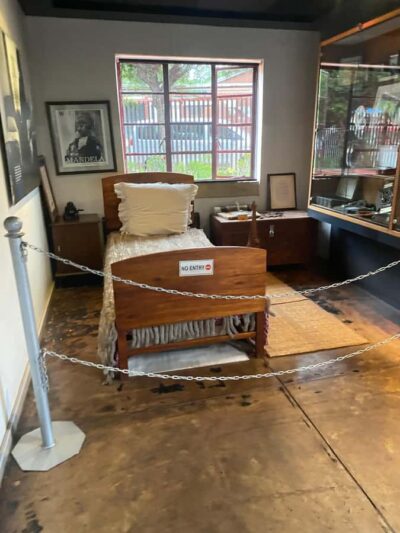 ★ 4.8Johannesburg: Full-Day Tour with Soweto and Apartheid MuseumFrom $104478 reviews
 ★ 5.0Full-Day Soweto, Apartheid Museum and Lunch TourFrom $108410 reviews
 ★ 5.0Half Guided Day Tour of Soweto And Apartheid MuseumFrom $69356 reviews
 ★ 5.0Ultimate Johannesburg Soweto Experience with Apartheid MuseumFrom $108313 reviews
 ★ 4.5Soweto: Hop-On Hop-Off Bus, City Tour and Apartheid MuseumFrom $50250 reviews
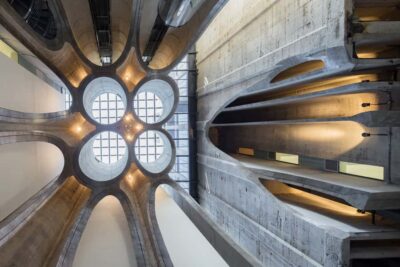 ★ 4.4Museum of Contemporary African Art: Fast-Track Zeitz MOCAAFrom $16204 reviews
 ★ 4.7Cape Town: Private Guided Tour of Cape Town Diamond MuseumFrom $24156 reviews
Browse the lists this tour appears in