
REVIEW · JOHANNESBURG CITY TOURS
Full-Day Guided Tour of Soweto, Johannesburg and Apartheid Museum
History and justice, on one long day. This full-day guided loop pairs the big Johannesburg skyline moment with two heavy hitters for South Africa’s modern story, Constitution Hill and the Apartheid Museum. Then it shifts gears to Soweto for the Mandela landmarks on Vilakazi Street, including time at Mandela House.
The best part for me is the way the day balances emotion with logistics. I like that you get a plan that moves, but does not feel rushed, and the guiding is often highlighted for being friendly and sharp, with Neo called out for humor and professionalism. One thing to consider upfront: this tour is not wheelchair accessible, so you’ll want to be comfortable with walking and uneven ground in Soweto.
In This Review
- Key things to know before you go
- The big picture: what this full-day Johannesburg and Soweto day really covers
- Price and what $99.66 buys you in real value
- The morning skyline stop at FNB Stadium and Top of Africa views
- Constitution Hill: prison walls, then the Constitutional Court
- Apartheid Museum: how to get real context without overload
- A World War II-era hospital stop you’ll appreciate more after you learn why
- Motsoaledi Bus Stop and the informal settlement walk
- Orlando Towers: murals, photos, and bungee jumping options
- Lunch at Sakhumzi Restaurant: what you can expect and what costs extra
- Vilakazi Street: a walk in Mandela and Tutu’s footsteps
- Mandela House visit: what to watch for in the time you have
- Hector Pieterson Museum and Memorial: a necessary stop, even if admission costs extra
- Pacing in an 8-hour loop: how not to get mentally tired
- Getting the most out of this tour: practical tips that actually help
- Should you book this Johannesburg and Soweto tour?
Key things to know before you go

- Constitution Hill Human Rights Precinct gives you the prison-to-freedom story in about an hour
- Apartheid Museum is a two-hour stop with real context, not just a quick overview
- Soweto’s Vilakazi Street pairs a street walk with a visit to Mandela House
- Hector Pieterson Museum and Memorial is optional on-site cost since admission is not included
- Motsoaledi Bus Stop includes a short walk through an informal settlement, plus chances to meet residents
- Small group size tops out at 13, so questions and pacing feel more human
Other Soweto routes we have reviewed, each with a local guide
- Johannesburg and Soweto tour★ 5.0 · 231 reviews
- Soweto Half Day Tour★ 5.0 · 231 reviews
- Soweto walking tour with a taxi ride★ 4.5 · 42 reviews
- Soweto, Kliptown, Eldorado Park Tour★ 5.0 · 41 reviews
The big picture: what this full-day Johannesburg and Soweto day really covers

This is a single-day overview of Johannesburg and Soweto that focuses on cause and effect. You start with the justice story in the city, then move into apartheid-era education, and only after that do you head into Soweto for Mandela’s neighborhood and the 1976 youth uprising memorial.
You’ll also get a mix of settings. Some stops are indoor museum spaces, some are outdoor memorials, and a couple are street-level experiences that feel more personal. That mix matters because it helps you understand that South Africa’s history is not only in documents. It’s in architecture, streets, and the way communities live today.
The timing is built around an easy flow for a long day. You’re out for about eight hours, with a start time of 9:30 am. That lets you see key sites while still having time for a meal stop mid-tour.
Price and what $99.66 buys you in real value
At $99.66 per person, the value depends on what you’d otherwise pay yourself. Here, a lot of the biggest-ticket admissions are covered: Constitution Hill and the Apartheid Museum, plus entry for Mandela House and the Vilakazi Street component.
You’re also paying for more than doors you can open alone. This trip includes a local guide or driver, an air-conditioned vehicle, bottled water, and WiFi on board. For a first-time visitor, that can be worth it because navigating Johannesburg and timing these sites correctly is not simple.
What is not included is equally important for your budget. Lunch at Sakhumzi is not included, and the Soweto Tower or bungee jumping is not included. Admission for Hector Pieterson Museum and Memorial is not included either. So you’re mostly covered, but you still want spending money set aside for the optional parts.
The morning skyline stop at FNB Stadium and Top of Africa views
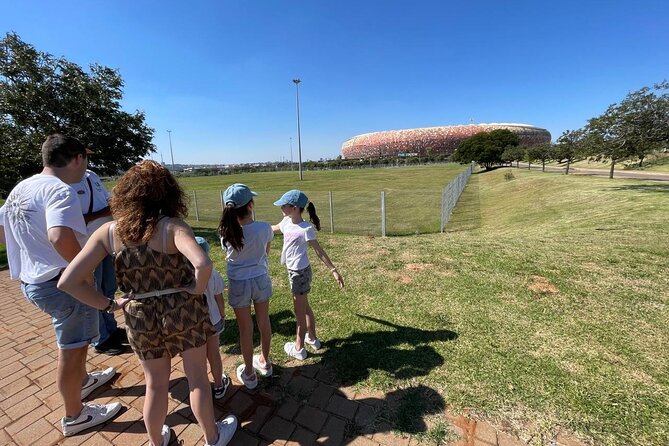
Right after the early history stops, you’ll make a short visit to FNB Stadium. The stop itself is brief, around 15 minutes, but it’s there for a reason: it anchors the day with a sense of place.
Johannesburg can feel huge and layered. A stadium stop gives you a quick visual benchmark and a reminder that this city is also about movement, identity, and major international events. If you like photos, this is the time to grab them, because the day later leans more into walking and museums.
Because the visit is short and free for admission, don’t expect this to be the emotional highlight. Treat it as a grounding point. Use it to refresh your bearings before you go deeper.
Constitution Hill: prison walls, then the Constitutional Court
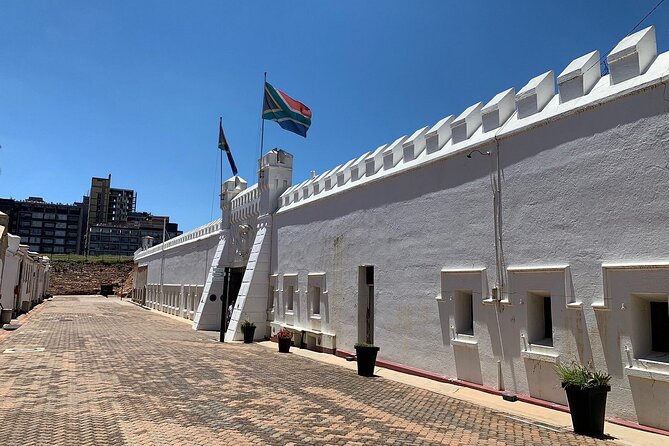
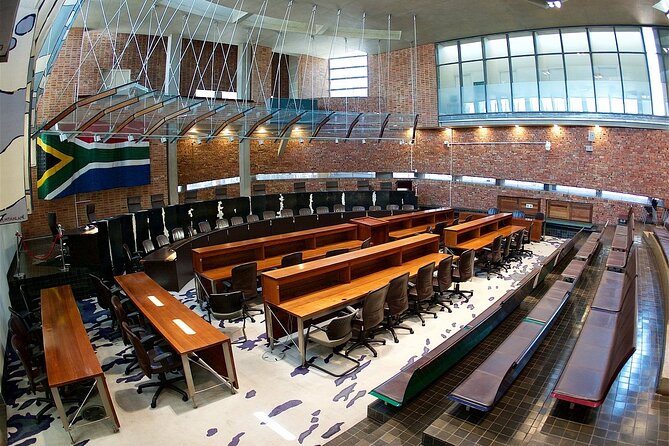
Constitution Hill Human Rights Precinct is where this tour makes its first strong turn into meaning. The site is described as more than a historical stop. It’s about the country’s journey from oppression to freedom, and it does that through the transformation of a notorious prison into a justice precinct.
You’ll have about an hour here, which is a good amount for a first pass. You can walk the space, understand the prison legacy, and still have time to process the idea that South Africa built a constitutional system after apartheid.
A practical note: this is a place where your body can get tired if you rush. I’d pace yourself, pause when something catches your attention, and let the emotional weight land. The guide helps connect the dots, especially when you’re moving from general context into specific sites.
More sites and museums that record the apartheid years
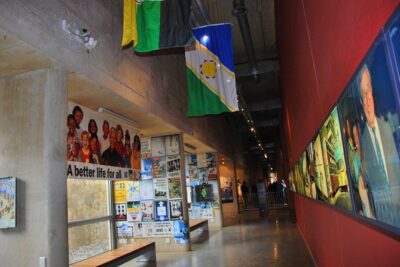
Apartheid Museum: how to get real context without overload
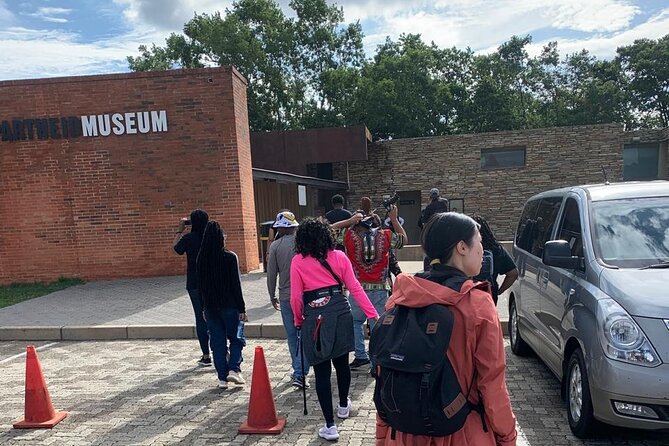
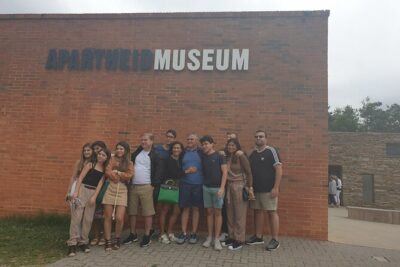
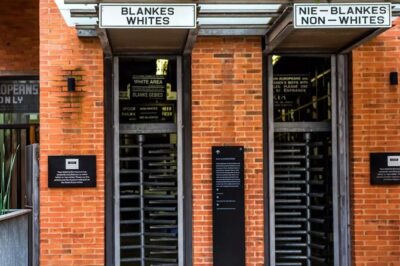
The Apartheid Museum is the educational core of the day, with about two hours on the schedule. This is where you learn how apartheid worked, what it did to daily life, and how it eventually unraveled.
Two hours is long enough to do more than skim, but not so long that you lose focus. I like this length for an adult learning experience because you can absorb themes, then step into Soweto with clearer mental links.
Drawback to consider: this is heavy content. If you’re traveling with teens or anyone who gets overwhelmed by political history, plan on some break time at your own pace. The guided format can help you stay oriented so you’re not just reacting to difficult images.
A World War II-era hospital stop you’ll appreciate more after you learn why
There’s also a stop tied to a renowned hospital established during World War II. The details you’ll hear are the point here. The goal is to show that South Africa’s modern systems and struggles were shaped by multiple eras, not only apartheid and not only Johannesburg’s 20th-century politics.
Since no hospital name is given in your itinerary details, treat this as a contextual chapter, not a headline destination. If you pay attention to why the site matters, the stop makes sense as a bridge between the country’s broader story and the specific fight for rights that dominates the later museum moments.
Motsoaledi Bus Stop and the informal settlement walk
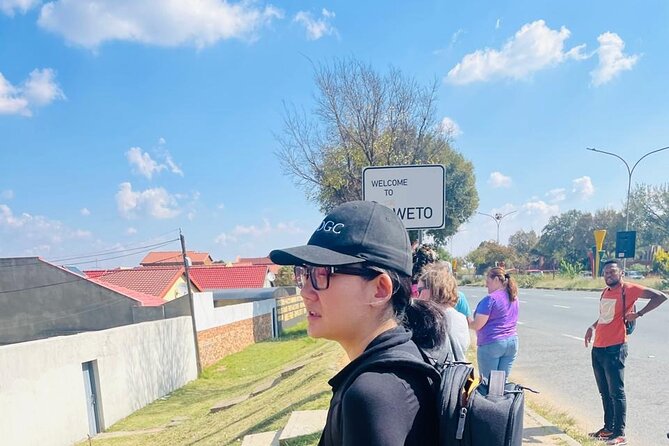
Next comes an experience that’s both simple and profound: Motsoaledi Bus Stop. You’ll spend about 30 minutes walking along sandy streets and passing by local homes. There’s a chance to meet residents, exchange greetings, and learn about daily life.
This is one of the hardest parts to fake. The setting is lived-in. A good guide keeps expectations clear, and you keep your tone respectful. When the group moves carefully and stays present, this stop becomes more than sightseeing. It becomes a reminder that history is not behind glass.
A practical consideration: ground can be uneven and sandy. Wear shoes that handle walking well. Also, keep your voice steady and your questions thoughtful. This is a place where people did not come here for your comfort.
Orlando Towers: murals, photos, and bungee jumping options
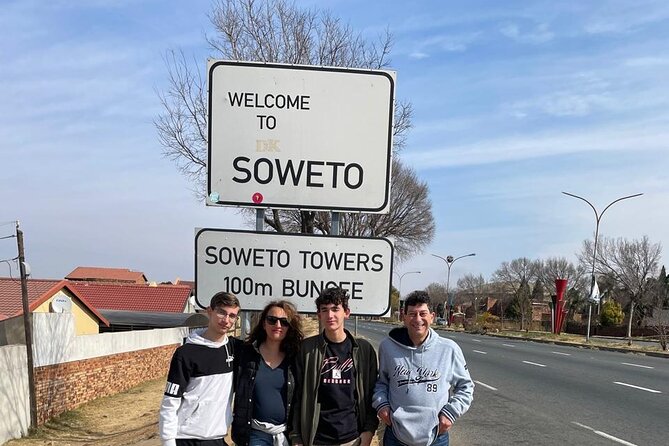
At Orlando Towers, you get a quick look at a Soweto landmark known for colourful murals and bungee jumping. Your time is around 30 minutes, and the important part is that bungee jumping is at your own cost.
So you can approach this stop in two ways. If you love active adrenaline, you can choose the jump. If you prefer calmer sightseeing, you can focus on the murals and landmark views and treat the tower as a visual marker for Soweto’s pop culture identity.
Either way, this is one of the stops where photos come easily. Use the time to capture the street art and the sense of energy in the area. Just remember you’re not there to treat it like a theme park. The landmark is tied to real community life.
Lunch at Sakhumzi Restaurant: what you can expect and what costs extra
Food stops matter on a long day, and Sakhumzi Restaurant is about that. You’ll get about an hour here, with a South African buffet and Soweto-made beer. The meals and beer are not included in the tour cost.
This is the right kind of setup if you want a flexible lunch. You can eat, cool down, and reset before the Mandela-focused part of the day. The buffet format can also work well for groups, since dietary options might vary depending on what’s available that day.
If you want beer, just note that alcoholic drinks are only served for travelers aged 21 and above. Everyone else gets non-alcoholic drinks. Also, the alcohol is not included in the price, so budget for it if it’s part of your plan.
Vilakazi Street: a walk in Mandela and Tutu’s footsteps
Vilakazi Street is where the day becomes personal fast. This is the historic street where Nelson Mandela and Desmond Tutu once lived, and you’ll walk it for about 30 minutes.
A street walk sounds easy until you remember why it matters. You’re not just seeing a location. You’re seeing the geography of leadership, community identity, and the neighborhood that helped shape a national conversation.
Vilakazi Street is also a good moment to slow down. The guide’s job here is to keep you moving thoughtfully, pointing out context without turning the walk into a sprint. If you’re the kind of traveler who likes to notice doors, street signs, and everyday life, you’ll enjoy this part.
Mandela House visit: what to watch for in the time you have
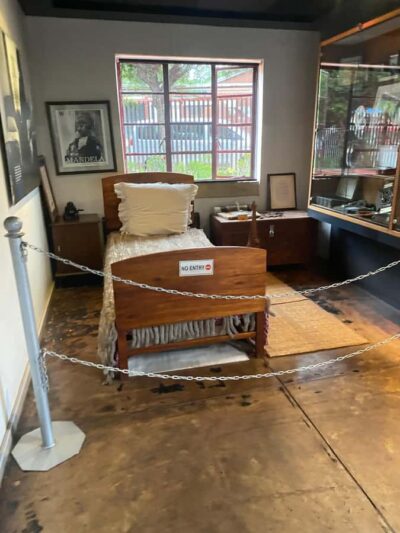
After the Vilakazi Street walk, you go to Mandela House. Admission is included, and the time is about 30 minutes.
This stop is your direct connection to Mandela’s home life and legacy at a ground level. The included entry is a big value piece, because it removes one extra cost from your day and helps you focus on the experience.
With only half an hour, don’t expect to read every detail like you would in a full museum. Instead, pick what hits you first: the setting, the rooms or displays you’re drawn to, and any explanation the guide provides. If you want deeper reading, use this visit to get oriented, then plan follow-up research later.
Hector Pieterson Museum and Memorial: a necessary stop, even if admission costs extra
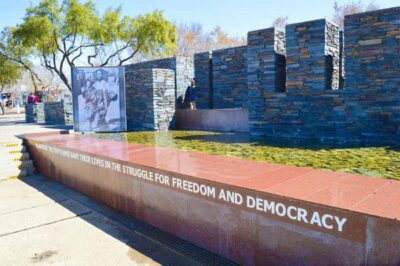
Your final major memorial stop is the Hector Pieterson Museum and Memorial, tied to the 1976 youth uprising. The time is about 30 minutes, but admission is not included.
That means you’ll likely pay separately on site. Since the itinerary does not include the ticket, decide ahead of time if this is a must for your trip. If it is, I’d set aside time in your day to handle payment smoothly so you do not feel rushed.
This museum often hits people emotionally because it’s about young lives and protest. If you’ve seen the earlier apartheid context, you’ll understand more of the timeline. If you haven’t, you might feel like you want more background. Either way, your guide can help connect the event to what you saw at the Apartheid Museum.
Pacing in an 8-hour loop: how not to get mentally tired
An eight-hour guided day is a balancing act. You’ll move between several major sites, with museum time, outdoor walking, and a meal break. The good news is that the schedule includes frequent short stops, rather than one never-ending block.
The group size is capped at 13, and that helps with pacing. Smaller groups mean fewer bottlenecks at entrances and more time for the guide to answer questions instead of repeating themselves for a crowd.
I also like that the tour includes bottled water and WiFi on board. It sounds minor, but on a long city day it helps you stay present. You can check the time, plan a photo moment, or just message home without draining your phone completely.
One thing to plan around: the tour requires good weather. If weather is rough, the experience can be adjusted or canceled for a different date or a full refund. That matters if you’re trying to fit it into a tight Johannesburg itinerary.
Getting the most out of this tour: practical tips that actually help
Here are a few things that will make your day smoother.
Wear shoes that handle walking and sandy ground. You’ll do a settlement walk and also spend time on streets in Soweto.
Keep a small buffer in your head for the optional-cost parts. Sakhumzi lunch, Hector Pieterson Museum admission, and any bungee jumping are the places where costs can add up.
Bring sunglasses and sun protection. Even if you think you’ll be in museums the whole time, you’re also outside in several segments.
Plan your phone battery. WiFi is on board, but you’ll still be taking photos at multiple stops. WiFi does not charge your phone, and museum hours can drain battery faster than you expect.
Finally, go in with curiosity and respect. The informal settlement walk is not a checklist stop. It’s a human moment, and the best experiences come from gentle attention.
Should you book this Johannesburg and Soweto tour?
I think this is a smart choice if you want one day that covers the major Johannesburg and Soweto landmarks without having to piece together tickets, timing, and transport yourself. The included admissions cover several of the hardest-to-plan parts of the day, including Constitution Hill, the Apartheid Museum, Vilakazi Street, and Mandela House.
Book it if you like guided context and you want a structured route that keeps the story coherent from justice institutions to Mandela’s neighborhood. The small group size and air-conditioned transport also make it comfortable for a long day.
I would not prioritize this tour if you need wheelchair access, since it is not wheelchair accessible. I’d also weigh the emotional load if your group prefers lighter sightseeing, because the Constitution Hill and Apartheid Museum stops carry real weight.
If you want a day that’s both informative and grounded, and you appreciate a guide who keeps things engaging (including the kind of energy people associate with Neo), this tour is likely to hit the right notes.
Johannesburg, Block by Block
Apartheid History: Other Sites We Have Documented
Soweto: Other Guided Routes
Keep going: the rest of our Pretoria write-ups
- Pretoria City Tour and Cullinan Mine Tour from Johannesburg
★ 5.0 · 3 reviews - Full Day Soweto, Johannesburg and Apartheid Museum Guided Tour
★ 5.0 · 3 reviews - Cradle of Humankind Full Day Tour from Pretoria and Johannesburg
★ 4.5 · 3 reviews - 3-Day Private Tour Johannesburg – See everything
★ 5.0 · 3 reviews - From Johannesburg: Pretoria Guided City Tour
★ 4.5 · 3 reviews - Pretoria Tour-Voortrekker Monument, Town, Union Buildings
★ 5.0 · 3 reviews
Johannesburg City Tours, compared.
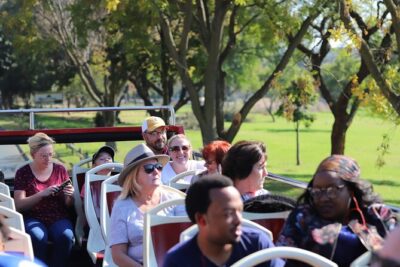 ★ 4.5Johannesburg Hop-On Hop-Off City Tour with Soweto OptionFrom $16768 reviews
 ★ 4.8Johannesburg: Full-Day Tour with Soweto and Apartheid MuseumFrom $104478 reviews
 ★ 4.8Johannesburg and Soweto: Half-Day TourFrom $71439 reviews
 ★ 4.6From Johannesburg: Lion & Safari Park Half-Day TourFrom $167384 reviews
 ★ 5.0Ultimate Johannesburg Soweto Experience with Apartheid MuseumFrom $108313 reviews
 ★ 5.0Half Day Lion Park tour from Johannesburg or PretoriaFrom $100274 reviews
 ★ 4.9Johannesburg: Maboneng Street Art & Culture TourFrom $37257 reviews
 ★ 5.0Johannesburg and Soweto tourFrom $77231 reviews
Browse the lists this tour appears in