
REVIEW · STREET ART
Cape Town: Inspiring sustainable change through Street Art
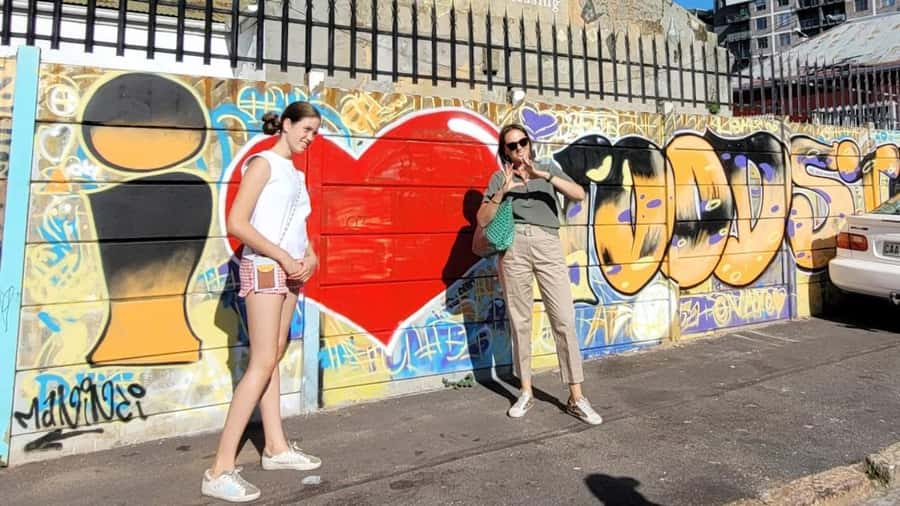
Street art here tells real stories. On this 150-minute walk in Woodstock and Salt River, I love how the local guide connects the murals to sustainable change in Cape Town. It feels like you’re reading a city that usually keeps its best stories on the walls.
Two things I really liked. First, you get out into Cape Town’s creative side and meet locals who live this culture every day, not just the people passing through. Second, the guide explains the artists’ messages and the techniques behind what you see, so you’re not just looking at color.
One possible drawback: this is a walking tour in a local neighborhood, so you’ll want comfortable shoes and a steady pace. Also, if you plan to take photos, remember to ask people first if they’re okay with it.
In This Review
- Key highlights you’ll care about
- Woodstock and Salt River on foot: how the city teaches you to look
- The local guide experience: from street-level stories to artist intent
- Murals as messages: how you’ll read symbols, color, and placement
- Galleries and creative subcultures: culture without museum fatigue
- Price and time: is $48 for 150 minutes good value?
- What to bring and how to not feel awkward with photos
- Who should book this street art walk, and who might skip it
- Should you book Cape Town: Inspiring sustainable change through Street Art?
- FAQ
- How long is the street art walking tour?
- What neighborhoods does the tour cover?
- What is included in the price?
- Are drinks or food included?
- Where do I meet for pickup?
- Is the tour guided in English?
- Is the tour wheelchair accessible?
- Can I cancel for a full refund?
- Can I reserve now and pay later?
Key highlights you’ll care about
- Woodstock and Salt River on foot: You’ll explore two of Cape Town’s street art hotspots in one efficient 150-minute outing.
- Guides who bring context: Names like Gail (pickup support) and Dauriq (tour guiding) show up in the way the experience is run.
- Artist messages, not just decoration: You’ll learn what the works are communicating, and why that matters locally.
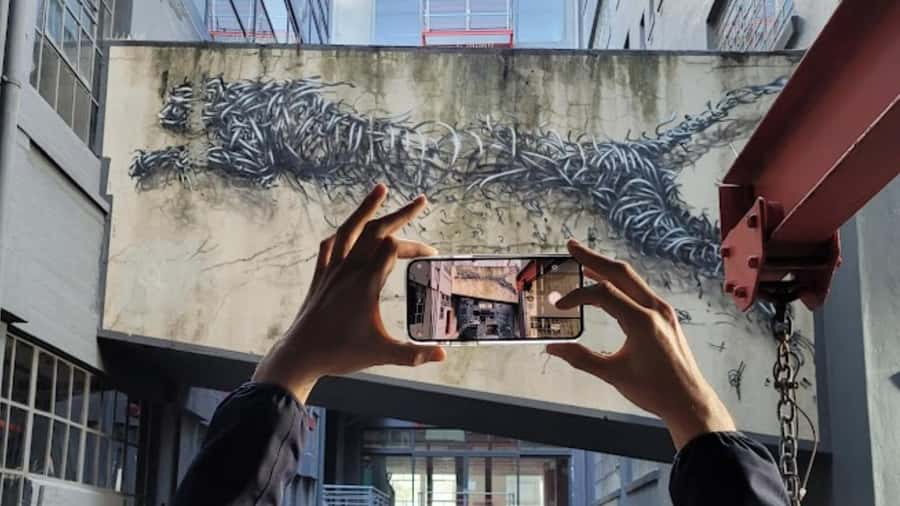
- Techniques you can spot: You’ll get pointers on how artists build impact through style, placement, and execution.
- Photo etiquette is part of the vibe: The tour encourages asking before photographing people.
Still weighing it up? These Cape Town trips are the ones our readers open next.
- Wine Tour: Paarl, Franschhoek & Stellenbosch incl 3 wineries★ 5.0 · 3,940 reviews
- Cape Town: Hop-On Hop-Off Bus Tour with Optional Cruise★ 4.8 · 3,929 reviews
- Cape Town: Cape of Good Hope & Penguins Day Tour with Pickup★ 4.7 · 3,362 reviews
- Zipline Cape Town – From Foot of Table Mountain Reserve★ 5.0 · 3,179 reviews
Woodstock and Salt River on foot: how the city teaches you to look
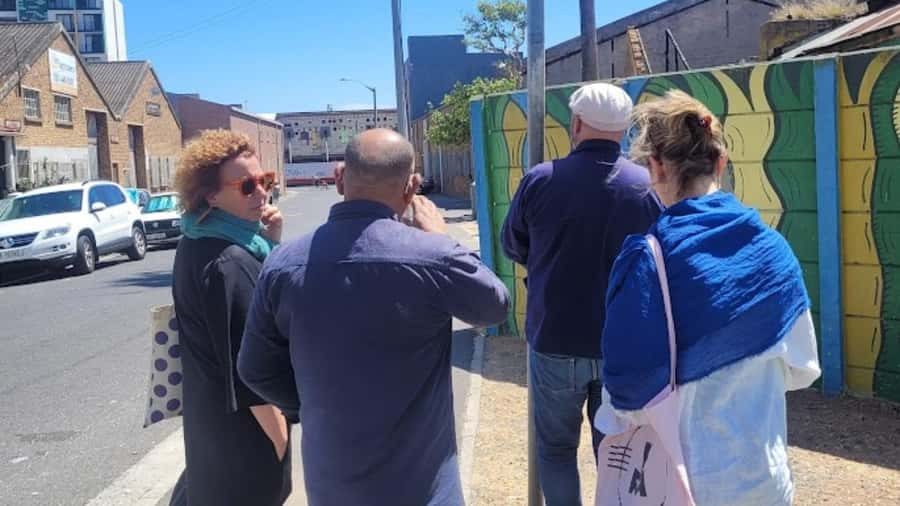
This tour is simple in the best way. You walk, you pause, you look closer, and a guide helps you understand what you’re seeing. Woodstock and Salt River are the main neighborhoods, and they’re the kind of places where street art isn’t just an add-on. It’s part of how people talk to each other, argue, celebrate, and mark what’s changing in their world.
I like that the route is framed as street art, murals, and galleries. That combination matters. Street art on sidewalks and building fronts can hit fast, then a gallery stop helps you slow down and notice form, composition, and intention. You still get the energy of the street, but you also get a clearer read on technique.
Because it’s a walking tour, timing is realistic. In 150 minutes, you can see enough to feel like you got a real sample, without turning the whole day into a march. It’s also a good pace for people who want culture without sitting through lectures. If you tend to enjoy visual storytelling, this is the right format.
The only thing to keep in mind is that you’ll be outside. Bring sun protection, and dress for walking. It’s not a museum day with controlled lighting and seating every ten minutes.
The local guide experience: from street-level stories to artist intent
A good guide makes street art click. Here, the guide’s job is to help you connect artwork to message, and message to place. The tour is designed around learning about the artists, the themes they use, and the techniques they rely on to get their point across.
In one recent experience, Gail handled pickup with extra care, including a fresh bottle of water for the group. That kind of small service detail helps you feel settled before you even start walking. Then Dauriq guided the route through Woodstock with both care and strong focus on meaning. That pairing is a big part of the value here: you’re not thrown into the neighborhood alone.
What you should expect from the guidance:
- The guide points out what each artwork is communicating.
- You learn why certain symbols, text choices, or visual styles show up where they do.
- You get practical cues on what to notice as you move, so the next mural makes more sense than the last one.
I also like that the tour encourages meeting locals and spending time around creative subcultures. That’s where the story gets real. Street art often works as public communication, and learning the local context helps you avoid reading it like random decoration. You’re trying to understand the conversation happening on the walls.
Murals as messages: how you’ll read symbols, color, and placement
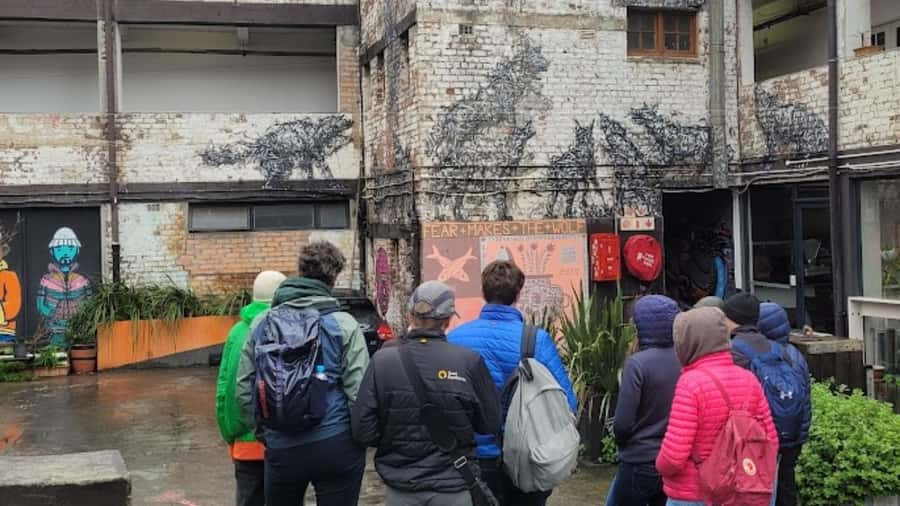
Street art can look like pure style at first glance. This tour changes that in a helpful way. You learn to read murals as communication, not just aesthetics. The goal is to understand the message behind the artwork, and how the artist uses layout, visual style, and placement to shape what you feel.
As you walk through Woodstock and Salt River, you’ll stop and look longer than you would on your own. The guide helps you slow down and identify details that usually get missed: the choices made for emphasis, how different elements work together, and how the artwork fits into the surrounding street life.
This matters for two reasons.
First, it helps you appreciate street art as a form of expression with real stakes. The tour’s theme is inspiring sustainable change. You might not get a neat lesson plan with one exact topic. Instead, you get a sense of how artists use public walls to talk about community identity, social issues, and local perspectives that people can see every day.
Second, technique becomes easier to recognize when someone points you in the right direction. The information you get about techniques lets you see how artists make their work stick visually. You start noticing layers, lettering style, and the way an artist uses space to guide your eye.
If you’re the type who likes taking photos, you’ll probably find yourself pausing before you shoot, not after. That shift is the whole point.
Galleries and creative subcultures: culture without museum fatigue
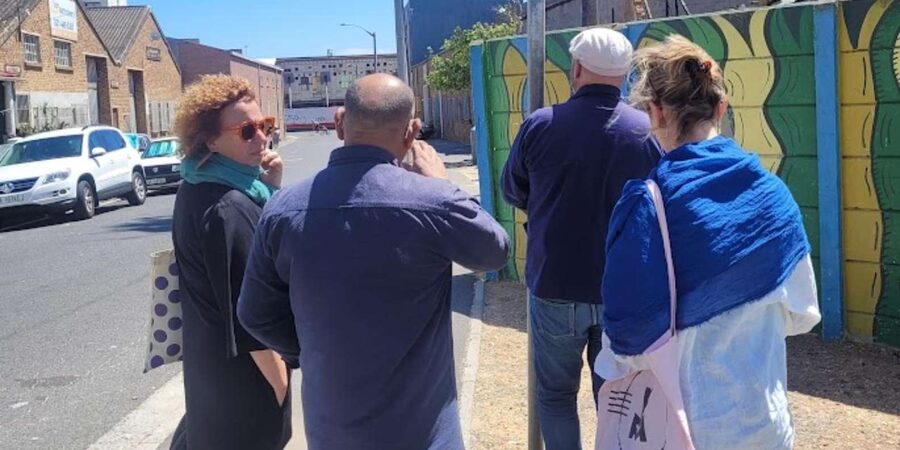
The tour isn’t only about what’s on the streets. It also includes galleries, which gives you contrast. Street art tends to be immediate, public, and tied to the neighborhood. Galleries can slow things down and frame the work with a different kind of attention. You get both perspectives in one outing.
This mix is especially useful if you’re unsure what street art means beyond the surface. Galleries can help you connect style to intention, while the street keeps you grounded in how art interacts with daily life. It’s not “either/or.” You get a better sense of how the same creative energy can show up in different settings.
The tour also spends time meeting locals and exploring creative subcultures. That part is valuable because street art doesn’t float in a vacuum. It comes from communities, and it responds to what people care about. When you have a guide who explains the relationship between artwork and local life, you get a more honest picture.
One practical note: since drinks and food are not included, plan your energy like it’s a walk with culture stops, not a full-day outing with breaks. If you know you get thirsty quickly, bring a bottle of water. If you like snacks, save them for before or after. The tour stays focused on the art.


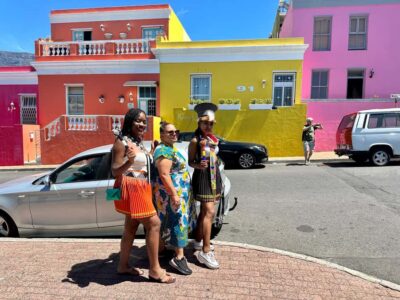
Price and time: is $48 for 150 minutes good value?
At $48 per person for 150 minutes, this tour sits in the “worth it if you care about the details” category. It’s not just a stroll with a guide presence. You’re paying for interpretation: someone helps you understand messages and techniques instead of treating each mural like a quick selfie background.
Here’s what you’re getting that supports the price:
- A guided walking tour in Woodstock and Salt River
- Transfer included, plus pickup that starts at the reception meeting point
- A live guide in English
- Wheelchair accessible service as stated by the operator
What’s not included also matters when you judge value. Drinks and food are not part of the tour, so you’ll likely want to budget for water or a quick stop before you go. Souvenirs also aren’t included, which is normal for this kind of street-focused experience.
In my view, the best value comes if you want more than photos. If you enjoy art and symbolism, or you simply want to see Cape Town through its creative lens, the guided component makes the cost feel reasonable. If you only want scenic walking and don’t care about meaning, you might feel the price is higher than the payoff.
The good news is the timing is tight. 150 minutes is long enough to feel like you learned something, but short enough to fit into a travel schedule without taking over your whole afternoon.
What to bring and how to not feel awkward with photos
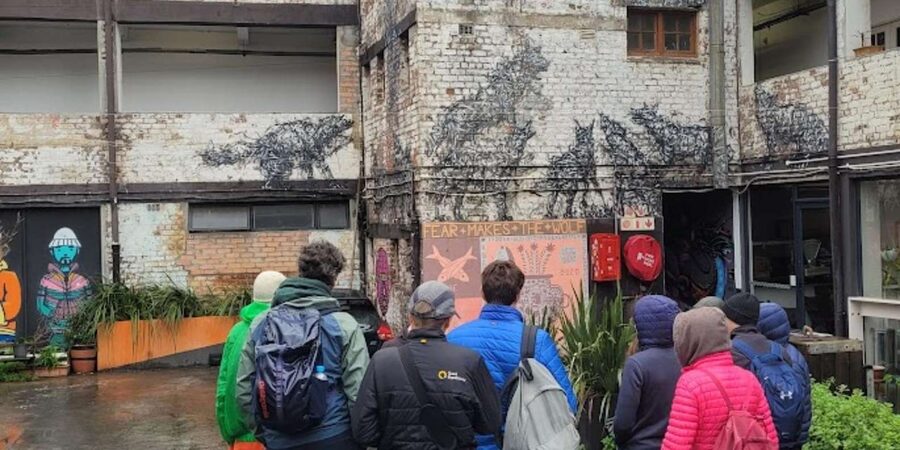
Street art tours are fun, but a few practical items make the day smoother. The tour asks you to bring:
- Comfortable shoes
- A camera
- Biodegradable sunscreen
- Comfortable clothes
That list is spot-on for this kind of walking route. Comfortable shoes are nonnegotiable. Even if the pace isn’t extreme, you’ll be stopping, looking up, and walking between clusters of artwork.
Sunscreen matters because you’re outside in a neighborhood setting. Using biodegradable sunscreen also shows respect for the environment, which fits the broader “sustainable change” theme.
One more thing the tour emphasizes: ask before photographing people. That’s good etiquette and it keeps the experience respectful. If you want close shots of murals that have people nearby, take a quick moment, ask politely, then proceed. Most situations are easy if you treat it like a conversation, not a grab.
A small tip: if you plan to shoot a lot, charge your camera first and consider turning off unnecessary settings so you don’t waste time fiddling mid-stop. This tour is about attention. Your camera should support that, not steal it.
Who should book this street art walk, and who might skip it
This tour is a great fit if you want to understand Cape Town through creative culture. I’d especially recommend it if you:
- Like art that has messages, not just decoration
- Enjoy walking tours where interpretation is part of the experience
- Want local context and real street-level perspective
It’s also a strong choice for people traveling in English since the guide is listed as English-speaking, and you’ll get guided stops that keep you from feeling lost.
Who might skip it? If you strongly dislike walking or you’re looking for a sit-down, slow-paced experience, this may feel like too much time on your feet. Also, since there’s no drinks or food included, if you need those comforts built into your tour plan, you’ll want to arrange snacks and water yourself.
If you’re wheelchair using, the tour is marked wheelchair accessible. Still, it’s a walking tour in a neighborhood, so you’ll want to consider your own comfort with outdoor movement and uneven street surfaces. When you book, you can ask what route adjustments are possible for your needs.
Should you book Cape Town: Inspiring sustainable change through Street Art?
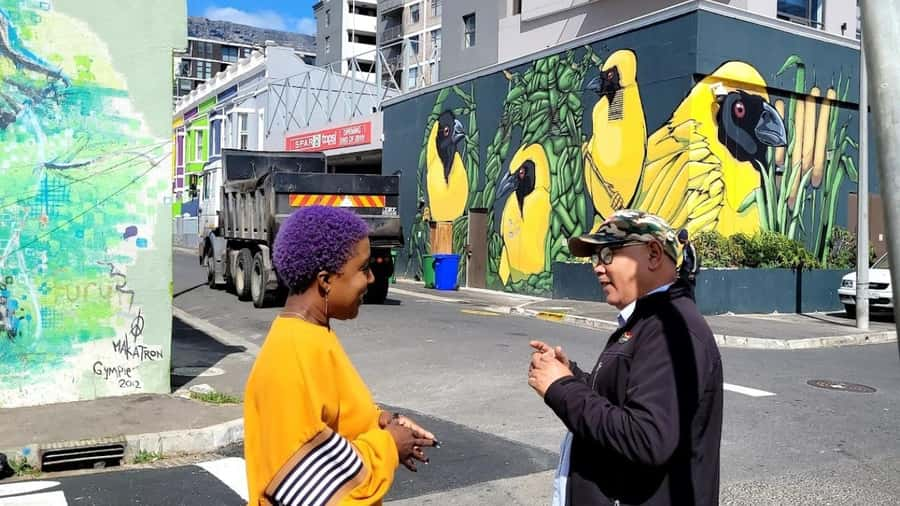
If your goal is to see Cape Town in a way that feels personal and grounded, I think this is an excellent booking. The combination of Woodstock and Salt River, guided explanations of artists’ messages and techniques, and a focus on creative subcultures gives you more than pretty pictures. You leave with a new way to look at public art and a clearer sense of why it matters to communities.
Book it if you enjoy street art culture and want a guide to translate what you see into meaning. Consider skipping it if you only want casual sightseeing, or if you want food and drinks included as part of the package.
For most people, the best sign is the format. 150 minutes is long enough to make street art feel understandable, not so long that it turns into fatigue. Add shoes, sun protection, and photo etiquette, and you’re set for a genuinely memorable Cape Town experience.
FAQ
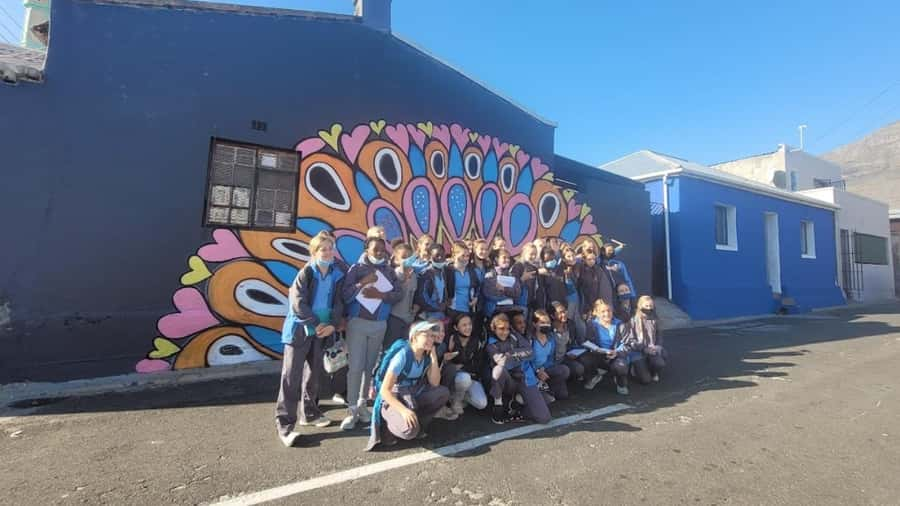
How long is the street art walking tour?
The tour duration is 150 minutes.
What neighborhoods does the tour cover?
You explore Woodstock and Salt River during the walking tour.
What is included in the price?
Included are transfer and a guided walking tour.
Are drinks or food included?
No. Drinks and food are not included.
Where do I meet for pickup?
Pickup is included, and you meet at the reception.
Is the tour guided in English?
Yes, the live tour guide is listed as English.
Is the tour wheelchair accessible?
Yes, the tour is listed as wheelchair accessible.
Can I cancel for a full refund?
Yes. You can cancel up to 24 hours in advance for a full refund.
Can I reserve now and pay later?
Yes. The option is reserve now & pay later.
Keep going: the rest of our Cape Town write-ups
- Cape Town to Cape Point Helicopter Flight – 48Min
★ 4.2 · 3 reviews - Full Day Private Hiking Table Mountain & City
★ 5.0 · 3 reviews - Sandboarding with jeep – drive uphill
★ 5.0 · 3 reviews - Full Day Tour for Cape of Good Hope & Boat to Seals Island
★ 5.0 · 3 reviews - 10 Day South Africa Tour Joburg to Cape Town
★ 5.0 · 3 reviews - 5 Day Garden Route Small Group Tour Fr CapeTown – Departs Mondays
★ 5.0 · 3 reviews
Street Art, compared.
 ★ 4.8Cape Town: Street Art Walking Tour in WoodstockFrom $37293 reviews
 ★ 4.9Johannesburg: Maboneng Street Art & Culture TourFrom $37257 reviews
★ 5.0Johannesburg: Maboneng Street Art & Culture TourFrom $37140 reviews
 ★ 4.8Johannesburg: Street Art and Culture in Maboneng!From $40107 reviews
 ★ 4.5Cape Town Woodstock Street Art Walking TourFrom $3177 reviews
 ★ 5.0Cape Town: Woodstock Street Art & Culture TourFrom $3864 reviews
 ★ 4.5(Meet the Artist)Art Gallery & Street Art tour with lunchFrom $3821 reviews
 ★ 5.0Colours of Johannesburg: A Graffiti & Street Art TourFrom $4321 reviews
Browse the lists this tour appears in