
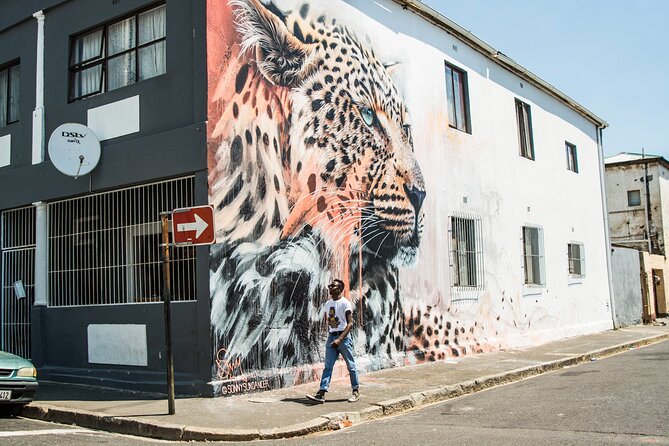
REVIEW · STREET ART
Cape Town: Woodstock Street Art & Culture Tour
Street art in Cape Town has a pulse. This 2-hour walking tour in Woodstock and Salt River turns colorful walls into real community stories, with stops built around the art and the people behind it. You also get the chance to meet artists, not just look at murals from a distance.
What I like most is the way it connects art technique to everyday life, so the paintings feel purposeful, not random. I also love that the guides keep the tone friendly and local, with names like Chandy, Terrence, and Shipo showing up in the kind of reviews people rave about.
One consideration: if you are picky about meeting points, read the start details carefully. One past booking started late because the meeting point was unclear, so arriving early and double-checking the exact location is smart.
In This Review
- Key highlights before you go
- Woodstock and Salt River, where walls talk
- The walk: how you spend your 2 hours on foot
- Why the conversation matters as much as the paintings
- Meeting artists: what that changes for you
- The guide makes it: Chandy, Terrence, and Shipo
- What you actually see on the streets
- Price and value: is $38.65 fair for 2 hours?
- Who should book this tour
- Practical tips that make the tour smoother
- When to book and how to plan your Cape Town day
- Should you book the Cape Town Woodstock Street Art & Culture Tour?
- FAQ
- How long is the Cape Town Woodstock Street Art & Culture Tour?
- Where does the tour take place?
- How much does the tour cost?
- How large is the group?
- Do I get a ticket on my phone?
- When should I book?
- Will I get confirmation after booking?
- Is public transportation nearby?
- Are service animals allowed?
- What is the cancellation policy?
Key highlights before you go

- Two neighborhoods, one creative story: Woodstock and Salt River street art, linked to community change
- Meet artists, not just murals: you may get direct artist conversations along the way
- Street art with social context: discussion of economic and social issues alongside the art
- Small groups: capped at 30 people, which helps the pace and Q and A
- Local guides with real neighborhood ties: guides like Chandy, Terrence, and Shipo are repeatedly praised
- A short time commitment: roughly 2 hours, easy to fit into a busy Cape Town day
Still weighing it up? These Cape Town trips are the ones our readers open next.
- Wine Tour: Paarl, Franschhoek & Stellenbosch incl 3 wineries★ 5.0 · 3,940 reviews
- Cape Town: Hop-On Hop-Off Bus Tour with Optional Cruise★ 4.8 · 3,929 reviews
- Cape Town: Cape of Good Hope & Penguins Day Tour with Pickup★ 4.7 · 3,362 reviews
- Zipline Cape Town – From Foot of Table Mountain Reserve★ 5.0 · 3,179 reviews
Woodstock and Salt River, where walls talk
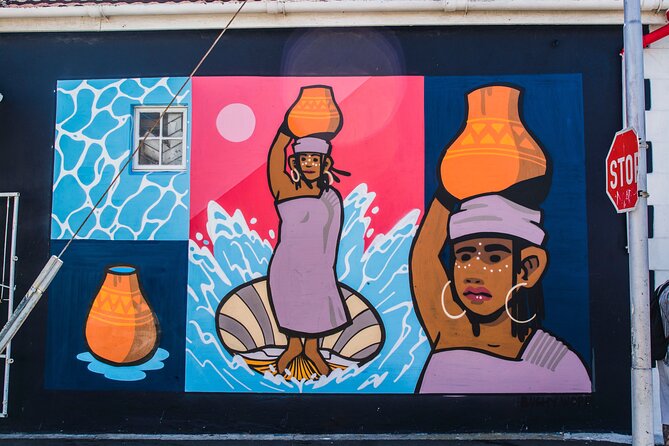
Cape Town has a reputation for creative energy, and this tour keeps that promise in a very practical way: you walk where the art lives. Instead of treating street art like a museum exhibit, you focus on neighborhoods that are still working through social and economic pressures.
Woodstock and Salt River have that layered feel. You see bright murals and big pieces, yes, but you also hear how the art fits into a shifting South Africa, including what has improved and what still hurts. That combination is what makes this walk more than an Instagram loop.
The walk: how you spend your 2 hours on foot
The core plan is simple. You spend about 2 hours exploring street art in the Woodstock and Salt River areas, with your guide talking as you move from piece to piece. It is a walking tour, so you can expect frequent stops for observation and discussion, not long stretches of sightseeing from a bus window.
A typical flow goes like this:
- You start in Woodstock, looking closely at individual works and learning how artists think about their audience.
- You move toward Salt River, where you see more examples of street art that connect to local creative scenes and public events.
- You pause for deeper talk about why street art shows up where it does, and what it says about people living there now.
- You finish with questions and wrap-up, so you leave with a clearer sense of how the murals function as public conversation.
One specific area mentioned in past feedback is Salt Circle, tied to mural art connected with festivals or exhibitions. That matters because it shows street art can be both informal and organized at the same time, depending on the project.
Why the conversation matters as much as the paintings
This tour treats street art as a tool, not just a style. You are not only learning what you see, you are also learning why it exists in these neighborhoods.
Here are the big themes your guide is likely to highlight as you walk:
Social and economic issues
Street art often responds to pressure, inequality, and the everyday reality people face. The tour’s discussions link murals to those pressures, so the paintings do not float in isolation.
A changing South Africa
You also hear about the new South Africa and the creative scene growing within it. That is a key point for me: you see how artists use walls as a kind of public platform, especially when other platforms are limited.
Positives alongside problems
You are not kept in a doom loop. The focus includes positives and the creative momentum people are building, which makes the walk feel honest instead of heavy-handed.
Meeting artists: what that changes for you
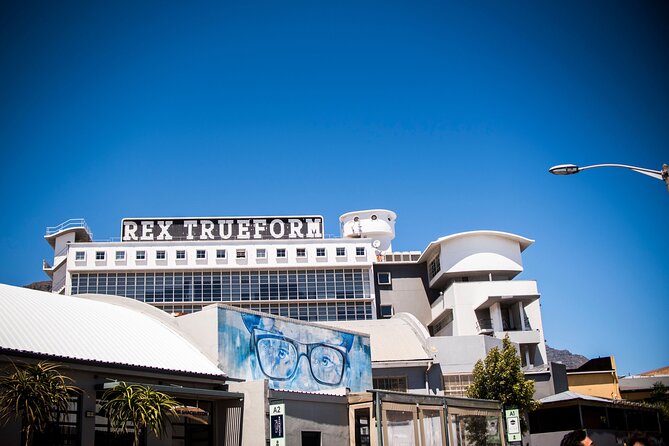
Meeting an artist (or hearing from someone close to the process) changes how you read a mural. You stop asking only, What does this look like? and start asking, Why this message, why this technique, why here?
The tour description signals that you can meet artists yourself. In practice, that usually means you get context that turns a wall into a conversation. You learn about motivations and the choices artists make, from style to content to placement.
Also, artist interaction helps you avoid the common mistake of treating street art like vandalism versus decoration. Here, the discussion frames street art as a social voice, sometimes even part of formal cultural work like festival and exhibition projects.


The guide makes it: Chandy, Terrence, and Shipo
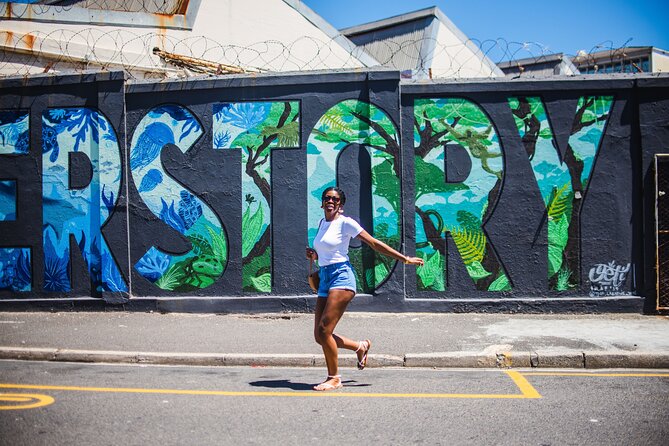
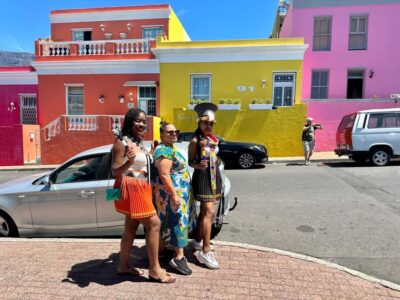
The most consistently praised part of this experience is the people leading it. Names that come up again and again include Chandy and Terrence, plus Shipo, who is singled out for explaining the history behind multiple paintings.
What you should look for in a good guide on a tour like this is clarity and patience. Past feedback highlights that guides encourage questions, slow down for meaning, and explain both the art and the community context without rushing you.
You also get that neighborhood feel because the guide is not just reciting facts. The tour is designed around local subcultures and the perspectives of people growing up in the area, which is what turns the art into a living snapshot of Cape Town.
If you are someone who likes to understand the story behind what you see, this tour fits your style. You can also expect a good mix of education and light fun, which matters because you will be walking the whole time.
What you actually see on the streets
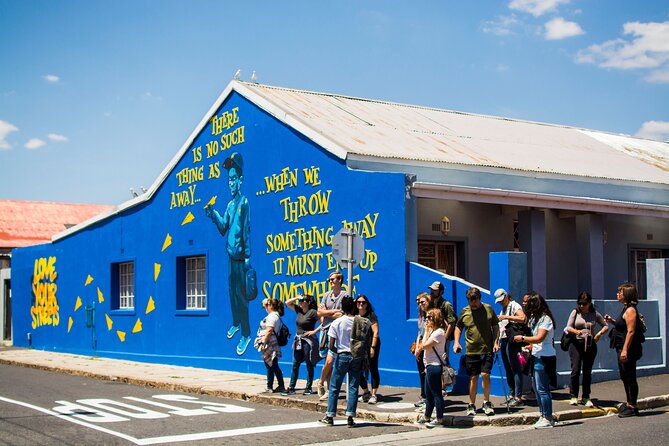
Street art on this route is not cookie-cutter. You should expect variety: different artists, different techniques, and different themes, ranging from personal expression to community messages.
A big practical point: street art is visual, but it is also technical. Guides often point out how techniques and styles communicate tone and intent, which helps you “read” the wall as you go. Instead of just taking photos, you will start noticing composition, symbolism, and how text or figures shape the message.
Also, this is not limited to one kind of mural setting. Salt Circle and other mural areas bring in pieces linked to festivals or exhibitions, which can add a different layer of meaning. It is still street art, but with a cultural event connection that gives you extra context.
Price and value: is $38.65 fair for 2 hours?
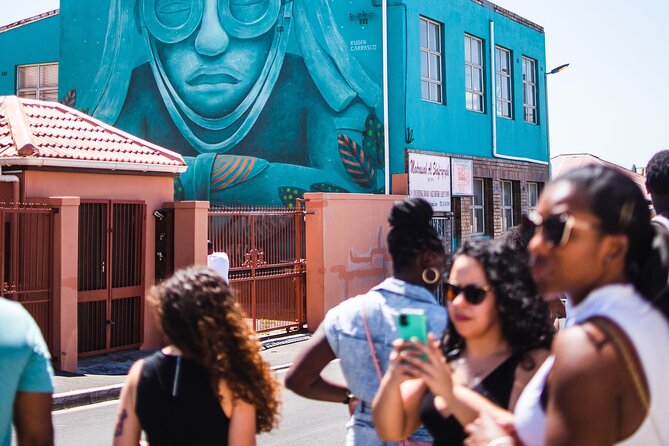
At $38.65 per person for about 2 hours, you are paying for guided walking time, local expertise, and the chance to see street art in context rather than alone. That can be good value in Cape Town because street art is scattered, and the story behind it is often what you miss if you self-tour.
This price also becomes easier to justify because the group is capped at 30 people. A smaller group usually means more chances to ask questions and get answers on the spot, which boosts the value of the guide’s time.
Is it a bargain? It is not a budget freebie. But for a short, focused experience that gives you both art and social context, it reads like solid value.
If you only have time for one street art experience, this one is worth strong consideration because it pairs what you see with why it exists.
Who should book this tour

This is a great choice if you like art that has a point and not just a look. It is also a good fit if you enjoy conversations about culture, politics, and community, but in a way that stays grounded in real places.
You will probably enjoy it most if:
- you want to explore Cape Town neighborhoods outside the standard tourist circuit
- you like learning behind the art, including motivations and techniques
- you are okay walking for around two hours at a comfortable pace
- you want a guide who can answer questions and add stories as you go
Most people can participate, and the tour is friendly for a wide range of visitors, since it is a straightforward walking format rather than a high-impact activity. Service animals are allowed too, which is helpful for travelers who need that support.
Practical tips that make the tour smoother
A couple of practical things will help you get the most out of it.
Wear comfortable shoes. This is a walking experience, and you will be standing and stopping often. If you have sensitive feet, pick cushioned footwear and plan for a few slower moments.
Bring a charged phone and plan your photos. Street art is usually easiest to capture when you can pause without rushing. If your guide is explaining a specific detail, take in the story first, then photograph the full mural.
Arrive early and confirm the meeting point details. Even though the tour should run smoothly, one previous booking started late because the meeting point was not clear. You will feel less stress if you show up with time to spare.
When to book and how to plan your Cape Town day
This tour is often booked about 15 days in advance on average, which tells me it is popular enough that you should not leave it to the last minute. If you have a tight schedule, lock in your time slot sooner rather than later.
It is also only about 2 hours, so you can pair it with other neighborhood exploring or museum time in the same day. Just leave enough room afterward to reset, because street art tours come with lots of talking and stopping.
Should you book the Cape Town Woodstock Street Art & Culture Tour?
I think you should book this tour if you want street art with meaning and you like meeting locals who can explain it clearly. The standout strength is how the experience ties murals to community realities, plus the repeated praise for guides like Chandy, Terrence, and Shipo, who focus on storytelling and context.
Skip it or consider another option if you only want a quick photo walk and no discussion. This one is designed for conversation, technique, and social context, so it will feel best if you are ready to engage.
If you are excited to see Cape Town’s creative energy in a real neighborhood setting, this is a smart, short investment.
FAQ
How long is the Cape Town Woodstock Street Art & Culture Tour?
The tour is about 2 hours long.
Where does the tour take place?
It takes place in Cape Town, focusing on the Woodstock and Salt River neighbourhoods.
How much does the tour cost?
It costs $38.65 per person.
How large is the group?
The tour has a maximum of 30 travelers.
Do I get a ticket on my phone?
Yes, the tour uses a mobile ticket.
When should I book?
On average, people book this tour about 15 days in advance.
Will I get confirmation after booking?
Confirmation is received at the time of booking.
Is public transportation nearby?
Yes, it is near public transportation.
Are service animals allowed?
Yes, service animals are allowed.
What is the cancellation policy?
You can cancel for free up to 24 hours in advance for a full refund.
Keep going: the rest of our Cape Town write-ups
- Cape Town to Cape Point Helicopter Flight – 48Min
★ 4.2 · 3 reviews - Full Day Private Hiking Table Mountain & City
★ 5.0 · 3 reviews - Sandboarding with jeep – drive uphill
★ 5.0 · 3 reviews - Full Day Tour for Cape of Good Hope & Boat to Seals Island
★ 5.0 · 3 reviews - 10 Day South Africa Tour Joburg to Cape Town
★ 5.0 · 3 reviews - 5 Day Garden Route Small Group Tour Fr CapeTown – Departs Mondays
★ 5.0 · 3 reviews
Street Art, compared.
 ★ 4.8Cape Town: Street Art Walking Tour in WoodstockFrom $37293 reviews
 ★ 4.9Johannesburg: Maboneng Street Art & Culture TourFrom $37257 reviews
★ 5.0Johannesburg: Maboneng Street Art & Culture TourFrom $37140 reviews
★ 4.9Johannesburg: Maboneng Street Art & Culture TourFrom $37257 reviews
★ 5.0Johannesburg: Maboneng Street Art & Culture TourFrom $37140 reviews
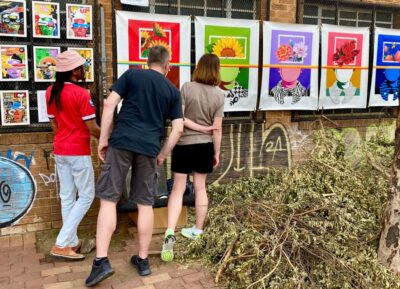 ★ 4.8Johannesburg: Street Art and Culture in Maboneng!From $40107 reviews
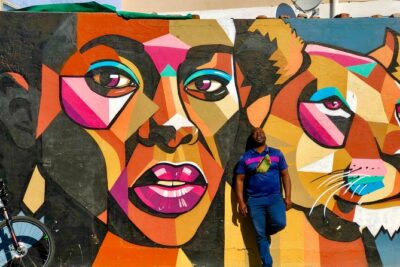 ★ 4.5Cape Town Woodstock Street Art Walking TourFrom $3177 reviews
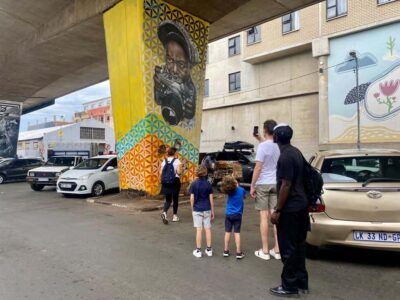 ★ 5.0Colours of Johannesburg: A Graffiti & Street Art TourFrom $4321 reviews
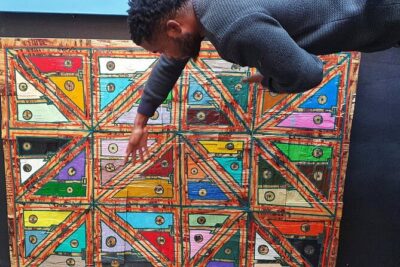 ★ 4.5(Meet the Artist)Art Gallery & Street Art tour with lunchFrom $3821 reviews
 ★ 4.5Johannesburg Street Art & Museum Walking or E-scooter TourFrom $3110 reviews
Browse the lists this tour appears in