
REVIEW · ZULU BATTLEFIELDS AND HERITAGE TOURS
Zulu Cultural Experience: Zulu Village + Tribal Markets + Traditional Zulu Food
Zulu culture deserves context, not just photos. This 8 hour Durban experience puts you close to Zulu art, daily life, and food while guides translate what you’re seeing. I like the way it starts with museum context first, so the village and markets make more sense. I also like the small group format, which makes it easier to ask real questions instead of just listening while you rush.
One consideration: parts of the day are weather dependent, and meetings with leaders or healers are described as possible, not guaranteed. If you want everything to be perfectly scheduled, plan to stay flexible and respectful.
In This Review
- Key things to know before you go
- Durban’s Zulu culture is best understood on a guided loop
- Price and logistics: what you’re actually paying for
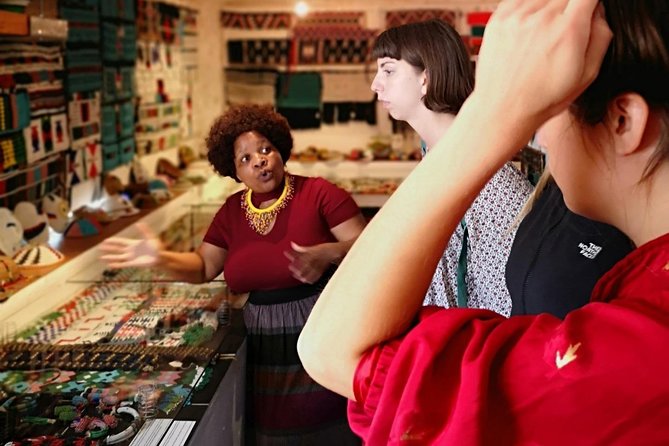
- Stop 1: Phansi Museum and the dancing curator’s art context
- Stop 2: iSithumba Adventures, a village walk with a local resident
- Stop 3: Markets of Warwick, the gogos making goods, and Sangoma Central
- Traditional Zulu food and Pan African sampling, what to expect
- The value question: does $168 make sense for this 8 hour loop?
- Who this tour fits best, and who should think twice
- Practical tips for a smooth day in Durban
- Should you book this Zulu Cultural Experience?
- FAQ
- What is the duration of the Zulu Cultural Experience?
- How much does the tour cost?
- What time does the tour start in Durban?
- How many stops are included?
- Is pickup available?
- Is admission included?
- How big is the group?
- Do I need good weather?
- What is included for food?
- What is the cancellation policy?
Key things to know before you go
- Phansi Museum first: art and craft context before the Zulu village visit and the markets
- A local resident leads the village walk so you learn village life by foot, not by slideshow
- Small group cap of 6 helps with Q and A time
- Female elders at Warwick markets create goods you can watch in the making
- Muthi Bridge, aka Sangoma Central is part culture education, part culture shock
- Traditional food sampling includes Pan African cuisine and a village style lunch
Other battlefield and heritage routes in KwaZulu-Natal
- Isandlwana, Rorkes Drift and Fugitives Drift Battlefields Day Tour from Durban★ 4.5 · 30 reviews
- From Durban: Isandlwana Rorkes Drift Battlefields Day Trip★ 4.8 · 12 reviews
- Mini Safari and Zulu Cultural experience – Day Tour★ 4.5 · 7 reviews
- Shakaland and Zulu Culture Full-Day Trip★ 4.5 · 7 reviews
Durban’s Zulu culture is best understood on a guided loop
Durban is a great place to experience Zulu culture because the city is close to living communities in KwaZulu-Natal. This tour uses a smart order: it begins with indigenous art and crafts, moves into day to day village life, then ends at the Warwick markets where traditional goods are made and sold.
I think that flow is what makes the day more than a checklist. You don’t just see crafts. You learn why they matter. You don’t just hear village talk. You understand how those choices show up in housing, routines, and community relationships.
The day is also paced for real conversation. The max group size is 6, and the tour runs about 8 hours. That matters, because cultural visits go faster when everyone is in a hurry.
Price and logistics: what you’re actually paying for
At $168 per person, this isn’t a low cost activity, but it is also not just a bus ride. The tour includes admission tickets for each stop, and you’re also sampling Pan African cuisine and traditional village food. That combination is where the value comes from.
You’ll also get pickup offered and a mobile ticket. And because the provider is Wild Routes Africa, you’re dealing with a local operator rather than a generic city tour brand.
One more practical note: this tour is typically booked around 41 days in advance. That’s a sign it fills up, so if you care about specific dates in Durban, lock in earlier rather than waiting for last minute plans.
Stop 1: Phansi Museum and the dancing curator’s art context
Your morning starts at 8:00 am, with Stop 1 at Phansi Museum. Plan about 1 hour 30 minutes here, and admission is included.
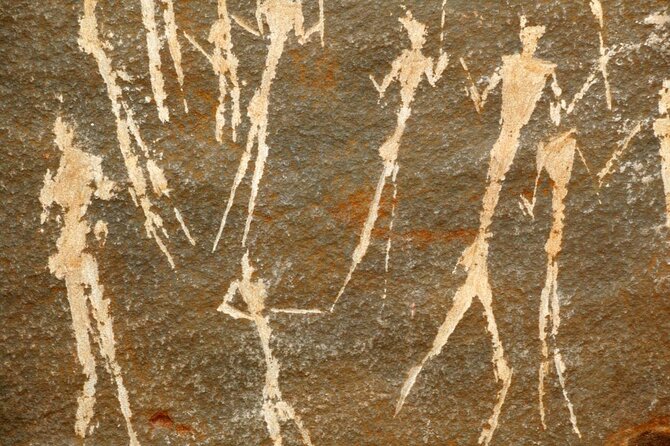
The standout at this first stop is the way it’s introduced: you meet the dancing curator, who guides you through a large collection of indigenous art and crafts. This matters because a lot of people arrive at cultural sites with their own assumptions, usually shaped by museum labels they have seen at home. Here, the framing is different. The guide is teaching you how to look at objects as culture, not just decoration.
During the museum time, you’ll also sample Pan African cuisine. Food at the beginning of the day does two things. First, it makes the day feel like a true cultural experience, not only a sightseeing loop. Second, it’s a good reset, because you’ll be in walking and market zones later.
What to do to get more out of this stop:
- Pay attention to the crafts and ask what purpose they serve in everyday life
- If you’re asked to try food, go for it. You’re here to understand context, and taste is part of that
Possible drawback: because you’re learning by guide narration, this stop is best if you enjoy questions and conversation. If you want quiet sightseeing with minimal talking, you might feel slightly guided.
Stop 2: iSithumba Adventures, a village walk with a local resident
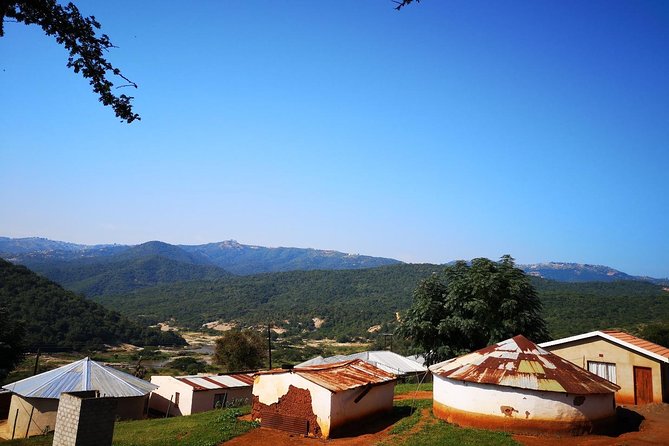
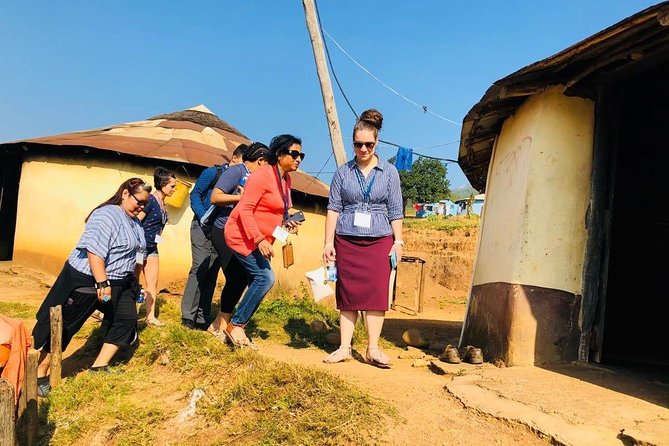
Next comes iSithumba Adventures, a living Zulu cultural village. This stop runs about 2 hours, and admission is included.
Here’s the big difference between a village visit and a village education. You explore on foot with a local resident. That walk is where the day turns from observing to understanding. The guide can point out routines and explain what daily life looks like, instead of only showing landmarks.
The tour also notes a special possibility: if the ancestors are kind, you may meet the village chief or a local spiritual healer. That’s not a guaranteed appointment, so keep expectations flexible. Still, having that possibility on the schedule helps you understand the tour’s tone. This isn’t scripted entertainment, it’s cultural interaction guided by community rules.
Food is also part of this stop in a way that tends to stick with people. One review specifically described lunch in the village supervisor’s house, with plenty of answers to questions about life in the village. That kind of meal can feel more personal than a standard lunch stop, because it happens inside the context of people you’re learning from.
A quick way to make the most of the village portion:
- Ask simple, respectful questions about daily routines
- Be prepared to pause. Cultural explanations often require time and back and forth
- Wear shoes that can handle walking



Stop 3: Markets of Warwick, the gogos making goods, and Sangoma Central
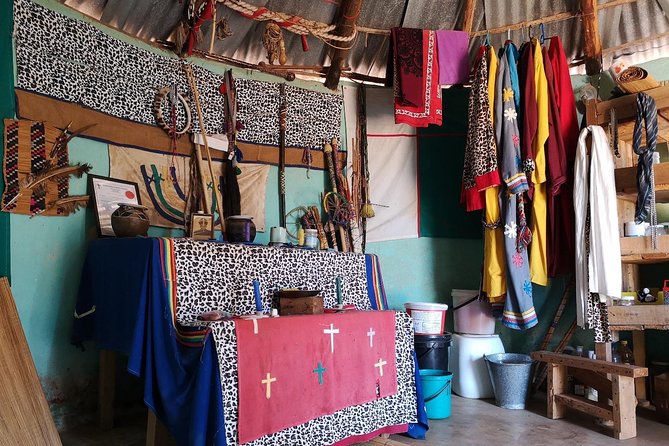
The final stop is the Markets of Warwick, about 1 hour 30 minutes. Admission is included.
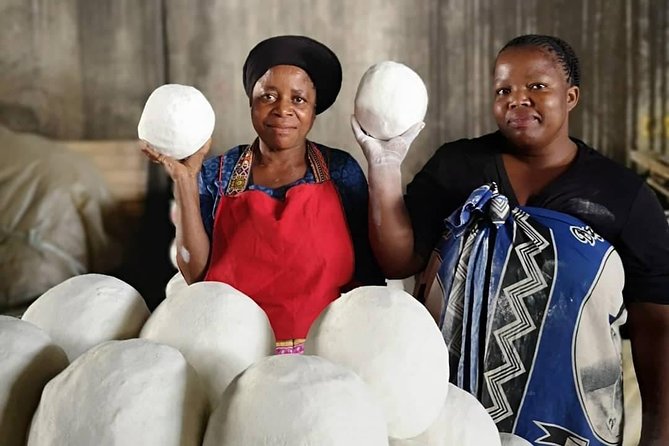
This market area is described as the beating heart of indigenous culture, and you can see why once you slow down. You meet Lime and Imphepho gogos, which are female elders, and watch them create their goods. Seeing making happen in real time adds a layer that photos don’t provide. You understand the effort and skill behind the items, and you also get a sense of who holds certain knowledge in the community.
Then comes a section of the experience that people remember for a different reason: Muthi Bridge, also called Sangoma Central. The tour frames it as a culture shock zone, and that’s fair. It’s tied to traditional healing practices and the kinds of goods used there. Even if you don’t fully understand everything, you’ll feel that this place is not aimed at mainstream comfort levels.
How to handle Muthi Bridge respectfully:
- Keep your questions respectful and do not treat it like a spectacle
- Ask before photographing
- Stay aware that this is part of living belief systems, not a theme park set
This is also where being in a small group helps again. You can hear what the guide says, and you can ask for context without feeling rushed.
Traditional Zulu food and Pan African sampling, what to expect
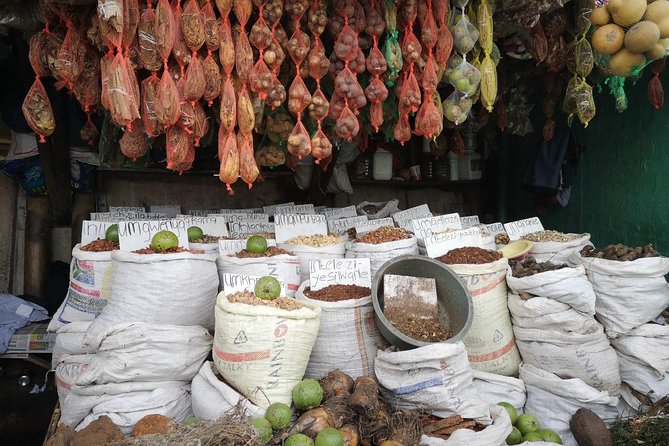
This tour includes traditional Zulu food sampling, plus Pan African cuisine at the museum stage. Since the itinerary explicitly mentions Pan African cuisine sampling at Phansi Museum, treat that as the main early taste of the day.
The village stop also includes an experience that one review described as lunch in the village supervisor’s house. That suggests you’ll likely be eating more than just small bites. The lesson here is simple: plan to come hungry, because this is not a drinks-only cultural stop.
Food tips for this kind of day trip:
- Eat what’s offered the first time if you’re unsure. If you love it, you can adjust your expectations for the rest of the meal
- Bring a curious mindset. Even if the flavors are new, the goal is learning, not judging
- If you have dietary restrictions, you’ll need to check details with the operator before booking. The tour data provided here does not list specific alternatives
The value question: does $168 make sense for this 8 hour loop?
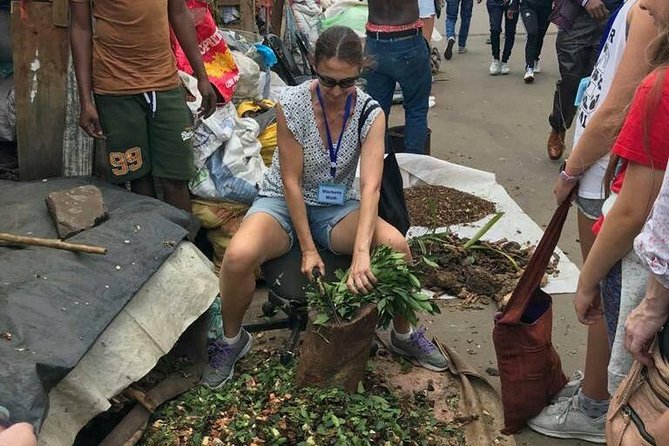
Let’s talk about value in plain terms.
You pay $168 for a full day of:
- Three stops with admission tickets included
- Guided interpretation at each stage
- Food sampling at multiple points, including Pan African cuisine and a village style lunch experience described in reviews
- Pickup offered and a mobile ticket
- A maximum group size of 6, which usually costs more to run, but it’s what keeps the experience human
If you’re comparing this to self-guided museum plus random market wandering, the difference is guidance. Phansi Museum gives context, the village walk explains daily life, and the Warwick markets connect craft to community. That guided thread is what you’re buying.
The other value angle is time. An 8 hour schedule means you get a focused cultural day without spending your entire trip logistics hunting down multiple places.
Who this tour fits best, and who should think twice

This is a strong match if you:
- Want cultural understanding, not just sightseeing
- Enjoy asking questions and talking with guides
- Like food, crafts, and everyday life explanations
- Prefer a small group experience, max 6 instead of a crowd
It may be less ideal if you:
- Expect guaranteed meetings with a chief or spiritual healer
- Get uncomfortable with traditional healing related markets at Muthi Bridge
- Want minimal walking and no cultural discussion
Also, the tour notes that most travelers can participate. Still, keep in mind you’ll explore the village on foot, so comfortable shoes and a steady pace matter.
Practical tips for a smooth day in Durban
This experience requires good weather. If the day is rainy or extremely poor, the tour may be canceled, and you’ll be offered another date or a full refund. So check conditions close to departure.
For comfort, plan for:
- Comfortable shoes for walking in the village
- Sun protection if the day is clear
- A light layer, because mornings can feel cooler and afternoons can warm up
When you’re at craft areas and markets, treat the hands-on culture with respect. Watch how goods are made, listen to explanations, and ask before photographing, especially in more sensitive areas like Muthi Bridge.
Should you book this Zulu Cultural Experience?
I’d book it if you want a guided cultural day in Durban that connects the dots: indigenous art at Phansi Museum, a walking tour of living village life at iSithumba Adventures, then craft watching and market education at Markets of Warwick, ending with context around Muthi Bridge and Sangoma Central.
Skip it or at least set expectations carefully if you need a perfectly scripted itinerary with zero surprises, or if you would rather avoid traditional healing related market areas. Also, if food is a sensitive subject for you, confirm dietary options with Wild Routes Africa before paying.
If you go in with patience, curiosity, and a willingness to ask questions, this is the kind of experience that gives you more than a few souvenirs. You’ll come away with a clearer sense of how Zulu culture lives, not just how it looks.
FAQ
What is the duration of the Zulu Cultural Experience?
The tour lasts about 8 hours.
How much does the tour cost?
It costs $168.00 per person.
What time does the tour start in Durban?
It starts at 8:00 am.
How many stops are included?
There are three stops: Phansi Museum, iSithumba Adventures, and the Markets of Warwick.
Is pickup available?
Yes, pickup is offered.
Is admission included?
Yes. Admission tickets are included for all three stops.
How big is the group?
The tour has a maximum of 6 travelers.
Do I need good weather?
Yes. The experience requires good weather. If it is canceled due to poor weather, you’ll be offered a different date or a full refund.
What is included for food?
You sample Pan African cuisine at the museum, and the experience includes traditional Zulu food as part of the day.
What is the cancellation policy?
You can cancel for free up to 24 hours in advance for a full refund. If you cancel less than 24 hours before the start time, the amount you paid is not refunded.
Battlefields and Zulu Heritage: More Routes
Keep going: the rest of our Durban write-ups
- Discover Durban on our Durban City Day Tour
★ 5.0 · 3 reviews - 2 Day Drakensberg Mountains & Tala Game Reserve Tour From Durban
★ 5.0 · 3 reviews - Valley of a Thousand Hills – Durban
★ 5.0 · 3 reviews - Full Day Hluhluwe Imfolozi Game Reserve From Durban
★ 5.0 · 3 reviews - Private Guided Cultural Day Tour of Zulu Village & PheZulu Safari Park
★ 5.0 · 3 reviews - Durban: Half Day Phezulu Safari Park and Durban City Tour
★ 4.6 · 3 reviews
Zulu Battlefields and Heritage Tours, compared.
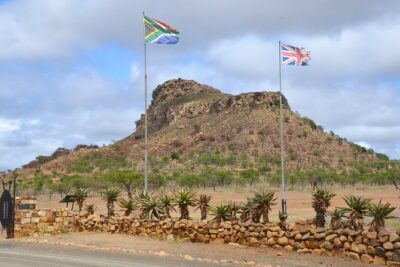 ★ 4.5Isandlwana, Rorkes Drift and Fugitives Drift Battlefields Day Tour from DurbanFrom $23030 reviews
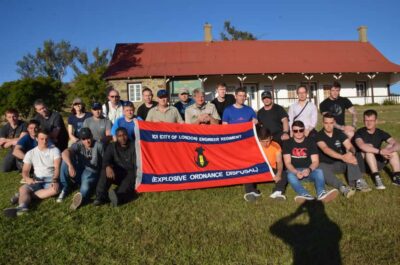 ★ 4.8From Durban: Isandlwana Rorkes Drift Battlefields Day TripFrom $19812 reviews
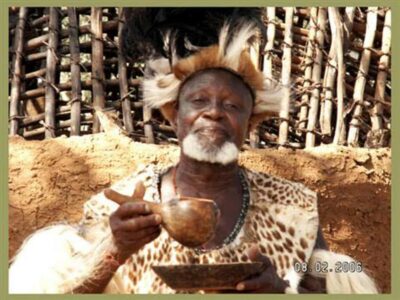 ★ 4.5Shakaland and Zulu Culture Full-Day TripFrom $2187 reviews
 ★ 4.5Mini Safari and Zulu Cultural experience – Day TourFrom $1857 reviews
 ★ 4.4Zulu Food Cooking & Dining Experience with a local ChefFrom $855 reviews
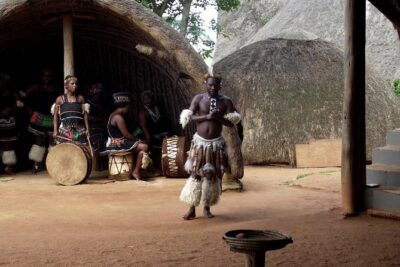 ★ 5.0Zulu Cultural Experience – Tour to the village of iSithumba and PheZuluFrom $1674 reviews
 ★ 5.02 Day Zulu Safari Adventure from DurbanFrom $5583 reviews
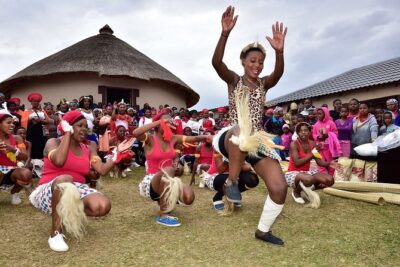 ★ 5.0Private Guided Cultural Day Tour of Zulu Village & PheZulu Safari ParkFrom $2503 reviews
Browse the lists this tour appears in