
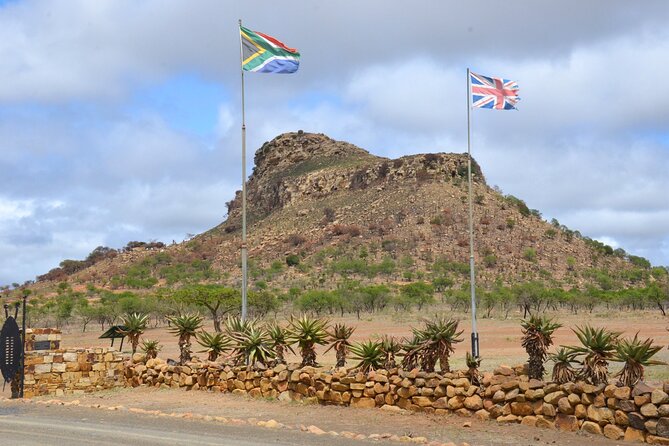
REVIEW · DURBAN CITY AND BEACHFRONT TOURS
Isandlwana, Rorkes Drift and Fugitives Drift Battlefields Day Tour from Durban
If you like history with real momentum, this hits. This Durban day tour strings together three key battle sites from the Anglo-Zulu War, with a guide and included museum access. You will get the big story, but also the on-the-ground details that make it stick.
I love that you are not just sightseeing, you are learning with a historian-style guide and often an audio narration in the car. I also like the practical setup, hotel or cruise ship pickup plus round-trip transport and entrance tickets, so you spend less energy figuring things out. One drawback to weigh is the day is long, and the road time is substantial, so pack patience (and snacks for the drive if you are the kind who gets hangry).
In This Review
- Key points to know before you go
- Why the Isandlwana to Rorke’s Drift connection matters
- Price and logistics: what you are actually paying for
- The drive out of Durban: why the narration makes the sites click
- Stop 1: Rorke’s Drift battlefield and museum, where defense took over
- Stop 2: Isandlwana battlefield, the first major Anglo-Zulu clash
- Stop 3: Fugitives Drift and the Queen’s Colours memorial
- Lunch at Buffalo River: plan for own-expense food
- Guides who turn names and dates into a story
- Time on the road: how to make the long day feel worth it
- Who this tour is best for, and who should think twice
- Should you book the Isandlwana, Rorke’s Drift and Fugitives Drift day tour?
- FAQ
- What time does the tour start?
- How long is the tour?
- Is hotel pickup and drop-off included?
- Which battle sites are visited?
- Are entrance fees included?
- Is lunch included?
- Is there a group size limit?
- Can I request a language other than English?
- Are service animals allowed?
- Can I cancel for a full refund?
Key points to know before you go
- A 6:00 AM start from Durban means you should plan an early night and a slow morning before pickup
- Two battlefield museums and two memorial-style stops with admission included, so you are not scrambling for tickets
- Audio support on the drive (CD or tape style narration) helps you understand what you are seeing in the landscape
- Buffalo River lunch stop is own expense, but it is timed to break up the travel
- Small-route day, big distance from Durban, with scenic stretches and frequent photo points along the way
- Group size can reach 99, so if you prefer quiet, choose your spot and bring headphones for downtime
More of Durban, beachfront to curry counter
- Durban: 30-Minute Harbor Boat Cruise★ 4.7 · 665 reviews
- Durban: 1-Hour Boat Cruise from Wilson’s Wharf★ 4.7 · 496 reviews
- Durban Point Waterfront: Luxury Canal Boat Cruise★ 4.4 · 298 reviews
- Durban: Pontoon Boat Harbor Cruise★ 4.4 · 182 reviews
Why the Isandlwana to Rorke’s Drift connection matters
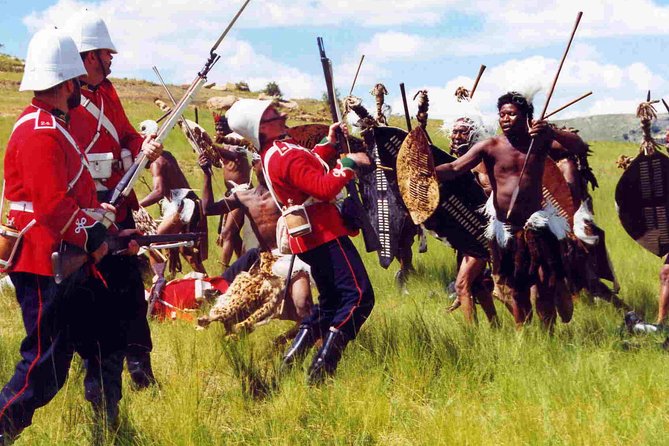
The Anglo-Zulu War is one of those moments where the story changes fast, and this tour follows the change. You start at the site linked to the devastating British loss at Isandlwana on 22 January 1879, then you move to where the British fought back at Rorke’s Drift. Seeing them in sequence helps you understand why later events felt so dramatic and urgent.
At Isandlwana, the first major clash of the conflict played out. A Zulu force of around 20,000 attacked a portion of the British main column of roughly 1,800 troops, with perhaps 400 civilians mixed in. That scale is part of what makes the site so intense.
Then comes Rorke’s Drift, where the defense of the mission station happened immediately after the British defeat, and continued into the next day. The contrast matters, you get defeat, then resistance, then the way people tried to survive what was coming.
Price and logistics: what you are actually paying for
At $230.30 per person, this is not a bargain. What you are paying for is the combination of long-distance transport from Durban plus professional guidance plus included entrance and museum access. If you tried to do this on your own, you would quickly feel the cost in a private car, fuel, guide time, and admission tickets.
The tour is listed at about 14 hours. That is the reality to plan for. You are leaving early, spending meaningful time on the road, and still making three main stops, so the day is a “see and learn” format, not a leisurely stroll.
Pickup is part of the package, and it is offered from hotels and also from cruise ships. The start point is the Gooderson Tropicana Hotel on Marine Parade in South Beach, Durban, and the day ends back there. If your hotel is not the default start location, you should still expect pickup and drop-off to be organized, but it is smart to confirm the exact pickup time and place in your booking message.
One more consideration, a few people flagged that pickup/drop-off handling can be messy. I cannot fix that from here, but you can prevent headaches by checking your confirmation text for the phrase pickup and drop-off included, and screenshot it before you go.
The drive out of Durban: why the narration makes the sites click
Most of the learning happens before you even reach the battlefield ground. Guides use audio narration, often in the form of a CD or tape playback, to explain the Zulu Wars and connect the timeline to what you will see later. It helps you get your bearings fast, especially because the sites are not laid out like a theme park.
During the road portion, guides also point out helpful context. People in past groups have talked about guides stopping at viewpoints and talking through what the battle area looked like. That is not just for photos, it is for understanding distance, terrain, and how movement could happen.
I also like the fact that the return trip can take a different route. That small change keeps the day from feeling like pure backtracking, and it gives you more variety in what you see along the way.
The human touch matters here too. Guides you might meet include Fortune, Thami, Benson, Terry, and also combinations of Thammi and Bella mentioned in group experiences. Even when you are not a history nerd, a guide who explains clearly and answers questions turns the car time from boring to useful.
Stop 1: Rorke’s Drift battlefield and museum, where defense took over
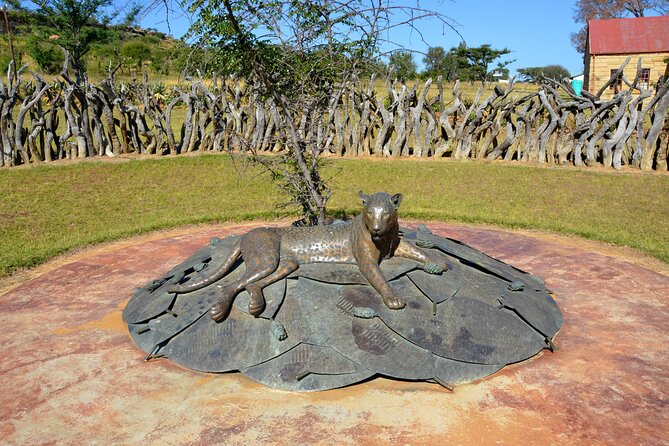
Rorke’s Drift is the “immediately after” stop, which is exactly why it works. The mission station defense followed the British defeat at Isandlwana and continued into the next day. In other words, you are not watching a separate story. You are watching the sequel under pressure.
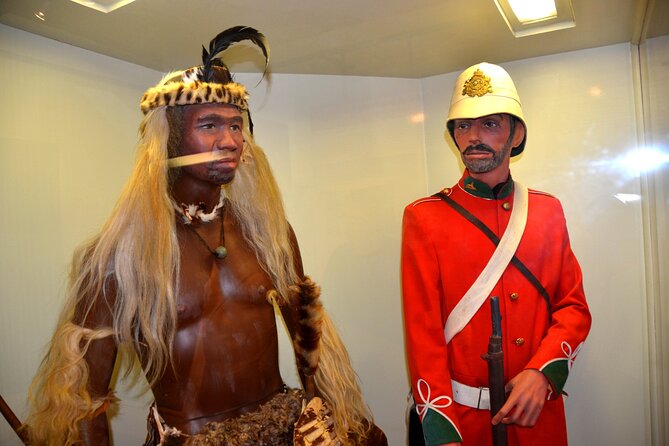
When you arrive, you get admission to the museum area, and you can walk the grounds and memorials at your own pace within the group flow. This is one of the most moving parts of the day because it puts faces and logistics into the picture, not just dates. The defense of a small station is easier to understand when you see how tight the space feels compared to what people were up against.
Your guide should help you connect the museum information back to what you heard about Isandlwana. If you miss one timeline beat, the entire emotional arc gets flatter. So I suggest you do two things: listen closely during the briefing, then re-check the museum displays with that story in mind.
Also, bring time for photos and quiet moments. There is a lot going on, and the memorials deserve a slower look than you might expect from a day tour. If you are the type who rushes, you will feel it here.
Other battlefield and heritage routes in KwaZulu-Natal
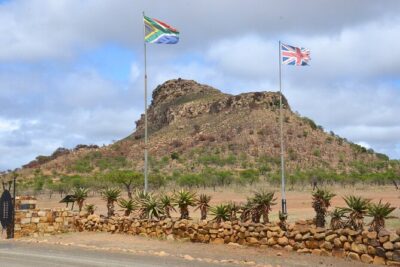


Stop 2: Isandlwana battlefield, the first major Anglo-Zulu clash
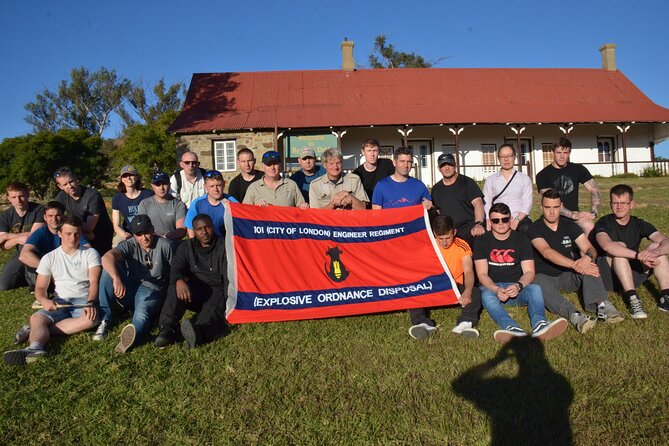
Isandlwana is the big headline site, but it is also where you get the clearest sense of the conflict’s scale. The battle of 22 January 1879 is described as the first major encounter in the Anglo-Zulu War between the British Empire and the Zulu Kingdom. Eleven days after the British invasion began in Zululand, the action erupted.
The core facts you will hear are striking: about 20,000 Zulu warriors attacking a portion of the British main column consisting of about 1,800 British and colonial troops, plus perhaps 400 civilians. Even if you do not memorize the numbers, you will feel the weight of them in the way the guide frames what happened next.
At the site itself, look for how the terrain and pathways shape movement. Battlefield ground can feel abstract until someone points out sightlines or likely approach routes. This is where narration and guide explanations really pay off. You will often be walking on uneven ground and reading markers, so do not plan to power through quickly. Give yourself a little time to absorb.
Admission is included, so you are not paying additional entry fees once you are there. That matters because it keeps your attention on understanding rather than budgeting at each stop.
Stop 3: Fugitives Drift and the Queen’s Colours memorial
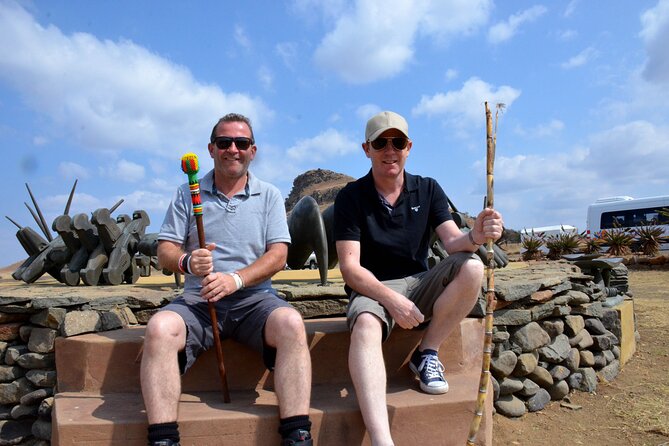
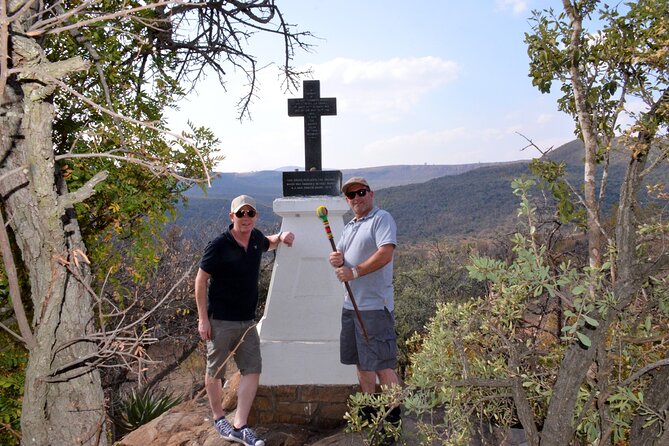
After the scale of Isandlwana and the defense story of Rorke’s Drift, Fugitives Drift gives you another angle on survival and aftermath. The stop is described as Fugitives Drift along with the Queen’s Colours memorial.
The phrase Queens Colours tends to signal that you are looking at something tied to objects of identity and regimental honor. Even if you are not a military history deep reader, memorials like this help you grasp that history is not only about what happened in the main battle line. It is also about what people carried away, what was lost, and how remembrance gets organized.
This stop can feel slightly less central than the two headline sites, but it is still valuable. It rounds out the narrative arc so the day does not end with just one dramatic moment. It also gives you a chance to pause and take in the emotional tone of the memorial landscape without the intensity of the museum.
If you like structure in a day tour, this is a good final anchor. You have the big clash, the stand, then the memorial response.
Lunch at Buffalo River: plan for own-expense food
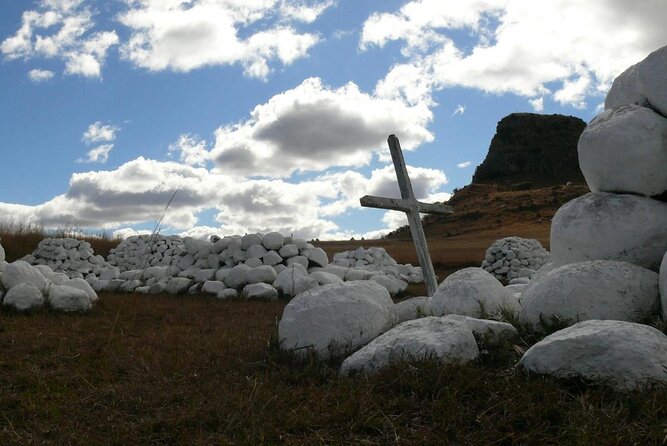
You will stop at Buffalo River for lunch and refreshments, but food and drinks are not included. This is a key value point to understand before you book. You will get a meal break, but you should budget your own lunch and drinks.
The trade-off is that the lunch stop is placed where it breaks the day into manageable chunks. Even if you eat quickly, you get a chance to reset, stretch, and recharge. One group description also highlights lunch at a lodge-like setting overlooking the river, which would make the pause feel more like a breath than a chore.
My practical advice: choose something filling but not heavy, and bring a light layer. The morning starts early, you will be out in the day, and the air can shift even when the sun is out.
Guides who turn names and dates into a story
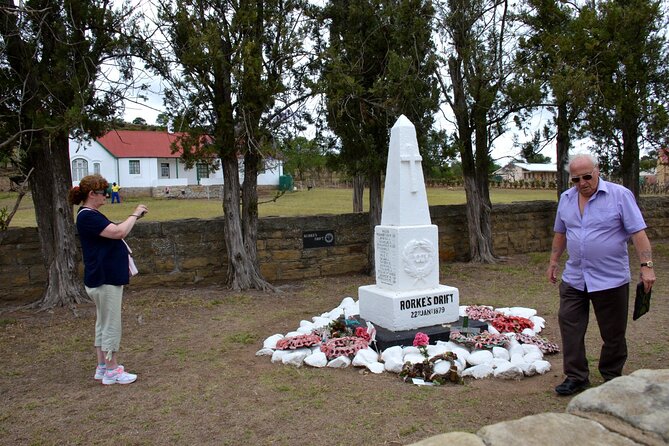
This tour lives or dies by communication. And the good news is, the names in the group experience are consistently linked with strong guiding.
Fortune, for example, has been described as knowledgeable and patient, with an ability to guide you through the day’s emotional and factual moments. Thami has been praised for picking people up on time, sharing information from the start, and using audio narration to tell the story of what happened at Isandlwana and beyond. Benson has been described as exceptionally knowledgeable and attentive, making a long day fun and educational even for people who are not history-focused.
Terry is another name that comes up, especially connected to an on-time arrival and a clear audio presentation during the ride. Some experiences also mention short briefings at each stop, which is exactly what you want: you do not want one long lecture at the start, you want small updates that match what you are seeing right then.
Even if your guide is different, you can still aim for the same payoff. Ask questions when you have them. If you do not understand one timeline point, your guide can usually reframe it. The best tours do not just give facts, they help you connect them.
Time on the road: how to make the long day feel worth it
Let’s be honest, the distance from Durban is a major part of the experience. The best way to handle it is to treat the drive as part of the tour, not downtime. The audio narration, the explanations along the way, and the viewpoint stops make the road segment more valuable than just sitting.
That said, you should set expectations for a long outing. Some people reported that travel time felt longer than advertised, and they were disappointed by how little time remained at the battle sites. I cannot control how it will feel on your day, but you can protect yourself by planning for less browsing time and more guided interpretation.
What helps most:
- Arrive rested and ready to learn
- Bring water and basic snacks for the ride since lunch is own expense
- Use your phone camera sparingly, look up often, and listen while you are standing at markers
If you are the type who wants slow wandering and lots of independent exploration, this might feel like a whistle-stop tour. If you want the story explained with structure, it is a strong fit.
Who this tour is best for, and who should think twice
This is a great choice if you want a day that combines real historical events with meaningful places you can walk yourself. It is also ideal if you like guided context, because the included museum access and the audio narration help you understand what you are seeing.
I would also say it is a good fit for people who want an efficient way to do three major sites in one go. You do not want to spend days arranging transport and entry fees. Here, the logistics are taken care of, including pickup and drop-off and included admissions.
Think twice if you are highly sensitive to long drives. Even with comfort in the transport and helpful narration, the day is still long. Also consider that groups can be large, up to 99, so if you hate crowds, position yourself early at stops or plan to move a few steps to find your own quiet spot.
Should you book the Isandlwana, Rorke’s Drift and Fugitives Drift day tour?
Book it if you want a structured, guided day tour that connects the defeat at Isandlwana with the defense at Rorke’s Drift and ends with the memorial tone at Fugitives Drift. The included museum entry, the guided explanations, and the practical pickup and drop-off from Durban make it a sensible way to do this region in one day.
Do not book it on a whim if your history interest is casual and you hate early mornings. The day starts around 6:00 AM, runs long, and food is own expense at Buffalo River, so you need to go in prepared.
If you do book, my best advice is simple: confirm your pickup details clearly, pack for a long travel day, and show up ready to listen. When the guide is on form, this becomes more than a bus tour. It turns into a timeline you can stand on, with the kinds of moments that stick long after you head back to Durban.
FAQ
What time does the tour start?
The tour starts at 6:00 AM, with pickup arranged from hotels or cruise ships.
How long is the tour?
It runs for about 14 hours (approx.), with the full day returning in the evening.
Is hotel pickup and drop-off included?
Yes. Hotel pickup and drop-off are included, and pickup is also offered for cruise ships.
Which battle sites are visited?
You visit Rorke’s Drift, the Isandlwana Battlefield, and Fugitives Drift, including the Queen’s Colours memorial.
Are entrance fees included?
Yes. Admission tickets for the battlefield museum areas are included.
Is lunch included?
No. Lunch and refreshments at Buffalo River are an own-expense stop.
Is there a group size limit?
Yes. The maximum group size is 99 travelers.
Can I request a language other than English?
Yes. German and Polish languages can be requested on request.
Are service animals allowed?
Yes. Service animals are allowed.
Can I cancel for a full refund?
Yes. You can cancel up to 24 hours in advance for a full refund.
Battlefields and Zulu Heritage: More Routes
Durban: More Along the Golden Mile
Keep going: the rest of our Durban write-ups
- Discover Durban on our Durban City Day Tour
★ 5.0 · 3 reviews - 2 Day Drakensberg Mountains & Tala Game Reserve Tour From Durban
★ 5.0 · 3 reviews - Valley of a Thousand Hills – Durban
★ 5.0 · 3 reviews - Full Day Hluhluwe Imfolozi Game Reserve From Durban
★ 5.0 · 3 reviews - Private Guided Cultural Day Tour of Zulu Village & PheZulu Safari Park
★ 5.0 · 3 reviews - Durban: Half Day Phezulu Safari Park and Durban City Tour
★ 4.6 · 3 reviews
Durban City and Beachfront Tours, compared.
 ★ 4.7Durban: 30-Minute Harbor Boat CruiseFrom $7665 reviews
 ★ 4.7Durban: 1-Hour Boat Cruise from Wilson’s WharfFrom $11496 reviews
 ★ 4.4Durban Point Waterfront: Luxury Canal Boat CruiseFrom $9298 reviews
 ★ 4.4Durban: Pontoon Boat Harbor Cruise182 reviews
 ★ 4.8Durban: Gondola RideFrom $12159 reviews
 ★ 4.1From Durban: Half-Day Safari TourFrom $193141 reviews
 ★ 4.5Luxury Canal Boat Cruise – Fun Things Durban UshakaFrom $8125 reviews
 ★ 4.5Half Day Safari Tour from DurbanFrom $171121 reviews
Browse the lists this tour appears in