

REVIEW · LESEDI AND CULTURAL VILLAGE TOURS
Lesedi Cultural Village Experience
South Africa hits different when it’s explained face to face. At Lesedi Cultural Village, you get a guided look at traditional homesteads and daily life, plus an energetic dance show featuring gender roles and community traditions. I love the small group feel, and I also love that lunch is built in as a boma buffet stop.
One thing to consider: this is a half-day plan, so if you want extra time wandering or lingering, the schedule may feel a bit tight. Still, it’s a very efficient way to see a lot without rushing in a way that feels chaotic.
In This Review
- Key highlights worth planning around
- A half-day that packs real culture into Pretoria
- Price and logistics: what you’re actually paying for
- Pickup, arrival, and the “get oriented fast” intro
- The guided cultural tour: five homesteads, one coherent route
- Cultural dancing: the performance that ties it together
- Lunch in a boma buffet: what makes it feel like part of the day
- The guides: why the human factor matters here
- How long it really takes, and how to fit it into a Pretoria plan
- Who should book Lesedi Cultural Village (and who might skip it)
- Quick practical checklist before you go
- Should you book it?
- FAQ
- How long is the Lesedi Cultural Village experience?
- Where does the tour take place?
- What is the price per person?
- Does the tour include pickup?
- What’s included in the price?
- What is not included?
- How many people are in the group?
Key highlights worth planning around
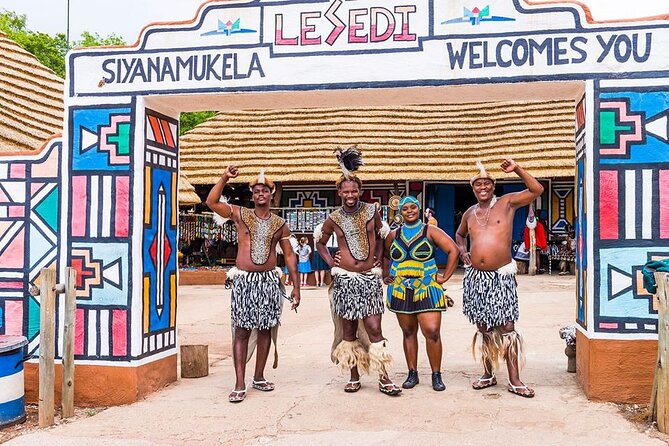
- A lineup of five cultures in one visit: Zulu, Xhosa, Pedi, Basotho, and Ndebele homesteads
- Dance as a learning tool: the show spotlights traditions and the roles of women and men
- Guided village tour after a quick intro video: easier to understand what you’re seeing once the context lands
- Lunch in a boma setting: a buffet stop that helps the day feel complete, not snacky
- Max 15 travelers: small enough for questions, big enough for a lively group
Other cultural village visits we have written up
- Elephant Experience & Lesedi Cultural Village★ 5.0 · 26 reviews
- Lesedi cultural village tour★ 5.0 · 20 reviews
- Lesedi Cultural Village Experience★ 5.0 · 13 reviews
- Lesedi Cultural Village Half Day Tour from Johannesburg★ 4.0 · 8 reviews
A half-day that packs real culture into Pretoria
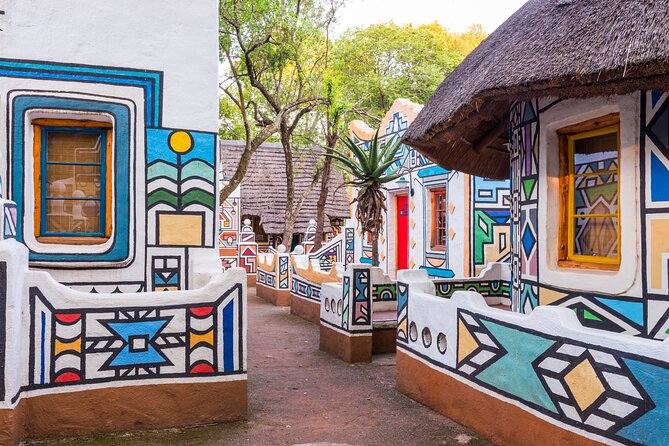
Lesedi Cultural Village is designed for people who want culture you can see and understand, not culture you just stand next to. In a few hours, you’ll move through different traditional homestead setups and learn how each community has shaped its homes, customs, and celebrations.
The best part for me is how the experience flows. You start with an introduction, then you walk a guided cultural tour, and you end with dancing. That order matters, because the performance lands better when you already know what you’re looking for.
You also get real comfort along the way. There’s pickup from your residence, and transport is in an air-conditioned vehicle. That’s a practical win in Pretoria, especially if you’re coming in from elsewhere in the city with heat and traffic already on your mind.
Price and logistics: what you’re actually paying for
The price is $98.13 per person, and the tour runs about 5 hours total. It’s booked about 49 days in advance on average, which tells me demand is steady, so planning ahead is smart.
What makes the cost feel more reasonable is what’s bundled in. Your ticket includes admission, you get water, and you also get a boma buffet lunch. On top of that, the tour includes an air-conditioned vehicle and all fees and taxes.
What’s not included is gratuity, and drinks during lunch are also at your own cost. That’s normal for South African group experiences, but it matters for budgeting. If you want soda or juice with your meal, factor that into your total.
Finally, the tour caps out at 15 travelers. That small upper limit changes the vibe. You’re less likely to feel like a number in a large group, and the guide can keep things moving while still answering questions.
Pickup, arrival, and the “get oriented fast” intro
The day starts with pickup at your residence. That matters because Lesedi Cultural Village is not a “grab a bus and wander” kind of place if you’re short on time. Having transportation arranged keeps you focused on the experience, not on routing.
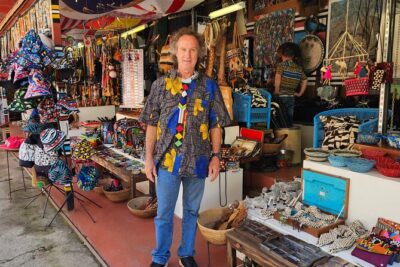
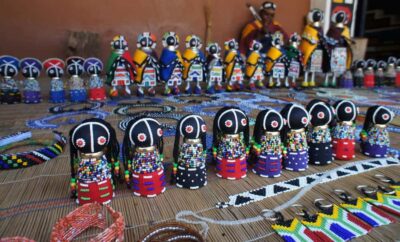
When you arrive, there’s a little built-in breathing space for souvenir shopping at the village. If you like buying small, handmade items, this is when you’ll have the easiest chance to browse without missing the main program.
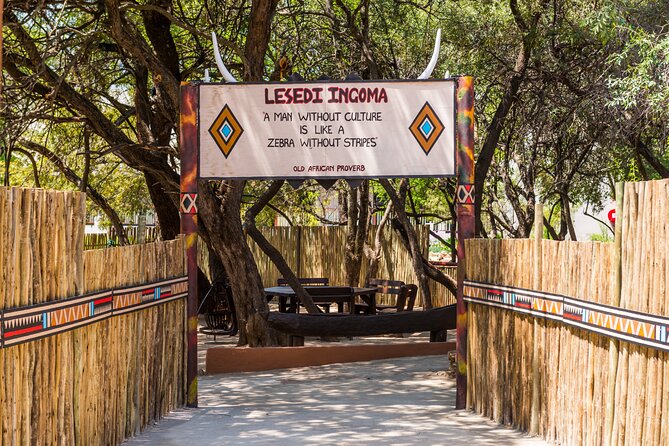
Next comes an introduction video at the amphitheatre. This is a quiet but important step. It gives you a baseline for what you’re about to see in the homesteads, so you don’t feel lost when the guide points out specific details in each community.
One practical tip: if you’re the kind of person who likes to take notes or photos, have your phone charged before you settle into the amphitheatre. The rest of the day moves at a lively pace.
The guided cultural tour: five homesteads, one coherent route
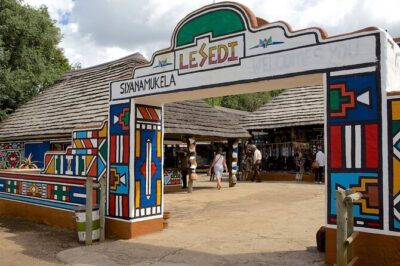
After the intro, you’ll join a guided cultural tour inside the village. This is where the experience becomes more than entertainment. You visit different homesteads, each linked to a traditional culture, including Zulu, Xhosa, Pedi, Basotho, and Ndebele.
Why this part is valuable is simple: your guide can explain what you’re seeing while you’re standing right there. Instead of reading a paragraph later, you connect meaning to place in real time. You also get to compare, because the communities share some similarities in how people build community life around home and ceremony, while still being clearly distinct.
A good sign for this kind of tour is how structured the route feels. You move from one area to another in a way that keeps the story straight. That structure is especially helpful if you’re visiting for the first time and you want to come away with clarity, not confusion.
And because the tour is small, it’s easier to ask questions like how certain traditions are practiced or what roles show up in everyday life versus celebrations. You might notice the guide keeps the tone practical and human, not museum-only.


Cultural dancing: the performance that ties it together
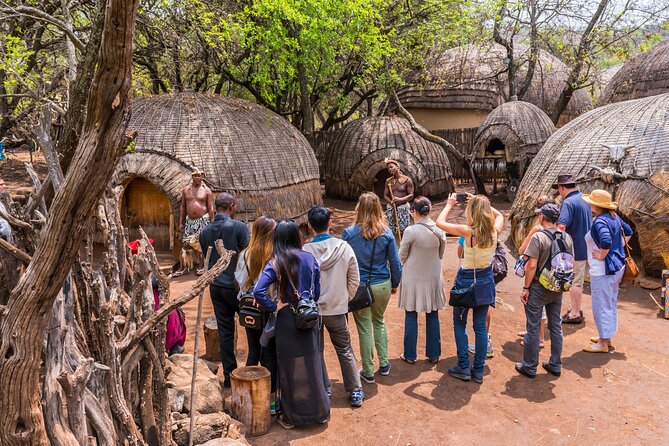
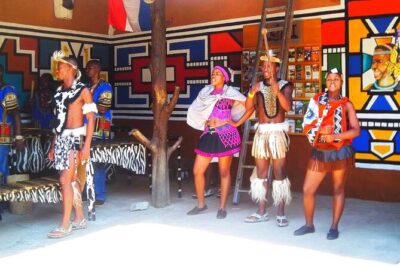
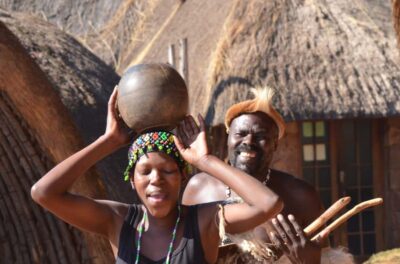
Dancing is a main event here, and it’s not random. The dance program is designed to show how community traditions play out through movement, rhythm, and group roles. The show is also where you’ll hear and see more about gender roles, including the roles of women and men as part of the performance.
This is one of the most praised parts of the experience, so it’s worth showing up ready to pay attention. It’s not just about watching, it’s about understanding. The guide and the rhythm help you catch the idea behind the steps and the social meaning of the show.
If you’re worried about whether dancing is “for you,” think of it as cultural storytelling with energy. Even if you don’t normally enjoy performances, this one tends to land because it’s tied to what you saw earlier in the village tour.
Practical note: wear shoes you can walk in comfortably. You’ll be on your feet through the village, then you’ll likely watch from a spot that still involves some movement. Light layers can help too, since you’ll be outdoors at least part of the time.
Lunch in a boma buffet: what makes it feel like part of the day
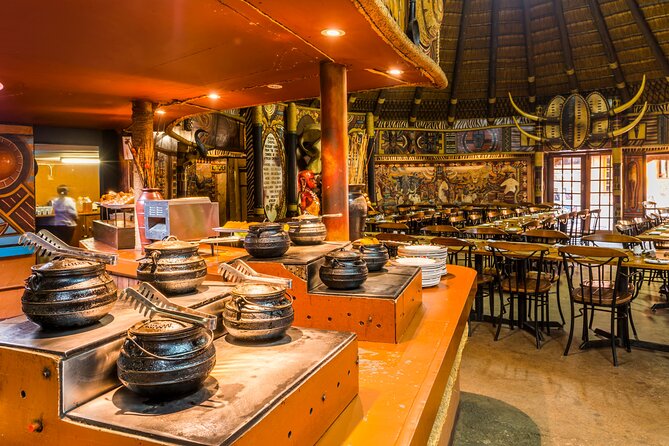
After the dancing, you’ll have lunch at a boma buffet. I like this timing because it prevents the usual problem with cultural tours where you either eat too early and get tired, or you eat too late and end up hungry and distracted.
A boma setting also helps the day feel coherent. It’s not just a meal between activities. It’s a space that fits the overall village theme.
The buffet format is practical. You can take what you want without waiting in a long line, and it’s easier to find something you’ll enjoy. Your drinks are not included, so keep that in mind if you want water beyond what’s already provided, or if you plan on ordering juice or soft drinks with your meal.
If you have dietary needs, you’ll want to check in with the tour team ahead of time, since the tour data only says the buffet is provided and doesn’t list specific options. When food is a big part of the plan, a quick heads-up saves stress.
The guides: why the human factor matters here
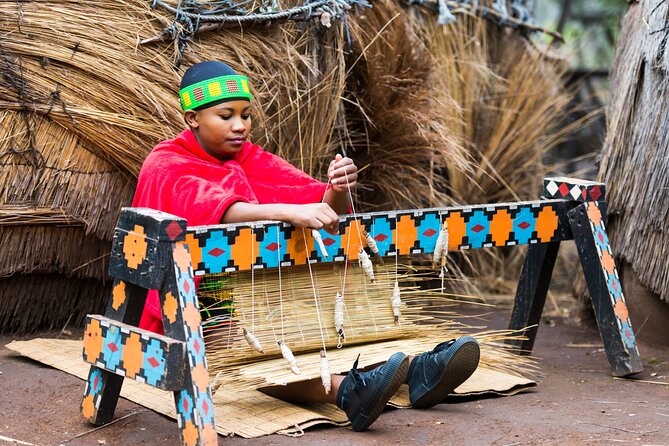
A lot of this kind of cultural tour lives or dies on the guide. Here, the guiding names that come up again and again include Tibone and Thabang, with some tours also credited to Tsalanang Tours.
What stands out is the combination of professionalism and friendliness. When a guide is clear, you spend less time guessing and more time learning. When a guide is warm, the experience feels like you’re being introduced, not lectured.
You’ll also benefit from the small-group size. Even in a structured tour, having a guide who can answer questions makes a difference. It turns the day from sightseeing into understanding.
How long it really takes, and how to fit it into a Pretoria plan
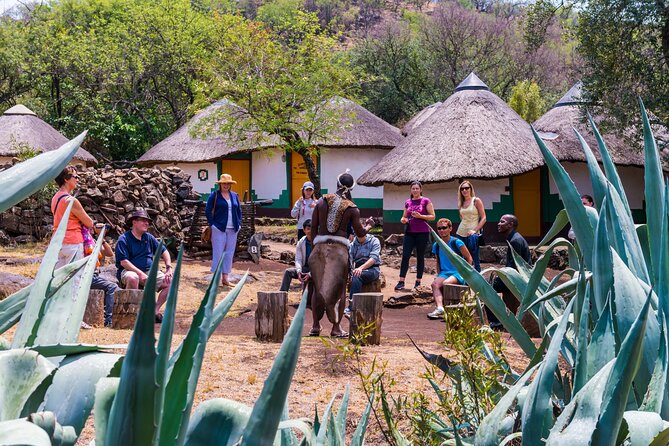
The total time is listed at about 5 hours, and the ticket includes admission for about 4 hours on site. In real life, that means you should treat it like a half-day commitment.
That’s good news if you’re balancing multiple Pretoria stops. It’s also ideal if you want a culture-focused afternoon without the long travel and long days that some tours require.
For best results, plan something low-key before or after. If you schedule this right after a tiring drive or a big day out, you’ll still have a great experience, but you may not soak in every detail the way you could.
Also, bring cash for souvenirs and lunches if you want to purchase drinks. The tour data says drinks are at your own cost, and you’ll likely find the shopping area tempting.
Who should book Lesedi Cultural Village (and who might skip it)
This tour is a strong match if you want:
- A guided, structured introduction to several cultures in one visit
- A performance element, not just homestead viewing
- A day plan that includes transport, admission, and lunch
It may not be the best fit if you’re someone who wants lots of unstructured free time. This experience is organized, and that’s part of the value, but it also means you won’t have hours to wander without moving with the group.
If you’re traveling with kids, the dance show and the visual homestead setup can keep attention. Just remember the schedule is about half-day length, so it’s easier if children can stay engaged for a few hours.
If you’re a solo traveler, the small group size can feel social without being overwhelming. You’ll still get the guided attention that makes the culture portion meaningful.
Quick practical checklist before you go
- Wear comfortable walking shoes
- Bring a phone charger or power bank if you plan to take lots of photos
- Budget extra for souvenirs and lunch drinks
- Dress in light layers, since you’ll be outdoors at points
- If the weather looks poor, know that the experience requires good weather, and you may be offered changes or a refund
Should you book it?
Yes, I’d book it if you want a well-run cultural stop that gives you context, movement, and a satisfying meal, all within a half-day. The value is in the package: transport, admission, a guided route through Zulu, Xhosa, Pedi, Basotho, and Ndebele homesteads, a dance show that explains roles, plus a boma buffet lunch.
If you dislike schedules or you want lots of free time, you might find the structure a bit limiting. But if your goal is learning you can actually follow in a few hours, Lesedi is one of the more practical ways to do it from Pretoria.
FAQ
How long is the Lesedi Cultural Village experience?
The experience lasts about 5 hours total, with admission covering around 4 hours on site.
Where does the tour take place?
It takes place in Pretoria, South Africa.
What is the price per person?
The price is $98.13 per person.
Does the tour include pickup?
Yes, pickup is offered from your residence.
What’s included in the price?
Included items are an air-conditioned vehicle, all fees and taxes, bottled water, and admission ticket access. Lunch is provided as a boma buffet.
What is not included?
Gratuity is not included, and drinks during lunch are at your own cost.
How many people are in the group?
The tour has a maximum of 15 travelers.
Cultural Villages: More Visits
Keep going: the rest of our Pretoria write-ups
- Pretoria City Tour and Cullinan Mine Tour from Johannesburg
★ 5.0 · 3 reviews - Full Day Soweto, Johannesburg and Apartheid Museum Guided Tour
★ 5.0 · 3 reviews - Cradle of Humankind Full Day Tour from Pretoria and Johannesburg
★ 4.5 · 3 reviews - 3-Day Private Tour Johannesburg – See everything
★ 5.0 · 3 reviews - From Johannesburg: Pretoria Guided City Tour
★ 4.5 · 3 reviews - Pretoria Tour-Voortrekker Monument, Town, Union Buildings
★ 5.0 · 3 reviews
Lesedi and Cultural Village Tours, compared.
 ★ 5.0Lesedi Cultural Village and Cradle of Humankind TourFrom $9748 reviews
 ★ 5.0Lesedi Cultural Village TourFrom $9446 reviews
 ★ 5.0Lesedi Cultural VillageFrom $14545 reviews
 ★ 4.5Durban City & PheZulu Cultural Village Day Tour from DurbanFrom $14343 reviews
 ★ 4.6Johannesburg: Lesedi Cultural Village ExperienceFrom $14443 reviews
 ★ 4.8Durban: Phezulu Cultural Village & Reptile Park TourFrom $12337 reviews
 ★ 4.5Lesedi Cultural Village & cradle of Humankind Guided TourFrom $10133 reviews
 ★ 4.0Phezulu Cultural Village & Reptile Park Day Tour from DurbanFrom $11433 reviews
Browse the lists this tour appears in