
REVIEW · LESEDI AND CULTURAL VILLAGE TOURS
Lesedi Cultural Village Tour
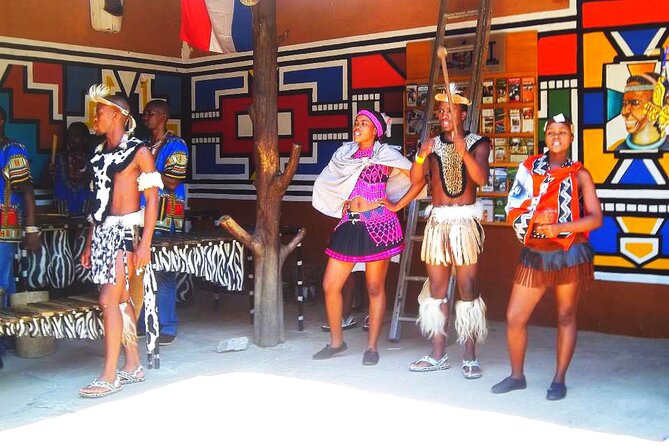
South Africa is loud with history, even in a big city. This half-day visit to Lesedi Cultural Village turns Johannesburg time into something hands-on, with a guided walk through five tribal village areas and live music and dance.
Two things I really like: the small-group setup (up to 15) keeps it personal, and the tour bundles the practical bits, like entrance and the performance, so you are not scrambling for tickets. I also like that you get welcome songs when you arrive, which helps you shift from tour mode into show mode.
One consideration: this is a cultural site with scheduled performances, not the same as visiting a real, living rural community. If you are after strict, off-the-grid authenticity, you might feel the difference.
In This Review
- Key points worth knowing before you go
- Lesedi Cultural Village in Johannesburg, what makes it work
- Price and what $94.90 really covers
- Pickup, timing, and the small-group advantage
- Arrival at Lesedi, welcome songs and first impressions
- The five village walk, what you are actually seeing
- The guide experience, names that come up and why they matter
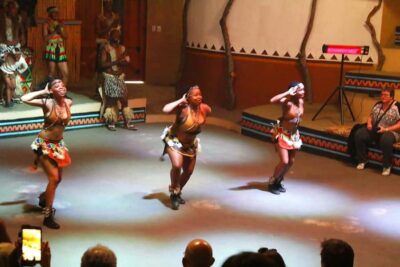
- Drumming and dance show, the highlight that usually wins
- Lunch and shopping, how to plan without getting rushed
- Value for different kinds of visitors
- Small details that make or break your day
- Should you book Lesedi Cultural Village? My practical take
- FAQ
- What time does the Lesedi Cultural Village tour start?
- How long is the tour?
- Do I get hotel pickup and drop-off?
- How large is the group?
- What does the ticket include?
- Is lunch included?
- What should I wear?
- Do I need a printed ticket?
- What is the cancellation policy?
Key points worth knowing before you go
Hotel pickup and drop-off help you save time in Johannesburg traffic and planning
A walk through five village areas gives you a simple way to compare traditions side-by-side
Drumming and dance are a big part of the experience and are often the highlight for first-timers
Lunch and drinks cost extra, so plan for that if you want the buffet
Craft market time lets you shop thoughtfully after the show
Guides make a difference, and names like Tshepo, Solly, Nathi, Simba, and Bobo show up in recent experiences
Other cultural village visits we have written up
- Lesedi Cultural Village and Cradle of Humankind Tour★ 5.0 · 48 reviews
- Lesedi Cultural Village Tour★ 5.0 · 46 reviews
- Lesedi Cultural Village★ 5.0 · 45 reviews
- Johannesburg: Lesedi Cultural Village Experience★ 4.6 · 43 reviews
Lesedi Cultural Village in Johannesburg, what makes it work
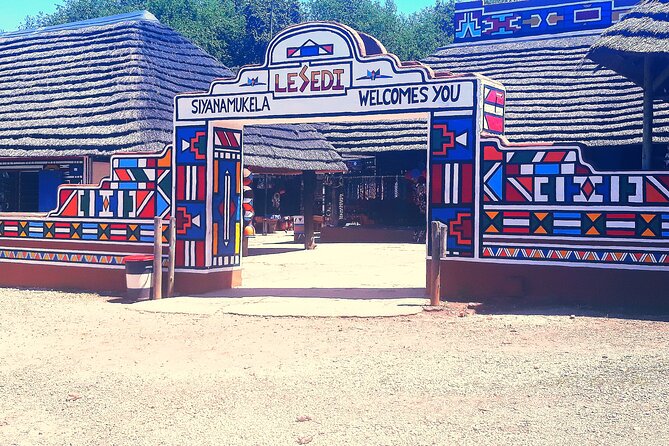
Johannesburg can make you feel like everything is modern, fast, and far away from tradition. This tour pushes you out of that bubble for a few hours, with a focused look at cultural practices from different southern African peoples.
What’s appealing is the structure. You start with an arrival welcome, you move through village areas in a guided way, then you finish with music and dance that ties it together. For most people, it is an efficient “starter course” that still feels like more than just a slideshow.
The best part of the pacing is that it is not all passive. You get walking time between the village areas, and the show itself is an event, not background entertainment. If you want culture without spending your entire day on logistics, this fits.
Price and what $94.90 really covers
At $94.90 per person, this sits in the midrange for Johannesburg guided culture. For me, the key value is that the ticket covers the parts that usually turn into hidden extras: entrance fees and the dance performance, plus everything like all fees and taxes.
You also get an air-conditioned vehicle and a bottle of water included, which matters when you are dealing with city heat and long drives. That is not glamorous, but it is practical, and it adds comfort to the day.
Where you need to be ready is food and drinks. The tour does not include lunch or dinner, even though lunch is available on-site after the show. You are basically paying for the cultural program, then choosing what you want to eat.
Also, small-group tours often cost more than big buses, but here you are paying for the limit on group size. If you care about questions, pacing, and not feeling like a nameless face in a crowd, that price starts to make sense.
Pickup, timing, and the small-group advantage
This tour starts at 10:00 am and runs about 5 to 6 hours total. That typically means enough time for hotel pickup, the village program, and the ride back without turning into an all-day marathon.
You get hotel pickup and drop-off, and that is a big deal in Johannesburg. Even if you are a confident navigator, it is the easiest way to reduce stress and keep your day centered on the main event.
The group size is capped at up to 15 travelers, and the highlights describe it as a small group. In practice, I like that because it usually means you can hear what the guide is saying, and you are more likely to get personal attention instead of only group-level explanations.
One practical tip from the reality of city days: build in a little slack. In at least one real experience, pickup ran late due to traffic and a wrong hotel stop. You cannot plan your whole day around a delay, but you can choose this activity on a day where you are not cutting it close with other reservations.
Arrival at Lesedi, welcome songs and first impressions
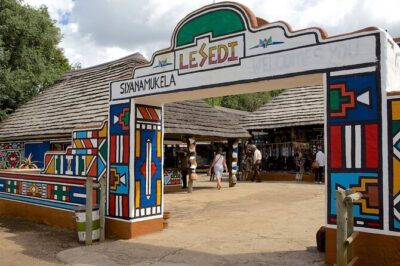
When you arrive at Lesedi Cultural Village, you are greeted with local traditional songs before the show begins. That matters more than it sounds, because it changes your mood quickly. You go from waiting outside to understanding you are entering a staged, but respectful, cultural performance space.
Right away, the vibe is guided and intentional. There is a flow to what happens next, and your guide is there to explain what you are about to see and why it matters.
If you want a calmer, less rushed start, show up a few minutes early for pickup and keep your schedule light afterward. Once you are at the site, the day moves with that “program” rhythm.


The five village walk, what you are actually seeing
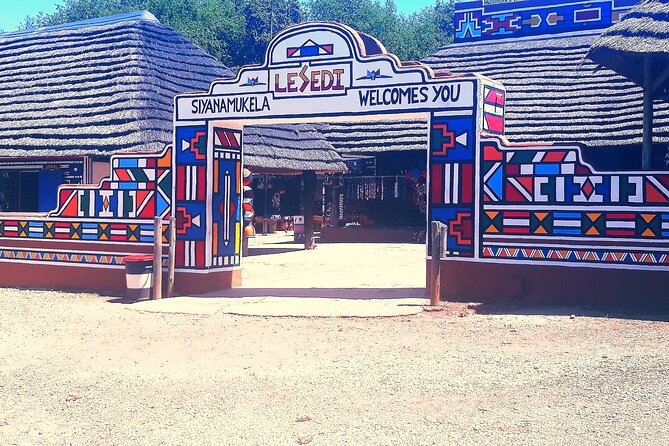
A major part of this tour is your walk through five villages. It is set up as a guided route, so you are not wandering around and guessing. You get context as you move, which helps you compare the different areas instead of treating them as separate attractions.
You will learn about cultural traditions across southern Africa, and the tour includes references like Zulu warrior elements as part of what you encounter during the visit. The goal is not to teach you everything. It is to give you a clear, beginner-friendly view of how traditions are presented, explained, and performed in a village setting.
What I like about the “five villages” format is its simplicity. Most people leave with a better mental map. You can remember the differences you noticed because your guide nudges you to look for specific cultural details as you go.
One consideration: a cultural village has limits. Even when the presentation is well done, it is not the same as being invited into someone’s everyday home. If you go in expecting a real daily life routine, you may feel disappointed. If you go in expecting a guided cultural experience, you will likely get more out of it.
The guide experience, names that come up and why they matter
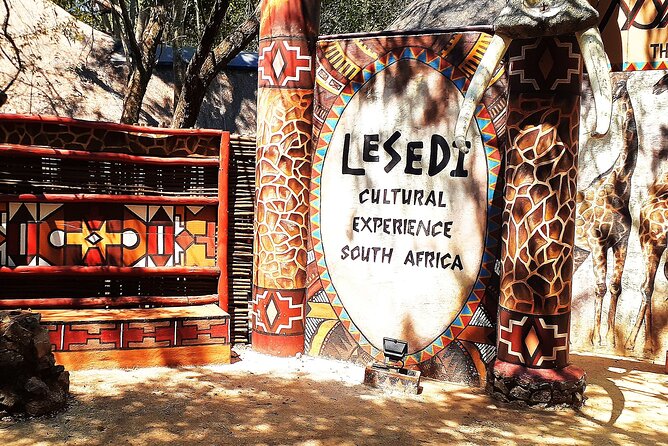
The guide is a huge part of why people rate this so high. Some experiences have been led by Solly, and other guide names that come up include Tshepo, Nathi, Simba, and Bobo.
What I look for in a good guide here is the ability to connect the dots for you. People tend to remember the show, but the guide is the person translating what it means, how it fits into local culture, and how to make sense of what you see in a short time.
You can also tell when a guide is good at pacing. In strong experiences, the “on the way” commentary helps you arrive with context, and the walk through the village areas feels less like a photo stop and more like guided learning.
If you are the type who likes asking questions, this small-group format gives you space to do it. If you are shy, it still works, because the program has a natural rhythm and the guide keeps it moving.
Drumming and dance show, the highlight that usually wins
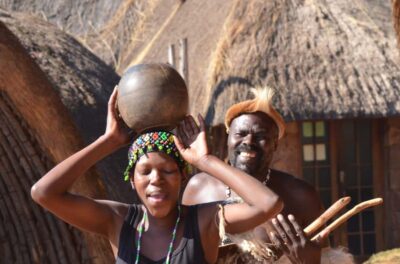
The tour is built around a magic dancing show, and it is paired with music moments like drum lessons. That combination is why it sticks in people’s memories, even for those who think they are not “a dance person.”
You also get that welcome set of traditional songs before the main performance, so the entertainment and culture are linked from the start. Once the show begins, performers put real energy into it, and the result is something you can feel immediately, even if you only know a little about the background.
I also think the performance format is smart for first-timers. You do not need a deep knowledge base to enjoy it. You can focus on movement, rhythm, and the way the guide explains meaning along the way.
If you are sensitive to “touristy” setups, here is the honest way I’d phrase it. This is a show in a cultural village. It can still be meaningful, but it is not a private ceremony or a spontaneous community evening. Go with the right expectations and you will be happier.
Lunch and shopping, how to plan without getting rushed
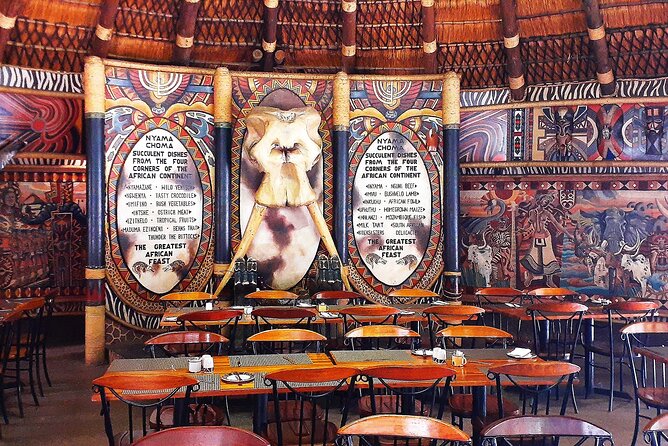
After the show, lunch is available, and it is described as including native traditional dishes. The tour description lists lunch as available, but the exclusions say lunch is not included, so treat it as an on-site option you choose based on your appetite and budget.
If you do plan to eat there, it helps to treat it as part of the program flow. Lunch is scheduled after the dance, so you are not stuck waiting around hungry while everyone else has already eaten.
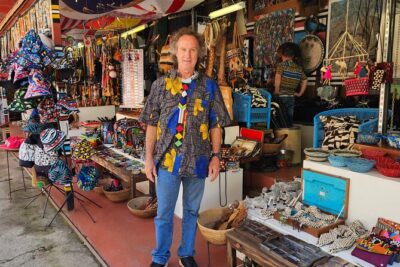
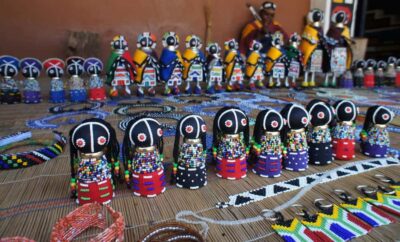
Then there is time for a craft market. You can browse and purchase handmade souvenirs after your meal, which is a nice rhythm because it gives your shopping a reason. You are buying after the cultural context, not before.
Practical advice: keep your shopping plan simple. Souvenirs can add up quickly, and if you overbuy early, you may not want to spend the final minutes browsing. I’d decide what you want before you get there, then let yourself pick one or two special items.
Value for different kinds of visitors
This is a good fit for first-time visitors to South Africa and for people who want culture without spending a full day planning. If you are in Johannesburg for a short trip, it offers a concentrated experience in a manageable window.
It is also a strong choice if you like educational content that is tied to something you can see and hear. The guide context plus drumming and dance means you can learn without sitting in a classroom.
If you are traveling with older family members, the tour’s “guided and structured” pace can be a plus. If you are traveling with teens who get bored easily, the performance component often keeps attention.
Where it may not fit as well is for travelers who only want experiences that are fully unscripted and off-the-grid. One of the weaker ratings points to the idea that this is a simulation rather than a real village experience. Even if you disagree, it is worth acknowledging if that matters a lot to you.
Small details that make or break your day
The basics are straightforward: you get a bottle of water and an air-conditioned ride. Dress code is casual, so you do not need special outfits. Still, I’d bring something comfortable and breathable, because you will spend time walking between areas.
Also, this tour uses a mobile ticket, and you receive confirmation at the time of booking. That reduces paper hassle, which is always a win when you are traveling.
If you want the best experience, aim to be in the right mindset. Treat the day like a guided program that mixes learning and performance. When you do that, you are less likely to judge it like a museum exhibit or compare it to a private, real-life community visit.
Should you book Lesedi Cultural Village? My practical take
Yes, I think it is worth booking if you want a structured, half-day introduction to southern African culture in Johannesburg. The biggest strengths are the small group size, the hotel pickup convenience, and the fact that your ticket already covers entrance and the dance performance.
I would book with open eyes. This is not a stealth cultural immersion camp. It is a cultural village experience with a show, and it works best when you appreciate it for what it is: a guided, accessible way to learn and watch.
If you are the type who needs guaranteed authenticity at the level of daily rural life, you may want to pair this with something else during your South Africa trip. For many travelers, Lesedi is a solid first step, then later you can choose deeper, more personal experiences elsewhere.
FAQ
What time does the Lesedi Cultural Village tour start?
The tour starts at 10:00 am.
How long is the tour?
It runs for about 5 to 6 hours.
Do I get hotel pickup and drop-off?
Yes, pickup is offered, and the tour includes drop-off back to your accommodation.
How large is the group?
The maximum group size is 15 travelers.
What does the ticket include?
It includes all fees and taxes, an air-conditioned vehicle, a bottle of water, admission, and the dance performance.
Is lunch included?
Lunch is not included in the ticket price, but lunch is available after the show with traditional dishes.
What should I wear?
The dress code is casual.
Do I need a printed ticket?
No. The tour uses a mobile ticket.
What is the cancellation policy?
You can cancel for free up to 24 hours before the experience starts for a full refund. If you cancel less than 24 hours before, the amount paid is not refunded.
Cultural Villages: More Visits
Keep going: the rest of our Johannesburg write-ups
- Soweto Private half day tour
★ 4.5 · 3 reviews - Johannesburg’s Migration History with a local lunch
★ 5.0 · 3 reviews - Johannesburg: Soweto, Apartheid Museum, and Cradle tours
★ 4.7 · 3 reviews - Soweto Apartheid Museum and Lunch
★ 5.0 · 3 reviews - Bathongo Rhino & lion park nature reserve tour
★ 5.0 · 3 reviews - Johannesburg: Elephant and Monkey Sanctuary Half Day Tour
★ 5.0 · 3 reviews
Lesedi and Cultural Village Tours, compared.
 ★ 5.0Lesedi Cultural Village and Cradle of Humankind TourFrom $9748 reviews
 ★ 5.0Lesedi Cultural VillageFrom $14545 reviews
 ★ 4.5Durban City & PheZulu Cultural Village Day Tour from DurbanFrom $14343 reviews
 ★ 4.6Johannesburg: Lesedi Cultural Village ExperienceFrom $14443 reviews
 ★ 4.8Durban: Phezulu Cultural Village & Reptile Park TourFrom $12337 reviews
 ★ 4.5Lesedi Cultural Village & cradle of Humankind Guided TourFrom $10133 reviews
 ★ 4.0Phezulu Cultural Village & Reptile Park Day Tour from DurbanFrom $11433 reviews
 ★ 4.6Johannesburg: Cradle of Human Kind & Lesedi Cultural VillageFrom $21831 reviews
Browse the lists this tour appears in