
REVIEW · JOHANNESBURG CITY TOURS
Johannesburg City Evolution, Arts and Museums Walking Tour
Johannesburg tells stories on every block. This tour mixes human rights landmarks with South African art you can see in museums and out on the streets, all tied into how the city changed over time. You start at Constitution Hill and end at the Market Theatre, using local transport and short walking stretches along the way.
I love the way this tour pairs major history with art, especially the included visits at Constitution Hill and the Wits Art Museum. I also like the small group size and the guide energy, with Sean named in multiple accounts as friendly, professional, and good at turning big ideas into something you can actually picture in Johannesburg.
One possible drawback: the themes are serious and the schedule is tight, so if you prefer lighter sightseeing and lots of free time, this may feel like more of a focused history and arts lesson than a casual wander.
In This Review
- Key highlights at a glance
- A city walk that links prisons, unions, and museums
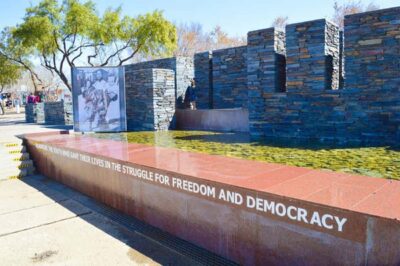
- Constitution Hill Human Rights Precinct: where the courtroom replaces the prison
- COSATU House and Wits University: unions and ideas shaping modern Joburg
- Braam Square, the Nelson Mandela Bridge, and Oriental Plaza for real-world city change
- Museum Africa: seeing Africa through past, present, and future
- Market Theatre: how performance challenged oppression
- The guide matters: how Sean makes the story feel personal
- Price, timing, and how this tour earns its $37
- What to wear and expect on a 3-hour walking and transport day
- Should you book this Johannesburg city evolution tour?
- FAQ
- How long is the Johannesburg City Evolution, Arts and Museums Walking Tour?
- What time does the tour start?
- Where does the tour start and where does it end?
- Is pickup offered?
- Do I need a paper ticket?
- What is the group size limit?
- Which stops include admission tickets?
- Are any stops free to enter?
- Is the tour accessible and near public transportation?
- What is the cancellation policy for a full refund?
Key highlights at a glance
- Constitution Hill Human Rights Precinct sets the tone with a former prison turned human rights space
- Wits University and Wits Art Museum connect academic life to South African and international art
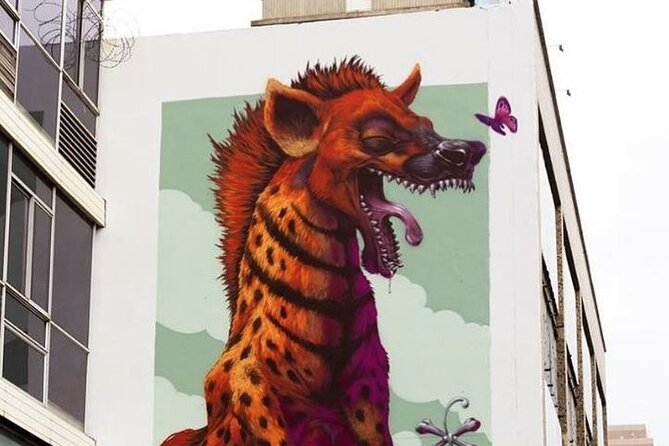
- Street art and areas like Maboneng show culture as something lived, not just displayed
- Museum Africa gives you a big, interactive view of Africa’s past, present, and future
- Market Theatre highlights how performance shaped voices during apartheid-era oppression
- Small group (max 7) helps the guide keep the pace and answer questions
More of Joburg, neighbourhood by neighbourhood
- From Johannesburg: Pilanesberg Nature Reserve Game Safari★ 4.8 · 1,327 reviews
- Johannesburg: Hop-On Hop-Off Bus with Optional Soweto Tour★ 4.6 · 985 reviews
- Soweto /Johannesburg and Apartheid Museum Guided Full Day Tour★ 5.0 · 932 reviews
- Johannesburg Hop-On Hop-Off City Tour with Soweto Option★ 4.5 · 768 reviews
A city walk that links prisons, unions, and museums
Johannesburg can feel like a puzzle at first. This tour helps you sort it out fast by showing the city in layers, from justice and civil rights to labor, education, and the arts. Even though it is short, it feels like a complete “how Johannesburg became Johannesburg” snapshot.
You get a mix of paid and free stops. The paid ones matter because they are major institutions, and the rest keeps the walk varied instead of turning into an all-museum day.
It also helps that the company runs a small group experience. With a maximum of 7 people, you are not stuck behind a crowd. You get better guidance, and you are more likely to feel comfortable asking questions.
Constitution Hill Human Rights Precinct: where the courtroom replaces the prison
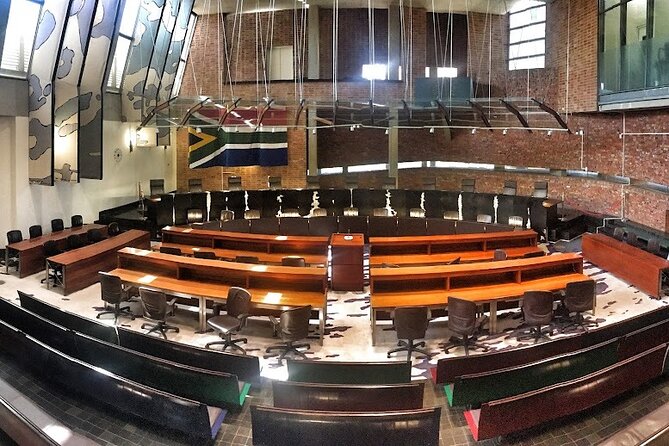
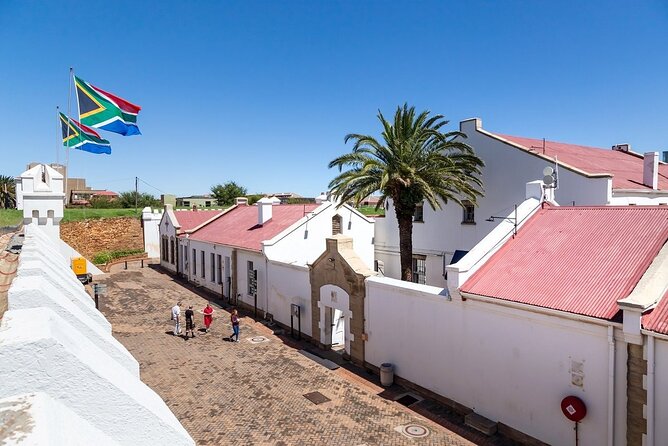
You begin at Constitution Hill Human Rights Precinct, a former prison complex that has been transformed into a space focused on human rights. It also houses the Constitutional Court of South Africa, so you are not only looking at buildings, you are looking at where law and democracy meet.
This is the emotional anchor of the whole tour. The site forces you to connect past injustice to present protections, and the time you spend here helps the later stops click into place. Plan for a 25-minute visit, and use it as your “start reading the city” moment.
Admission is included, so you are not scrambling for tickets or trying to judge whether the entry fee is worth it. This is one of the best places to understand why Johannesburg’s story is not just art and architecture, it is rights, resistance, and change.
Practical note: since this is a prison-to-rights transformation, the tone can feel heavy. If you know that kind of context is not your thing, you may want to mentally pace yourself and keep an eye on breaks between stops.
COSATU House and Wits University: unions and ideas shaping modern Joburg
From Constitution Hill, the tour moves into the city’s “systems” side. You stop at COSATU House in Braamfontein, tied to the Congress of South African Trade Unions. It is only about 5 minutes, but it is a sharp reminder that labor movements helped shape the country’s democratic path.
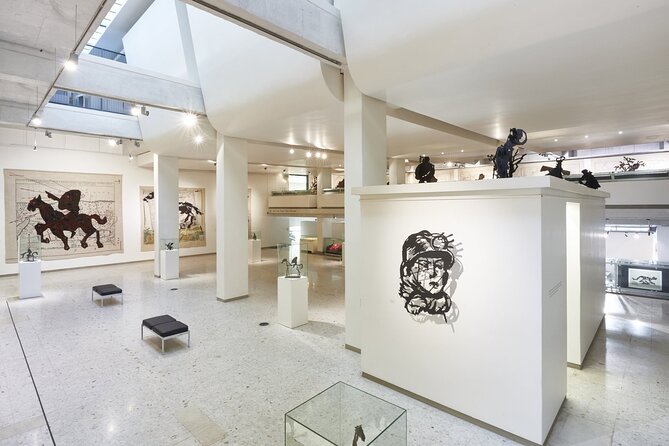
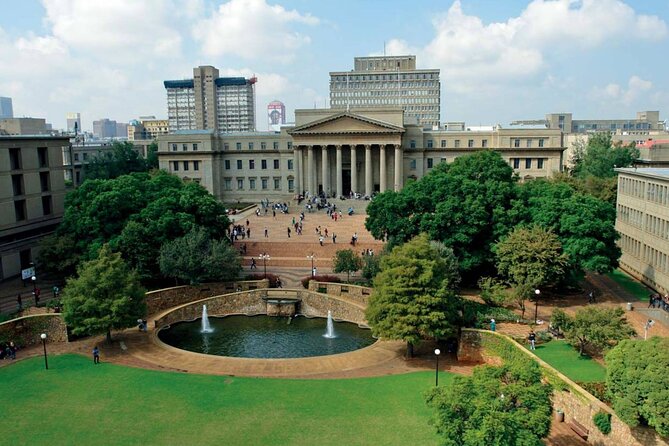
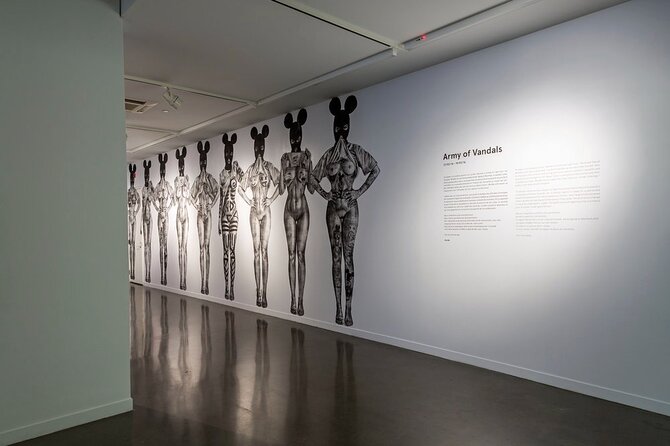
Then you head to Wits University for Wits Art Museum on campus. Wits is described as a prestigious public research university, known across science, engineering, and humanities. The art museum visit brings those ideas into visual form, with a collection that includes South African and international works.
This is a smart pairing: you get institutions of education and institutions of expression in the same chunk of the day. It also makes the “arts” part of the tour feel grounded, not tacked on.
Admission is included for this museum stop, so again you get value without extra cost. It is also a good place to slow down, because museum pacing is naturally different from street walking.
If you are the kind of person who likes to connect names and places, this section gives you more than photos. You start seeing Johannesburg as a network, not a set of isolated attractions.
Braam Square, the Nelson Mandela Bridge, and Oriental Plaza for real-world city change
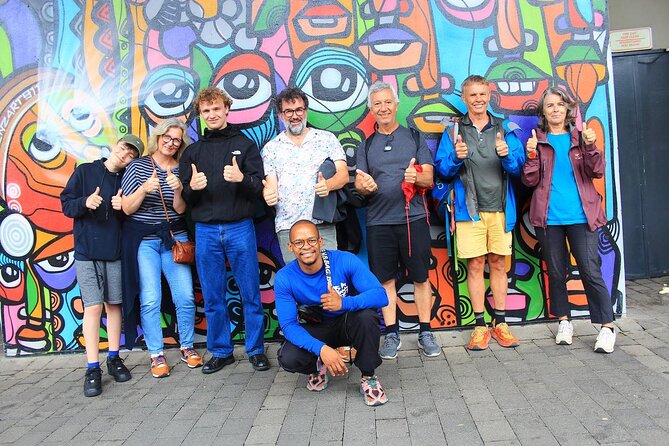
After the university and labor stops, the tour shifts into open-air Johannesburg. You spend time at Braam Square, a public square in the heart of Braamfontein that has seen major revitalization.
Next comes a quick crossing over Nelson Mandela Bridge on the way to Newtown. Even though it is only about 10 minutes, it helps you orient yourself. Bridges are useful like that. They give you a sense of geography, and you start to understand how different neighborhoods connect.
Then you visit Oriental Plaza, a historic building complex originally created in the late 19th century as warehouses and shops. In the early 20th century it was transformed into a shopping center for a growing population. This stop matters because it shows Johannesburg as a place that reuses its own structure, not just a city that demolishes and rebuilds.
One nice part here: several stops are free to enter, so you are paying for the paid museums, not every single step. It keeps the day feeling balanced and helps you spend time where it actually counts.
Other cabinets and collections worth an afternoon

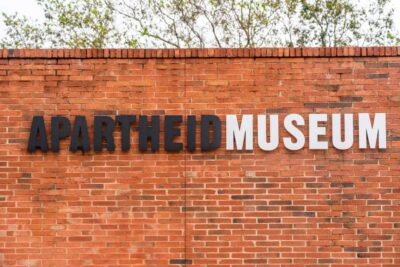
Museum Africa: seeing Africa through past, present, and future
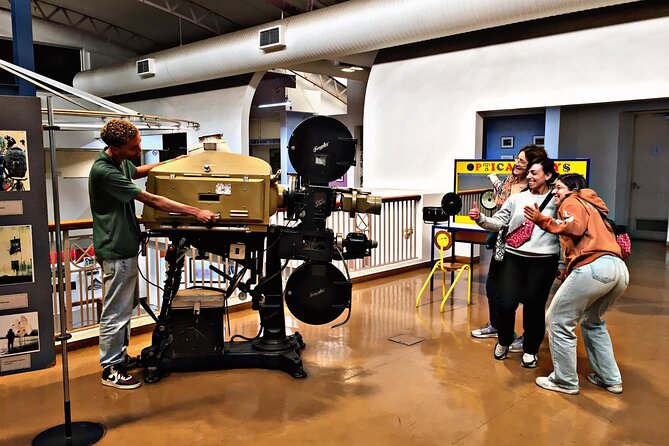
Museum Africa takes you from street and building history into a wider view. The museum presents the rich and diverse history of Africa, with exhibits and interactive displays designed around the continent’s past, present, and future.
This stop is scheduled for about 35 minutes. That is long enough to get a sense of the museum’s approach without turning the day into a marathon.
I like this kind of museum mid-tour. By the time you reach it, your brain has already been fed with Johannesburg’s own transformation story. Museum Africa then expands the lens, so the city context does not feel narrow.
Admission is included, which makes the price feel more justified. It also means you can focus on the experience instead of cost math.
If you prefer museums that are very quiet and slow, 35 minutes might feel quick. But for a three-hour walking tour format, it is a sensible amount of time.
Market Theatre: how performance challenged oppression
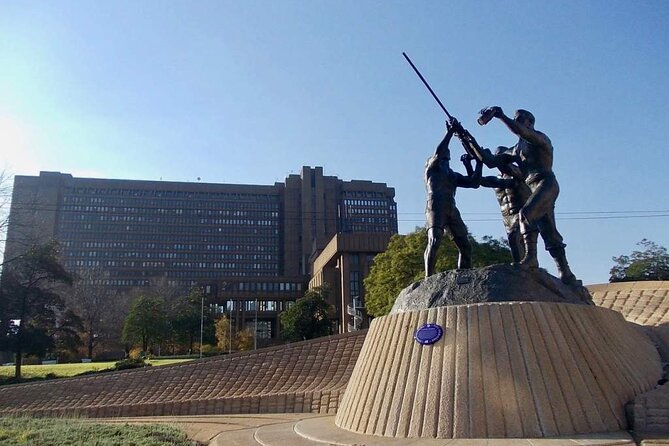
You end at the Market Theatre, also called the struggle theatre. During apartheid, it provided a platform for artists to express themselves freely and to challenge the oppressive regime.
The stop is about 20 minutes, and it works well as a closing chapter. By the time you are there, you have already covered how rights were contested in legal spaces, how labor organized for change, and how education and art carry ideas forward. The Market Theatre brings in culture as a form of resistance, not just entertainment.
Entry is free for this stop, so you are not hitting the end of the tour with more fees. It also makes it feel more like a shared public experience than a ticketed add-on.
I also like the emotional rhythm of finishing here. It gives you a way to leave Johannesburg with a sense of voice and agency, not only struggle.
The guide matters: how Sean makes the story feel personal
What really makes this tour work is the guide. Sean is specifically mentioned in multiple accounts as super friendly and strongly knowledgeable, with the ability to explain background behind downtown Johannesburg sites in a way that makes sense fast.
I also appreciate the pacing described by visitors. The tour is structured, but it does not feel like a lecture where you are stuck taking notes. It feels more like you are walking with someone who actually lives this city’s context.
Safety is another practical win. People highlighted feeling safe on the roads with Sean. In a city like Johannesburg, that is not a small thing. You want a guide who understands streets, timing, and where to pause.
And then there is food. Several accounts mention a local food option at the end, including a braai and a platter that was described as enough for lunch and dinner. The important point for you is not the exact meal. It is that the tour tends to land with something local, so your day ends with flavor and not just facts.
Price, timing, and how this tour earns its $37
At $37.02 per person for about 3 hours, this is priced for a group history and culture day, not a high-end private tour. The value comes from the mix of included entry tickets and the number of meaningful stops packed into a short time.
Admission is included at Constitution Hill Human Rights Precinct, Wits Art Museum, and Museum Africa. Those are the big ticket items that usually cost extra if you plan them yourself. Several other stops are free, so you also get time in key neighborhoods without ballooning expenses.
You also get a practical format. Pickup is offered, and the tour uses a mobile ticket. The route is built for short connections, and it runs in a group capped at 7 people.
Booking demand is also a clue. This one is commonly booked about 96 days in advance on average, so if your dates are fixed, you do not want to wait until the last minute.
What to wear and expect on a 3-hour walking and transport day
This is a walking tour with city transfers. That means your success depends a lot on comfort.
Wear comfortable shoes with grip. Even if each stop is short, you still spend time moving between them, plus you have outdoor sections at Braam Square and around downtown streets. A light layer can help too, especially if you feel temperature swings as you move between covered and open areas.
Bring a phone charger or power bank if you like using maps. The day starts at Constitution Hill and ends at the Market Theatre, and you will likely take photos of details at multiple locations.
If you care about accessibility, the tour states that locations have been renovated to ensure comfort and accessibility for tourists. That is a good sign for many visitors who want an experience designed with real-world needs in mind.
Finally, mentally plan for serious content. Constitution Hill and the Market Theatre both deal with oppression and resistance. That is what gives the tour its power. If you are emotionally okay with that, you will get more from every stop.
Should you book this Johannesburg city evolution tour?
Book it if you want a focused introduction to Johannesburg that connects human rights, labor, education, and the arts in one smooth morning. The included museum admissions help with value, the group size is small, and the guide style described by visitors, especially Sean, seems to make the context stick.
Skip it or choose another option if you mainly want relaxed sightseeing with minimal heavy themes. This tour is not trying to be background entertainment. It is built to explain how the city changed and why culture, law, and public institutions matter.
If you like street art, Maboneng-style culture scenes, and museum stops that connect to real life, this is a strong fit for a first-time visit to Johannesburg.
FAQ
How long is the Johannesburg City Evolution, Arts and Museums Walking Tour?
It runs for about 3 hours.
What time does the tour start?
The start time is 10:00 am.
Where does the tour start and where does it end?
It starts at Constitution Hill Human Rights Precinct, 11 Kotze St, Braamfontein, Johannesburg, 2017, South Africa. It ends at The Market Theatre, 56 Margaret Mcingana St, Newtown, Johannesburg, 2001, South Africa.
Is pickup offered?
Yes, pickup is offered.
Do I need a paper ticket?
No, a mobile ticket is provided.
What is the group size limit?
The tour has a maximum of 7 travelers.
Which stops include admission tickets?
Admission tickets are included for Constitution Hill Human Rights Precinct, Wits Art Museum, and Museum Africa.
Are any stops free to enter?
Yes. COSATU Braamfontein, Braam Square, Nelson Mandela Bridge, Oriental Plaza, and Market Theatre are listed as free.
Is the tour accessible and near public transportation?
The tour notes that the locations have been renovated for comfort and accessibility. It also says it is near public transportation.
What is the cancellation policy for a full refund?
Free cancellation is available if you cancel up to 24 hours in advance for a full refund.
Another Day in Johannesburg, Planned Out
Under Glass and Behind Ropes in Johannesburg
Johannesburg, Block by Block
- From Johannesburg: Pilanesberg Nature Reserve Game Safari
- Johannesburg: Hop-On Hop-Off Bus with Optional Soweto Tour
- Soweto /Johannesburg and Apartheid Museum Guided Full Day Tour
- Johannesburg Hop-On Hop-Off City Tour with Soweto Option
- Full Day Ultimate Pilanesberg National Park Safari from Johannesburg or Pretoria
Keep going: the rest of our Johannesburg write-ups
- Soweto Private half day tour
★ 4.5 · 3 reviews - Johannesburg’s Migration History with a local lunch
★ 5.0 · 3 reviews - Johannesburg: Soweto, Apartheid Museum, and Cradle tours
★ 4.7 · 3 reviews - Soweto Apartheid Museum and Lunch
★ 5.0 · 3 reviews - Bathongo Rhino & lion park nature reserve tour
★ 5.0 · 3 reviews - Johannesburg: Elephant and Monkey Sanctuary Half Day Tour
★ 5.0 · 3 reviews
Johannesburg City Tours, compared.
 ★ 4.5Johannesburg Hop-On Hop-Off City Tour with Soweto OptionFrom $16768 reviews
 ★ 4.8Johannesburg: Full-Day Tour with Soweto and Apartheid MuseumFrom $104478 reviews
 ★ 4.8Johannesburg and Soweto: Half-Day TourFrom $71439 reviews
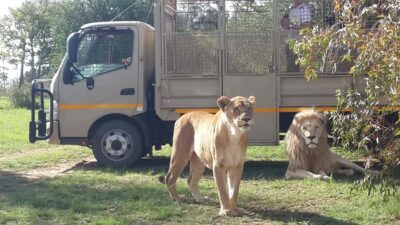 ★ 4.6From Johannesburg: Lion & Safari Park Half-Day TourFrom $167384 reviews
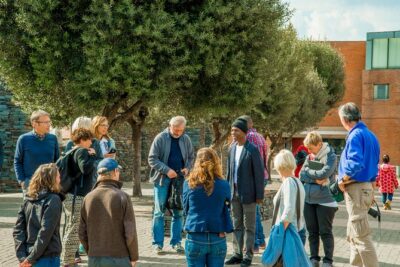 ★ 5.0Ultimate Johannesburg Soweto Experience with Apartheid MuseumFrom $108313 reviews
 ★ 5.0Half Day Lion Park tour from Johannesburg or PretoriaFrom $100274 reviews
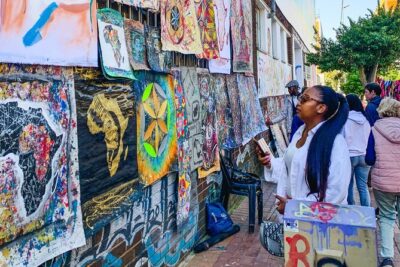 ★ 4.9Johannesburg: Maboneng Street Art & Culture TourFrom $37257 reviews
 ★ 5.0Johannesburg and Soweto tourFrom $77231 reviews
Browse the lists this tour appears in