
REVIEW · SOWETO TOURS
Half Day Soweto and Apartheid Museum Guided Tour
Soweto and apartheid history hit hard. This private half-day tour strings together key Johannesburg and Soweto stops, then gives you about 2 hours inside the Apartheid Museum to make sense of what you’re seeing. I really like how the day mixes big history with real places, including Vilakazi Street and the Mandela sites. One thing to consider: this is a heavy-topic outing, and some stops are quick drive-bys, so it is not built for slow, deep hanging around.
If you care about context, you will appreciate the flow. You start with grounding moments around Johannesburg, then move into Soweto’s lived experience and memorial sites, ending with drop-off back where you started. It is also private, so you can ask questions and keep your pace.
The price is not low, but you get a lot folded in for a half-day. You have an air-conditioned vehicle, bottled water, and included entry for the Apartheid Museum and Mandela House Museum, which helps justify the cost. Just plan food on your own since lunch and drinks are not included.
In This Review
- Key things that make this tour work
- Why Soweto and the Apartheid Museum belong in one day
- Price and time, what you really get for the money
- Getting oriented fast: Johannesburg stops that set the stage
- The view into Soweto: neighborhoods and a major hospital drive-by
- Cooling Towers: a viewpoint break with real township energy
- Vilakazi Street: where history lives on a normal street
- Mandela House Museum: the kind of stop that changes how you look around
- The Apartheid Museum: how the 2 hours makes history stick
- Hector Pieterson Memorial briefing: a short segment with lasting weight
- A quick look at guide style: what “good” feels like on this tour
- What to bring and how to plan your day without lunch
- Who this half-day tour fits best
- Should you book this Half-Day Soweto and Apartheid Museum tour?
- FAQ
- How long is the Half Day Soweto and Apartheid Museum guided tour?
- Is hotel pickup included?
- Is admission to the Apartheid Museum included?
- Do I get time to explore the Apartheid Museum on my own?
- Is lunch included in the price?
- Does the tour include bottled water and transportation?
- Is this a private tour?
- Which Mandela-related stop is included?
- What does it cost?
Key things that make this tour work
- Private group pace: only your group rides together, so the timing feels controlled.
- The right museum time: about 2 hours inside the Apartheid Museum, including time to explore at your own speed.
- Mandela and Soweto in the same day: Mandela House plus quick context on the 1976 uprising memorial.
- Soweto street-level realism: stops and views that go beyond the museum walls.
- Guides with strong communication: names like Lucky, Abe, Nhlanhla, and Lekki come up repeatedly for engaging, organized guidance.
- Comfort in transit: an air-conditioned vehicle with bottled water keeps the day manageable.
Other Soweto routes we have reviewed, each with a local guide
- Johannesburg and Soweto tour★ 5.0 · 231 reviews
- Soweto Half Day Tour★ 5.0 · 231 reviews
- Soweto walking tour with a taxi ride★ 4.5 · 42 reviews
- Soweto, Kliptown, Eldorado Park Tour★ 5.0 · 41 reviews
Why Soweto and the Apartheid Museum belong in one day

This tour makes a smart connection between place and story. The Soweto stops give you real-world geography and landmarks you can point to later, while the Apartheid Museum turns those places into a clear narrative of segregation, control, and resistance.
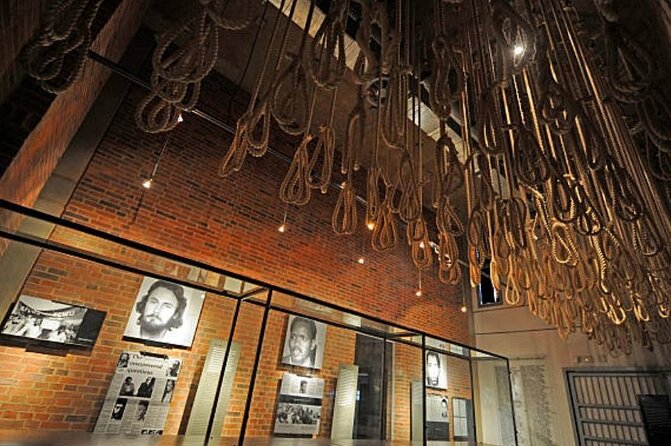
The museum is not just displays and photos. You are guided through a period marked by discrimination and oppression, and there are dramatic film segments plus artifacts and text panels across 22 exhibition areas. That mix matters because apartheid-era history is complex, and the museum structure helps you keep it straight.
Also, the day does not pretend this is all uplifting. You get a chance to sit with hard material and then walk away with relief from understanding more of the truth behind what you saw.
Price and time, what you really get for the money
This costs $85.06 per person and runs about 5 hours. For South Africa, a half-day private tour at this price is usually only good value if two things happen: key admissions are included, and your guide uses the time efficiently. Here, admissions for the Apartheid Museum and Mandela House are included, and the rest of the day is structured around short, meaningful stops.
You are not spending all day stuck in traffic, either. The day includes brief scenic and neighborhood moments, plus a dedicated museum block. If you want a full-day version with more walking time in Soweto, you might feel slightly rushed, but for a short stay in Johannesburg, this is a solid plan.
One practical note: lunch and coffee or tea are not included. You will want to eat before you start, or budget for a meal during the gap around Soweto stop time.
Getting oriented fast: Johannesburg stops that set the stage
The day starts with hotel pickup, then a quick orientation that helps you read the city as you drive. This matters because Johannesburg can feel spread out, and a short intro helps you connect what comes next.
You also get brief stops around Johannesburg highlights, including Houghton Estate, where Nelson Mandela lived during his presidency and where he died in December 2013. Even though the time there is short, it adds weight to what you will later see inside the Mandela House museum.
There’s another nice “how did they build this?” moment at Munro Drive. It is a national monument built by Italian prisoners of war during World War II, and it also gives you a scenic overlook that includes a view of the world’s largest man-made subtropical forest. That kind of detail keeps the day from turning into only memorials, while still staying connected to the broader South African story.
The view into Soweto: neighborhoods and a major hospital drive-by
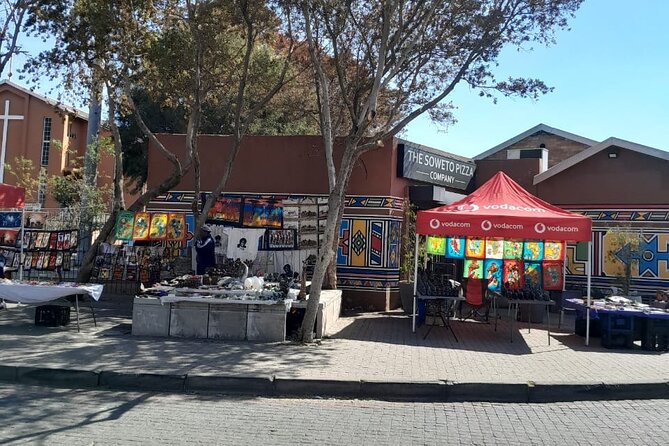
As the drive approaches Soweto, you pass through areas that help you understand how the township is not one single image. Diepkloof Park and the mention of Diepkloof Extension gives you a sense of how sections vary, including references to home styles and who tends to live there. It is the kind of quick neighborhood context that helps you avoid reducing Soweto to one stereotype.
You also pass Chris Hani Baragwanath Academic Hospital. The details here are hard to ignore: it spans about 173 acres, has roughly 3200 beds, and employs about 6760 staff. Even from the road, it signals scale. You are looking at a major public healthcare hub, and that gives the day a broader view of day-to-day life and infrastructure, not only protest history.
These are drive-by moments, but they are worth it. If you are trying to understand a city, you need more than just museum stops.
More sites and museums that record the apartheid years
Cooling Towers: a viewpoint break with real township energy
The cooling towers are a key stop for both photos and perspective. They are about 100 meters tall, and they have become an entertainment center with a bungee jump and a barbecue restaurant. You also get a chance to see the township from the top, which is one of those moments where the geography suddenly clicks.
One small consideration: you might spend more time looking than listening here, since the payoff is the view. If you prefer strictly informational stops, this can feel like a lighter segment, but it is also a good reset in a day that is emotionally heavy.
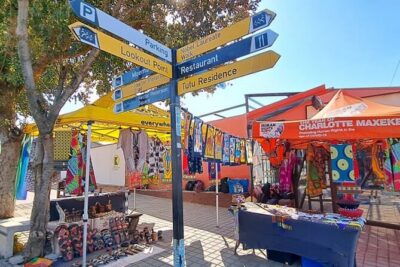
Vilakazi Street: where history lives on a normal street
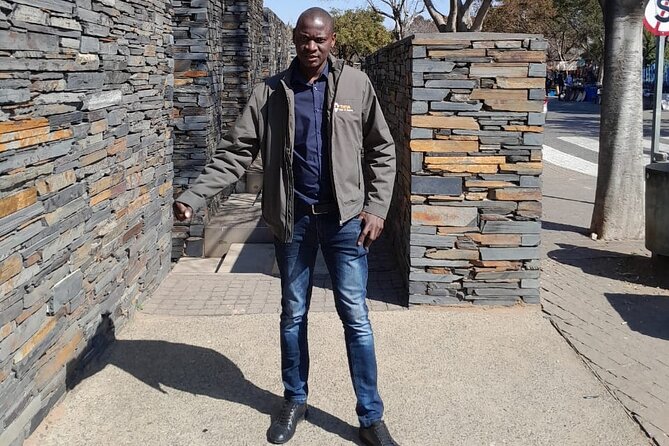
The heart of Soweto in this experience is Vilakazi Street. This is the street most famous for having had two Nobel laureates as residents: Nelson Mandela and Archbishop Emeritus Desmond Tutu. That fact is impressive on paper, but the point of the stop is what makes it believable, the fact that this is where people live and work now.
You also have a short moment near Sakhumzi Restaurant on Vilakazi Street. The tour information mentions a Soweto-style buffet with traditional dishes such as umngqusho (samp and beans) and mogodu (tripe). If you are hungry, this is a practical place to plan a meal without losing your schedule.
Mandela House Museum: the kind of stop that changes how you look around

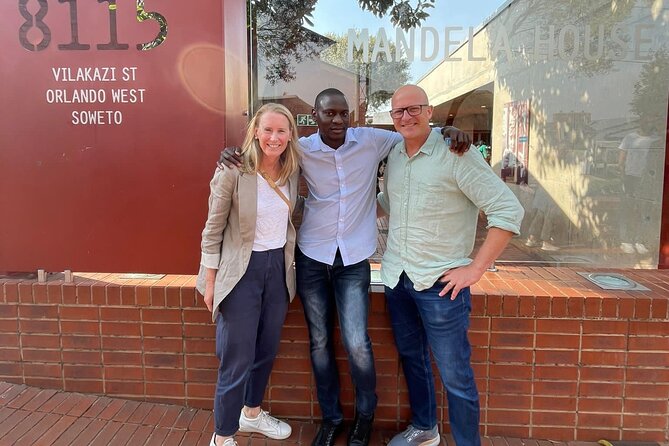
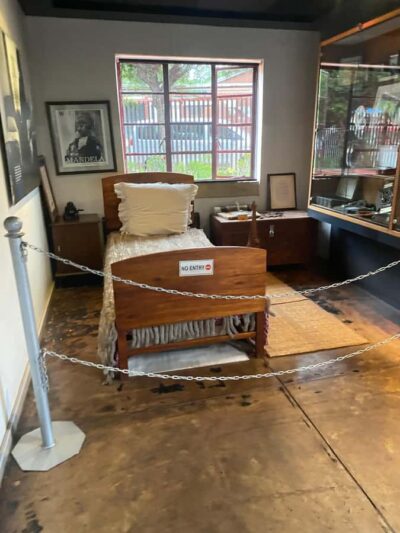
Mandela House is where the day becomes personal in a way that feels grounded rather than abstract. A site guide welcomes you and gives a short intro, then you get a guided tour inside the home once owned by Nelson Mandela. You can take as many pictures as you can from inside and of the house, which helps you remember details later.
The museum setup includes exhibits and artifacts, plus sound and film elements, and interpretive panels and guided components. That mix is useful because it helps you connect the place to lived experience, not just dates and slogans.
The stop is about 30 minutes, so it is not a long sit-down museum visit. But when you only have a half-day, a structured Mandela House block is exactly the right balance.
The Apartheid Museum: how the 2 hours makes history stick
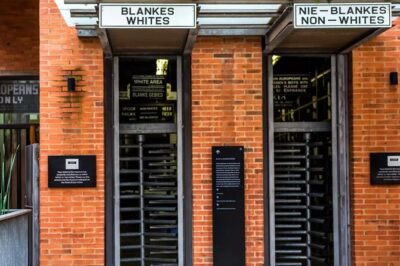
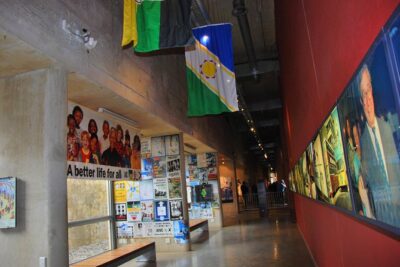
This is the anchor of the tour. You get roughly 2 hours at the Apartheid Museum, with time to explore at your own pace after the guided framing. The museum covers apartheid’s rise and fall across 22 exhibition areas, with provocative film footage, photographs, text panels, and artifacts that focus on human stories.
Here is why that structure matters for you: apartheid history can feel overwhelming if you only see one type of content. The museum gives you multiple entry points, personal stories through artifacts and photos, larger political context through films and panels, and a sense of how policies affected everyday life. In a single half-day, that is a very efficient way to learn without getting lost.
Also, the museum can be shocking. The tour plan specifically leaves room for you to process what you see. If you are the type who needs time to absorb, you will likely appreciate having some un-rushed museum hours.
Hector Pieterson Memorial briefing: a short segment with lasting weight
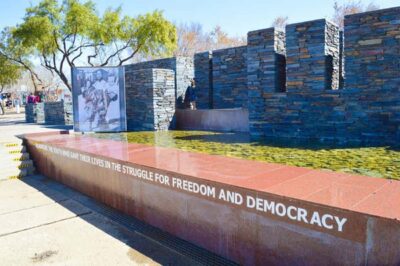
After Mandela-related moments, the day includes a brief memorial stop connected to the 1976 Soweto student uprising. The museum briefing is described as named after a thirteen-year-old boy, and it serves as a symbol of resistance against the brutality of the apartheid regime.
You do not get a long guided walking tour here in the provided plan, but you do get framing. That framing helps you understand why this memorial exists and why it is referenced so often when people talk about resistance in Soweto.
If you want a deep focus on student resistance and the uprising itself, you may wish you had more time. Still, for a half-day, the historical connection is there.
A quick look at guide style: what “good” feels like on this tour
The best experiences with this kind of history tour depend on the guide’s clarity and pacing. In the guide names that come up repeatedly, Lucky stands out for being described as excellent, engaging, and secure, with strong context on apartheid and struggles faced by many people. Abe gets praise for being very knowledgeable on Soweto community and culture and for not rushing the museum or memorial time. Nhlanhla is also mentioned as friendly and informative, with a balanced view across Johannesburg, the museum, and Soweto. Lekki is noted for professionalism and keeping the group safe.
You do not need a guide to “perform.” You need a guide who makes the story understandable and helps you connect what you see to what it means. That is what these names are associated with.
What to bring and how to plan your day without lunch
Since lunch and coffee or tea are not included, I recommend you travel with a plan. If you start hungry, the day can feel longer than five hours, especially after museum time.
A simple approach:
- Eat before pickup if possible, then treat food stops in Soweto as optional timing.
- Bring water anyway, even though bottled water is included, because you might want more during the viewpoint moments.
- Wear comfortable shoes and dress for changing light, since you have both museum rooms and outdoor drives.
If you are sensitive to heavy topics, you might want to bring something comforting in your day like a small snack. The museum can be emotionally intense, and a brief self-care moment helps.
Who this half-day tour fits best
This tour fits best if you:
- Want Soweto context plus Apartheid Museum understanding without committing to a full day.
- Prefer a private setup where you can ask questions and keep your group moving at an efficient pace.
- Are comfortable with the emotional weight of apartheid history and want a structured way to learn it.
It may not fit you as well if you:
- Want lots of walking and unstructured time in Soweto, because some parts of the day are short and drive-by.
- Need a light, purely sightseeing day. Even with a viewpoint stop and scenic segments, the museum and memorial material dominate the tone.
Should you book this Half-Day Soweto and Apartheid Museum tour?
Yes, you should book it if your main goal is to leave Johannesburg with a clearer, more grounded understanding of apartheid and Soweto, not just photos. The combination of included museum entry, a solid 2-hour museum block, and Mandela House makes the time feel worth it. Add the private-group comfort and hotel pickup, and it is a practical fit for many first-time visitors.
If you only have a short stay and you want history plus real place cues, this is a strong choice. If you crave long museum marathons or deep, slow township wandering, you might want a longer version. But for a half-day plan, this one hits the right notes.
FAQ
How long is the Half Day Soweto and Apartheid Museum guided tour?
The tour runs for about 5 hours.
Is hotel pickup included?
Yes. Pickup from your hotel is offered as part of the tour.
Is admission to the Apartheid Museum included?
Yes. Admission to the Apartheid Museum is included, and you have about 2 hours inside.
Do I get time to explore the Apartheid Museum on my own?
Yes. After the guided component, you are given time to explore the museum at your leisure.
Is lunch included in the price?
No. Lunch is not included.
Does the tour include bottled water and transportation?
Yes. Bottled water, private transportation, and an air-conditioned vehicle are included.
Is this a private tour?
Yes. It is private, and only your group participates.
Which Mandela-related stop is included?
Mandela House Museum is included, with a guided tour and admission included.
What does it cost?
The price is listed as $85.06 per person.
Under Glass and Behind Ropes in Pretoria
Apartheid History: Other Sites We Have Documented
Soweto: Other Guided Routes
Keep going: the rest of our Pretoria write-ups
- Pretoria City Tour and Cullinan Mine Tour from Johannesburg
★ 5.0 · 3 reviews - Full Day Soweto, Johannesburg and Apartheid Museum Guided Tour
★ 5.0 · 3 reviews - Cradle of Humankind Full Day Tour from Pretoria and Johannesburg
★ 4.5 · 3 reviews - 3-Day Private Tour Johannesburg – See everything
★ 5.0 · 3 reviews - From Johannesburg: Pretoria Guided City Tour
★ 4.5 · 3 reviews - Pretoria Tour-Voortrekker Monument, Town, Union Buildings
★ 5.0 · 3 reviews
Soweto Tours, compared.
 ★ 4.5Johannesburg Hop-On Hop-Off City Tour with Soweto OptionFrom $16768 reviews
 ★ 4.5Half-Day Tour of Soweto TourFrom $63712 reviews
 ★ 4.9Soweto: Walking Tour with a Local Guide and LunchFrom $43648 reviews
 ★ 4.8Jo’berg in 1 Day: Soweto, Apartheid Museum & City TourFrom $142524 reviews
 ★ 4.8Johannesburg: Full-Day Tour with Soweto and Apartheid MuseumFrom $104478 reviews
 ★ 4.8Johannesburg and Soweto: Half-Day TourFrom $71439 reviews
 ★ 5.0Full-Day Soweto, Apartheid Museum and Lunch TourFrom $108410 reviews
 ★ 5.0Half Guided Day Tour of Soweto And Apartheid MuseumFrom $69356 reviews
Browse the lists this tour appears in