
REVIEW · TOWNSHIP TOURS
Half Day Cape Town Township Tour
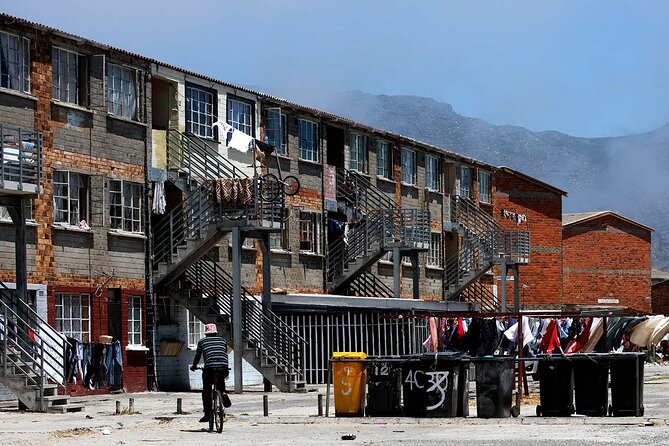
Townships rewrite your mental map of Cape Town. This half-day tour takes you into five major communities near the city, including District Six and Gugulethu, with an English-speaking guide who keeps things human and clear. You’ll hear stories of struggle and triumph, plus see the creativity people build into everyday life.
I love that you get a concentrated route without wasting time. You spend about an hour at each area, and you’re moving through neighborhoods within about 15 kilometers of the city center, so the day feels focused.
I also love how the guides turn facts into lived experience. I met tour groups where Abdoul, Frank, Prince, and Thabiso helped visitors understand what daily life can be like, not just what history says on paper. One possible drawback: this tour is emotionally heavy, and there’s no lunch included, so plan for real feelings and real hunger.
In This Review
- Key things that make this tour worth your time
- The 7:30 am logistics: pickup, air-conditioning, and a small group
- District Six: what a neighborhood once meant
- Langa and Jo Slovo: older township roots and informal settlement reality
- Bonteheuwel: the first Coloured state-rental township in Cape Town
- Gugulethu: severe poverty, steady kindness, and creativity you can feel
- Why the small details matter more than the checklist
- Price and value: what $53.39 covers in Cape Town terms
- How to prepare so the day feels respectful and doable
- Who this tour is best for, and who should think twice
- Should you book this Half Day Cape Town Township Tour with MoAfrika?
- FAQ
- How long is the Half Day Cape Town Township Tour?
- What time does the tour start?
- How much does the tour cost?
- What’s included in the tour price?
- Is lunch included?
- How many people are in a group?
- Which townships or areas are visited?
- Do I need admission tickets for the stops?
- When will I get confirmation after booking?
- What is the cancellation policy?
Key things that make this tour worth your time
- Five stops in one 5-hour loop means you learn a lot fast, without feeling rushed.
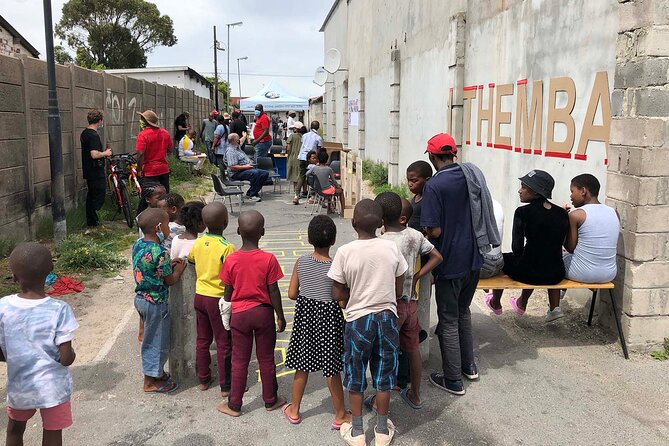
- Small group size (max 9) helps you ask questions and actually talk with the guide.
- Free admission tickets at stops removes a common budget headache.
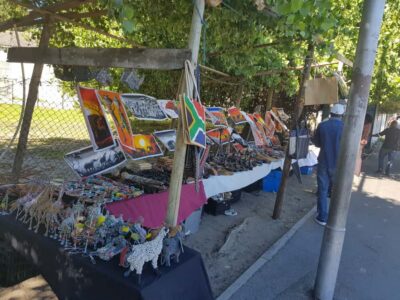
- Local art, music, and crafts show creativity, not just hardship.
- Guides with personal story skills can make the day feel clear and respectful.
Other township walks led by residents of the neighbourhood
- Half-Day Tour Through Cape Town’s Townships★ 4.8 · 979 reviews
- Cape Town: Guided Township Tour with Hotel Pickup★ 4.4 · 536 reviews
- Cape Town: Nathi Langa Township Walking Tour★ 4.9 · 493 reviews
- Cape Town: Robben Island Ferry Ticket and Townships Tour★ 4.5 · 400 reviews
The 7:30 am logistics: pickup, air-conditioning, and a small group

This tour starts early, around 7:30 am, and runs about 5 hours. The payoff is you get into the communities while the day is still fresh, and you are not stuck playing catch-up all morning. Pickup is offered, and you ride in an air-conditioned vehicle, which matters in Cape Town, especially if you arrive with jet lag.
You also get a mobile ticket. That is one less thing to manage on your phone. And with a maximum of 9 travelers, it does not feel like a conveyor belt. You can listen, ask follow-ups, and still have breathing room between stops.
One more practical note: this is educational, not a shopping spree. You’ll likely see opportunities to support local makers, but the focus stays on stories, history, and daily life.
District Six: what a neighborhood once meant
District Six is the first stop, and you’ll spend about an hour there. The tour frames it as a place that used to be home to over 60,000 people, mostly African descent, and it highlights the reality of abject poverty that surrounded the neighborhood.
What I like about starting here is that it sets the tone. Before you bounce into other communities, you get a clear snapshot of how major social forces can shape lives. And because the admission ticket is free, you’re not burning time and money just to step into the story.
What to expect in practice:
- Your guide connects what you see to what people lived through.
- The conversation tends to move from “what happened” to “what it meant for families.”
- You should come ready to listen, not ready to check boxes.
A potential drawback: if you’re sensitive to heavy topics, this first stop can hit fast. The history is part of the point, but it may be a lot before you’ve even had your first coffee.
Langa and Jo Slovo: older township roots and informal settlement reality

Next up is Langa, described as one of the oldest townships in South Africa. You’ll spend about an hour here. The tour uses Langa to show how time, community, and identity carry on, even when resources are limited.
Then you move to the Jo Slovo Informal Settlement, which sits within Langa township. Again, it’s about an hour. This stop is where the tour’s theme of resilience becomes more than a concept. Informal settlements are often misunderstood, so the guide’s job is to make what you’re seeing understandable through people’s daily challenges and hopes.
How to get the most from these two stops:
- Ask your guide to explain what life looks like day to day, not just what the area is called.
- Listen for details about routines, community support, and the practical side of surviving.
- If you want to photograph, pause and make sure you’re not turning people into scenery.
One consideration: these are different spaces with different textures. If you walk in expecting one type of “township experience,” you’ll miss the nuance. Let your guide steer you.
Bonteheuwel: the first Coloured state-rental township in Cape Town
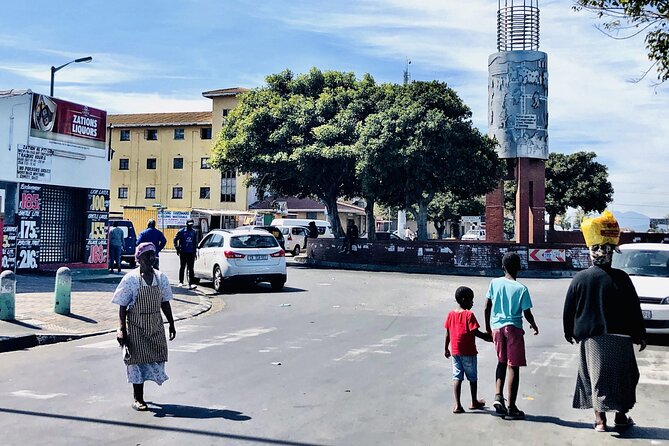
Bonteheuwel is a key stop because it connects the tour to a specific chapter of Cape Town’s housing and classification history. You’ll spend about an hour here, and the area is described as the first Coloured, state-rental township established in Cape Town.
Why this stop matters for your understanding:
- It broadens the story beyond one demographic or one era.
- It helps you see how policy can shape where people live, and how they access opportunity.
- It gives context for why communities developed their own networks, culture, and support systems.
In a half-day format, you won’t get everything. But you do get a smart handrail: a clear label, a specific meaning, and enough context for your brain to connect the dots as the day continues.


Gugulethu: severe poverty, steady kindness, and creativity you can feel
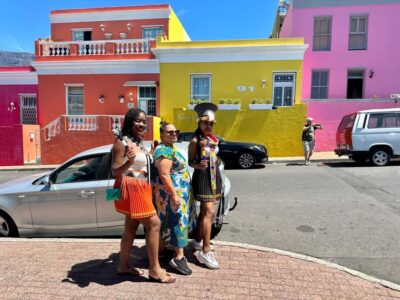
The final stop is Gugulethu, described as a vast township with a predominantly Black community. The tour doesn’t sugarcoat it: severe poverty is part of the picture here. But the message is not only hardship. The community is also portrayed as kind, hospitable, and full of creative energy expressed through art, music, and crafts.
This is often the stop where your emotional gear shifts. Early stops can feel like a history lesson. Gugulethu can feel like people showing you how they keep going.
What you’ll likely notice:
- People’s warmth even when conditions are tough.
- A sense of pride and belonging that’s visible in everyday life.
- Creative work that turns survival into self-expression.
One important reminder for your perspective: the point is not to measure what you think you see. It’s to understand how people live, what they value, and how they build meaning even under pressure.
Why the small details matter more than the checklist
This tour is built around meetings and conversations, plus stories about struggle and triumph. That is where the value comes from. It is not just driving past streets. It’s being guided through people’s realities, and being asked to treat them like humans with agency, not subjects in a documentary.
I also appreciate the rhythm. With about an hour per stop, you get time to absorb what you’re being told, then ask a question without rushing to the next location. And because the group is capped at 9, the guide can respond to individual interests.
A couple of real-world tips from the kinds of experiences people report:
- Bring cash if you want to buy small souvenirs directly from local makers.
- If you’re traveling with kids, you may find the route and pacing work better than you expect, with breaks for snacks and diaper changes mentioned in past experiences.
- If you have mobility needs, check with the provider beforehand. One past participant described support for a wheelchair-bound gogo, with the guide helping the person stay comfortable throughout.
Price and value: what $53.39 covers in Cape Town terms
The price is $53.39 per person, and it can be a good value if you care about understanding the city beyond the postcard layer. Here is what you’re paying for, in practical terms:
- An air-conditioned vehicle for the half-day block
- An English-speaking guide
- A route that covers multiple major communities close to the center
- Free admission tickets at the stops
- Pickup offered, and a mobile ticket for ease
What’s not included is lunch. That matters. You’ll want to either eat before you start, plan to buy a meal after, or bring simple snacks if that’s allowed by your schedule. Even if you don’t plan to linger, you’ll appreciate not feeling hungry while you’re trying to listen.
Also, this is priced like a focused experience, not like a multi-day deep dive. If you want a quick but meaningful education on Cape Town’s social fabric, this hits the mark.
How to prepare so the day feels respectful and doable
Even on a “half-day” tour, it helps to think like you’re spending a morning and early afternoon in real neighborhoods, not doing a theme park circuit.
Here’s what I’d do before you go:
- Wear comfortable shoes. You may spend time standing and walking short distances.
- Plan for weather. Cape Town can surprise you, so bring a light layer.
- Keep your questions ready, like how people describe daily challenges, or what local creativity means to them.
- Keep expectations grounded. You’re learning about resilience and community life, not collecting quick answers.
And yes, bring a bit of cash. A previous visitor specifically noted that bringing cash helps for souvenirs. That small move can make you feel more connected, and it supports local craftsmanship when you choose to buy.
Who this tour is best for, and who should think twice
This tour is best for you if:
- You want a structured introduction to major townships around Cape Town.
- You prefer a guided explanation over wandering alone with incomplete context.
- You like meeting locals and learning through conversation, not just viewing sites.
It’s also a decent fit for families in some cases. One past participant described the tour as toddler friendly, including stroller-friendly routes and regular breaks for snacks and diaper changes. If you’re traveling with a child, still bring what you normally need, because “family-friendly” can mean different things in different places.
You might want to pick a different option if you:
- Hate emotionally heavy topics. This tour deals with real struggle, not just culture on display.
- Need long stretches of downtime. This format is concentrated, with stops that move steadily.
Should you book this Half Day Cape Town Township Tour with MoAfrika?
I think you should book this tour if you want a thoughtful, guided way to understand Cape Town’s communities beyond the city center. For the price, you get a small-group experience, free admissions at the stops, and an English-speaking guide who turns history and daily life into something you can actually process.
Book it if you’re ready to listen, ask questions, and hold space for complexity. Skip it if you want only light entertainment, because this day asks more of your heart than your camera.
If you do book, do yourself a favor: eat something before you go, bring cash for small souvenirs, and mentally switch from sightseeing mode to learning mode. That is when the tour feels like a real shift in perspective, not just a tour bus drive.
FAQ
How long is the Half Day Cape Town Township Tour?
It lasts about 5 hours.
What time does the tour start?
The start time is 7:30 am.
How much does the tour cost?
The price is $53.39 per person.
What’s included in the tour price?
An air-conditioned vehicle and an English-speaking tour guide are included.
Is lunch included?
No. Lunch is not included.
How many people are in a group?
The tour has a maximum of 9 travelers.
Which townships or areas are visited?
You visit District Six, Langa, the Jo Slovo Informal Settlement, Bonteheuwel, and Gugulethu.
Do I need admission tickets for the stops?
Admission tickets are listed as free for the stops.
When will I get confirmation after booking?
Confirmation is received within 48 hours of booking, subject to availability.
What is the cancellation policy?
This experience is non-refundable and cannot be changed for any reason. If you cancel or ask for an amendment, the amount you paid will not be refunded.
Township Tours Led by the People Who Live There
Keep going: the rest of our Cape Town write-ups
- Cape Town to Cape Point Helicopter Flight – 48Min
★ 4.2 · 3 reviews - Full Day Private Hiking Table Mountain & City
★ 5.0 · 3 reviews - Sandboarding with jeep – drive uphill
★ 5.0 · 3 reviews - Full Day Tour for Cape of Good Hope & Boat to Seals Island
★ 5.0 · 3 reviews - 10 Day South Africa Tour Joburg to Cape Town
★ 5.0 · 3 reviews - 5 Day Garden Route Small Group Tour Fr CapeTown – Departs Mondays
★ 5.0 · 3 reviews
Township Tours, compared.
 ★ 4.8Half-Day Tour Through Cape Town’s TownshipsFrom $58979 reviews
 ★ 4.4Cape Town: Guided Township Tour with Hotel PickupFrom $54536 reviews
 ★ 4.9Cape Town: Nathi Langa Township Walking TourFrom $31493 reviews
 ★ 4.5Cape Town: Robben Island Ferry Ticket and Townships TourFrom $89400 reviews
 ★ 4.8Cape Town: Langa Township Walking TourFrom $37272 reviews
 ★ 4.6Cape Town: Half-Day Guided Township TourFrom $75237 reviews
 ★ 5.0Cape Town Township Private TourFrom $100158 reviews
 ★ 4.7Cape Town: Authentic 3–4 Hour Cultural Township ExperienceFrom $261151 reviews
Browse the lists this tour appears in