
REVIEW · TOWNSHIP TOURS
African Township And Cultural Tour – Langa from Cape Town Half Day
Langa is reality, shared on your timetable. This half-day trip in Cape Town puts you in Langa township with round-trip hotel pickup, so you can spend your energy on learning instead of figuring out logistics. It also stays small, capped at 15 people, which makes questions and conversations feel more human.
I like that the experience is led by Remi, who guides at a steady pace and gives you space to ask residents real questions. One thing to consider first, though, is that this tour touches apartheid-era details and everyday life that can feel heavy, plus it includes food and cultural practices that some people might find intense.
You’ll move through Langa’s art spaces, container businesses, and hostel-area streets, with time for craft demos like drumming and pottery. You’ll also get the chance to taste local beer and African food along the way, with bottled water included to keep you comfortable.
In This Review
- Key things to know before you go
- Langa in four hours, with the important context
- Price and value: what $64.07 buys you in real life
- Getting started at the Waterfront, then into Langa
- Guga S’thebe: craft centre energy, drumming lessons, and pottery
- SAPS Langa Police Station area: history plus container businesses
- Beer brewing and tasting: a break that still teaches
- Hostels and the apartheid-era migrant worker story
- Township food moments: local beer, African meals, and head of sheep
- Traditional healer stop: love portion and personal questions
- Safety, comfort, and why the guide matters
- Who this tour suits best (and who should think twice)
- Should you book African Township and Cultural Tour – Langa?
- FAQ
- How long is the African Township and Cultural Tour – Langa?
- Where does the tour start in Cape Town?
- What time does the tour begin?
- Is pickup and drop-off included?
- What is the group size limit?
- What does the tour include?
- Is lunch included?
- Do you get to taste local beer and African food?
- What if the weather is bad?
- What is the cancellation policy?
Key things to know before you go
- Small-group access (max 15) helps keep the mood respectful and your questions heard.
- Guga S’thebe gives you a hands-on look at performing arts, drumming, and pottery.
- SAPS Langa Police Station area connects you to local history and container-based businesses.
- Local beer tasting and township food make the culture feel practical, not staged.
- Apartheid-era hostel context is part of the route, so come with an open mind.
Other township walks led by residents of the neighbourhood
- Half-Day Tour Through Cape Town’s Townships★ 4.8 · 979 reviews
- Cape Town: Guided Township Tour with Hotel Pickup★ 4.4 · 536 reviews
- Cape Town: Nathi Langa Township Walking Tour★ 4.9 · 493 reviews
- Cape Town: Robben Island Ferry Ticket and Townships Tour★ 4.5 · 400 reviews
Langa in four hours, with the important context
Langa is one of Cape Town’s oldest townships, and this tour is built around helping you understand what life looks like on the ground, not just snap photos and move on. The timing is a true half-day format, about four hours, so you still have time for the rest of your trip to Cape Town afterward.
What makes this experience work is the mix of stops. You don’t only drive past buildings. You see a community art and craft centre, walk near a police station that serves local history, and pass by hostel areas tied to apartheid-era migrant worker housing. You also get cultural demonstrations and food moments that connect the day to daily routines, not museum-style history.
The guide, Remi, is a big part of the experience. Based on how he’s described, he keeps things calm and makes room for questions, which matters a lot in places that can feel unfamiliar from the outside.
Price and value: what $64.07 buys you in real life
At $64.07 per person for roughly four hours, this is not a budget-only activity, but it also doesn’t feel inflated for what’s included. Your money goes toward round-trip transfers from your hotel area, an air-conditioned vehicle, and a registered, accredited guide plus a native township guide.
Then there’s the practical value: you avoid the time sink of researching which areas are open, what’s appropriate to visit, and how to do it safely as a visitor. You also get bottled water, which sounds small until you’re out in warm weather with a packed route.
Finally, you get multiple culture touchpoints in one morning: craft and drumming at Guga S’thebe, an area walk around the SAPS Langa Police Station precinct and container businesses, and time for a local beer tasting plus African food at a typical township restaurant. If you’re trying to get real Cape Town context without turning your day into a scavenger hunt, this is good value.
Getting started at the Waterfront, then into Langa
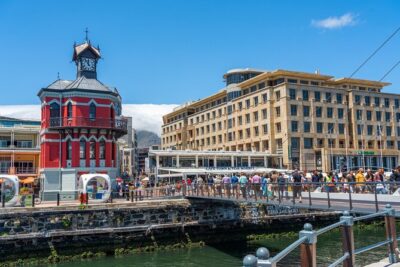
The meeting point is at the Silo Hotel in the Victoria and Alfred Waterfront area, starting at 8:30 am. The tour ends back at the same meeting point, which is convenient if you want to keep your schedule simple.
There’s pickup from your hotel and then drop-off after the tour. That matters here because township visits work best with a planned route, not random stops. You’ll be in an air-conditioned vehicle for the transit portions, and you’ll have bottled water along the way.
Group size is capped at 15, which also affects the feel of the day. Smaller groups tend to move with more patience, and it’s easier for your guide to manage conversations and timing during demos and local interactions.
Guga S’thebe: craft centre energy, drumming lessons, and pottery
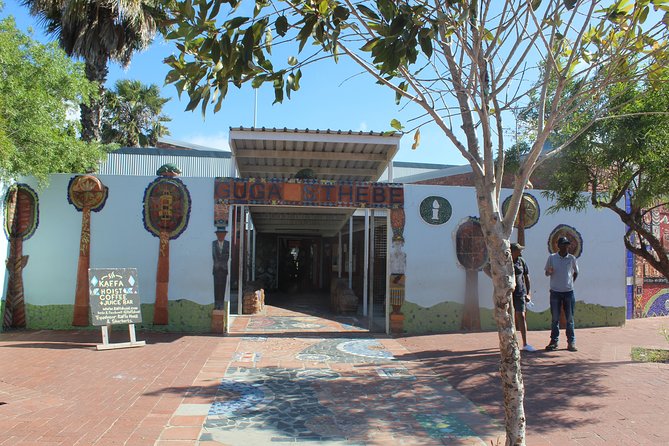
The first major stop is Guga S’thebe, an art and craft centre that also serves as a community meeting place. This is where the tour turns from “seeing” into “participating,” with demonstrations that explain culture through craft and performance.
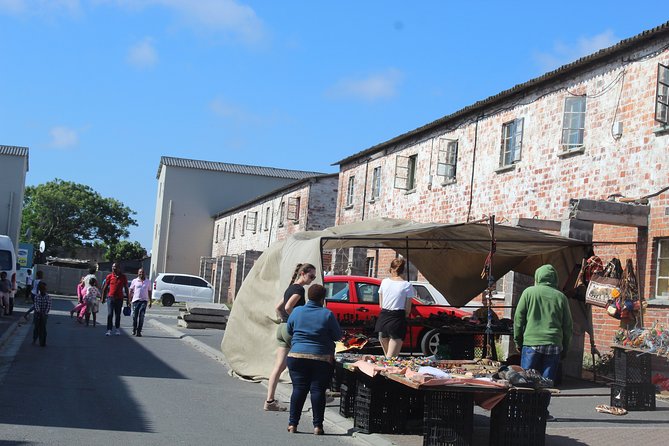
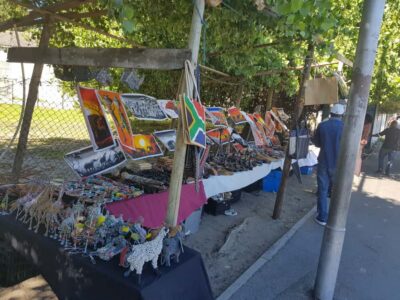
You can expect locally made art and craft for sale, plus a look at performing arts. The centre also connects to hands-on learning, including how to play an African drum. There’s also pottery making involved in the space, and it’s presented as something locals do as part of community life, not as a one-time show.
This is one of the best spots for first-timers. If Langa feels overwhelming at the start, Guga S’thebe gives you a calmer entry point. It’s creative, it’s social, and it helps you understand that entrepreneurship and arts are active parts of the community economy.
A practical note: admission is included here, so you don’t need to budget for entry in the middle of the day.
More history you can walk through

SAPS Langa Police Station area: history plus container businesses
Next you move toward the SAPS Langa Police Station area. The tour includes a walk past the police station and a look at local history, including context around Langa being among the oldest townships in Cape Town.
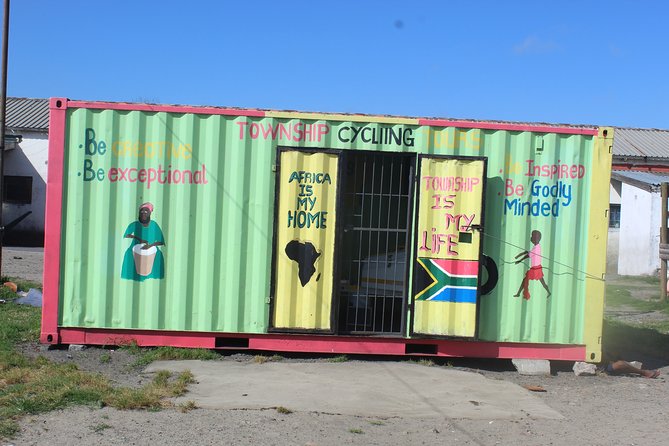
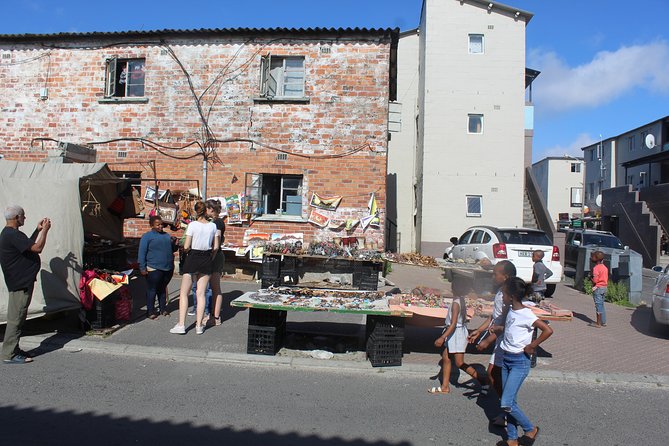
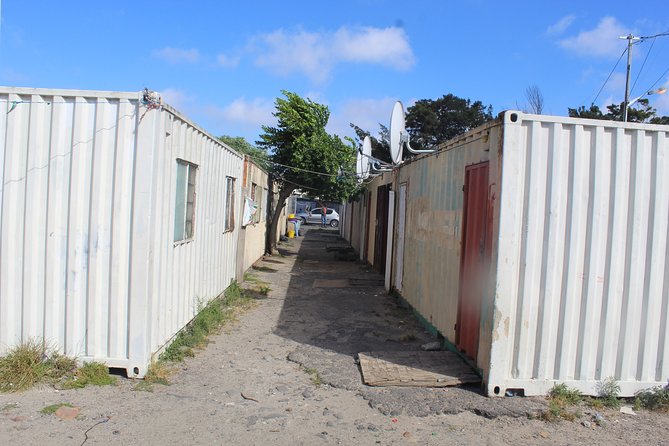
What I like about this stop is the way it connects policy and history to something you can literally see: shipping containers that have been turned into businesses. You might spot hair salons, barber shops, and even family houses using container structures.
This is where the day starts to feel most real and most complex. You’re not being shown a single type of “attraction.” You’re seeing how people build solutions inside the spaces they have. That’s a valuable lesson if you’re used to tourist districts where everything is designed for visitors.
The tour also mentions a chance to visit an African beer brewing facility in this part of the route, with time to taste local beer. That adds a sensory break, and it helps the story continue beyond buildings.
Beer brewing and tasting: a break that still teaches
Yes, you get beer tasting here. But the point isn’t only the taste. A brewing facility stop is a window into local industry, local ingredients, and local routines that keep people occupied and connected.
If you like culture that has a practical rhythm, this is a smart mid-tour moment. After craft and walking, it gives you something relaxing to do, while still tied to the community economy.
Just keep your expectations grounded. This is not a fancy tasting room experience. It’s a real local setting, and the value comes from being there with a guide who can frame what you’re seeing and why it matters.
Hostels and the apartheid-era migrant worker story
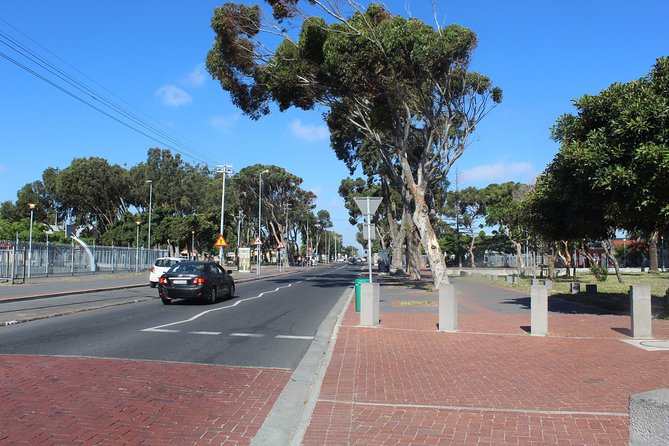
Another key part of the route includes walking past hostels near the school area. These hostels were meant for male migrant workers under the apartheid government. The tour also points out the school, noted for producing national sportsmen.
This is not a “pretty streets” stop. It’s an explanation of how systems shaped living arrangements, and it helps you connect the past to the built environment you’re seeing today.
I appreciate that the tour doesn’t treat this as a distant topic. It links the housing story to how people live now, including the changes and what has and hasn’t improved since independence. That balance is important, because it keeps the day from turning into either guilt-only tourism or overly polished storytelling.
If you tend to get emotionally affected by heavy context, give yourself a mental heads-up. This portion is one of the reasons the tour requires good weather, too. When the weather is good, you can focus on understanding instead of fighting uncomfortable conditions.
Township food moments: local beer, African meals, and head of sheep
Food is part of the tour experience here in a concrete way. Included in the tour is an opportunity to visit a typical township restaurant and taste African food. The route also specifically mentions looking out for local delicacy: a head of sheep, prepared by local ladies before it’s cooked.
That means your comfort level matters. Some people love these kinds of food moments because they’re deeply tied to local life. Others would rather stick to safer, familiar options. Either way, you’ll be offered the chance to try.
A good way to handle it is to treat the food as a conversation, not a dare. Ask your guide what you’re looking at, how it’s prepared, and what it means locally. Remi’s style, as described, includes patience and time for questions, which makes these moments easier to process.
Traditional healer stop: love portion and personal questions
The tour also mentions a stop involving an African traditional healer. You may get the chance to obtain a love portion, and the healer can tell you about your past, your future, and your love life.
This is cultural, not entertainment. If you’re the type who prefers strictly historical sites and avoids anything that feels too personal, you might want to decide in advance whether this is for you. On the other hand, if you’re curious about how traditional beliefs operate in daily life, this can be one of the most memorable stops because it’s about meaning, not just geography.
Either way, keep it respectful. If you’re open to cultural practices, ask questions through your guide. If you’re not, it’s fine to simply observe rather than participate.
Safety, comfort, and why the guide matters
Township visits can raise questions about safety, especially if you don’t know the area. This tour is designed to handle that with a registered and accredited guide, plus a native township guide, and round-trip transfers that keep you within a planned route.
Based on how Remi has been described, he makes a point of keeping the day calm and safe, and he allows time for you to ask residents questions. That approach matters because it sets expectations in the moment. You’re not rushed into conversations, and you’re not left wondering what’s okay to ask.
Also, because the group is limited to 15, the guide can manage attention without chaos. In places where people are balancing work and community life, that kind of control helps keep interactions respectful.
Who this tour suits best (and who should think twice)
This tour is ideal if you want more than a postcard version of Cape Town. It’s best for travelers who enjoy learning through real community spaces: arts centres, business areas, hostels tied to migrant worker history, and food moments that show how people live.
It’s also a good choice if you like structure. You get a planned half-day route, included bottled water, an air-conditioned vehicle, and a guide who sets the tone for conversations.
Think twice if you want only light sightseeing. This route includes tough context around apartheid-era living arrangements and can include cultural practices and food that may not be comfortable for everyone. If you’re easily overwhelmed by heavy history, you might feel it more here than on a typical city tour.
Should you book African Township and Cultural Tour – Langa?
I’d book it if you’re trying to understand Cape Town beyond the famous viewpoints, and you value guided context and respectful access. The price makes sense when you compare it to the cost of reliable transport, a credited guide, and the number of culture stops you fit into four hours.
I’d skip it if you want a low-emotion day with zero personal-cultural components. The healer stop, the food moments, and the hostel history are real parts of this route.
If you do book, come with curiosity and patience. Plan to ask questions, and remember that you’re visiting people’s community life, not a staged set. When you show up with that mindset, this tour tends to land as one of the more honest and memorable experiences you can have in Cape Town.
FAQ
How long is the African Township and Cultural Tour – Langa?
The tour runs for about 4 hours.
Where does the tour start in Cape Town?
It starts at the Silo Hotel, Silo Square, Victoria and Alfred Waterfront, Cape Town, 8001, South Africa.
What time does the tour begin?
The start time is 8:30 am.
Is pickup and drop-off included?
Yes. Pickup from your hotel and drop-off after the tour are included.
What is the group size limit?
The tour has a maximum of 15 travelers.
What does the tour include?
It includes an air-conditioned vehicle, a registered and accredited tourist guide, a native township guide, bottled water, and an opportunity to visit a typical township restaurant and taste African food.
Is lunch included?
No, lunch is not included.
Do you get to taste local beer and African food?
Yes. The itinerary includes a visit to a beer brewing facility with tasting, and the tour includes a typical township restaurant where you can taste African food.
What if the weather is bad?
The tour requires good weather. If it is canceled due to poor weather, you will be offered a different date or a full refund.
What is the cancellation policy?
You can cancel for a full refund up to 24 hours in advance of the experience start time. If you cancel less than 24 hours before, the amount paid is not refunded.
The Past, On Foot in Cape Town
Township Tours Led by the People Who Live There
Keep going: the rest of our Cape Town write-ups
- Cape Town to Cape Point Helicopter Flight – 48Min
★ 4.2 · 3 reviews - Full Day Private Hiking Table Mountain & City
★ 5.0 · 3 reviews - Sandboarding with jeep – drive uphill
★ 5.0 · 3 reviews - Full Day Tour for Cape of Good Hope & Boat to Seals Island
★ 5.0 · 3 reviews - 10 Day South Africa Tour Joburg to Cape Town
★ 5.0 · 3 reviews - 5 Day Garden Route Small Group Tour Fr CapeTown – Departs Mondays
★ 5.0 · 3 reviews
Township Tours, compared.
 ★ 4.8Half-Day Tour Through Cape Town’s TownshipsFrom $58979 reviews
 ★ 4.4Cape Town: Guided Township Tour with Hotel PickupFrom $54536 reviews
 ★ 4.9Cape Town: Nathi Langa Township Walking TourFrom $31493 reviews
 ★ 4.5Cape Town: Robben Island Ferry Ticket and Townships TourFrom $89400 reviews
 ★ 4.8Cape Town: Langa Township Walking TourFrom $37272 reviews
 ★ 4.6Cape Town: Half-Day Guided Township TourFrom $75237 reviews
 ★ 5.0Cape Town Township Private TourFrom $100158 reviews
 ★ 4.7Cape Town: Authentic 3–4 Hour Cultural Township ExperienceFrom $261151 reviews
Browse the lists this tour appears in