
REVIEW · HLUHLUWE-IMFOLOZI AND ISIMANGALISO SAFARIS
St Lucia: Hippo and Crocodile Cruise on a 15-Seat Vessel
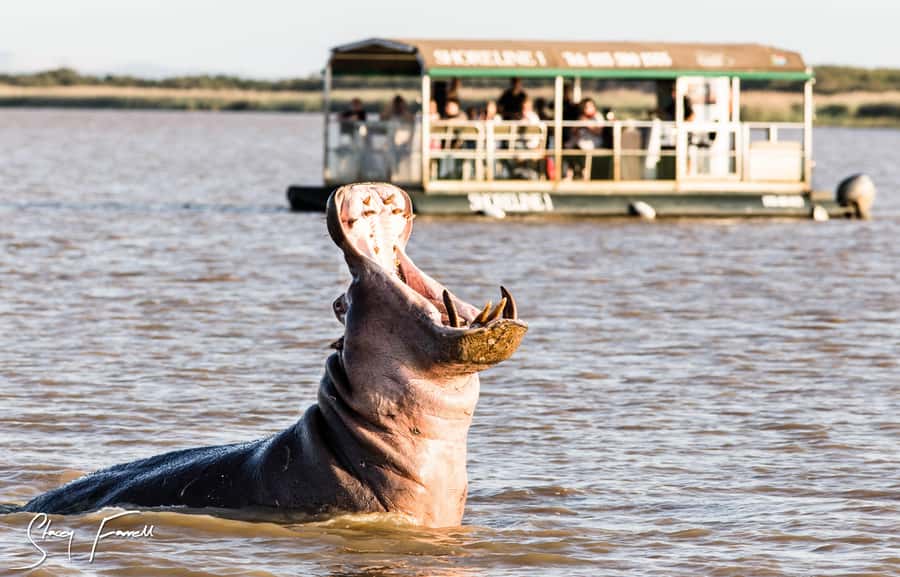
Hippos feel close enough to wave at. This 15-seat Lake St Lucia cruise puts you on the water where the estuary does most of the work for the wildlife show. Expect guide talk, bird spotting, and that sinking feeling you might need a longer camera battery.
I especially like the near-water viewing from a small vessel. You can reposition easily, and you get repeated chances to line up hippo pods in the water and along the banks. I also love the way the guides explain what you’re seeing, from hippo behavior to the estuary ecosystem, and how that connects back to daily life around St Lucia.
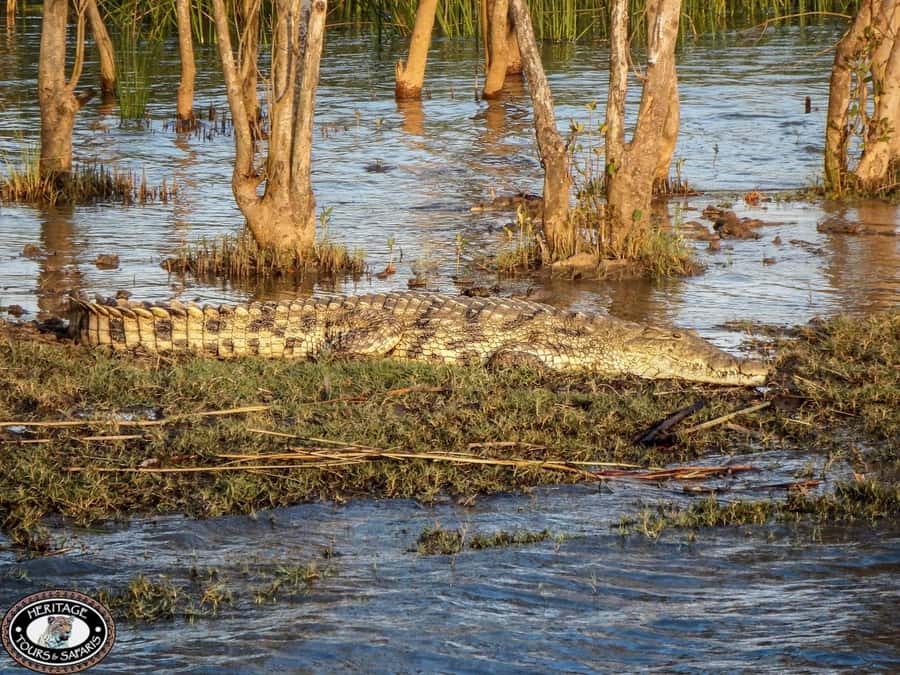
One consideration, though, is that crocodiles and even the best sightings can depend on conditions. On rainy days or rougher weather, you may get lots of hippos and fewer croc moments, since Nile crocodiles can be well camouflaged in the grass.
In This Review
- Key things to know before you go
- From Siyabonga Jetty to the Estuary: the setup that matters
- The two-hour “best of St Lucia” hippo cruising plan
- Hippo sightings: why the close views work
- Nile crocodiles: realistic expectations without killing the fun
- Birdlife on the St Lucia Estuary: the surprise second show
- Guides who make the estuary make sense
- What to bring, and how to dress for comfort
- Price and value: is $23 worth it?
- Who should book this hippo and crocodile cruise
- Should you book the St Lucia hippo cruise?
Key things to know before you go
- 15-seat boat means faster spotting and easier viewing positions
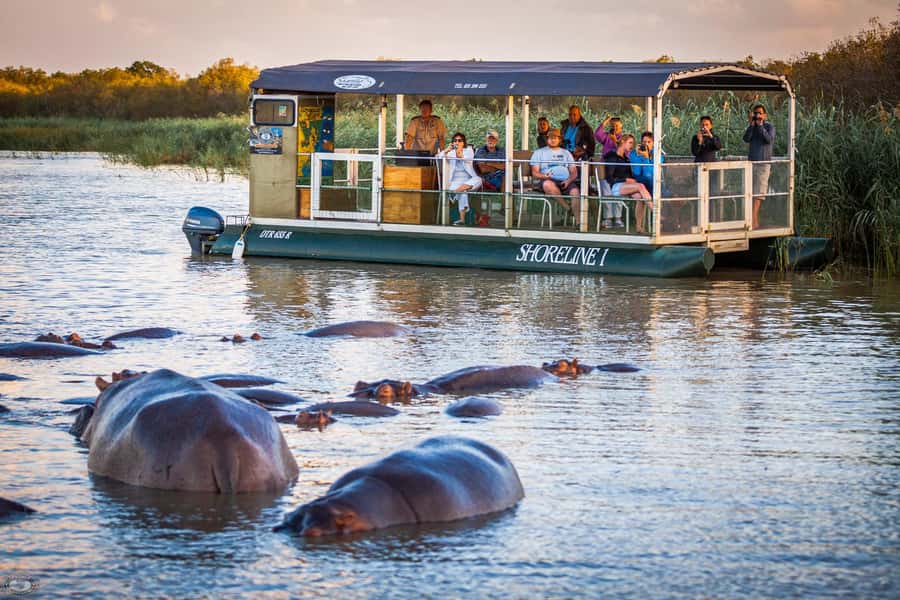
- Hippo pods are often active enough to give close, repeat sightings
- Birdlife is a real part of the cruise, not just background scenery
- Nile crocodiles are hit-and-miss, especially in changeable weather
- Guides bring the ecosystem to life, with practical wildlife facts and Q&A
- Bring a jacket and binoculars, because the air and light shift quickly on the water
More Zululand parks and wetland safaris
- St Lucia: Hippo and Crocodile Cruise on a 15-Seat Vessel★ 4.6 · 807 reviews
- From St Lucia: iSimangaliso Wetland Park Night Drive Safari★ 4.7 · 84 reviews
- From St Lucia: iSimangaliso Sunset Safari★ 4.3 · 39 reviews
- From St Lucia: Cape Vidal Full-Day Snorkeling Safari★ 4.8 · 10 reviews
From Siyabonga Jetty to the Estuary: the setup that matters
Your cruise starts at Siyabonga Jetty in St Lucia, right before the bridge as you enter. Plan to arrive about 15 minutes early, mainly so you can park, get oriented, and settle before you shove off. The jetty area has ample parking on both sides of the road, and it’s described as covered enough to keep your car cooler.
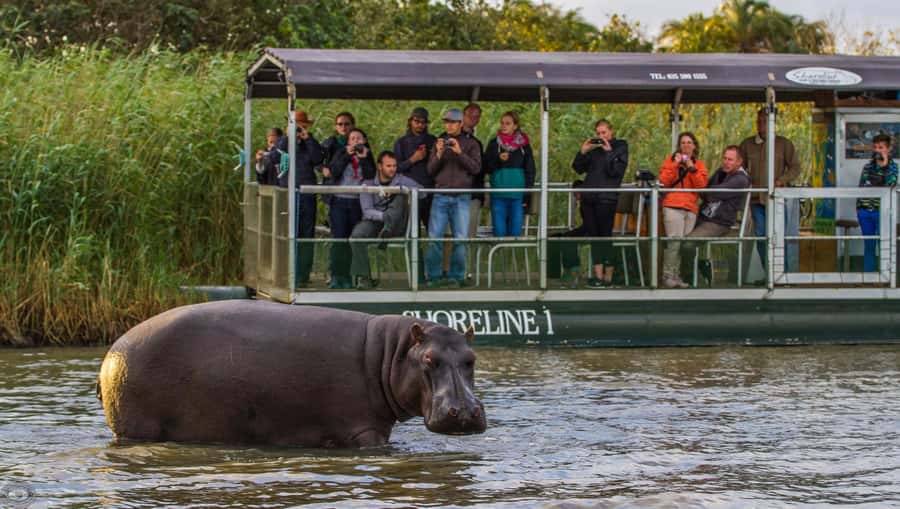
Boarding on a small 15-seat vessel changes the feel right away. You are not packed into a big group where you spend half the trip craning your neck. The boat is designed to keep you close to the waterline, which is a big deal when animals are half in the reeds and half out in open water.
One small heads-up: some people note the dock itself can look run-down. That does not affect the wildlife cruise, but it is the kind of detail that can trick you into thinking the whole operation matches the jetty. It doesn’t. Once you’re underway, it’s all about the estuary.
The two-hour “best of St Lucia” hippo cruising plan
This is a straight-up two-hour wildlife cruise. No long bus rides built into the experience, no “optional activities” you can skip to feel guilty. The core idea is simple: get out onto Lake St Lucia and the St Lucia Estuary area and spend time searching for hippos and the rest of the wildlife that shares their world.
In practice, that usually means repeated scanning for hippo groups in different pockets of water. Many visitors report seeing three families or groups across the trip, with close views as the boat moves and positions itself. People also talk about hippos being very close to the water and comfortable enough to keep doing their hippo things while you watch.
Timing also plays a role. Some guides appear to steer based on where the hippos are gathering. And when the day is late or the conditions shift, hippos can become more active. You don’t need to chase the perfect time slot like you’re planning a European museum ticket. But if you have flexibility, later departures often make sense because wildlife tends to feel more “on” in the afternoon light.
What you’re doing during the ride is part safari, part patience sport. You look across the surface, watch for movement near reed lines, then wait. This is where having binoculars helps. Hippos are big, but their location can be deceptive at first glance, especially when they’re floating low or moving under the surface.
Hippo sightings: why the close views work
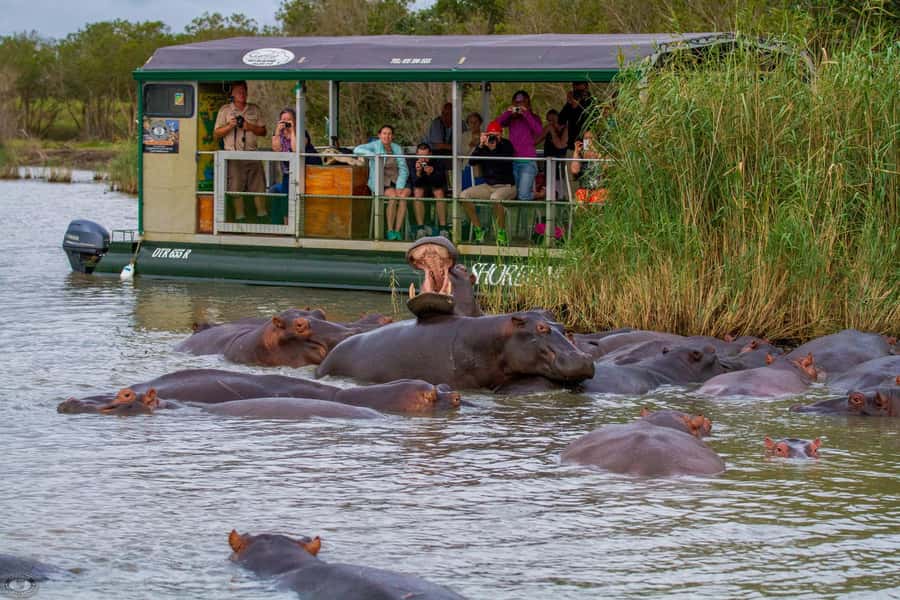
If you came for hippos, this cruise is built for that payoff. The boat gives you a viewpoint that’s close enough to notice details like breathing surface behavior, the way groups space out, and how they react to the boat’s position.
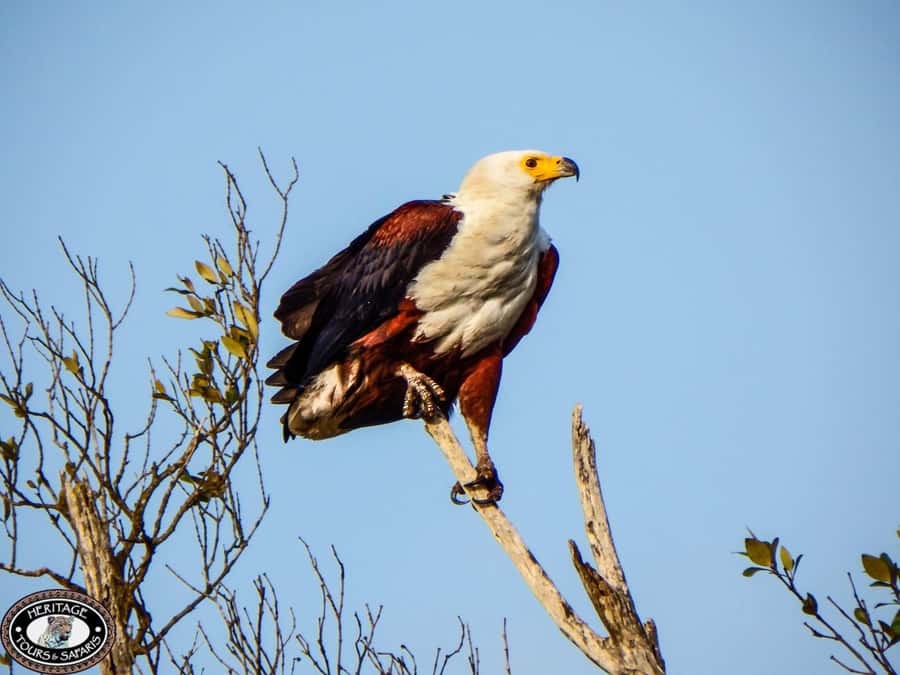
Several people specifically mention being able to see hippo groups very close, not just “in the distance.” One visitor even reports seeing fish eagle and a swimming iguana during the trip, which is a reminder that you’re also in a food-web zone, not a one-animal show.
I also like that the guides connect what you see to how hippos live. One person highlighted facts about hippo nesting habits, and another pointed out that the guide knew where the different hippo groups tend to gather. When you understand why the hippos are where they are, the sightings feel less random and more like reading the scene correctly.
If you want a small tip that changes your photos: watch the reed edges. A lot of the action looks like nothing at first, until you catch the rhythm of movement near the banks. Then you get that moment where everyone on the boat leans forward at the same time.
Nile crocodiles: realistic expectations without killing the fun
Nile crocodiles are part of the promise, but they’re also part of the truth. The reality is that crocodiles can be harder to spot, sometimes because they blend into the banks and grass. More than one visitor notes crocodiles were elusive on their day.
On the brighter side, you might still get croc moments that feel like a bonus highlight. For example, one guest reports a group of crocodiles gathering around a carcass on a later cruise, plus hippo sightings on very close viewing runs. Another mentions seeing a crocodile, while others saw just small crocodiles, or only small glimpses.
So here’s the practical mindset: treat crocodile sightings as a strong possibility, not a guarantee. If you’re lucky, you’ll see a croc out in the open or at least close enough to understand how they use the shoreline. If you’re not, you’ll still likely leave with hippos and plenty of birdlife, which is not a consolation prize.
Weather is the biggest variable you can’t control. One review points out crocodiles might not show if conditions are off, while hippos still deliver. That matches what you’d expect from animals that choose their comfort zones, then keep it.
Birdlife on the St Lucia Estuary: the surprise second show
This cruise is not only about the big mammals. The birdlife is repeatedly mentioned as a key part of why people enjoyed the ride, especially because you can spot birds even when the animals you most want are hidden.
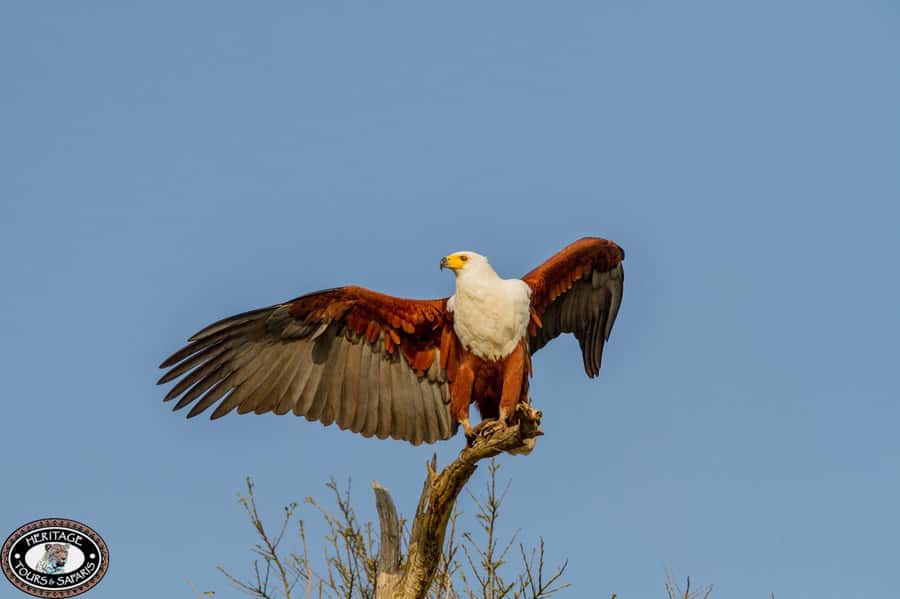
Bird spotting here is about scanning patterns. You look for raptors circling, seabirds or waders hanging around edges, and small flashes of movement near the water. One visitor specifically mentions a fish eagle, and another credits the guide with spotting birds while also finding wildlife that could be missed by anyone without local eyes.
I like this angle because it makes the two-hour window feel full even if your hippo views are spaced out. Birds also keep giving you something to look at from the start. That matters because the first minutes can feel like waiting for the scene to “wake up.”
Bring binoculars if you can. Even basic ones make a difference when birds are too far for quick phone-camera zooming.
Guides who make the estuary make sense
The best cruises are not just about wildlife sightings. They’re about what you learn while you’re waiting for them. This tour leans hard into guide-led interpretation, and you’ll hear the same pattern in reviews: guides are friendly, interactive, and good at answering questions.
Specific guide names show up in the feedback. Thobile is mentioned as very knowledgeable and patient with questions, and another guest praises Brandon for being friendly and wildlife-focused. People also mention a guide named Mr Brown, described as exceptionally interesting. The takeaway is that you’re not just riding, you’re listening.
What you gain from this matters. When a guide explains why hippos move the way they do, why certain shoreline areas draw animals, or how the ecosystem works, your own searching becomes more efficient. You stop looking randomly and start looking like a mini-naturalist.
There’s also a fun human layer to it. One review highlights a story about hippos that sometimes wander into St Lucia town streets. Even if you initially think that sounds like a tall tale, it helps you understand that these animals live in a connected region, not in a sealed-off nature box.
What to bring, and how to dress for comfort
Plan for two hours on the water where the wind can change your body temperature fast. The cruise asks you to bring a jacket, and that’s good advice even if the day starts warm.
Binoculars are a smart add-on. You don’t need fancy gear. Just know that birds and animals can be partly obscured by reeds, and a quick scan is easier with magnification than with your phone camera.
Snacks and refreshments are on you. Food and drinks are not included, but you’re welcome to bring your own onboard. I like this setup because it gives you control. You can bring simple snacks that won’t melt in the heat, plus water.
If drizzle happens, the boat has a roof, and that helps. Still, dress like you might feel cooler mid-cruise. Comfortable layers beat one big jacket that makes your arms feel trapped.
Price and value: is $23 worth it?
At around $23 per person for a two-hour wildlife cruise, the value mostly comes down to two things: time on the water and how often you get close views.
You’re paying for a guided ride on a small craft that brings you close to hippo viewing zones. A lot of people leave feeling the time flew by, and the density of hippo sightings is a big part of that satisfaction. If your goal is pure wildlife time without spending all day getting there, this hits that target.
It also helps that the experience is flexible in a practical way. Several reviews suggest people added a second cruise within days to repeat the search. That’s usually a sign the tour delivers enough variety that repeating does not feel pointless.
One reason the price feels fair is that you’re not stuck in a rigid “one guaranteed animal, one guaranteed photo moment” setup. Wildlife is wildlife. But the experience is structured around getting you close, repeatedly, and pairing that with guide context.
Who should book this hippo and crocodile cruise
This is a strong match if you want an easy, focused outing in St Lucia with a high chance of hippo sightings. It also works well if you enjoy learning while you watch, since the guide-led Q&A and explanations are a major part of the appeal.
I’d especially recommend it to:
- Families who want a contained, two-hour nature outing
- Couples who want a romantic, scenic water ride with wildlife
- Bird lovers who want animals plus real bird spotting time
- Photographers who benefit from close viewing and frequent opportunities to reposition
If you’re extremely crocodile-focused, keep your expectations flexible. It’s fine to hope for crocs, but the experience is more reliable for hippos and birds.
Should you book the St Lucia hippo cruise?
Yes, if you want a straightforward, time-efficient wildlife cruise where hippo sightings are the main event and the guides help you see more than just big shapes in the water. At about $23 for a two-hour trip, the value is solid, especially if you appreciate birdlife and want your nature watching to come with context.
Skip it only if you have no interest in birds and you’re emotionally dependent on seeing a Nile crocodile every time. Otherwise, this is one of those tours where even when one animal is elusive, the whole estuary still feels like it’s giving you a show.
Hluhluwe, iMfolozi and iSimangaliso
Keep going: the rest of our St Lucia South Africa write-ups
- From St Lucia: Cape Vidal Full-Day Snorkeling Safari
★ 4.8 · 10 reviews - St. Lucia: Cape Vidal Snorkeling Adventure
★ 4.5 · 17 reviews - From St Lucia: iSimangaliso Sunset Safari
★ 4.3 · 39 reviews - From St Lucia: iSimangaliso Wetland Park Night Drive Safari
★ 4.7 · 84 reviews - St Lucia: Hippo and Crocodile Cruise on a 15-Seat Vessel
★ 4.6 · 807 reviews
Hluhluwe-iMfolozi and iSimangaliso Safaris, compared.
 ★ 5.0Hluhluwe-Imfolozi Park Full Day Big 5 Safari TourFrom $96310 reviews
 ★ 4.8Hluhluwe-Imfolozi: Big 5 Full or Half-Day SafariFrom $87280 reviews
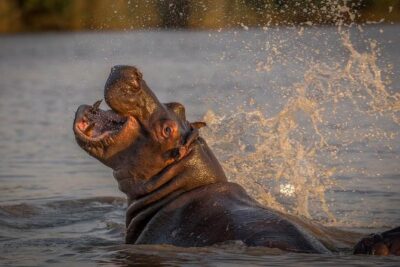 ★ 4.5Shoreline Hippo and Crocodile Boat Cruises, iSimangaliso Wetland ParkFrom $23187 reviews
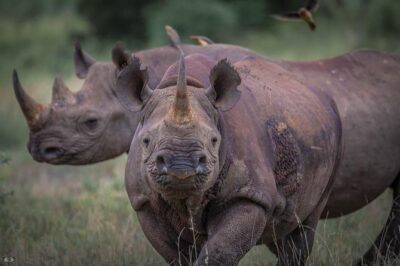 ★ 5.0iSimangaliso Wetland Park, Full Day TourFrom $6387 reviews
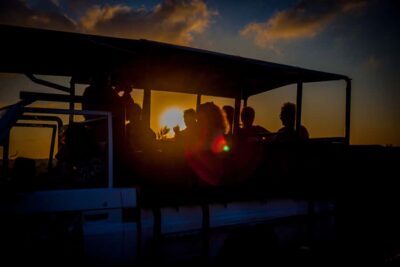 ★ 4.7From St Lucia: iSimangaliso Wetland Park Night Drive SafariFrom $4684 reviews
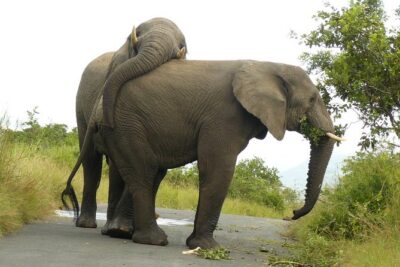 ★ 5.0Hluhluwe Imfolozi Big 5 Reserve day Safari from DurbanFrom $21065 reviews
 ★ 4.4St Lucia: iSimangaliso Wetland Park: Full-Day/Half-Day TourFrom $5354 reviews
 ★ 4.3From St Lucia: iSimangaliso Sunset SafariFrom $3939 reviews
Browse the lists this tour appears in