
REVIEW · SAFARI GAME DRIVES
From St Lucia: iSimangaliso Wetland Park Night Drive Safari
Night safari time feels different, even before you leave the gate. This iSimangaliso Wetland Park drive is built for nocturnal mammals, and it runs with experienced guides who keep searching as the dark thickens.
What I like most is the focus on animals that only really show up after sunset, from bush babies to aardvarks. I also like the ambition of the big-game hunt at night, because the whole route is geared toward chances at leopard and other standout sightings.
One thing to plan for, though: if weather turns cold or rainy, you will feel it, and you may have to put in extra patience for the best sightings.
In This Review
- Key things to know before you go
- Why a night drive in iSimangaliso feels like a different park
- Timing and pickup: 7:00 PM or 8:00 PM, then straight into night
- What you do inside the safari vehicle (and why small groups help)
- The animals you are actually hunting at night
- Bush babies: tiny, quick, and easy to underestimate
- Aardvarks: the ultimate night-foraging target
- Leopard at night: the ambitious prize
- Big Five at night, and what that really means for you
- Wetland wildlife after dark: more than just the famous names
- The night sky part: using darkness without wasting it
- What the 3-hour format gets right (and where it can feel short)
- Comfort checklist: what to wear for a colder, wetter night
- Price and value: is about $46 per person fair?
- Who this safari suits best
- Should you book the iSimangaliso Wetland Park night drive from St Lucia?
- FAQ
- Where does the night drive safari take place?
- How long is the safari?
- What time do you get picked up from your accommodation?
- How many people are in the group?
- Is the guide provided in English?
- What is included in the price?
- Do the vehicles have spotlights for night viewing?
- What animals are you looking for on this safari?
- What happens at the end of the tour?
Key things to know before you go
- Small group (up to 10) means less noise and quicker scanning for animals
- Spotlights on the vehicle help you actually see what the guide finds
- 3 hours in the park is long enough to matter, but not so long you lose energy
- Targets are nocturnal species like bush babies and aardvarks
- Night predator chances include leopard since it hunts after dark
- Constellations get attention during the darker stretches of the drive
More Zululand parks and wetland safaris
- St Lucia: Hippo and Crocodile Cruise on a 15-Seat Vessel★ 4.6 · 807 reviews
- From St Lucia: iSimangaliso Wetland Park Night Drive Safari★ 4.7 · 84 reviews
- From St Lucia: iSimangaliso Sunset Safari★ 4.3 · 39 reviews
- From St Lucia: Cape Vidal Full-Day Snorkeling Safari★ 4.8 · 10 reviews
Why a night drive in iSimangaliso feels like a different park
A day safari shows you what the park wants you to notice in daylight. A night drive flips the script. The same wetlands that look calm and open by morning can feel busy and hidden after dark, with animals moving when most people are asleep.
I especially like that the plan is not random. It is designed around nocturnal behavior, so you are not just driving at night, you are chasing the timing. That approach pays off most often for small and secretive animals, and that is where you can get the most memorable moments.
The other big win is your guide’s role. Night spotting is part wildlife skill, part patience, and part knowing where animals might be active. With an expert scanning constantly, you spend your time looking with purpose instead of hoping.
Timing and pickup: 7:00 PM or 8:00 PM, then straight into night
You are picked up from your accommodation at either 7:00 PM or 8:00 PM, and the total experience is about 3 hours on the clock. That matters because it shapes the darkness you experience. Earlier pickup gives you a little more transition time, and later pickup leans deeper into fully nocturnal conditions.
Your itinerary includes a pickup at Abiel Publishing and then return there at the end of the safari. In practice, that usually means a focused route with minimal downtime between vehicle time and park time. You are not spending the evening zigzagging around town.
The key practical tip here is simple: treat this as an evening outing, not a casual stroll. You will be outside and moving in the dark, so dress for the conditions, especially if the weather is damp.
What you do inside the safari vehicle (and why small groups help)
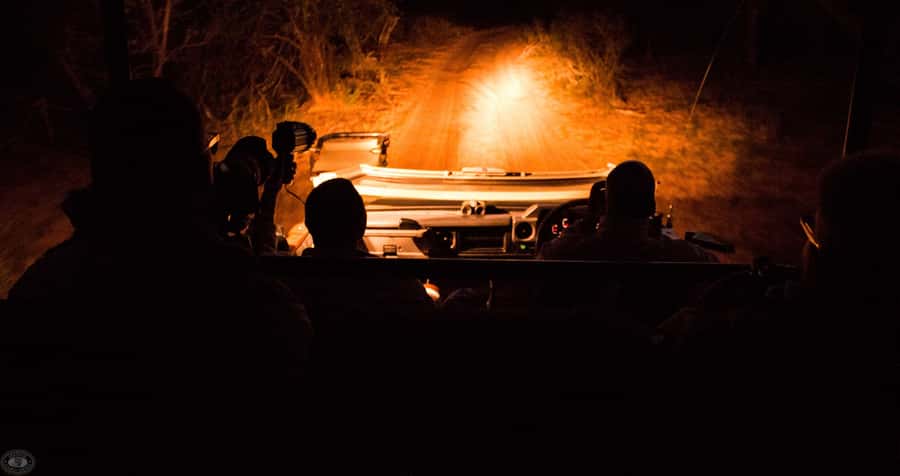
This is a guided night safari drive with spotlights, and you are in a small group limited to 10 participants. That size is meaningful. You get better viewing angles, fewer people blocking each other when the guide calls something out, and easier communication in a tense moment when animals appear suddenly.
The spotlights are not just for drama. They help you see details fast, which is crucial at night when an animal can vanish behind grass, along a shoreline, or into a shadowed patch of bush. When guides can point you and keep scanning, you get far more from each sighting.
You will also have a live English-speaking guide, so the story behind each animal is part of the experience. Even when you are focused on seeing, it helps to understand why an animal would be out now, and what to look for in motion versus stillness.
The animals you are actually hunting at night
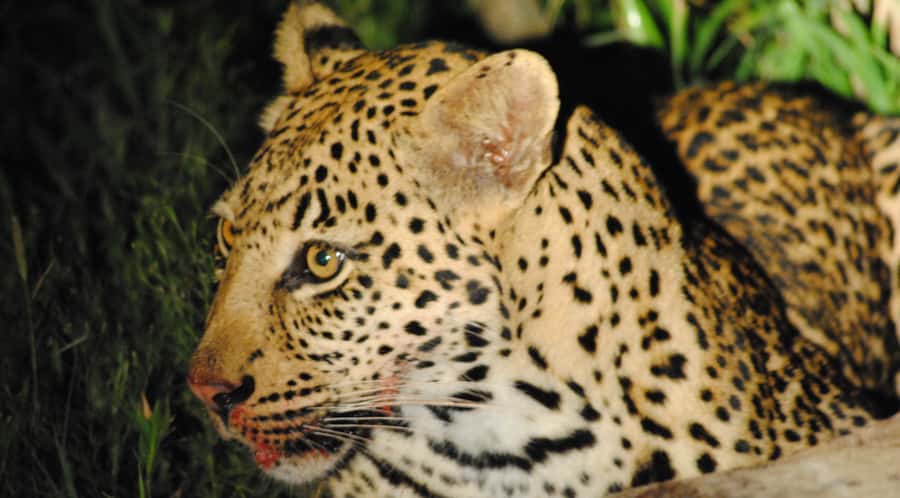
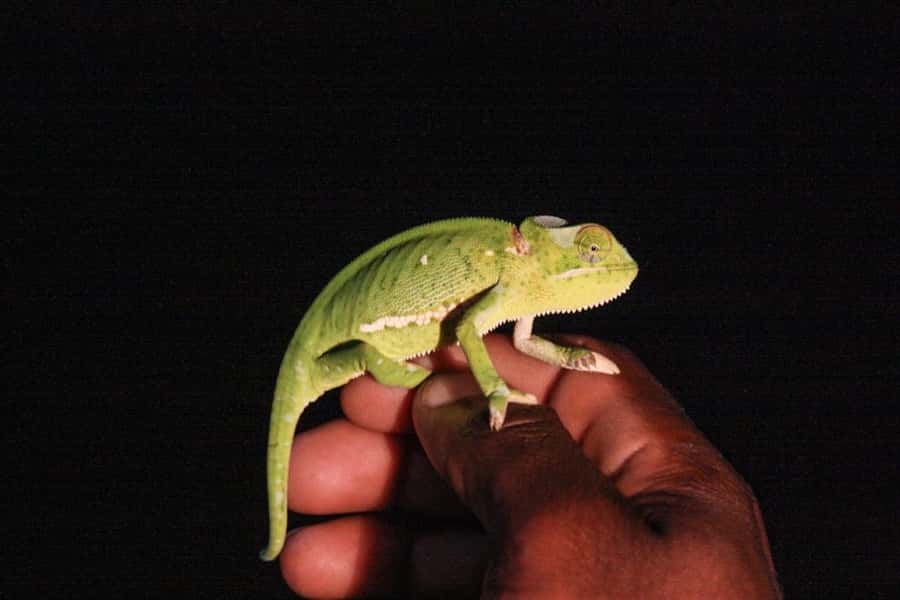
The best part of a night drive is the chance to spot animals you mostly miss in daytime routines. The safari is specifically geared toward nocturnal mammals such as bush babies and aardvarks. These are the kinds of creatures that feel unreal if you are used to daylight viewing only.
Bush babies: tiny, quick, and easy to underestimate
Bush babies (small primates that become active at night) can be brief glimpses rather than long performances. The guide’s job is to keep your attention in the right places long enough for your eyes to adjust and the animal to become visible in the spotlight sweep.
If you catch one, it is often less about seeing every detail and more about recognizing motion, eye shine, and the way they cling and pause. That is exactly the type of night-spotting skill a good guide builds into the drive.
Aardvarks: the ultimate night-foraging target
Aardvarks are another headline nocturnal species on this safari. They tend to be active at night foraging for food, which means the timing and the route choices really matter. When the guide calls one out, you will usually be looking at the ground level and the edges of the viewing lanes, not just open space.
Because they are not guaranteed, your best strategy is to stay attentive even when you feel like the spotlight has gone quiet. Night drives are about keeping your eyes ready for the next reveal.
Leopard at night: the ambitious prize
A leopard is specifically mentioned as an animal you may search for during the drive, and the reason is straightforward: leopard hunting behavior is most active at night. Realistically, this is the moment people remember most if they get it, but it also explains why sightings can vary from trip to trip.
If you do see a leopard, you are likely seeing it in motion or in a short window of visibility. That means the guide’s calm scanning and quick repositioning are the difference between a missed chance and a real sighting.
Big Five at night, and what that really means for you
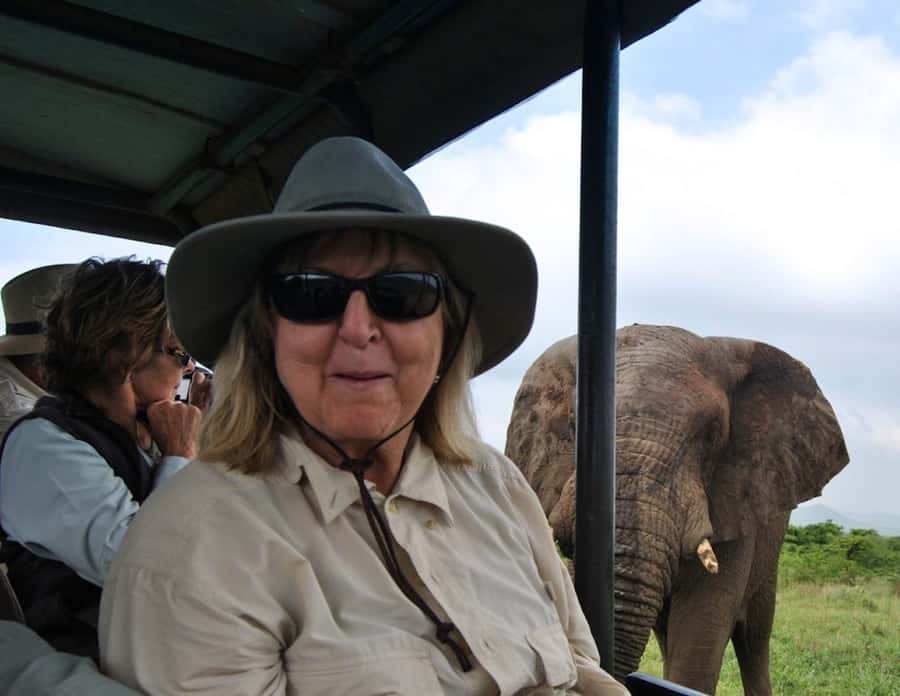
The safari highlights include a chance to spot some of Africa’s Big Five game species at night. Here’s the balanced way to think about it: this is not a guaranteed checklist. It is a hunt guided by nocturnal patterns and the territory where animals might move.
That mindset is useful because it helps you stay thrilled even when the night gives you something different than the big names. The park’s value is not just in trophies, it is in seeing how the ecosystem works after dark.
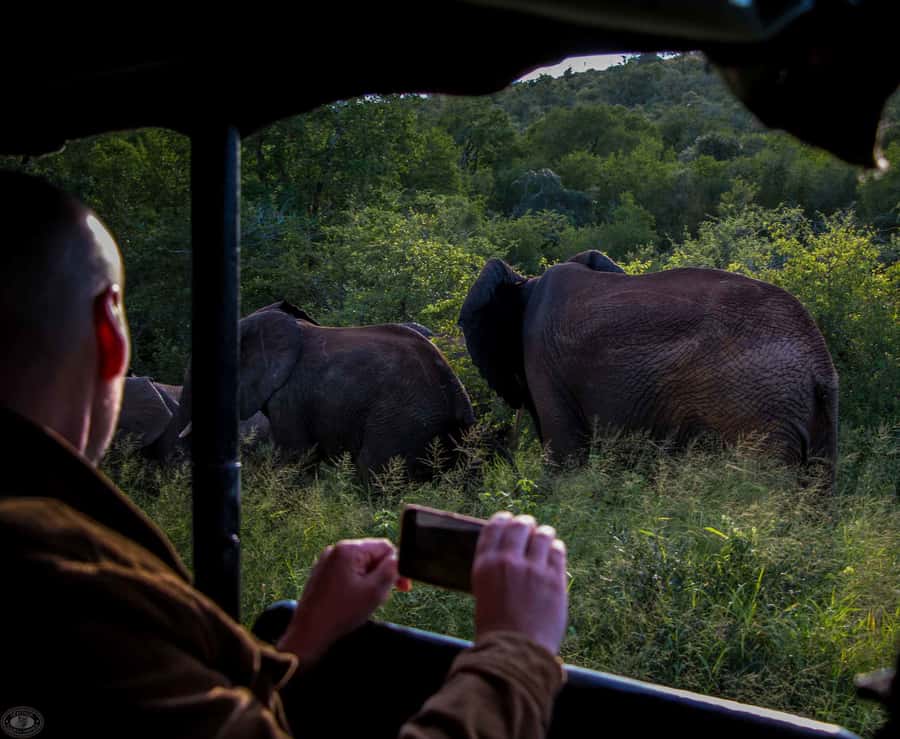
You are also searching for the larger mammals that can emerge dramatically under moonlight or in the glow from spotlights. For example, the safari plan includes a chance to witness elephants congregating in moonlight, or to hear buffalo moving across the plains in darkness. That sound element is underrated. Hearing hooves thump through the night can be almost as exciting as actually seeing the animal.
Wetland wildlife after dark: more than just the famous names
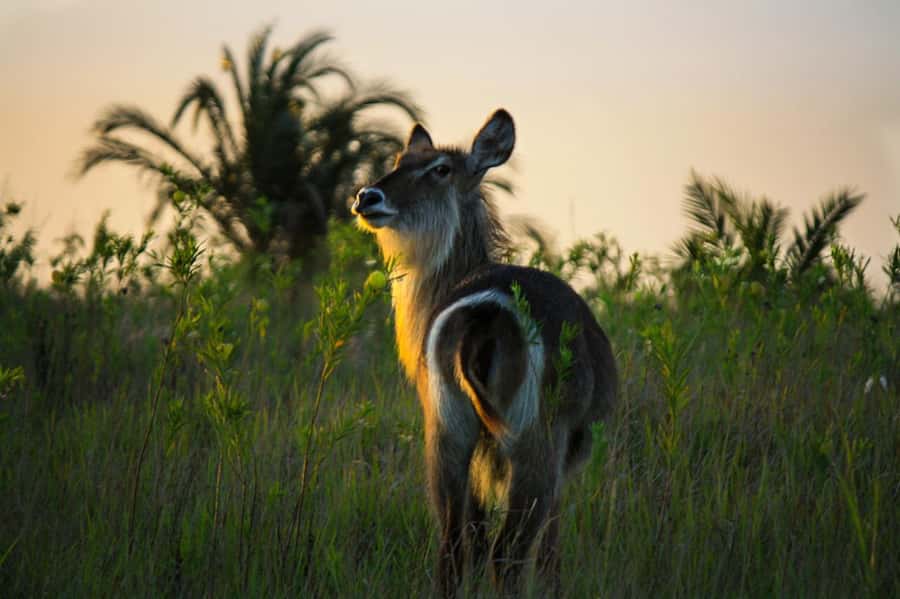
iSimangaliso is a wetland system, and wetlands tend to pull wildlife close to water. That means night driving can deliver more than just the classic nocturnal mammals. On some runs, you might also spot animals linked to the waterline, and you may see signs of big wetland life.
From real-world patterns people report, you can sometimes get close sightings of animals like crocodiles and hippos when the spotlight lands in the right places. You may also run into impressive bird life tied to the park’s wetlands, including larger raptors and heron-type birds, as well as sizeable weaverbird activity.
Even if you do not see everything, the lesson stays the same. In wetlands, night does not erase wildlife, it concentrates it. The guide is essentially working out where the action will show up next.
The night sky part: using darkness without wasting it
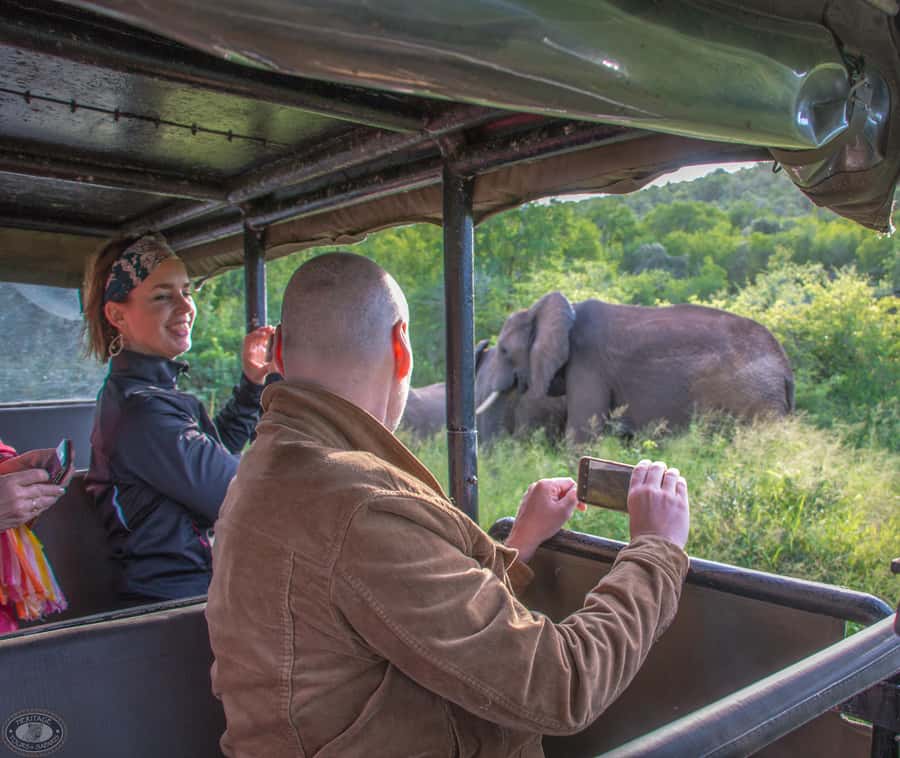
One of the quietly thoughtful parts of this safari is that you pause for the stars. You are meant to gaze at the night sky and note the constellations during the drive.
That matters because it gives your brain a break from constant scanning. When you shift from animal-watching to sky-watching, your eyes and attention reset, and it can make the next spotlight moment feel even sharper. Also, it adds a sense of place. You are not just in a vehicle, you are inside a real African night with a sky you do not always get at home.
What the 3-hour format gets right (and where it can feel short)
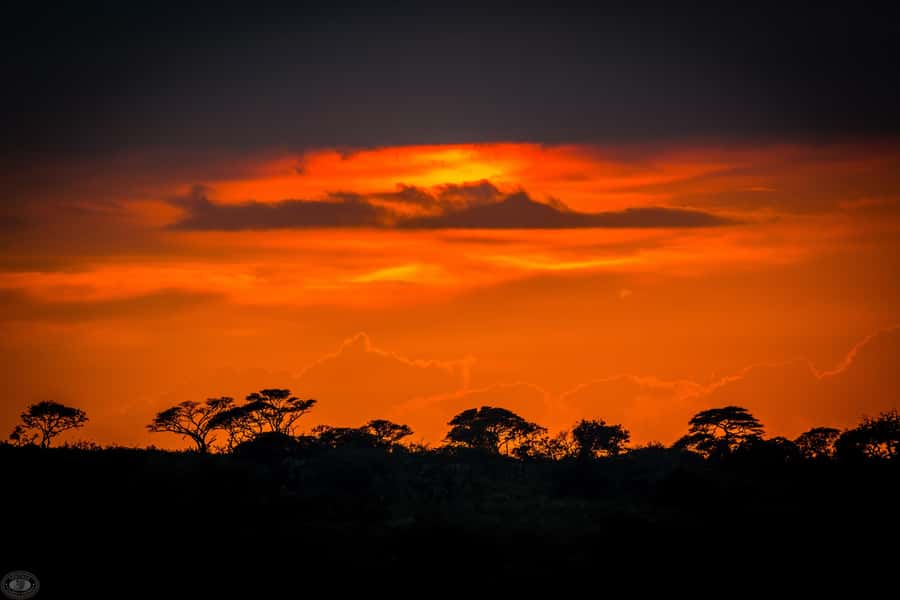
Three hours is a sweet spot for a night safari. It is long enough to give you multiple chances, especially since animal activity at night is not one steady schedule. You might get more than one type of sighting, from small nocturnal mammals to larger mammals moving across open areas.
At the same time, it can feel short if the first hour is quiet. Night driving is not predictable, and the park can be active in bursts. If the night is slow, you might feel like you are waiting for the big moment, and that is the main emotional risk of this type of trip.
My best advice is to treat the drive as a night education. Even when you do not see the leopard, you can still leave with new skills for noticing eye-shine, motion in grass, and the way animals react to light and sound.
Comfort checklist: what to wear for a colder, wetter night
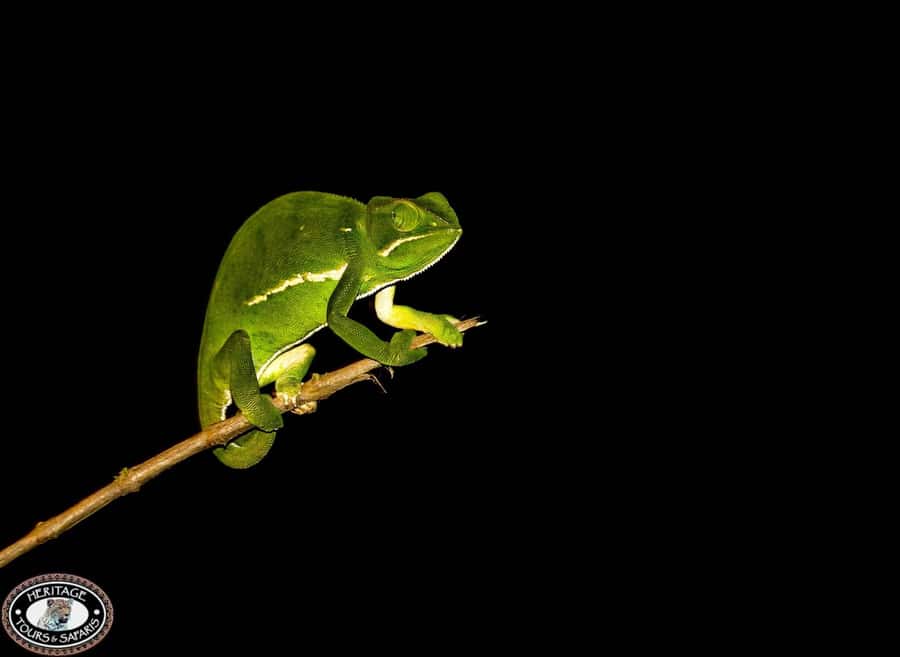
This is where weather can make or break your comfort. One of the clearer signals is that cold and rain can happen, and you will be out in it for hours. The best way to enjoy the safari is to dress in layers and prepare for a chilly damp evening.
Also plan to keep your hands free. When the guide finds something, you will want to react fast, not fumble with zippers or jackets. If you wear practical layers that you can manage quickly, you will enjoy the ride more.
Price and value: is about $46 per person fair?
At around $46 per person for a 3-hour night safari, the value depends on one thing: your expectation. If you want a guaranteed leopard spotting, no night safari can promise that. If you want a guided, purpose-built night hunt with spotlights, a small group, and real chances at nocturnal mammals, this price can feel very reasonable.
What you are paying for is not only driving. You are paying for guide-led scanning, conservation fees, and a dedicated wildlife search during the best time for nocturnal activity. Plus, hotel pickup and drop-off is part of the deal, which removes a lot of hassle in a region where evening logistics can take time.
Also, with only up to 10 participants, you are less likely to feel like you are packed into a crowded experience. That kind of small-group time can make the sightings feel more personal.
Who this safari suits best
This is a strong choice if you:
- love wildlife viewing that focuses on behavior and timing, not just big animals
- want a guided night search rather than trying to self-drive in the dark
- enjoy learning about animals, including nocturnal species like bush babies and aardvarks
- are traveling with limited time and want a clear 3-hour evening plan
It can be less satisfying if you are only chasing one specific animal and feel angry when the night does not deliver. Night wildlife is inherently variable. When you go with flexible expectations, you get the most joy.
Should you book the iSimangaliso Wetland Park night drive from St Lucia?
I think this is worth booking if your goal is a focused night safari with a proper guide, spotlights, and a real shot at nocturnal wildlife. The combination of bush baby and aardvark targets, plus the possibility of leopard or dramatic larger mammals, makes it an evening with genuine wildlife intent.
If you hate cold rain or you need comfort to be perfect, consider your weather window carefully. Otherwise, go in prepared, stay patient, and enjoy the mix of spotting and night-sky moments. This is the kind of experience where the best sightings can be brief, but the impact lasts.
FAQ
Where does the night drive safari take place?
It takes place in iSimangaliso Wetland Park in KwaZulu-Natal, South Africa.
How long is the safari?
The experience lasts about 3 hours.
What time do you get picked up from your accommodation?
Pickup is at either 7:00 PM or 8:00 PM.
How many people are in the group?
It is a small group limited to up to 10 participants.
Is the guide provided in English?
Yes, the live tour guide speaks English.
What is included in the price?
Conservation fees are included, along with hotel pickup and drop-off and the guide.
Do the vehicles have spotlights for night viewing?
Yes, the vehicles are fitted with spotlights to help you see animals at night.
What animals are you looking for on this safari?
You are hoping to spot nocturnal species such as bush babies and aardvarks, and you may also search for leopard since it hunts at night. There is also a chance of seeing some Big Five game species at night.
What happens at the end of the tour?
After about 3 hours in the park, you return to the pickup point listed as Abiel Publishing.
Safari Options Across St Lucia South Africa
Hluhluwe, iMfolozi and iSimangaliso
Keep going: the rest of our St Lucia South Africa write-ups
- From St Lucia: Cape Vidal Full-Day Snorkeling Safari
★ 4.8 · 10 reviews - St. Lucia: Cape Vidal Snorkeling Adventure
★ 4.5 · 17 reviews - From St Lucia: iSimangaliso Sunset Safari
★ 4.3 · 39 reviews - From St Lucia: iSimangaliso Wetland Park Night Drive Safari
★ 4.7 · 84 reviews - St Lucia: Hippo and Crocodile Cruise on a 15-Seat Vessel
★ 4.6 · 807 reviews
Safari Game Drives, compared.
 ★ 4.6From Cape Town: Big Five Game Reserve with LunchFrom $2362,409 reviews
 ★ 4.7Gansbaai: Marine Big 5 Boat tourFrom $155593 reviews
 ★ 4.7Little Brak River: Botlierskop Guided Game DriveFrom $40589 reviews
 ★ 5.0Big Five Safari and Breede River Valley Guided Day TripFrom $155526 reviews
 ★ 4.5Cape Town: Aquila Game Reserve Sunset Game DriveFrom $168508 reviews
 ★ 4.5Full Day Pilanesberg Experience in Open VehicleFrom $137414 reviews
 ★ 4.4From Cape Town: Aquila Game Reserve Sunset Game DriveFrom $167350 reviews
 ★ 5.0Hluhluwe-Imfolozi Park Full Day Big 5 Safari TourFrom $96310 reviews
Browse the lists this tour appears in