
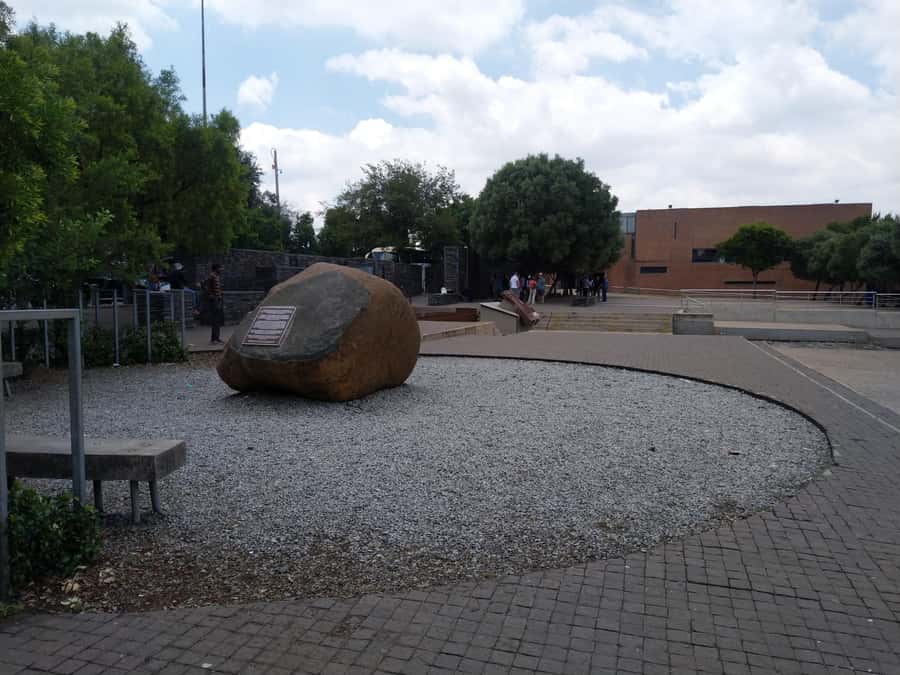
REVIEW · JOHANNESBURG CITY TOURS
Soweto & Johannesburg and Apartheid Museum
History hits close to home in Johannesburg. This day tour links the city’s skyline to Soweto streets and the stories that shaped South Africa, from overlooks to memorials and museums. I love how it keeps you moving through real neighborhoods, not just a single stop.
I also like the guided stop at the Nelson Mandela House Museum on Vilakazi Street, because it turns big names into places you can actually stand in front of. Add in the time at the Apartheid Museum, and you get context you can carry with you as the day goes on.
One thing to consider: the Apartheid Museum can be closed on Mondays, so if your travel dates land on a Monday, confirm before you go or be ready for a change in what you see.
In This Review
- Key points before you go
- Getting your bearings: Hillbrow, Braamfontein, and Johannesburg CBD
- Munro Drive viewpoint: the city in one glance
- Newtown and Soccer City: where culture meets sport
- Soweto contrast time: Diepkloof, hostels, and informal settlement shacks
- Vilakazi Street in Orlando West: Mandela House Museum and Hector Pietersen memorial
- Passing by Baragwanath Hospital, Orlando Towers, and Bishop Tutu’s house
- Muti shop and African tradition medicine: cultural context, not magic talk
- Apartheid Museum: why two hours is the sweet spot
- Price and value: $92 for an 8-hour, guided, museum-filled day
- Who this tour suits best, and who might prefer something else
- Final verdict: should you book this Soweto and Apartheid Museum tour?
- FAQ
- How long is the tour?
- What does the price include?
- Do I need to pay tips?
- What languages is the tour guide?
- Where is pickup available?
- Where can I be dropped off?
- Is the tour wheelchair accessible?
- What are the cancellation terms?
- Is it suitable for young children?
- What if I want to keep plans flexible?
Key points before you go
- Munro Drive viewpoint gives you high-up perspective over the city, perfect for getting your bearings fast
- Hillbrow is intensely dense, and the guide’s walk helps you understand what that means in daily life
- Muti shop stop (African tradition medicine) is handled as a cultural encounter, not a tourist gimmick
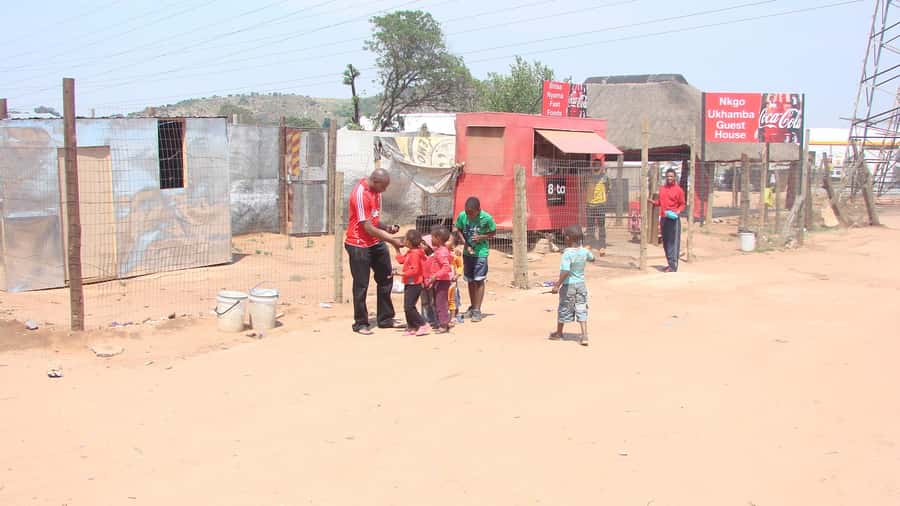
- Diepkloof in Soweto plus hostel and informal settlement contrasts show sharp differences in living conditions
- Vilakazi Street plus Hector Pietersen memorial connects personal courage to a specific place and date
- Apartheid Museum (about 2 hours) is structured enough to be meaningful without dragging on all day
Other Soweto routes we have reviewed, each with a local guide
- Johannesburg: Hop-On Hop-Off Bus with Optional Soweto Tour★ 4.6 · 985 reviews
- Soweto /Johannesburg and Apartheid Museum Guided Full Day Tour★ 5.0 · 932 reviews
- Johannesburg Hop-On Hop-Off City Tour with Soweto Option★ 4.5 · 768 reviews
- Half-Day Tour of Soweto Tour★ 4.5 · 712 reviews
Getting your bearings: Hillbrow, Braamfontein, and Johannesburg CBD
The tour starts with hotel pickup and a van ride that feels short because the day is packed. You’ll spend time in the older urban core areas first, which helps you understand why Johannesburg grew so fast and why it still feels layered.
Hillbrow is the first big reality check. You’ll get a guided look at this area known as one of the most populated parts of Johannesburg by square meter, and you’ll see how housing density shapes street life and safety concerns. Then the stop pattern shifts toward Braamfontein, where the guide’s commentary helps explain how one neighborhood’s energy can change within minutes.
You also pass through the Johannesburg downtown area and the guiding focus stays practical: you’re not just collecting photos, you’re learning how to read the city. If you’ve never been here before, this is the part that makes later stops on the same day click.
Munro Drive viewpoint: the city in one glance
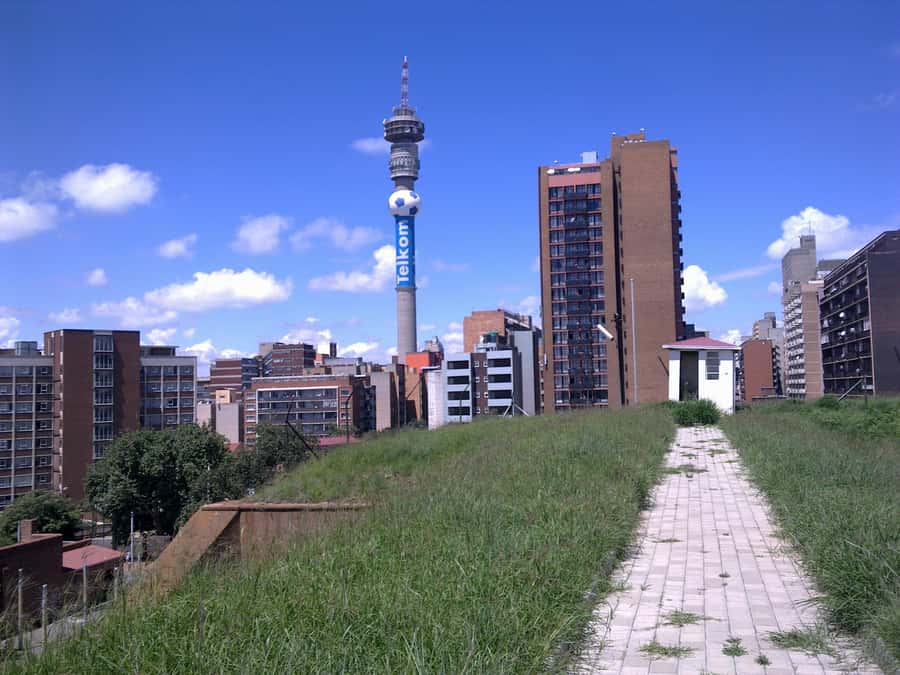
After you’ve walked a few blocks on street level, you get the chance to see the city from above at Munro Drive viewpoint. Even if you think you know what Johannesburg looks like, this kind of overlook changes your mental map.
From a viewpoint, the scale becomes clearer. You can see how neighborhoods spread out and how far the urban edges reach. That matters on this tour because the day contrasts places that feel worlds apart, including parts of Soweto.
If you care about photography, go at a steady pace. The best shots usually come after you pause and let the wind settle, not while you’re rushing for the first angle.
Newtown and Soccer City: where culture meets sport
Next comes Newtown, Johannesburg, with a guided tour timed to keep you moving but not sprinting. Newtown is one of those places where you can feel Johannesburg’s creative and entertainment energy around you, even when the day has already started on heavier themes.
The day also includes a Soccer City stop. It’s a useful waypoint because soccer is more than a pastime here. The guide’s framing helps you connect stadium culture with local identity, and you’ll probably notice how the city carries pride in public spaces.
This isn’t a pure history lecture. It’s more like learning the setting, then returning to the story with better context. It’s an effective rhythm for first-timers.
Soweto contrast time: Diepkloof, hostels, and informal settlement shacks
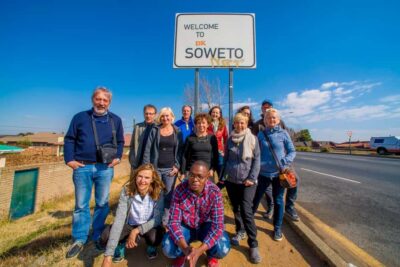
This is the emotional core of the day. You head into Soweto, and the guide brings you through Diepkloof in Soweto alongside stops that reflect other housing realities, including an informal settlement shack area and a hostel setting.
The key value here is contrast. You’re not being asked to make a single mental judgment about a whole area. Instead, the day shows that Soweto holds many different living situations side by side, shaped by history, economics, and opportunity.
As you listen, you’ll likely notice how the tour’s tone matters. It’s focused on people and their lived experience, not just the headlines. Still, be ready for uncomfortable moments, and give yourself time to absorb them. If you’re the type who wants every detail explained, you’ll probably appreciate how the guide keeps tying neighborhoods back to why they matter.
More sites and museums that record the apartheid years
Vilakazi Street in Orlando West: Mandela House Museum and Hector Pietersen memorial
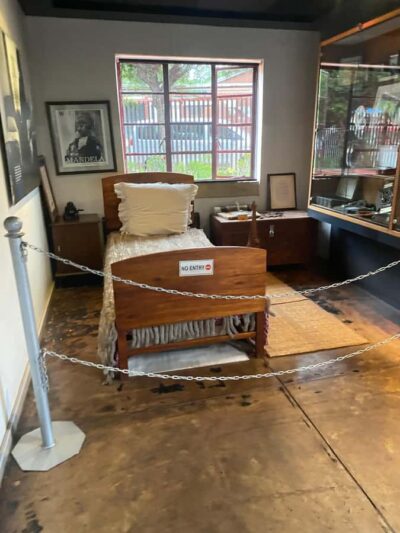
One of the most meaningful stops is on Vilakazi Street, Orlando West. This is where the tour slows down into a more personal kind of history, especially with a visit to the Mandela House Museum.
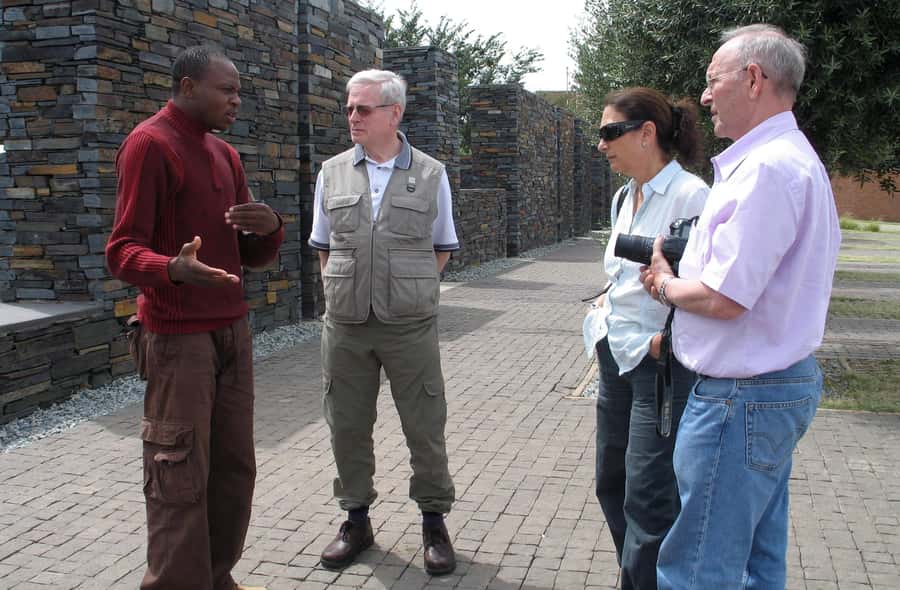
Seeing Mandela House Museum by guided walk is different from reading about it. It helps you understand how political change is rooted in ordinary streets, homes, and community decisions. The guide’s job here is to connect place with purpose, and it usually lands well because the museum visit is built into the day instead of tacked on late.
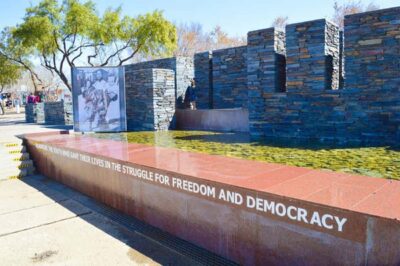
Then the tour moves to the Hector Pietersen memorial. This memorial is about remembering and honoring, and it gives the 16 June 1976 uprising story a human anchor. Even when you already know the general timeline, a memorial stop makes the event feel specific and real.
If you want to be respectful, plan to dress normally and keep your voice down. These are spaces for remembrance, not casual sightseeing.
Passing by Baragwanath Hospital, Orlando Towers, and Bishop Tutu’s house
Between the big walk-and-visit stops, you also get guided city driving that adds texture. The tour includes passing by Baragwanath hospital and Orlando Towers, plus a drive past Bishop Tutu’s house.
Driving stops like these are underrated on a tour. They help you understand what’s right there now, not only what existed decades ago. Hospital and towers are not just landmarks, they’re part of how people live, get around, and build community in Johannesburg’s geography.
Because these are brief and viewpoint-oriented, you won’t get long explanations at every point. But the guide’s overall narrative keeps the driving segments from feeling random.
Muti shop and African tradition medicine: cultural context, not magic talk
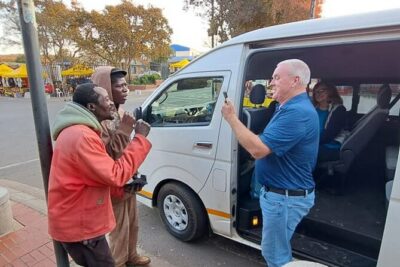
A stop at a muti shop, described as African tradition medicine, is included on this tour. This is one of those moments where your attitude matters.
You’ll get a guided stop, and the point is to learn about tradition and belief systems in context. Don’t expect a scientific lecture, and don’t assume it’s a theme park. Instead, treat it as a cultural encounter, ask questions if your guide invites them, and keep your mind open.
If you’re sensitive to topics like faith and medicine, you might want to focus on how the practice fits into local life and why people rely on it. That approach makes the stop more respectful and more useful.
Apartheid Museum: why two hours is the sweet spot
The day ends with a guided visit to the Apartheid Museum for about 2 hours. This is not a casual museum stop, and it’s designed to be long enough for meaning without burning your energy completely.
What I like about finishing here is that the museum gives you a framework to understand everything you’ve seen that day, from Soweto neighborhood contrasts to memorial sites. The guided format also matters. A strong guide can help you connect exhibits to real locations around Johannesburg and explain the political logic behind the oppression.
One important caution. The museum can be closed on Mondays, and in that case you may have a different kind of visit, such as a prison-related tour adjustment. If your schedule lands on a Monday, plan ahead and ask your guide or operator to confirm what’s running.
Even with that note, the museum is still a key payoff on this route. It helps you leave Johannesburg with more than images. You leave with a story you can organize in your head.
Price and value: $92 for an 8-hour, guided, museum-filled day
At about $92 per person for an 8-hour experience, the value is mainly in what’s included and how the time is used.
You get hotel pickup and drop-off, guided time in multiple Johannesburg and Soweto areas, and museum entrance fees included for both the Apartheid Museum and the Nelson Mandela House Museum. You also get lunch on your own account, so bring a realistic expectation that food costs are separate, and budget for that.
This is also a tour where paying for a guide makes sense. You’re dealing with sensitive history and complex neighborhoods. The guide is what turns driving and walking into understanding, and that’s the real product here.
Don’t forget tipping. The tour recommends tipping the guide at the end, around 5% to 10%, which is a good way to say thank you if your guide kept the day clear and respectful.
Who this tour suits best, and who might prefer something else
This is a strong fit if you are:
- visiting Johannesburg and Soweto for the first time
- interested in apartheid history but want it grounded in places, not just dates
- traveling solo and appreciate having a guide and a clear plan
- short on time but willing to handle a full day
You might choose something else if you:
- want a slower pace with fewer stops
- have difficulty with heavy, political content or memorial spaces
- plan to visit on a Monday and need the Apartheid Museum ticket guaranteed without any possibility of changes
The tour is offered in English and French, and it’s wheelchair accessible, so it’s built to serve a range of needs.
Final verdict: should you book this Soweto and Apartheid Museum tour?
I think this is worth booking if you want one organized day that connects Johannesburg city life to Soweto’s struggle and remembrance. The combination of viewpoint time, neighborhood walking, Vilakazi Street, and the Apartheid Museum is a practical way to get oriented and educated without spending weeks juggling multiple tickets.
If you are traveling on a Monday, I’d double-check the Apartheid Museum situation before you lock in your day. Otherwise, with a guide like Joseph, this tour has the right balance of clarity and care, and it makes a major South African story feel local, not distant.
FAQ
How long is the tour?
The tour duration is listed as 8 hours.
What does the price include?
Hotel pickup and drop-off are included, along with entrance fees to the Apartheid Museum and the Nelson Mandela House Museum. Lunch is listed as on the guest account.
Do I need to pay tips?
Gratuities are not included. The tour recommends tipping the guide 5% to 10% at the end of the tour.
What languages is the tour guide?
The live tour guide speaks English and French.
Where is pickup available?
Pickup options include O.R. Tambo International Airport, Fourways, Kempton Park, Rosebank Mall, Johannesburg CBD, Randburg, Pretoria, Sandton Sun, and Sandton City.
Where can I be dropped off?
Drop-off options include Pretoria, Rosebank Mall, Sandton Sun, Randburg, Kempton Park, Johannesburg CBD, O.R. Tambo International Airport, and Fourways, plus Sandton City.
Is the tour wheelchair accessible?
Yes, wheelchair accessibility is listed as available.
What are the cancellation terms?
Free cancellation is available up to 24 hours in advance for a full refund.
Is it suitable for young children?
The tour is not suitable for babies under 1 year.
What if I want to keep plans flexible?
The listing offers reserve now and pay later, so you can book and pay nothing today.
Johannesburg, Block by Block
- From Johannesburg: Pilanesberg Nature Reserve Game Safari
- Johannesburg: Hop-On Hop-Off Bus with Optional Soweto Tour
- Soweto /Johannesburg and Apartheid Museum Guided Full Day Tour
- Johannesburg Hop-On Hop-Off City Tour with Soweto Option
- Full Day Ultimate Pilanesberg National Park Safari from Johannesburg or Pretoria
Apartheid History: Other Sites We Have Documented
Soweto: Other Guided Routes
Keep going: the rest of our Johannesburg write-ups
- Soweto Private half day tour
★ 4.5 · 3 reviews - Johannesburg’s Migration History with a local lunch
★ 5.0 · 3 reviews - Johannesburg: Soweto, Apartheid Museum, and Cradle tours
★ 4.7 · 3 reviews - Soweto Apartheid Museum and Lunch
★ 5.0 · 3 reviews - Bathongo Rhino & lion park nature reserve tour
★ 5.0 · 3 reviews - Johannesburg: Elephant and Monkey Sanctuary Half Day Tour
★ 5.0 · 3 reviews
Johannesburg City Tours, compared.
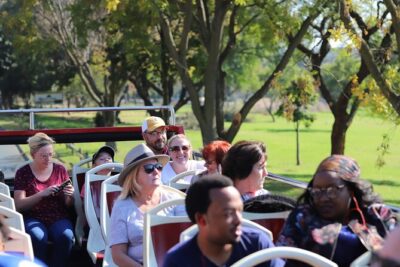 ★ 4.5Johannesburg Hop-On Hop-Off City Tour with Soweto OptionFrom $16768 reviews
 ★ 4.8Johannesburg: Full-Day Tour with Soweto and Apartheid MuseumFrom $104478 reviews
 ★ 4.8Johannesburg and Soweto: Half-Day TourFrom $71439 reviews
 ★ 4.6From Johannesburg: Lion & Safari Park Half-Day TourFrom $167384 reviews
 ★ 5.0Ultimate Johannesburg Soweto Experience with Apartheid MuseumFrom $108313 reviews
 ★ 5.0Half Day Lion Park tour from Johannesburg or PretoriaFrom $100274 reviews
 ★ 4.9Johannesburg: Maboneng Street Art & Culture TourFrom $37257 reviews
 ★ 5.0Johannesburg and Soweto tourFrom $77231 reviews
Browse the lists this tour appears in