
REVIEW · JOHANNESBURG CITY TOURS
Soweto & Johannesburg And Apartheid Museum Private
Soweto and Johannesburg hit you with real context fast. This private day ties the 1976 uprising roots to the apartheid machine, then follows the after effects you still see in everyday streets. You get a mix of memorials, museums, and city driving, so the story stays human, not textbook.
I really like two things about this tour: the private format and the built-in museum time. With just your group, you can set a pace, pause for photos, and ask questions without feeling rushed. And you get admission included for the two biggest learning stops, the Hector Pieterson Memorial and the Apartheid Museum.
One consideration: not all sites have admission included. Mandela House and Constitution Hill are extra, so you should plan for those tickets and for a day that can run closer to 7 hours if you linger.
In This Review
- Key things to know before you go
- Why Soweto and Johannesburg together make the story click
- Hector Pieterson Memorial: starting with the 1976 uprising
- Driving through Johannesburg streets gives you the setting
- The heart of the lesson: Apartheid Museum in about 2 hours
- Mandela Museum on Vilakazi Street: where legacy lives in a real place
- Constitution Hill Human Rights Precinct: former prison, major names
- The Soweto contrast route: matchbox houses, hostels, and after effects
- Private tour timing: how you shape the day
- Price and value: what $118.52 gets you in real learning time
- Who this tour is best for (and who should consider alternatives)
- Small planning tips that keep the day smooth
- Should you book this private Soweto and Johannesburg tour?
- FAQ
- What is the starting time for the tour?
- How long does the experience take?
- Is pickup offered?
- Is this a private tour?
- Which admissions are included?
- Which admissions are not included?
- Is lunch included?
- What does the tour include?
- How does cancellation work?
- Is the tour suitable for most travelers?
Key things to know before you go

- Private tour, only your group for real conversation and flexibility on the route
- Hector Pieterson Memorial + Apartheid Museum admissions included
- See contrast across Soweto, from shanty town areas to upper-class Diepkloof neighborhoods
- Drive-by context like taxi ranks and major local sights, plus stops on Vilakazi Street
- Guides can shape your timeline, so you do not feel stuck in a rigid script
- Joseph-style guiding is a highlight in the kind of emotional, educational storytelling you will get
Other Soweto routes we have reviewed, each with a local guide
- Johannesburg: Hop-On Hop-Off Bus with Optional Soweto Tour★ 4.6 · 985 reviews
- Soweto /Johannesburg and Apartheid Museum Guided Full Day Tour★ 5.0 · 932 reviews
- Johannesburg Hop-On Hop-Off City Tour with Soweto Option★ 4.5 · 768 reviews
- Half-Day Tour of Soweto Tour★ 4.5 · 712 reviews
Why Soweto and Johannesburg together make the story click
Soweto is often described as the epicenter of resistance to apartheid, and Johannesburg is where much of the power and policy shaped daily life. When you do them as one connected route, you stop thinking in isolated facts and start understanding cause and effect. One moment you are at a memorial tied to 1976, and the next you are inside a museum explaining a system designed to divide.
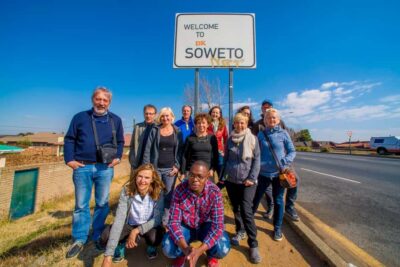
I also like that this tour does not treat Soweto like a single neighborhood. You will pass through parts of the city and then move across different Soweto areas, including the contrast between more informal housing like matchbox houses and more established residential stretches such as upper-class Diepkloof. That contrast helps you see how segregation worked in practice, not just in slogans.
Finally, the emotional weight is not only inside museums. You will hear it in the streets, in how people talk about survival, and in what you notice when you look closely at how communities have rebuilt themselves. A good guide matters here, and guides like Joseph have been praised for being both educational and genuinely human.
Hector Pieterson Memorial: starting with the 1976 uprising
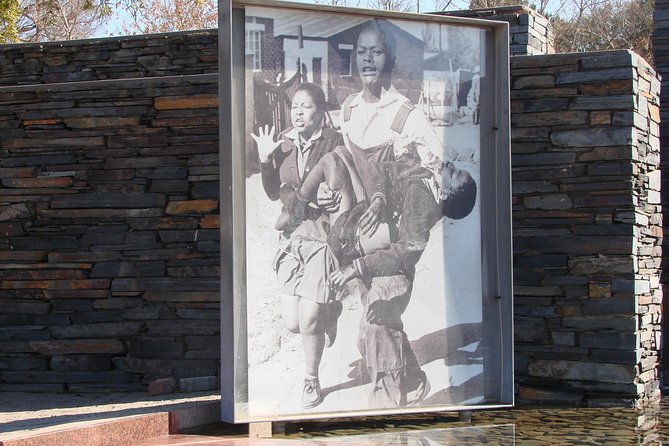
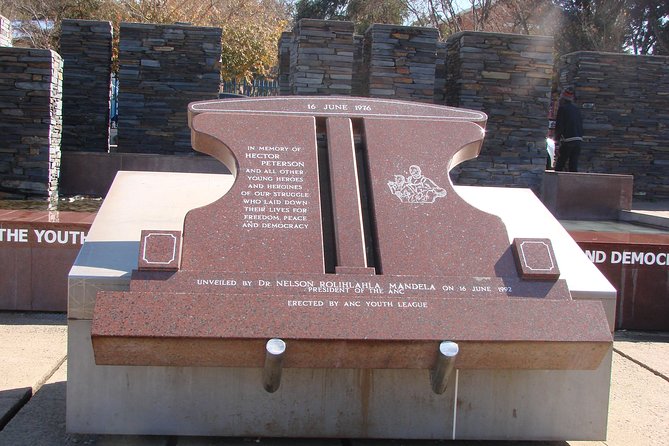
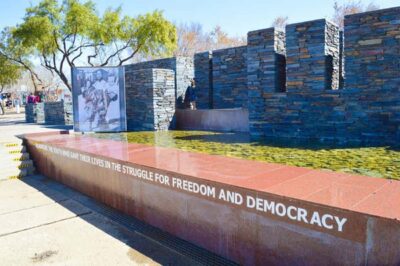
Your first key stop is the Hector Pieterson Memorial, a focused place to start the day. You get about 30 minutes there, with admission included. The memorial anchors the story to a specific moment, the 1976 uprising, so later museum explanations make more sense.
This is the kind of stop where your guide’s framing really helps. If you want to understand what happened and why it mattered, you will get the background and the meaning behind what you are seeing. For me, the value is that you are not just looking at exhibits, you are learning the sequence that leads from resistance to political change.
The short time window also means you should plan how you use it. If you are the type who likes to take photos, still do, but also leave room to listen. Memorials move fast when schedules are tight, and missing the interpretation reduces impact.
Driving through Johannesburg streets gives you the setting
Between stops, you are not just staring out a window. The route includes views and drive segments through parts of central Johannesburg like Hillbrow and downtown, plus a look at local street life such as taxi culture and a Baragwanath taxi rank. There is also a Muti shop on the way, which is a reminder that street commerce and tradition still exist alongside political legacy.
This part matters because apartheid did not only happen in laws. It shaped movement, jobs, and where people could live and travel. When you see the city’s energy and the flow of transit, you get a clearer picture of how residents experienced the system day after day.
You will also drive past Bishop Desmond Tutu’s former home. Even if you do not study him in depth before you go, that kind of landmark helps you place the tour in the larger moral and political story of South Africa. It signals that the narrative is not only about struggle, it is also about leadership and conscience.
Practical note: this is a city day with driving segments, so expect traffic patterns and stop-and-go timing. If you prefer lots of slow walking, balance that mindset with the fact that the tour is designed to show you a broad sweep.
The heart of the lesson: Apartheid Museum in about 2 hours
The Apartheid Museum is your big learning stop, with around 2 hours on site and admission included. Here, you get the political system of apartheid explained as something that divided a nation for more than 48 years. The time matters because you need enough minutes to connect the pieces: how the system worked, how it controlled life, and how resistance grew.
I like how this museum stop sits in the middle of the day. By the time you reach it, you have already started the emotional thread at Hector Pieterson Memorial. By the time you leave it, you are ready to make sense of the later heritage stops tied to Mandela and human rights.
A good guide can help you focus the visit. Instead of trying to read everything, you can ask what to prioritize and why, then you walk out with a real framework. That is how you avoid the museum feeling like a blur.
Possible drawback: 2 hours can feel like a lot if you are museum-weary. If you start to feel overloaded, ask your guide for the top themes to look for during the rest of the exhibits. That turns a long visit into a targeted one.
More sites and museums that record the apartheid years
Mandela Museum on Vilakazi Street: where legacy lives in a real place
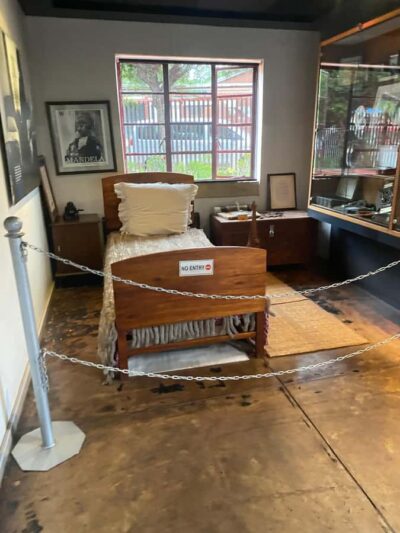
Next up is the Mandela House stop on Vilakazi Street. You get about 30 minutes, and admission is not included. This is a short visit, but it is powerful because it connects the public figure you hear about to the home setting that shaped family life and personal history.
What makes this stop worth your time is the scale of it. In a 30-minute window, you are looking for meaning, not trying to do everything. A guide can help you understand what you are seeing, including family history elements, so the house feels less like a symbol and more like a specific lived environment.
Because admission is not included, you should budget for it separately and keep your schedule flexible. If you show up with limited time or forget extra ticket costs, this can become a stress point rather than a highlight.
If you care about South African culture beyond politics, this is also where the tour can shift tone. You can talk about everyday life, community identity, and the way people carry memory forward.
Constitution Hill Human Rights Precinct: former prison, major names
You then make a short stop at Constitution Hill Human Rights Precinct for about 20 minutes. Admission is not included here either. This former prison complex is tied to key political figures, including Mahatma Gandhi and Nelson Mandela, who were held there at different points.
Even in a short visit, Constitution Hill works because of its layered meaning. Prisons usually describe power in one direction. But here, you get a sense of how resistance and political leadership evolved under pressure, and how the country later reframed those sites into human rights space.
In a compressed time window, your guide’s call is important. Ask what is most essential to notice in the area you are seeing and which stories connect the space to the broader apartheid narrative. That way you do not leave with only general impressions.
One consideration: a 20-minute stop is not enough for a slow, in-depth tour. If you are the kind of person who wants to read everything on every wall, you might prefer to plan extra time on your own. Still, as a stop within this day, it gives you a strong link between the apartheid system and the human rights framework that followed.
The Soweto contrast route: matchbox houses, hostels, and after effects
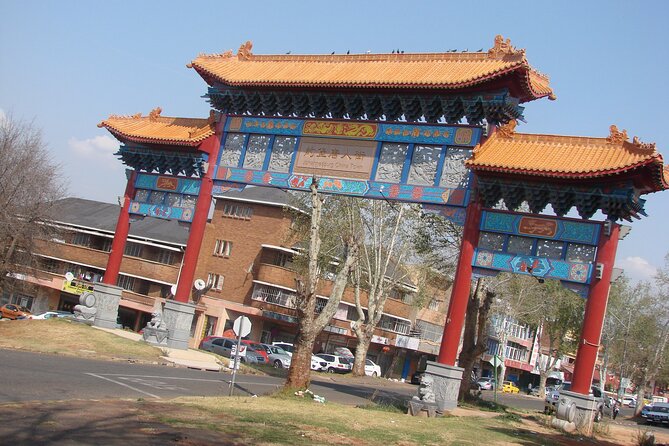
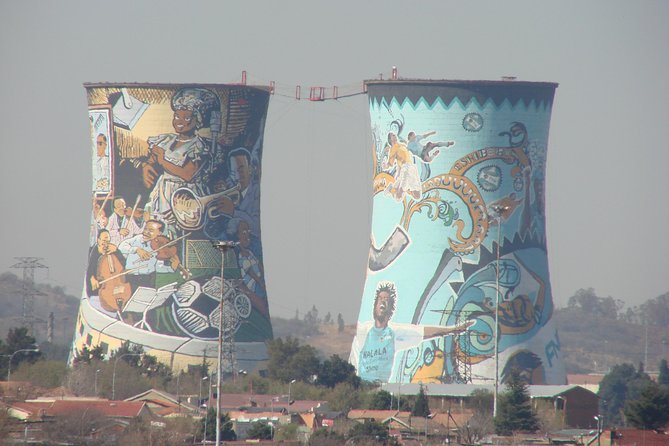
Part of what makes this tour feel balanced is that it tries to show more than one slice of Soweto. You see areas described in the route planning as shanty town areas and upper-class sections, plus places like hostels and matchbox houses. You also spend time looking at taxi culture through major ranks, including Baragwanath.
Why this matters: apartheid did not only divide political rights. It shaped housing access, neighborhood design, and daily logistics. Seeing those physical differences helps your brain connect policy to lived experience.
You might also notice that the day is designed to show the lingering after effects. Even when communities rebuild, the geometry of segregation can still show up in transit patterns, neighborhood boundaries, and how public spaces feel. A guide can point out what to look for without turning the streets into a spectacle.
This is also where “work out your own schedule” becomes practical. If you want more time on a particular street or want to ask about how residents describe change, a private guide format gives you room to do that.
Private tour timing: how you shape the day
One of the standout perks is control. This is a private tour, so only your group participates, and you can work out your own schedule. That means your guide can shift the order slightly in a way that keeps you comfortable and helps you focus on what you care about most.
I really like this feature because Johannesburg and Soweto days can feel intense. When you can manage breaks and pacing, you are less likely to rush through emotional sites or get exhausted before the most important museum. In the feedback tied to this experience, people valued that they could operate on their own timeline rather than follow a fixed checklist.
Guide quality is a big part of private touring, and Joseph is one name you might see in the kind of praise this tour has received. The theme is consistent: a guide who can balance emotional storytelling with clear, grounded explanations.
If you bring someone who processes information best through conversation, this format helps a lot. You can ask direct questions and get answers in context, not as a lecture delivered at speed.
Price and value: what $118.52 gets you in real learning time
The price is $118.52 per person for a 6 to 7 hour private tour. On paper, that is not cheap. In practice, the value comes from two things you rarely get together: private attention and included admissions for key learning stops.
Admission included for the Hector Pieterson Memorial and the Apartheid Museum means you are not paying separately for the two most central educational components. You also get parking fees included, plus the structure of a route that covers both memorial and museum learning plus on-the-road context.
There are tradeoffs. Lunch is not included, and two notable sites, Mandela House and Constitution Hill, require separate admission. So to judge value fairly, think of the base price as covering a large part of the story, then you add tickets for those specific add-ons.
For me, the best value angle is simple: if you want a deeper understanding without feeling shuffled, you are paying for time and interpretation. With a private guide, the day becomes less about clock-watching and more about meaning.
Who this tour is best for (and who should consider alternatives)
This experience is a strong fit if you want a serious educational day without sacrificing flexibility. It works well for visitors who can handle emotional topics and who prefer dialogue over passive sightseeing.
It is also a good match if you are traveling with family or friends who have different pacing preferences. Private touring gives you a way to respond to the group, whether that means slowing down at a memorial or asking extra questions inside a museum.
If your top priority is a super-long museum day with no driving segments, this might feel like too much movement. You will get enough time to learn, but the day is built to cover several key locations. And it is not a “only museums” itinerary.
Finally, if you are on a tight schedule in Johannesburg, the 9:00 am start and half-day timing can still be a workable plan, especially because you are not dependent on joining a larger group.
Small planning tips that keep the day smooth
Because you are moving through multiple sites and neighborhoods, start with comfort in mind. Wear good shoes and plan for a full half day, since the tour runs about 6 to 7 hours.
Bring water and a snack strategy if you skip lunch costs, since lunch is not included. Also remember you will pay separate entry for Mandela House and Constitution Hill, so keep some budget aside.
Personal items can be an issue in any busy day. One account connected to this tour included a problem with left glasses, so I recommend keeping eyewear, bags, and small items in a consistent spot. It sounds basic, but it saves stress.
Should you book this private Soweto and Johannesburg tour?
If you want the apartheid story anchored in place and explained in clear human terms, this is an excellent booking. The private format, the included museum time, and the mix of memorials plus on-the-road context make it more than a checklist tour.
I would especially recommend it if you care about understanding the 1976 uprising roots in Soweto and how leadership and human rights shaped the years after. It is also a solid choice if you want to customize pacing, because the day is designed to let your guide help you shape the schedule.
If you dislike emotional history content or you prefer fully included attractions with no extra ticket planning, you might look for an option where every site admission is included. But for most first-time visitors who want depth without chaos, this private route is a smart, high-value way to understand Johannesburg and Soweto in one day.
FAQ
What is the starting time for the tour?
The tour starts at 9:00 am.
How long does the experience take?
It lasts about 6 to 7 hours.
Is pickup offered?
Yes, pickup is offered.
Is this a private tour?
Yes. It is a private tour, so only your group participates.
Which admissions are included?
Admission tickets are included for the Hector Pieterson Memorial and the Apartheid Museum.
Which admissions are not included?
Admission is not included for Mandela House and for the Constitution Hill Human Rights Precinct.
Is lunch included?
No, lunch is not included.
What does the tour include?
Parking fees are included.
How does cancellation work?
You can cancel for free up to 24 hours in advance for a full refund.
Is the tour suitable for most travelers?
Most travelers can participate, and the experience is near public transportation. Confirmation is received at the time of booking.
Johannesburg, Block by Block
- From Johannesburg: Pilanesberg Nature Reserve Game Safari
- Johannesburg: Hop-On Hop-Off Bus with Optional Soweto Tour
- Soweto /Johannesburg and Apartheid Museum Guided Full Day Tour
- Johannesburg Hop-On Hop-Off City Tour with Soweto Option
- Full Day Ultimate Pilanesberg National Park Safari from Johannesburg or Pretoria
Apartheid History: Other Sites We Have Documented
Soweto: Other Guided Routes
Keep going: the rest of our Johannesburg write-ups
- Soweto Private half day tour
★ 4.5 · 3 reviews - Johannesburg’s Migration History with a local lunch
★ 5.0 · 3 reviews - Johannesburg: Soweto, Apartheid Museum, and Cradle tours
★ 4.7 · 3 reviews - Soweto Apartheid Museum and Lunch
★ 5.0 · 3 reviews - Bathongo Rhino & lion park nature reserve tour
★ 5.0 · 3 reviews - Johannesburg: Elephant and Monkey Sanctuary Half Day Tour
★ 5.0 · 3 reviews
Johannesburg City Tours, compared.
 ★ 4.5Johannesburg Hop-On Hop-Off City Tour with Soweto OptionFrom $16768 reviews
 ★ 4.8Johannesburg: Full-Day Tour with Soweto and Apartheid MuseumFrom $104478 reviews
 ★ 4.8Johannesburg and Soweto: Half-Day TourFrom $71439 reviews
 ★ 4.6From Johannesburg: Lion & Safari Park Half-Day TourFrom $167384 reviews
 ★ 5.0Ultimate Johannesburg Soweto Experience with Apartheid MuseumFrom $108313 reviews
 ★ 5.0Half Day Lion Park tour from Johannesburg or PretoriaFrom $100274 reviews
 ★ 4.9Johannesburg: Maboneng Street Art & Culture TourFrom $37257 reviews
 ★ 5.0Johannesburg and Soweto tourFrom $77231 reviews
Browse the lists this tour appears in