
REVIEW · JOHANNESBURG CITY TOURS
Soweto and Johannesburg Tours
Soweto hits you first with place, then with meaning. This private tour pairs Soweto history with two major human-rights stops, so you get context for what happened, and why it still matters. I especially like the private transportation setup and the fact that you can ask questions along the way, not just sit and watch.
You’ll also feel looked after by the small care details, like bottled water (and WiFi on board) during the drive. One thing to think about before booking: the museum and human-rights sites have admission costs that are not included, so your final spend may be higher than the tour price alone.
In This Review
- Key things that make this tour worth your time
- Entering South Africa’s story through Soweto, then the museums
- The practical rhythm: pickup, private car, and the day length you can plan around
- Stop 1: Soweto, where the places are the lesson
- Stop 2: Apartheid Museum, where the timeline stops being theoretical
- Stop 3: Constitution Hill Human Rights Precinct, from prison walls to a constitutional court
- Why the guide can make or break the day
- Price and value: what $130.82 buys, and what you still need to budget
- What to bring so the day feels easy
- Who this tour is best for
- Should you book this Soweto and Johannesburg tour?
- FAQ
- How long is the Soweto and Johannesburg tour?
- Is pickup included?
- Is private transportation included?
- Is WiFi available during the tour?
- Is bottled water provided?
- Are the museum and precinct tickets included?
- Does the tour include coffee, lunch, or dinner?
- Is the tour alcohol-free?
- Is this a private tour?
- What if weather conditions are poor?
Key things that make this tour worth your time
- Soweto landmarks with anti-apartheid anchors, including the Mandela House Museum, the Hector Pieterson Memorial and Museum, and Regina Mundi Church (if your route includes them)
- Guided drive-through neighborhoods, with Vilakazi Street called out for being linked to Nobel Prize winners
- Two major museums focused on apartheid and rights, with Apartheid Museum and Constitution Hill Human Rights Precinct on the plan
- A private, you-first pace, since only your group participates and your guide can adapt to what you want to see and do
- Comfort touches that matter in a long day, including private transport, WiFi on board, and bottled water
- No alcohol served on the tour, which keeps the day focused (and you can still eat at licensed venues over 18)
Other Soweto routes we have reviewed, each with a local guide
- Johannesburg and Soweto tour★ 5.0 · 231 reviews
- Soweto Half Day Tour★ 5.0 · 231 reviews
- Soweto walking tour with a taxi ride★ 4.5 · 42 reviews
- Soweto, Kliptown, Eldorado Park Tour★ 5.0 · 41 reviews
Entering South Africa’s story through Soweto, then the museums
If Johannesburg feels like a big city from a distance, Soweto is where you start getting the real texture. This tour is built to move you from lived history to the documents and institutions that grew out of the struggle. It’s not just a sightseeing loop, it’s a guided path through moments that shaped modern South Africa.
I like that the day doesn’t treat apartheid as an abstract topic. It connects laws and violence to people, neighborhoods, and specific sites tied to the anti-apartheid movement. That shift helps your brain organize what you’re seeing, especially when you move from Soweto into two purpose-built places of remembrance.
There’s also a human element in how the tour is described and reviewed. The Tour and Shuttle Guy, especially Guy Peters, comes through as the kind of guide who talks history, invites questions, and keeps things practical so you’re not stuck guessing what matters most.
The practical rhythm: pickup, private car, and the day length you can plan around

This experience is offered in the Pretoria area and then heads into Johannesburg for the big stops. You’ll get pickup offered, private transportation, and a bottled water supply for the ride. WiFi on board is included, which is handy if you’re mapping the area, checking entry times, or just keeping your phone charged and useful.
The duration is listed as 4 to 10 hours (approx.). Your itinerary includes a long Soweto segment and then two additional stops, which can add up to a full day. If you’re trying to fit this into a tight itinerary, think of it as a “one serious day” commitment rather than a quick half-day photo tour.
One more practical note: this tour runs best in good weather. If conditions are poor, it may be canceled and you’ll be offered a different date or a full refund. In Johannesburg and Soweto, that’s not a trivial detail, because timing and outdoor walking can be affected.
Stop 1: Soweto, where the places are the lesson
Soweto is the kind of destination where you can feel two layers at once. There’s the day-to-day life of the township neighborhoods, and then there’s the global historical weight attached to specific streets and landmarks.
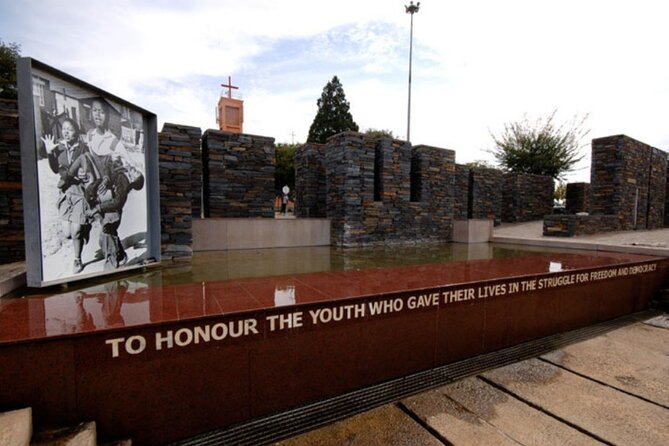
This stop typically includes major anti-apartheid sites such as Mandela House Museum, the Hector Pieterson Memorial and Museum, and Regina Mundi Church, which played an important role in the anti-apartheid movement. The exact mix can vary, but the common thread is that you’re not just driving by famous names. You’re learning what those sites meant and why they became symbols.
You also get a drive through Soweto streets, with neighborhoods such as Orlando West and Vilakazi Street highlighted. Vilakazi Street matters because it’s noted as being the only street in the world with two Nobel Prize winners who resided there. That kind of fact is more than trivia once you connect it to what Soweto represented during the uprising and after.
A key detail for planning: the Soweto portion is listed with an admission ticket marked free. Even if entry costs aren’t part of the bill for this segment, you’ll still want to budget time for walking and looking closely.
What I’d do to get the most out of Soweto
- Come ready to ask questions, and don’t worry if you want to slow down at a site that pulls your attention
- Have your phone charged and your notes app ready, because the names and dates can stack quickly in one morning or afternoon
- Wear comfortable shoes, since history stops often mean short walks and standing to observe
Stop 2: Apartheid Museum, where the timeline stops being theoretical
After Soweto, the day shifts into one of the most direct ways to understand apartheid: the Apartheid Museum. This is where laws, policies, and systems are organized so you can see the structure of discrimination, not just the impact.
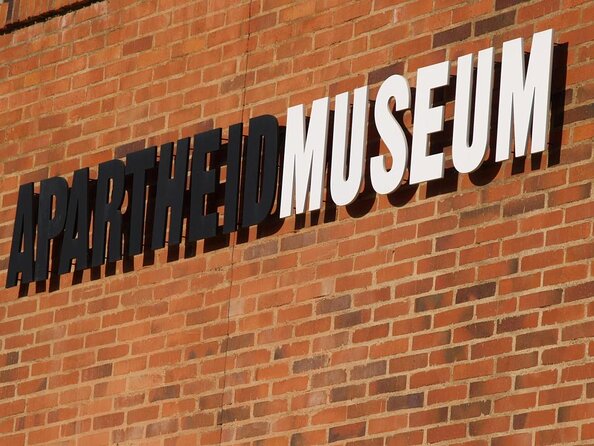
The museum is described as taking you through apartheid history from its origins to its eventual demise. Expect exhibits and displays that explain the laws and policies used to enforce segregation and discrimination, along with artifacts and interactive exhibits. Interactive elements can be especially helpful if you learn better by doing rather than only reading labels.
One practical catch: Apartheid Museum admission is not included. That doesn’t make it a deal-breaker, because the museum is part of what turns the day into a complete story. But you should plan for the added entry fee so you’re not surprised later.
Time wise, the museum stop is listed as about 3 hours. That’s a good chunk for reading and taking it in. If you try to rush this place, you’ll miss the connections between the exhibits, so that 3 hours is part of the value.
More of Joburg, neighbourhood by neighbourhood

Stop 3: Constitution Hill Human Rights Precinct, from prison walls to a constitutional court
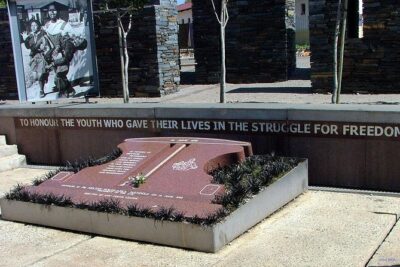
Constitution Hill is the kind of place that changes how you think about justice. You’re brought to an apartheid-era prison where anti-apartheid activists, including Nelson Mandela and Mahatma Gandhi, were held. Seeing that transition in setting matters, because it makes the abstract idea of freedom feel physical.
You’ll also have a chance to visit the Constitutional Court now located on the former prison site. The guide explains the role of the court in South African democracy and how it has contributed to progress since the end of apartheid. That framing helps you connect the struggle to the institutions that came after.
The complex is described as featuring art installations and exhibits, including a permanent exhibition called The Treason Trial. That matters because it gives another angle on the same struggle, through interpretation and storytelling, not only dates and documents.
Like the Apartheid Museum, admission for this stop is not included. You should also plan for about 2 hours here, which is enough time to see the main pieces without treating it like a checklist.
Why the guide can make or break the day
Here’s the difference between a normal tour and a day you remember: you need someone who can connect what you’re seeing to why it happened. In this case, the guide is a big part of the value.
In reviews, Guy Peters stands out as punctual, friendly, and very knowledgeable in the way that matters on the ground. One reviewer notes he picked people up on time in a clean vehicle stocked with cold water, and that he encouraged questions and enjoyed talking about the history of the country and Johannesburg. Another mentions that over two days he handled airport transfers and kept the vehicle impeccable, then adapted the day based on what they wanted to do.
I also like that this isn’t described as a rigid script. Since it’s a private setup and only your group participates, your guide can adjust what you prioritize. That flexibility is especially important for sites tied to heavy topics, because you might want more or less time at a specific stop.
One extra name shows up in planning notes: Daryl Howes is credited with helping plan the Johannesburg day tour, while Guy Peters executed it. When you see more than one person involved behind the scenes, it often means the day is designed rather than thrown together.
Price and value: what $130.82 buys, and what you still need to budget
The price is $130.82 per person for this private Soweto and Johannesburg experience. For a tour that includes pickup, private transportation, WiFi on board, and bottled water, I think the value is strongest when you want more than a quick drive-by tour. You’re paying for time with a guide, a coordinated route through major sites, and transport that reduces friction between stops.
Where value can feel different is admission. Soweto is listed as free for the ticket portion, but Apartheid Museum and Constitution Hill tickets are not included. So your true total depends on those entries. If you’re traveling as a couple or small group and you like learning with a guide, the base price still makes sense.
Also note what’s not included: coffee or tea, lunch, dinner, alcohol, and soda or pop. The tour does not serve alcohol, though over 18 you may purchase alcohol when having a meal at designated and licensed venues. That’s a good thing for most people, because you’ll stay sharp and present during sites that deserve your full attention.
What to bring so the day feels easy
Because you’re combining cultural sites and museums, pack like it’s one long focused outing.
At minimum, I’d bring:
- Comfortable walking shoes
- A light layer (mornings and afternoons can change)
- Any snacks or water plan you prefer, even though bottled water is provided
- Enough cash or card access for museum and precinct admissions (since they are not included)
- A fully charged phone for maps and tickets, especially since a mobile ticket is part of the experience
If you’re sensitive to long museum reading, bring a small notebook or use notes in your phone. The day covers a lot of names and concepts, and quick notes help you remember what you want to revisit later.
Who this tour is best for
This works best if you want a guided, structured day that connects Soweto’s anti-apartheid legacy to the formal institutions built afterward. It’s also a good fit for visitors who want to feel comfortable in logistics, because pickup, private transport, and guide-led movement reduce the stress of figuring out routes and timing.
You might especially enjoy this if:
- You’re in Johannesburg or the Pretoria area for a short time and want one high-impact day
- You like asking questions and want your visit shaped by a guide
- You prefer private group pace over crowded group schedules
If you only want light sightseeing, or you dislike museums and deeper context, this could feel like a lot. But if your goal is understanding, it’s well designed for that.
Should you book this Soweto and Johannesburg tour?
Book it if you want one organized day that connects Soweto, apartheid history, and the human-rights framework into a single flow. The private transport, pickup, WiFi on board, and cold water details make the logistics feel handled. Most importantly, the emphasis on guided explanation and questions fits the kind of travel where you want meaning, not just photos.
Before you commit, budget for museum and precinct admissions since they’re not included. Also plan for good weather, since the experience notes good-weather requirement. If you handle those two items, this tour looks like strong value for travelers who want the real story behind Johannesburg and not just a highlight reel.
FAQ
How long is the Soweto and Johannesburg tour?
The duration is listed as approximately 4 to 10 hours, depending on the day’s timing and how the stops are scheduled.
Is pickup included?
Yes, pickup is offered.
Is private transportation included?
Yes, private transportation is included.
Is WiFi available during the tour?
Yes, WiFi on board is included.
Is bottled water provided?
Yes, bottled water is included.
Are the museum and precinct tickets included?
Soweto is listed as admission ticket free, but Apartheid Museum and Constitution Hill Human Rights Precinct admission tickets are not included.
Does the tour include coffee, lunch, or dinner?
No. Coffee and/or tea, lunch, and dinner are not included. Alcoholic beverages are not served by the tour.
Is the tour alcohol-free?
The tour does not serve alcohol. Over 18, you may be able to purchase alcohol with meals at designated and licensed venues.
Is this a private tour?
Yes. Only your group will participate.
What if weather conditions are poor?
The experience requires good weather. If it’s canceled due to poor weather, you’ll be offered a different date or a full refund.
Johannesburg, Block by Block
Soweto: Other Guided Routes
Keep going: the rest of our Pretoria write-ups
- Pretoria City Tour and Cullinan Mine Tour from Johannesburg
★ 5.0 · 3 reviews - Full Day Soweto, Johannesburg and Apartheid Museum Guided Tour
★ 5.0 · 3 reviews - Cradle of Humankind Full Day Tour from Pretoria and Johannesburg
★ 4.5 · 3 reviews - 3-Day Private Tour Johannesburg – See everything
★ 5.0 · 3 reviews - From Johannesburg: Pretoria Guided City Tour
★ 4.5 · 3 reviews - Pretoria Tour-Voortrekker Monument, Town, Union Buildings
★ 5.0 · 3 reviews
Johannesburg City Tours, compared.
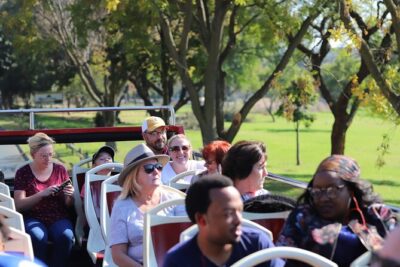 ★ 4.5Johannesburg Hop-On Hop-Off City Tour with Soweto OptionFrom $16768 reviews
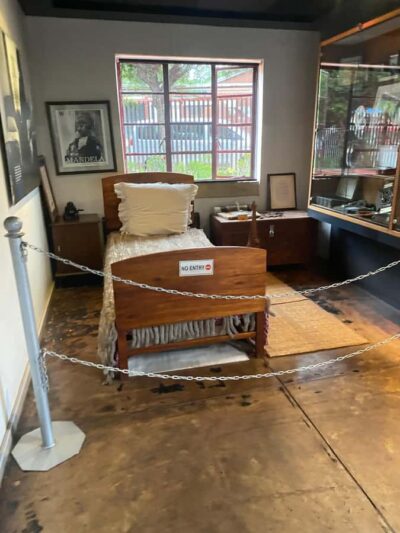 ★ 4.8Johannesburg: Full-Day Tour with Soweto and Apartheid MuseumFrom $104478 reviews
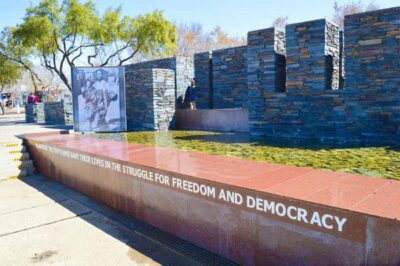 ★ 4.8Johannesburg and Soweto: Half-Day TourFrom $71439 reviews
 ★ 4.6From Johannesburg: Lion & Safari Park Half-Day TourFrom $167384 reviews
 ★ 5.0Ultimate Johannesburg Soweto Experience with Apartheid MuseumFrom $108313 reviews
 ★ 5.0Half Day Lion Park tour from Johannesburg or PretoriaFrom $100274 reviews
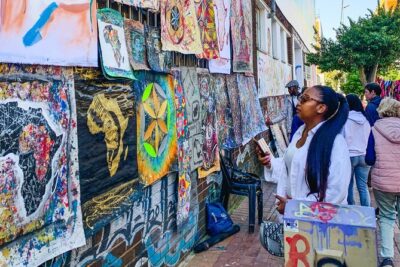 ★ 4.9Johannesburg: Maboneng Street Art & Culture TourFrom $37257 reviews
 ★ 5.0Johannesburg and Soweto tourFrom $77231 reviews
Browse the lists this tour appears in