
REVIEW · JOHANNESBURG CITY TOURS
Soweto and Johannesburg & Apartheid Museum
Joburg’s past hits you fast. This tour connects the Apartheid Museum with Soweto landmarks and the 1976 uprising sites in a way that feels organized, not chaotic. I love that transportation is handled end to end with pickup, plus parking and water included. I also love the focus on real neighborhoods and real context, like Hillbrow and the taxi culture you’ll pass through. One thing to plan for, lunch is not included, so bring snacks or budget time for a meal on your own.
What makes this especially good for first-timers is the flow. You are not bouncing between unrelated stops with taxis and guesswork, and the group stays small (max 15). Guides like Joseph and Simba come across as calm, professional, and tuned into how Johannesburg works today, not just the headlines.
In This Review
- Key things I’d look for on this Soweto and Johannesburg day
- Why Soweto and the Apartheid Museum fit together so well
- The route is the lesson, from Hillbrow to Soweto suburbs
- Apartheid Museum: the 2-hour anchor you’ll be glad you didn’t rush
- Mandela House on Vilakazi Street, plus why that 30 minutes matters
- Hector Pieterson Memorial: the 1976 student uprising you can actually feel
- KwaZulu Muti and the value of seeing living traditions, not just memorials
- Constitution Hill, Tutu and Winnie Mandela sites, and the street-level way context works
- Price and value: what $73.62 buys you in a real day schedule
- Who should book this tour, and who might want to adjust expectations
- Should you book this Soweto and Johannesburg day tour?
- FAQ
- What is included in the tour price?
- How long is the tour?
- Is pickup available?
- How many travelers are on the tour?
- What are the main stops you visit?
- Are museum tickets included?
- What days and hours does the tour run?
Key things I’d look for on this Soweto and Johannesburg day

- Apartheid Museum as the anchor, with admission included and about two hours to actually see it
- Included transport, so you can skip taxi logistics and just focus on learning
- Vilakazi Street icons, including Mandela House and the Hector Pieterson Memorial area
- The 1976 uprising story stays central, not a side note
- Street-level stops and passing sights, like Hillbrow, taxi culture, and hospital area scenes
- Small-group pace, which often makes the day feel more personal than a big bus tour
Other Soweto routes we have reviewed, each with a local guide
- Johannesburg: Hop-On Hop-Off Bus with Optional Soweto Tour★ 4.6 · 985 reviews
- Soweto /Johannesburg and Apartheid Museum Guided Full Day Tour★ 5.0 · 932 reviews
- Johannesburg Hop-On Hop-Off City Tour with Soweto Option★ 4.5 · 768 reviews
- Half-Day Tour of Soweto Tour★ 4.5 · 712 reviews
Why Soweto and the Apartheid Museum fit together so well

If you’re visiting Johannesburg for the first time, you can easily end up doing history in pieces. One museum here, a neighborhood there, and somehow it still doesn’t connect in your mind. This day tour solves that by pairing the big-picture story at the Apartheid Museum with the places in Soweto that shaped, and were shaped by, the apartheid era.
The smart part is the mix of stop types. You get museum time where you can slow down and read, and you also get driving and sight windows that show how different parts of the city function. That matters because apartheid was not only laws on paper. It was geography, movement, work, schooling, housing, and daily life.
The day is also structured for people who want depth but not a full-day grind. With a typical 6 to 8 hours and a manageable number of key sites, you can get a lot done even if you have flights, a layover, or limited time.
The route is the lesson, from Hillbrow to Soweto suburbs
This is not just a checklist tour. The route is built to help you see Johannesburg’s contrasts as you travel. You’ll move through areas like downtown and Hillbrow, then head into Soweto suburbs, with time positioned around the places that explain the historical turning points.
Here’s what that means in practical terms. When you pass through the inner-city area of Hillbrow, it’s described as a neighborhood with high population density and major unemployment and poverty challenges. You’re not spending hours there, but you get the visual context that helps the history make more sense. The point is to connect what you read in museums with what the city looks like now.
You’ll also see scenes linked to everyday systems, including taxi culture and a stop near Baragwanath hospital and taxi rank. Those are not random scenery. They’re part of how people get around and how the city’s economy and services work in real life.
In Soweto, the tour includes stops and sights around places like upmarket suburbs, matchbox-style houses, and the general neighborhood layout. That combination helps you understand that Soweto is not one single story. It’s a whole living patchwork of communities shaped by history and continued change.
Apartheid Museum: the 2-hour anchor you’ll be glad you didn’t rush
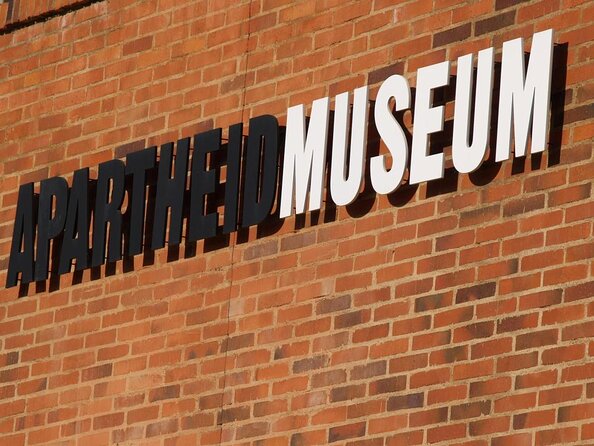
The Apartheid Museum is the heart of the day for a reason. It’s the most concentrated place to learn the systems, dates, policies, and human impacts that made apartheid possible and enforceable.
You get about two hours here with admission included. That’s a sweet spot. It’s long enough to read key parts and take in the larger narrative, but not so long that you feel mentally fried. For many people, this is the stop that turns everything else into something clearer, like when the 1976 story gets referenced later in the day.
I also like that the tour treats this museum time as real time. Two hours means you can choose your pace instead of sprinting. If you’re the type who likes to stop and absorb, you’ll appreciate that breathing room.
Practical note: museum content can be heavy. Bring a calm mindset. If you start feeling overwhelmed, look for guide prompts and take short breaks when you can. This is the kind of tour where patience pays off.
Mandela House on Vilakazi Street, plus why that 30 minutes matters
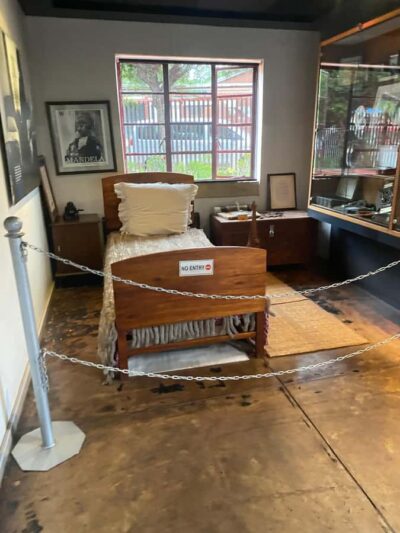
Vilakazi Street is famous for being one of the only streets in the world with two Nobel Laureates living there, Nelson Mandela and Archbishop Desmond Tutu. The tour includes time on Vilakazi Street and includes a visit to Mandela House, sometimes called the Mandela House Museum, where Mandela lived from 1946 to 1962.
You’ll have about 30 minutes at Mandela House, and admission is not included in the tour price. That means you should plan to pay the museum entry on site if you want to go inside.
Is 30 minutes enough? For most people, yes if you keep your expectations realistic. You’re not trying to memorize every exhibit. You’re using that short window to connect a person to a place. Seeing the physical context of where someone lived helps you understand why the story isn’t abstract.
If you’re a Mandela fan, or if you want to see why Vilakazi Street became such a powerful symbol, this short stop gives you a focused, meaningful moment without taking over the entire day.
More sites and museums that record the apartheid years

Hector Pieterson Memorial: the 1976 student uprising you can actually feel
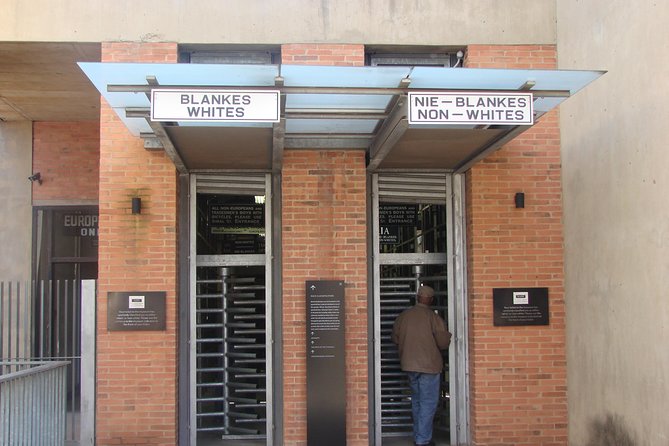
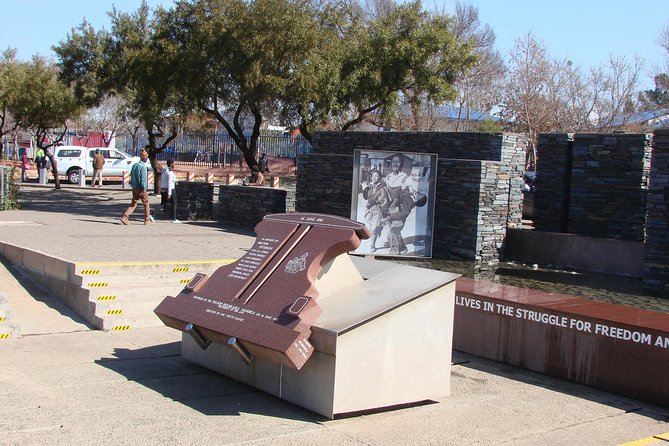
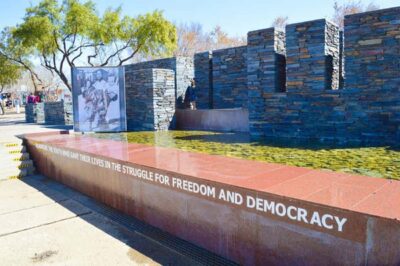
The Hector Pieterson Museum and Memorial is dedicated to preserving the memory of the Soweto uprisings in 1976, with special emphasis on the role of students in the fight against apartheid.
This stop includes admission, and it’s about 30 minutes. Again, that time isn’t huge, but it’s positioned well. By the time you reach this point, you’ve already been grounded by the broader museum story, so the memorial becomes a focused chapter rather than a random additional site.
What I like about the way this is handled is the clarity of purpose. The 1976 uprising isn’t treated like a vague historical footnote. It’s centered as a turning point, and the memorial format helps you slow down and process what the students represented in that moment.
If you’re someone who wants to understand not just leaders, but also the movement energy, this is one of the stops that tends to stick in your mind.
KwaZulu Muti and the value of seeing living traditions, not just memorials
Between the museums and major historical sites, the tour includes a short visit related to traditional African medicine: KwaZulu Muti. This is a store setting where you can see dried herbs and some remedies used in traditional medicine practices.
Admission here is free, and the visit is about 15 minutes. That makes it an easy add-on, not a time sink. It’s also a good reminder that South Africa’s story does not stop at apartheid history. People continue to practice culture, medicine, and belief systems shaped by many generations.
A quick word of caution, if you’re sensitive to sales pressure. Store visits can feel commercial by nature. You do not have to buy anything to get something out of the visit, just treat it like a quick cultural stop.
Constitution Hill, Tutu and Winnie Mandela sites, and the street-level way context works
As you travel, the itinerary includes passes by key locations that connect the apartheid story to the people associated with it. You’ll pass areas linked to Winnie Mandela and Bishop Desmond Tutu, and you’ll also see the route around Constitution Hill.
Constitution Hill is described as a former prison complex that now holds a museum and the Constitution Court. Even when a day tour is primarily a driving route, that “passing by” context helps you visualize how power and punishment were built into the landscape.
One practical benefit of including these passes is that it helps you avoid the common first-timer mistake: thinking history is only one neighborhood or one era. You start to see that Johannesburg’s political struggle happened in specific spaces, including courthouses and prisons, not only in speeches and underground movements.
Also, guides often shape how you experience these areas. In past days, guides like Joseph or Simba have been described as careful about pacing and safety, and even about adjusting when circumstances change. If a planned stop is not possible due to closure or timing, your guide may aim to redirect your day toward another major site such as Constitution Hill when possible.
Price and value: what $73.62 buys you in a real day schedule
At $73.62 per person, this is a strong value if you’re trying to do Johannesburg and Soweto without wasting time on logistics. The tour is built around a longer museum stop plus multiple key sights, and the pricing model reflects that.
From the included items listed, you also get:
- Parking fees
- Water included
- Transportation with pickup
- Admission included for the Apartheid Museum and the Hector Pieterson Memorial
- KwaZulu Muti has free admission
What’s not included is lunch, and Mandela House admission is also not included. That’s not a deal-breaker, but it does mean you should budget for food separately. If you’re planning your day, think of lunch as the one blank spot, everything else is tightly packed.
Another thing that makes the value feel real is the group size cap of 15. Big-group tours can feel like a conveyor belt. With a smaller group, you often get a slower, more human rhythm, and guides have more room to answer questions.
If you’re short on time before a flight, or you’re staying near Johannesburg long enough to do one meaningful history day, this price often feels justified because it bundles the major sites into one session.
Who should book this tour, and who might want to adjust expectations
This tour is ideal if you:
- Want Soweto plus the Apartheid Museum in one shot
- Prefer included transport over taxi-hopping and directions stress
- Like having a guide explain how sites connect, not just where they are
- Are traveling with limited time, such as a weekend or a layover window
It may not be the best fit if you:
- Want a lot of walking time inside neighborhoods for hours on end, because much of the day includes driving and short targeted visits
- Expect every museum to be included in the price, since Mandela House admission is not included
If your goal is to get your bearings fast and understand the apartheid era through the biggest landmarks and the neighborhoods linked to them, this format works well. It’s also a good choice when you want an honest, contextual day that covers both memorials and everyday city life elements like taxi culture and local commercial scenes.
Should you book this Soweto and Johannesburg day tour?
Yes, you should book it if you want one organized, high-impact day with the core apartheid and Soweto sites, without the stress of coordinating taxis and timing across multiple locations.
Book especially if:
- You want the Apartheid Museum plus Soweto’s Vilakazi Street area and the Hector Pieterson Memorial
- You appreciate a guide who can connect today’s city layout to what happened historically
- You value a small group day that stays comfortable and paced
Skip or reconsider if:
- You dislike museum time and memorials and prefer only light sightseeing
- You’d rather spend more time in fewer places than cover several important stops
If you can handle a heavy topic with a calm mind, this is one of the most efficient ways to understand Johannesburg and Soweto in a single day.
FAQ
What is included in the tour price?
The tour includes parking fees and water. Admission is included for the Apartheid Museum and the Hector Pieterson Museum and Memorial. KwaZulu Muti has free admission. Mandela House admission is not included, and lunch is not included.
How long is the tour?
The duration is listed as 6 to 8 hours (approximately).
Is pickup available?
Yes, pickup is offered.
How many travelers are on the tour?
The tour has a maximum of 15 travelers.
What are the main stops you visit?
Key stops include the Apartheid Museum, Mandela House on Vilakazi Street, the Hector Pieterson Museum and Memorial, and a visit to KwaZulu Muti, plus driving passes through multiple Johannesburg areas.
Are museum tickets included?
Apartheid Museum admission is included, Hector Pieterson Memorial admission is included, KwaZulu Muti admission is free, and Mandela House admission is not included.
What days and hours does the tour run?
The opening hours listed are Monday to Sunday, 9:00 AM to 5:00 PM, within the date range shown.
Johannesburg, Block by Block
- From Johannesburg: Pilanesberg Nature Reserve Game Safari
- Johannesburg: Hop-On Hop-Off Bus with Optional Soweto Tour
- Soweto /Johannesburg and Apartheid Museum Guided Full Day Tour
- Johannesburg Hop-On Hop-Off City Tour with Soweto Option
- Full Day Ultimate Pilanesberg National Park Safari from Johannesburg or Pretoria
Apartheid History: Other Sites We Have Documented
Soweto: Other Guided Routes
Keep going: the rest of our Johannesburg write-ups
- Soweto Private half day tour
★ 4.5 · 3 reviews - Johannesburg’s Migration History with a local lunch
★ 5.0 · 3 reviews - Johannesburg: Soweto, Apartheid Museum, and Cradle tours
★ 4.7 · 3 reviews - Soweto Apartheid Museum and Lunch
★ 5.0 · 3 reviews - Bathongo Rhino & lion park nature reserve tour
★ 5.0 · 3 reviews - Johannesburg: Elephant and Monkey Sanctuary Half Day Tour
★ 5.0 · 3 reviews
Johannesburg City Tours, compared.
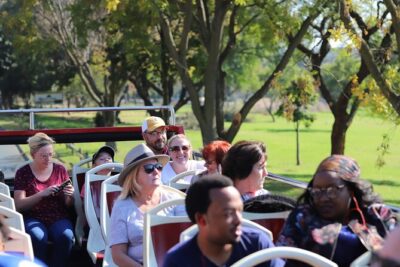 ★ 4.5Johannesburg Hop-On Hop-Off City Tour with Soweto OptionFrom $16768 reviews
 ★ 4.8Johannesburg: Full-Day Tour with Soweto and Apartheid MuseumFrom $104478 reviews
 ★ 4.8Johannesburg and Soweto: Half-Day TourFrom $71439 reviews
 ★ 4.6From Johannesburg: Lion & Safari Park Half-Day TourFrom $167384 reviews
 ★ 5.0Ultimate Johannesburg Soweto Experience with Apartheid MuseumFrom $108313 reviews
 ★ 5.0Half Day Lion Park tour from Johannesburg or PretoriaFrom $100274 reviews
 ★ 4.9Johannesburg: Maboneng Street Art & Culture TourFrom $37257 reviews
 ★ 5.0Johannesburg and Soweto tourFrom $77231 reviews
Browse the lists this tour appears in