
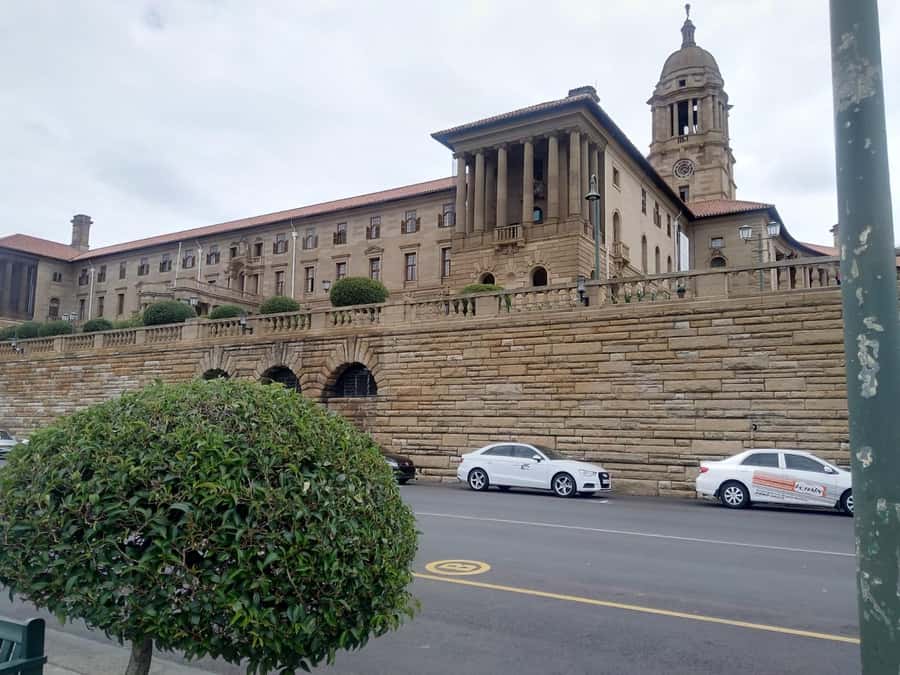
REVIEW · JOHANNESBURG CITY TOURS
Pretoria Soweto And Johannesburg
Pretoria can feel like a movie set, then Johannesburg reminds you it is real life. I like the small group size, where you can actually ask questions, and I really like the Mandela and 1976 sites that turn big names into specific places. One caution: a few people have reported missed or late pickups and slower refund follow-through, so double-check your meeting details before you set out.
You get a full day that mixes colonial-era landmarks with modern city texture, including taxi culture and the everyday contrast between neighborhoods. The experience is run by Jeff Tours And Transfers with an English or French live guide, and the route is designed to keep moving while still giving you time at the stops.
At $173 per person for an 8-hour, guided, entrance-fee-included day, this is priced like a solid value tour, especially if you want both Pretoria history and Soweto’s human stories without doing the logistics yourself. If you prefer lots of downtime, you might find the pace a bit full.
In This Review
- Key Highlights You Should Care About
- The Big Picture: Pretoria to Soweto in One Day
- Starting Your Day With Pickup Options That Actually Help
- Voortrekker Monument: Pretoria’s “Symbols First” Opening
- Pretoria City Stops: Union Buildings and Church Square
- Johannesburg Intro: Downtown Reality and Hillbrow Sightseeing
- Soweto Arrival: The Tour’s Heartbeat in Orlando West
- Vilakazi Street and Mandela House Museum
- Hector Peterson Museum and Memorial: 1976 Uprisings Explained on the Ground
- Johannesburg and Soweto Neighborhood Contrast, Including Taxi Culture
- Food and Timing: A Day That Packs a Lot
- Guides Make or Break It: Joseph and Victor as Examples
- Price and Value: Why $173 Can Be Worth It
- Accessibility and Comfort: What’s Covered
- Should You Book This Tour?
- FAQ
- How long is the Pretoria, Soweto and Johannesburg tour?
- What is the price per person?
- Where can you be picked up, and where do you get dropped off?
- Which museums or major sites are included?
- What languages are the live guides?
- How large is the group?
Key Highlights You Should Care About
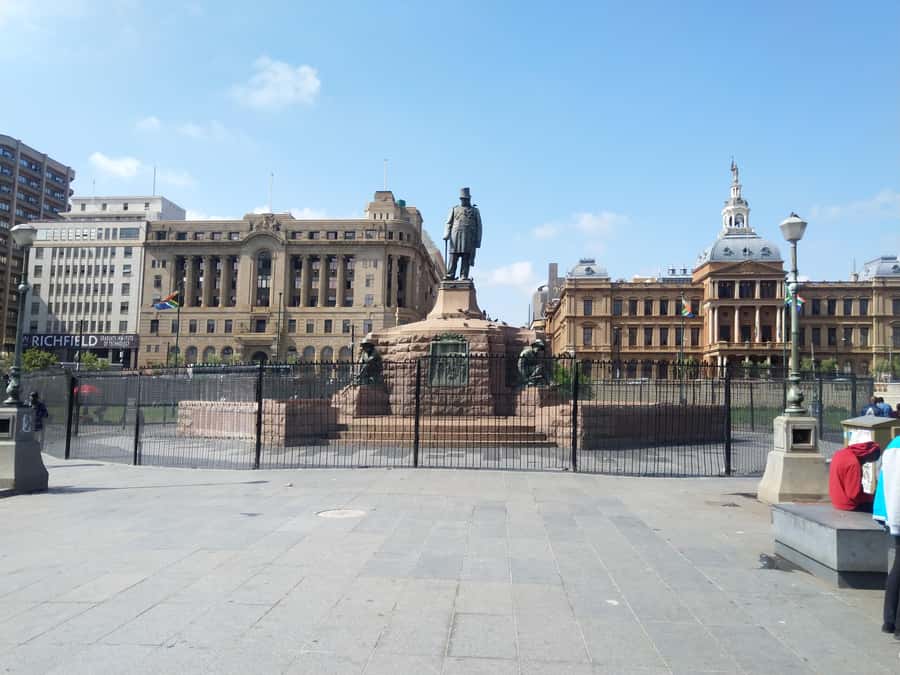
- Small group (up to 15) keeps the day personal, not like a bus tour
- Pretoria landmarks like the Voortrekker Monument and Union Buildings give you the political backbone
- Soweto walking and museums connect Vilakazi Street to the Mandela House Museum and the Hector Peterson Memorial
- Neighborhood contrast from Hillbrow to Orlando West shows the city’s social range in one loop
- Taxi culture and local streets help you understand Johannesburg beyond postcard views
Other Soweto routes we have reviewed, each with a local guide
- Johannesburg and Soweto tour★ 5.0 · 231 reviews
- Soweto Half Day Tour★ 5.0 · 231 reviews
- Soweto walking tour with a taxi ride★ 4.5 · 42 reviews
- Soweto, Kliptown, Eldorado Park Tour★ 5.0 · 41 reviews
The Big Picture: Pretoria to Soweto in One Day

This tour is built for one main goal: help you see how South Africa’s story shifts city by city, and block by block. You start in Pretoria with colonial and early South African governance landmarks, then you move into Johannesburg’s downtown and inner-city areas, then you reach Soweto, where the modern struggle and resilience are placed right in front of you.
What I like most is that it is not just a checklist of places. You also get the city “how it feels” parts, like passing through busy districts, seeing different housing styles, and watching how taxis shape movement through the day. That context matters, because Pretoria and Johannesburg can look very different on a map, yet they connect through people, politics, and labor history.
You’ll also notice that the tour stops include both “big monument” moments and smaller, museum-based learning. The museums bring the message home at eye level. The monuments help you understand why certain places became symbols.
One more detail that helps your day go smoother: pickup is offered from several locations, so you are not forced to start at one fixed hotel zone. That convenience is real when you are managing one busy day.
Starting Your Day With Pickup Options That Actually Help
The day starts with pickup from one of these five choices: Randburg, Sandton City, O.R. Tambo International Airport, Rosebank, or Johannesburg. That flexibility is useful, especially if you are staying in the north Johannesburg corridor or arriving around O.R. Tambo.
Why this matters: in Gauteng, traffic can be unpredictable. A pickup that’s close to where you already are can save you stress before the tour even begins.
If you want the smoothest experience, I suggest you confirm your exact pickup name and time with the provider (Jeff Tours And Transfers) before departure. From the issues that some passengers have described, the problem was rarely the sites, it was getting the first handoff right.
Once you’re on the vehicle, the day stays organized. It is a full 8 hours, so you should plan on wearing comfortable walking shoes, bringing water, and expecting some driving time between neighborhoods.
Voortrekker Monument: Pretoria’s “Symbols First” Opening
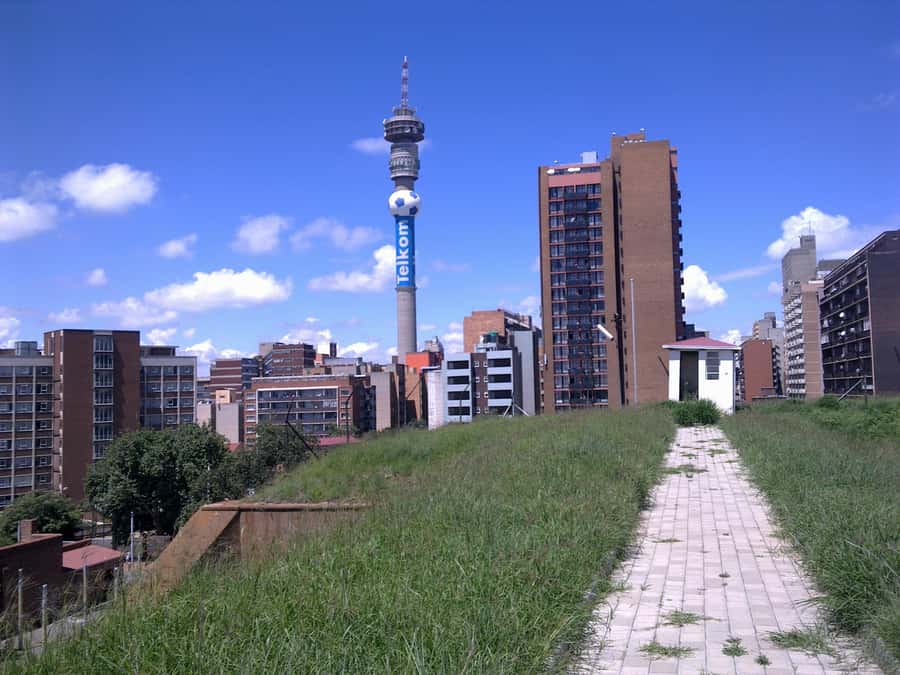
You’ll begin your guided experience at the Voortrekker Monument, with about an hour set aside for a guided tour. This stop is a strong opener because it frames early settlement and nation-building themes through a very visible, monumental style.
What to look for: pay attention to the way architecture and scale are used to communicate meaning. Even if you do not know the full background yet, the sheer size and intentional design tell you that this is meant to be a symbol.
What I like about starting here is that it gives you a framework. Then, when you later see the Union Buildings and the memorials connected to the 1976 Uprisings, you can compare how power, memory, and identity are expressed in different ways.
Possible drawback: if monuments are not your thing, you may feel like you want more time walking in neighborhoods. Still, the next stops balance this with political landmarks and museum depth.
Pretoria City Stops: Union Buildings and Church Square
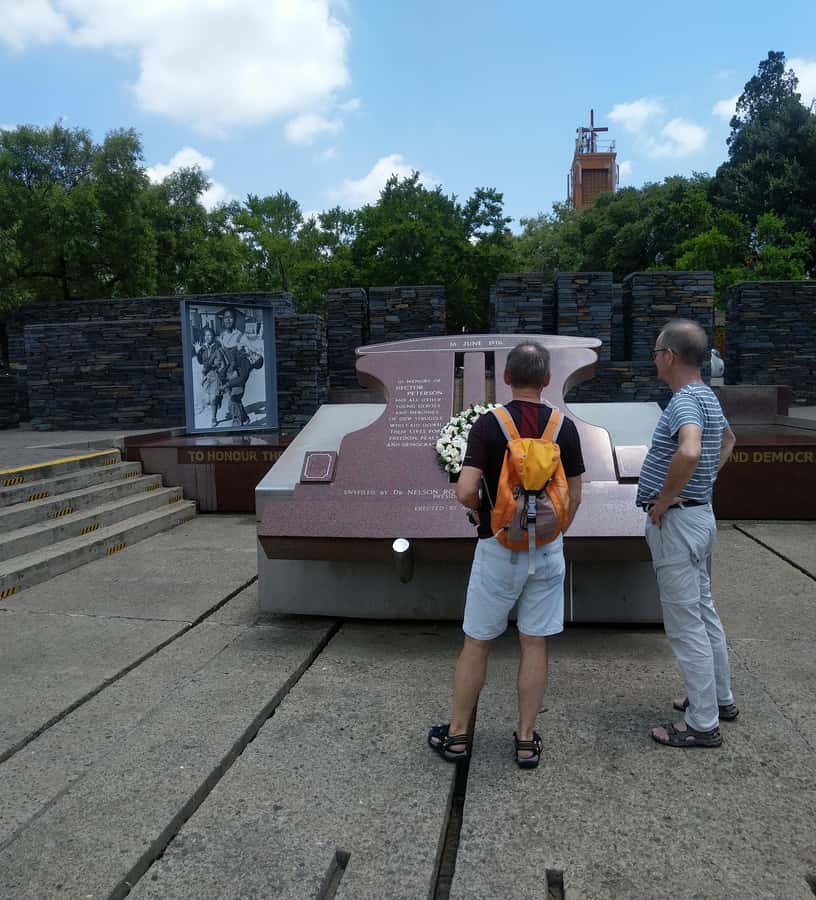
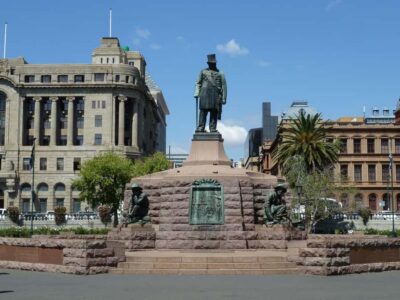
After the monument, you’ll go into Pretoria for a guided city segment that lasts about an hour. Then you have separate guided time for Church Square (about 30 minutes) and the Pretoria Union Buildings (about 30 minutes).
Here’s how these pieces fit together for your understanding:
- Church Square helps you see Pretoria’s civic and historic core, where public life and early settlement-era institutions overlap.
- Union Buildings connects you to modern political power in a way that feels visible from the outside. It is the kind of stop where you start to understand why certain locations become the center of national attention.
I also like that this segment gives you breathing room to ask questions through the guide. These are the kind of places where a good explanation changes how you read what you’re seeing.
If you have limited time in Pretoria, this portion does the job. If you plan to return to Pretoria later for a deeper independent visit, you’ll at least know the major anchors.
More of Joburg, neighbourhood by neighbourhood

Johannesburg Intro: Downtown Reality and Hillbrow Sightseeing
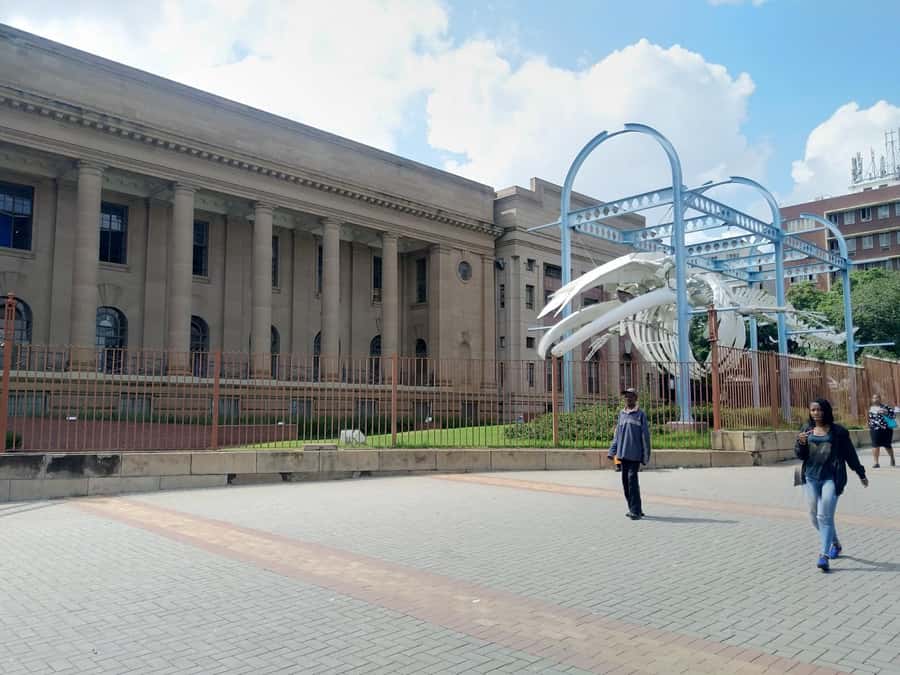
Once the route shifts to Johannesburg, you get about an hour of guided time in the city, plus a shorter sightseeing moment in Hillbrow (around 20 minutes). This part of the day is your bridge between Pretoria’s official landmarks and Soweto’s community-centered history.
What to expect in Johannesburg: more street life, more vehicles, and more “city in motion” energy. Hillbrow is one of those inner-city areas where you can quickly grasp how dense urban life is.
I recommend you use this section to get your bearings. If you can mentally map the feel of downtown and Hillbrow, then Soweto will make more sense as both a place and a system of movement, work, and memory.
It is also a good moment to ask the guide how the neighborhoods you are seeing connect to the broader story of the country. A strong guide can turn what would otherwise be just drive-by scenery into something you remember.
Soweto Arrival: The Tour’s Heartbeat in Orlando West
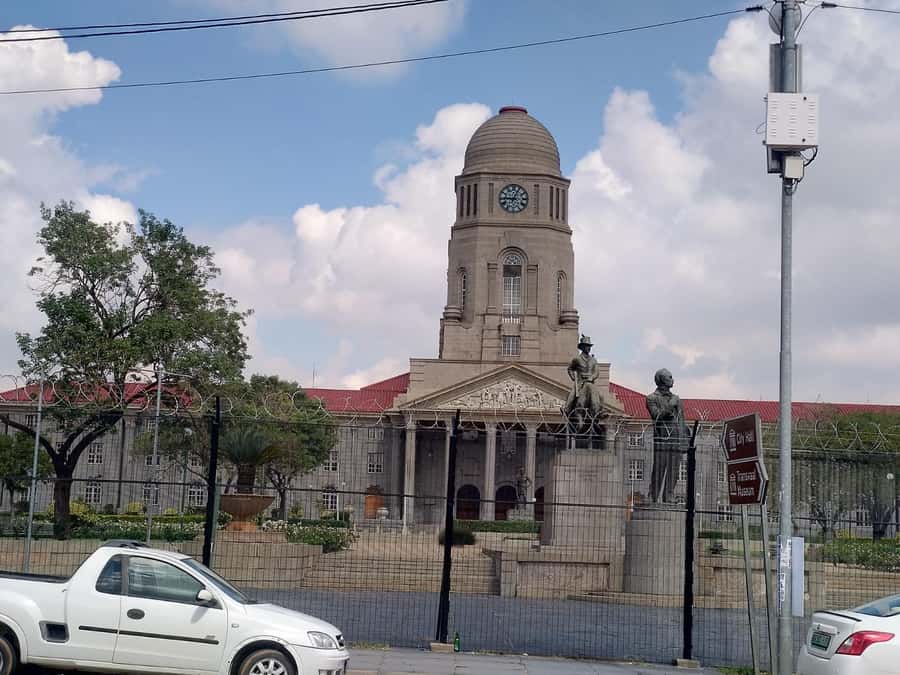
Soweto is where the day slows down in meaning, even when you’re still driving. You get a guided tour of about 1.5 hours in Soweto, plus additional guided time around Orlando West and Vilakazi Street.
One of the reasons this part works well is the variety of stops. You’re not only looking at one “museum square.” You’re also seeing different housing styles and the everyday spaces where life happens. You may pass by matchbox-style houses and areas with hostels, and you’ll get a sense of upmarket suburbs sitting near more basic forms of housing.
That contrast is not just visual. It tells you how history and economics shaped neighborhoods, and why “city life” in Johannesburg is complicated.
You’ll also drive past Bishop Desmond Tutu’s house. Even though it’s brief, it is an interesting point on the map because it links major moral leadership to a specific residential setting you can actually see.
Another big factor: the tour includes time tied to the 1976 Uprisings, so Soweto becomes more than a neighborhood label. It becomes a place where key events are remembered through institutions and memorial sites.
Vilakazi Street and Mandela House Museum
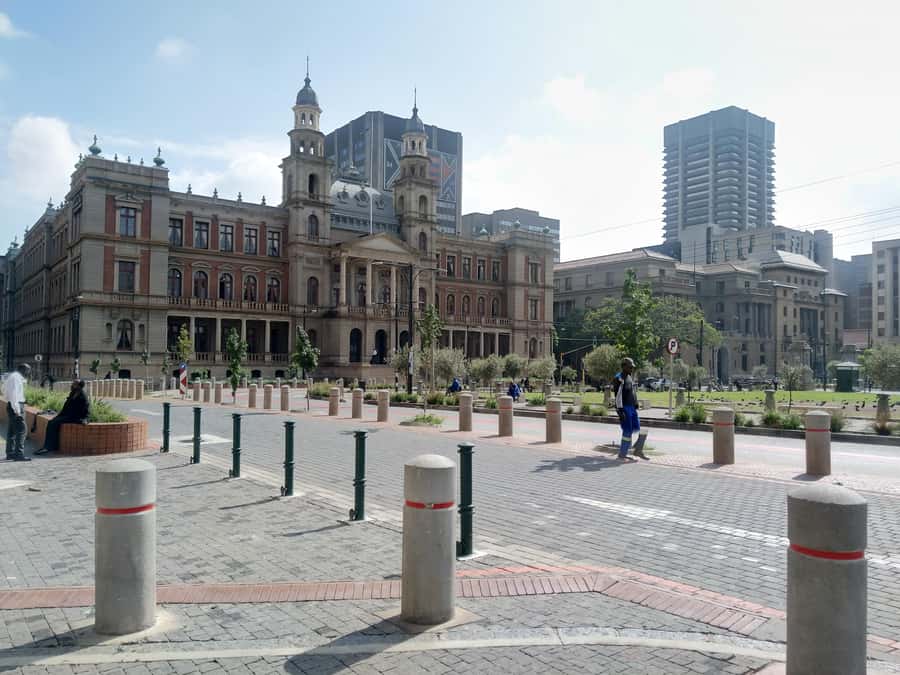
Vilakazi Street, in Orlando West, is one of the most meaningful stops in the whole day. You get guided time here, about 30 minutes, and the plan includes a visit to the Mandela House Museum.
Why this is worth your time: Mandela’s story does not live only in books. On Vilakazi Street, you see the kind of place where memory is kept and where visitors can connect names to physical reality.
If you like history that is human scale, this stop tends to land well. It also pairs naturally with what you learn at the Hector Peterson Museum and Memorial. Together, they help you understand how the 1976 generation’s actions connect to later national leadership.
I also like that the guide can explain the relationship between street-level life and national-level change. This is where the tour’s guided format earns its keep.
Hector Peterson Museum and Memorial: 1976 Uprisings Explained on the Ground
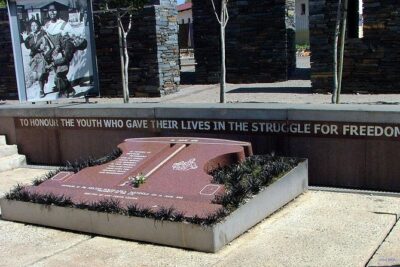
The Hector Peterson Museum and Memorial is included, and this is one of the stops you should treat with extra attention. It is connected to the 1976 Uprisings, and the memorial setting makes the topic feel immediate.
What I’d do with your time here: keep your questions in your pocket and use the guide’s explanations. This museum-style stop works best when you understand the why behind the displays, not just the dates.
From a learning standpoint, this is a turning point. Earlier stops help you identify institutions and symbols. Here, the narrative shifts toward a lived moment and a turning point that shaped the future.
If you are sensitive to heavy topics, plan your day so you do not rush. The 8-hour format is busy, but this is the part where it is most useful to slow your mind down.
Johannesburg and Soweto Neighborhood Contrast, Including Taxi Culture
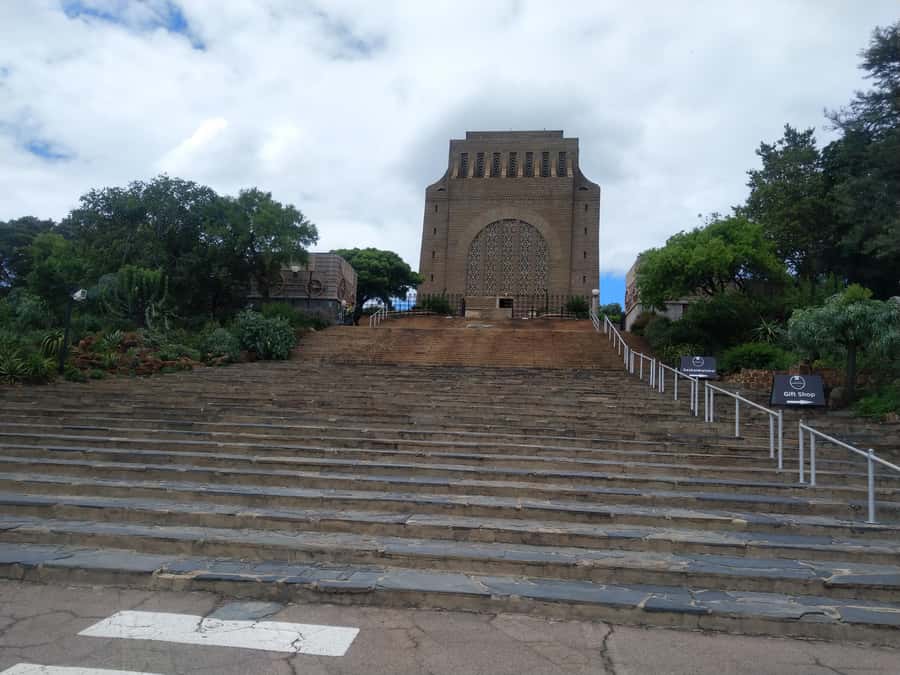
A big part of what you get on this tour is the street-level contrast between districts. You will drive past different suburbs in Johannesburg and Soweto, and the route is designed to show separation and connection patterns across the city.
You’ll also see taxi culture up close, including stops or passing through areas tied to Baragwanath taxi activity. Even if you do not ride a taxi yourself, watching how taxis function in a high-demand city tells you something important about mobility and daily life.
One thing to know: inner-city areas can be busy and fast-moving. Keep your phone secured, keep your belongings zipped, and listen to the guide on where to stand and how to move. The guide helps you read the scene, and that reduces your stress.
Food and Timing: A Day That Packs a Lot
You’ll be on the go for about 8 hours, with guided segments ranging from 20 minutes to 1 hour, plus longer time in Soweto. That means the day is not designed for lingering in one place.
For me, the best approach is to treat this as a “city orientation with serious stops.” You’re not trying to see everything. You’re trying to see enough, in the right order, to understand the big picture.
There is also mention that lunch can include typical South African dishes during the day. The tour does include entrance fees, and the format typically allows time to eat while you’re moving through the route. If lunch is a priority for you, I’d set aside some extra patience because timing is tied to traffic and guided pacing.
Guides Make or Break It: Joseph and Victor as Examples
This tour lives and dies by the guide. And in the cases that went really well, the guides were not just reciters of facts. They were genuinely helpful and easy to talk to.
For example, Joseph is noted for being punctual and for having a deep, practical grasp of Johannesburg, Pretoria, and Soweto. People also described Victor as professional and caring, including explanations that covered both the good and the difficult sides of South Africa during the day.
Why this matters for your decision: you will spend a lot of time in transit and on guided stops. If the guide is strong, the route turns into a story you can follow. If not, it can feel like you’re just being transported between checkpoints.
Also, you get English or French live guiding. If you care about comfort and nuance in the explanations, choose the language option that matches how you think best.
Price and Value: Why $173 Can Be Worth It
At $173 per person for an 8-hour guided day, you are paying for three main things:
- Guided time at major sites across multiple cities
- Entrance fees included (Voortrekker Monument, Paul Kruger House Museum, Mandela House Museum, and Hector Peterson Museum)
- Transport plus city navigation in Gauteng traffic
If you tried to do this route on your own, you would spend time figuring out schedules, booking museum tickets, and designing a logical order so you are not zigzagging across the metro. The tour bundles those choices into one day.
The value gets even better if you want specific museums without hunting down hours and locations. Entrance fees matter most when you hit multiple museums, which this route does.
My one “value” caution: if your biggest priority is a calm pace with no chance of disruption, you should weigh the risk of pickup problems. Some people reported waiting a long time when a driver did not arrive, and there were mentions of refunds not arriving as expected. That does not mean it will happen to you, but it is enough to justify confirming your meeting point in advance and having a plan B if something goes wrong.
Accessibility and Comfort: What’s Covered
The tour is listed as wheelchair accessible, and the group is kept small, limited to 15 participants. Small group size helps with movement, especially at museums and memorials where crowds can get annoying fast.
What you should still consider: accessibility does not automatically mean every step is easy. Museum layouts vary, and city sidewalks vary. If accessibility is a major need, I’d contact the provider ahead of time and ask how they handle entrances and transfers.
Should You Book This Tour?
Book it if you want a guided, one-day route that links Pretoria landmarks to Johannesburg downtown texture and then to Soweto’s museum-and-memorial learning, with entrance fees handled for you. This is a good fit if you like structure, clear explanations, and a route that tries to connect the dots between government, community, and the 1976 Uprisings.
Think twice if you are extremely sensitive to timing problems or if your travel schedule cannot tolerate any disruption on pickup day. If you do book, do two things: confirm pickup time and location with Jeff Tours And Transfers, and keep your contact details updated so the guide can reach you.
If you get a strong guide, this day can be one of the most meaningful ways to understand Gauteng beyond surface sightseeing.
FAQ
How long is the Pretoria, Soweto and Johannesburg tour?
The duration is 8 hours.
What is the price per person?
The price is $173 per person.
Where can you be picked up, and where do you get dropped off?
Pickup options include Randburg, Sandton City, O.R. Tambo International Airport, Rosebank, and Johannesburg. Drop-off locations include Johannesburg, Sandton City, Randburg, O.R. Tambo International Airport, and Rosebank.
Which museums or major sites are included?
The included sites are Voortrekker Monument, Paul Kruger House Museum, Mandela House Museum, and Hector Peterson Museum, with entrance fees included for these.
What languages are the live guides?
Live tour guides are available in English and French.
How large is the group?
The tour is a small group limited to 15 participants and is listed as wheelchair accessible.
Pretoria: More on the Itinerary
Johannesburg, Block by Block
Soweto: Other Guided Routes
Keep going: the rest of our Pretoria write-ups
- Pretoria City Tour and Cullinan Mine Tour from Johannesburg
★ 5.0 · 3 reviews - Full Day Soweto, Johannesburg and Apartheid Museum Guided Tour
★ 5.0 · 3 reviews - Cradle of Humankind Full Day Tour from Pretoria and Johannesburg
★ 4.5 · 3 reviews - 3-Day Private Tour Johannesburg – See everything
★ 5.0 · 3 reviews - From Johannesburg: Pretoria Guided City Tour
★ 4.5 · 3 reviews - Pretoria Tour-Voortrekker Monument, Town, Union Buildings
★ 5.0 · 3 reviews
Johannesburg City Tours, compared.
 ★ 4.5Johannesburg Hop-On Hop-Off City Tour with Soweto OptionFrom $16768 reviews
 ★ 4.8Johannesburg: Full-Day Tour with Soweto and Apartheid MuseumFrom $104478 reviews
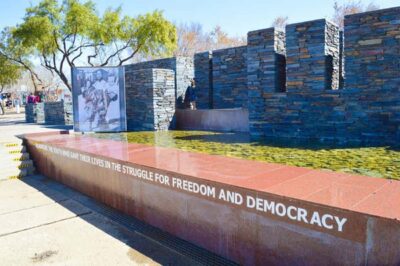 ★ 4.8Johannesburg and Soweto: Half-Day TourFrom $71439 reviews
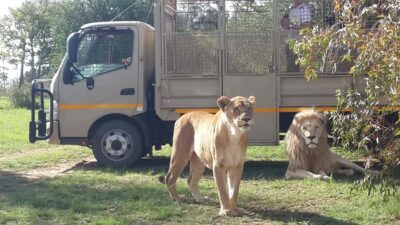 ★ 4.6From Johannesburg: Lion & Safari Park Half-Day TourFrom $167384 reviews
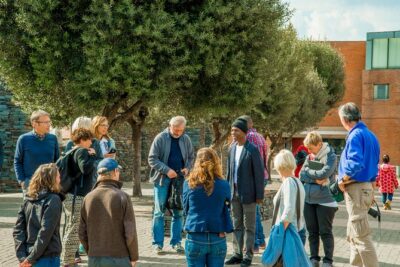 ★ 5.0Ultimate Johannesburg Soweto Experience with Apartheid MuseumFrom $108313 reviews
 ★ 5.0Half Day Lion Park tour from Johannesburg or PretoriaFrom $100274 reviews
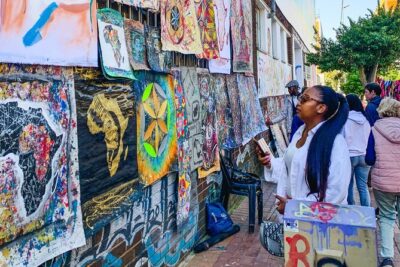 ★ 4.9Johannesburg: Maboneng Street Art & Culture TourFrom $37257 reviews
 ★ 5.0Johannesburg and Soweto tourFrom $77231 reviews
Browse the lists this tour appears in