
REVIEW · KNYSNA AND PLETTENBERG BAY TOURS
Plettenberg Bay: EcoKidz Family Wildlife Tour
Kids and wildlife learn at the same pace. In Plettenberg Bay, the EcoKidz Family Wildlife Tour at Tenikwa turns EcoKidz booklet quizzes into a guided hunt for South Africa’s wild cats, all in about 90 minutes. It is designed for kids 5 to 12, so the pacing stays kid-sized and the conservation message stays simple.
I especially like that you get a real wildlife-rehabilitation setting, not a generic animal show, and the tour builds toward a take-home certificate. One possible drawback: the experience is short and structured, so if your family wants a very chatty, long-form lecture, you might feel a bit time-pressed.
In This Review
- Key highlights to expect at Tenikwa’s EcoKidz tour
- Tenikwa Wildlife Rehabilitation, the setting for EcoKidz
- The 90-minute EcoKidz tour pace, built for ages 5 to 12
- Safety briefing and the first wildlife viewing stop
- Meerkat Meander and owls, the stops that grab attention fast
- Searching for African wildcats in their enclosures
- Cheetahs, leopards, and the white lion moment
- Penguins prepared for release, conservation that goes beyond the cats
- EcoKidz booklet quizzes and certificates, turning a walk into a keepsake
- Camp activities, shopping, and an on-site break for coffee and lunch
- What $28 gets you in Plettenberg Bay value terms
- Getting there: Tenikwa meeting point and a simple route off the N2
- Weather, rules, and small tips that make the tour smoother
- Who should book this EcoKidz Family Wildlife Tour
- Should you book the EcoKidz Family Wildlife Tour at Tenikwa?
- FAQ
- How long is the EcoKidz Family Wildlife Tour?
- What ages is the EcoKidz tour best for?
- Where does the EcoKidz tour meet?
- What is included in the price?
- Are food and drinks included?
- What restrictions should we know about?
- Is the tour wheelchair accessible?
- Is there free cancellation and a pay later option?
Key highlights to expect at Tenikwa’s EcoKidz tour
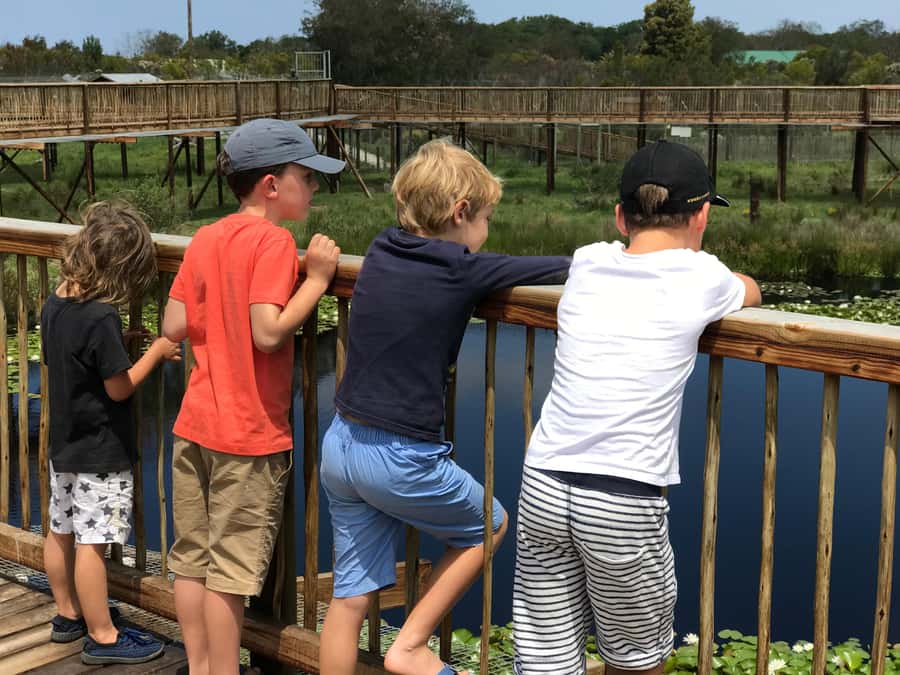
- Kid-focused wildlife route with a guide who keeps the group moving through the park
- Meerkat Meander and owls as early stops that help kids stay engaged
- Guided searches for African wildcats in their enclosures
- Big-cat variety including cheetahs, leopards, and a magnificent white lion
- Penguins prepared for release as part of the conservation message
- Booklet quiz + certificate so kids leave with proof of what they learned
More around the lagoon, the forest and Plett
- Plettenberg Bay: Private Guided Wildlife Photography Tour★ 4.9 · 49 reviews
- Plettenberg Bay: EcoKidz Family Wildlife Tour★ 4.8 · 19 reviews
Tenikwa Wildlife Rehabilitation, the setting for EcoKidz
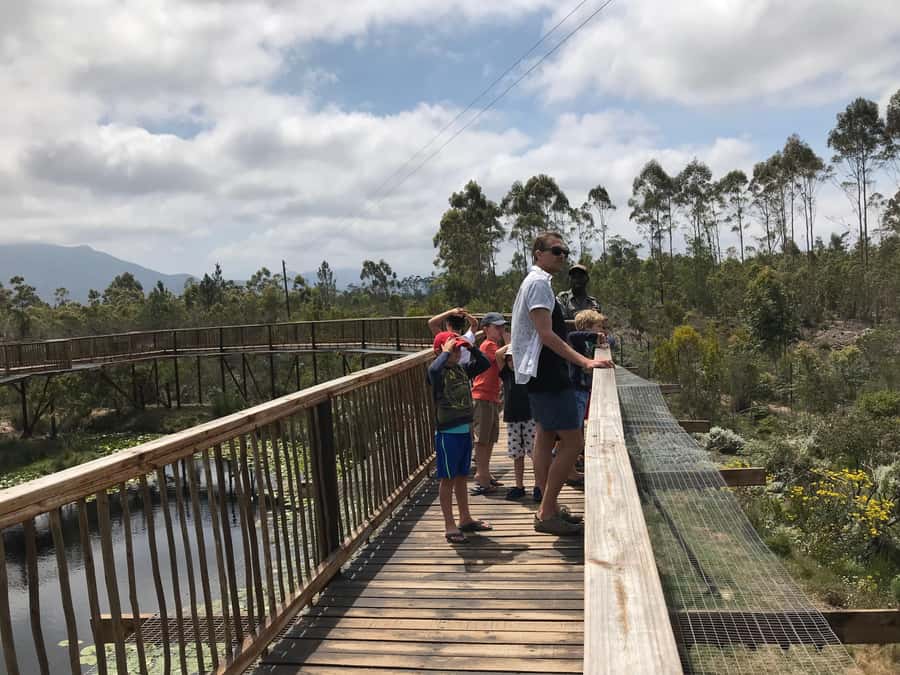
Tenikwa Wildlife Rehabilitation & Awareness Centre is the kind of place where animals are part of a bigger mission, not just attractions. The EcoKidz tour is built around indigenous species and conservation topics, which helps you explain the why behind what your kids see. You are stepping into a working awareness centre, so the vibe is educational, practical, and hands-on in spirit, even though touching wildlife is not allowed.
This matters for families. Kids can sniff out the difference between a show and a real program. When you frame the animals as creatures with needs, roles, and threats, the whole visit clicks. And when the tour wraps with an EcoKidz certificate, it reinforces the idea that learning about nature is something you take home, not something you forget when you get back in the car.
The 90-minute EcoKidz tour pace, built for ages 5 to 12
The tour runs about 90 minutes, so it is not a half-day commitment. That is a plus for parents who already have plans in Plettenberg Bay, and it is also easier for kids to manage than a longer, slower outing. The route includes a walk and wildlife viewing time, plus activities designed specifically for children.
EcoKidz is structured to keep attention from drifting. You will get guided stops at multiple animal areas, and at the same time your guide helps kids work through the EcoKidz booklet quiz. If you are traveling with a 5-year-old who needs frequent engagement, this format is likely to feel more natural than an all-adult safari style tour.
The tour is also described as an all-weather program. Rain jackets are provided if the weather turns, so you are not stuck canceling at the first cloud.
Safety briefing and the first wildlife viewing stop
Your visit begins at Tenikwa with a short safety briefing, then you settle into the flow of the centre. Right away, there is a photo stop before the guided viewing begins. It is a small but smart move, because it helps families get oriented before the animals start to feel like a moving target.
You should plan to arrive about 15 minutes early. That buffer matters more here than at some tours, because you want your kids calm, ready, and comfortable before the group sets off. Wear comfortable walking shoes, because you will be doing a guided walk through the viewing areas.
Also note the rules: no selfie sticks, and no touching or feeding of wildlife. If your child is the type who wants to reach out, it helps to explain before you arrive that the safest, most respectful way to see animals is from a distance.
Meerkat Meander and owls, the stops that grab attention fast
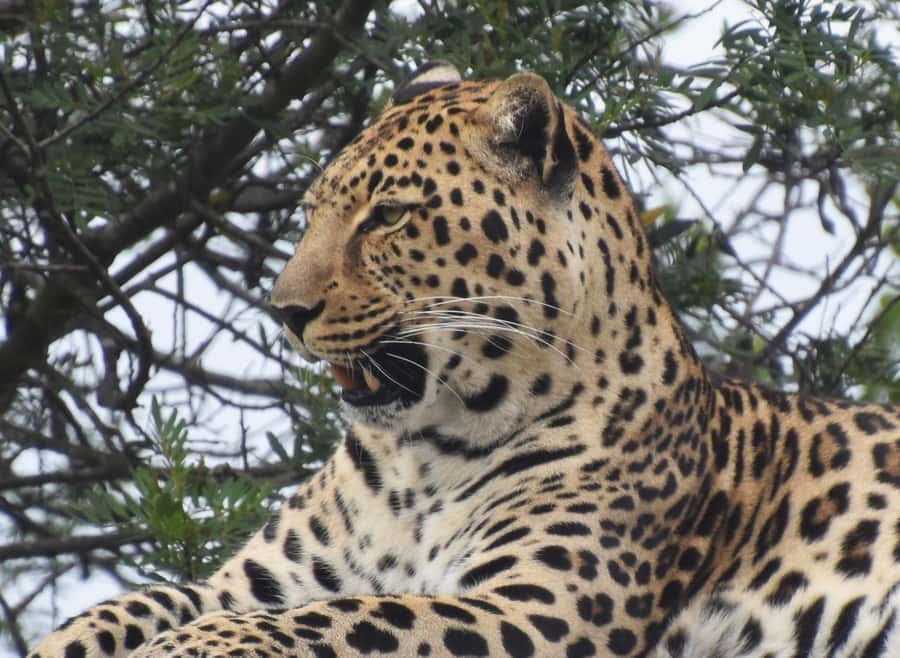
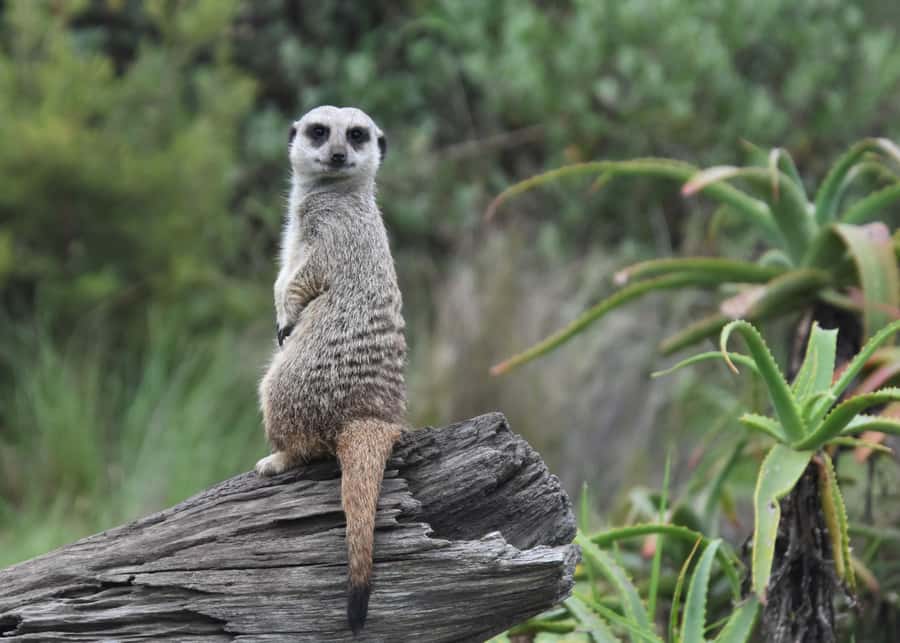
One of the best parts of the EcoKidz plan is how it anchors early with animals that feel familiar and fun for kids. The Meerkat Meander and the owls are highlighted stops, and they tend to work well because they are active and visually engaging. Meerkats are busy animals, so the viewing tends to feel lively even when the group is small and moving along at a steady pace.
Owls add a different kind of excitement. Even if kids do not know the species name, they usually notice their posture and stillness. That is a good contrast early in the tour, so the kids do not feel like they are only chasing fast movers.
These early stops also help you with the learning goal. When kids are paying attention, the guide can explain traits and how animals fit into their ecosystem without losing them halfway through.
Searching for African wildcats in their enclosures
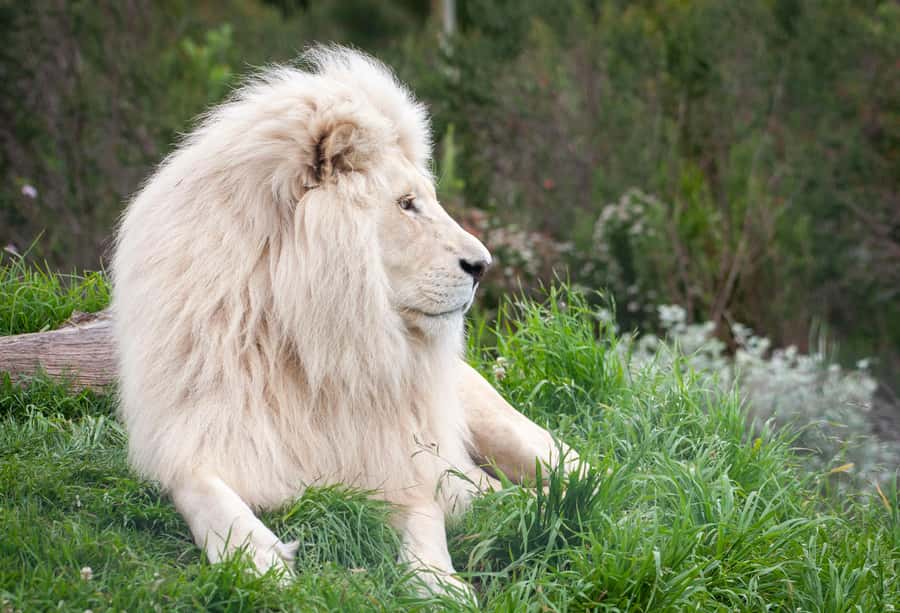
This tour includes a kid-friendly element that makes the conservation topic feel like a game: you search for African wildcats in their enclosures. Instead of treating wildlife viewing like a passive activity, the guide turns it into active looking. For many families, that is the difference between a distracted walk and a meaningful one.
You can expect the guide to explain characteristics and the place each animal holds in the ecosystem, starting with the big-picture idea that wild cats do not exist in isolation. Your kids learn that predators, prey, and habitats are connected, and that conservation is about protecting systems, not just individual animals.
If your child loves quizzes, this part is a natural bridge. The idea is simple: watch carefully, notice what you can see, and follow the guide’s prompts while working on the EcoKidz booklet quiz.
Cheetahs, leopards, and the white lion moment
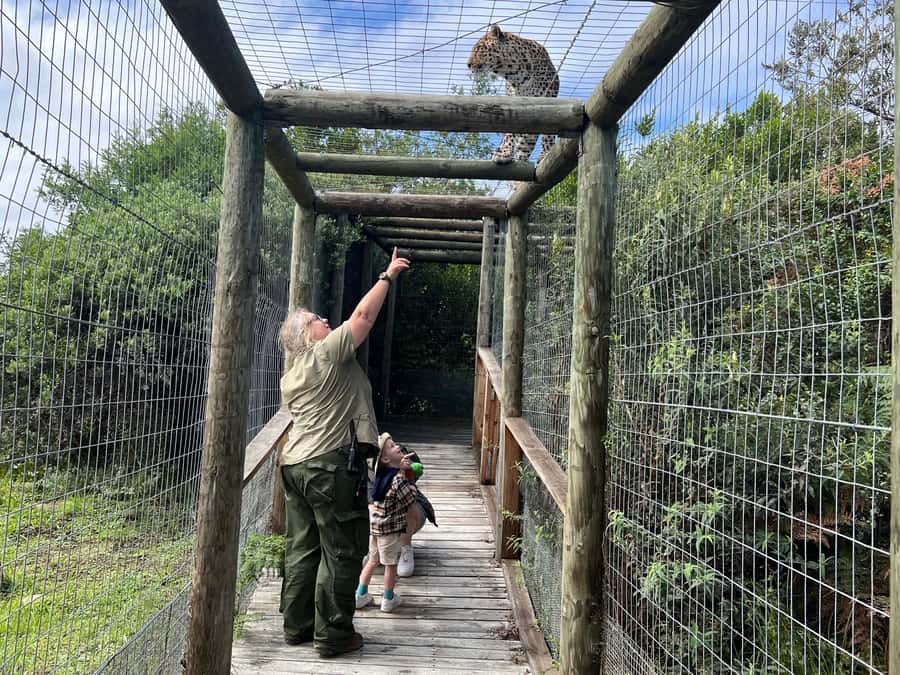
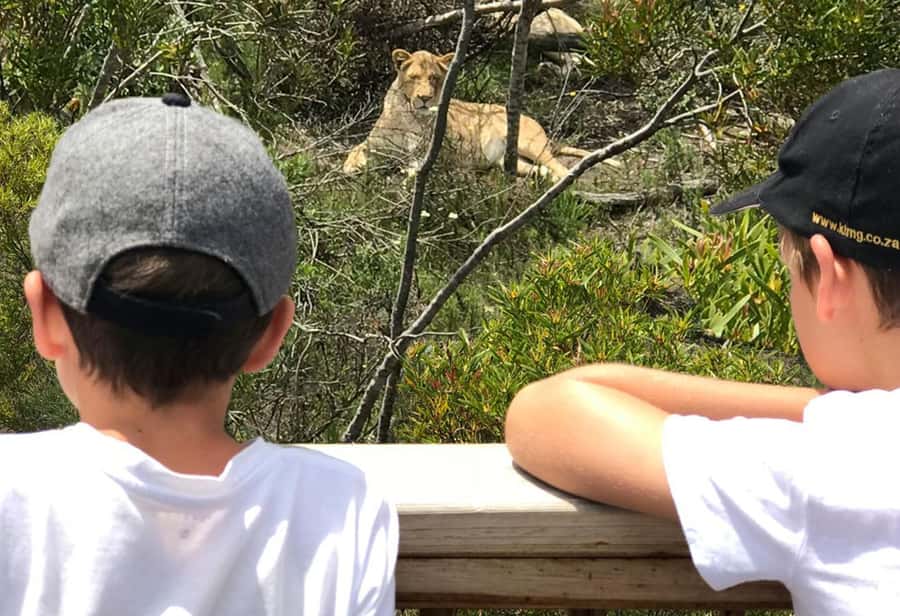
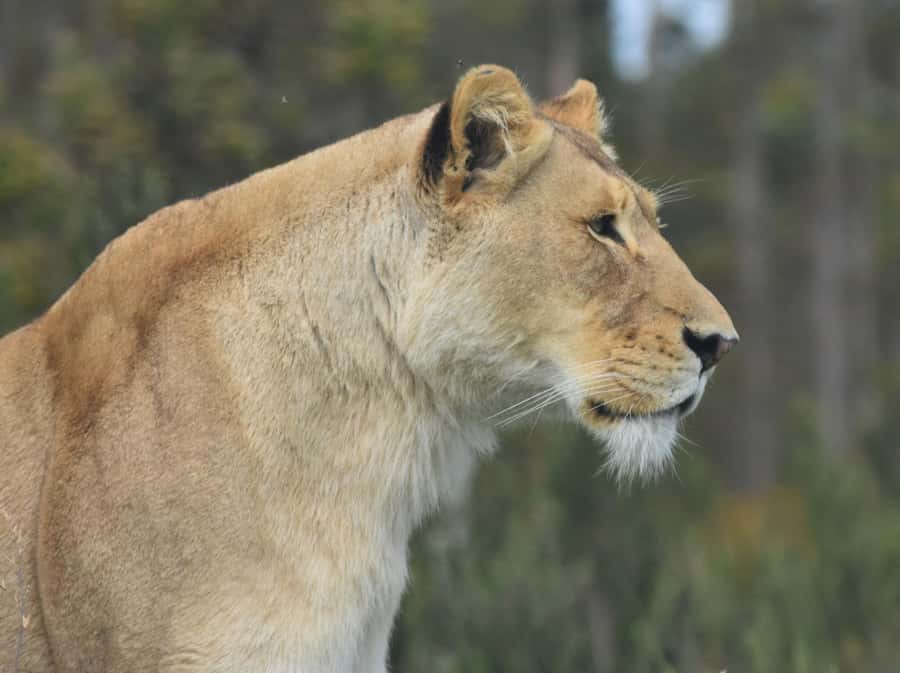
Big cats are a huge reason families book the EcoKidz tour. You will see cheetahs, leopards, and a magnificent white lion, plus other wild cats. Watching multiple types in one guided route helps kids understand that not all cats are the same, even if they share the general style of hunting and survival.
What makes this more valuable than a checklist is the explanation that ties the animals together. The guide introduces each species and discusses traits, behavior, and how they fit into the ecosystem. That turns animal spotting into learning, which is exactly what you want for ages 5 to 12. Kids walk away feeling like they learned something real, not just saw animals.
One practical note: because the tour is structured and time-bound, you will want to be ready when you reach the big-cat areas. Kids get restless if they feel stuck, so the best results come from keeping their attention on the guide and the task at hand, like the booklet quiz questions.
Penguins prepared for release, conservation that goes beyond the cats
The EcoKidz tour does not only focus on the wild cats. You also get to see penguins that are being prepared for release. That is a powerful conservation signal, because it connects wildlife viewing to rehabilitation and protection.
This kind of stop often helps parents teach a less obvious message: conservation is not only about protecting animals in the wild. It is also about helping injured or affected animals recover and return to healthier futures. Seeing that process in action makes the conservation talk feel grounded.
The tour’s overall theme includes environment issues and ways families can help create a healthier world. If you want your kids to connect their daily choices to the natural world, this kind of messaging is what makes the outing more than just entertainment.
EcoKidz booklet quizzes and certificates, turning a walk into a keepsake
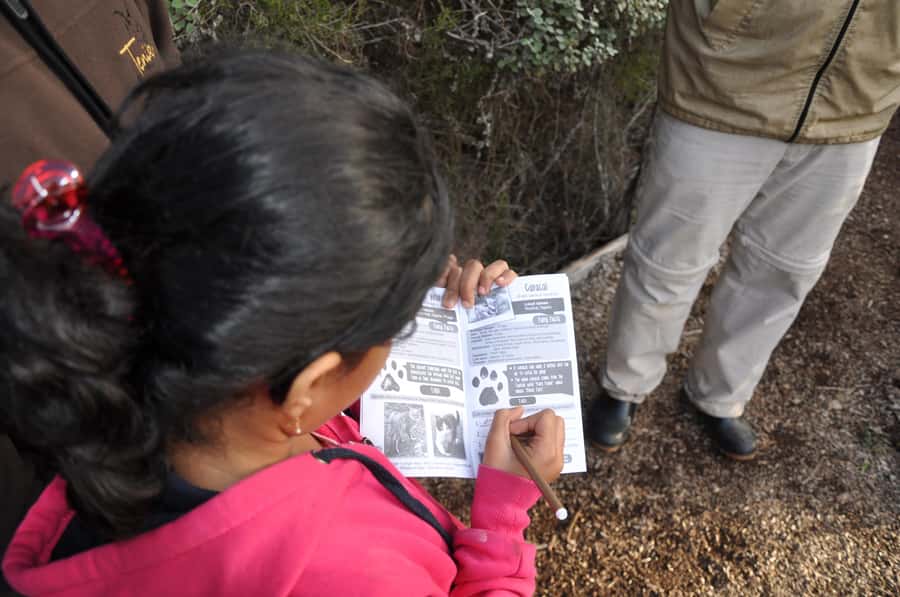
Here is where the tour earns its name. Children complete quiz-style prompts from the EcoKidz booklet with help from the guide, and after the tour they receive educational material plus an EcoKidz Certificate. That means your kid gets to leave with a tangible souvenir that is not just a photo.
For parents, this is one of the smartest parts of the program. A certificate gives kids closure and pride. It also gives you something to talk about later on, when the animals feel like a distant memory.
I also like that the tour is guided in English, so you are not scrambling for translation during the most important explanation moments. If your child gets shy, the quiz format can gently pull them into the activity without putting them on the spot.
Camp activities, shopping, and an on-site break for coffee and lunch
After the main wildlife viewing, you shift into camp activities, then there is time for shopping and an on-site break that includes coffee and a brunch or lunch window. Food and drinks are not listed as included, so plan to pay for what you eat or drink at the centre during that time.
The value of this structure is practical. Kids get a break before the day moves on. Parents get a chance to regroup, check the weather, and buy small keepsakes without turning the tour into a scavenger hunt.
The shopping time also matters in a subtle way. When families can buy a practical souvenir, like an education-related item, it can reinforce what kids learned. Just remember: this is still part of a time-boxed 90-minute experience, so keep your browsing light if you have a schedule to meet.
What $28 gets you in Plettenberg Bay value terms
At $28 per person for a 90-minute guided experience, the value really comes from the package, not just the animal viewing. You are paying for an allocated guide, a structured wildlife tour, the EcoKidz booklet quiz (one per participating child), and the EcoKidz Certificate (one per participating child). Add rain gear for inclement weather, and it feels more like an educational activity than a simple ticket to see animals.
You also get a conservation-focused approach where the guide explains how each animal fits into the ecosystem and addresses environment issues. That is hard to recreate on your own with a drive and a quick loop through a park, especially with kids who need frequent prompts.
Compared with wildlife experiences that only offer viewing, this one is more likely to produce that end-of-tour feeling where kids can tell you what they learned. For many families, that is worth paying for.
Getting there: Tenikwa meeting point and a simple route off the N2
You meet at Tenikwa, and finding the entrance is easier if you follow the signposting. Look for the signpost on the N2 that says Tenikwa, Monkeyland, Elephant Sanctuary. From there, at Animal Alley, take the left-hand fork with Tenikwa signposted, then drive past Kurland Village. At the fork, keep right again, following the Tenikwa signs, and check in at reception.
Parking is available at reception. Plan to lock valuables and backpacks in your vehicle. It is also wise to keep your camera ready, since cameras are allowed, but selfie sticks are not.
If your family plans to visit Monkeyland or the Elephant Sanctuary too, this meeting point is convenient because the area is already grouped by signage. That can save time and stress when you are juggling multiple attractions in one day.
Weather, rules, and small tips that make the tour smoother
Tenikwa runs an all-weather program, and rain jackets are provided in inclement weather. Still, you should wear comfortable walking shoes because wet ground makes walking less stable. Sun protection matters too, so bring a sun hat and sun protection lotion, especially if the day starts bright.
Keep these rules front and center with kids:
- No touching animals
- No feeding wildlife
- No selfie sticks
If your child asks why, a simple line helps: animals stay safe and so do we. The best kind of family wildlife viewing is the kind where everyone follows the boundary and gets the best view possible.
Who should book this EcoKidz Family Wildlife Tour
This is a good fit if you are traveling with kids between 5 and 12 and want a wildlife experience that blends viewing with conservation learning. It also works well if you are visiting Plettenberg Bay and want something shorter than a full-day excursion, but still meaningful.
The tour is wheelchair accessible, which is important if you are managing mobility needs in your group. Since the experience includes walking, I would still plan on supportive footwear and help as needed, but the access is stated as available.
Your guide experience can shape the day. Some families are drawn to the strong kid connection and communication of guides like Sandile, while other families may find the pace more structured and less chatty depending on who is leading. Either way, the booklet quiz and certificate keep the experience anchored for children.
Should you book the EcoKidz Family Wildlife Tour at Tenikwa?
I think you should book this tour if you want an animal encounter that is built for kids, not just watched by kids. The combination of wild cat viewing, a guided search for African wildcats, conservation messaging, and the EcoKidz quiz and certificate makes it more likely your child will remember the trip after you drive away.
Skip it or consider something else if your family is expecting a long, free-roaming safari-style experience with lots of optional time at each animal. EcoKidz is designed to be structured, kid-friendly, and time-limited.
If your family is ready for rules, a bit of walking, and a fun educational approach, this is a solid, well-priced way to experience Tenikwa and come home with learning you can actually show.
FAQ
How long is the EcoKidz Family Wildlife Tour?
It runs for approximately 90 minutes.
What ages is the EcoKidz tour best for?
It is ideally suited to children ages 5 to 12.
Where does the EcoKidz tour meet?
Meet at Tenikwa Wildlife Rehabilitation & Awareness Centre. Look for the signpost on the N2 for Tenikwa, Monkeyland, Elephant Sanctuary, then follow the Tenikwa directions to the reception check-in.
What is included in the price?
You get an allocated guide, a guided wildlife tour, an EcoKidz booklet quiz for each participating child, an EcoKidz certificate for each participating child, and rain gear for inclement weather.
Are food and drinks included?
No. Food and drinks are not included, though the tour includes a time slot for coffee and a brunch or lunch break at the centre.
What restrictions should we know about?
Selfie sticks are not allowed, and you must not touch or feed the wildlife.
Is the tour wheelchair accessible?
Yes, the tour is listed as wheelchair accessible.
Is there free cancellation and a pay later option?
Yes. Free cancellation is available up to 24 hours in advance for a full refund, and you can reserve now and pay later.
Wildlife Encounters in Tenikwa Wildlife Rehabilitation Awareness Center
Knysna and Plett: More on the Doorstep
Keep going: the rest of our Tenikwa Wildlife Rehabilitation Awareness Center write-ups
- Plettenberg Bay: EcoKidz Family Wildlife Tour
★ 4.8 · 19 reviews - Plettenberg Bay: Private Guided Wildlife Photography Tour
★ 4.9 · 49 reviews
Knysna and Plettenberg Bay Tours, compared.
 ★ 4.7Plettenberg Bay: Swim with SealsFrom $61887 reviews
 ★ 5.0Knysna Ziplines TourFrom $48688 reviews
 ★ 4.7Little Brak River: Botlierskop Guided Game DriveFrom $40589 reviews
 ★ 5.0Plettenberg Bay: Bungee Jumping with Zipline and Sky WalkFrom $97506 reviews
 ★ 5.0Bloukrans Bungy, the worlds best bungy jump!From $97504 reviews
 ★ 4.7Storms River: Tsitsikamma National Park Zipline Canopy TourFrom $55481 reviews
 ★ 4.5Knysna: 75-Minute Lagoon Boat CruiseFrom $31445 reviews
 ★ 5.0Standard Canyoning Trip in The Crags, South AfricaFrom $60381 reviews
Browse the lists this tour appears in