
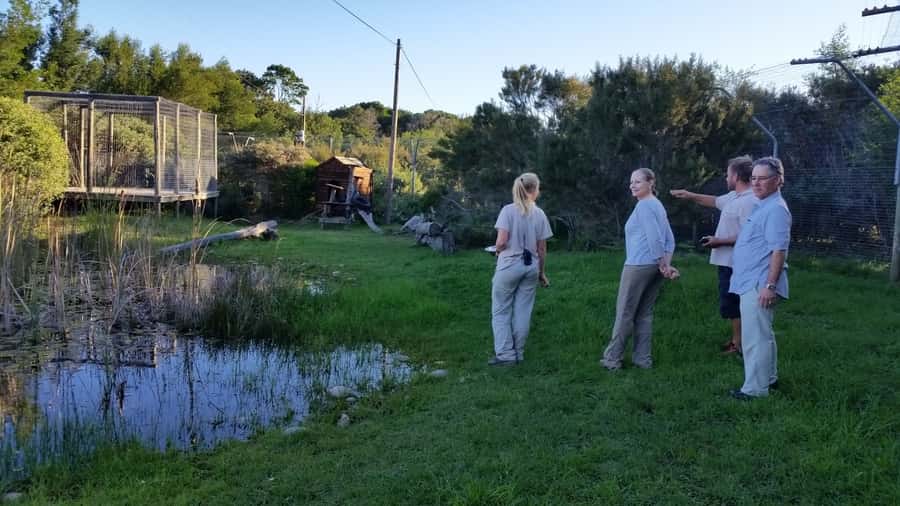
REVIEW · KNYSNA AND PLETTENBERG BAY TOURS
Plettenberg Bay: Cats in Conservation Full Day Tour
A day with Tenikwa is about respect, not just sightseeing. You start by helping with early animal and enclosure checks, then spend the day learning how wild cats are admitted, cared for, and supported with enrichment. I especially love the chance to see conservation work up close, not from behind a fence, and the way the guide connects species needs to real care routines.
Two things I really like: the behind-the-scenes access to a rehabilitation center that is not open to the general public, and the photo opportunities that come from being near the cats during guided activities. A possible drawback to weigh: this is a hands-on day with rules (no touching, no selfie sticks) and plenty of walking, so it is not the easiest outing if your group wants a relaxed, purely seated experience.
In This Review
- Key highlights worth your time
- Tenikwa in Plettenberg Bay: what this full day is really like
- Getting ready: shoes, sun, rain gear, and the no-touch rules
- The first hour: safety briefing and morning camp activities
- Breakfast and orientation at the Boma restaurant
- The wild cat tour: learning species needs by seeing real care
- Watching how animals enter and are cared for in the hospital
- Tsitsikamma forest walk when conditions allow
- Life enrichment for non-releasable cats: more than a feel-good activity
- Lunch and a drink, then feeding prep and feedings
- End of day: securing animals for the night
- Photography: great chances, with one big reminder
- Price and value: what $104 covers and why it is not just a ticket
- Who should book, and who should skip this day
- Practical details so your day runs smoothly
- Should you book Cats in Conservation at Tenikwa?
- FAQ
- What is the duration of the Cats in Conservation tour?
- How much does the tour cost?
- Is hotel pickup and drop-off included?
- What meals are included?
- What should I bring for the day?
- Are selfie sticks allowed?
- Can I touch or feed the animals?
- Is the tour suitable for children?
- Is the tour offered in bad weather?
Key highlights worth your time
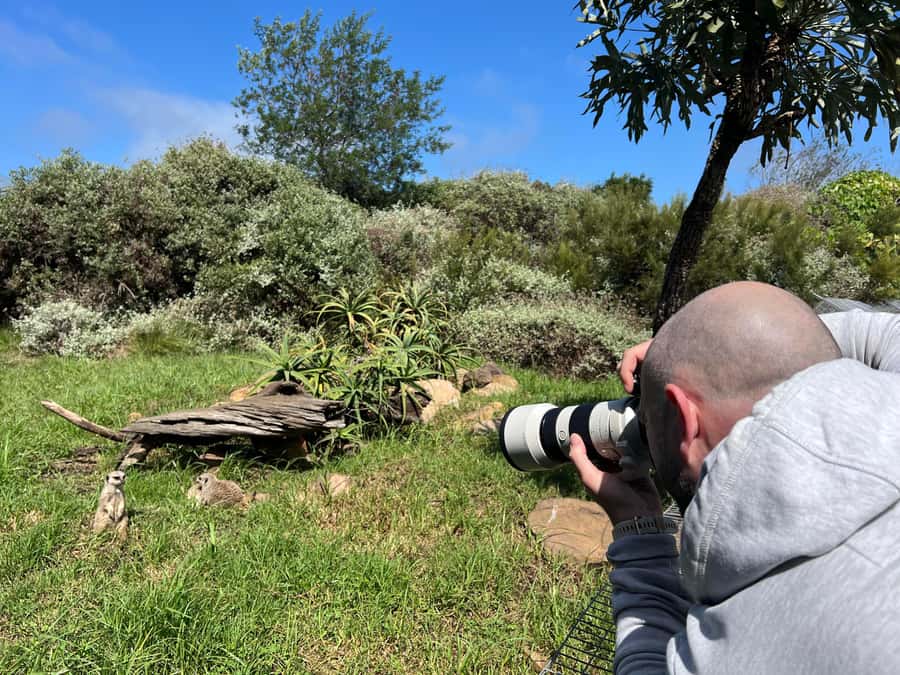
- Early morning animal checks with the keepers, before the crowds
- Private guided wild cat tour focused on indigenous South African species
- Rehab hospital observation that shows how animals are admitted and monitored
- Enrichment for non-releasable animals, meant to support daily quality of life
- Feeding preparation and feeding watch, with staff doing the real work
- Optional Tsitsikamma forest walk if weather and timing allow
More around the lagoon, the forest and Plett
- Plettenberg Bay: Private Guided Wildlife Photography Tour★ 4.9 · 49 reviews
- Plettenberg Bay: EcoKidz Family Wildlife Tour★ 4.8 · 19 reviews
Tenikwa in Plettenberg Bay: what this full day is really like
Tenikwa Wildlife Rehabilitation and Awareness Centre is set up for one big goal: rescue, rehabilitation, and education focused on indigenous species. This full day tour gives you more than a nice visit. You join the flow of keeper routines, learn the reasons behind each step, and see how a conservation center functions when the day is already in motion.
If you care about animals and want your time in South Africa to feel meaningful, this is a strong fit. You also get a lot of guided attention. The schedule is paced so you are not stuck waiting around, and the guide has room to explain what you are seeing.
Getting ready: shoes, sun, rain gear, and the no-touch rules
Plan for a day outdoors with a bit of movement between spots. Wear comfortable shoes and dress in clothes you can walk in, because you will be going on guided walks and moving through different areas of the center.
You also need to come prepared for sun and insects. Bring a sun hat, sunscreen, and insect repellent. The program is all-weather, so Tenikwa provides rain gear if the day turns wet.
Important behavior rules are part of the experience. No touching animals and no feeding wildlife. Cameras are fine, but no selfie sticks on tour. It is easy to follow, and honestly it makes the day safer for the cats and more enjoyable for you, since staff can focus on care instead of managing distractions.
The first hour: safety briefing and morning camp activities
You start at the Tenikwa Wildlife Rehabilitation and Awareness Centre, then there is a short safety briefing. After that, you get into the rhythm of morning work and camp activities.
The best part here is that you are not just watching from the sidelines. You help with animal husbandry tasks that include enclosure checks and basic day-to-day routines. It gives the whole day a practical backbone, like you finally understand what a wildlife rehab center does when the phone calls stop and it becomes maintenance and monitoring time.
Breakfast and orientation at the Boma restaurant
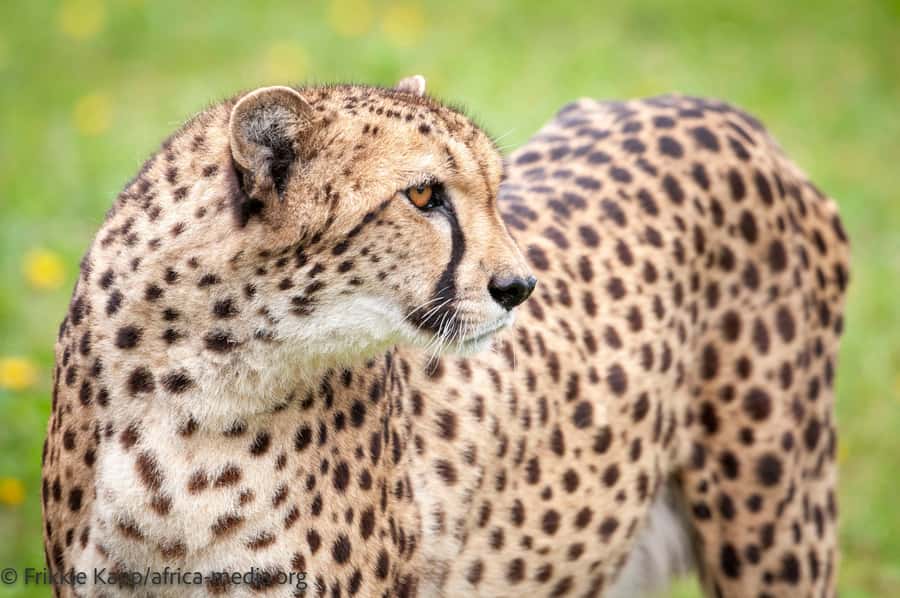
After the morning start, you can enjoy breakfast at the Boma restaurant. The tour includes breakfast with coffee or tea, and this break helps you keep energy up before the main cat viewing blocks.
This is also when the tone sets. Tenikwa is educational, but it is not lecture mode all day. You get guided context for the conservation issues facing different species, and the guide can answer questions as you go.
The wild cat tour: learning species needs by seeing real care
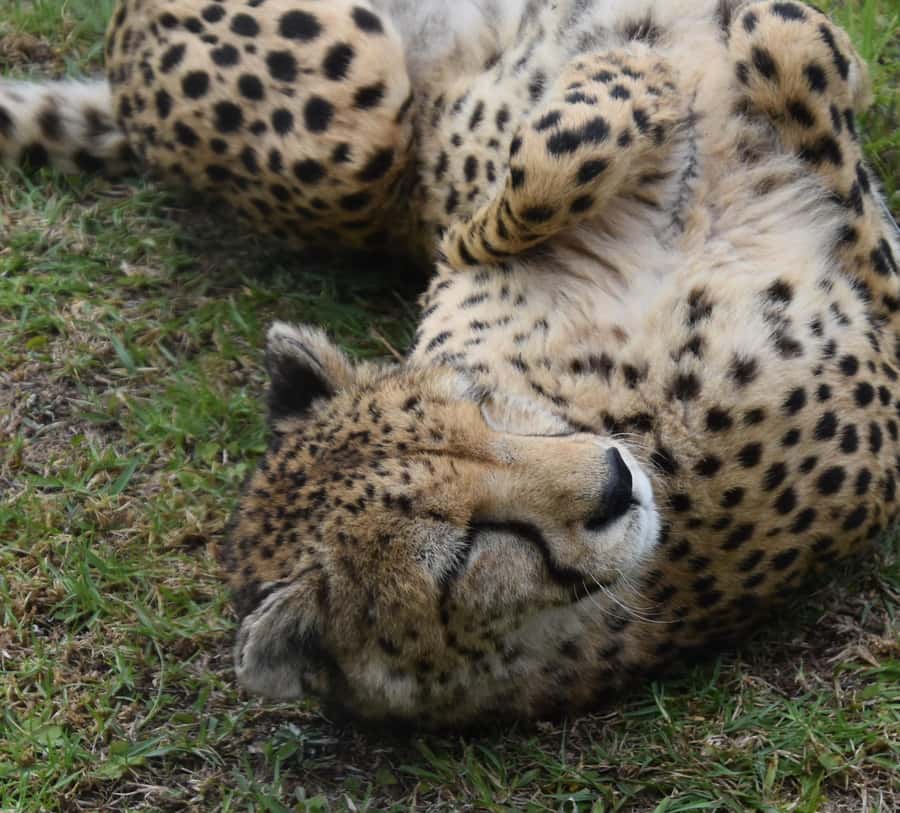
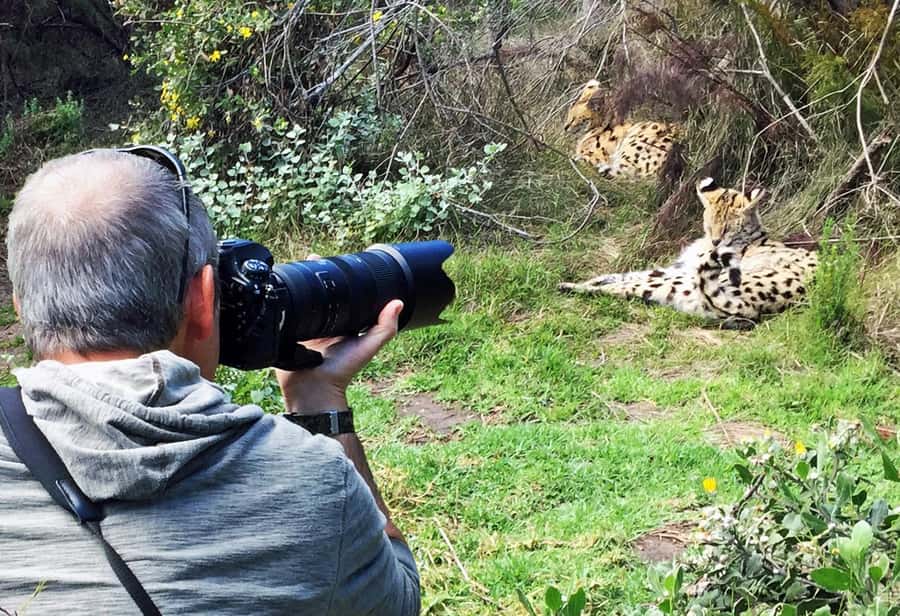
The core of the day is the guided tour to see wild cats of South Africa. You get time to look closely at different indigenous species and learn about conservation challenges specific to them.
A key value here is how the guide frames what you see. You are not just spotting cats. You are learning why a particular type of care is used, and what staff look for during the day. The tour also includes observation in the rehabilitation facilities that are not open to the general public, which means you can see how the center works beyond the public-facing areas.
Photo time is a real part of this segment, and it is not random. Because the day is guided and paced, you are in the right spots at the right moments. Just remember the rule: no touching, no selfie sticks.
If you end up with a guide like Msizi, you are in for extra detail. One guide experience highlighted by past visitors: Msizi can share years at Tenikwa and talk about each cat’s name and personality, in plain language that makes the animals feel like individuals, not just exhibits.
Watching how animals enter and are cared for in the hospital
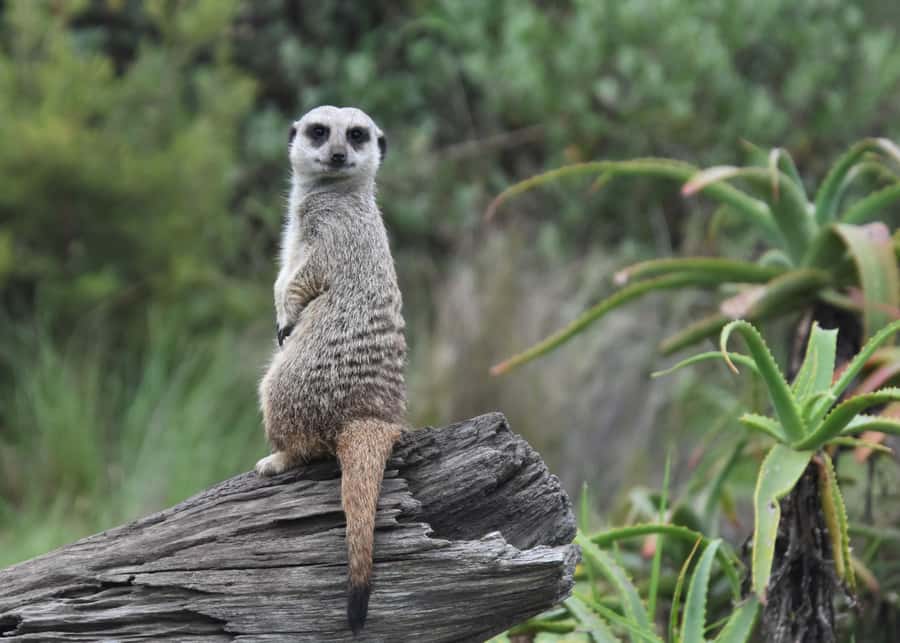
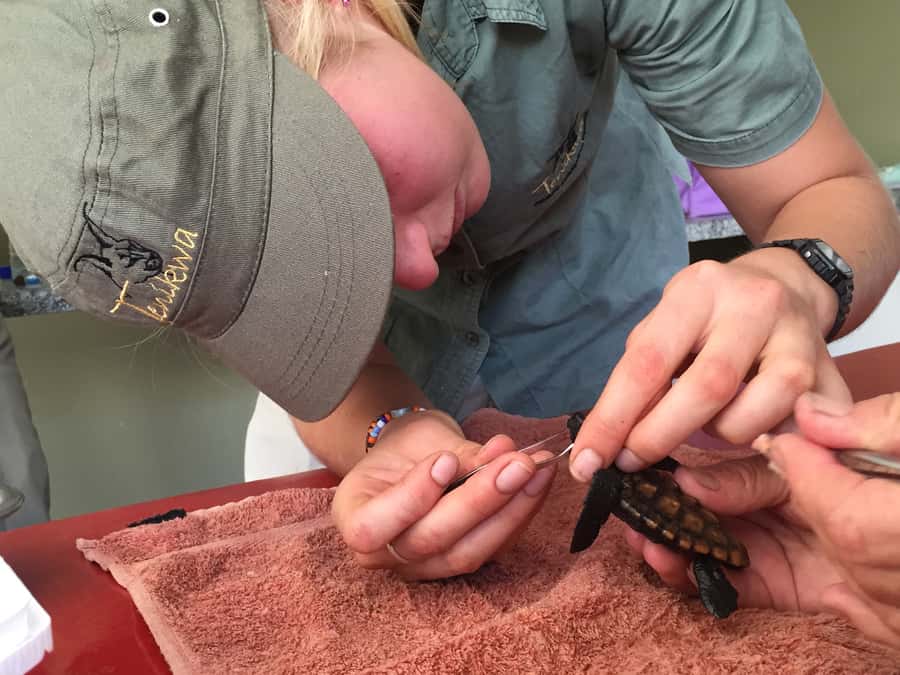
You will also spend time observing how wild animals are admitted and cared for in the wildlife hospital. This is one of those sections that changes how you see the entire center.
It is easy to think rehabilitation is only about feeding and waiting. Tenikwa’s model is more active than that, and you get a chance to understand the monitoring and care steps involved. Even if you only catch parts of it in a day, you walk away with a clearer mental picture of what conservation work looks like after rescue.
Tsitsikamma forest walk when conditions allow
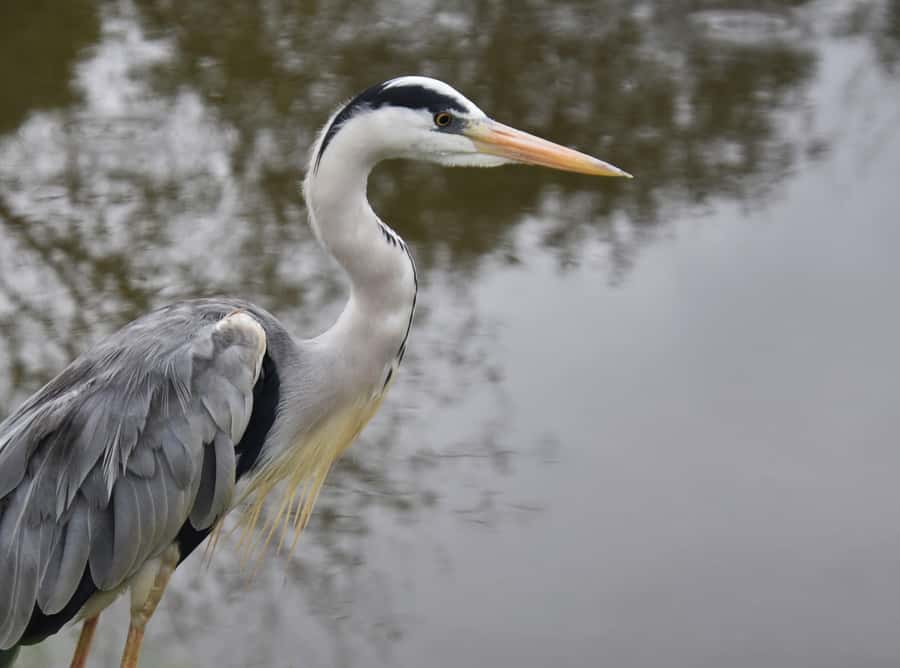
If time and weather permit, you get a guided walk through the indigenous Tsitsikamma forest. This is a softer part of the day, with scenic views on the way and a slower pace than the center work.
Because the tour is still a full-day program, this walk is not guaranteed. But when it happens, it is a nice way to connect the animals to the environment they come from. You also get a break from constant enclosure viewing without losing the conservation theme.
Life enrichment for non-releasable cats: more than a feel-good activity
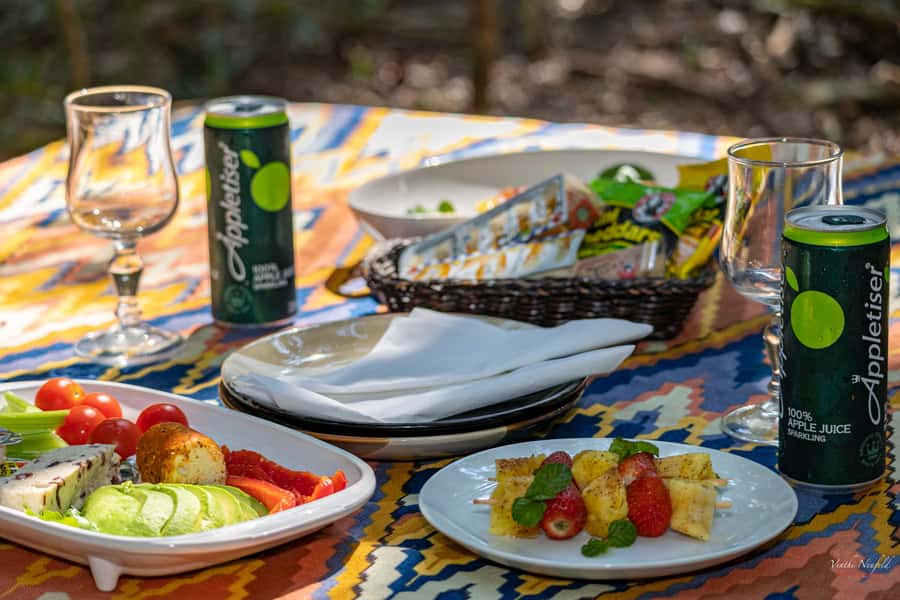
One of the most interesting parts of the tour is helping with a life-enrichment exercise for non-releasable animals. These cats cannot return to the wild, so the center’s job becomes quality-of-life care.
You assist in the enrichment exercise designed to support their daily welfare in captivity. This is the kind of activity that sounds simple until you understand the goal: keep routines natural in spirit, encourage positive behaviors, and give the animals mental and physical stimulation.
This section is also a reminder that good conservation care does not stop at rescue. Sometimes it means long-term support. You see that reality here, with guidance so you know what you are helping with and why.
Lunch and a drink, then feeding prep and feedings
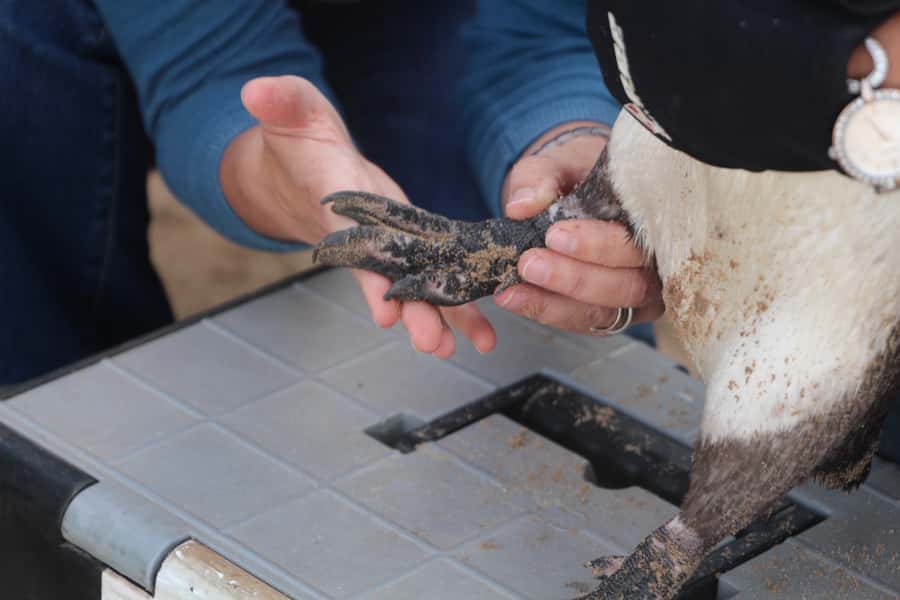
By midday, you’ll have lunch with one drink included, with options like coffee, tea, beer, wine, or a non-alcoholic drink. It is a solid included meal, not just a token snack, and it helps keep the day comfortable.
After lunch, you assist guides in preparing food for the animals. Then you accompany staff to watch feedings. This is where your day stops feeling like a tour and starts feeling like a day at the center, with all the normal work that keeps animals healthy and supported.
You should expect staff to lead and keep control of the process. Your role is supportive, and the payoff is that you understand what goes into feeding beyond simply putting food down.
End of day: securing animals for the night
The final part of the day matters more than most people think. You accompany staff as they secure the animals for the night.
This is where you see the behind-the-scenes side that many visitors never get to witness. It is also where the center’s care becomes continuous, not just a daylight routine. You will have plenty of time to interact with staff and ask questions about conservation efforts, so you leave with a fuller understanding of the mission.
Photography: great chances, with one big reminder
You get amazing opportunities for photographs during cat viewing and guided activities. That said, Tenikwa keeps things controlled for animal welfare and safety.
So plan for long-lens moments rather than close-range play. You can take cameras on tour, but no selfie sticks. If you are the type who likes quick face selfies, you will have to adjust your style for this outing.
Also keep in mind that you are not allowed to touch animals. Your best photos will come from patient viewing, good timing, and following the guide’s directions to stay in safe spots.
Price and value: what $104 covers and why it is not just a ticket
At about $104 per person for a full day, this is not the cheapest option in the Plettenberg Bay area. But the value is strong once you break down what you receive.
You get:
- A guide for the full experience
- Breakfast with coffee or tea
- Lunch with one included drink
- Bottled water
- Observation in rehabilitation facilities not open to the general public
- A guided private wildlife tour
- Behind-the-scenes activities with animal keepers
- Rain gear if weather is bad
The big reason this feels worth it is access and context. A lot of animal experiences are mainly viewing. This one builds in the keeper work, enrichment activities, rehab hospital observation, and the end-of-day routines that show how care continues after you leave.
Who should book, and who should skip this day
This tour is a good match if you:
- Want a hands-on conservation experience rather than a quick sighting
- Enjoy guided learning and structured time at a wildlife center
- Care about animal welfare practices in rehabilitation and long-term care
It is less ideal if you:
- Want a purely relaxed outing with minimal walking and minimal rules
- Are traveling with kids under 9, because the program is not suitable for children under age 9
The good news is that the tour is listed as wheelchair accessible, which makes it more welcoming for mobility needs than many wildlife day trips.
Because it runs as a private group experience in English, it is also a nice choice for families, couples, and small groups who prefer not to blend into a large crowd.
Practical details so your day runs smoothly
Meeting point is straightforward if you follow the signage. Look for the Tenikwa signposted from the N2. At Animal Alley, keep left (signposted), and at the fork keep right (signposted). Check in at reception.
Parking is available at reception. Arrive 15 minutes prior to the start of your tour so you can check in without stress. Also plan ahead by locking valuables and backpacks in your vehicle.
Should you book Cats in Conservation at Tenikwa?
Yes, if you want conservation with substance. This tour gives you real access to how wildlife rehabilitation and long-term animal care work, and it adds activities that show animal welfare thinking in practice, like enrichment for non-releasable cats and feeding routines.
You should think twice only if your ideal day is very low effort. This is a full-day program with outdoor time, guided walking, and clear behavior rules. If you are okay with that, you are likely to come away with a more respectful understanding of the cats and the work behind their care.
If you are building a Plettenberg Bay itinerary, this is the kind of outing that turns your day into a story you can explain, not just a photo set.
FAQ
What is the duration of the Cats in Conservation tour?
The tour lasts 1 day.
How much does the tour cost?
The price is listed as $104 per person.
Is hotel pickup and drop-off included?
No. Hotel pick-up and drop-off are not included.
What meals are included?
Breakfast with coffee or tea is included, and lunch is included with 1 drink. Snacks and additional drinks are not included.
What should I bring for the day?
Bring comfortable shoes, a sun hat, sunscreen, comfortable clothes, and insect repellent.
Are selfie sticks allowed?
No. Selfie sticks are not allowed on tour.
Can I touch or feed the animals?
No. Touching animals and feeding wildlife are not allowed.
Is the tour suitable for children?
This program is not suitable for children under 9 years.
Is the tour offered in bad weather?
Yes. It is an all-weather program, and rain jackets are provided if needed.
Knysna and Plett: More on the Doorstep
Keep going: the rest of our Tenikwa Wildlife Rehabilitation Awareness Center write-ups
- Plettenberg Bay: EcoKidz Family Wildlife Tour
★ 4.8 · 19 reviews - Plettenberg Bay: Private Guided Wildlife Photography Tour
★ 4.9 · 49 reviews
Knysna and Plettenberg Bay Tours, compared.
 ★ 4.7Plettenberg Bay: Swim with SealsFrom $61887 reviews
 ★ 5.0Knysna Ziplines TourFrom $48688 reviews
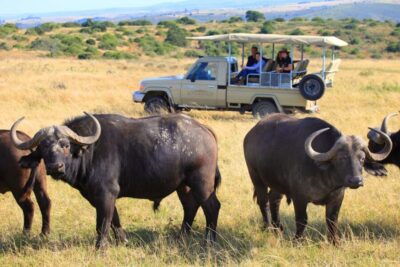 ★ 4.7Little Brak River: Botlierskop Guided Game DriveFrom $40589 reviews
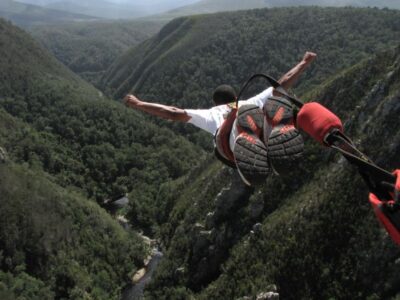 ★ 5.0Plettenberg Bay: Bungee Jumping with Zipline and Sky WalkFrom $97506 reviews
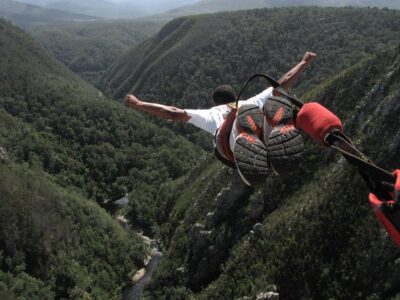 ★ 5.0Bloukrans Bungy, the worlds best bungy jump!From $97504 reviews
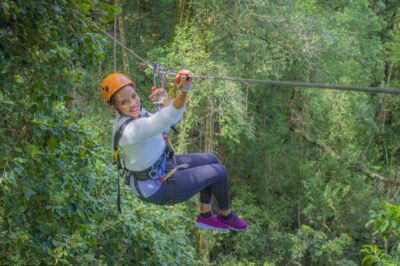 ★ 4.7Storms River: Tsitsikamma National Park Zipline Canopy TourFrom $55481 reviews
 ★ 4.5Knysna: 75-Minute Lagoon Boat CruiseFrom $31445 reviews
 ★ 5.0Standard Canyoning Trip in The Crags, South AfricaFrom $60381 reviews
Browse the lists this tour appears in