
REVIEW · SAFARI GAME DRIVES
Marine Big 5 Safari with transport from Hermanus
Watch whales and sharks where it really happens. This Hermanus marine safari aims for the Marine Big 5, plus dolphins, African penguins, and Cape fur seals, with guided spotting and commentary as you head out to the best local waters. I really like the emphasis on safety equipment and foul weather gear and how the trip uses an onboard marine biologist to turn sightings into real learning.
One thing to consider: you are out in the elements. Expect wind and swell sometimes, and the boat setup means you will feel it even if the crew runs a tight, calm operation.
In This Review
- Key Things That Make This Cruise Worth It
- The Marine Big 5 Goal From Hermanus, and Why It’s So Addictive
- Hotel Pickup and Timing: What a Half-Day Really Feels Like
- Onboard Marine Dynamics: Safety Gear, Foul Weather Kit, and Crew That Runs Tight
- Stop 1 on the Water: Marine Dynamics and the Marine Big 5 Search
- Stop 2 at Gansbaai’s Great White House: Coffee Break and the Conservation Context
- Stop 3 at APSS: The African Penguin and Seabird Sanctuary Visit
- What You’re Most Likely to See: Dolphins, Penguins, Seals, Sharks, Whales
- Food, Comfort, and Photo Reality on a Boat Day
- Price and Value: Is $164.49 Worth It?
- Who This Trip Suits Best (and Who Should Skip It)
- Book It or Wait: My Practical Verdict
- FAQ
- What animals does the Marine Big 5 safari look for?
- How long is the experience?
- Is hotel pickup and drop-off included?
- What food is provided on the trip?
- Is entry to the African Penguin and Seabird Sanctuary included?
- What safety gear is provided?
- Is trip footage included?
- What is the maximum group size?
- What happens if weather is poor?
Key Things That Make This Cruise Worth It
- Marine Big 5 focus with targeted chances at whales, great white sharks, Cape fur seals, dolphins, and African penguins
- Onboard marine biologist and a crew built around spotting and explaining what you are seeing
- Weather-ready gear plus inflatable life-jackets and wet weather clothing
- Real conservation stop with entry to the African Penguin and Seabird Sanctuary (APSS)
- Food that matches a boat day, with tea and coffee on arrival, then warm soup and bread after
- Small-ish group feel with a maximum of 45 travelers and one crew member looking after about 6 to 7 guests
More whale season mornings on Walker Bay
- Hermanus: Whale and Dolphin Watching Boat Trip★ 4.6 · 807 reviews
- Boat Based Whale Watching from Hermanus★ 4.5 · 205 reviews
- Shark Cage Diving and Viewing with transport from Hermanus★ 4.0 · 81 reviews
- Marine Big 5 Safari with transport from Hermanus★ 5.0 · 64 reviews
The Marine Big 5 Goal From Hermanus, and Why It’s So Addictive
Hermanus is already famous for marine life, but this trip goes a step further. Instead of doing a general whale cruise, it is built around a specific hit list: dolphins, African penguins, Cape fur seals, great white sharks, and several whale species. That focus matters because it shapes everything, from the briefing to how the guide talks about where animals tend to show up.
On top of the animal chances, I like that the experience is structured like a working marine outing. You get guided commentary on the way out, so you are not just staring at water and hoping. And once you spot something, the crew has context for what you are looking at, not just a species name and a shrug.
Hotel Pickup and Timing: What a Half-Day Really Feels Like
The trip is sold as about 5 hours total, but the active parts are shorter. You will spend roughly 2 to 2.5 hours excluding travel and briefing time. That means your day is not gone, but you do need to treat it like a proper early start.
Transport is part of the package, with hotel pickup and drop-off in Hermanus. This is a big value point. Getting to the departure area in this part of South Africa can take planning, so having pickup reduces stress and wasted time.
Practical tip: because the schedule depends on sea and wildlife conditions, the early departure rhythm can feel intense. One thing I recommend is building in patience for the ride to the harbor, including a bit of waiting as groups assemble.
Onboard Marine Dynamics: Safety Gear, Foul Weather Kit, and Crew That Runs Tight
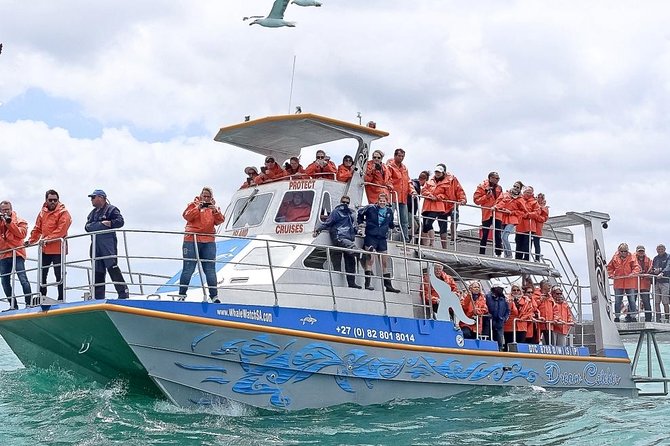
This is not a casual sunset cruise. The boat operation is built around a clear safety process, and the tour includes inflatable life-jackets and foul weather gear. That matters because on a marine safari, conditions can change quickly, and you want to be prepared instead of improvising.
The boat setup also shapes the experience. You will be out in the open for good viewing, not tucked in behind glass. That is a plus for photos and 360-degree animal spotting, but it also means you will feel cold, spray, and wind more than you would on a fully enclosed vessel. If you get motion sick, plan to take precautions in advance.
The crew-to-guest handling is another strong point. The information provided states one crew member looks after about 6 to 7 guests. In real terms, that typically means faster help when you need adjustments, and fewer moments where you are waiting for attention when waves pick up.
Stop 1 on the Water: Marine Dynamics and the Marine Big 5 Search
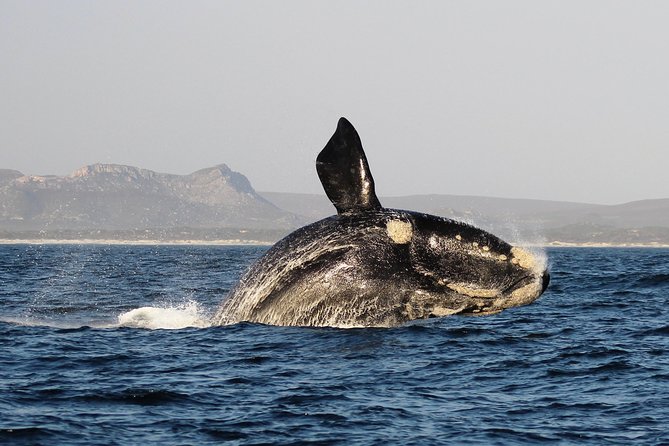
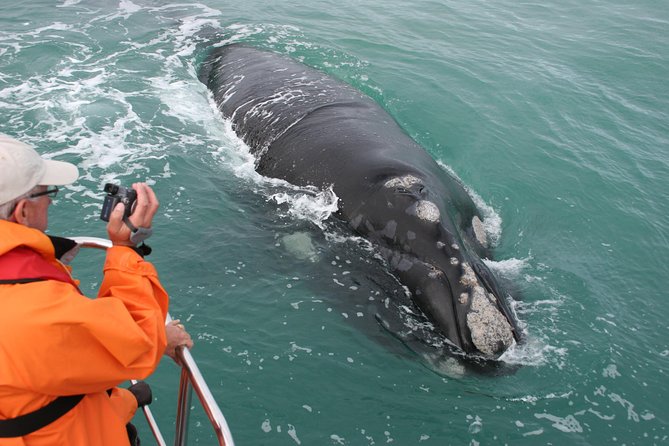
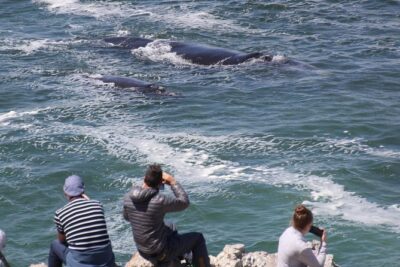
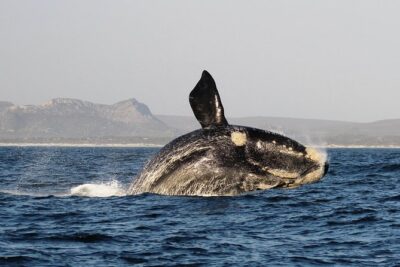
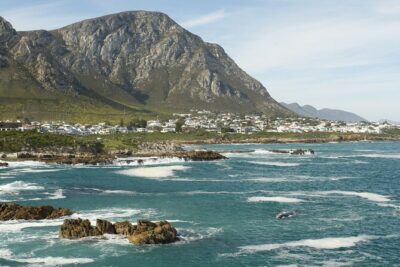
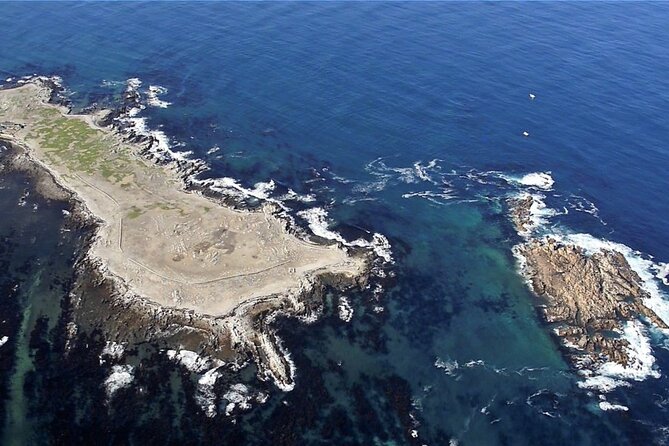
The core of the experience is your time around Dyer Island, known for its marine activity. The cruise targets whales like Southern right, humpback, and Bryde’s whales depending on the season. It also aims for the great white sharks near Shark Alley, plus Cape fur seals and visiting dolphin species.
A key seasonal note helps you set expectations: Southern right whales are normally from June to December. Outside that peak window, you may still see humpbacks or Bryde’s whales occasionally. That is useful because it keeps you from thinking every trip will guarantee a single perfect species calendar.
The trip also includes guided commentary that connects the dots. You are learning about the marine environment while you look, which makes the sightings feel more meaningful. When you can explain why an animal is showing up, you watch differently. You track behavior instead of only scanning for body shapes.
Value of this portion: it is where you get the most “wild” payoff. This is the part you remember when you come back from the sea and your photos look a lot like proof you were really there.
Drawback to keep in mind: even when the crew does everything right, marine conditions can mean choppier water. That can be uncomfortable, but it can also make the ride feel more intense and alive. The difference is whether you show up ready for it.
Stop 2 at Gansbaai’s Great White House: Coffee Break and the Conservation Context
After the initial stretch at sea, the plan includes a stop at the Great White House Restaurant in Gansbaai. This is where they reset you with coffee or tea and muffins, plus additional guided framing around conservation and safety.
Why this stop is more than just a break: it turns the outing from a chase into a story. Sharks, penguins, whales, seals, and dolphins can look random from a distance, but a conservation-minded crew helps you understand how these animals interact with their environment and why protection matters.
It also gives your body time to recover. Even if you love the sea, you can get chilled or tired from spray and wind. Having warm and simple food at a set stop helps you feel human again without slowing the overall flow.
Stop 3 at APSS: The African Penguin and Seabird Sanctuary Visit
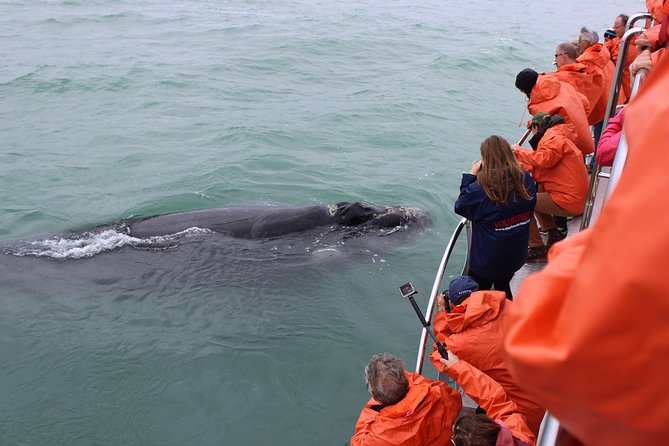
One of the smartest parts of this experience is including a visit to the African Penguin and Seabird Sanctuary (APSS). A lot of wildlife trips are “watch and go.” This one adds a conservation layer, and it is not just a quick photo stop.
APSS is described as a marine bird rehabilitation centre. The focus is temporary rehabilitative care for diseased, displaced, injured, oiled, and abandoned marine birds, with special attention on the endangered African penguin. The information also notes that marine bird rescue, rehabilitation, and release are part of the conservation management plan to help sustain penguin populations and other seabirds.
What you gain here is perspective. After seeing wild animals at sea, you start to understand what “protecting wildlife” looks like on land too. For me, that makes the whole trip feel less like entertainment and more like participation in a conservation effort.
Timing-wise, the sanctuary visit is short, about 15 minutes. So it is not a full museum experience. It is a focused, high-impact stop that keeps the day moving without cutting the most important conservation message.
What You’re Most Likely to See: Dolphins, Penguins, Seals, Sharks, Whales
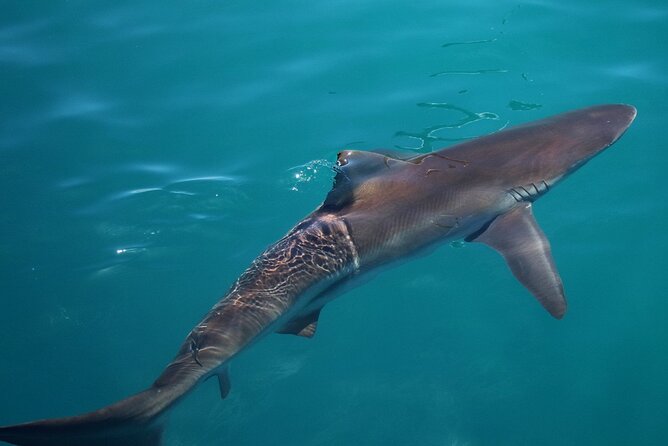
This is a wildlife tour, so no one can promise every item on the Marine Big 5 list every day. Still, the way the cruise is organized suggests you should be ready for multiple sightings, not just one.
Here is how the chances usually stack up based on the targeting:
- Whales: Southern right is the normal seasonal highlight, with humpbacks and Bryde’s as occasional possibilities outside peak months.
- Great white sharks: the hunt zone around Shark Alley is the big lure, and the guide’s knowledge of where to look is the whole point.
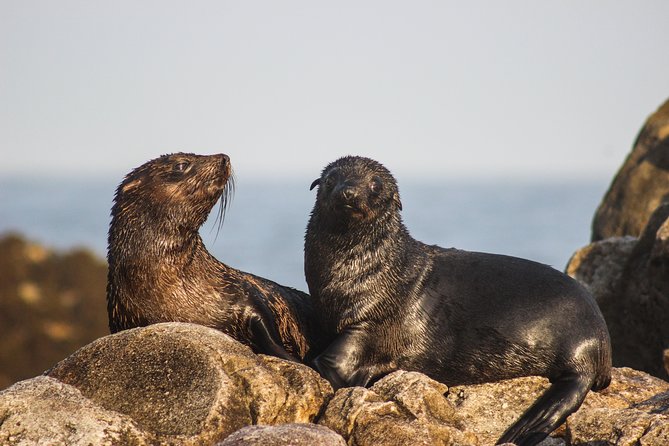
- Cape fur seals: these are common enough to be a frequent highlight, especially when the boat is working the Dyer Island area.
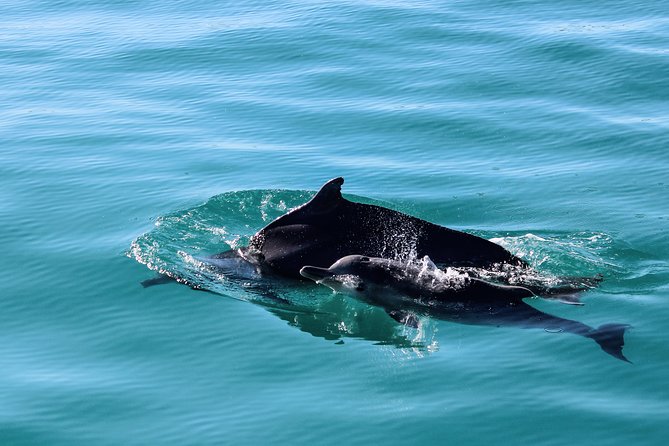
- Dolphins: visiting dolphin species are part of the search plan, but sightings depend on water conditions and animal movement.
- African penguins: you may see them as part of the marine activity, and you will certainly have the APSS sanctuary visit as a guaranteed conservation stop tied to penguins.
Also, keep an open mind about what “seeing” means. Sometimes it is a clean, close view. Sometimes it is a quick surfacing moment. Your best strategy is to watch calmly and let the crew’s spotting help you catch the timing.
Food, Comfort, and Photo Reality on a Boat Day
Boat days can be tiring, so I appreciate that this trip is built with food in mind. You get tea and coffee and muffins upon arrival, and after the trip you receive warm soup and bread. That is not just nice. It helps you handle wind chill and energy dips without having to buy snacks at random.
Comfort reality check: the boat is set up so you are out in the elements. The upside is visibility. The downside is comfort. Bring layers you can actually wear, not just a single jacket. If you think you might get seasick, take steps before you head out.
Photo reality check: the trip includes access to trip footage for purchase after the trip, but actual photo delivery can take some time. If you care about immediate uploads for social media, plan for a delay.
Price and Value: Is $164.49 Worth It?
At $164.49 per person, you are paying for a guided, safety-first marine operation plus a conservation stop. That is not a “cheap cruise,” but it is also not priced like a private charter.
Where the value comes from:
- Hotel pickup and drop-off saves time and adds convenience.
- The boat kit includes life-jackets and wet weather gear, which is a real cost and a real comfort factor.
- You get structured food (arrival muffins and drinks, then warm soup and bread after).
- The experience is guided by a crew and an onboard marine biologist, so the “what am I seeing” part is supported.
- The APSS entrance makes the day more than just a wildlife chase.
Where to think twice:
If you hate rough water, cold wind, or you want a fully enclosed, comfortable boat where you stay dry all day, this might not be the best fit. The trip is set up for viewing, not for comfort-as-a-priority.
Who This Trip Suits Best (and Who Should Skip It)
This tour fits best if you want an animal-focused marine day and you are okay being out in variable conditions.
It is a good match for:
- Families with children who can handle a short, supervised boat experience and a short sanctuary visit, since children must be accompanied by an adult
- Wildlife lovers who appreciate guidance and explanation, not just distance viewing
- Travelers who want both sea sightings and a conservation connection through APSS
It may be a less perfect match if:
- You need a fully sheltered ride or you cannot tolerate choppy water conditions
- You want lots of time at a museum-style facility, since the sanctuary stop is brief
Book It or Wait: My Practical Verdict
If you are staying in Hermanus and you want your wildlife day to feel purposeful, I think this cruise is a strong pick. The combination of a targeted Marine Big 5 style search, the onboard marine biologist, and the APSS visit makes it more than a sightseeing outing. It gives you a fuller understanding of what you see at sea and what conservation looks like on land.
If your top priority is comfort over wildlife variety, then you may want to compare it with a more sheltered option. But for most people coming to this region for marine life, this is the kind of half-day outing that gives you real stories, real science talk, and real animal chances.
FAQ
What animals does the Marine Big 5 safari look for?
The tour aims to spot dolphins, African penguins, Cape fur seals, great white sharks, and several whale species.
How long is the experience?
The activity time is about 5 hours total, while the time on the tour itself is about 2 to 2.5 hours excluding travel and briefing.
Is hotel pickup and drop-off included?
Yes. Hotel pickup and drop-off in Hermanus are included.
What food is provided on the trip?
You get coffee and tea with muffins on arrival, and warm soup and bread after the trip.
Is entry to the African Penguin and Seabird Sanctuary included?
Yes. Admission to the African Penguin and Seabird Sanctuary (APSS) is included.
What safety gear is provided?
The tour includes inflatable life-jackets and wet weather gear.
Is trip footage included?
No. Trip footage is available for purchase after the trip.
What is the maximum group size?
The tour has a maximum of 45 travelers.
What happens if weather is poor?
This tour needs good weather. If it is canceled due to poor weather, you will be offered a different date or a full refund.
Safari Options Across Hermanus
Hermanus and Walker Bay, More Whale Trips
Keep going: the rest of our Hermanus write-ups
- Hermanus & Overberg Birding
★ 5.0 · 3 reviews - Hermanus: Whale Watching and Wine Testing
★ 3.7 · 5 reviews - Cape Town: Hermanus Whale Watching Shared Boat & Penguins
★ 3.3 · 6 reviews - Vineyard Safari and Wine Tasting in Hermanus with Guide
★ 4.5 · 11 reviews - Shark & Whale Trip Combo
★ 4.8 · 12 reviews - From Cape Town: Full Day Hermanus Whale Watching Tour
★ 3.6 · 20 reviews
Safari Game Drives, compared.
 ★ 4.6From Cape Town: Big Five Game Reserve with LunchFrom $2362,409 reviews
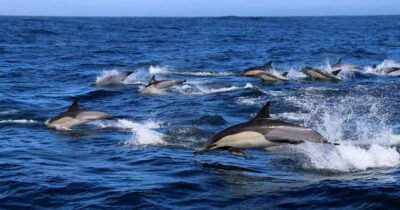 ★ 4.7Gansbaai: Marine Big 5 Boat tourFrom $155593 reviews
 ★ 4.7Little Brak River: Botlierskop Guided Game DriveFrom $40589 reviews
 ★ 5.0Big Five Safari and Breede River Valley Guided Day TripFrom $155526 reviews
 ★ 4.5Cape Town: Aquila Game Reserve Sunset Game DriveFrom $168508 reviews
 ★ 4.5Full Day Pilanesberg Experience in Open VehicleFrom $137414 reviews
 ★ 4.4From Cape Town: Aquila Game Reserve Sunset Game DriveFrom $167350 reviews
 ★ 5.0Hluhluwe-Imfolozi Park Full Day Big 5 Safari TourFrom $96310 reviews
Browse the lists this tour appears in