
REVIEW · LESEDI AND CULTURAL VILLAGE TOURS
Lesedi Cultural Village Half-Day Tour
South Africa’s cultures meet in one tidy half-day. This Lesedi Cultural Village tour is a fast way to understand how different tribes express identity through dance, homesteads, and everyday traditions. I like that it is not just watching from the edge, you get guided context as you move through the site.
Two things I especially like: the traditional Zulu dance experience and the chance to compare how communities like the Xhosa and Pedi show culture through clothing and sound. One thing to consider, though, is that this is structured and timed, so if you want open-ended, independent exploration, you may feel a bit on schedule.
In This Review
- Key things to know before you go
- Lesedi Cultural Village from Johannesburg: the ride sets the mood
- Pickup, timing, and the flow of a 5-hour day
- Arriving at Lesedi: homesteads and a guided layout
- Zulu dance: the highlight you will remember first
- Xhosa blankets and Pedi drums: how culture shows up in details
- Homesteads and tradition: why the layout matters
- Dowry, tradition, and the practical side of cultural rules
- Traditional cuisine at Lesedi: what to expect from the meal
- Price and value: is $183 per person worth it?
- The small group advantage: questions, pace, and comfort
- Who should book this half-day cultural tour
- Should you book Lesedi Cultural Village Half-Day Tour?
- FAQ
- How long is the Lesedi Cultural Village Half-Day Tour?
- Where does pickup happen?
- How long is the drive to Lesedi Cultural Village?
- What language is the tour guide and audio guide available in?
- How many people are in the group?
- What is included in the tour price?
- Is alcohol included?
- What should I bring?
- Do I need to reconfirm pickup time?
- What is the cancellation policy?
Key things to know before you go
- Small group limit (15 people) keeps the tour feeling personal
- 2.5 hours inside Lesedi gives real time to see homesteads and learn traditions
- Zulu dance plus cultural demonstrations make learning feel active, not lecture-style
- English live guide and English audio guide help you follow along clearly
- Hotel pickup and drop-off from Johannesburg makes it low-stress door to door
Other cultural village visits we have written up
- Lesedi Cultural Village and Cradle of Humankind Tour★ 5.0 · 48 reviews
- Lesedi Cultural Village Tour★ 5.0 · 46 reviews
- Lesedi Cultural Village★ 5.0 · 45 reviews
- Johannesburg: Lesedi Cultural Village Experience★ 4.6 · 43 reviews
Lesedi Cultural Village from Johannesburg: the ride sets the mood
This is a half-day outing that starts with convenience. You are picked up from your Johannesburg hotel or accommodation, then transferred by bus or coach toward the countryside. The drive takes about 80 minutes, and it’s a useful lead-in because the scenery shift helps you mentally “switch tracks” from city pace to rural life.
What I like about this kind of start is that it makes the cultural setting feel less like a stage show. As you leave leafy suburbs and head out of town, the environment becomes more relaxed. That matters, because the tour is built around the idea that you are learning how tradition lives day to day in an African environment, not just collecting facts.
Bring comfortable shoes because you will be walking around the village area. Also pack sunglasses, since outdoor time is part of the experience.
Pickup, timing, and the flow of a 5-hour day
Your total trip runs about 5 hours, with roughly:
- 80 minutes to get to Lesedi
- 2.5 hours at Lesedi for the guided visit and sightseeing
- 80 minutes back to Johannesburg
You do not need to plan anything complicated. You will be collected at the right time, then dropped back in Johannesburg after the cultural portion finishes. One practical tip: wait in the lobby about 5 minutes before the scheduled pickup, so you do not lose time.
Also, do a simple reconfirm the day before. The tour details specify that you should confirm the pickup time with the provider one day prior, which is exactly what you want with an outing that depends on exact timing.
Arriving at Lesedi: homesteads and a guided layout
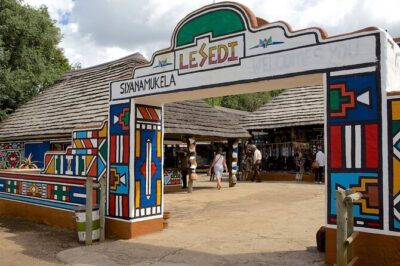
When you reach Lesedi, the atmosphere changes. The main feel is “traditional setup,” with homesteads in historical designs that give you a sense of how communities organize living spaces.
You are split into groups, which matters. In a small-group setting (limited to 15 participants), splitting you up usually means you get more than a vague sweep past key stops. It also helps you get a maximum exposure to the traditions covered during your time there. In other words, you are not just passing through, you are moving through a guided sequence meant to teach.
The guided tour portion is about 2.5 hours, and that is a good length for a first-time cultural visit. Long enough to understand themes, short enough that you are not exhausted before you finish.
Zulu dance: the highlight you will remember first
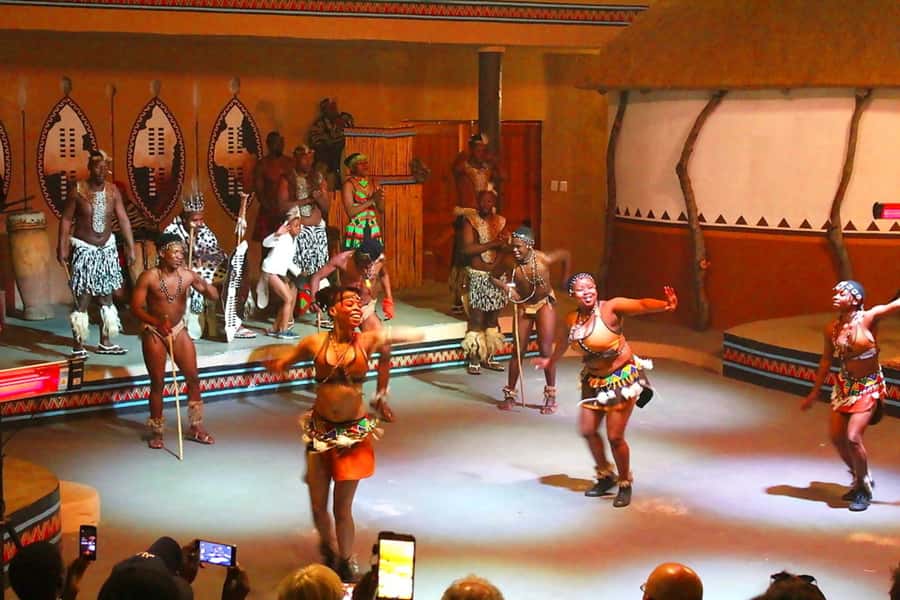
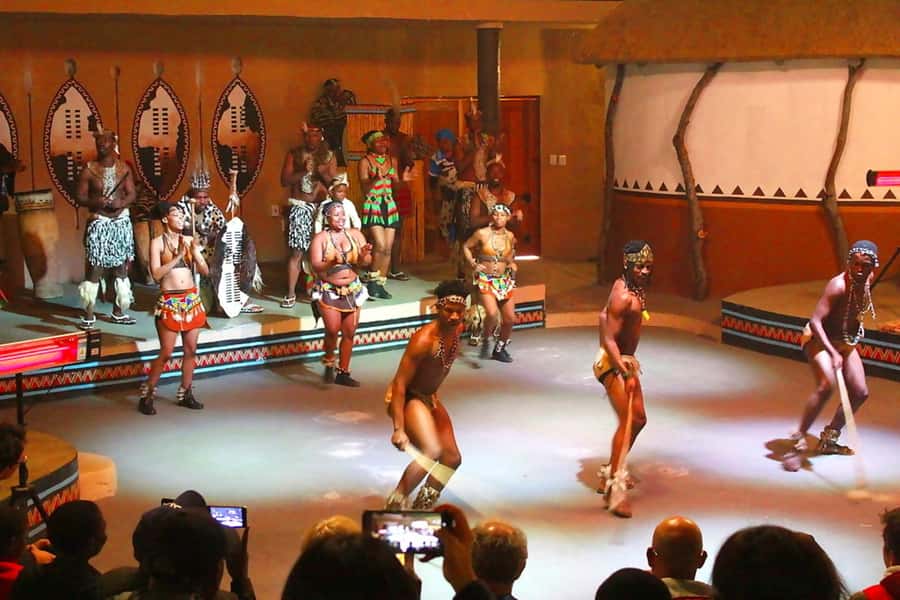
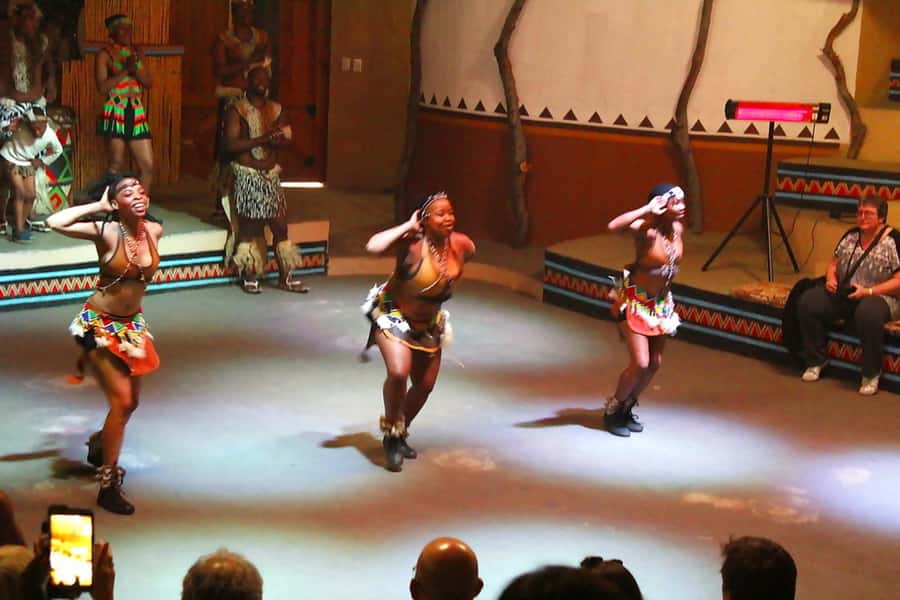
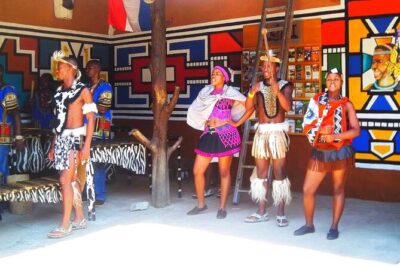
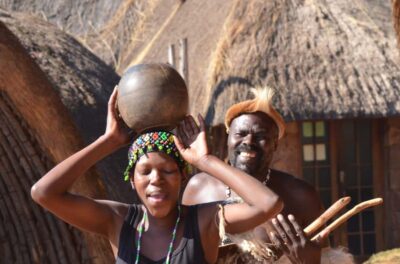
One of the most clearly stated highlights is the chance to experience traditional Zulu dance. This is not only entertaining, it is one of the quickest ways to understand how movement, rhythm, and group energy transmit culture.
I like that this tour builds in an active moment rather than keeping everything verbal. Even if you only catch a few core points from the guide, dance gives you something immediate to connect with while you learn. You get to see tradition expressed in body language and collective timing, and it helps the rest of the information stick.
If you care about photos and video, plan to keep your phone ready, but also pause for a clean look. The point here is to watch with attention first, then capture what you want.


Xhosa blankets and Pedi drums: how culture shows up in details
After the dance moment, the tour shifts into tribal comparisons. You will learn about different groups and how they express identity.
The experience includes examples like:
- Zulu, including why fighting sticks are part of their cultural expression
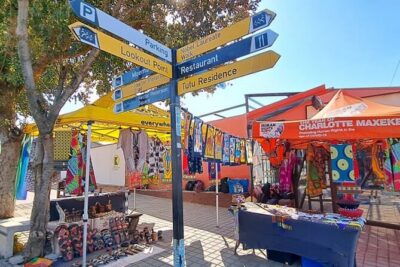
- Xhosa, known for their trademarks blankets, which are strongly tied to identity
- Pedi, with drums and whistles as a signature element of sound and performance
I find this approach practical. Instead of trying to learn everything at once, you focus on a few visible or audible symbols, then build meaning around them. Blankets are easy to notice. Drums and whistles are easy to hear. Fighting sticks are easy to identify. From there, a good guide can explain why those things matter culturally.
You should come with the mindset that you are comparing patterns, not ranking “who is more impressive.” The value is in seeing how each community uses specific markers to communicate tradition and belonging.
Homesteads and tradition: why the layout matters
The homesteads are not just scenic. They help you understand the tour’s bigger message: tradition is lived in spaces and routines.
As you move around, you will be guided to see historical designs and learn what those designs represent. This is where the tour feels most like an on-site lesson. The village layout works like a practical classroom, where each area supports the next topic.
A small caution here: since it’s split into groups, not every part of every group’s experience will feel identical in pace. That’s normal and not a problem, but it means you might not see every single angle at the same moment as people in another group. If you like structure, you will enjoy it. If you hate any sense of schedule, you may feel slightly constrained by the flow.
Dowry, tradition, and the practical side of cultural rules
One of the most specific cultural details included is learning how much dowry each tribe asks for, with payment described as being made in cows.
That might sound surprising if you are new to the topic, but it’s exactly the kind of information that helps you move past stereotypes. Dowry is a cultural practice tied to social relationships and community norms, not a random “factoid.” When a guide explains it clearly within the broader context of tradition, it turns the village visit into something that feels educational and grounded.
This part is also a reminder that culture includes rules and responsibilities, not only ceremonies and performances. If you like learning how communities handle relationships and obligations, this section will likely be one of your most memorable moments.
Traditional cuisine at Lesedi: what to expect from the meal
After the cultural sightseeing portion, you get a chance to experience African cuisine. Since the tour includes food as a highlighted experience, plan for it to be a full sensory wrap-up, not a quick snack.
Food is a smart ending to a cultural tour because it connects tradition to daily life. Even if you have tried some South African dishes already, tasting them here gives you a setting that ties flavor to place and community.
You should also note what’s not included. Alcoholic drinks are not included, so if you want a drink with your meal, you will need to plan for that separately.
Price and value: is $183 per person worth it?
At $183 per person, this is not an ultra-budget half-day tour. The key question is value, and here the value case is fairly clear.
You get:
- Hotel pickup and drop-off in Johannesburg (80 minutes each way by coach)
- Entrance fees
- A tour guide plus an English audio guide
- Bottled water
- A guided visit and sightseeing at Lesedi for about 2.5 hours
- Small group format, limited to 15 participants
For me, the value is strongest if you want structure and clarity. When you pay for a guided cultural experience like this, you are paying for context, timing, and translation of meaning. If you can only spare a half-day and you want to avoid planning a self-guided route from scratch, the price feels more reasonable.
If you are traveling super-budget and you are comfortable arranging transport and doing independent sightseeing, $183 may feel steep. But if you want a guided, door-to-door cultural introduction, it has practical value baked in.
The small group advantage: questions, pace, and comfort
This tour is limited to 15 participants, which is a real plus for a cultural site. Smaller groups typically mean:
- you spend less time waiting for the whole group to move
- you have a better chance of hearing the guide clearly
- you can ask follow-up questions during transitions
I also like that you have both a live English guide and an English audio guide. That double support helps you catch details even when background sound or group movement makes it hard to focus.
You will likely come away with more than a surface impression because the tour is designed to give each group maximum exposure to traditions during the time you have.
Who should book this half-day cultural tour
This is a strong fit if you:
- are short on time in Johannesburg and want a focused cultural day
- want a guided overview of multiple South African cultures without deep planning
- like experiences that mix learning with something active, like dance
- appreciate context, not just photos
It may be less ideal if you:
- want a totally flexible, independent exploration pace
- dislike structured schedules and group transitions
Should you book Lesedi Cultural Village Half-Day Tour?
If you want an efficient cultural introduction with real guided context, I think you should seriously consider booking. The biggest wins are the combination of traditional Zulu dance, the structured way you learn about Zulu, Xhosa, and Pedi cultural markers, and the fact that you get a full guided visit in only about 5 hours from Johannesburg.
One final practical tip: wear walking shoes, bring sunglasses, and plan to treat this as a learning-focused outing. You will get the most out of it when you pay attention to the small symbols, not just the big performances.
FAQ
How long is the Lesedi Cultural Village Half-Day Tour?
The duration is about 5 hours, including travel time and about 2.5 hours at Lesedi Cultural Village.
Where does pickup happen?
Pickup is included from your hotel or accommodation in Johannesburg.
How long is the drive to Lesedi Cultural Village?
The bus or coach ride is about 80 minutes on the way to the village, and about 80 minutes on the way back.
What language is the tour guide and audio guide available in?
The live tour guide is available in English, and the audio guide is also included in English.
How many people are in the group?
This is a small group experience limited to 15 participants.
What is included in the tour price?
Included items are entrance fees, a tour guide, hotel pickup and drop-off, and bottled water.
Is alcohol included?
No. Alcoholic drinks are not included.
What should I bring?
Wear comfortable shoes and bring sunglasses.
Do I need to reconfirm pickup time?
Yes. You should reconfirm the pickup time with the service provider one day prior.
What is the cancellation policy?
Free cancellation is available up to 24 hours in advance for a full refund.
Cultural Villages: More Visits
Keep going: the rest of our Johannesburg write-ups
- Soweto Private half day tour
★ 4.5 · 3 reviews - Johannesburg’s Migration History with a local lunch
★ 5.0 · 3 reviews - Johannesburg: Soweto, Apartheid Museum, and Cradle tours
★ 4.7 · 3 reviews - Soweto Apartheid Museum and Lunch
★ 5.0 · 3 reviews - Bathongo Rhino & lion park nature reserve tour
★ 5.0 · 3 reviews - Johannesburg: Elephant and Monkey Sanctuary Half Day Tour
★ 5.0 · 3 reviews
Lesedi and Cultural Village Tours, compared.
 ★ 5.0Lesedi Cultural Village and Cradle of Humankind TourFrom $9748 reviews
 ★ 5.0Lesedi Cultural Village TourFrom $9446 reviews
 ★ 5.0Lesedi Cultural VillageFrom $14545 reviews
 ★ 4.5Durban City & PheZulu Cultural Village Day Tour from DurbanFrom $14343 reviews
 ★ 4.6Johannesburg: Lesedi Cultural Village ExperienceFrom $14443 reviews
 ★ 4.8Durban: Phezulu Cultural Village & Reptile Park TourFrom $12337 reviews
 ★ 4.5Lesedi Cultural Village & cradle of Humankind Guided TourFrom $10133 reviews
 ★ 4.0Phezulu Cultural Village & Reptile Park Day Tour from DurbanFrom $11433 reviews
Browse the lists this tour appears in