
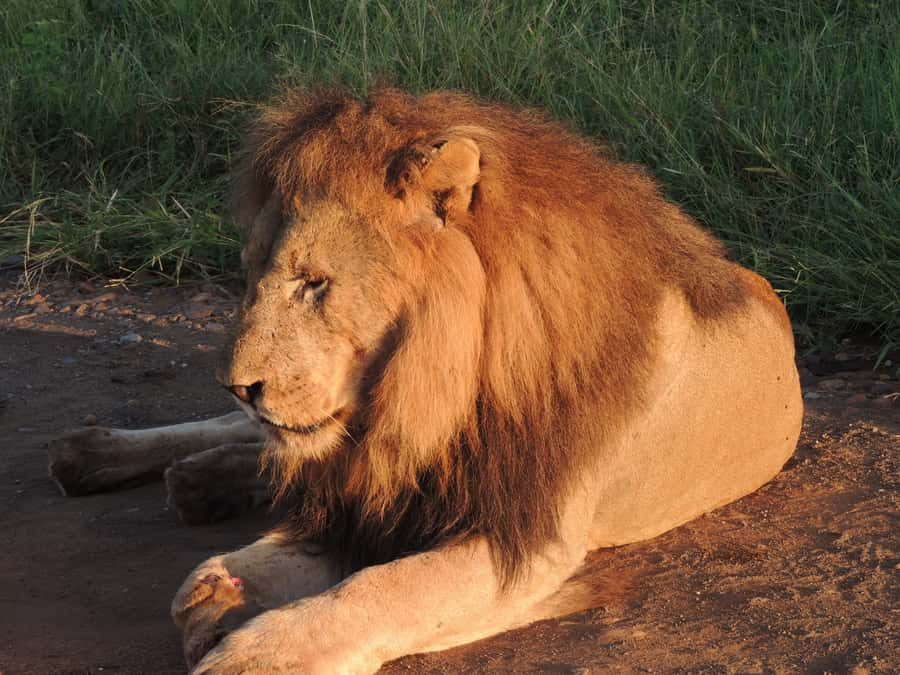
REVIEW · KRUGER NATIONAL PARK SAFARIS
Kruger National Park: Wildlife-Watching Safari
Waking up before sunrise is worth it. A Kruger National Park wildlife-watching safari turns the early start into real rewards, from open safari viewing to expert game-drive guidance. My favorite part is how you get a clear, camera-friendly view while learning what you are actually seeing, not just ticking boxes. The main consideration is the early departure, because 5 am is early, even by Kruger standards.
You’ll spend a half-day on the road through the park’s 2.2 million hectares of protected habitat, where animal sightings can happen at almost any stop. There are good chances for the Big Five, and the drive often focuses on big cats and birdlife when conditions cooperate. If your trip depends on a long lie-in, build a backup plan.
In This Review
- Key things I’d bet on from this Kruger game drive
- Kruger at dawn, when animals feel less shy
- What the open safari vehicle really changes for you
- A guide who works the sightings, like Jerry did
- How the day unfolds: the rhythm of a half-day game drive
- The morning flow (5:00 am to around 12:00 noon)
- The afternoon flow (14:00 to 18:00)
- Break time is allowed
- End back at the meeting point
- Big cats and the Big Five odds, what to realistically hope for
- Fauna, flora, and birdlife: the safari education you actually use
- Price and value: what $63 covers, and what it does not
- What to bring for comfort and better photos
- Rules that protect the experience, and why they matter
- Picking the right time slot for your style
- Should you book this Kruger wildlife-watching safari?
- FAQ
- What time does the safari run?
- Is pickup and drop-off available from hotels?
- What is included in the safari price?
- Are gate entry fees included?
- Is food included?
- Is alcohol allowed on the safari?
- What should I bring?
- Will the safari run in bad weather?
- Can I cancel and get a refund?
Key things I’d bet on from this Kruger game drive
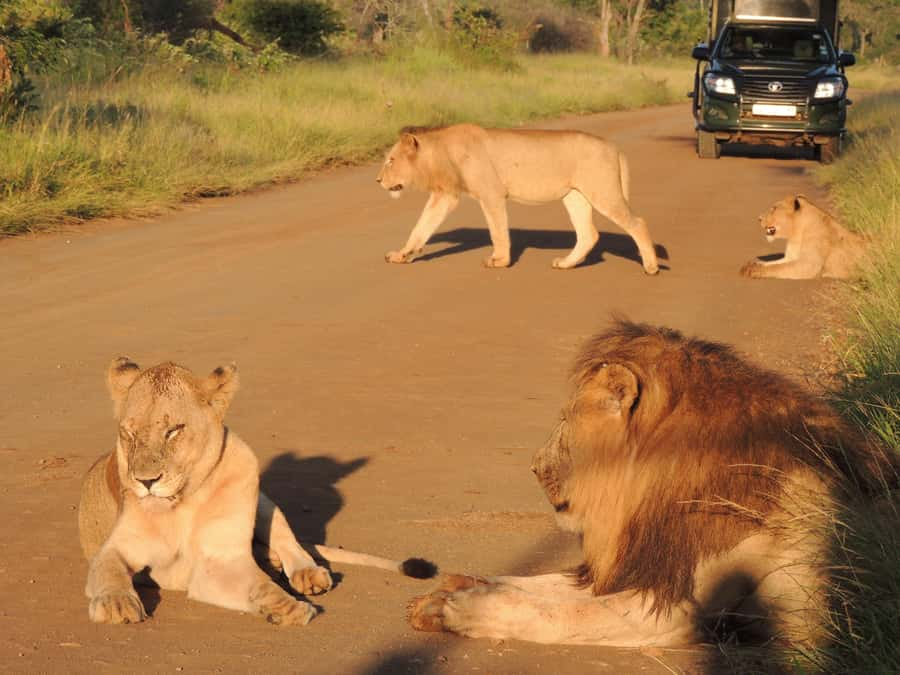
- A sunrise-focused schedule (plus an afternoon option) for different wildlife rhythms
- Open safari vehicles that make it easier to spot animals and take photos
- Small vehicle + guide interaction, so you can ask questions as you go
- Big Five possibility is high, even if sightings are never guaranteed
- A guide who actively improves sightings, working with other drivers when possible
- Bring the basics like binoculars and biodegradable sunscreen for a smoother outing
Other Kruger trips, from half days to full weeks
- Hazyview: Private Full-Day Guided Kruger Safari★ 4.9 · 69 reviews
- Full-Day Shared Kruger National Park Safari from Hoedspruit★ 5.0 · 46 reviews
- 3 Night & 4 Day Private Kruger Park Safari★ 5.0 · 23 reviews
- Kruger Park – Full day – Private safari vehicle★ 5.0 · 23 reviews
Kruger at dawn, when animals feel less shy
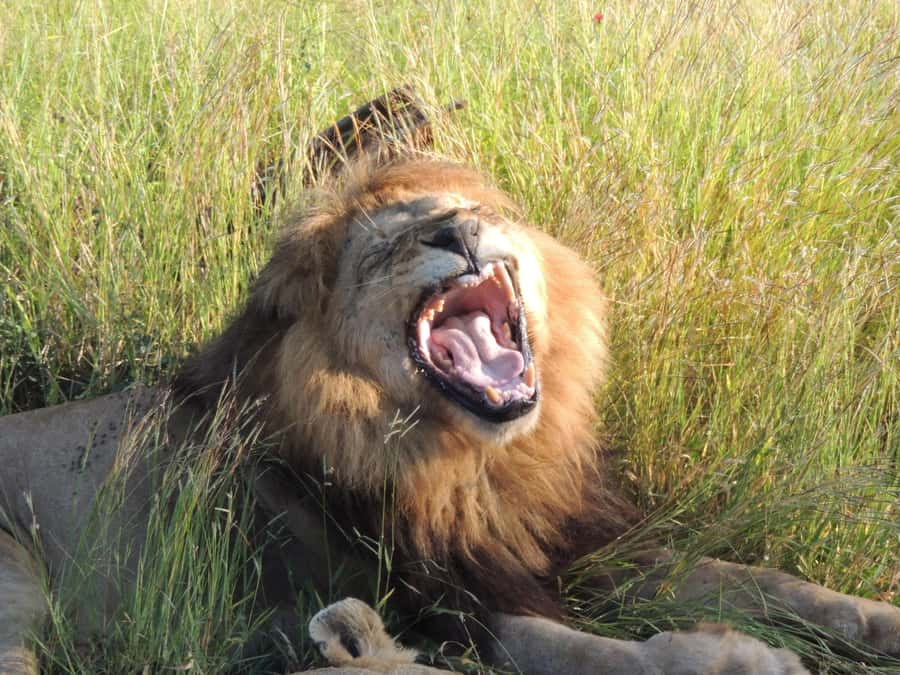
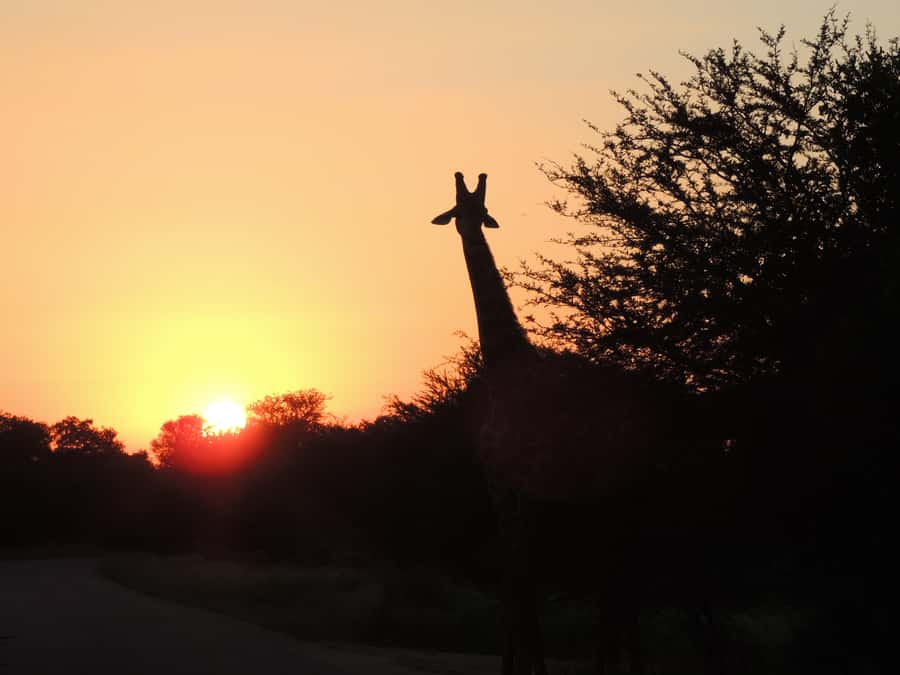
If you pick the morning slot, the drive starts around 5:00 am and runs until roughly 12:00 noon. That timing matters in Kruger. Cooler temperatures often mean animals are more active, and you also get that classic early light that makes fur, feathers, and tracks easier to notice.
You can also choose an afternoon drive from 14:00 to 18:00. Wildlife habits shift later in the day, so you may trade the crisp sunrise atmosphere for different movement patterns and calmer road conditions. Either way, you are out in the park at the hours when eyes on the horizon matter most.
The safari is designed to be half-day focused, not a full-day marathon. You get the thrill of a real game drive while still having time to reset afterward, which is especially handy if you plan to explore the rest of your trip on your own.
What the open safari vehicle really changes for you
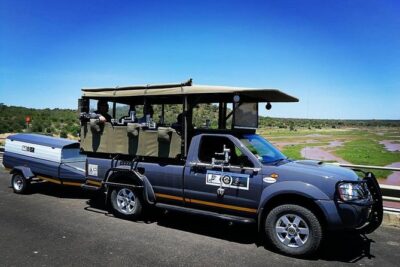
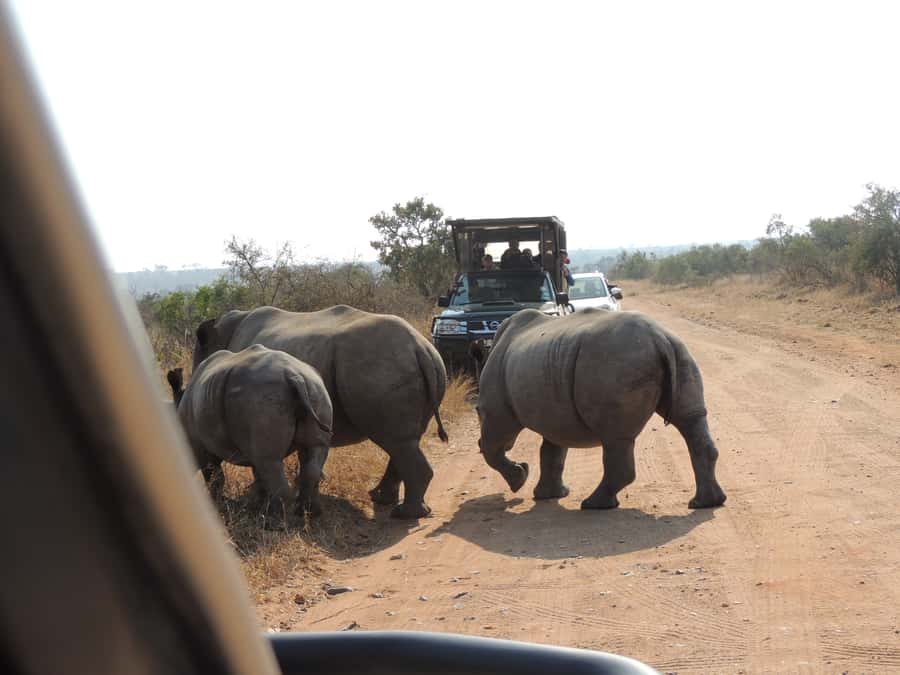
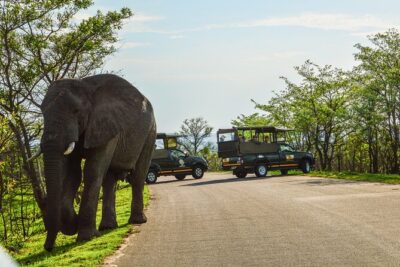
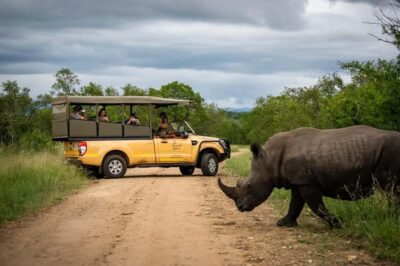
The vehicle style here is the big practical advantage. You ride in an open safari vehicle, which means you are not fighting glass glare or awkward angles every time something steps into view.
For wildlife watching, that can be the difference between a quick glimpse and a usable photo. For example, open viewing helps when you need to adjust quickly for:
- animals moving closer to the road
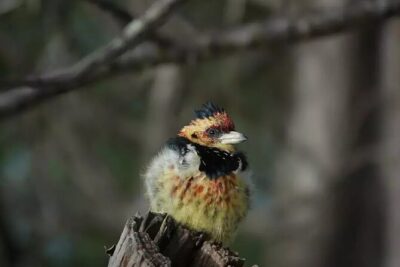
- birds in trees or along bushes
- quick action that happens a few seconds at a time
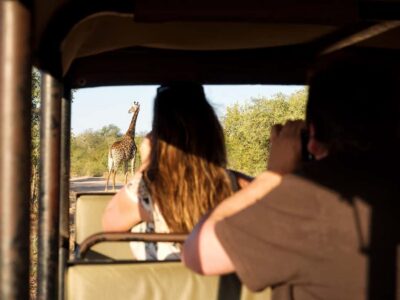
It also keeps the drive feeling more connected. You get easier sightlines to both sides of the track, and you can maintain a conversation with your guide without the usual “listen through windows” problem.
And since the safari vehicle is described as comfortable and small, it’s generally easier to keep eyes on the road ahead while still chatting and listening. That balance helps you understand what you are seeing, not just chase it.
A guide who works the sightings, like Jerry did
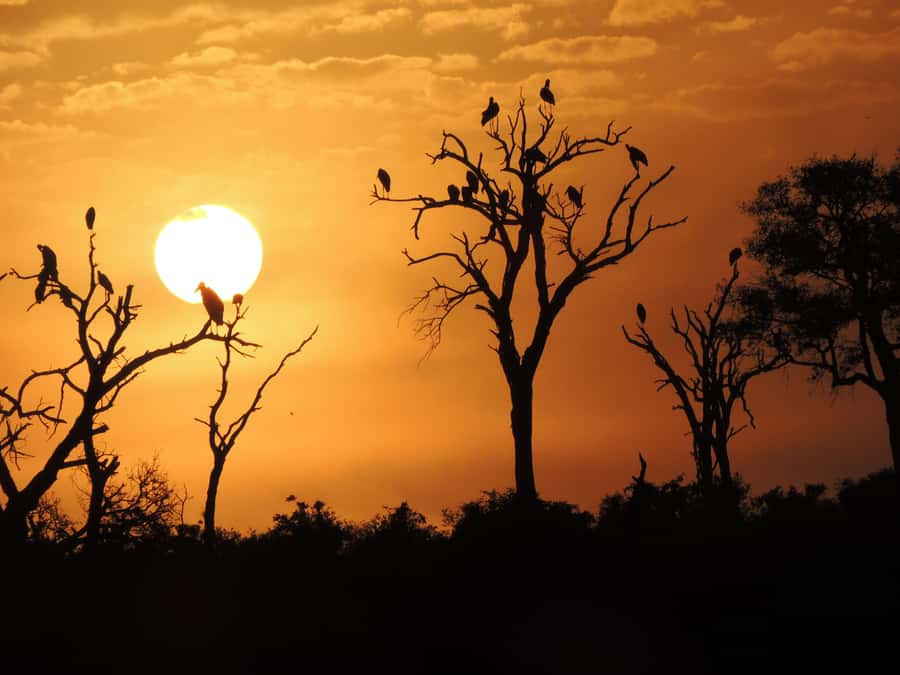
A strong guide turns Kruger into a guided learning walk with wheels. One guide name that stands out is Jerry, praised for staying well connected with other drivers to improve the odds of great sightings.
That kind of communication matters because Kruger is huge, and animals are not obeying a schedule. When your guide can coordinate with other drivers, it can reduce the amount of time spent searching and increase the chance that you reach an area while animals are still visible and active.
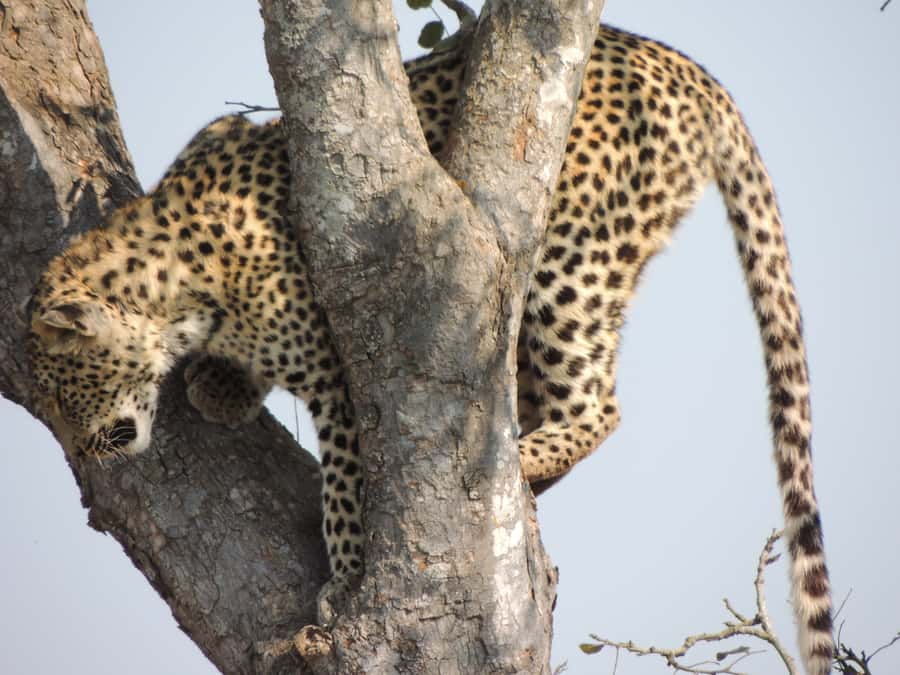
Jerry was also described as responding to special requests, such as looking for a leopard. You should treat that as encouragement, not a promise. Leopards are famously hard to predict, but a guide who actively tries means you get effort, not just passive driving.
Another thing that came through clearly is the guide’s knowledge. Expect explanations about what you are seeing, including both fauna and flora as well as birdlife. When the guide can explain behavior, you start spotting patterns, like feeding zones, water habits, and how certain plants support certain animals.
How the day unfolds: the rhythm of a half-day game drive
This tour is built around flexibility and timed stops. You’ll start at the scheduled time, and then the game drive runs until the safari ends back at the meeting point.
More wildlife encounters worth the early start
The morning flow (5:00 am to around 12:00 noon)
Early starts usually mean you get going while the park is still waking up. You can expect a focus on sightings during the cooler hours, plus frequent scanning for animals that may appear suddenly along the roadside.
The afternoon flow (14:00 to 18:00)
Later drives often feel different. You may find more animals moving as temperatures ease, and you may shift your attention to birdlife and activities that pick up when the day cools down.
Break time is allowed
The tour description specifically notes that flexible break time is permitted. That helps, because in real wildlife watching you do not want to feel rushed every time you stop. You also need a moment to stretch your legs, use the toilet if available near the stop areas, and reset your camera grip.
End back at the meeting point
You do not end your day out in the middle of nowhere. The tour finishes back at the meeting point, which makes it simpler to plan dinner or a separate activity afterward.
Big cats and the Big Five odds, what to realistically hope for
The safari includes high Big Five possibility, which is what many people really care about. But here is the honest truth: Kruger is wild. Sightings depend on where animals are at that moment, weather, and how the guides spot signs.
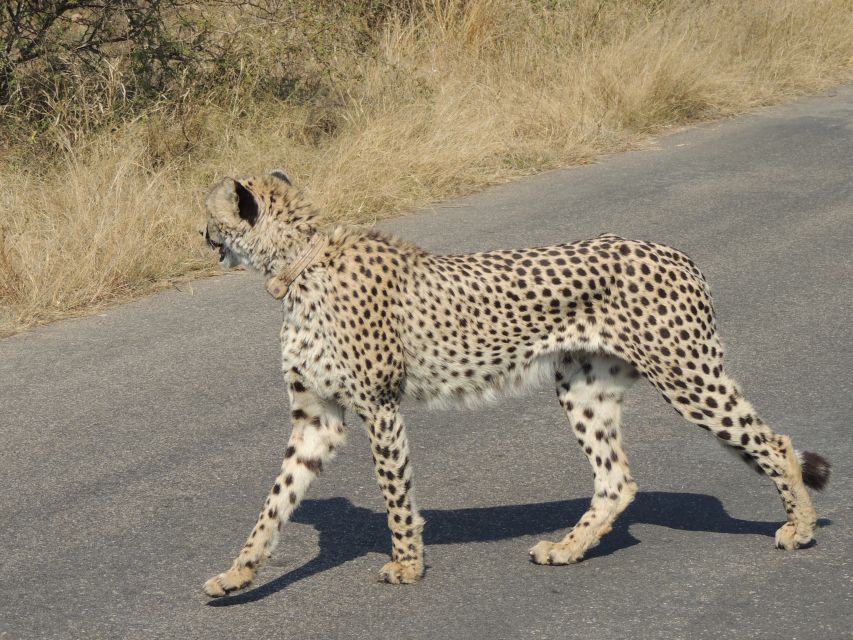
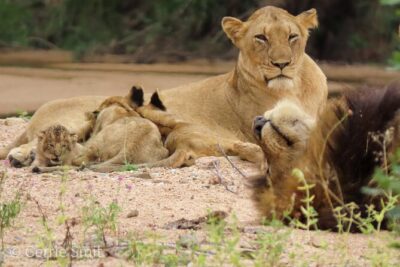
That said, the guide effort can lead to strong results. One experience highlighted cheetah and lions during the morning drive, with extra effort spent searching for a leopard. So you can reasonably expect that the drive is actively hunting for big game, not just doing slow sightseeing.
If you want to maximize your chances:
- be ready early if you book the sunrise slot
- keep your camera accessible, not buried
- stay quiet for a few seconds when your guide signals spotting, because animals often move right then
Also keep your expectations flexible. A “not today” moment for a specific species does not mean the drive was average. Sometimes you get great birdlife and smaller mammals, and that teaches you how the ecosystem connects.
Fauna, flora, and birdlife: the safari education you actually use
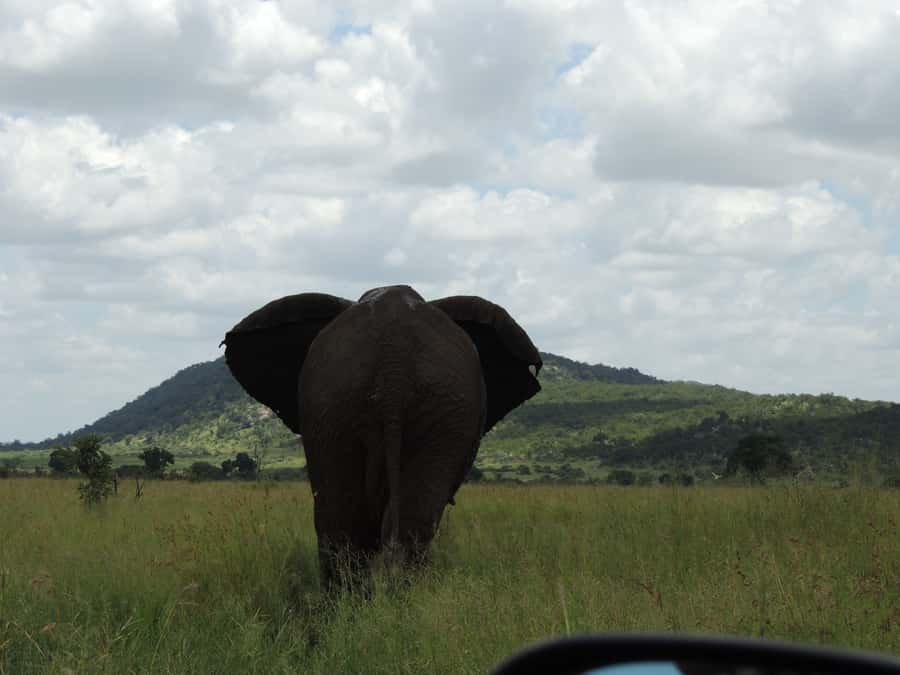
This is not only about spotting animals. The safari includes learning about fauna and flora with an experienced guide, plus the chance to observe birdlife.
Why that matters: once you learn what the guide is looking at, you start spotting clues yourself. Plants tell you where water might be, birds can indicate insect activity, and certain behaviors help you understand what animals are likely to do next.
You might see animals stop moving when a predator approaches, or choose shaded cover when it gets hotter. You might notice how animals react to noise and vehicle movement. When the guide explains those moments in plain language, you get more from each sighting.
And because you’re in an open vehicle with easy conversation, those lessons tend to stick. You can ask questions as you go, which is one of the strengths of this tour style.
Price and value: what $63 covers, and what it does not
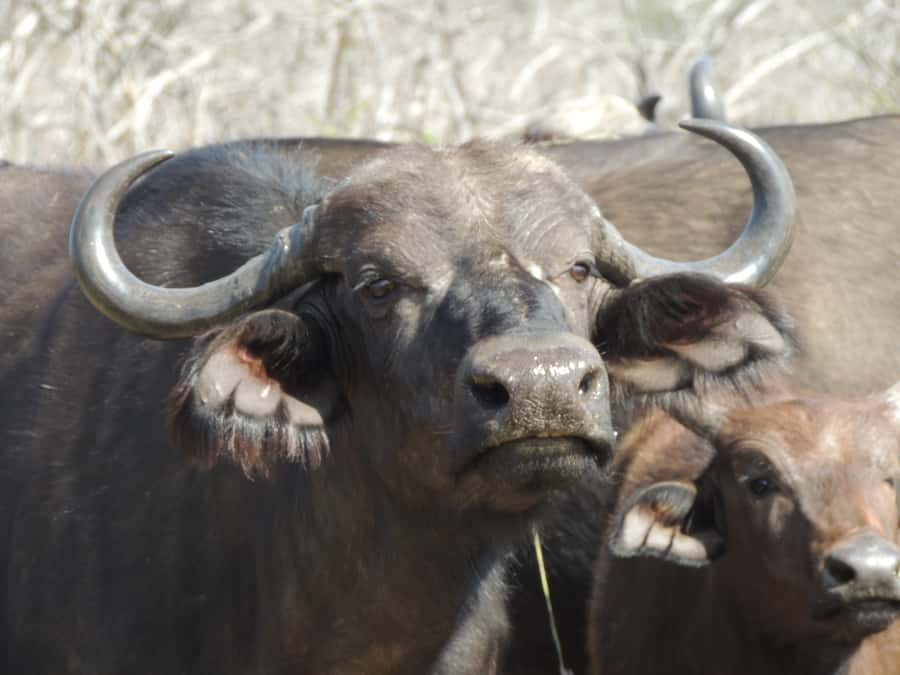
The price listed is $63 per person. For a half-day guided game drive in Kruger, that can be a solid value, mainly because the experience includes:
- a small safari vehicle for easier viewing and conversation
- a guided game drive with time for breaks
- flexible tour hours
- pickup and drop-off availability from hotels
But it’s important to understand what is not included, so you budget accurately. You will need to pay gate entry fees separately. Food is also not included, and alcohol is not allowed.
So the real value comes down to whether you are already planning to handle gate fees and meals on your own. If you are, then this price looks like a straightforward way to get a guided safari without locking yourself into a full-day package.
Also consider the schedule flexibility. You can choose early morning or afternoon. If one slot fits your energy better, you get a higher quality experience because you are not exhausted before you even reach the park.
What to bring for comfort and better photos
This safari is early or late in the day, and conditions can change quickly. Here’s what the tour asks you to bring:
- change of clothes
- camera
- biodegradable sunscreen
- binoculars
I’d add a simple strategy: keep your camera and binoculars ready between sightings. In Kruger, the best moments often happen when you least expect them. Having your gear on hand means you spend more time watching and less time digging through a bag.
Sunscreen is non-negotiable. Even in early light, you can get burned. Biodegradable sunscreen is specifically mentioned, and it’s a good sign the tour wants you prepared without causing extra harm.
Binoculars can be especially useful for birdlife. When animals are at a distance, binoculars help you actually see behavior, not just silhouettes.
Rules that protect the experience, and why they matter
You’ll be asked to follow some clear boundaries:
- no intoxication
- no alcohol and drugs
These rules matter because wildlife watching is fragile. Safety and respect for the environment are not optional in places like Kruger. If you keep your senses clear, you also get better spotting and better photos.
The tour also notes it takes place in any weather conditions. So pack for the day you have, not the day you imagined.
One more detail: the tour is not suitable for people over 70 years. If that applies to you, it’s best to look at other options for pacing and comfort.
Picking the right time slot for your style
Choose the morning drive if:
- you want the sunrise atmosphere
- you like the idea of cooler animal activity
- you are willing to be up early and out the door fast
Choose the afternoon drive if:
- your schedule is tighter earlier in the day
- you want a later start and a slower morning
- you prefer to keep mornings free for rest or other plans
Either way, the open vehicle and guide-led searching are the core of the experience. Your day becomes a moving classroom where the park shows you what it wants to show.
Should you book this Kruger wildlife-watching safari?
If your top priority is a guided Kruger game drive with good viewing conditions, I think this is a smart booking. You are getting the practical stuff that improves every sighting, an open vehicle for easy scanning and photography, plus a guide who can explain animals as you go.
Book it if you:
- want a half-day plan with flexibility
- care about learning fauna, flora, and birdlife
- are comfortable with an early start for the sunrise option
- can pay gate entry fees separately and handle your own food
Skip it if:
- you need a late morning wake-up
- you are traveling with someone who is over 70 years
- you want food and alcohol included in the price (because it is not)
One final tip. When your guide is talking, listen for what you should watch next. That is where the safari stops being a ride and starts becoming a skill you can use, even after you leave Kruger.
FAQ
What time does the safari run?
The safari can run either early morning or afternoon. The early morning option starts at 5:00 am and ends around 12:00 noon. The afternoon option runs from 14:00 to 18:00.
Is pickup and drop-off available from hotels?
Yes. Drop-off and pick-up are available from hotels, as stated for the tour.
What is included in the safari price?
The tour includes a small safari vehicle for easy viewing and easier conversation with the tour guide. It also includes easy animal viewing, flexible tour hours, and flexible break time.
Are gate entry fees included?
No. Clients need to pay the gate entry fees separately.
Is food included?
No. Food is not included.
Is alcohol allowed on the safari?
No. Alcohol is not allowed, and intoxication is also not permitted.
What should I bring?
Bring a change of clothes, a camera, biodegradable sunscreen, and binoculars.
Will the safari run in bad weather?
Yes. The tour will take place at any weather conditions.
Can I cancel and get a refund?
Yes. You can cancel up to 24 hours in advance for a full refund.
Parks and Reserves in Kruger National Park
Wildlife Encounters in Kruger National Park
Kruger: More Ways Into the Park
Keep going: the rest of our Kruger National Park write-ups
- Sunset Game Drive in Big5 Reserve
★ 5.0 · 3 reviews - 4 Day Greater Kruger Kapama Game Lodge Safari with Panorama Route Journey
★ 5.0 · 3 reviews - From Johannesburg: Kruger National Park 5-Day Luxury Safari
★ 4.3 · 3 reviews - Kruger National Park: Wildlife-Watching Safari
★ 5.0 · 3 reviews - Johannesburg: 6-Day Luxury Kruger National Park Safari
★ 4.8 · 5 reviews - Sunrise Game Drive in Big5 Reserve
★ 5.0 · 6 reviews
Kruger National Park Safaris, compared.
 ★ 5.0Kruger National Park Full Day Private safariFrom $158799 reviews
 ★ 5.0Kruger National Park – Private full day Safari trip.From $166347 reviews
 ★ 4.8From Hazyview: Kruger National Park Full-Day SafariFrom $105205 reviews
 ★ 4.5From Johannesburg: 3-Day Budget Tent Kruger Park SafariFrom $653163 reviews
 ★ 4.6Kruger National Park: Full-Day Game Drive with PickupFrom $109136 reviews
 ★ 4.9Kruger National Park: Full-Day Private Safari With PickupFrom $280122 reviews
 ★ 4.7Marloth Park: Kruger National Park Safari Game DrivesFrom $61115 reviews
 ★ 5.0Kruger National Park – Private Sunrise Half day Safari trip.From $16397 reviews
Browse the lists this tour appears in