
REVIEW · KRUGER NATIONAL PARK SAFARIS
Marloth Park: Kruger National Park Safari Game Drives
Waking up for Kruger is a gut-punch of awe. This Marloth Park safari drive takes you out at first light, with an English guide pointing your day toward the sunrise and the Big Five. I love the fast start, with impalas, wildebeest, and zebras often seen almost immediately, and I also like how guides such as Jerry and Lucky push for great sightings and real explanations. One drawback to plan for: the park entrance fee is extra (440 ZAR paid in cash), and food is not included.
I also like the simple, relaxed rhythm. You get lodge pickup and drop-off, water on board, and an open safari vehicle that is high and comfortable for scanning plains and tree lines. If you want a calmer morning, bring a jacket because early starts can feel chilly, and it is not suitable for people over 95 years old.
In This Review
- Key things that make this Kruger safari work
- Why Marloth Park is such a smart starting point for Kruger
- The two departure times you need to choose from: 5:00 AM or 14:30 PM
- Entering Kruger and getting your eyes trained fast
- What you can realistically expect to see on the drive
- Early morning: cats, sleeping elephants, and road sightings
- The savannah woodlands angle, especially elephant impact
- Mid-morning and beyond: hippos, crocodiles, and more variety
- The breakfast break and timing that keeps the day enjoyable
- Big Five goals: how guides improve your odds in real life
- Transport and comfort: what the open safari vehicle gets right
- Price and value: $61 plus the real cost of park entry
- What to bring (so you are not miserable at dawn)
- Small details that add up: what guides do that you feel
- Who this Kruger safari fits best
- My booking checklist before you pay
- Should you book this Marloth Park Kruger safari game drive?
- FAQ
- What is the duration of this safari game drive?
- Where is this experience located?
- How much does it cost?
- Do I need to pay an entrance fee for Kruger?
- Is food included in the price?
- Is water provided?
- What time does the morning safari start?
- What time does the afternoon safari start?
- Is the tour guide available in English?
- Is the activity wheelchair accessible, and is there an age limit?
Key things that make this Kruger safari work
- First-minute action in Kruger, with frequent early sightings like impalas, wildebeest, and zebras
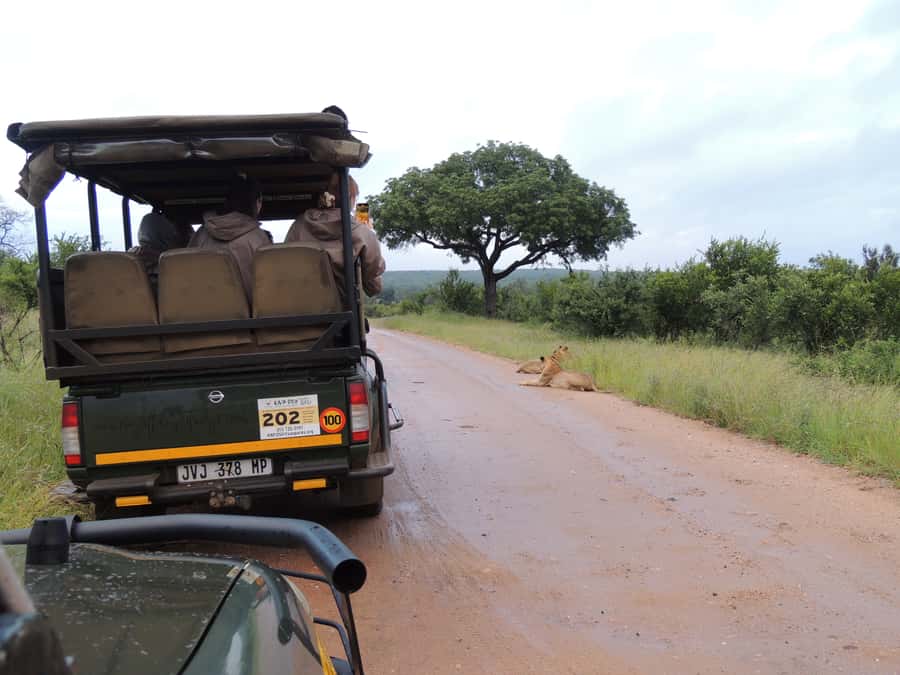
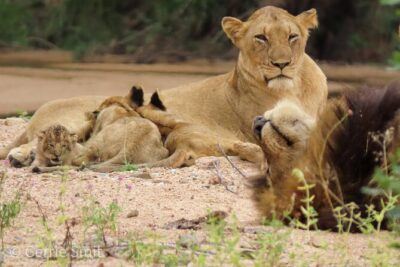
- Big cat potential at dawn, often with lions and elephants resting near the roads in the early morning
- Guide-led spotting, where guides stop often and explain what you are seeing, plus where to look next
- Savannah woodlands and elephant impact, an angle many people miss when driving by yourself
- Water and comfort for the ride, plus a high-view open safari vehicle that makes scanning easier
- Crocodile Bridge gate timing, with cheetahs mentioned as likely when entering through that route
Other Kruger trips, from half days to full weeks
- Kruger National Park: Morning Safari★ 5.0 · 22 reviews
Why Marloth Park is such a smart starting point for Kruger
Marloth Park is one of those bases that makes Kruger feel easier. You are not wrestling with day-long logistics before you even reach the good stuff. Instead, you roll out with a guide, into Kruger, and you get time in the field when animals are most active.
The practical win is timing. A drive that starts around 5:00 AM hits the sweet spot. Many animals are up and moving, and the light helps you actually see details, not just silhouettes. If you like seeing animals behaving naturally, morning is where the action starts.
The two departure times you need to choose from: 5:00 AM or 14:30 PM
This experience runs with morning and afternoon options. The morning start is 5:00 AM, designed for sunrise viewing and peak spotting conditions. The afternoon start is 14:30 PM, which is handy if you want to sleep in a bit or you are pairing Kruger with other plans.
Early mornings can feel cold, even when you are in South Africa. A warm layer is not optional. The tour guidance also suggests bringing a jacket, hat, and sunglasses, and I’d add binoculars to your list if you have them.
One little detail that can make a big difference: some guides have been known to bring blankets for the early drive, which helps if you wake up ready but your body is still on low battery. You still need your own warm layer, though.
Entering Kruger and getting your eyes trained fast
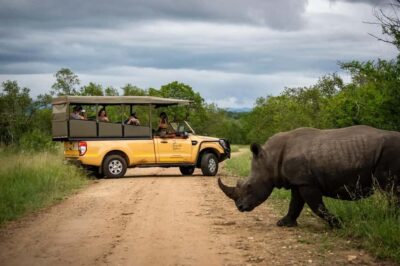
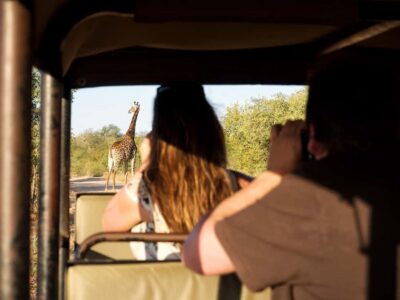
You will be picked up from your lodge in Marloth Park, then you drive into Kruger on an open safari vehicle. The vehicle is described as high and comfortable, which matters more than people think. When you sit higher, you can scan farther, and you spend more time spotting and less time craning your neck.
The guide has a clear job here: interpret what you are seeing and help you read animal behavior. That is why the first stretch of the drive is such a big deal. The routine is built around fast sightings early, not slow cruising.
In the first minute or so of the game drive, there are often quick sightings such as impalas, wildebeest, and zebras. That early burst sets the tone. Even when Big Cats are not immediately visible, you are building a mental map of where animals tend to appear first.
What you can realistically expect to see on the drive
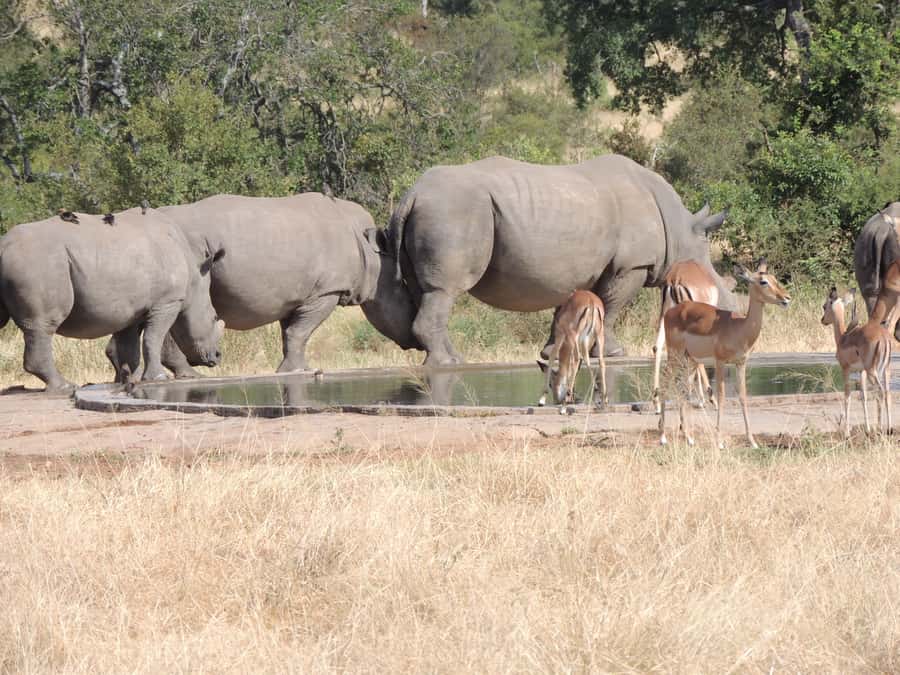
A good Kruger game drive is not only about the headline animals. It is about the sequence, the habitat clues, and the guide’s ability to connect the dots.
Early morning: cats, sleeping elephants, and road sightings
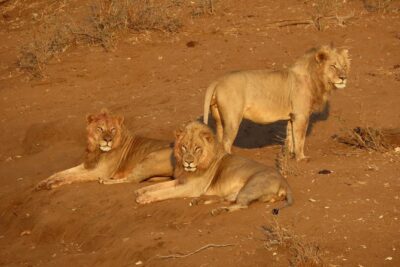
Early starts can be great for Big Cats because many predators move when conditions favor them. The tour focuses on seeing the beautiful cats of Kruger in the early morning, and that is consistent with the way dawn hunting and scanning often works.
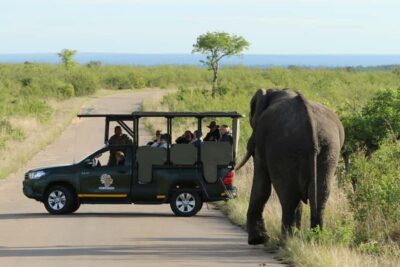
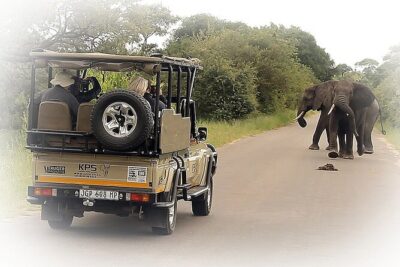
You might also see elephants and lions sleeping in or near the road early on. It sounds surreal until you experience it. In Kruger, animals sometimes choose the simplest paths, and that can put them right where you are driving. Your job is to stay calm, look where the guide points, and respect the space.
The savannah woodlands angle, especially elephant impact
There is also a more thoughtful element here. Guides interpret the landscape details, including how savannah woodlands can be affected by elephants. This matters because it changes how you understand what you are seeing. You start noticing what the animals have done to the habitat, not just what they are doing on the ground.
This is one reason a guided drive can feel more valuable than a self-drive day. Even if you are a confident driver, you might miss the story behind the vegetation and the patterns in the way animals use space.
Mid-morning and beyond: hippos, crocodiles, and more variety
As the drive continues, you can expect mentions of hippopotamus and crocodiles. These animals often relate to water edges and river-adjacent areas, and the guide’s route choices can strongly influence what you get.
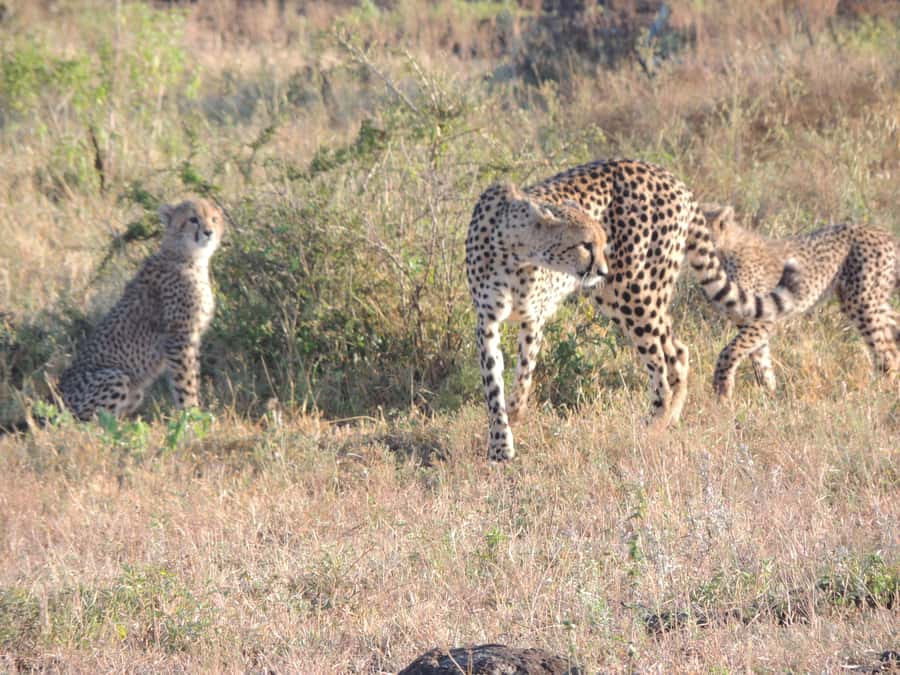
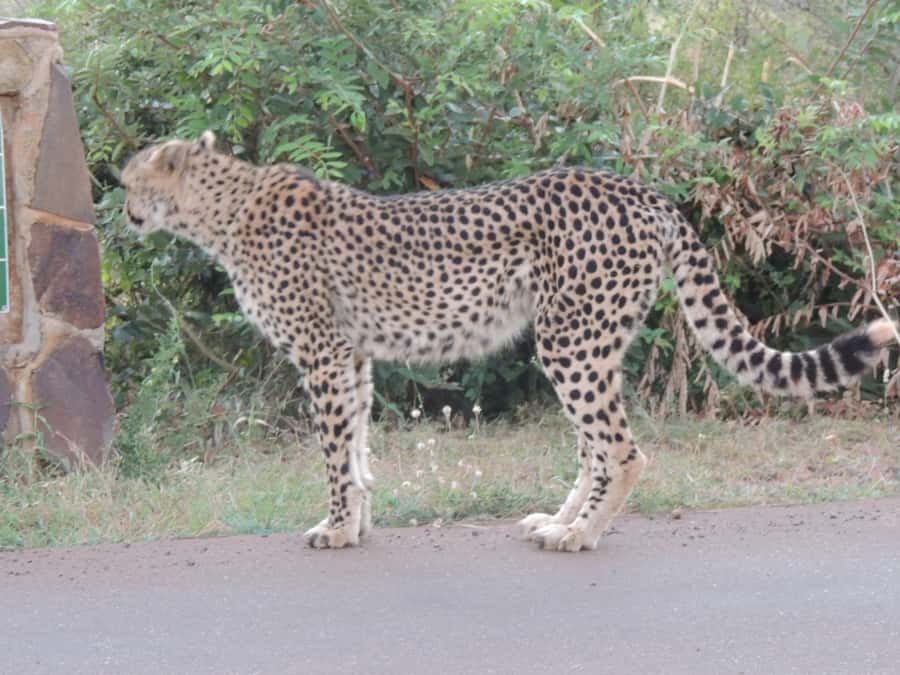
There is also a note that cheetahs are likely to be spotted when entering through Crocodile Bridge gate. You should not treat that as a guarantee, but it tells you the guide is paying attention to likely routes and spotting opportunities.
The breakfast break and timing that keeps the day enjoyable
The tour timing includes a break for breakfast after about three hours in the morning. After that, the game drive continues, with a half-day structure continuing safari until around 12:00.
If you are doing a longer format, lunch is around 12:30 for about an hour, and then the tour ends around 16:00. Either way, the pacing is designed to keep you in the field during the best animal hours and not drain you with endless driving.
Big Five goals: how guides improve your odds in real life
The Big Five is a phrase you have seen on postcards. On the ground, it becomes a set of daily challenges. The most important thing a guide can do is reduce the guesswork.
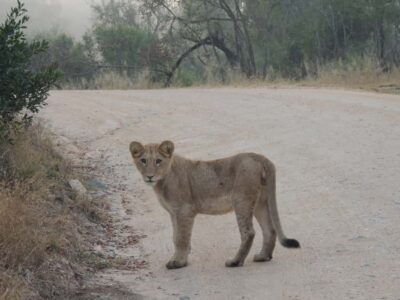
In practice, that means you stop often when animals are spotted, and the guide answers questions on the spot. Multiple guides connected with this experience, including Jerry, Gerry, Advocate, Max, Lucky, and Sibo, are described as strong on both animals and plants. One review even notes a guide trying very hard to find specific sightings such as lion cubs by checking with others, which is exactly the kind of effort that changes outcomes.
There are also hints of how well the guides manage viewing conditions. People report getting into good spots to watch animals, spending time actually observing, and driving on roads that are not overly crowded. That last part matters because a perfect sighting can still feel disappointing if you spend the entire time stuck behind other vehicles.
And yes, you can get strong Big Five results. One party reports seeing 4 of the Big Five on their tour. Another mentions seeing the Big Five within the first 4 hours, which is rare but not unheard of when timing and route line up.
Just keep expectations grounded. Kruger is wild. Sometimes the cats are active, sometimes they are sleeping, and sometimes you get one animal that makes your day feel complete even if it is not the exact list you hoped for.
Transport and comfort: what the open safari vehicle gets right
This tour uses an open safari vehicle that is high and comfortable. That is a good combination because it gives you a clear sightline while you stay seated comfortably for the drive.
The ride is practical too. You do not need to bring your own water because water is provided. You do need to manage your own food, since meals are not included in the cost.
Pickup is also straightforward. You will be dropped back at the same lodge, and you should look for a sign or branded vehicle with the company logo. The tour guidance asks you to wait in the hotel lobby about 10 minutes before your scheduled pickup time.
Price and value: $61 plus the real cost of park entry
The stated price is $61 per person for a 6-hour experience. That sounds like a bargain until you factor in what is not included.
You will need to pay the park entrance fee separately, which is listed as 440 ZAR, payable in cash upon arrival. Food is also not included. That means the true cost is the base price plus entrance, and then whatever you spend on breakfast or lunch.
So is it still good value? In my opinion, it can be, especially if you want the guide’s help for spotting and interpretation. A Big Five day is hard to replicate without driving skills, route know-how, and a good eye for animal behavior. Even if you are an experienced driver, the guided layer often makes the time feel more productive.
The other value piece is the pickup and drop-off from your lodge. It saves energy and removes decision fatigue before you enter the park.
What to bring (so you are not miserable at dawn)
Here is the practical kit based on the provided guidance.
- Passport or ID card (you will need it)
- Binoculars if you have them
- Sunglasses
- Hat
- Jacket (especially for the early drive)
- Anything you need to stay comfortable for a few hours on an open vehicle
Also, plan around the rule: alcohol and drugs are not allowed. If you want a drink, save that for after the safari.
One more comfort tip: dress in layers. Kruger mornings can feel different from afternoons, and an open vehicle means you feel the air more than you would in a closed car.
Small details that add up: what guides do that you feel
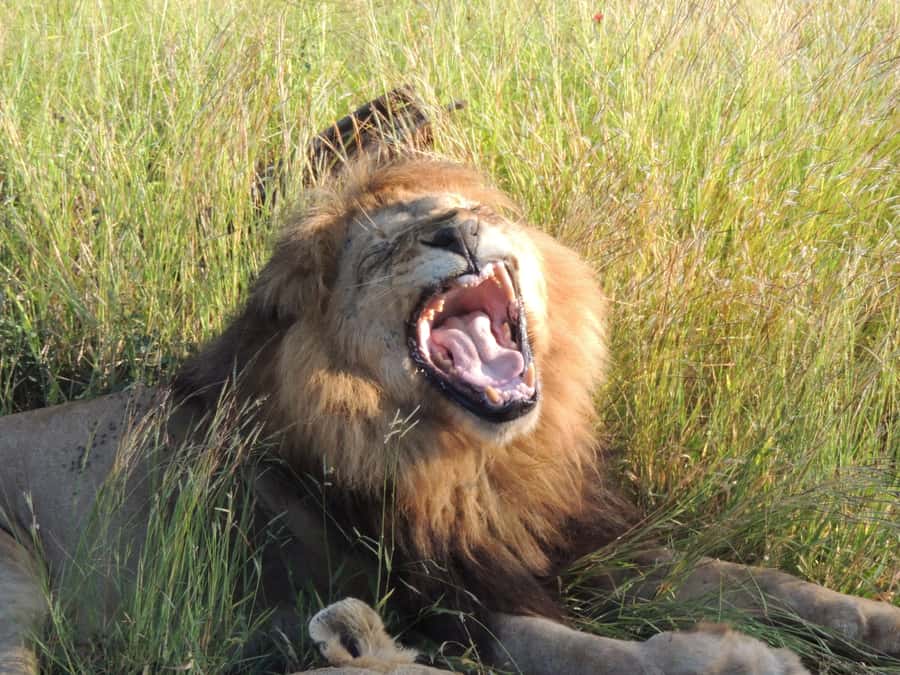
The best guided safaris are not just about who has the facts. They are about the flow of attention.
People consistently praise guide Jerry and others for staying communicative, smiling, and being on time. Others highlight that the guide shares information not only about animals, but also trees and plants, and even the names tied to places and lodges.
I also like the behavior described in the driving style: when an animal is spotted, the guide stops and answers questions patiently. That turns the drive into a learning experience, not a checklist. It also means you get better at spotting things later, even when the big moments pass.
If you want an experience that feels more like a shared day with a local than a scripted bus tour, this is the kind of guide-driven format that can deliver.
Who this Kruger safari fits best
This experience is a solid match if you want a guided Kruger day and you are not trying to navigate the park alone. It is ideal for first-timers who want to see a lot without stress, and it can also be great for experienced visitors who want a guide to sharpen their spotting and explain behavior.
It is listed as wheelchair accessible, which is helpful to know. At the same time, it is not suitable for people over 95 years old, so you should check that before booking if age is a factor.
If you hate early mornings, do consider the afternoon start at 14:30 PM. You will miss sunrise timing, but you still get guided spotting and interpretation.
My booking checklist before you pay
Before you commit, I suggest you double-check a few things that affect the day.
First, plan for the park entrance fee that is paid in cash, 440 ZAR. Second, remember that food is not included, so either budget for breakfast or lunch depending on your timing, or arrange your own meal plans around the drive.
Also, make sure your personal documents are ready. Bring your passport or ID card. Then pack the comfort items for dawn, hat and jacket especially.
Finally, think about how you want the day to feel. If you want the best odds for active animals, go for the 5:00 AM start. If you want a more relaxed schedule, choose 14:30 PM.
Should you book this Marloth Park Kruger safari game drive?
If your goal is a guided Kruger day with real interpretation, comfortable transport, and a strong chance at top sightings, I think this is a good booking. The combination of morning timing, an open vehicle with a good viewing height, and guides who consistently work to get people into the right spots can turn Kruger into an unforgettable few hours.
If you are on a tight budget, make sure you account for the extra park entrance fee and the fact that food is not included. If you dislike cold mornings, the 5:00 AM start can be tough, so the afternoon option may suit you better.
Bottom line: book it if you want the practical help of a guide and you value time in the park more than spending hours planning it yourself.
FAQ
What is the duration of this safari game drive?
The duration is listed as 6 hours.
Where is this experience located?
It is in Mpumalanga, South Africa, with safari drives in Kruger National Park.
How much does it cost?
The price is listed as $61 per person.
Do I need to pay an entrance fee for Kruger?
Yes. The park entrance is listed as 440 ZAR and is payable in cash upon arrival.
Is food included in the price?
No. Food is not included.
Is water provided?
Yes. Water is provided.
What time does the morning safari start?
The morning safari starts at 5:00 AM.
What time does the afternoon safari start?
The afternoon safari starts at 14:30 PM.
Is the tour guide available in English?
Yes. The live tour guide is English.
Is the activity wheelchair accessible, and is there an age limit?
It is listed as wheelchair accessible. It is also listed as not suitable for people over 95 years old.
Kruger: More Ways Into the Park
Keep going: the rest of our Mpumalanga write-ups
- Kruger National Park: Morning Safari
★ 5.0 · 22 reviews
Kruger National Park Safaris, compared.
 ★ 5.0Kruger National Park Full Day Private safariFrom $158799 reviews
 ★ 5.0Kruger National Park – Private full day Safari trip.From $166347 reviews
 ★ 4.8From Hazyview: Kruger National Park Full-Day SafariFrom $105205 reviews
 ★ 4.5From Johannesburg: 3-Day Budget Tent Kruger Park SafariFrom $653163 reviews
 ★ 4.6Kruger National Park: Full-Day Game Drive with PickupFrom $109136 reviews
 ★ 4.9Kruger National Park: Full-Day Private Safari With PickupFrom $280122 reviews
 ★ 5.0Kruger National Park – Private Sunrise Half day Safari trip.From $16397 reviews
 ★ 5.0Full Day Private Kruger Park SafariFrom $14390 reviews
Browse the lists this tour appears in