
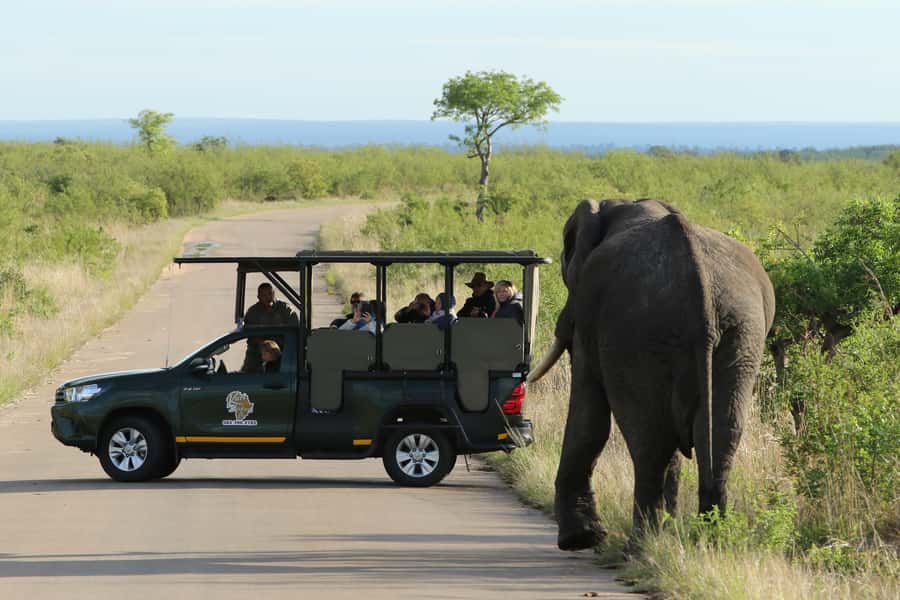
REVIEW · KRUGER NATIONAL PARK SAFARIS
Kruger National Park: Morning Safari
Kruger in the morning is wildlife speed-dating. This half-day private vehicle safari in Limpopo is built for families, couples, and photographers who want a rare early glimpse of the animals and a real shot at the Big Five. I like that it’s guided by a professional English-speaking guide who works the roads (not just stops for a few minutes), and that you’re traveling in a high-quality vehicle with mineral water on board. The main drawback to plan for is that you’re not guaranteed every species, so the best results come when you stay patient and dress for the weather.
The 6-hour format can also feel like a lot if you want long, slow breaks. You will spend most of your time on the road using the park’s road network to hunt for wildlife sightings, and breakfast is optional at Kruger rest camps rather than a guaranteed included meal.
In This Review
- Key things I’d watch for before you go
- A Half-Day Kruger Morning That Starts Strong
- Private Vehicle Safari: Why the Drive Matters More Than People Think
- How a 6-Hour Route Works in Kruger’s 200 km Road World
- Big Five Chances, Plus the Smaller Wins
- Weather, Clothing, and the Real Comfort Check
- Breakfast at Kruger Rest Camps: Optional, But Worth Planning
- Price and Value: What You’re Actually Paying For
- Who This Morning Safari Fits Best
- Practical Tips So Your Safari Goes Smoother
- Should You Book This Kruger Morning Safari?
- FAQ
- How long is the Kruger National Park morning safari?
- Is this safari private?
- Where does pickup happen?
- What’s included in the price?
- Are meals included?
- What are the conservation fees, and are they included?
- How do I pay the conservation fees?
- What language is the tour guide?
- What should I bring, and what is not allowed?
- Is the tour suitable for everyone?
Key things I’d watch for before you go
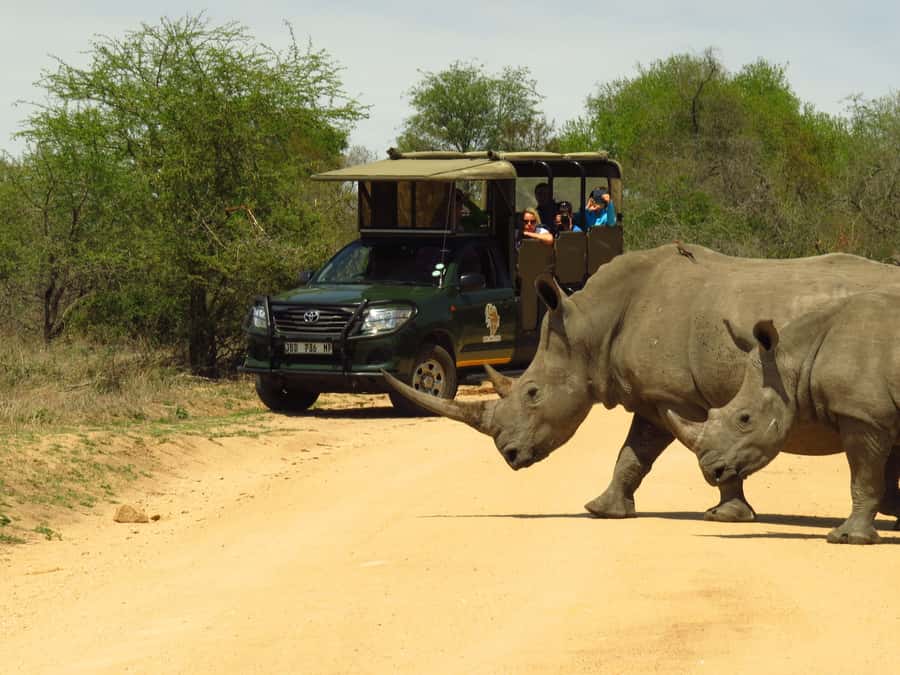
- Private group, private safari vehicle for a more flexible hunt for animals
- Morning timing for the best odds at active wildlife and clear viewing light
- Big Five focus supported by a guide who manages the routes and stops
- 200 km of park roads used to reach sightings without wasting time
- Optional breakfast at Kruger rest camps if you want a proper start
Other Kruger trips, from half days to full weeks
- Kruger National Park: Morning Safari★ 5.0 · 22 reviews
A Half-Day Kruger Morning That Starts Strong
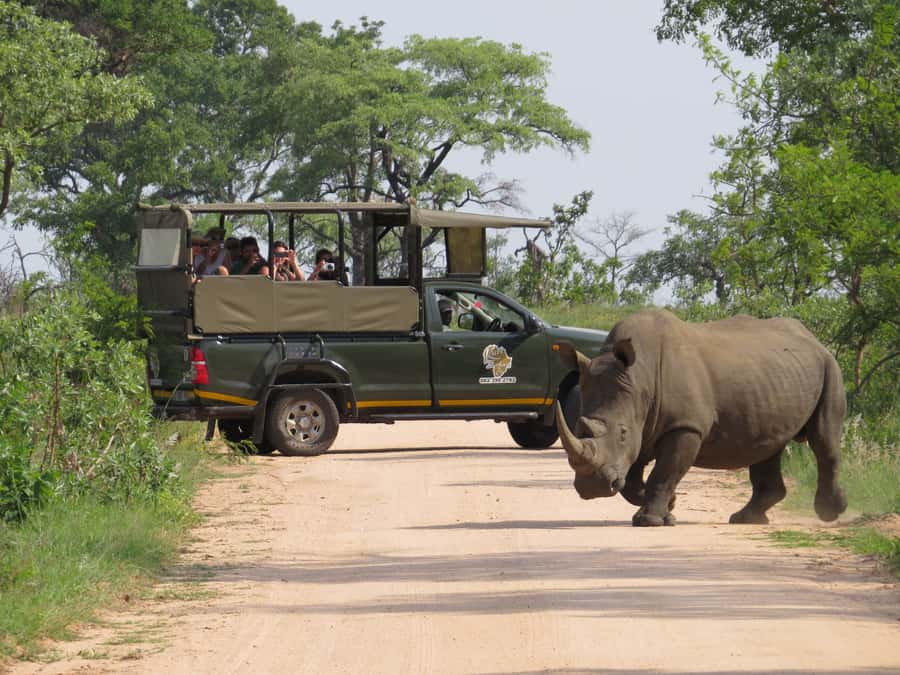
A good morning safari in Kruger is all about momentum. Animals are often moving, there’s less heat in the air, and the light helps your photos and your eyes. This tour is designed specifically as a half-day experience, so you get a concentrated taste of the park without turning your whole day into a drive fest.
What I appreciate is that it’s built around the idea that timing matters. The highlight promise includes a rare morning glimpse of the wild animals and the Big Five, and the guide’s job is to turn that promise into reality by moving through the park with purpose. In Kruger, that difference shows up fast. You can tell when a safari has a plan versus when it’s just cruising.
You should also know what this style does not promise: it does not guarantee specific animals every time. Kruger is wild, and wildlife can be unpredictable. Your best strategy is to show up ready for surprises, not a checklist.
Private Vehicle Safari: Why the Drive Matters More Than People Think
I love that this is a private group safari using a safari vehicle you can actually settle into. For families, it often means fewer interruptions and a calmer rhythm. For couples, it means you can share the same sight line and camera angles without a lot of crowd movement. For photographers, it means the guide can position you strategically without turning the experience into a group shuffle.
The guides are also not passive. The tour is led by a professional guide, and one guide named Steven stood out for practical on-the-ground help like communicating ahead of time, explaining what to expect, and adjusting when weather changed. In one experience, Steven even arranged protective clothing because of wind, and the group still stayed comfortable when there was light rain.
Another practical win: you get mineral water included. That sounds minor, but on a morning when you’re watching carefully and moving through open areas, hydration and small comfort details add up.
One more point that matters for real-world value: the guide isn’t just narrating from the vehicle. The experiences tied to the tour style include lots of effort to drive and park in a way that improves your chance at quality views and better shots.
How a 6-Hour Route Works in Kruger’s 200 km Road World
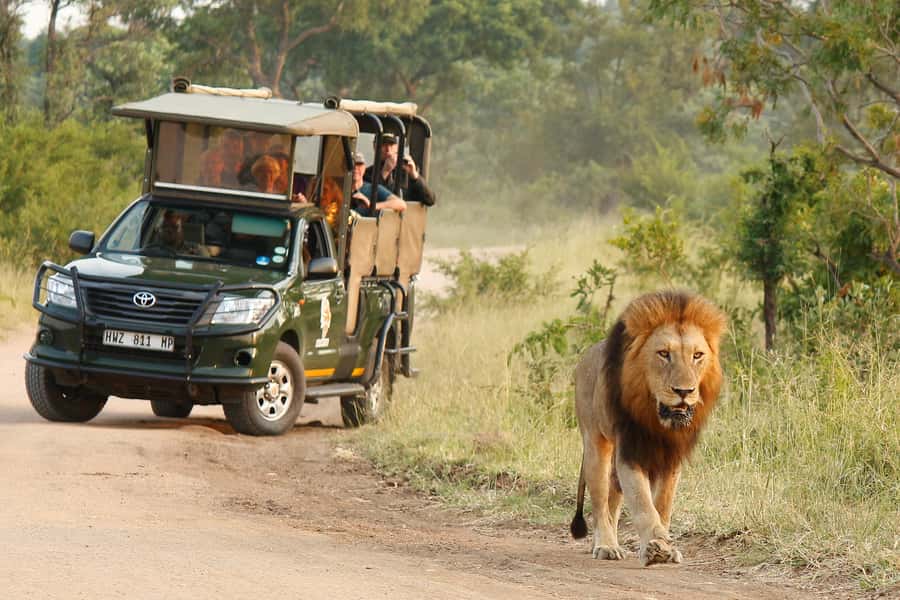
Kruger is huge, about 2,000,000 hectares, and what makes it usable for visitors is the network of roads through the park. This safari uses about 200 km of roads. That matters because you’re not wandering blind, and you’re not wasting half the morning getting from one end of nowhere to another.
Here’s how the flow typically feels:
- Pickup and handoff. You’re picked up from your accommodation or one of the park gates. The operator asks you to contact them a day before to confirm pickup time and venue, which helps avoid that annoying last-minute scramble.
- Orientation and first searching. Once you’re underway, you’re immediately in the hunt for wildlife. The guide’s experience with where animals are likely to be helps you spend your time well.
- Road time, stop time, sighting time. You’ll move along the road network, then pause when the guide finds action. A big part of the tour is the guide managing the pace, so you see more than just one or two moments.
- Optional breakfast at rest camps. Breakfast stops are available at Kruger rest camps. Meals are not included, but if you want a proper breakfast pause, this is your chance.
- Finish with more chances. Because it’s only half-day, you want the last stretch to count. The tour’s structure is designed to keep you in the park enough to chase multiple sightings rather than one dramatic moment and then leaving.
If you’re traveling with kids, this is one of the better formats because you’re not trapped on a whole-day schedule. It’s long enough to feel like a safari, short enough to avoid turning it into a grumpy slog.
The tradeoff is simple: you won’t have time to do everything in Kruger. This tour is about quality early sightings and intelligent routing, not slow wandering.
Big Five Chances, Plus the Smaller Wins
The Big Five is the headline: lions, leopards, elephants, buffalo, and rhinos. This tour is built around the idea of catching a rare morning glimpse of Big Five possibilities and seeing lots of mammals overall, with over 140 mammal species in the park.
But what makes this experience more satisfying than a checklist is how guides often work the road for multiple payoff categories:
- Big predators and the signs of them
- Herd animals that bring life and movement
- The in-between surprises, like smaller creatures people tend to miss
One review-style example that tells you what this safari values: Steven made an effort to show small creatures along the road that you would otherwise never notice, then paired it with stories of how his ancestors lived in the land. Even if you never “collect” facts, that kind of attention shifts your whole mindset from sightseeing to noticing.
And in terms of actual wildlife outcomes, some experiences include standout cat sightings and classic Kruger moments like lions and buffalo herds. There’s also a good chance you’ll see at least one or two big wins like cheetah, even if rhino is the next target to try again later. That isn’t a problem. In Kruger, rhino sightings can be less predictable, so chasing them is often part of the reason people return.
Weather, Clothing, and the Real Comfort Check
This is a morning tour, and mornings in Kruger can feel very different from the midday heat. Pack based on season: bring warm clothing in winter, and in summer bring cool clothing with a hat and a rain jacket.
A rain jacket matters because you’re out on roads that can bring mist, wind, or sudden light rain. One group had light rain and wind during the drive, but protective layers helped them stay comfortable and keep watching. Since alcohol is not allowed, you’re relying on your own comfort and hydration to keep the mood relaxed.
Also consider that the vehicle can move quickly when the guide wants to get you into position. That means you’ll want layers you can adjust without turning the whole morning into a clothing ceremony.
Breakfast at Kruger Rest Camps: Optional, But Worth Planning
Breakfast stops are available at Kruger rest camps. Meals are not included in the tour price, so you choose what you want to eat on the day.
This is a helpful option because it gives you two benefits:
- A real break that doesn’t derail the safari plan
- A chance to refuel if you’re coming from an early pickup
The only drawback is time. If you’re someone who wants nonstop wildlife time, breakfast might feel like a tradeoff. My practical advice is to treat it as optional and decide based on what you’re seeing. If the guide is on a hot streak, you might skip breakfast and keep pushing.
Price and Value: What You’re Actually Paying For
The stated price is $249 per group up to 10, and the tour includes a professional guide, safari vehicle, and mineral water. That structure can be good value, especially if you’re traveling with a small group or family. Paying per group rather than per person often helps when multiple people share the ride.
But don’t miss the conservation fees. These are not included, and they vary:
- South African citizens with ID: R134 per adult and R67 per child aged 2 to 11
- International visitors: R602 per adult and R300 per child aged 2 to 11
Those fees must be paid by card to ensure a speedy entrance into the park. If you’re budgeting, add conservation fees on top of the $249 group price, and you’ll get a much truer picture of total cost.
Is it worth it? In my view, the value comes from the combination of:
- Private vehicle access
- A guide who can manage route choices for wildlife sightings
- A morning time block that’s short enough to stay energetic
If you’re the kind of traveler who wants to maximize animals seen, a guide and a private vehicle are often the difference between a good drive and a strong safari.
Who This Morning Safari Fits Best
This tour is described as perfect for families, couples, and photographers. Based on the structure, that makes sense.
For families, it’s half-day, private, and guided, so you’re not dragging kids through a full day of long waiting. For couples, you get shared focus without the stress of coordinating with other parties. For photographers, the morning timing, plus a guide who makes efforts to park strategically and manage the route, is exactly what you want when you’re trying to capture action without constant repositioning.
There are also clear limits:
- Not suitable for children under 3
- Not suitable for pregnant women
If you fall into either category, you’ll want to look for a different format that matches your needs and safety requirements.
Practical Tips So Your Safari Goes Smoother
Here’s what I’d do before you step into the vehicle:
- Bring your passport or ID card. A copy is accepted.
- Skip alcohol and anything that counts as drugs. Those are not allowed.
- Dress for the season, not just the daytime forecast. Mornings can be cool, and wind happens.
- Plan for changing weather. A hat and rain jacket in summer is not overkill.
- Keep some patience for wildlife variability. Even with the best guide, nature decides the schedule.
Also, because pickup includes your accommodation or one of the park gates, make sure you confirm your pickup details by contacting the provider the day before. That one step can save a lot of waiting time.
Should You Book This Kruger Morning Safari?
If you want a focused, guided start to Kruger, I’d book this. The half-day length is practical, the private vehicle setup suits families and couples, and the guide approach is clearly aimed at quality sightings rather than casual driving. The included mineral water and the emphasis on morning viewing also make it feel well thought out.
I’d only hesitate if you’re traveling with very young children under 3, or if pregnancy is a factor for your group. And if you have a strict must-see-only wish list, remember that wildlife is unpredictable. Your best results will come from being flexible and letting the guide work the road network for what shows up.
FAQ
How long is the Kruger National Park morning safari?
The duration is 6 hours. Check availability to see starting times.
Is this safari private?
Yes. It’s a private group experience with your own safari vehicle.
Where does pickup happen?
Pickup is included from your accommodation or from one of the park gates. You should contact the activity provider a day before to confirm pickup time and venue.
What’s included in the price?
Included are a professional guide, the safari vehicle, and mineral water.
Are meals included?
No. Meals are not included, but breakfast stops are available at Kruger rest camps.
What are the conservation fees, and are they included?
Conservation fees are not included. South African citizens with ID pay R134 per adult and R67 per child aged 2 to 11. International visitors pay R602 per adult and R300 per child aged 2 to 11.
How do I pay the conservation fees?
You must pay conservation fees by card to ensure speedy entrance into the park.
What language is the tour guide?
The live tour guide is available in English.
What should I bring, and what is not allowed?
Bring your passport or ID card (a copy is accepted). Alcohol and drugs are not allowed.
Is the tour suitable for everyone?
It is not suitable for children under 3 years old and not suitable for pregnant women.
Safari Options Across Mpumalanga
Parks and Reserves in Mpumalanga
Kruger: More Ways Into the Park
Keep going: the rest of our Mpumalanga write-ups
- Marloth Park: Kruger National Park Safari Game Drives
★ 4.7 · 115 reviews
Kruger National Park Safaris, compared.
 ★ 5.0Kruger National Park Full Day Private safariFrom $158799 reviews
 ★ 5.0Kruger National Park – Private full day Safari trip.From $166347 reviews
 ★ 4.8From Hazyview: Kruger National Park Full-Day SafariFrom $105205 reviews
 ★ 4.5From Johannesburg: 3-Day Budget Tent Kruger Park SafariFrom $653163 reviews
 ★ 4.6Kruger National Park: Full-Day Game Drive with PickupFrom $109136 reviews
 ★ 4.9Kruger National Park: Full-Day Private Safari With PickupFrom $280122 reviews
 ★ 4.7Marloth Park: Kruger National Park Safari Game DrivesFrom $61115 reviews
 ★ 5.0Kruger National Park – Private Sunrise Half day Safari trip.From $16397 reviews
Browse the lists this tour appears in